Category: Space & Universe

  • The Bizarre Chemical Activity Shocking Venus Researchers

    The Bizarre Chemical Activity Shocking Venus Researchers

    Most space lovers assume that Venus is just a boiling desert of toxic acid and crushed rocks. We believe that no active biological processes could ever survive on its scorching surface.

    But a shocking chemical discovery in the upper clouds has challenged this planetary assumption. Scientists have detected a volatile gas that normally requires living organisms to exist.

    Sifting Through Venusian Clouds

    black flat screen computer monitor
    Photo by CDC on Unsplash

    The atmosphere of Venus is notoriously hostile to standard human exploration tools. According to reports from the European Space Agency, sensitive spectrometers analyzed the light reflecting off the thick cloud decks. The data was bizarre. They detected high concentrations of a rare gas called phosphine. But explaining how this gas got there would trigger a massive scientific debate.

    The Phosphine Gas Enigma

    a person in a lab coat
    Photo by Toon Lambrechts on Unsplash

    Phosphine is a highly toxic and reactive chemical that degrades rapidly under intense solar radiation. According to biochemical research papers, this gas on Earth is only produced by anaerobic microbes or industrial factories. It is extremely volatile. This means a constant source must be actively replenishing the gas in the Venusian sky. But volcanoes could be playing a hidden role.

    Extreme Volcanic Outgassing Theories
    brown and black rock formation
    Photo by USGS on Unsplash

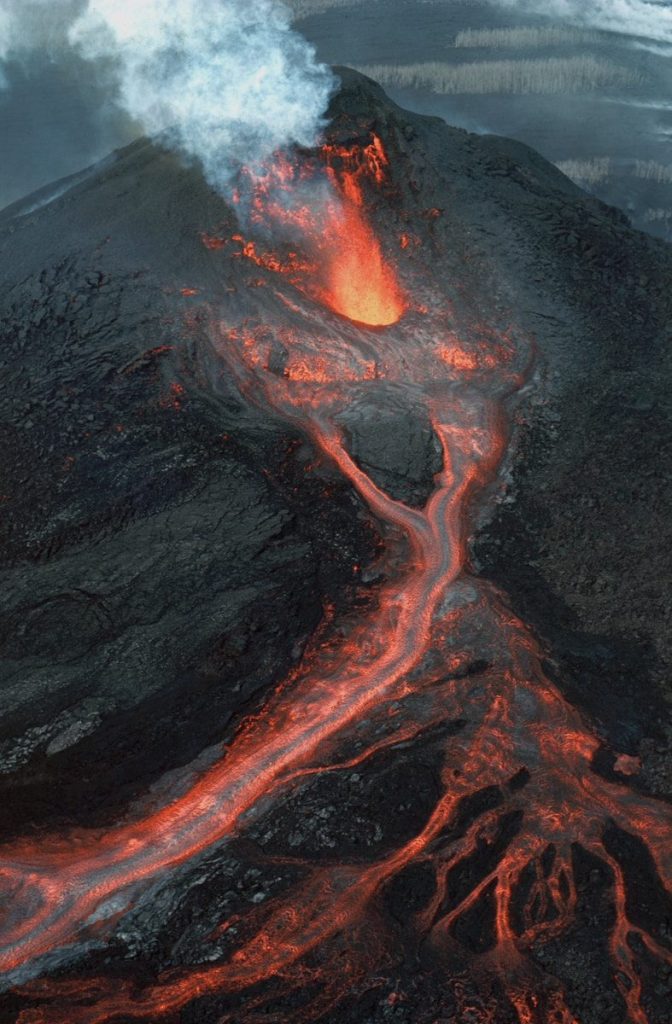
    Skeptics argue that intense geological activity deep beneath the crust could generate the rare gas. According to planetary geologists, massive active volcanoes might push deep phosphorus compounds up into the atmosphere. The pressure is immense. This natural explanation would bypass the need for any living organisms entirely. But other researchers found the volcanic models did not fit the math.

    The Math Fails Experts
    A control panel in a building at night
    Photo by Patrick Konior on Unsplash

    Calculating the volcanic output showed that geological events cannot produce enough gas to match the readings. According to a study published in Nature Astronomy, the measured chemical levels are far too high for simple volcanic venting. The gap is massive. This mismatch suggests that a much more active and unexplained force is shaping the sky. But tracking this change requires launching direct missions.

    Specialized Robotic Flying Probes
    Hot air balloon with earth design against blue sky
    Photo by Reggie B on Unsplash

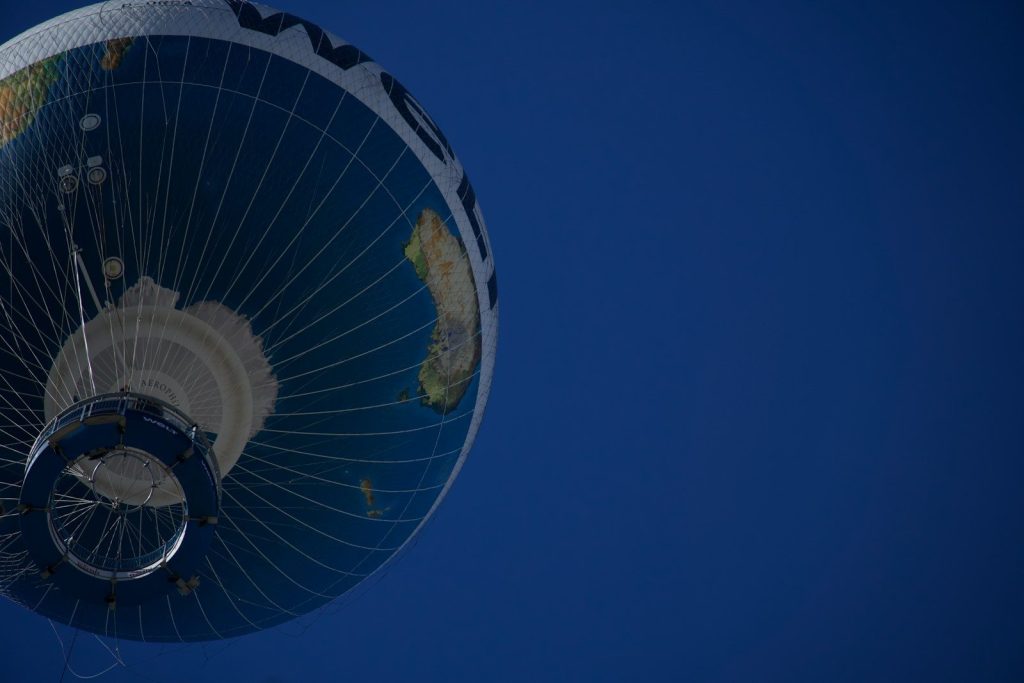
    Space agencies are now designing advanced balloon probes to sail through the clouds of Venus directly. According to NASA mission plans, these robotic explorers will harvest clean gas samples from the troposphere. The race is on. This environment maintains comfortable temperatures and pressures that are remarkably similar to Earth. But the final proof requires bringing samples back to our labs.

    Protecting Pristine Alien Environments

    man in white dress shirt holding clear plastic bottle
    Photo by Mufid Majnun on Unsplash

    Human probes risk carrying Earth microbes that could contaminate a fragile alien ecosystem. According to space preservation protocols, maintaining strict sterilization standards is absolutely vital for accurate science. The threat is real. A single stray bacterium could ruin decades of planetary research. But this cosmic search is already changing how we view the universe.

    Expanding Our Chemical Horizons
    silhouette of mountains under milky way galaxy
    Photo by Robson Hatsukami Morgan on Unsplash

    Discovering active chemistry in the clouds of Venus proves that habitable zones can exist in unexpected places. According to astrobiologists, our neighbor might hold the key to understanding how life adapts to extreme environments. Nature holds many surprises. This article is for informational purposes only and does not constitute professional scientific advice.

    Featured Image: Photo by Zelch Csaba on Pexels
  • The Most Bizarre Cosmological Mysteries Defying Modern Science

    The Most Bizarre Cosmological Mysteries Defying Modern Science

    Most stargazers believe that modern telescopes have successfully mapped all the fundamental forces of the universe. We assume that physics has already explained how stars, galaxies, and gravity interact.

    But elite theoretical physicists are currently facing a series of mind-bending cosmic anomalies. These deep space mysteries suggest that almost everything we know about reality is completely wrong.

    The Dark Matter Paradox

    two very bright blue objects in the dark sky
    Photo by NASA Hubble Space Telescope on Unsplash

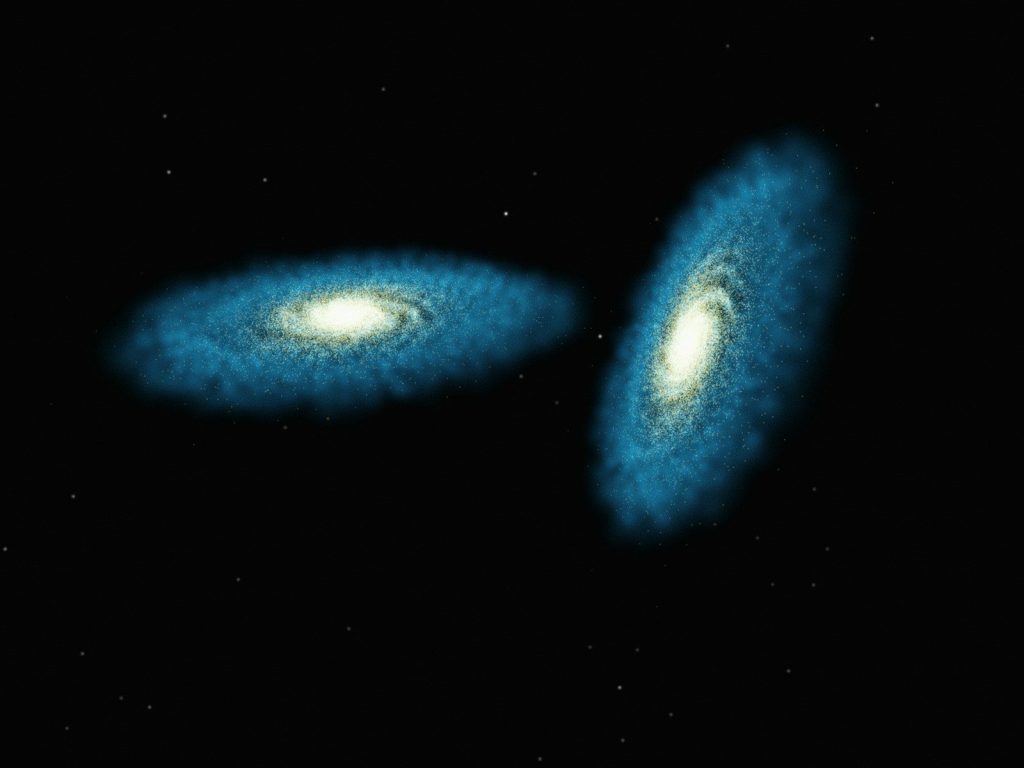
    Visible stars and massive gas clouds only make up a tiny fraction of the total cosmic mass. According to astrophysics reports, a mysterious invisible substance holds entire galaxies together with intense gravity. It is completely invisible. Scientists cannot directly detect this dark matter despite decades of searching with sensitive laboratory instruments. But this gravitational ghost is not the only force expanding space.

    The Relentless Dark Energy

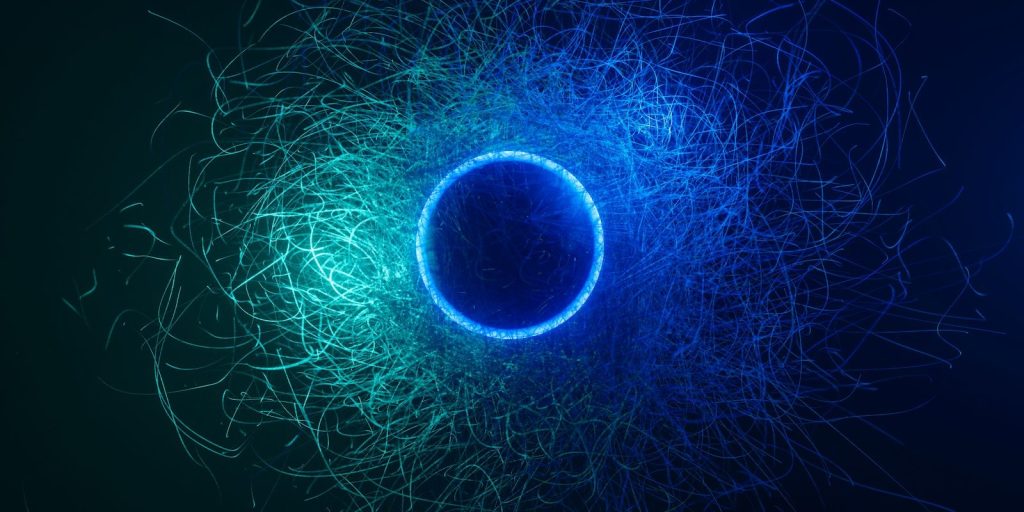
    Concentric glowing rings and particles orbiting a central textured mass.
    Photo by Brecht Corbeel on Unsplash

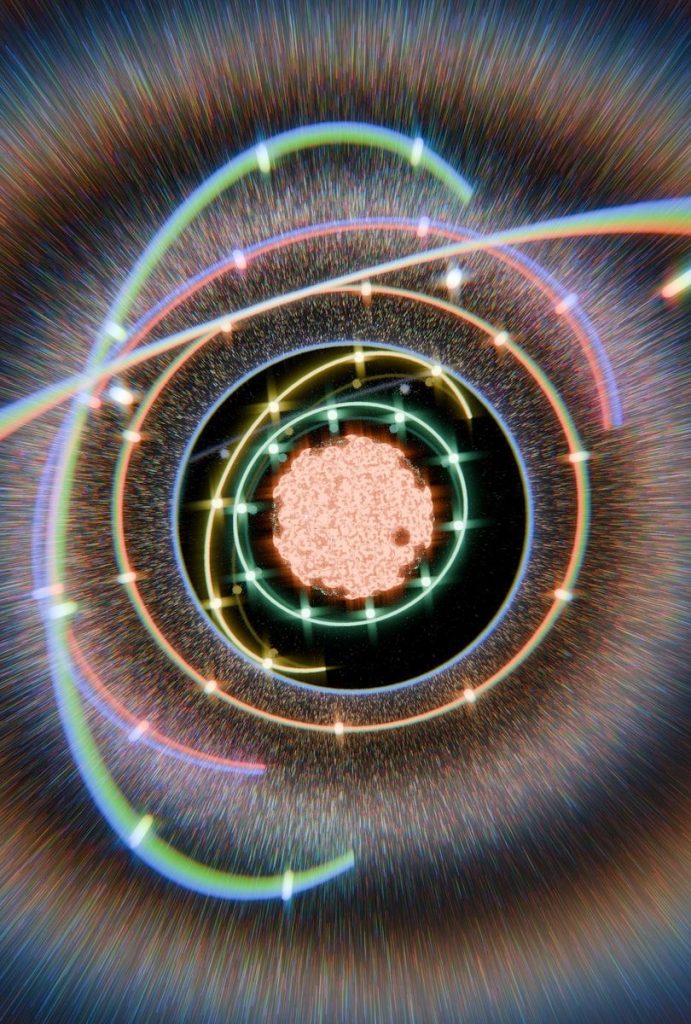
    The entire universe is expanding outward at a highly rapid and accelerating rate. According to cosmic microwave background measurements, an unexplained pressure called dark energy is pushing galaxies apart. The power is staggering. This invisible force makes up roughly sixty-eight percent of everything in existence today. But explaining how this energy behaves requires looking at the infant universe.

    The Cosmic Inflation Leap

    an artist's impression of a star in the sky with a planet in the
    Photo by NASA Hubble Space Telescope on Unsplash

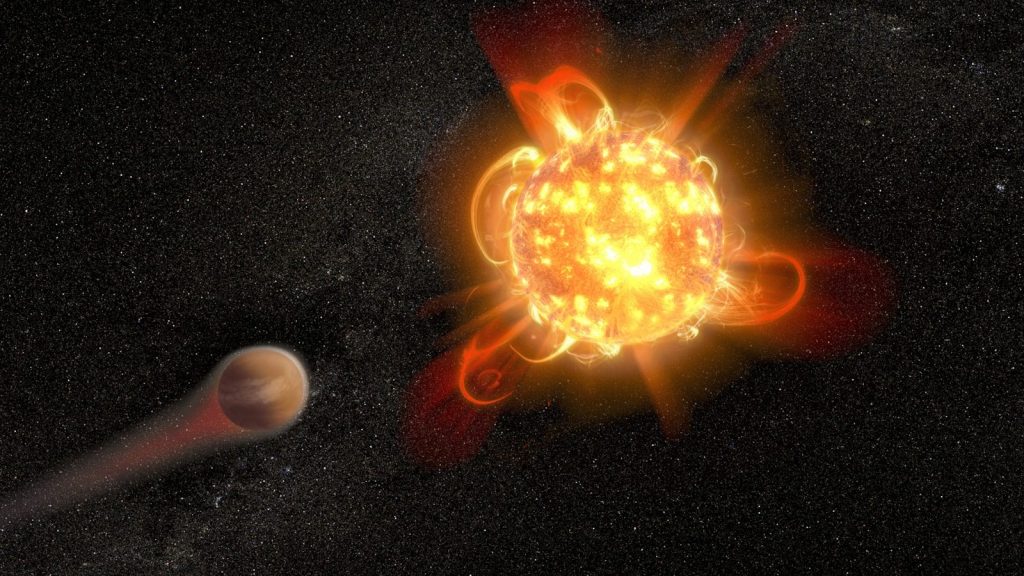
    Shortly after the Big Bang, the young universe experienced a sudden and massive expansion spurt. According to theoretical physics papers, space expanded faster than the speed of light in a fraction of a second. It was incredibly violent. No known physical law can explain what triggered this rapid cosmic ballooning or why it suddenly stopped. But this early expansion left behind a highly unusual asymmetry.

    The Missing Antimatter Puzzle

    a firework exploding in the sky
    Photo by Jeremy Foster on Unsplash

    Creating matter from raw energy always produces an equal amount of highly volatile antimatter. According to particle physics studies, these two opposing materials destroy each other instantly on contact. The balance failed. For some unknown reason, the early universe contained slightly more normal matter than antimatter to build our world. But some massive deep-space structures defy all galactic patterns.

    The Great Attractor Pull

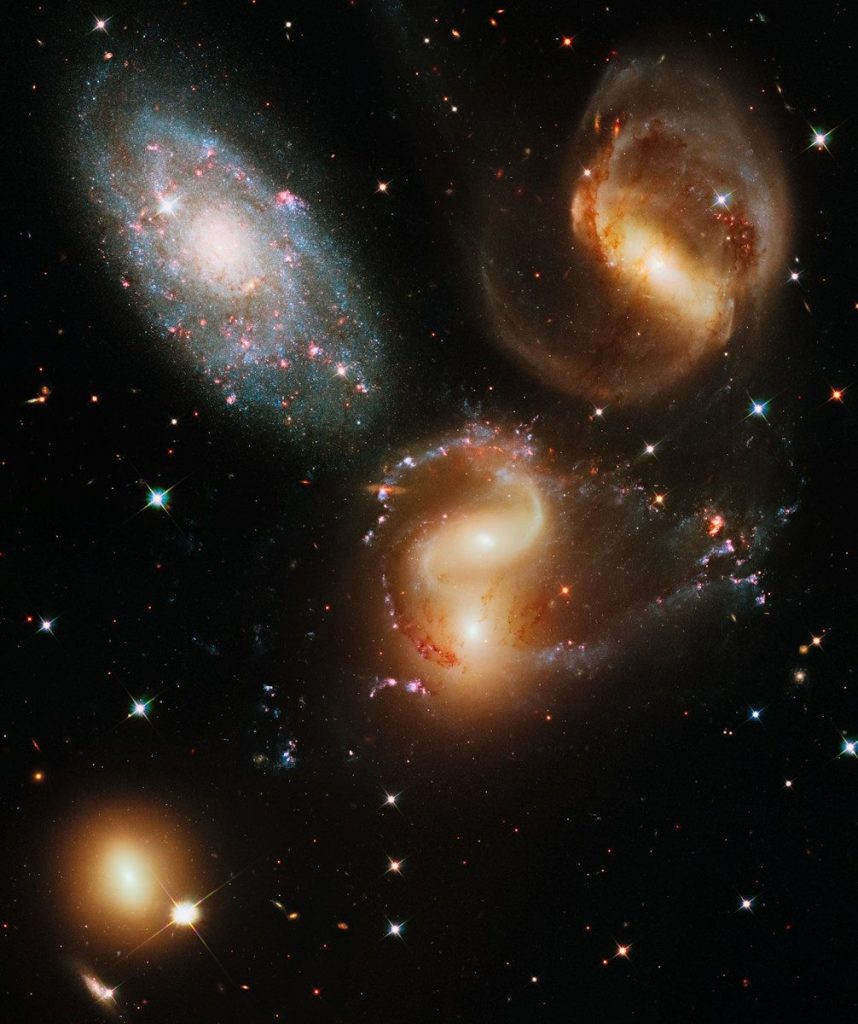
    a group of galaxy like objects in the sky
    Photo by NASA Hubble Space Telescope on Unsplash

    Colossal gravitational anomalies are quietly pulling our entire galactic neighborhood toward a specific coordinate. According to astronomical surveys, hundreds of massive galaxies are drifting toward a hidden point behind our own Milky Way. The drift is silent. This region of space contains a massive concentration of gravity that telescopes cannot see. But astronomers believe a different cosmic signal holds the ultimate secret.

    Repeating Fast Radio Bursts

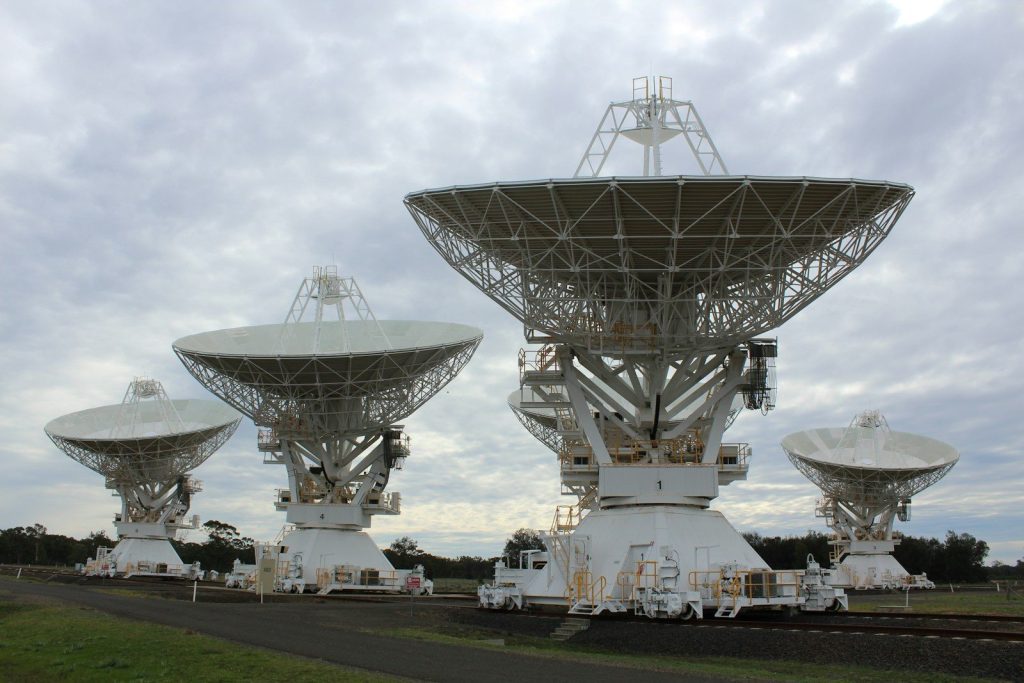
    white satellite
    Photo by V Dimples on Unsplash

    Sensitive radio telescopes routinely capture intense millisecond flashes of energy coming from distant galaxies. According to reports from the SETI Institute, some of these powerful signals repeat at precise mathematical intervals. They feel highly organized. Scientists still cannot determine if these energetic bursts are natural star deaths or technological beacons. But the ongoing search continues to push human imagination.

    Unlocking The Cosmic Code

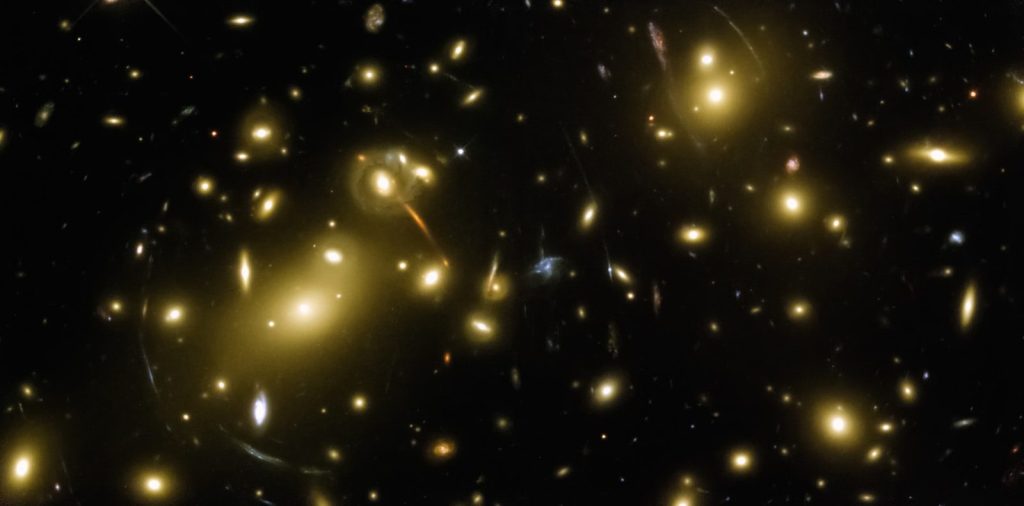
    a cluster of yellow lights in the dark
    Photo by NASA Hubble Space Telescope on Unsplash

    Solving these bizarre deep-space mysteries will require a radical revolution in modern quantum physics. According to researchers, exploring the unknown boundaries of our universe expands our collective intelligence. The journey is endless. This article is for informational purposes only.

    Featured Image: Photo by Red Shuheart on Unsplash

  • The Extreme Alien Worlds Where Humans Could Survive

    The Extreme Alien Worlds Where Humans Could Survive

    Most space enthusiasts assume that Earth is the only planet capable of supporting the complex needs of human life. We believe that distant worlds are too hot, too cold, or too toxic for our survival.

    But advanced planetary scans have revealed several highly promising exoplanets orbiting nearby stars. These extreme alien worlds contain the vital physical ingredients to host future human colonies.

    Finding The Goldilocks Zone

    an artist's impression of a planet and a star
    Photo by NASA Hubble Space Telescope on Unsplash

    Supporting liquid water requires a candidate planet to orbit its host star at a highly specific distance. According to reports from NASA, this temperature sweet spot is known as the habitable zone. It is highly rare. Inside this region, stellar warmth keeps planetary water from boiling away or freezing solid. But verifying water coverage requires scanning the atmosphere.

    Reading Distant Water Worlds

    clear body of water at daytime
    Photo by Jakob Owens on Unsplash

    Some exoplanets appear to be covered entirely by a global ocean hundreds of miles deep. According to space agency models, these watery planets could theoretically support primitive marine ecosystems under their clouds. The views are stunning. But human settlers would need to build floating cities to establish a permanent presence here. But another rocky neighbor presents a far more familiar terrain.

    The Red Dwarf Neighbors

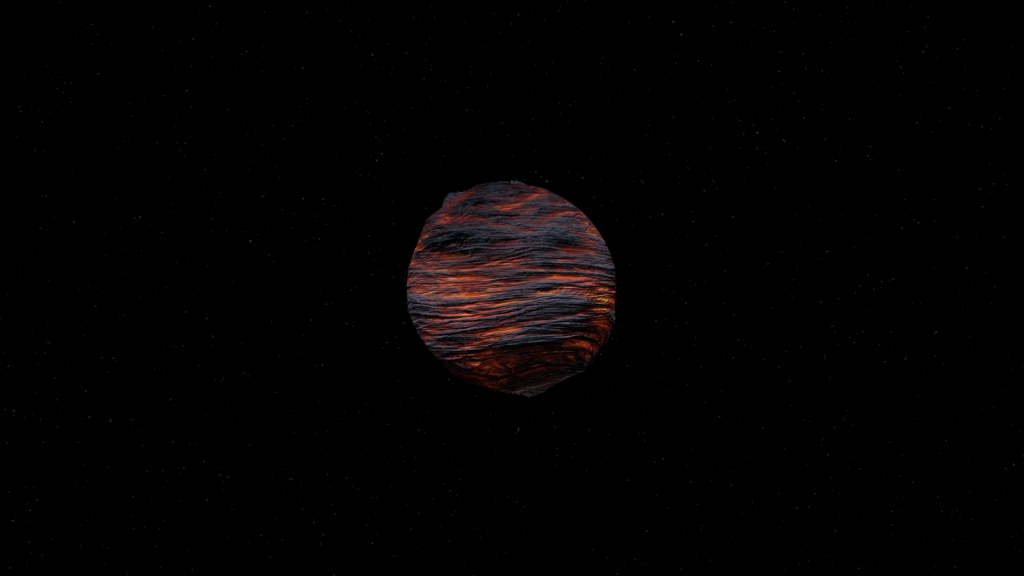
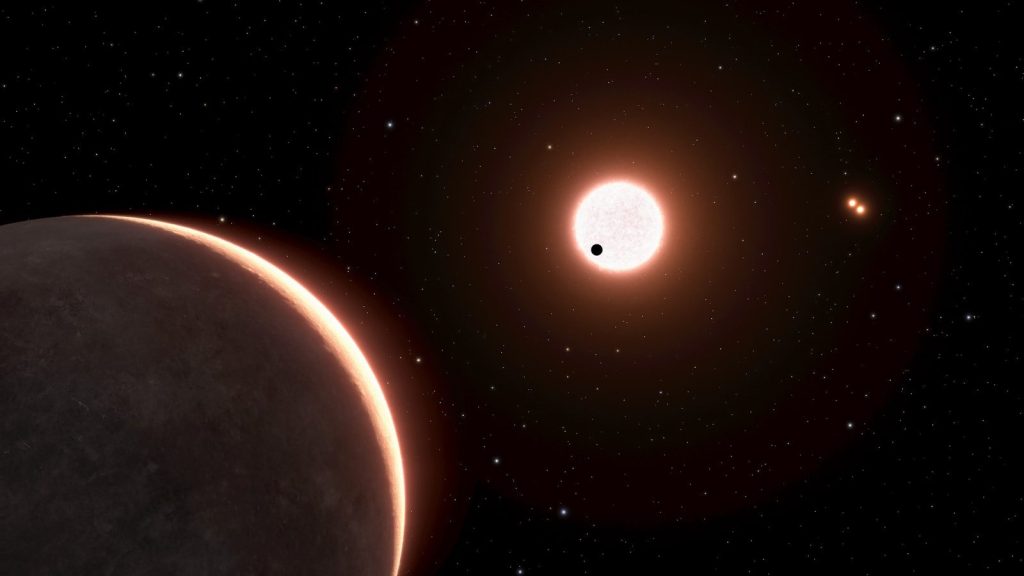
    A high-resolution image of a rocky celestial body against a black background.
    Photo by Zelch Csaba on Pexels

    Most habitable exoplanets orbit active red dwarf stars that are significantly smaller than our sun. According to stellar physics research papers, these planets often become tidally locked due to close orbits. They never rotate. This means one side of the planet faces a permanent day while the other rests in freezing darkness. But a strange border zone could offer a perfect home.

    Surviving Along The Twilight

    Colorful planet with swirling clouds in dark space
    Photo by Bhautik Patel on Unsplash

    The narrow strip of land separating the burning day from the freezing night is highly stable. According to atmospheric simulations, this twilight zone experiences a mild and continuous spring-like climate. The air is calm. This temperate region could serve as the primary landing zone for early human explorers. But protecting these colonies requires measuring the local magnetic fields.

    The Invisible Magnetic Shield

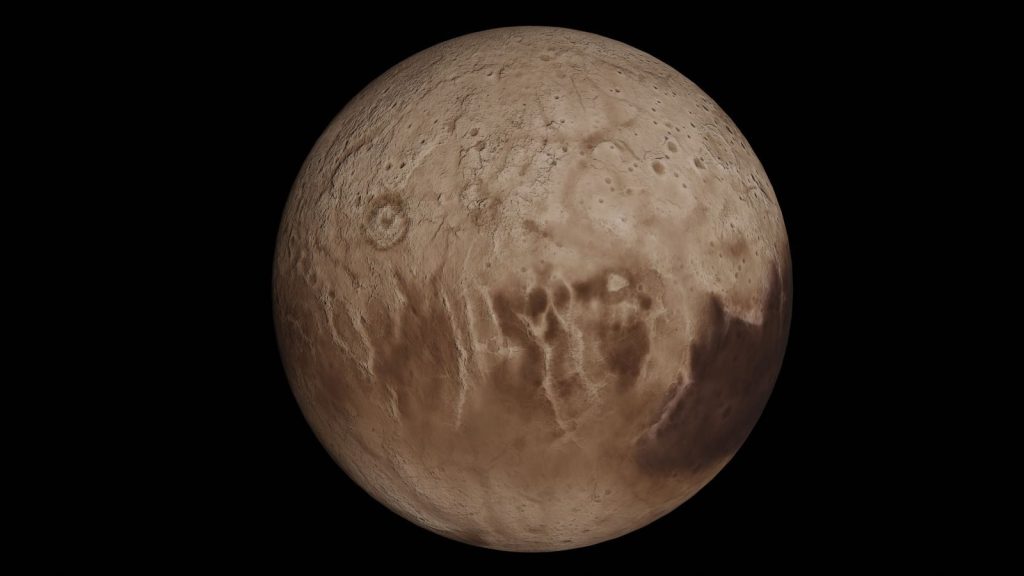
    A digitally rendered planet in space showcasing intricate textures and vibrant colors.
    Photo by Zelch Csaba on Pexels
    Exoplanets without a strong magnetic field are constantly stripped of their atmospheres by violent solar winds. According to planetary geologists, a robust liquid iron core is vital to generate this protective shield. The shield is active. Without it, intense cosmic radiation would easily destroy any human structures on the surface. But some target worlds are significantly larger than Earth.

    Settling On Super Earths

    an artist's rendering of a space station in orbit
    Photo by Andrej Sachov on Unsplash

    A rare class of massive rocky planets possesses gravity fields that are stronger than our own. According to planetary physics logs, these super-Earths can hold onto dense atmospheres that block solar radiation. They are highly resilient. However, human settlers would experience heavier physical body weights that strain muscles and bones over time. But scientists are searching for ways to adapt.

    Advanced Biosphere Dome Engineering

    black metal fence
    Photo by Markus Spiske on Unsplash

    Future colonists will need to build massive pressurized domes to grow crops and recycle breathing air. According to architectural design files, specialized carbon materials can insulate indoor habitats from extreme external temperatures. The designs are practical. This closed-loop setup will allow humans to farm and live comfortably on hostile worlds. But launching these deep space journeys requires a massive leap in rocket tech.

    Heading Into The Deep

    A breathtaking view of Earth with the sun rising, illuminating the planet in space.
    Photo by Zelch Csaba on Pexels

    Establishing a permanent home on a distant exoplanet remains the ultimate dream of modern space exploration. According to astrobiologists, finding a second living world will guarantee the long-term survival of human consciousness. The journey is starting. This article is for informational purposes only.

    Featured Image: Photo by Sam Moghadam on Unsplash

  • Why One Rocket Empire Could Own The Global Economy

    Why One Rocket Empire Could Own The Global Economy

    Most business analysts assume that the world’s most valuable companies will always be standard tech giants or oil conglomerates. We believe that consumer software and retail brands represent the absolute peak of commercial wealth.

    But financial experts are predicting a massive shift toward the orbital economy. One private space firm is quietly building a dominant orbital monopoly that could make it the first multi-trillion-dollar empire in history.

    The Global Satellite Monopoly

    Satellite orbiting earth with clouds below
    Photo by Mara F on Unsplash

    Operating a global communication network normally requires building massive land towers and expensive fiber cables. According to space sector reports, a single private firm now operates over half of all active satellites orbiting Earth. The network is massive. This satellite grid delivers high-speed internet to the most remote corners of the planet. But this orbital dominance is only the first step of their business plan.

    Crushing All Launch Competitors

    a close up of a space shuttle on display
    Photo by Alizea Sidorov on Unsplash

    Sending heavy payloads into orbit used to be a highly expensive government endeavor. According to aerospace database records, the private brand successfully carries the vast majority of the world’s commercial space cargo today. They are highly efficient. By reusing their rocket boosters, they have dropped launch prices to historic lows. But a new rocket model is about to accelerate this monopoly even further.

    The Super Heavy Advantage

    A space shuttle launches into space, showcasing powerful rocket engines and USA branding.
    Photo by Pixabay on Pexels

    Traditional rockets are completely destroyed after a single flight through the atmosphere. According to engineering logs, the giant new Starship booster is designed for immediate and total reusability. It is a game-changer. This massive vehicle will allow the company to launch thousands of tons of cargo daily at almost zero hardware cost. But this unmatched launching capacity is attracting highly lucrative defense contracts.

    Guarding National Security Systems

    An engineer monitors multiple screens in an industrial control room, ensuring smooth operations.
    Photo by Sergey Sergeev on Pexels

    Defense agencies rely heavily on secure satellite tracking to monitor global movements in real time. According to military defense files, the government has signed massive agreements to use customized military satellite networks. The security is tight. This reliance on private space systems is making the rocket firm an indispensable partner for national defense. But their long-term financial growth depends on a much larger target.

    Mining The Deep Cosmos

    a large rock in the middle of a space filled with stars
    Photo by NASA Hubble Space Telescope on Unsplash

    The icy asteroids drifting through our solar system hold precious mineral wealth worth quadrillions of dollars. According to financial market projections, mastering cheap deep-space transit will allow the company to capture these celestial resources first. The potential is limitless. This asteroid mining capability could generate unprecedented wealth that eclipses entire national economies. But some critics are warning about the absolute lack of competition.

    The High Entry Barrier

    three huge gray metal towers inside building
    Photo by SpaceX on Unsplash

    Building a viable competitor in the rocket industry requires billions of dollars and years of advanced research. According to economic analysts, no other private firm or government agency can currently match the company launch frequency. The gap is widening. This massive head start gives the brand an unbreakable grip on the future orbital market. But this consolidation of power is raising serious global regulatory concerns.

    Shaping The Orbital Era

    edited photo of empty road way
    Photo by Tom Gainor on Unsplash

    The rapid rise of commercial space travel is ushering in a bold new economic era that goes beyond Earth. According to historians, controlling the highway to the stars will determine who holds ultimate power in the next century. The cosmos is the new market. This article is for informational purposes only.

    Featured Image: Photo by Frederick Wallace on Unsplash

  • The Massive Gravity Hole Hiding Deep Inside Earth

    The Massive Gravity Hole Hiding Deep Inside Earth

    Most people believe that the earth beneath our feet is a perfect, solid sphere with uniform gravity. We assume that our weight remains exactly the same no matter where we travel on the globe.

    But a surprising geophysics study has revealed a major gravitational anomaly. A massive gravity hole hiding deep inside the Indian Ocean has baffled researchers for decades.

    The Indian Ocean Deficit

    high-angle photo of sea with waves
    Photo by Michael Benz on Unsplash

    Gravity is not completely uniform across the surface of our planet. According to reports from the Indian Institute of Science, a massive dip in gravitational pull exists over a vast ocean basin. The pull is weak. This unique gravity hole covers more than one million square miles of the sea floor. But discovering what caused this massive dip required mapping the earth mantle.

    Tracking Subsurface Densities

    an aerial view of the ocean and cliffs
    Photo by Luis Diego Aguilar on Unsplash

    The strength of local gravity depends directly on the density of the rocks buried beneath the crust. According to seismic research papers, the Indian Ocean basin sits on top of an incredibly low-density zone. The ground behaves strangely. This lack of mass is what causes gravity to drop so significantly in this region. But tracing the origin of this low-density zone took geologists back millions of years.

    The Ghost Ocean Remnants

    Drone image of Biskupin, a reconstructed Bronze Age settlement in Poland.
    Photo by Radoslaw Sikorski on Pexels

    Geologists run advanced computer simulations to reconstruct how ancient continents moved. According to a study published in Geophysical Research Letters, a long-lost ocean called Tethys once separated early landmasses. It vanished completely. As this ancient sea floor sank into the hot mantle, it pushed up lighter plumes of molten rock. But this underground movement was about to create a massive geoid depression.

    The Shifting Molten Plumes

    A close up of a fire in a fireplace
    Photo by MARIOLA GROBELSKA on Unsplash

    The sinking tectonic plates forced hot magma plumes to rise slowly beneath the Indian Ocean. According to mantle dynamics models, these buoyant rock plumes replaced heavier materials directly under the crust. The magma was hot. This displacement of heavy mass created the massive gravitational deficit we measure today. But this gravity hole is actually altering the sea level in a highly bizarre way.

    The Sunken Sea Level

    Aerial view of islands and ocean at night
    Photo by USGS on Unsplash

    Lower gravitational pull means the ocean water is not pulled as strongly toward the center of the Earth. According to oceanographic surveys, the sea surface inside the gravity hole sits three hundred feet lower than the global average. The water dips. This creates a massive depression in the ocean that is virtually invisible to the naked human eye. But modern satellites can map this watery dip with absolute precision.

    Measuring Gravity From Space

    an artist's rendering of a satellite in space
    Photo by NASA Hubble Space Telescope on Unsplash

    Specialized space probes map the gravitational fields of Earth by measuring slight orbital shifts. According to space agency reports, these sensitive instruments can detect tiny changes in density beneath the ocean floor. The technology is brilliant. This gravity mapping has helped researchers locate similar deep anomalies in other parts of the world. But the ultimate impact of these underground shifts remains a major focus of research.

    Unlocking Our Dynamic Planet

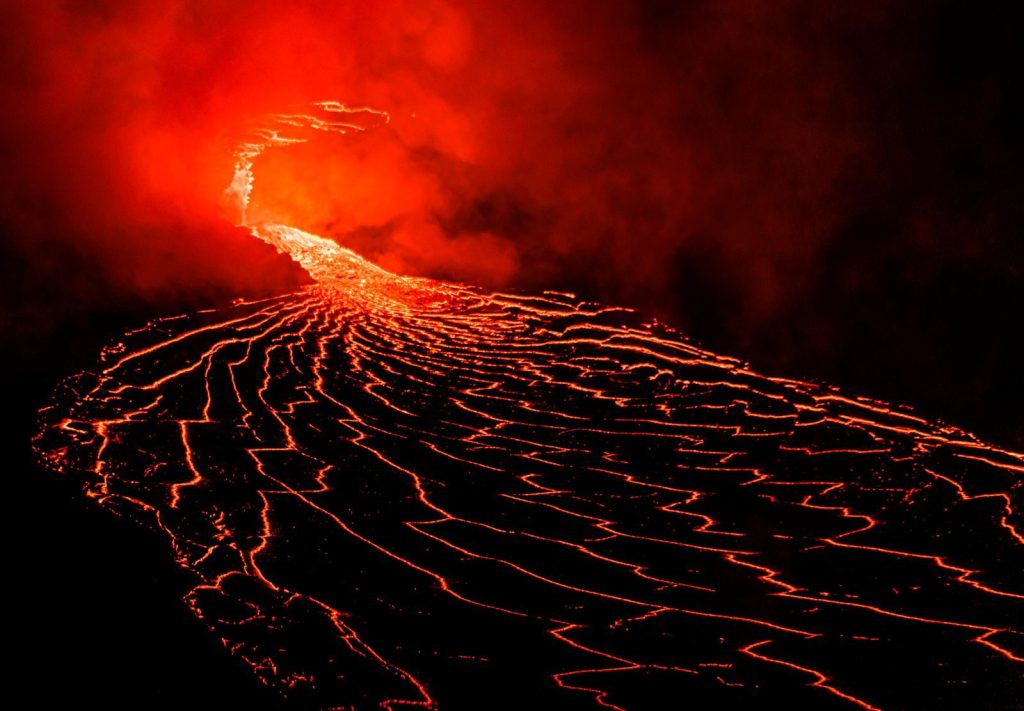
    Spectacular lava flow from an erupting volcano under the night sky, showcasing fiery reds and intense heat.
    Photo by Daniel Torobekov on Pexels

    The massive gravity hole in the Indian Ocean proves that Earth remains a highly active and changing planet. According to geophysicists, studying these deep anomalies helps us understand how the mantle drives geological activity. Nature holds secrets. This article is for informational purposes only.

    Featured Image: Photo by NASA on Unsplash

  • Why Theoretical Physicists Believe Seven Hidden Dimensions Exist

    Why Theoretical Physicists Believe Seven Hidden Dimensions Exist

    Most people assume that space has only three physical dimensions that we can see and touch. We believe that everything in the universe operates within simple height, width, and depth.

    But a mind-bending mathematical calculation has challenged this basic physical rule. Advanced cosmic equations suggest that seven hidden dimensions are curled tightly inside empty space.

    Peering Into Subatomic Strings

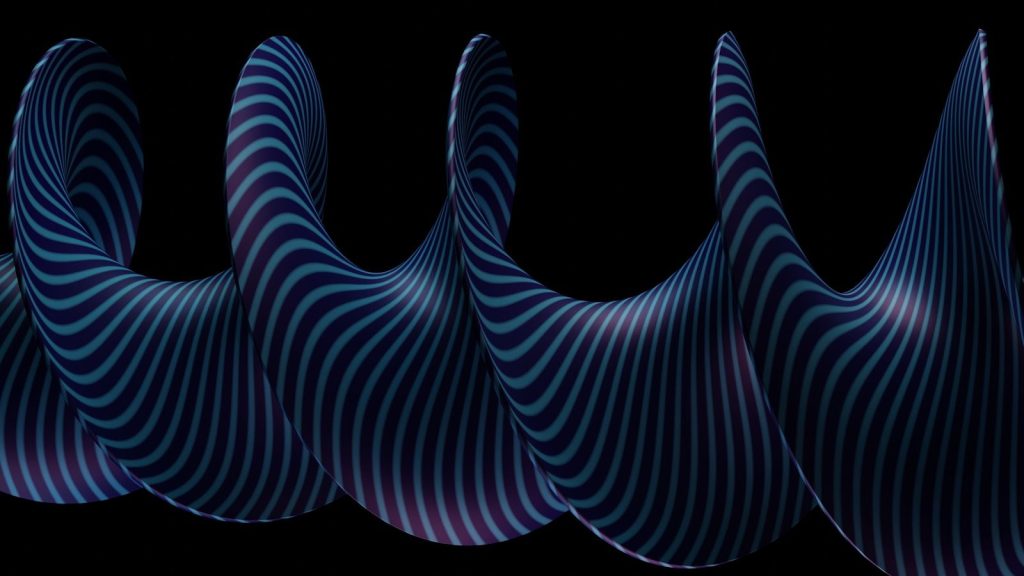
    a group of wavy shapes on a black background
    Photo by Aakash Dhage on Unsplash

    Traditional physics struggles to combine the laws of gravity with the chaotic world of quantum mechanics. According to superstring theory, the fundamental blocks of matter are actually tiny vibrating strings of energy. They are extremely small. To explain how these strings vibrate, the math requires the existence of multiple extra dimensions. But finding these hidden spaces requires looking closely at empty space.

    Curled Inside Empty Space

    silver and black round device
    Photo by Logan Gutierrez on Unsplash

    The extra dimensions are not massive spaces like the sky we see above us. According to theoretical physicists, these seven extra dimensions are curled up so tightly that they are completely invisible to the human eye. They are microscopic. This means that every single point in our room actually contains hidden pathways. But proving their physical existence is a massive hurdle for researchers.

    Smashing Atoms For Clues

    gray electronic device
    Photo by Devon Rogers on Unsplash

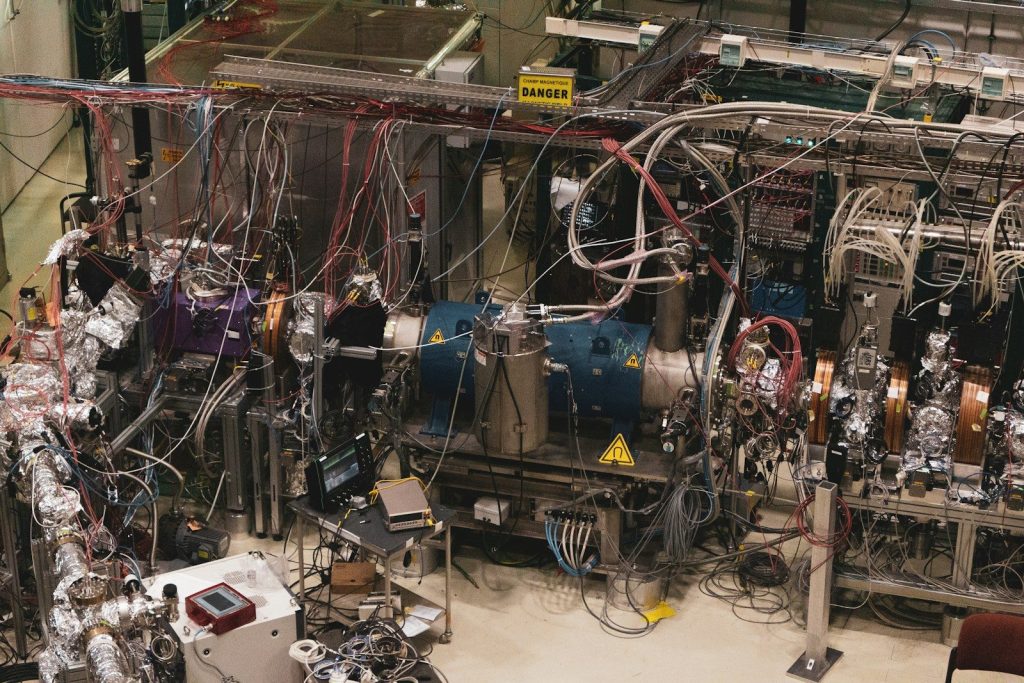
    Finding evidence of hidden dimensions requires generating extreme levels of physical energy in laboratories. According to reports from CERN, scientists use massive particle colliders to smash subatomic particles together at nearly the speed of light. The collisions are violent. Researchers are searching for tiny drops in energy that suggest particles escaped into the extra dimensions. But this experimental search has also revealed a strange gravitational link.

    The Gravity Leak Puzzle

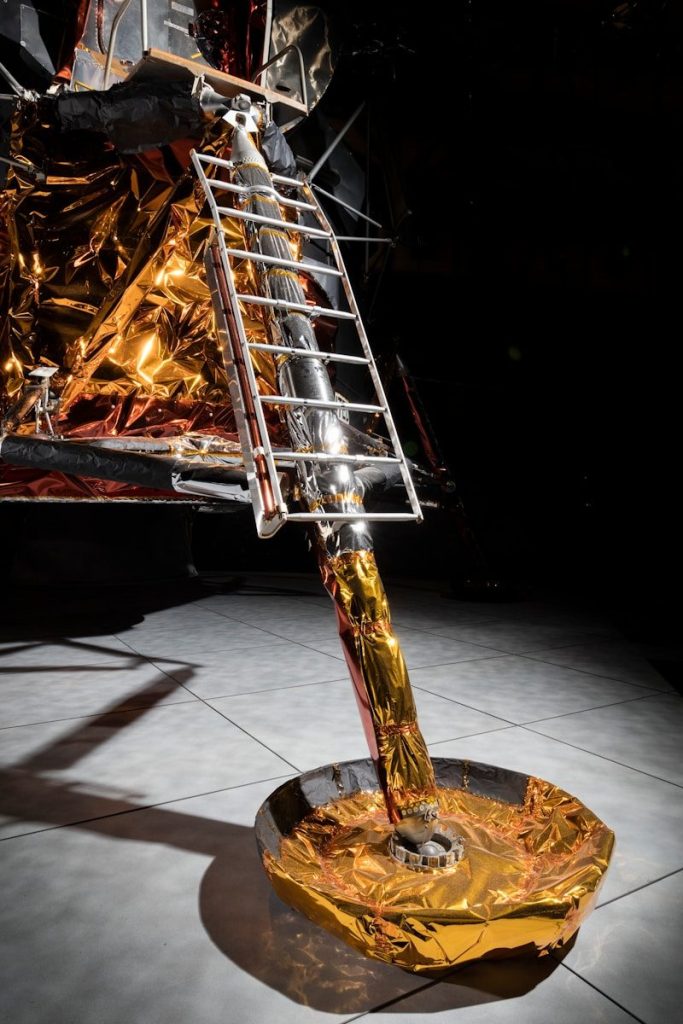
    Spacecraft leg with golden insulation and silver reflective material
    Photo by Smithsonian on Unsplash

    Gravity is surprisingly weaker than other fundamental forces of nature, like electromagnetism. According to gravity research papers, this weakness could occur because gravity is actually leaking into the hidden dimensions. The force is spread thin. This leak would explain why a small refrigerator magnet can easily defy the gravitational pull of the entire Earth. But these dimensions could also solve the famous black hole paradox.

    Holograms Projecting Our World

    a large group of people in a dark room
    Photo by Christian on Unsplash

    The math of extra dimensions suggests that our three-dimensional reality might actually be a projection. According to the holographic principle, all cosmic data is stored on a flat two-dimensional boundary. The universe is a hologram. This projection system explains how quantum information survives even when a massive star collapses into a void. But this radical theory is dividing the global physics community.

    Uniting Space And Time

    Close-up of hand writing complex math equations on a chalkboard in a classroom setting.
    Photo by Monstera Production on Pexels

    Solving the mystery of extra dimensions could finally deliver the ultimate holy grail of modern science. According to physics researchers, uniting gravity with quantum mechanics would unlock the secrets of how our universe began. The connection is beautiful. This unified framework would completely transform our understanding of time and cosmic travel. But the final answer remains just out of reach.

    A Multi-Dimensional Cosmos

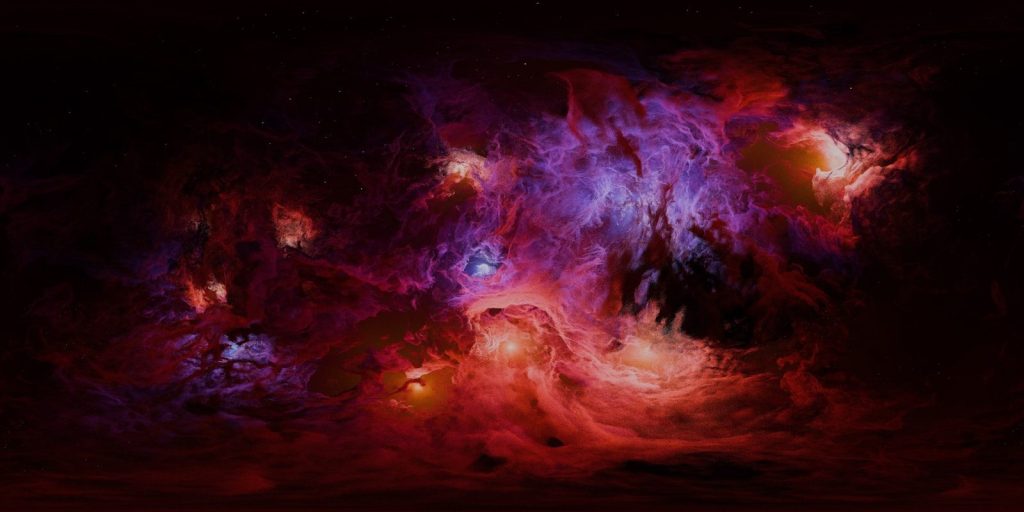
    Colorful nebula with red and purple clouds
    Photo by Marek Pavlík on Unsplash

    The search for hidden dimensions pushes the absolute limits of human imagination and mathematical engineering. According to theorists, our universe is far more complex and beautiful than our senses can perceive. The journey is endless. This article is for informational purposes only.

    Featured Image: Photo by Pachon in Motion on Pexels

  • The Most Bizarre Objects Ever Discovered In Deep Space

    The Most Bizarre Objects Ever Discovered In Deep Space

    Most stargazers believe that the night sky is populated only by standard stars, planets, and moons. We assume that cosmic structures follow highly predictable patterns of formation.

    But deep space telescopes have captured a series of highly bizarre objects that completely defy cosmic rules. These extreme anomalies are forcing astronomers to rewrite their entire stellar playbooks.

    Stars Surviving Supernova Explosions

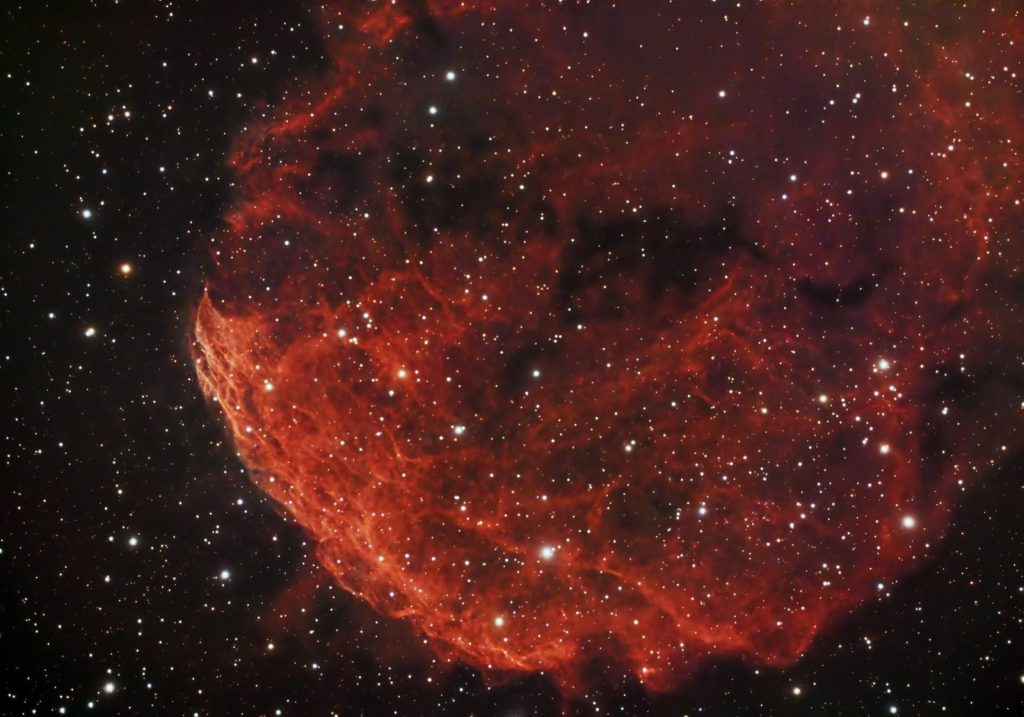
    Dramatic view of the red Jellyfish Nebula amidst stars in the cosmos
    Photo by Daniel Cid on Pexels

    A massive supernova explosion normally destroys a dying star completely and leaves only dust behind. According to telescope data from NASA, researchers have detected a rare class of zombie stars that survive these violent blasts. They are highly resilient. These bruised stellar remnants continue to burn dimly in the dark long after their peers vanished. But these undead stars are only the first cosmic anomaly.

    Planets Crafted From Crystal

    Stunning macro shot of purple and blue crystals, revealing intricate textures and vibrant colors.
    Photo by Merlin Lightpainting on Pexels

    Some extreme worlds are constructed from materials that would be incredibly precious on Earth. According to planetary geologists, a distant super-Earth orbiting a nearby star is made mostly of solid diamond and graphite. The wealth is staggering. This carbon-rich planet experiences such intense pressure that its core crystallized into sparkling gem rock. But other dark worlds are completely devoid of any light.

    Galaxies Made Of Dark Matter

    red string on clear surface
    Photo by Jr Korpa on Unsplash

    Most galaxies contain billions of bright stars that light up the cosmic void for astronomers. According to research from the Hubble Space Telescope, a recently mapped ghost galaxy contains almost zero visible stars. It is completely invisible. This massive structure consists almost entirely of mysterious dark matter that holds no light. But this silent giant is creating an intense gravitational pull on nearby systems.

    Oceans Without Any Land

    body of water under starry night
    Photo by Patrick Connor Klopf on Unsplash

    Some exoplanets do not possess any solid rock surfaces for life to crawl upon. According to reports from the European Space Agency, researchers have located a world covered entirely by a global ocean hundreds of miles deep. There is no land. The high pressure at the bottom of this massive ocean turns the water into a bizarre form of hot ice. But some objects are traveling through space completely alone.

    Drifting Rogue Space Wanderers

    a man standing in the middle of a dark cave
    Photo by vista graphics3d on Unsplash

    Standard planets are bound to their host stars and follow predictable circular orbits forever. According to astronomical surveys, billions of rogue planets are drifting completely alone through the absolute dark of interstellar space. They have no sun. These lonely wanderers were violently ejected from their home solar systems during chaotic early planetary collisions. But some stars are actively consuming their own families.

    Vampires Siphoning Stellar Partners

    Artistic depiction of the solar system with planets orbiting the sun in space.
    Photo by Zelch Csaba on Pexels
    Double star systems can trigger a highly aggressive and parasitic relationship in deep space. According to orbital observations, a dense white dwarf can siphon hydrogen gas from its larger binary companion. The dwarf is tiny. This stolen material eventually builds up on the surface until it triggers a massive thermonuclear explosion. But these cosmic vampires pale in comparison to the ultimate stellar engines.

    Flying Stars Escaping Galaxies

    Swirling abstract light painting creating a tunnel-like effect with vibrant colors.
    Photo by Uroš Drljača on Pexels

    Most stars orbit the center of their home galaxies at relatively comfortable speeds. According to declassified astrophysics logs, some hypervelocity stars are traveling at over two million miles per hour. They are blindingly fast. These rogue engines were slung out of the galactic core by the intense gravitational whip of a supermassive black hole. But these fast-moving giants are heading toward a completely dark future.

    Mapping The Outer Limits

    Abstract swirling cosmic dust and stars with golden light.
    Photo by Marek Pavlík on Unsplash

    The bizarre anomalies found in deep space prove that our universe is far wilder than our science fiction. According to astronomers, every new telescope discovery expands our understanding of how cosmic matter behaves under extreme physical conditions. Nature holds the secrets. This article is for informational purposes only.

    Featured Image: Photo by NASA on Unsplash

  • The Surprising Molecular Secrets Trapped Inside Burning Stars

    The Surprising Molecular Secrets Trapped Inside Burning Stars

    Most people assume that burning stars are simple giant balls of fire made of basic hydrogen gas. We believe that stellar cores are uniform reactors that undergo simple nuclear fusion.

    But advanced spectral scanning has revealed a highly complex atomic refinery operating inside these cosmic engines. Stars are actually synthesizing heavy metallic elements that drive the creation of rocky planets.

    Forging Elements Inside Cores

    background pattern
    Photo by Dynamic Wang on Unsplash

    Stars are the ultimate elemental factories of our universe. According to astrochemistry reports, the immense heat and pressure inside a stellar core force light hydrogen atoms to fuse into helium. This is vital. As the star ages, it begins synthesizing increasingly complex elements like carbon, oxygen, and neon. But this elemental fusion process has a highly destructive physical limit.

    The Lethal Iron Barrier

    Abstract metallic cubes arranged in a stepped pattern.
    Photo by Willy the Wizard on Unsplash

    The synthesis of heavier elements progresses smoothly until the star begins producing iron. According to nuclear physics studies, fusing iron does not release any energy but actually absorbs it. The reaction halts instantly. This sudden energy drop causes the stellar core to collapse violently under its own gravitational weight. But this spectacular collapse is what scatters these elements across the galaxy.

    Scattering Seeds Across Space

    a large cluster of stars in the sky
    Photo by NASA Hubble Space Telescope on Unsplash

    The violent collapse of a massive star triggers a spectacular supernova explosion that blasts elements into deep space. According to planetary geologists, this stellar dust eventually gathers to form new rocky planets like Earth. We are made of starstuff. Every single carbon atom in our bodies was forged inside a dying stellar furnace. But tracking these heavy metals requires analyzing distant starlight.

    Reading Starlight Absorption Lines

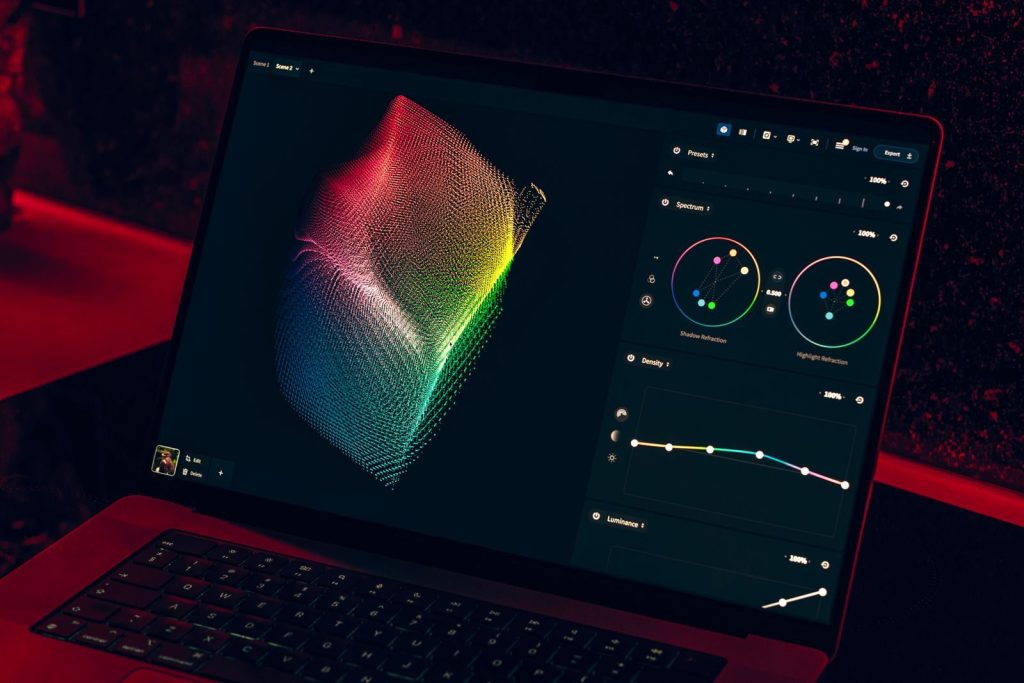
    Close-up of a colorful data visualization displayed on a laptop screen in a dimly lit room.
    Photo by Egor Komarov on Pexels

    Astronomers do not need to physically visit a star to determine its exact chemical makeup. According to spectroscopy reports, specialized instruments analyze the dark gaps in the star’s color spectrum. The lines are unique. These absorption lines act like atomic barcodes that reveal the precise concentrations of heavy metals inside the star. But this scanning method has revealed some highly unusual star groupings.

    Distinguishing Ancient Metal Stars

    a very bright orange object in the middle of the night sky
    Photo by NASA Hubble Space Telescope on Unsplash

    The concentration of metals inside a star reveals its relative age and generation in the cosmos. According to astronomical models, the oldest stars in our universe contain almost zero heavy metals. They are pristine. These early stars formed from raw hydrogen and helium left behind after the Big Bang. But newer generations of stars are born from highly enriched cosmic clouds.

    Our Own Solar Blueprint

    Bright sun peeking through dark, blurry foliage with bokeh.
    Photo by Liana S on Unsplash

    Our sun belongs to a highly enriched third-generation population of stars. According to solar physicists, the sun contains significant concentrations of iron, gold, and uranium inherited from ancient supernovae. The mixture is complex. This metal-rich chemistry is what allowed a rocky planet system to form around our star. But studying stellar chemistry ultimately reveals our deep cosmic heritage.

    Unlocking Our Cosmic Origins

    Sunlight filters through dense green tree branches.
    Photo by Adam Cheek on Unsplash

    Understanding the internal chemistry of stars allows us to trace the true history of all matter on Earth. According to astrobiologists, every breath we take connects us directly to the ancient stellar engines that shaped the cosmos. The stars made us. This article is for informational purposes only.

    Featured Image: Photo by Marek Piwnicki on Pexels

  • How New Space Missions Prepare Humans For Mars

    How New Space Missions Prepare Humans For Mars

    Most space lovers assume that sending astronauts to Mars is just a matter of building a larger rocket. We believe that modern technology is already fully prepared for deep space transit.

    But upcoming lunar missions are revealing a highly different reality. Space agencies must completely redesign how humans survive inside a metal capsule for months at a time.

    Testing Deep Void Survival

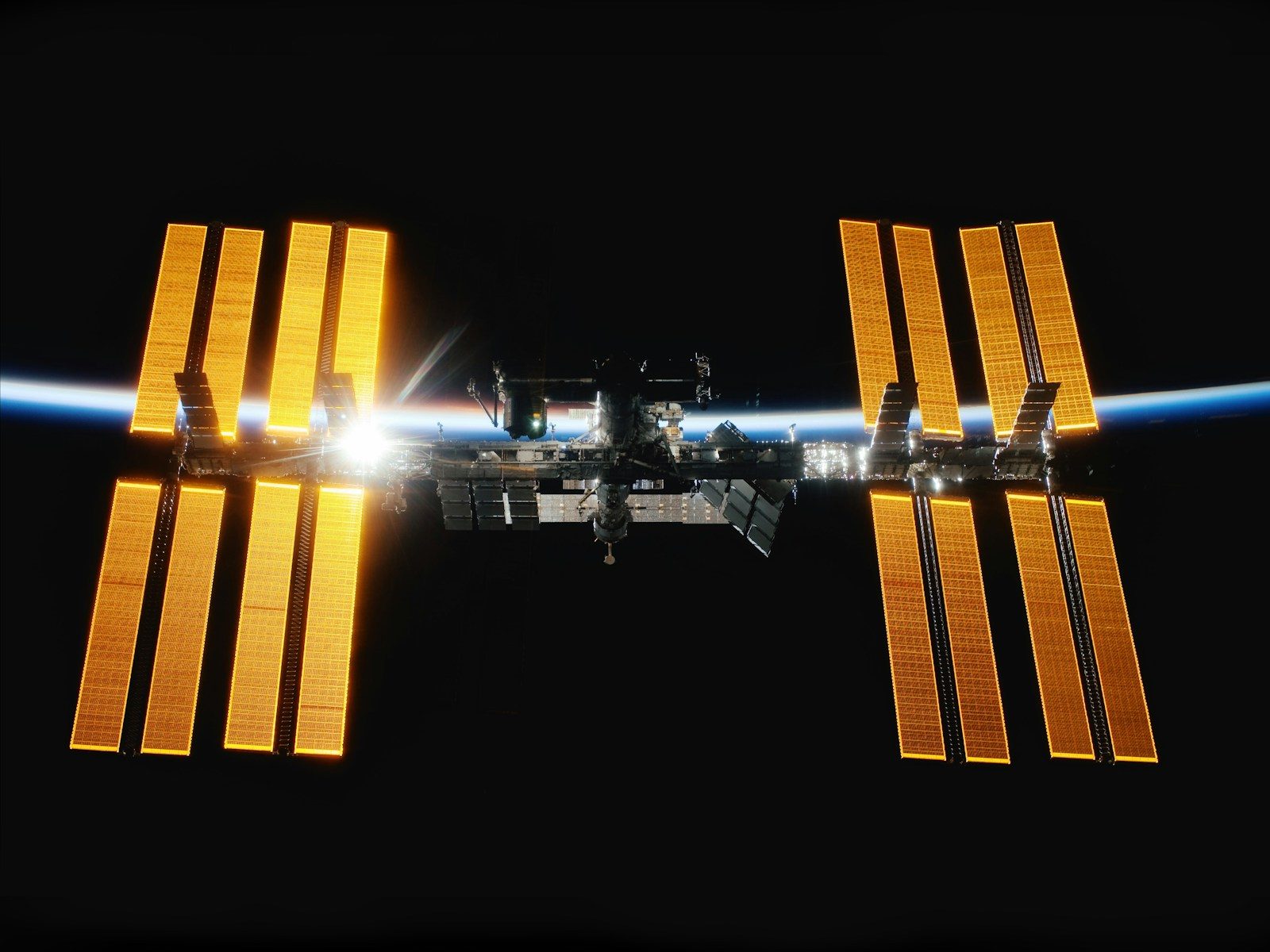
    Image of the International Space Station floating above Earth with visible solar panels.
    Photo by SpaceX on Pexels

    Sending a crew to the moon is the ultimate dress rehearsal for a historic journey to Mars. According to reports from NASA, the upcoming Artemis flights will test vital life support systems in real deep space environments. The stakes are high. These missions will push both spacecraft and human biology past their known limits. But managing the physical strain of cosmic travel is a massive struggle.

    The Silent Radiation Bombardment

    an artist's rendering of a distant object in space
    Photo by NASA Hubble Space Telescope on Unsplash

    Astronauts traveling beyond the protective magnetic shield of the Earth face intense space rays. According to solar physicists, cosmic radiation can damage human cells and trigger severe health issues over time. The rays are invisible. Designing lightweight shielding materials is one of the most critical engineering challenges for the shipbuilders. But this radiation threat is only the first part of the transit.

    Muscle Decay In Gravity

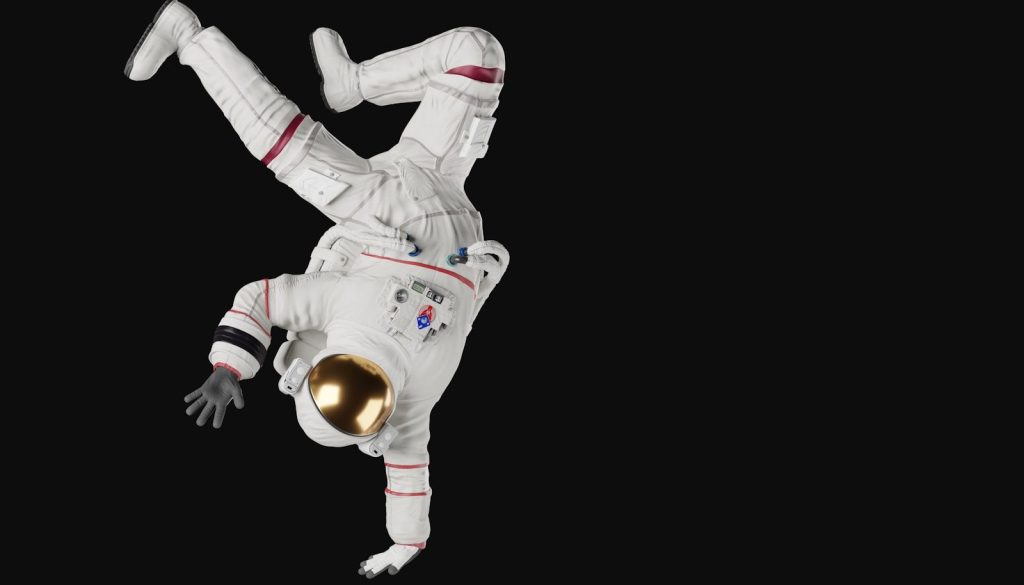
    a person in a white space suit doing a handstand
    Photo by dada_design on Unsplash

    Spending several months in absolute weightlessness causes the human skeleton to degrade rapidly. According to space medicine studies, astronauts lose valuable bone density and muscle mass during long journeys. The body weakens. Crews must use specialized exercise equipment daily to prevent permanent physical damage before reaching their destination. But keeping the body healthy is only half of the challenge.

    The Psychology of Isolation

    African American man immersed in virtual reality using a VR headset and simulator.
    Photo by Tima Miroshnichenko on Pexels

    Living inside a cramped metal capsule with the same small group triggers intense mental strain. According to psychological studies, long-term isolation can alter decision-making and heighten feelings of anxiety. The mind suffers. Space agencies are developing virtual reality programs to help astronauts maintain their mental health. But managing resources inside the ship is another critical engineering puzzle.

    Closed Loop Life Support

    gray metal industrial machine
    Photo by Lfhv gjvj on Unsplash

    A trip to the red planet requires recycling every single ounce of water and air on board. According to life support engineers, the ship must convert sweat and carbon dioxide back into fresh drinking water and oxygen. Nothing is wasted. This automated recycling system must function flawlessly for over five hundred consecutive days without any outside help. But a sudden communication delay complicates this autonomy.

    The Silent Signal Gap

    a room with many screens and monitors
    Photo by Ana Garnica on Unsplash

    As a spacecraft moves further from Earth, radio signals take up to twenty minutes to travel one way. According to mission controllers, this delay makes real-time troubleshooting completely impossible during emergencies. The silence is eerie. Crews must rely entirely on onboard artificial intelligence to solve complex software glitches. But testing these smart systems requires a reliable testing ground.

    Lunar Orbit Dress Rehearsal

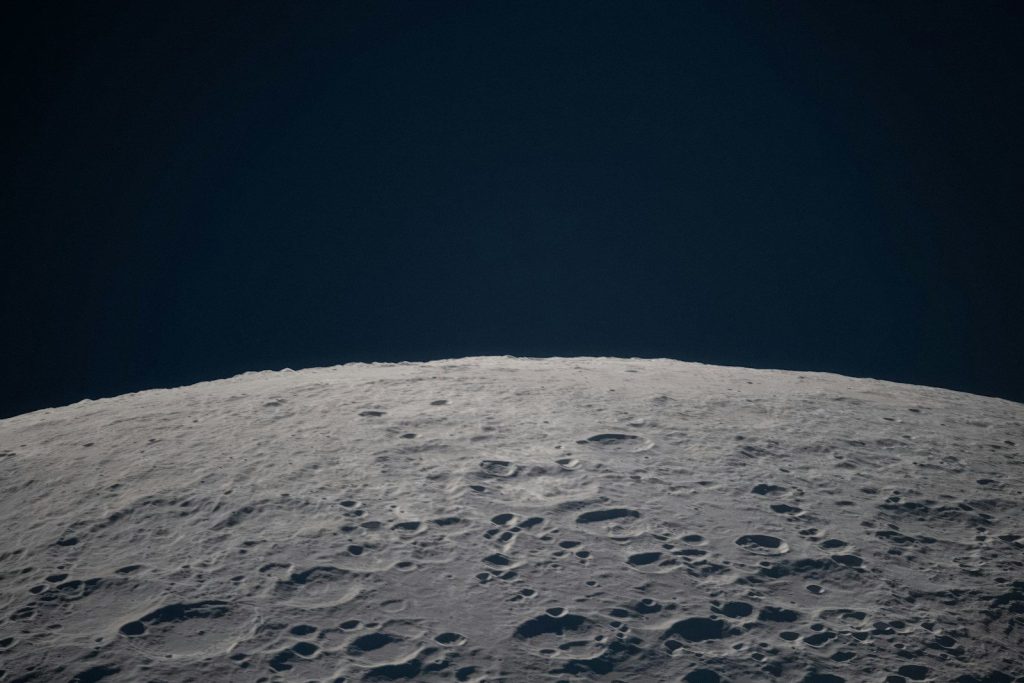
    Cratered lunar surface against a dark sky
    Photo by NASA on Unsplash

    Space agencies are using the moon’s unique orbit to simulate the extreme conditions of deep space. According to spacecraft designers, practicing emergency maneuvers near the lunar surface is the safest way to prepare for Mars. The training is intense. This orbital playground allows engineers to verify that their life support systems can protect human life. But the ultimate success of this program depends on one final step.

    Stepping Toward Mars

    a group of hills covered in sand under a cloudy sky
    Photo by Nigel Hoare on Unsplash

    Overcoming these extreme cosmic hazards will allow humanity to officially become a multiplanetary species. According to space researchers, the lessons learned on upcoming lunar missions will pave the way for our first steps on red soil. The future is waiting. This article is for informational purposes only.

    Featured Image: Photo by Felipe Simo on Unsplash

  • The Shocking View Of Earth Captured From Deep Space

    The Shocking View Of Earth Captured From Deep Space

    Most of us view our planet as an endless map of borders and massive continents. We assume that Earth looks solid and indestructible from the cold darkness of space.

    But stunning satellite images are offering a completely different perspective of our fragile home. These raw cosmic photographs reveal a delicate marble floating in a vast void.

    The Pale Blue Dot

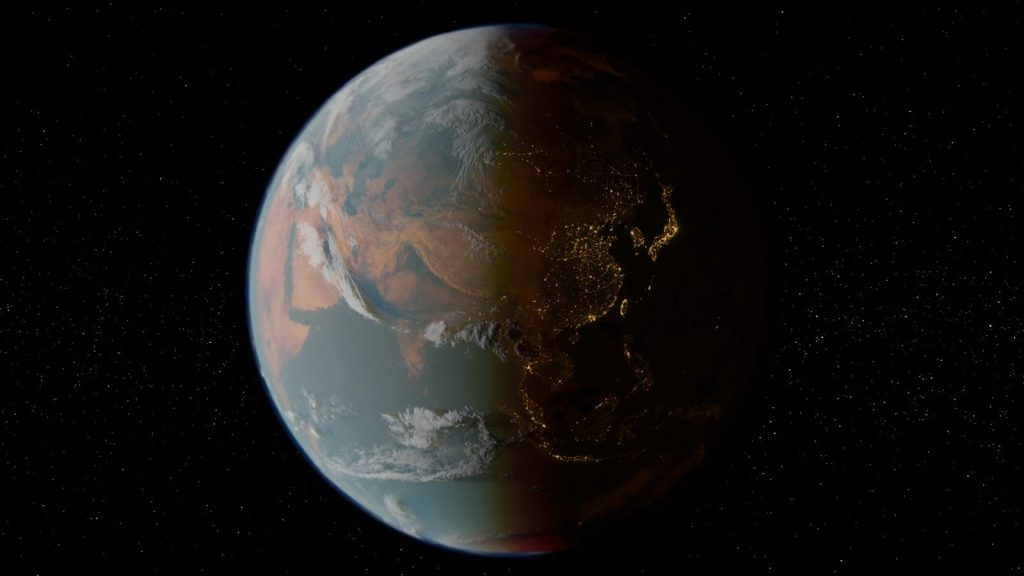
    Earth from space showing day and night sides.
    Photo by Mara F on Unsplash

    A camera operating billions of miles away captured our world as a tiny speck of dust. According to NASA, this iconic image showed Earth occupying less than a single pixel. We are tiny. The vast empty space surrounding our home highlights just how isolated we truly are. But looking closer at our atmosphere reveals a highly active shield.

    The Delicate Air Layer

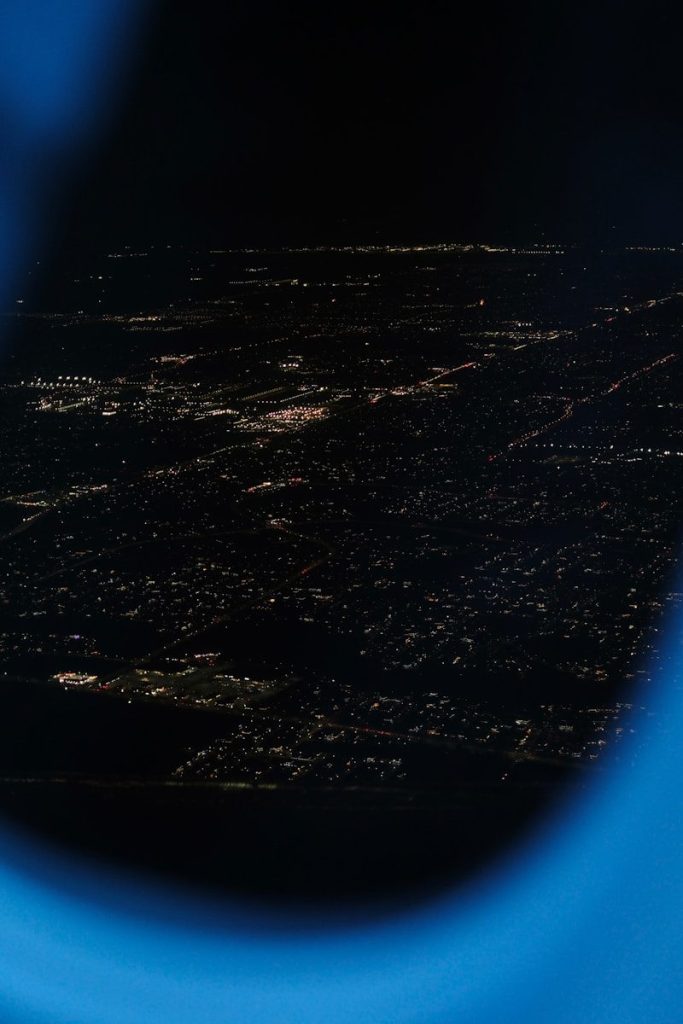
    Aerial view of city lights at night
    Photo by Dmitry Spravko on Unsplash

    From low orbit, the atmosphere appears as a thin glowing ribbon of blue light. According to space station astronauts, this protective layer looks incredibly fragile from above. It is our shield. This thin blanket of gas is the only thing keeping life safe from solar radiation. But space cameras also capture the silent power of our oceans.

    The Blue Engine Roaring

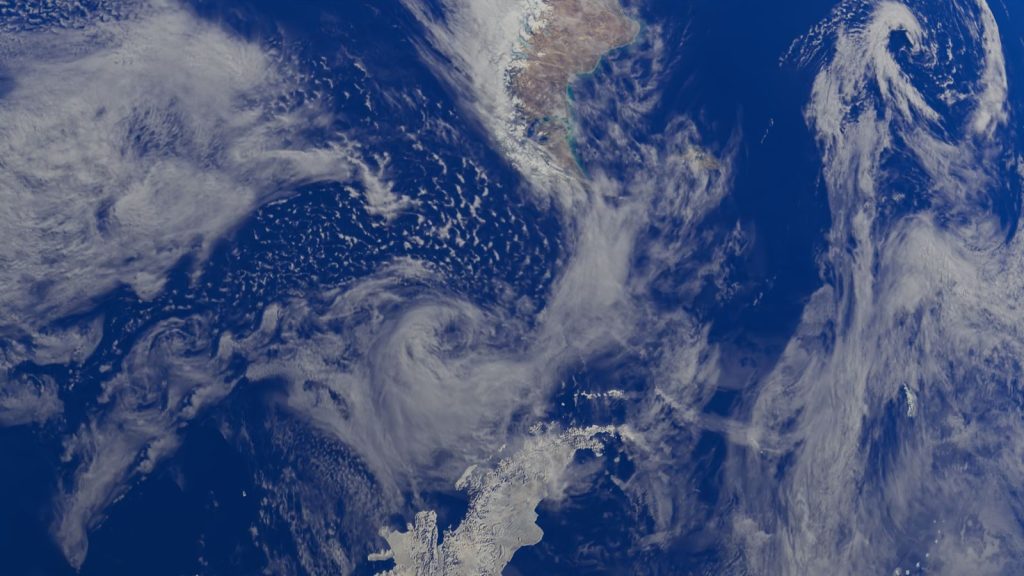
    A mesmerizing satellite view showcasing Earth's clouds and ocean from space.
    Photo by Zelch Csaba on Pexels
    Our oceans cover over seventy percent of the planetary surface and dominate the cosmic view. According to marine satellites, massive currents swirl like liquid paint across the dark globe. They drive our climate. The striking blue color stands out against the lifeless black background of the solar system. But the view changes dramatically when the sun goes down.

    Sparking In The Dark

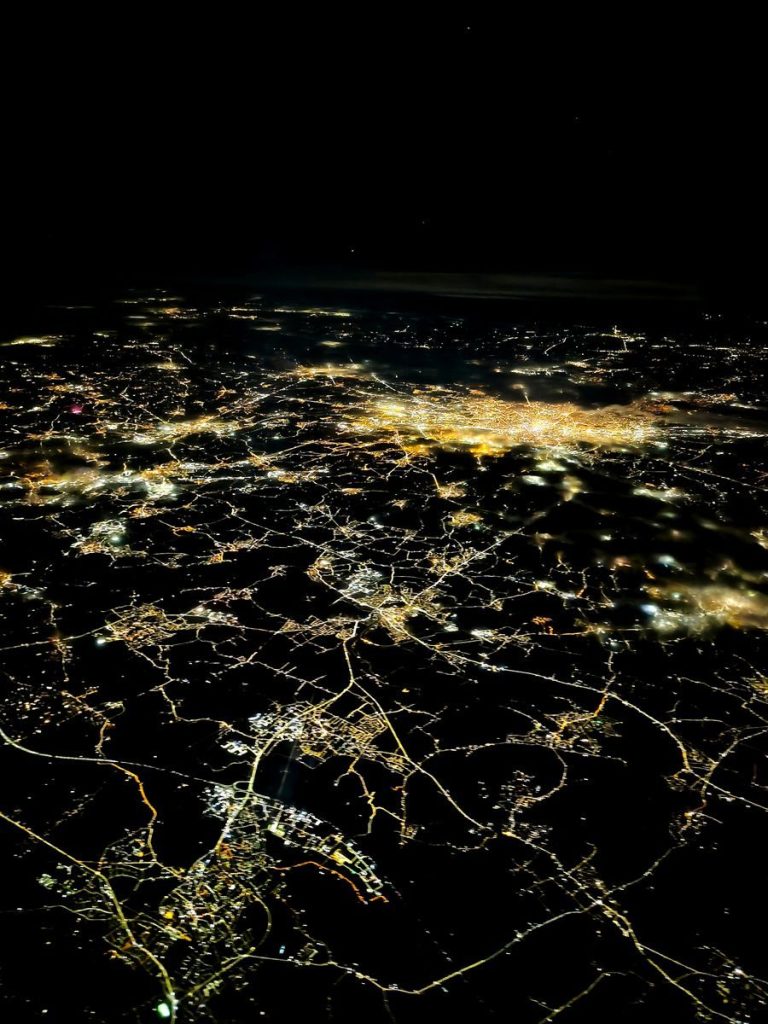
    Stunning aerial view of a Spanish city illuminated at night, showcasing urban lights.
    Photo by Da Rya on Pexels

    When night falls across the continents, human civilizations light up the dark planet. According to NASA imaging, glowing urban networks trace the coastlines and major highways of the world. We are connected. These bright patterns show how deeply humans have altered the geography of the globe. But nature has its own light show that dominates the poles.

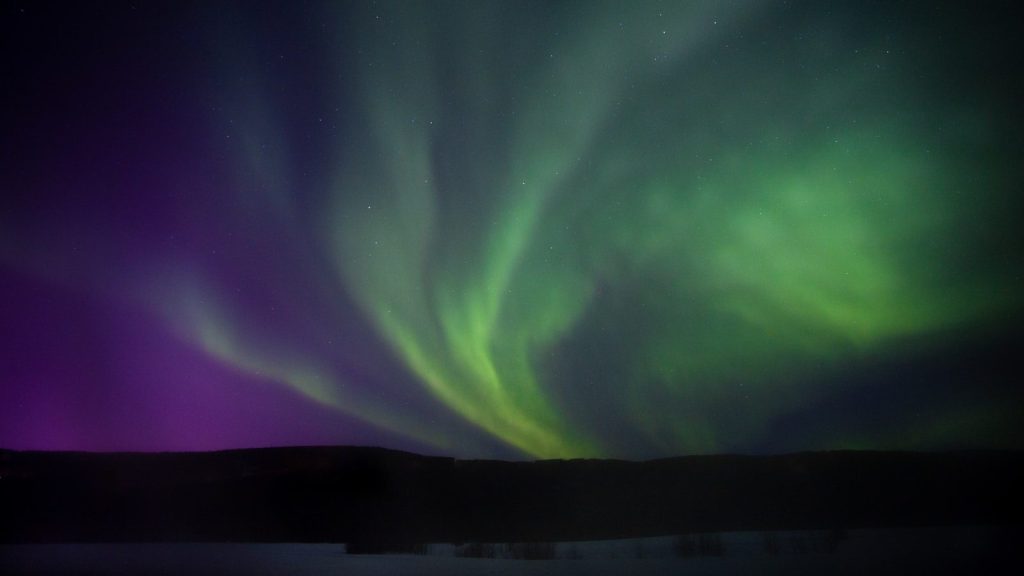
    The Cosmic Polar Dance

    black flat screen tv turned on displaying green screen
    Photo by Benjamin Kraus on Unsplash

    Green and purple ribbons of light constantly dance across the high latitudes of the atmosphere. According to space weather scientists, these auroras occur when solar wind hits the magnetic shield. They are breathtaking. Seeing these magnetic battles from orbit proves that Earth is a highly dynamic shield. But even our weather looks different from above.

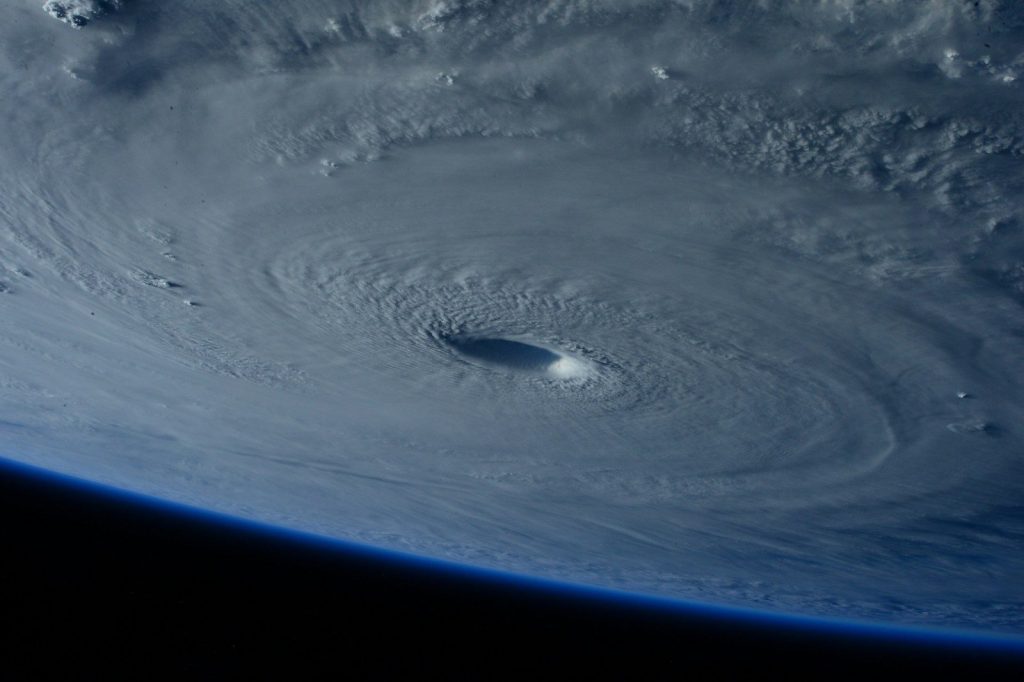
    Giant Swirling Storm Systems

    Hurricane as seen from space
    Photo by NASA on Unsplash

    Satellites track massive hurricanes as they build power over warm tropical waters. According to meteorology reports, the view from space shows perfect geometric spirals of white clouds. They are monstrous. Seeing these storms from orbit helps scientists predict landfalls and save thousands of lives. But space cameras also capture the rapid changes happening on land.

    The Shrinking Green Zones

    Aerial landscape showing a dried-up lakebed with vibrant green patches in Tanzania's Manyara region.
    Photo by Dirk Pothen on Pexels
    Time-lapse images taken over decades reveal the steady loss of major rainforest networks. According to satellite monitoring programs, brown patches are quickly replacing vast areas of vibrant green. The change is rapid. These orbital records provide undeniable proof of how human activity is shaping the terrain. But looking at Earth from space ultimately delivers a unified message.

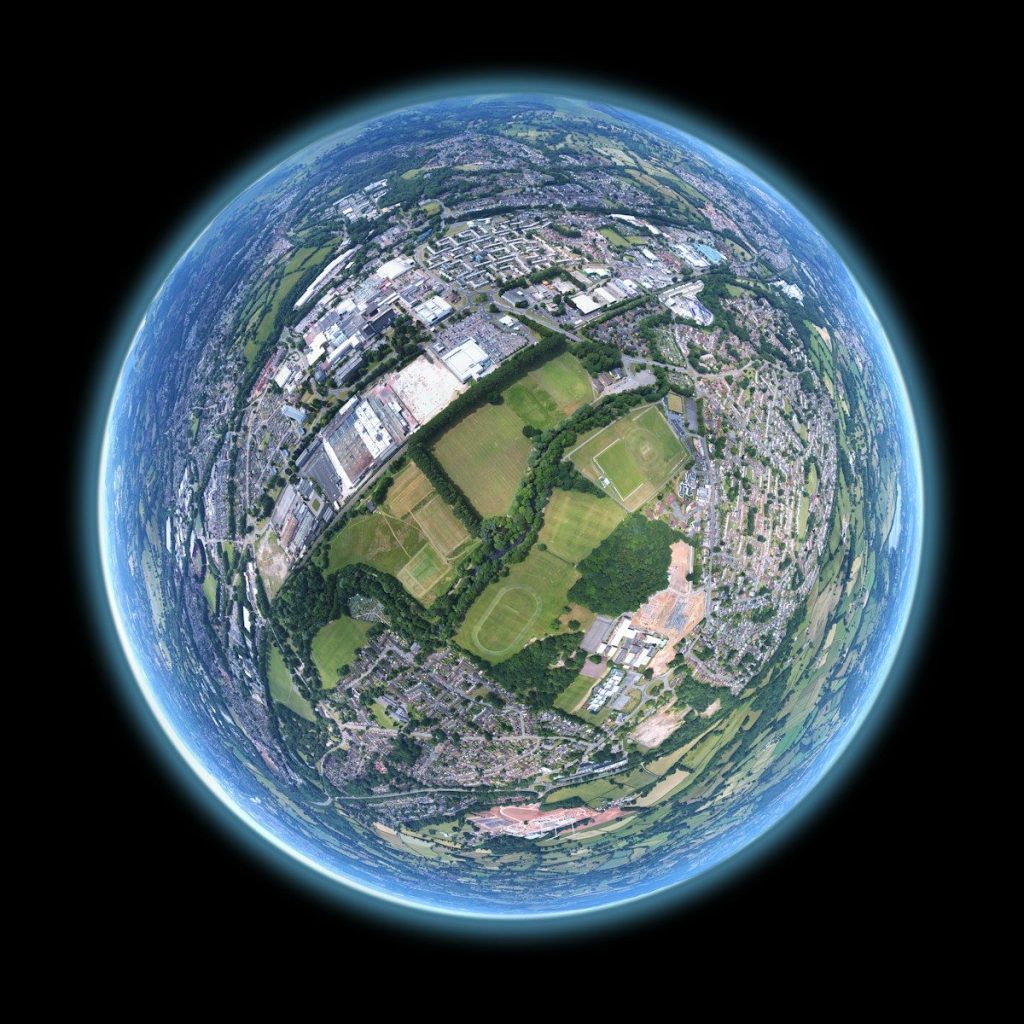
    One Fragile Shared Home

    fish-eye aerial shot of buildings and trees
    Photo by Louis Reed on Unsplash

    Seeing Earth from space forces us to realize that we share a single vulnerable capsule. According to planetary scientists, there are no national borders visible from the dark void. We must protect it. This article is for informational purposes only.

    Featured Image: Photo by Javier Miranda on Unsplash