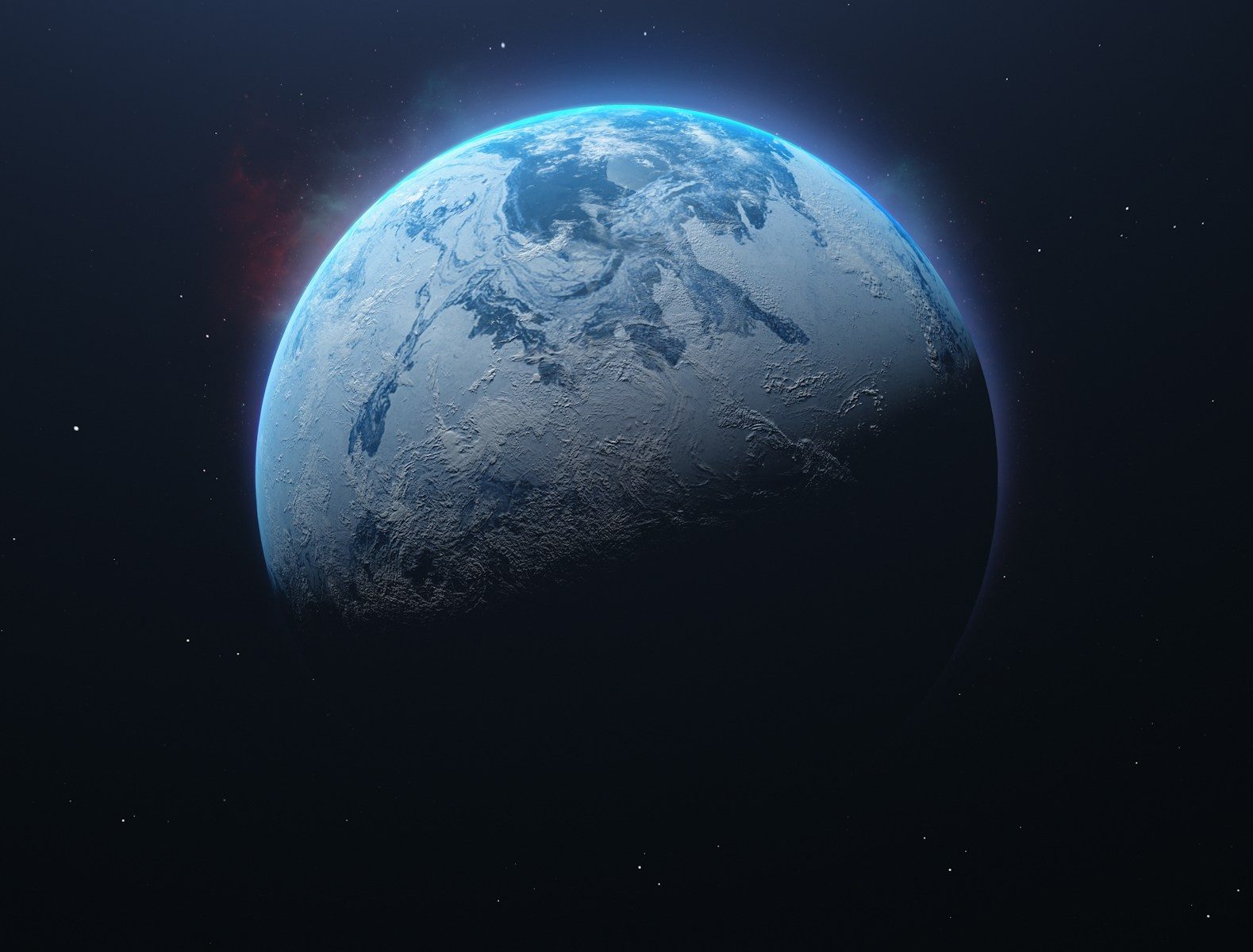
Most of us view our planet as an endless map of borders and massive continents. We assume that Earth looks solid and indestructible from the cold darkness of space.
But stunning satellite images are offering a completely different perspective of our fragile home. These raw cosmic photographs reveal a delicate marble floating in a vast void.
The Pale Blue Dot
A camera operating billions of miles away captured our world as a tiny speck of dust. According to NASA, this iconic image showed Earth occupying less than a single pixel. We are tiny. The vast empty space surrounding our home highlights just how isolated we truly are. But looking closer at our atmosphere reveals a highly active shield.
The Delicate Air Layer
From low orbit, the atmosphere appears as a thin glowing ribbon of blue light. According to space station astronauts, this protective layer looks incredibly fragile from above. It is our shield. This thin blanket of gas is the only thing keeping life safe from solar radiation. But space cameras also capture the silent power of our oceans.
The Blue Engine Roaring
Our oceans cover over seventy percent of the planetary surface and dominate the cosmic view. According to marine satellites, massive currents swirl like liquid paint across the dark globe. They drive our climate. The striking blue color stands out against the lifeless black background of the solar system. But the view changes dramatically when the sun goes down.
Sparking In The Dark
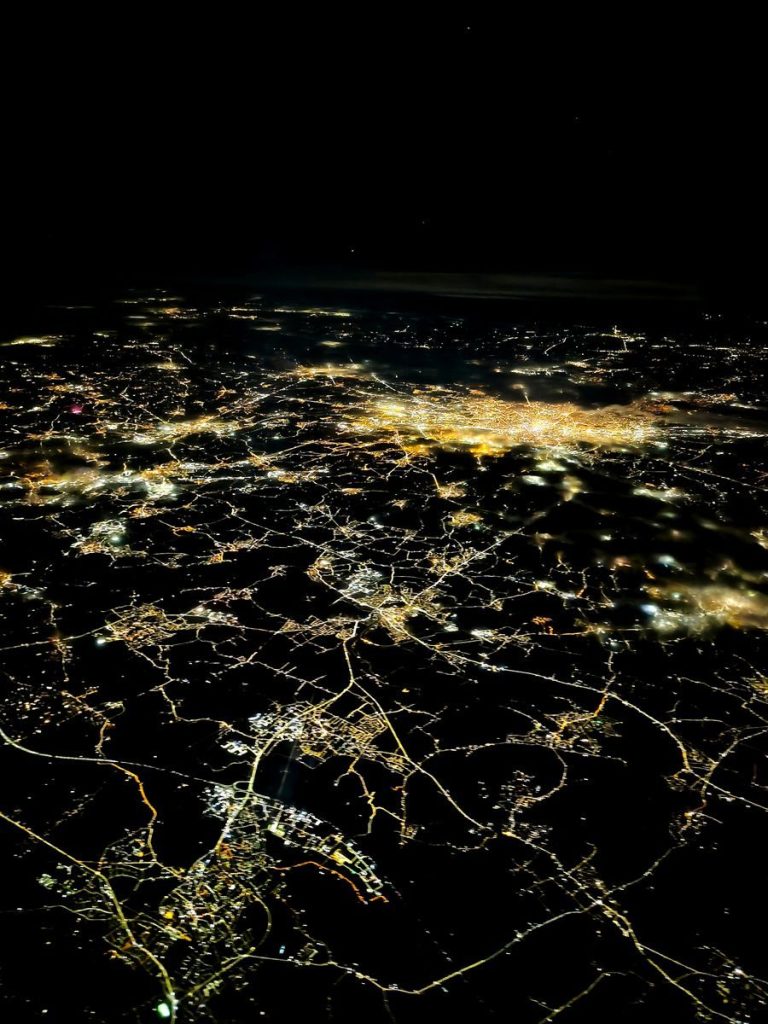
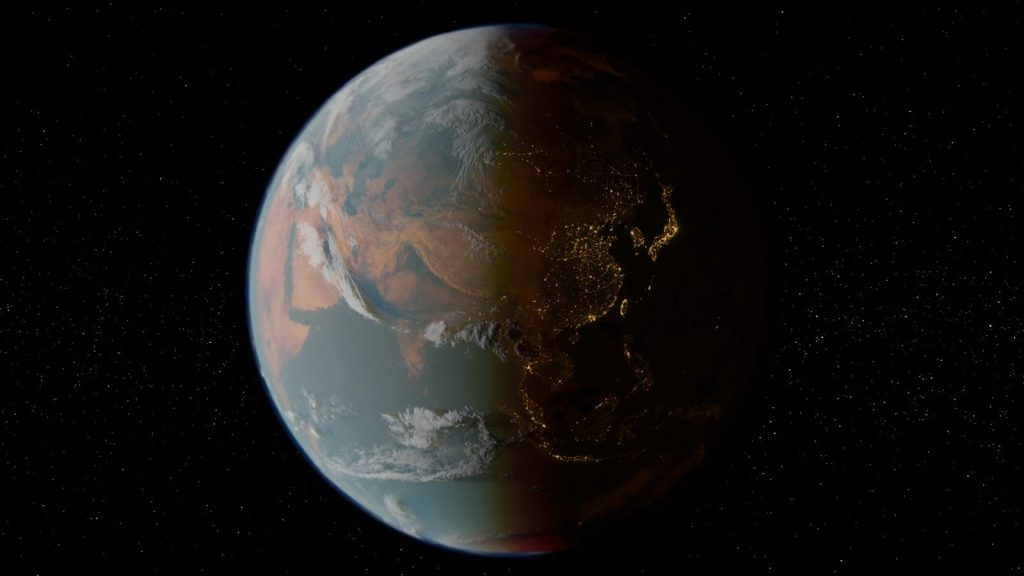
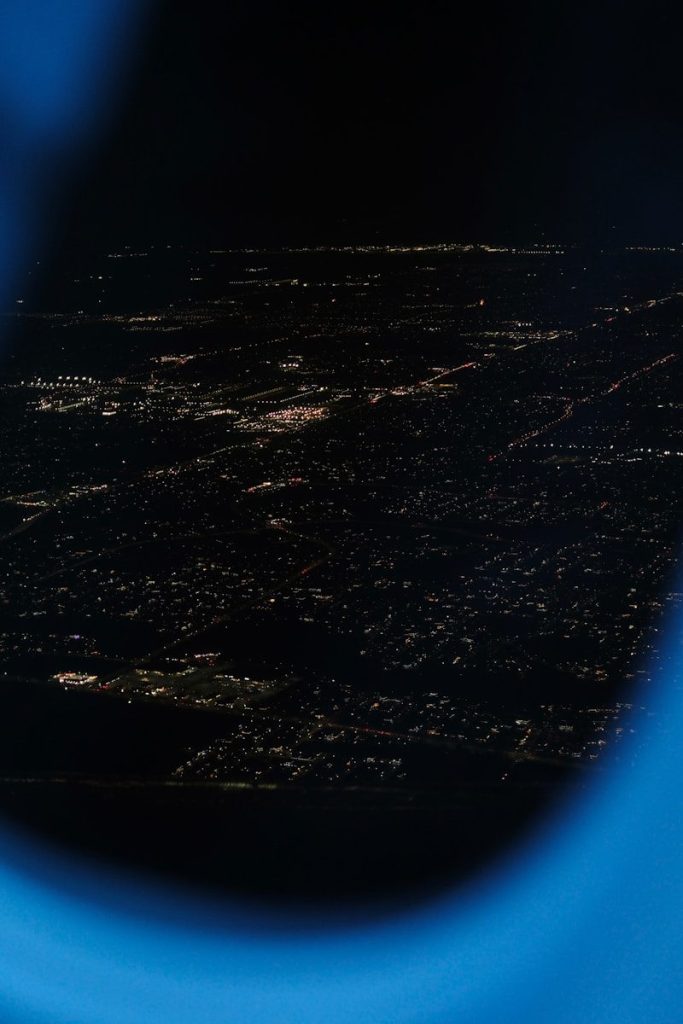
When night falls across the continents, human civilizations light up the dark planet. According to NASA imaging, glowing urban networks trace the coastlines and major highways of the world. We are connected. These bright patterns show how deeply humans have altered the geography of the globe. But nature has its own light show that dominates the poles.
The Cosmic Polar Dance
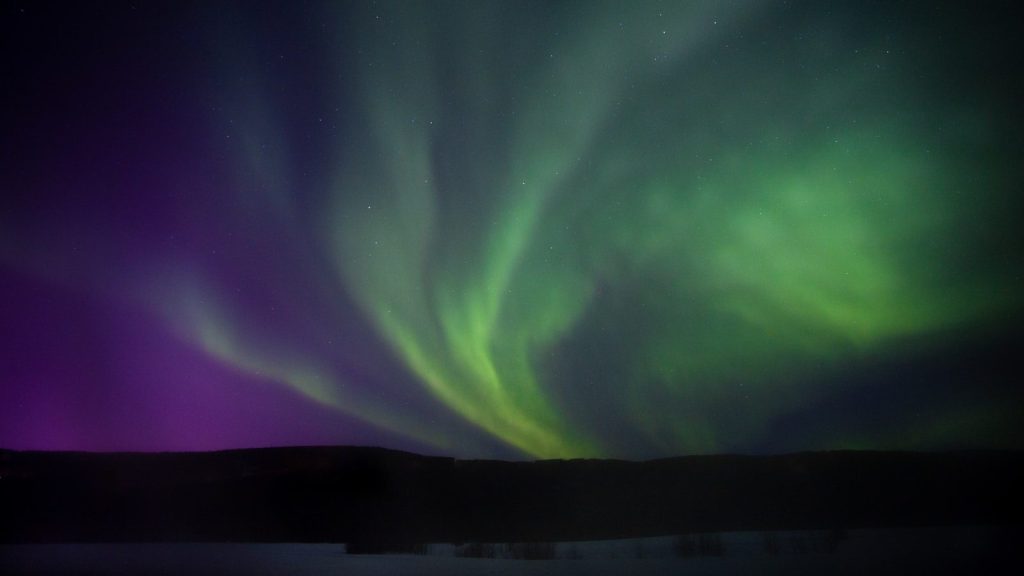
Green and purple ribbons of light constantly dance across the high latitudes of the atmosphere. According to space weather scientists, these auroras occur when solar wind hits the magnetic shield. They are breathtaking. Seeing these magnetic battles from orbit proves that Earth is a highly dynamic shield. But even our weather looks different from above.
Giant Swirling Storm Systems
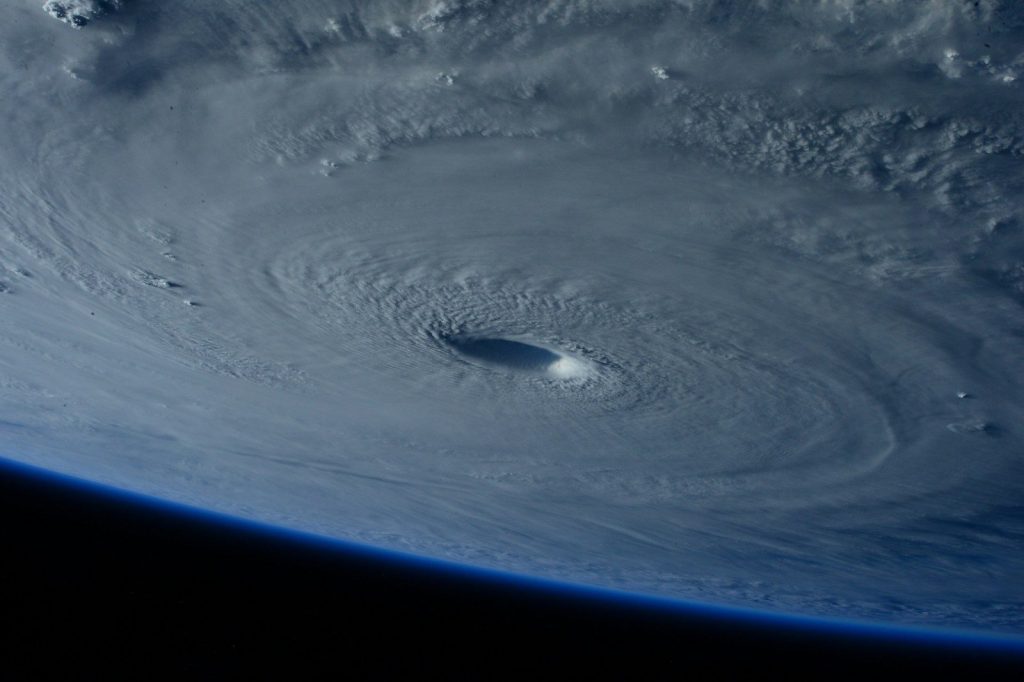
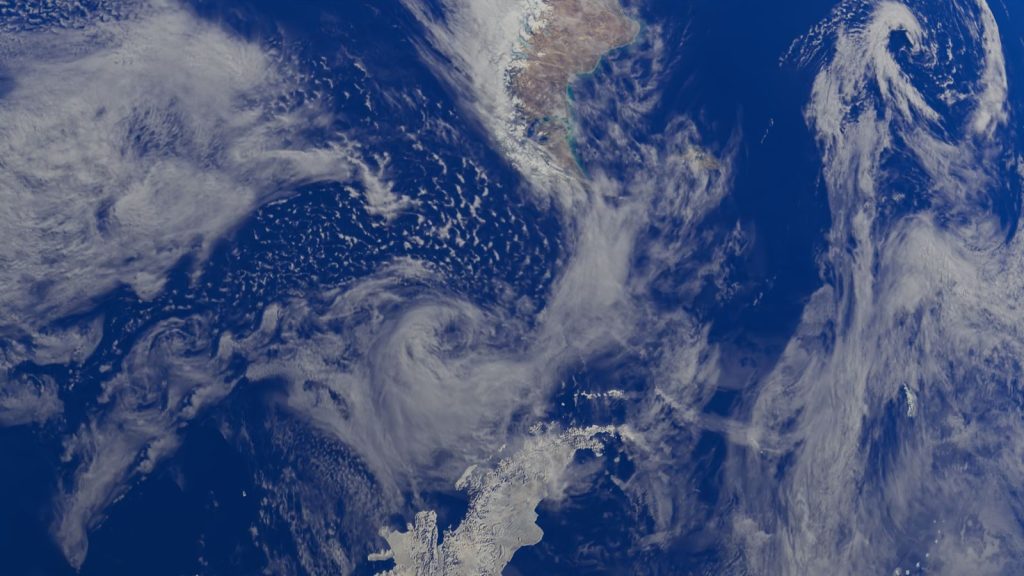
Satellites track massive hurricanes as they build power over warm tropical waters. According to meteorology reports, the view from space shows perfect geometric spirals of white clouds. They are monstrous. Seeing these storms from orbit helps scientists predict landfalls and save thousands of lives. But space cameras also capture the rapid changes happening on land.
The Shrinking Green Zones
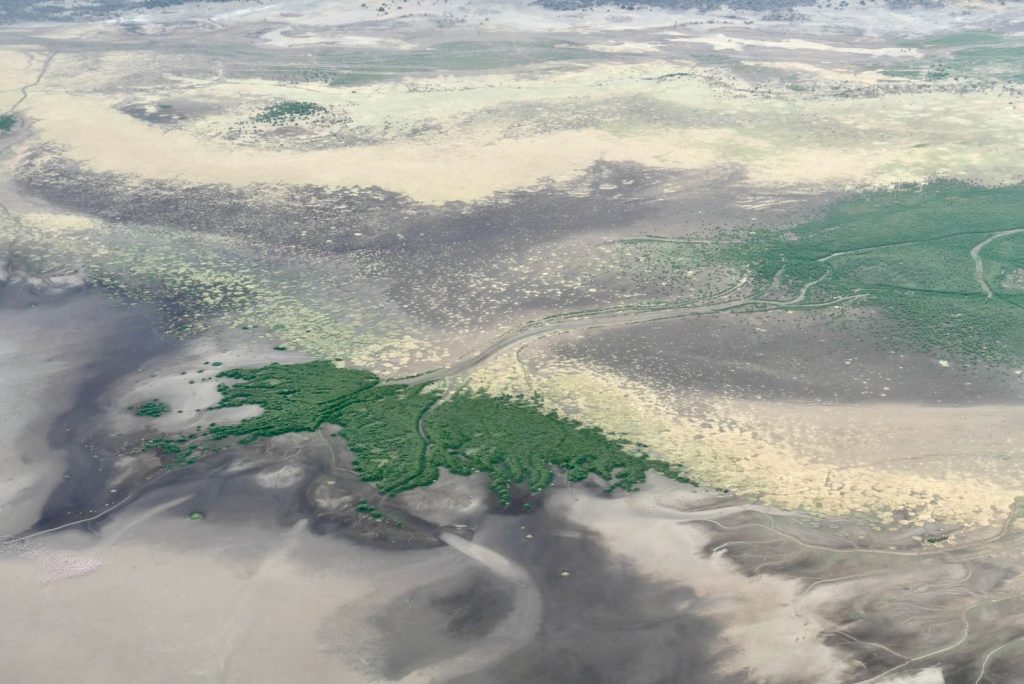
Time-lapse images taken over decades reveal the steady loss of major rainforest networks. According to satellite monitoring programs, brown patches are quickly replacing vast areas of vibrant green. The change is rapid. These orbital records provide undeniable proof of how human activity is shaping the terrain. But looking at Earth from space ultimately delivers a unified message.
One Fragile Shared Home
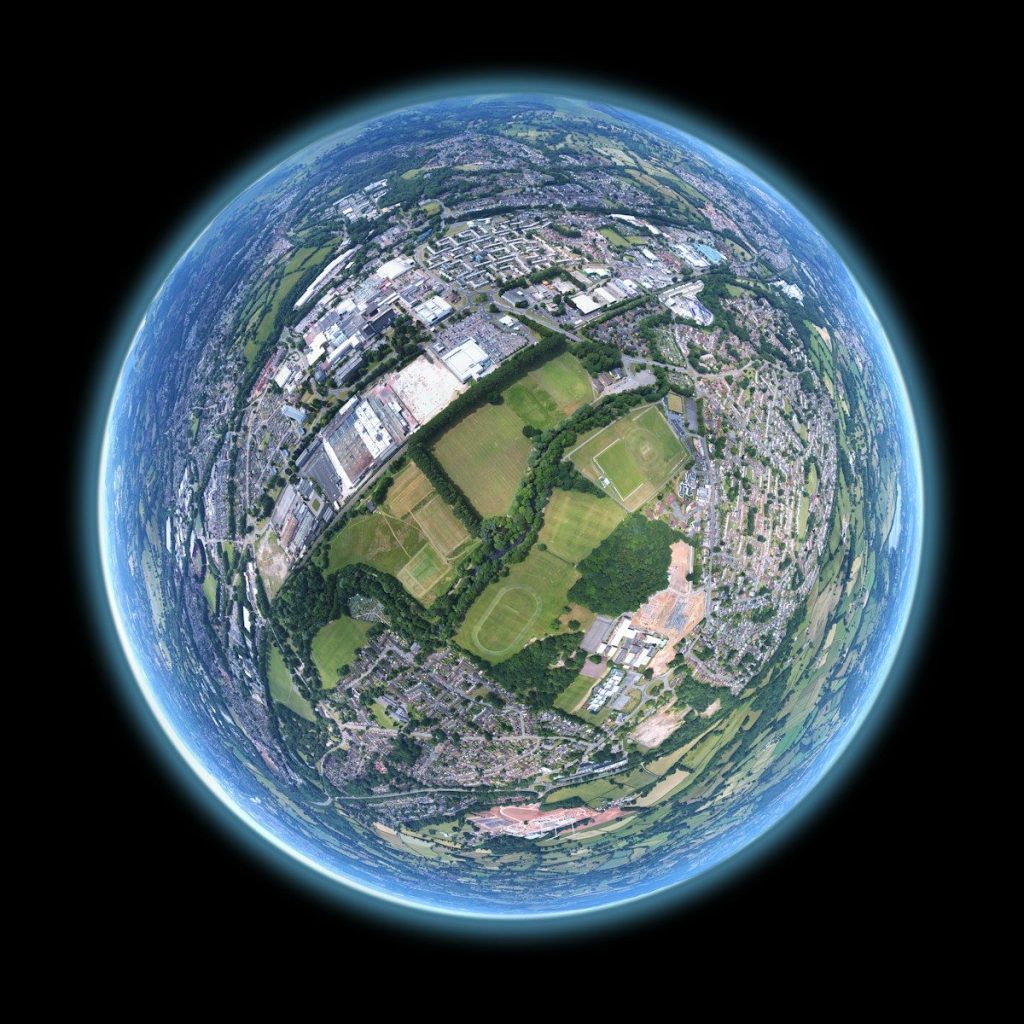
Seeing Earth from space forces us to realize that we share a single vulnerable capsule. According to planetary scientists, there are no national borders visible from the dark void. We must protect it. This article is for informational purposes only.
Featured Image: Photo by Javier Miranda on Unsplash
Leave a Reply