Category: Space & Universe

  • The science behind nature’s most colorful displays

    The science behind nature’s most colorful displays

    Nature’s color shows can feel like pure magic: a rainbow after rain, glowing waves at night, red leaves in fall, or a bird feather that seems to change color as it moves. But behind those beautiful moments is real science. Some colors come from pigments that absorb certain wavelengths of light and reflect the rest.

    Others come from tiny structures that bend, scatter, or reflect light in special ways. Some displays are even made by living things through chemical reactions. Rainbows form when sunlight bends and reflects inside water droplets, while auroras happen when energetic particles from the Sun interact with Earth’s magnetic field and atmosphere.

    Rainbows bend sunlight

    blue lake and rainbow under nimbus clouds
    Photo by David Brooke Martin on Unsplash

    A rainbow starts when sunlight enters raindrops in the air. The light bends, reflects inside the drop, and bends again as it leaves, spreading into different colors.

    That spread happens because colors of light do not bend by the exact same amount. Red, orange, yellow, green, blue, indigo, and violet separate, creating the curved band we see after rain.

    Auroras light the poles
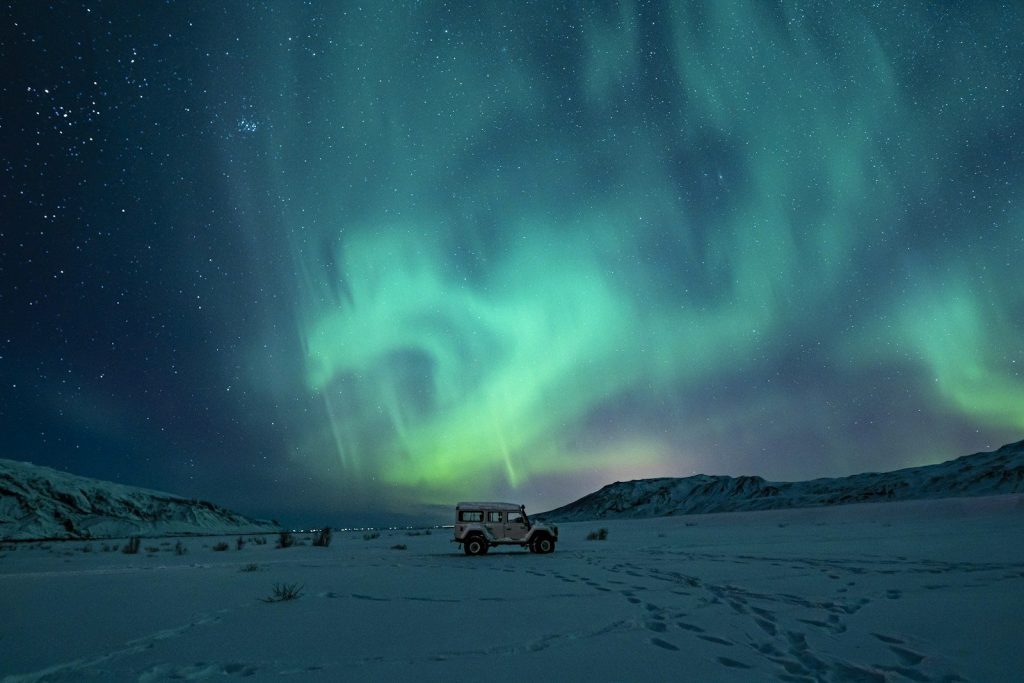
    black suv on snow covered field under green aurora lights
    Photo by Jonatan Pie on Unsplash

    Auroras are colorful curtains of light near Earth’s polar regions. They happen when energetic particles from the Sun interact with Earth’s magnetic field and upper atmosphere.

    These glowing displays can appear green, red, purple, or blue depending on which gases are excited and how high the activity happens. It is one of the clearest signs that the Sun can paint the night sky.

    Leaves reveal hidden color

    green leaves
    Photo by Kumiko SHIMIZU on Unsplash

    Green leaves are full of chlorophyll, the pigment plants use to help turn sunlight into food. During the growing season, that green color often hides other pigments inside the leaf.

    As days shorten and chlorophyll breaks down, yellows and oranges from other pigments become easier to see. Red colors can also appear when sugars build up in some leaves during fall.

    Flowers guide pollinators

    red yellow and white flower petals
    Photo by Julien Chatelain on Unsplash

    Flower colors are not just pretty decorations. Many plants use bright petals, patterns, and color clues to attract pollinators like bees, butterflies, and hummingbirds.

    Some flowers even have “nectar guides,” which are markings that help pollinators find the reward inside. These visual cues can help plants reproduce while giving gardens and wild spaces their bright color.

    Butterflies use tiny structures

    orange and black butterfly perched on yellow flower
    Photo by Alfred Schrock on Unsplash

    Some butterfly wings look colorful because of pigment. Others shine because of microscopic structures that shape how light bounces back to our eyes.

    The blue morpho is a famous example. Its wings may look bright blue, but Smithsonian explains that tiny light-bending structures create much of that color effect, while the actual pigment can be brown.

    Bird feathers scatter light

    a blue and yellow parrot sitting on top of a tree branch
    Photo by Piri Anant on Unsplash

    Blue birds are not always blue because of blue pigment. In many cases, their feathers have tiny structures that scatter light in a way our eyes read as blue.

    The Smithsonian explains that blue in some birds is structural color, created when feather structures reflect light in certain ways. That is why nature can make bold blues without using a simple blue dye.

    Oceans can glow at night

    areal photography of sea
    Photo by Joel Henry on Unsplash

    Some ocean life can make its own light through a chemical reaction called bioluminescence. NOAA explains that this light is often blue or blue-green because those colors travel well through water.

    Tiny organisms, fish, and other sea creatures may glow to attract prey, confuse predators, or communicate. On some beaches, moving waves can sparkle because small organisms flash when disturbed.

    Color helps life survive

    a dirt path going through a lush green hillside
    Photo by Marci Brodock on Unsplash

    Nature’s colors are not only for beauty. They can help animals hide, warn predators, attract mates, find food, or guide pollinators to flowers.

    That is what makes colorful displays so interesting. A bright wing, glowing sea, red leaf, or rainbow may look simple at first, but each one is shaped by light, chemistry, structure, and survival.
  • Is the James Webb Telescope seeing things that shouldn’t exist?

    Is the James Webb Telescope seeing things that shouldn’t exist?

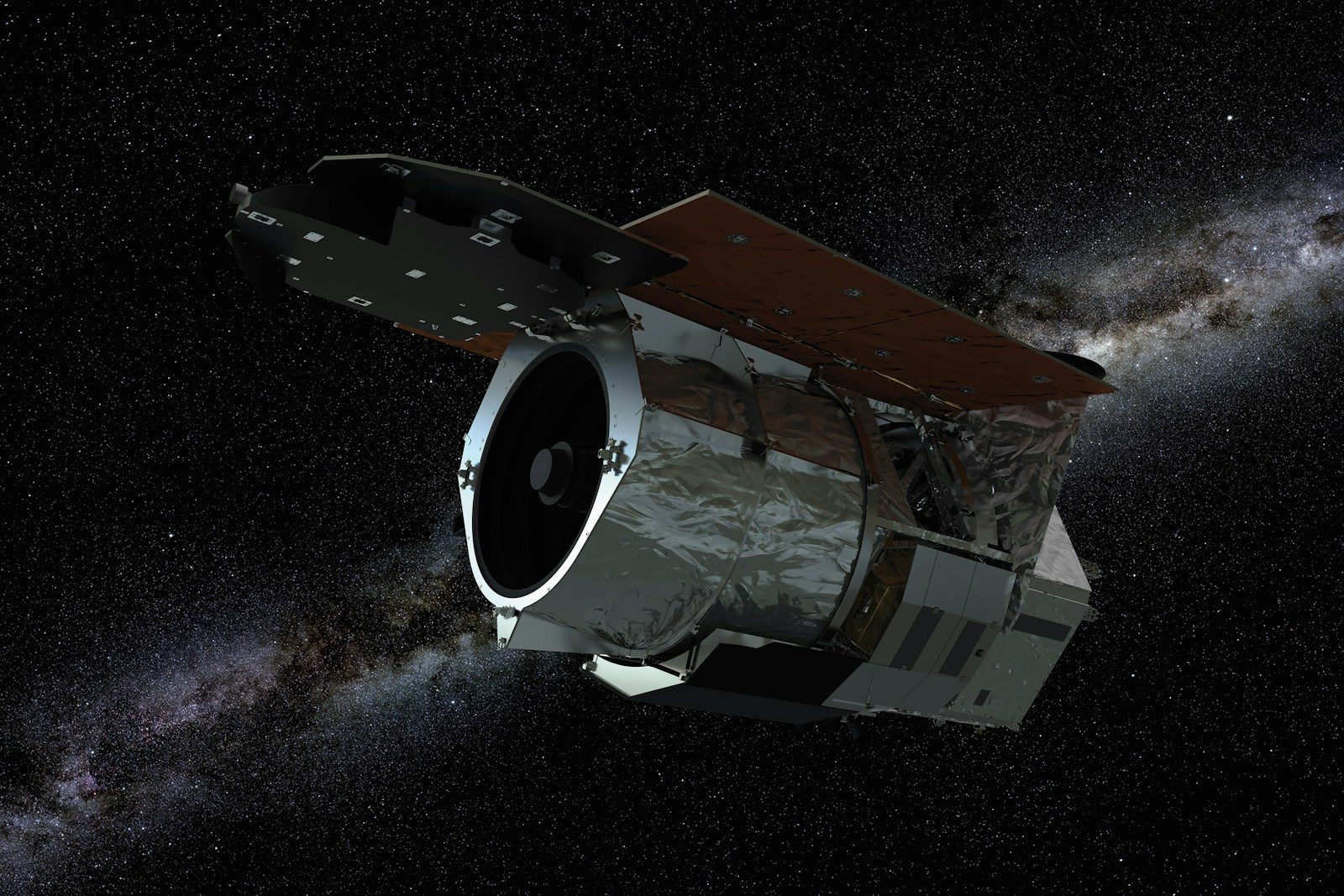
    The James Webb Space Telescope (JWST) was built to answer our biggest questions about the universe. But since it started sending back images in 2022, it has mostly been creating new ones. Astronomers are currently staring at data that seems to break the laws of physics. The telescope is looking so far back in time that it is seeing the very first galaxies. The problem? These galaxies are way too big, way too bright, and way too organized for their age.

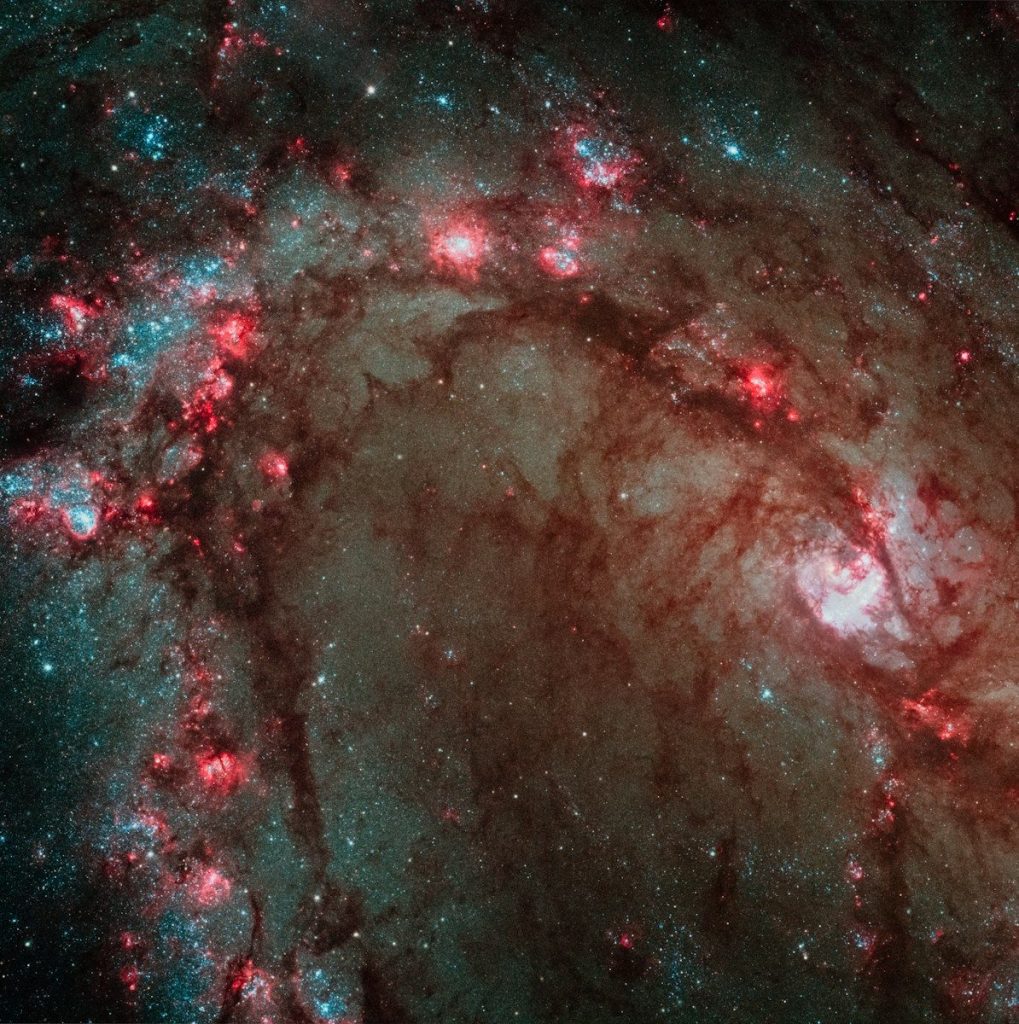
    According to our current “Big Bang” models, these early galaxies should be small, messy clumps of stars. Instead, JWST is finding massive, mature-looking spirals that exist just a few hundred million years after the beginning of time. It is like looking at a photo of a toddler who is already six feet tall and wearing a suit. Scientists are now asking if our entire timeline of the universe is wrong. But the mystery doesn’t stop with the galaxies.

    The Stars That Are Older Than Time

    a very large spiral shaped object in the sky
    Photo by NASA Hubble Space Telescope on Unsplash

    In the deep reaches of space, JWST has spotted stars that appear to be older than the universe itself. While this is mathematically impossible, the chemical signatures of these stars suggest they have been around for a very long time. This “Crisis in Cosmology” is forcing researchers to rethink how we measure the age of the stars. We might be living in a universe that is much older than the 13.8 billion years we previously thought. But what if the stars aren’t the only ones hiding?

    The Dark Matter Puzzle Gets Weirder

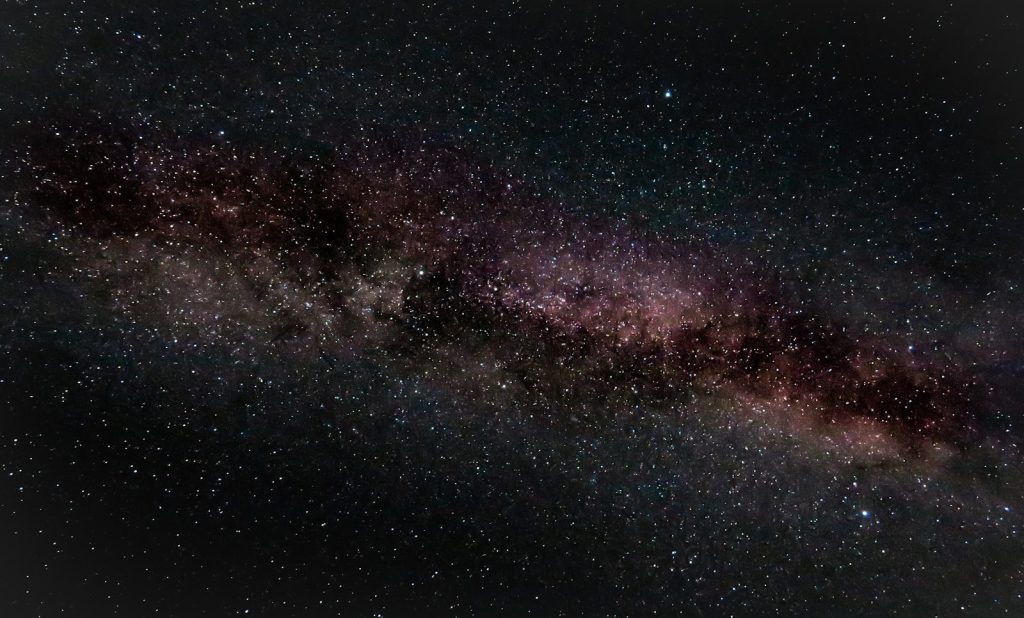
    milky way
    Photo by Jason Mavrommatis on Unsplash

    Dark matter is the invisible “glue” that holds galaxies together. We can’t see it, but we can see its gravity. JWST has found galaxies that have almost no dark matter at all, and others that seem to have way too much. This inconsistency is a nightmare for physicists. If dark matter doesn’t follow a set of rules, then our understanding of gravity might be flawed. We are looking at a universe that refuses to be put into a box. But the telescope is also finding signs of life where we didn’t expect it.

    Alien Atmosphere Signatures in the Deep

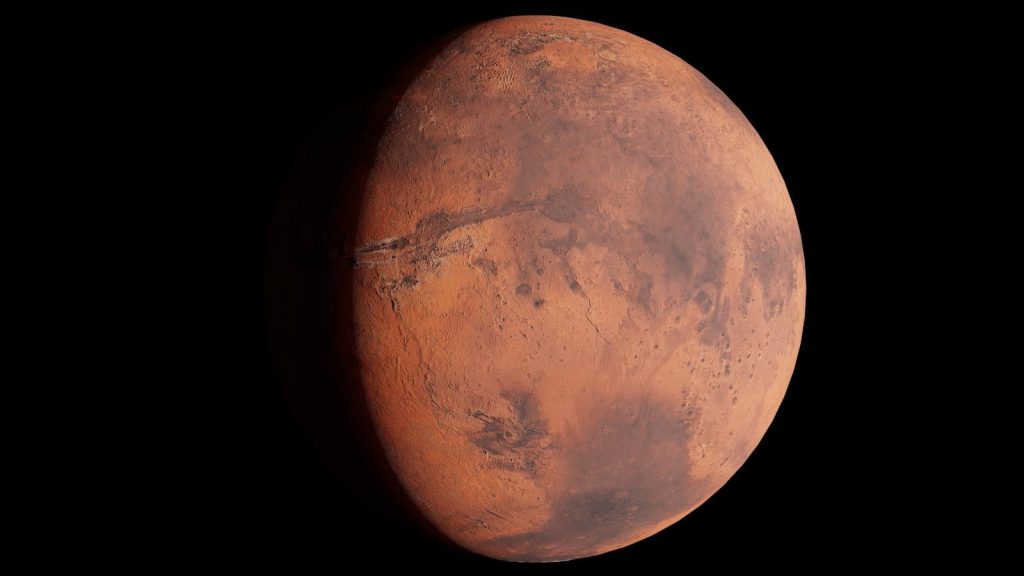
    A high-resolution image capturing Mars with its surface details visible in space.
    Photo by Zelch Csaba on Pexels

    One of JWST’s most exciting jobs is “sniffing” the air of planets orbiting other stars. Recently, it detected Methane and Carbon Dioxide in the atmosphere of a “Water World” called K2-18b. On Earth, these gases are often produced by life. While this isn’t a “smoking gun” for aliens yet, it proves that the ingredients for life are everywhere in the cosmos. We are no longer asking if there is life out there, but where it is. But wait until you see the “Ghost Galaxies” hiding in the dust.

    The Ghost Galaxies Hiding in the Dust

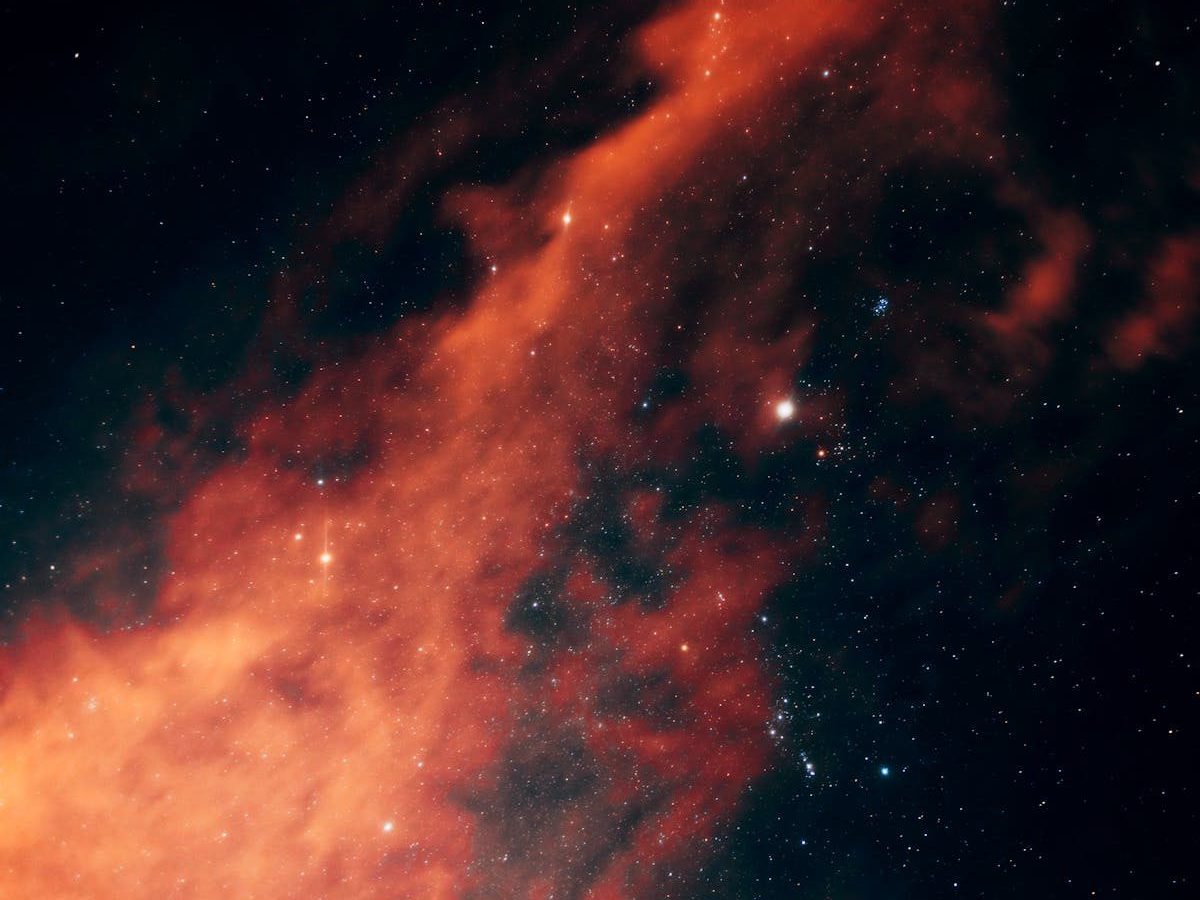
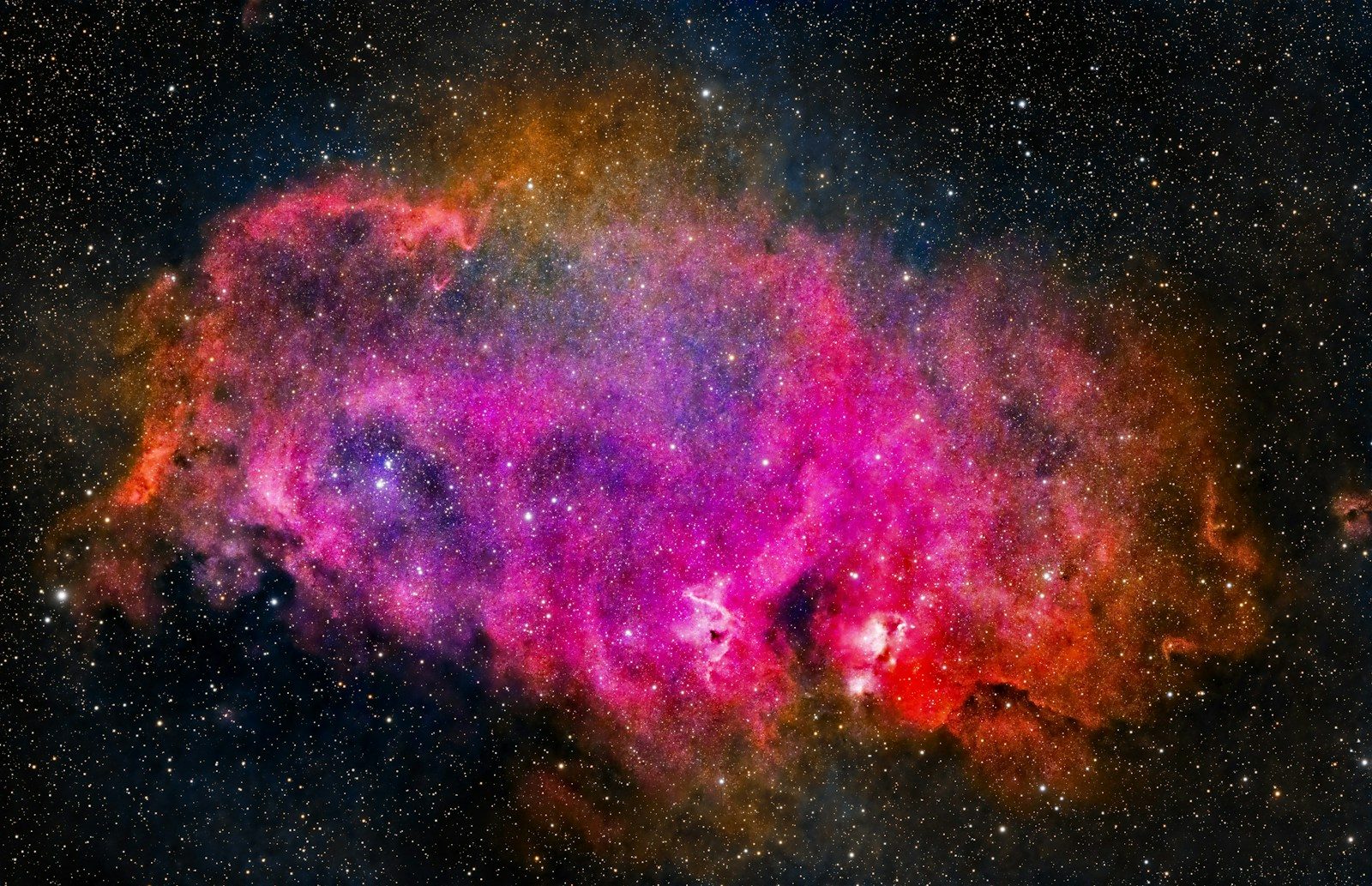
    Vivid image of a red nebula with stars in the night sky creating a dramatic cosmic scene.
    Photo by Emre Bilgiç on Pexels

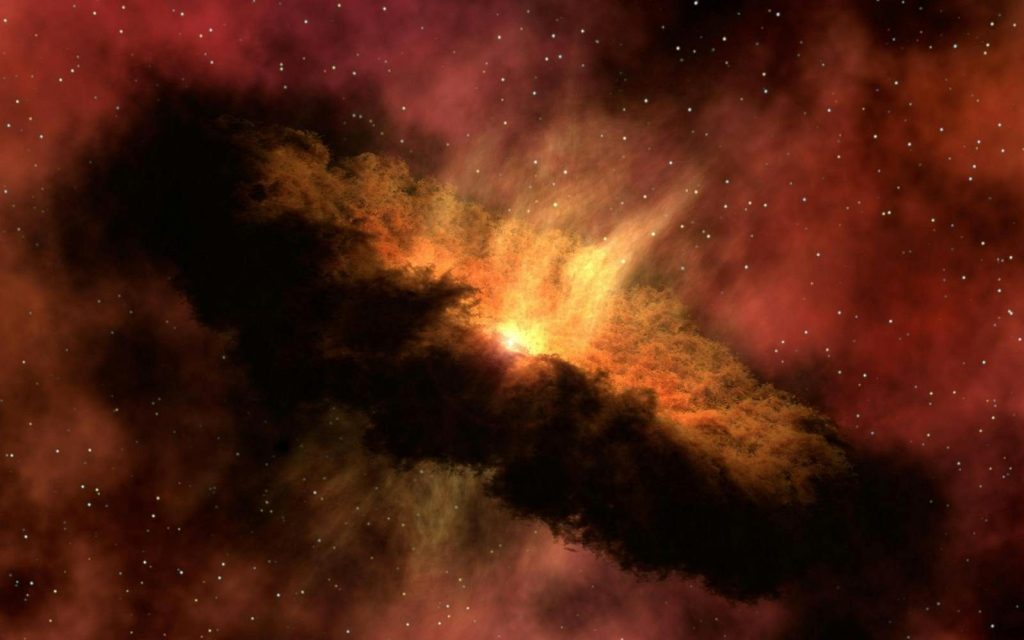
    Because JWST uses infrared light, it can see through the thick clouds of dust that block other telescopes. It has revealed “Ghost Galaxies” that were completely invisible to us for decades. These galaxies are made of old, dim stars that don’t emit much light. Finding them suggests that the universe is much more “crowded” than we realized. There is a whole hidden layer of reality that we are just now beginning to map. But is the universe actually expanding at all?

    The Mystery of the Expanding Void

    A mesmerizing abstract swirl depicting a cosmic scene with fiery nebula highlights, hinting at the vastness of the universe.
    Photo by 3D Render on Pexels

    For a century, we believed the universe was expanding at a steady rate. But JWST has found that different parts of space seem to be moving at different speeds. This is known as the “Hubble Tension.” It’s as if different parts of the universe are following different sets of rules. Some scientists believe this is evidence of “New Physics”—rules that we haven’t discovered yet. We are like children looking at a massive machine and trying to guess how it works. But the machine is starting to show its age.

    The Re-Writing of the Big Bang

    Dramatic image of a cosmic dust cloud with vivid colors and starry sky.
    Photo by Pixabay on Pexels

    If the early galaxies are too mature, maybe there was no “beginning” at all. Some theorists are using JWST data to argue for a “Cyclic Universe” that has always existed, expanding and contracting forever. This would explain why we see things that look “too old.” It is a radical idea that would change every textbook on the planet. We are witnessing the death of old certainties and the birth of a new cosmic mystery. But while we look at the stars, our own jobs are being watched by a different kind of eye.

    Searching for the Edge of Everything

    the night sky is filled with stars
    Photo by Víctor Elvira Ávalos on Unsplash

    JWST is currently pointing its mirrors at the “Deep Fields”—patches of sky that look empty to the naked eye. In these spots, it is finding thousands of galaxies that have never been seen before. We are realizing that no matter where we look, there is more to find. The universe is infinite, and our journey has just begun. Each image is a reminder of how small we are and how much we have yet to learn. But keep your eyes on the ground, because your office is about to change forever.

    Featured Image: Photo by NASA Hubble Space Telescope on Unsplash

  • This Secret Chemical Pattern Is Shaking Our Understanding Of The Cosmos

    This Secret Chemical Pattern Is Shaking Our Understanding Of The Cosmos

    Space is usually seen as a chaotic mess of gas and dust. But astronomers have just stumbled upon something that changes everything we thought we knew about the universe. A team of international scientists has identified a specific, complex chemical pattern that is repeating across different galaxies. This signature is not just a random coincidence. It is showing up in places so far apart that they should have no connection at all. It is like finding the exact same fingerprint on two people who live on opposite sides of the planet.

    This discovery was made using a new type of deep space telescope that can see through thick layers of cosmic smoke. What they found was a specific ratio of carbon and hydrogen molecules that fits the conditions on the primordial Earth. This suggests that the building blocks for life aren’t just a lucky accident. They may be a standard part of how the universe is built. But if this pattern is everywhere, why did it take so long to find it?

    The Signal that No One Can Explain.

    radio, portable, battery powered, amateur radio, communication, wireless, channel, radio waves, microphone, worldwide, connections, emergency radio, blackout, technology, global, amateur radio, amateur radio, amateur radio, amateur radio, amateur radio
    Photo by Michael_Kastelic on Pixabay

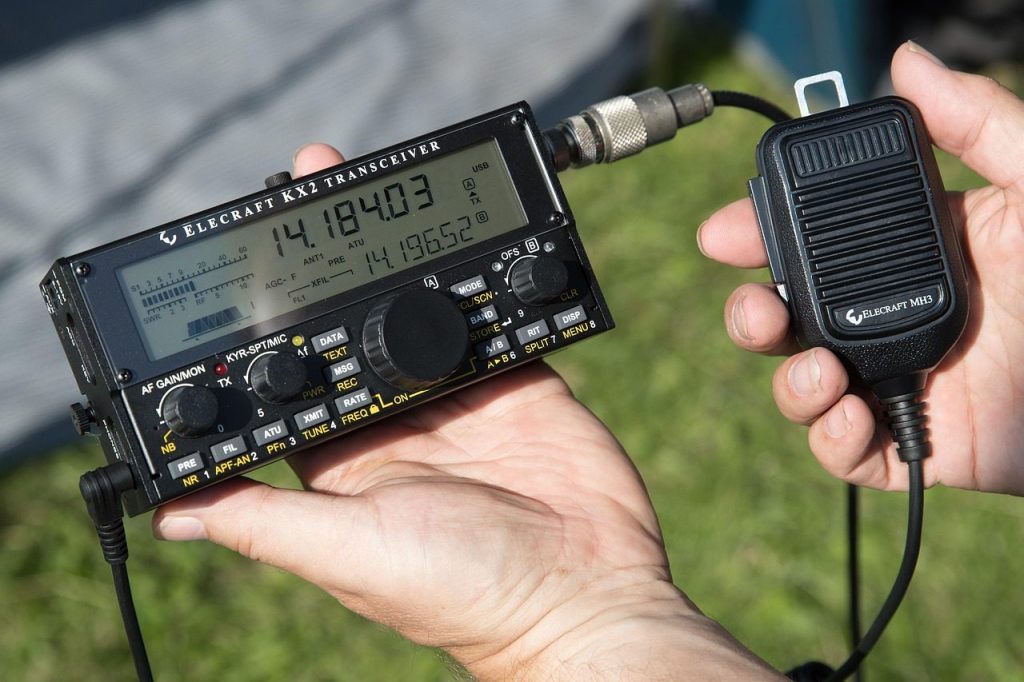
    The mystery arose when a radio telescope picked up a weak but steady chemical signature from a distant nebula. Scientists initially thought that it was a glitch in their equipment. When they pointed the telescope at a completely different part of the sky, however, the exact same chemical sequence appeared. This “cosmic code” appears to be engraved into the texture of the stars themselves.

    It is as if the universe is using a specific recipe for every galaxy it creates. This challenges the idea that every star system develops on its own. Researchers are now wondering if there is a hidden law of physics that forces these chemicals to form in this exact way. But the real shock came when they compared this data to our own solar system.

    Why This Pattern Defies The Laws Of Physics?

    A blurry image of a sound wave
    Photo by Logan Voss on Unsplash

    In traditional chemistry, things are supposed to be random over such great distances. Heat, gravity, and radiation should break these delicate chemical bonds apart. Yet, this pattern remains perfectly intact over billions of light-years. It is essentially a “chemical ghost” that refuses to disappear.

    Some physicists argue that this proves that the universe is much more organized than we ever had the courage to imagine. It suggests that there is an invisible “grid” or structure that guides how matter forms in the void. This discovery has left experts questioning whether our current models of the Big Bang are missing a major piece of the puzzle. Could this be more than just a chemical reaction?

    Is This A Universal Map For Life?

    adventure, treasure map, old world map, pirates, pirate treasure, map, compass, navigation, navigate, treasure hunt, treasure hunting, pirate map, adventure, adventure, adventure, treasure map, pirates, pirates, map, map, map, map, map, treasure hunt
    Photo by MasterTux on Pixabay

    The most exciting theory is that this pattern is a roadmap for biology. If the same chemicals are forming in the same way everywhere, it means the chances of alien life just skyrocketed. We are no longer looking for a needle in a haystack. We are looking for a pattern that we already know how to recognize.

    If these “pre-life” chemicals are standard throughout the cosmos, then planets like Earth might be common. This pattern could be the reason why life started here so quickly after the planet formed. Scientists are now racing to see if this signature is present in the atmosphere of nearby exoplanets. But there is a darker possibility that some researchers are beginning to whisper about.

    The Mathematical Impossibility Of The Cosmic Code

    Abstract symbols and scribbles on black background
    Photo by Egor Komarov on Unsplash

    When you run the numbers, the odds of this pattern appearing by chance are trillions to one. It is so precise that it looks like it was designed. This has led some scientists to explore the “Simulation Theory.” They wonder if this repeating code is a sign that our universe is actually a programmed reality.

    If we are living in a simulation, a repeating pattern would be like seeing the same line of code used in different parts of a video game. While this sounds like science fiction, the mathematical evidence is hard to ignore. Every time we look deeper, the pattern becomes even more perfect. But what if the pattern isn’t a code, but a memory?

    A Connection To The Very Beginning Of Time

    planet, space, abstract, explosion, universe, collage, mystical, fire, big bang, background, wallpaper, fire, big bang, big bang, big bang, big bang, big bang
    Photo by 506967 on Pixabay

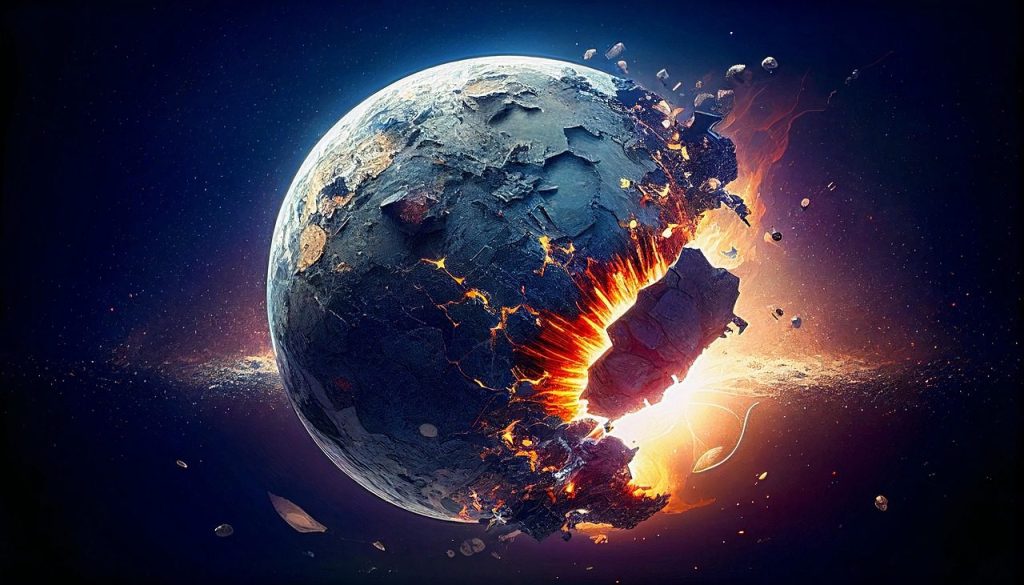
    Some researchers believe this pattern dates back to the first second after the Big Bang. They think it might be a “fossilized” vibration from the birth of the universe. If this is true, the pattern could tell us exactly how the cosmos was created. It is like finding a piece of the original eggshell from which the universe hatched.

    By studying this chemical signature, we essentially look back in time. It provides a direct link to a moment when the whole universe was smaller than an atom. However, understanding this ancient signal requires a level of technology we are just beginning to build. Does this mean that our history is etched in the stars?

    The Global Race To Decode The Stars

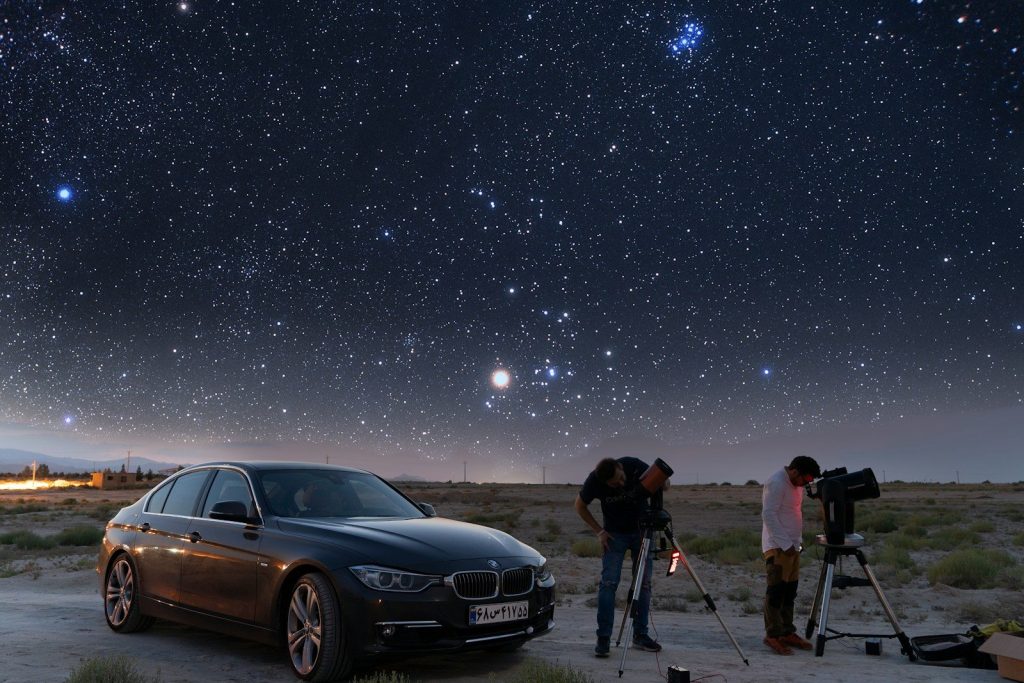
    a couple of people standing next to a car
    Photo by Akbar Nemati on Unsplash

    Now that the pattern has been confirmed, every major space agency is changing its mission goals. NASA and the European Space Agency are planning new probes to search for this specific chemical ratio. They want to know if it changes as we get closer to the center of our galaxy.

    This is no longer just a hobby for astronomers; it is a matter of understanding our place in the world. The first country to fully decode this pattern will have the ultimate key to the universe. But as we look further away, we are finding that the pattern is starting to move.

    What Happens When The Pattern Changes?

    glitch, glitch art, distortion, tv, noise, backdrop, computer, broken, screen, display, glitched, failure, pixel, chaos, internet, defect, monitor, bug, static, fail, electronics, corruption, art, yatheesh arts, green, red, blue, photoshop art, digital, digital content, disintegration, flow, technology, glitch, glitch, glitch, glitch, glitch, chaos, chaos
    Photo by 5187396 on Pixabay

    In the most distant galaxies ever recorded, the pattern looks slightly different. This suggests that the “laws” of the universe might be evolving over time. It is a terrifying thought for physicists who rely on constant rules. If the rules of the universe can change, then anything is possible.

    We are positioned at the edge of a new era of discovery. All we thought was solid is now in question. The secret chemical pattern is only the first clue in a much larger mystery. Are we set to discover what lies at the end of this galactic trail?

    Featured Image: Photo by Steve Busch on Unsplash

  •  The Mysterious New Signal From a Distant Magnetar

     The Mysterious New Signal From a Distant Magnetar

    Deep in the vacuum of space, something is waking up. Astronomers have detected a strange, rhythmic radio signal coming from a magnetar known as XTE J1810-197. Magnetars are the most powerful magnets in the universe, essentially neutron stars with magnetic fields a trillion times stronger than Earth’s. This specific star has been quiet for years, but suddenly it started “screaming” in radio waves again. This isn’t just a random burst of noise; the signal is behaving in a way that defies our current understanding of physics.

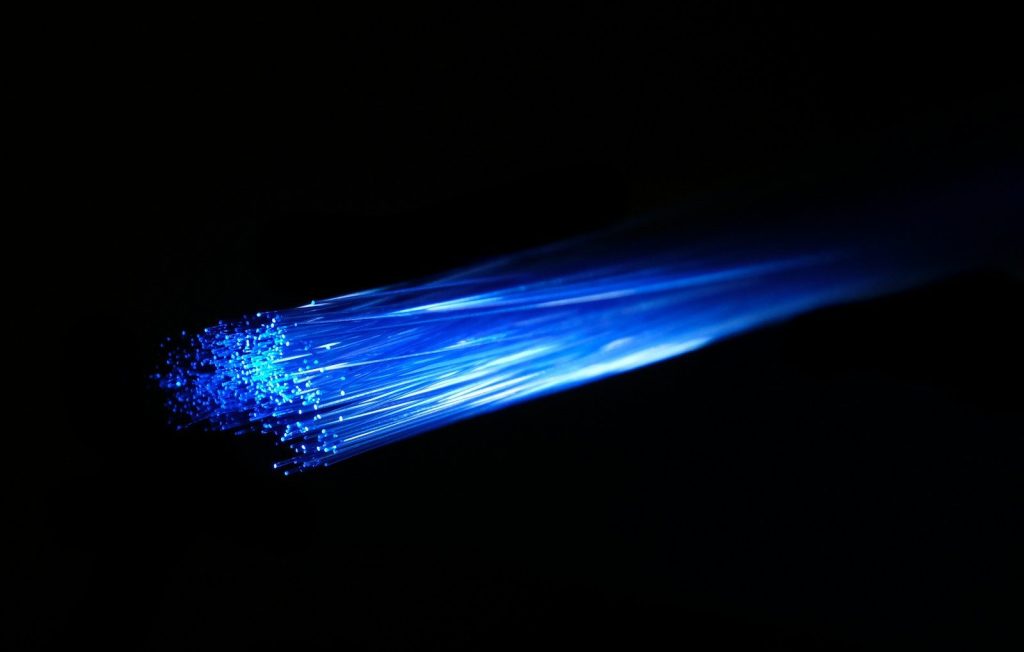
    The signal features a unique type of “circular polarization,” where the light appears to spiral as it travels through space. Scientists are baffled because this behavior is incredibly rare for stars of this type. It suggests that something massive is shifting on the star’s surface, or perhaps something even more mysterious is happening in the atmosphere surrounding it. As we point our most powerful telescopes toward the constellation Sagittarius, the data coming back is making researchers rewrite the textbooks on how dead stars behave. But the most chilling part is how the signal seems to be changing its own tempo.

    The Star That Acts Like a Living Magnet

    A spiral of blue lines on a black background
    Photo by Buddha Elemental 3D on Unsplash

    A magnetar is not your average sun. If one were to drift halfway to the Moon, it would strip the data from every credit card on Earth instantly. The magnetic pressure is so intense that it can actually warp the shape of atoms. XTE J1810-197 is currently acting like a giant cosmic lighthouse, but the light it’s throwing out is distorted. Researchers believe we are witnessing a “starquake,” a massive shift in the star’s crust that is releasing bursts of energy. This discovery is a rare opportunity to see how the universe’s strongest forces interact. But why is the signal spiraling toward us like a corkscrew?

    The Mystery of the Spiraling Radio Waves

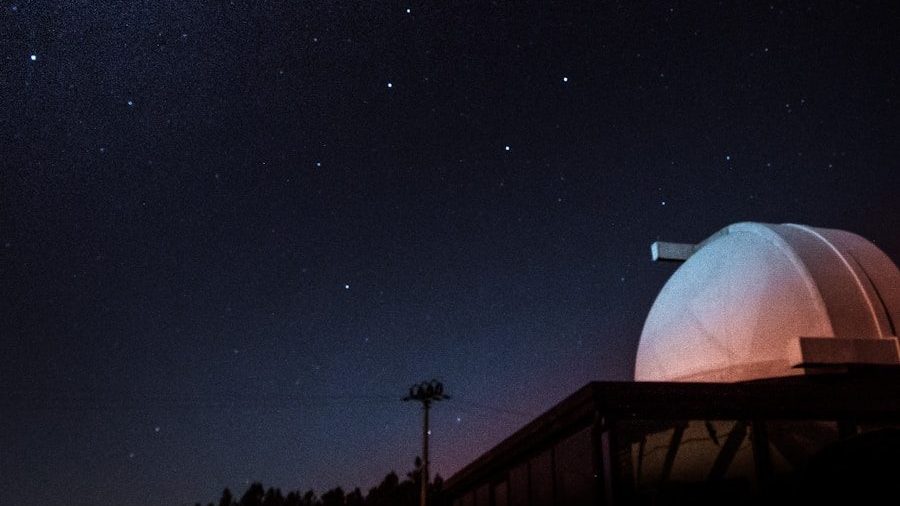
    white dome ground telescope
    Photo by Paolo Bendandi on Unsplash

    Light usually travels in straight lines, but the radio waves from this magnetar are twisting. This “circular polarization” is usually a sign of something very complex happening in the star’s magnetic field. It acts as a fingerprint for the environment around the star. Scientists think the light is passing through a thick “soup” of plasma that is forcing it to spin. However, some data suggests the twist might be coming from the star’s core itself. This could mean the interior of neutron stars is even weirder than we thought. But there is a pattern in the noise that looks almost intentional.
    Is It a Message or Just Physics?

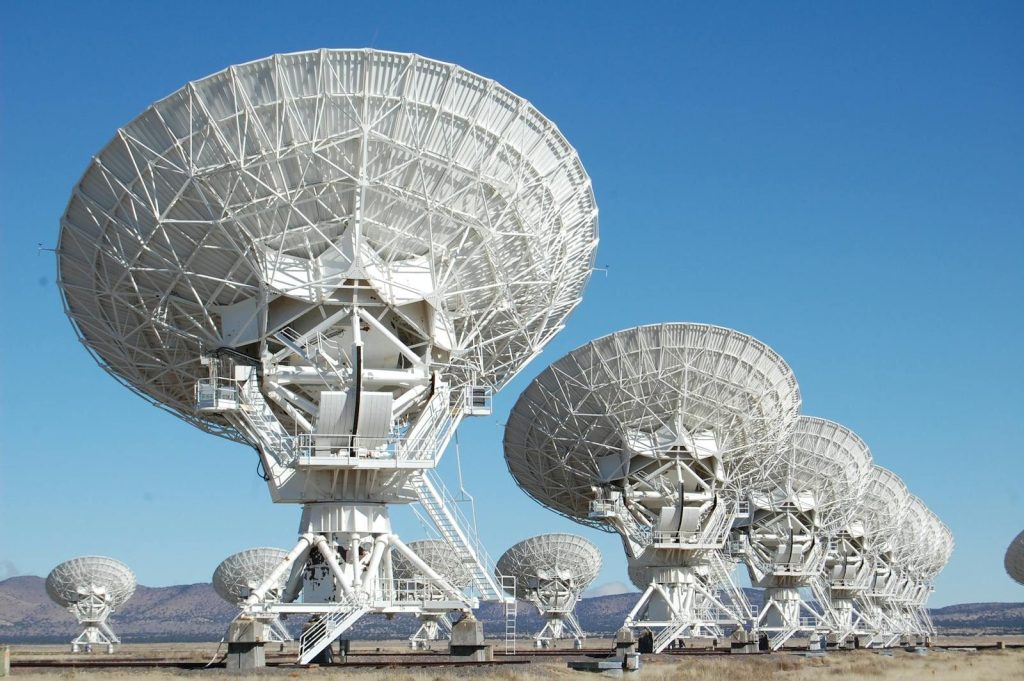
    Array of radio telescopes at the Very Large Array in New Mexico under a clear blue sky.
    Photo by braincontour on Pexels

    Whenever a rhythmic signal comes from space, the “alien” question always comes up. While most scientists believe this is a natural event, the precision of the timing is startling. The signal repeats with a regularity that rivals the best watches on Earth. This “ticking” helps astronomers map the distance to the star with incredible accuracy. It provides a “cosmic GPS” point that could help future space travelers navigate the galaxy. But even if it’s just a star, the energy it’s releasing is enough to power our entire civilization for millions of years. Wait until you see how this energy compares to a supernova.

    Energy Bursts That Could Rip Space

    blue, orange, and red abstract digital wallpaper
    Photo by ActionVance on Unsplash

    The bursts coming from XTE J1810-197 are short, but they are incredibly violent. In just a fraction of a second, the magnetar releases more energy than our Sun does in a month. These are known as Fast Radio Bursts, and they are one of the biggest mysteries in modern astronomy. By catching this magnetar in action, we are finally seeing the “smoking gun” of where these bursts come from. It’s like watching a cosmic engine misfire in high definition. This information is critical for understanding the “dark energy” that holds the universe together. But this star is also acting as a massive time machine.

    Looking Back Into the Deep Past

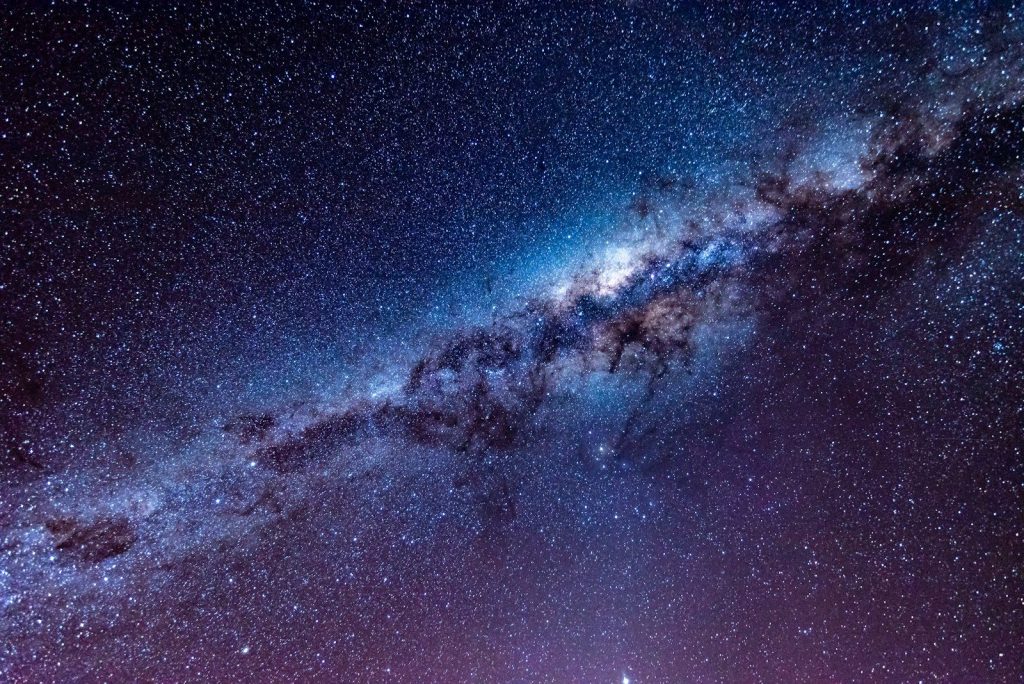
    Milky Way Galaxy wallpaper
    Photo by Graham Holtshausen on Unsplash

    Because this magnetar is thousands of light-years away, we aren’t seeing what it’s doing today. We are seeing what happened thousands of years ago. The signal has been traveling through the void for millennia just to reach our sensors. This delay allows us to study the history of the galaxy as if it were happening right now. We are effectively looking at the “ghost” of a star’s tantrum. As the signal continues to pulse, we are waiting to see if it will eventually fade away or explode. But scientists have noticed something else moving in the darkness nearby.

    The Ghostly Neighbors of the Magnetar

    Vibrant green nebula with starry background, showcasing cosmic beauty.
    Photo by Marek Pavlík on Pexels

    XTE J1810-197 isn’t alone in its part of the galaxy. It is surrounded by a cloud of gas and dust that is glowing from the star’s radiation. This “halo” is helping researchers see the invisible magnetic lines that reach out from the star. It’s like seeing the wind by watching the leaves move. These observations are helping us understand how magnetars influence the stars around them. It turns out these dead stars might be the “sculptors” of their local neighborhoods. But the signal is starting to show a new, terrifying frequency that we haven’t seen before.

    What Happens When the Signal Stops?

    black textile on white background
    Photo by Francesco Ungaro on Unsplash

    Magnetars don’t stay active forever. Eventually, the magnetic energy runs out, and the star becomes a cold, silent lump of matter. The current “outburst” from XTE J1810-197 could end at any moment. Astronomers are racing to collect as much data as possible before the lighthouse goes dark again. Each second of the signal is a precious piece of a puzzle that spans the entire universe. When it finally stops, we might be left with more questions than answers. But while we look at the stars, a secret killer was found hiding in Earth’s own history.

    Featured Image: Photo by Frank Cone on Pexels

  • The $500 Billion Lunar Gold Rush – Moon South Pole Secrets

    The $500 Billion Lunar Gold Rush – Moon South Pole Secrets

    The Moon is not simply a glowing rock in the night sky. In 2026 it became the most valuable piece of real estate in the solar system. A massive “Lunar Gold Rush” is currently underway, with world powers and private companies hurrying toward the Moon’s South Pole. Experts estimate that the resources buried there are worth at least $500 billion. This isn’t just planting flags anymore; it is about survival and massive profit.

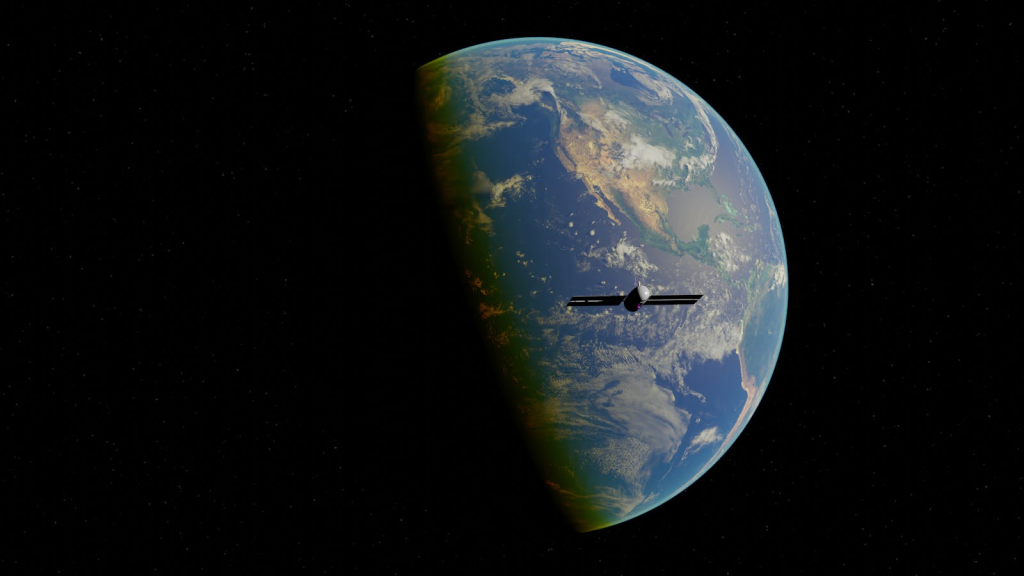
    The South Pole is the target, because it contains something more precious than gold: ice. This ice can be turned into drinking water, oxygen and most importantly rocket fuel. If we can harvest fuel on the Moon it becomes the ultimate gas station for the rest of the galaxy. This discovery has transformed space exploration from a scientific hobby into a high-risk industrial race. But the ice is hidden in places where sunlight does not shine, creating a terrifying challenge for the robots already on the ground.

    Water is the New Lunar Oil

    blue and white floral textile
    Photo by Annie Spratt on Unsplash

    For decades, we thought the Moon was a dry, dead desert. We were wrong. NASA has confirmed that billions of tons of water ice are trapped in “permanently shadowed regions.” Because these craters never see sunlight, the ice has stayed frozen for billions of years. Companies are now designing giant “lunar drills” to extract this resource from the dust. Whoever controls the water controls the path to Mars. But water isn’t the only treasure hiding in the grey dirt.

    Harvesting Energy for a Million Years

    a circular window with a circle in the middle
    Photo by Ethan Currier on Unsplash

    The Moon’s South Pole also contains high concentrations of Helium-3. This rare isotope is almost impossible to find on Earth, but it is the perfect fuel for nuclear fusion. Scientists believe that just a few shuttle-loads of Helium-3 could power the entire United States for a year. It is a clean, limitless energy source that could end the climate crisis once and for all. However, the machines needed to mine it have to survive the most brutal environment known to man.

    Robots are Already Building the First Cities

    robot, humanoid, office, advanced, technology, interactive, expression, mechanics, sensors, modern, artificial, intelligence, circuit, high technology, autonomous, innovation, cybernetics, robotics, technique, machine, ai is generated
    Photo by ImJey on Pixabay

    We aren’t sending humans first; we are sending builders. Autonomous robots are currently being tested to 3D-print lunar habitats using “regolith,” or moon dust. These structures will protect future astronauts from radiation and meteorites. These robots work 24/7 without air or food, turning a desolate landscape into a functional outpost. It is a masterclass in automated engineering that is happening 238,000 miles away. But wait until you see the “Lunar GPS” that is currently being launched.

    The First Satellite Network for the Moon

    an artist's rendering of a space station in orbit
    Photo by Andrej Sachov on Unsplash

    To navigate the deep craters of the South Pole, you need more than a compass. A new constellation of satellites is being placed in lunar orbit to provide the Moon’s first navigation and communication network. This “Lunar GPS” will allow mining bots and human rovers to pinpoint their location within inches. Without this network, explorers would get lost in the dark, frozen valleys forever. But this network is also tracking something mysterious moving on the surface.

    Hidden Craters That Defy The Laws of Physics

    a man standing in a tunnel with a flashlight
    Photo by Mick Haupt on Unsplash

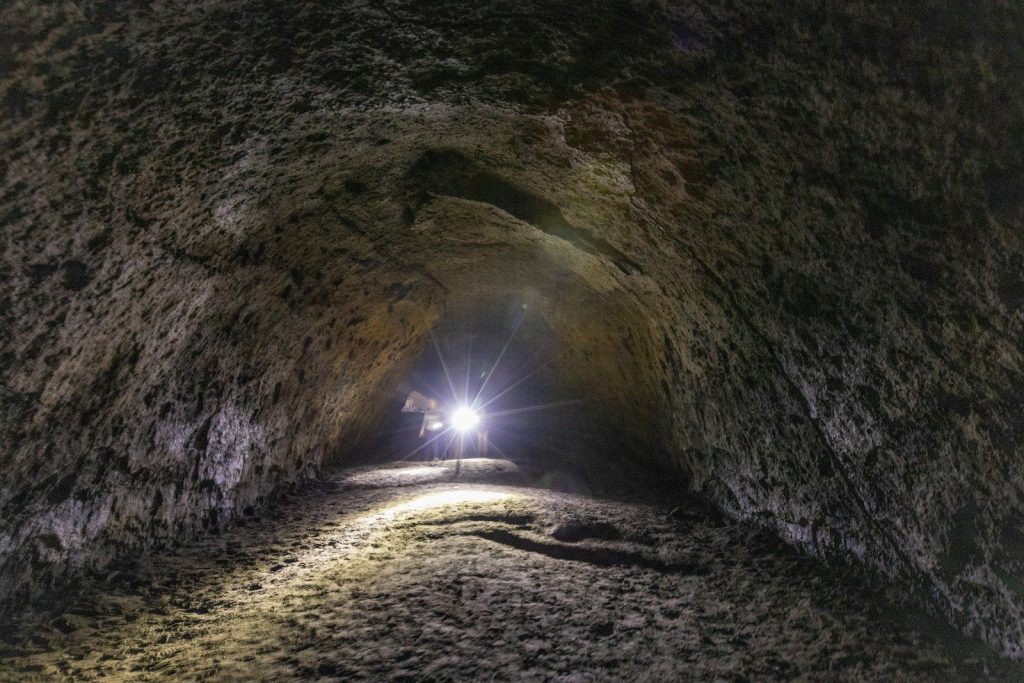
    Deep-space scans have revealed massive “lava tubes” beneath the lunar surface. These are giant, natural tunnels created by ancient volcanic activity. They are large enough to house entire cities and provide a natural shield against the vacuum of space. Inside these tubes, the temperature is surprisingly stable. It is the perfect place for a permanent human colony. But explorers are finding that some of these caves contain strange, unidentifiable chemical signatures.

    Sovereignty and the New Space Law Conflict

    a piece of paper with writing on it
    Photo by NISZOgen on Unsplash

    Who owns the Moon? The 1967 Outer Space Treaty says no nation can own it, but it doesn’t address private companies mining resources. As the “Gold Rush” intensifies, legal experts are scrambling to write new laws to prevent a “lunar war.” We are seeing the birth of “Safety Zones” where countries can operate without interference. It is a diplomatic nightmare that could boil over at any moment. But the biggest secret isn’t what we are taking from the Moon.

    The Launchpad to the Rest of the Galaxy

    A research station in a desert landscape, resembling the surface of Mars, with red rock formations.
    Photo by Wine Food Travel on Pexels

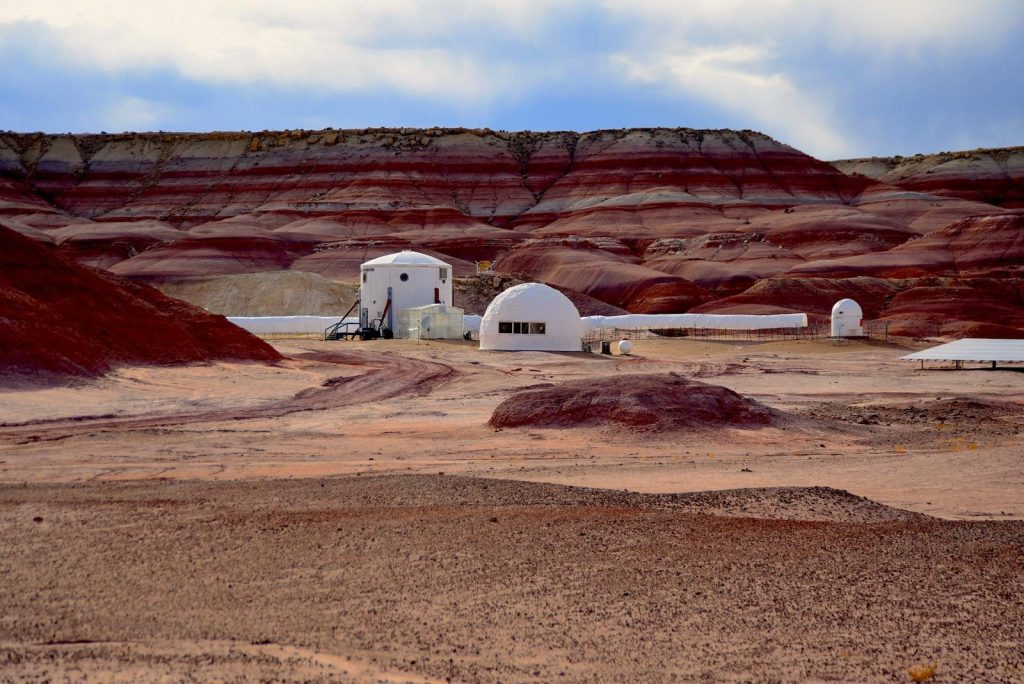
    The ultimate goal of the $500 billion rush is to use the Moon as a stepping stone. Because the Moon has very low gravity, it is much easier and cheaper to launch rockets from the lunar surface than from Earth. The South Pole will become the industrial hub for missions to Mars, Jupiter, and beyond. We are building the first port for a multi-planet civilization. But you won’t believe how this tech is already changing your own brain right now.

    The Final Countdown for the Lunar Era

    Rocket launchpad with a tall rocket and surrounding structures.
    Photo by Jay Wedgeworth on Unsplash

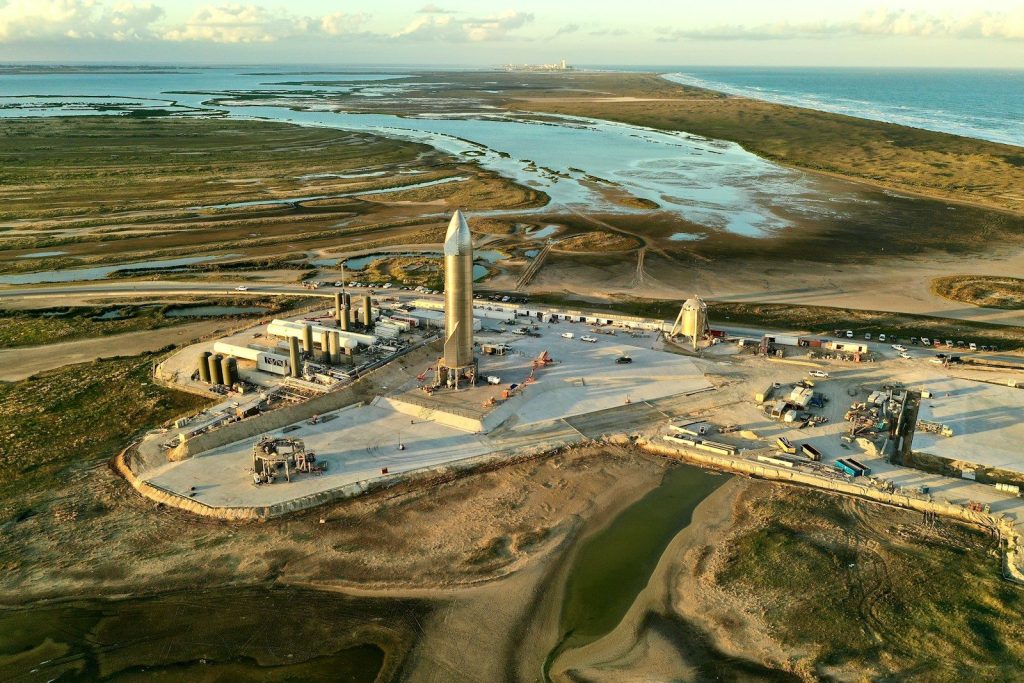
    The next three years will decide the winner of this race. With missions scheduled by NASA, China, and SpaceX, the South Pole is about to get very crowded. We are living through the most significant moment in human history since we first walked upright. The resources are there, the tech is ready, and the money is flowing. The Moon is open for business, but are we ready for what we will find in the permanent dark?

    Featured Image: Photo by WikiImages on Pixabay

  • Why Tech Giants Are Now Training Generative AI in Orbit

    Why Tech Giants Are Now Training Generative AI in Orbit

    Training a massive Generative AI model like ChatGPT requires an incredible amount of power and cooling. On Earth, data centers consume as much electricity as small cities and produce massive amounts of heat. But in 2026, the biggest names in tech have found a “cool” new solution. They are moving their AI training hubs into Earth’s orbit. Space provides a natural vacuum and extreme cold that makes running supercomputers much more efficient. By launching specialized AI satellites, companies can train models 24 hours a day without any environmental impact on our planet.

    This move to the stars is being called “Orbital Intelligence.” It isn’t just about saving money on air conditioning; it is about privacy and speed. In space, there are no borders and no physical cables for hackers to tap into. The data moves through laser beams at the speed of light. We are looking at a future where the brain of the internet lives among the stars. But how do they actually launch a whole data center into a zero-gravity environment?

    The Rise of the Zero-G Data Center

    A satellite with solar panels orbiting Earth, capturing the vast universe.
    Photo by SpaceX on Pexels

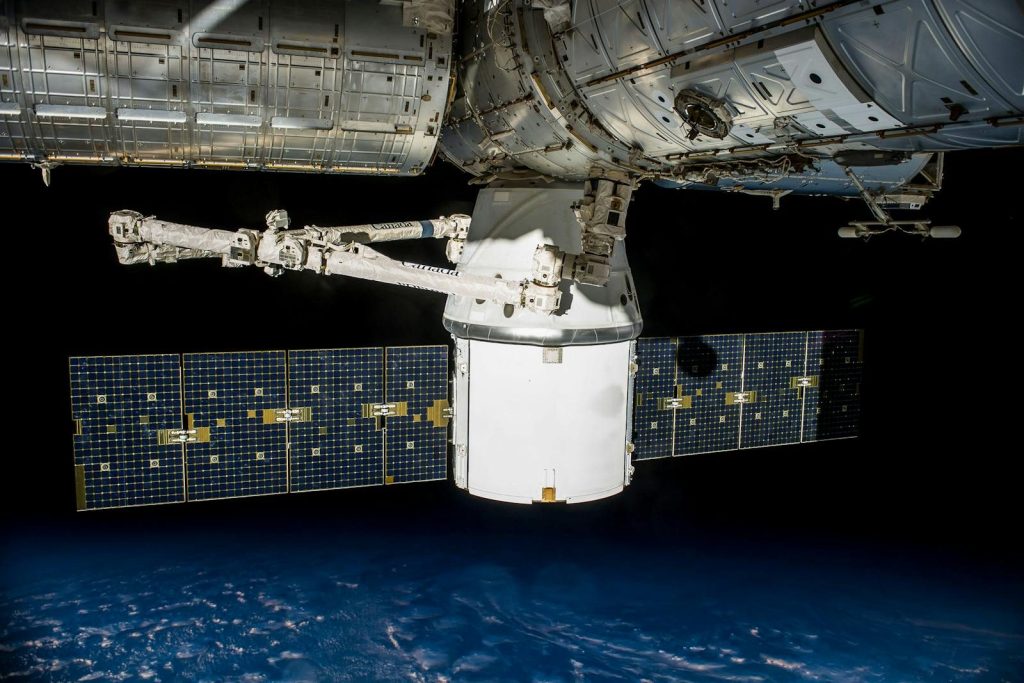
    On Earth, servers are heavy and bulky. In orbit, gravity is no longer an issue. Engineers can build massive, lightweight computer structures that would collapse under their own weight on the ground. These “Zero-G” data centers are powered entirely by the sun, using giant solar sails that are miles wide. This provides a limitless source of clean energy. The 2026 data shows that orbital AI training is 70 percent more efficient than ground-based hubs. But what happens when a piece of space junk hits the motherboard?

    Protecting the AI from Cosmic Shrapnel

    a very large metal structure with lights on it
    Photo by NASA Hubble Space Telescope on Unsplash

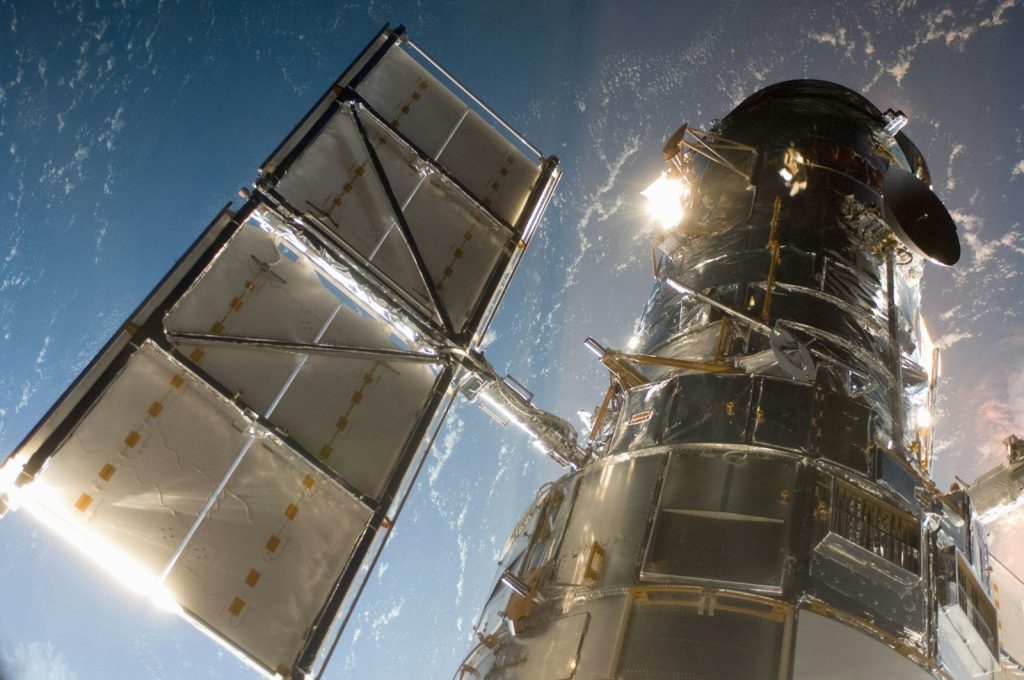
    The biggest threat in orbit isn’t heat—it’s trash. Thousands of pieces of old satellites are moving at 17,000 miles per hour. To protect their billion-dollar AI, tech giants are using “Self-Healing Shields.” These are layers of specialized gel that seal up instantly if hit by a tiny pebble. The AI itself also monitors the environment and can move the satellite out of harm’s way within seconds. It is a high-stakes game of cosmic dodgeball. But wait until you see how fast the data actually travels to your phone.

    Laser Beams are the New Fiber Optics

    blue and white light in dark room
    Photo by Compare Fibre on Unsplash

    We used to rely on undersea cables to move our data around the world. Orbital AI uses lasers. By beaming information directly from space to ground stations, tech giants have reduced “latency” to almost zero. This means your AI assistant can answer you instantly, no matter where you are on Earth. It is a global web of light that bypasses the old, slow copper wires. We are finally living in a “real-time” world. But is there a hidden danger to having the “mind” of the world in space?

    The Sovereignty of the Stars

    A stunning digital rendering of Earth from space, featuring a satellite and the vast universe.
    Photo by Zelch Csaba on Pexels

    Who owns the AI in orbit? Because these satellites fly over every country, they don’t follow the laws of any single nation. This has sparked a massive debate about “Space Sovereignty.” Some fear that tech companies are becoming more powerful than governments. If your data is in orbit, who can protect your rights? We are entering a new era of digital law that is as vast as space itself. But wait until you see what is happening to the people who still write code on the ground.

    Why Orbital AI is Building Itself

    technology, computer, futuristic, data, science, circuit board, abstract, electricity, robot, human face, mother board, internet, computer chip, cyborg, computer part, backgrounds, portrait, communication, one person, image, pattern, computer graphic, circuit, industry, ai generated
    Photo by AberrantRealities on Pixabay

    The most incredible part of “Orbital Intelligence” is that the AI is starting to design its own hardware. Because it can simulate physics perfectly in space, it knows exactly how to build a faster processor. It sends the blueprints to 3D-printing satellites that build the next generation of chips in orbit. It is a “closed-loop” of evolution that humans could never achieve on the ground. We are watching the birth of a machine that improves its own body. But does this mean we don’t need human coders anymore?

    The End of the Manual Coder Era

    A senior man interacts with a robot while holding a book, symbolizing technology and innovation.
    Photo by Pavel Danilyuk on Pexels

    As the AI in orbit gets smarter, the need for human coding is shrinking. We are moving toward a world of “Intent-Driven” software. Instead of typing lines of code, humans will simply tell the AI what they want. The orbital supercomputer then assembles the software in seconds. It is the biggest shift in labor since the Industrial Revolution. We are moving from “builders” to “architects.” But wait until you see the next slide about how this is changing the way we speak.

    A Planet Wrapped in Intelligence

    earth, internet, globalization, technology, network, globe, world, global, digital, information, data, communication, earth, earth, internet, internet, internet, internet, internet, technology, technology, technology, technology, network, world, world, digital, data
    Photo by TheDigitalArtist on Pixabay

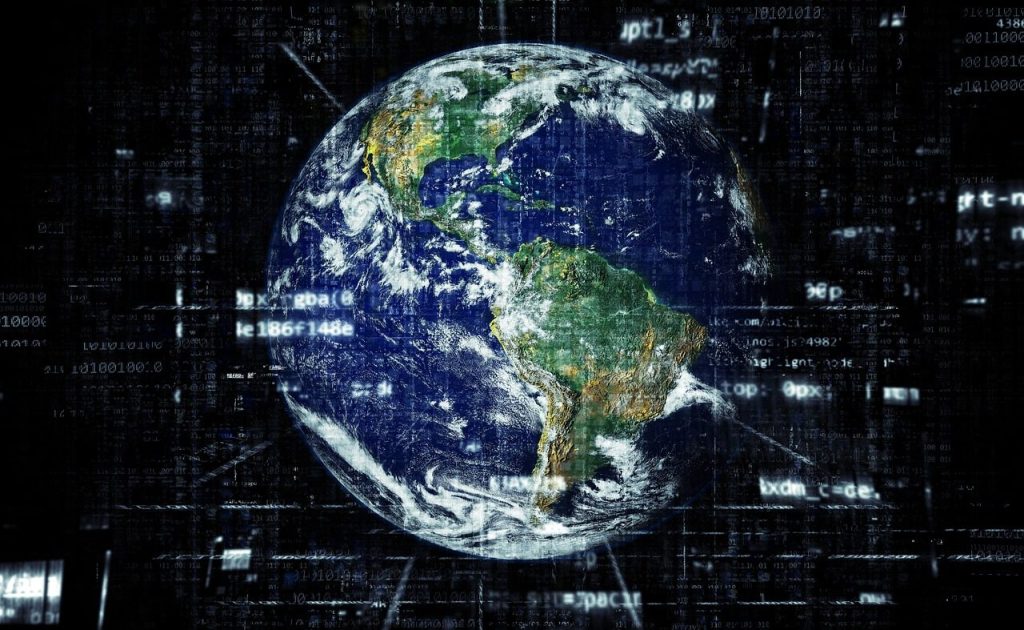
    By the end of 2026, most of the “thinking” for our daily lives will happen above the clouds. From managing traffic to predicting the weather, the orbital AI will be our silent partner. We are wrapping the Earth in a layer of intelligence that never sleeps and never fails. It is a beautiful and slightly scary transformation of our planet. The stars are no longer just points of light; they are the servers of our future. But are you ready for the day when your phone translates every language instantly?

    The Countdown to an Orbital World

    spacecraft flying through the sky
    Photo by SpaceX on Unsplash

    The “Space AI” era is not coming; it’s already here. The first successful orbital training runs have been completed, and the results are blowing away everything on the ground. We are standing at the edge of a new history for our species. We have finally moved our minds into the cosmos. Stay curious, stay sharp, and keep looking up. The future is bright, and it’s shining down on us from 200 miles above. But wait until you see why you might never need to learn a second language again.

    Featured Image: Photo by Growtika on Unsplash

  • Why NASA’s “Chaotic Planet Nursery” is Terrifying Astronomers

    Why NASA’s “Chaotic Planet Nursery” is Terrifying Astronomers

    Space is supposed to follow rules, but a new discovery from NASA is throwing the rulebook out the window. Astronomers have just pointed our most powerful telescopes at a distant cloud of gas known as a “planet nursery.” What they found was not a peaceful birth of new worlds. Instead, it is a scene of total cosmic violence. Massive stars are tearing apart newborn planets before they even have a chance to cool down.

    This region is so chaotic that it is challenging everything we know about how our own Solar System was formed. The energy levels in this “nursery” are higher than anything ever recorded in this part of the galaxy. It is like a high-speed car crash happening on the scale of a solar system. Scientists are now worried that this kind of chaos might be much more common than we ever suspected. But what exactly is making these baby planets explode before they are even finished?

    The Star That Acts Like a Cosmic Shredder

    planet, asteroid, crash, destruction, space, outer space, galaxy, universe, wallpaper, background, asteroid, asteroid, asteroid, asteroid, asteroid, destruction
    Photo by Lixxe on Pixabay

    The main culprit in this chaotic nursery is a giant star that is millions of times brighter than our Sun. This star emits “stellar winds” that are so powerful they can strip the atmosphere off a planet in a few thousand years. Usually, planets have millions of years to grow. In this nursery, they are lucky to survive for a few centuries.

    Scientists watched in shock as the star’s radiation literally shredded the gas clouds that form planets. It is a race against time that most worlds are losing. But how can a planet even start to form in such a messy environment?

    Hidden Gravity Pockets Creating Chaos

    an image of a bunch of planets in the sky
    Photo by NASA Hubble Space Telescope on Unsplash

    It isn’t just the light that is the problem. The gravity in this nursery is a complete mess. Because there are so many massive objects close together, baby planets are being pulled in five different directions at once.

    Instead of a smooth orbit, these worlds are being tossed around like toys in a bathtub. This gravitational tug-of-war often ends with two planets smashing into each other at record speeds. We are seeing the “bricks” of a solar system being turned into dust before they can build anything. But wait until you see what happens to the water in these systems.

    The Water Vapor That Should Not Exist

    space, science fiction, cosmos, fantasy, cluster, constellation, cosmic, astronomy, nature, sky, dark, star, universe, starry sky, star clusters, galaxy, night sky, light on, explosion, pattern, abstract, background, structure, color, space wallpaper, space background
    Photo by geralt on Pixabay

    In the middle of all this heat and violence, NASA found something impossible. They detected massive clouds of water vapor floating in the chaos. Usually, water would be evaporated instantly by the intense radiation of the nearby stars.

    Somehow, the chaos is creating “shadow zones” where water can survive. This suggests that the ingredients for life can exist even in the most terrifying places in the universe. But is this water enough to save a planet from being destroyed?

    Why This Discovery Rewrites Earth’s History

    an image of a space scene with a planet in the foreground
    Photo by Pawel Czerwinski on Unsplash

    For a long time, we thought our Solar System was born in a quiet, lonely part of the galaxy. But the “Chaotic Nursery” suggests that we might have survived a similar nightmare. If planets can form in these violent clouds, it means Earth might be a survivor of a cosmic war.

    We are looking at our own history in a mirror, and the mirror is terrifying. It makes our peaceful blue planet look like a one-in-a-billion miracle. But could there be a planet actually thriving in this mess?

    The Ghost Planets Hiding in the Dust

    an artist's rendering of the solar system
    Photo by NASA Hubble Space Telescope on Unsplash

    NASA’s new infrared sensors have revealed “ghost planets” that were hidden by the thick cosmic dust. These are worlds that were kicked out of their orbits and are now drifting through the nursery alone.

    They are cold, dark, and destined to be swallowed by the central star. These drifting worlds are a warning of what happens when gravity goes wrong. But scientists have noticed something strange about the way these ghosts are moving.

    Is This Nursery a Death Trap or a Cradle?

    star constellation
    Photo by Alexander Andrews on Unsplash

    Some astronomers believe that the chaos is actually necessary. The collisions might be the only way to get the right chemicals together to build a rocky planet like ours. It is a “trial by fire” that creates the strongest worlds.

    We are watching the universe “cook” new solar systems, even if the kitchen is a disaster. It is a hopeful yet scary look at how life begins. But what happens when the central star finally runs out of fuel?

    The Final Countdown for These Baby Worlds

    an artist's rendering of a planet with a star in the background
    Photo by NASA Hubble Space Telescope on Unsplash

    Within a few million years, the nursery will be gone. The giant stars will explode, and the baby planets will either be destroyed or sent flying into the deep void. It is a high-speed drama that we are lucky to catch in real-time.

    Every image NASA sends back is a piece of a puzzle we are still trying to solve. The “Chaotic Nursery” is a reminder that we live on a very fragile island in a very violent sea. But while we look at the stars, a mystery is waiting on Earth inside an ancient building with no way in.

    Featured Image: Photo by WikiImages on Pixabay

  • Could we actually build an elevator to space – The missing material

    Could we actually build an elevator to space – The missing material

    Going to space is currently an “explosion-based” business. We sit on top of giant tanks of fuel, light them on fire, and hope we get high enough before the fuel runs out. It is expensive, dangerous, and incredibly wasteful. But for over a century, scientists have had a different dream: the Space Elevator. Imagine walking into a lobby on the equator, pressing a button for the “Moon Station,” and riding a cable 22,000 miles straight up into the sky.

    This isn’t just science fiction anymore; in 2026, the physics of the elevator are fully solved. We know exactly where to put it and how to balance it using the Earth’s rotation. The problem is that we literally cannot build it because the material we need doesn’t exist yet in the real world. We are one “miracle molecule” away from changing human history forever. But how can a simple string actually hold up a 20,000-mile elevator? Wait until you see the “tug-of-war” happening between Earth and the stars.

    The Physics of the Galactic Tug-of-War

    A close up of a frisbee on a table
    Photo by Sai Kiran Belana on Unsplash

    To make a space elevator work, you need two things: an anchor on Earth and a massive weight at the other end in space. As the Earth spins, the weight at the top tries to fly away, creating “centrifugal force.” This tension keeps the cable tight, just like a string on a spinning top. The cable doesn’t “hang” down; it is pulled “up” by the galaxy itself. It is a masterpiece of balance. But the stress on that cable is higher than anything we have ever built.

    Why Steel Snaps Like a Piece of Thread

    wire, rope, metal, bridge, cable, tension, line, fence, old, moss, rustic, texture, iron, tension, tension, tension, tension, tension
    Photo by VitorGarcia029 on Pixabay

    If we built the cable out of steel, it would snap under its own weight before it even reached the clouds. Steel is simply too heavy and too weak for this job. To survive the tension of a 22,000-mile pull, we need a material that is 100 times stronger than steel but as light as a feather. For decades, we thought Carbon Nanotubes were the answer. They are perfect in the lab, but we can’t make them longer than an inch. But there is a new “hexagonal” competitor in town.

    The Rise of Graphene Ribbons

    a black and white photo of a large group of small circles
    Photo by Resource Database on Unsplash

    Graphene is a single layer of carbon atoms arranged in a honeycomb shape. It is the strongest material ever measured. Scientists are now trying to “weave” graphene into long ribbons that could act as the elevator’s backbone. In 2026, researchers successfully created the first “continuous” graphene fiber that is several meters long. It is a baby step, but it proves that the missing material is possible. But even with the cable, how do you actually climb it?

    Clambering Up at Mach 1

    A lone astronaut conducting a spacewalk with Earth visible in the background.
    Photo by Pixabay on Pexels

    You can’t use a regular motor to climb to space. The friction would melt the cable. Instead, engineers are designing “climbers” that use magnetic levitation (similar to the Japan Maglev) to glide up the ribbon. These robots would move at hundreds of miles per hour, powered by giant lasers on the ground. The “Space Port” would look like a busy airport, with climbers taking off every hour. But what happens when a piece of space junk hits the line?

    The Danger of Cosmic Shrapnel

    an artist's rendering of a space station in orbit
    Photo by Alessandro Ferrari on Unsplash

    The Earth is surrounded by millions of pieces of trash moving at 17,000 miles per hour. If a tiny screw hits the elevator cable, it would have the power of a hand grenade. To survive, the cable has to be a “ribbon” rather than a rope. This way, a small hole won’t cause the whole thing to unzip. The elevator will also have to “wiggle” to dodge the biggest pieces of junk. It is a high-speed game of cosmic dodgeball. But wait until you see the price of a ticket.

    Shipping a Liter of Water for Pennies

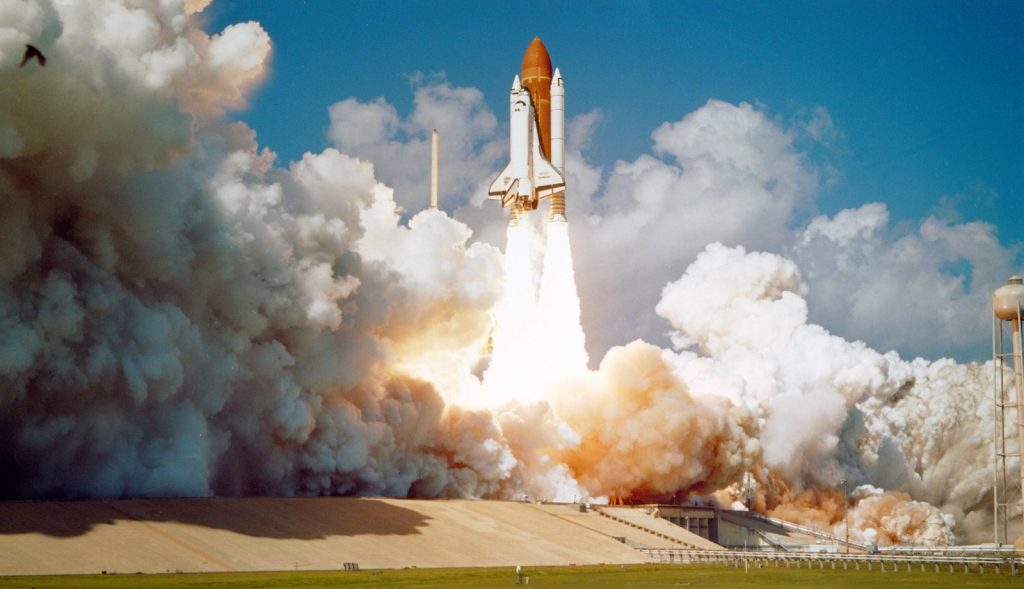
    Space Shuttle Challenger launches from Kennedy Space Center
    Photo by NASA on Unsplash

    Today, it costs about $2,000 to send one pound of stuff into space. A space elevator would drop that cost to about $10. This would change the global economy overnight. We could build giant solar power plants in space and beam the energy back to Earth for free. We could mine asteroids for precious metals and end the resource crisis. The elevator is the key to a “post-scarcity” world. But who will be the first to build it?

    The Race for the Equatorial Anchor

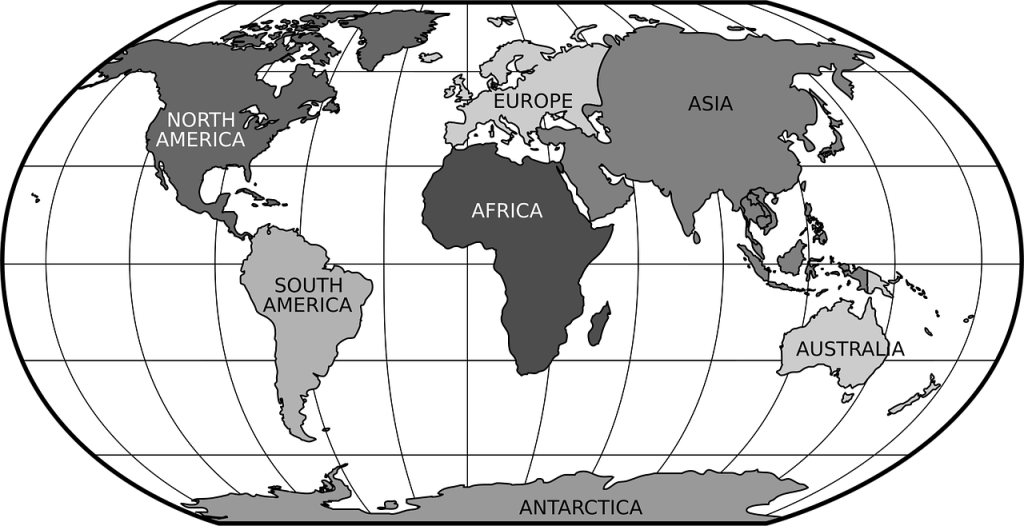
    world map, robinson projection, globe, latitude, longitude, equator, continents, earth, hemispheres, world map, world map, world map, world map, world map
    Photo by Clker-Free-Vector-Images on Pixabay

    Because the elevator needs to be on the equator, nations like Ecuador, Indonesia, and Kenya are sitting on the most valuable real estate in the galaxy. China and the US are already scouting locations for a “Floating Space Port” that could serve as the anchor. It would be the most protected spot on the planet. The country that builds the first elevator will control the gateway to the solar system. But there is one last material problem involving the “Green” fuel we are using today.

    Featured Image: Photo by Justin Cruz on Unsplash