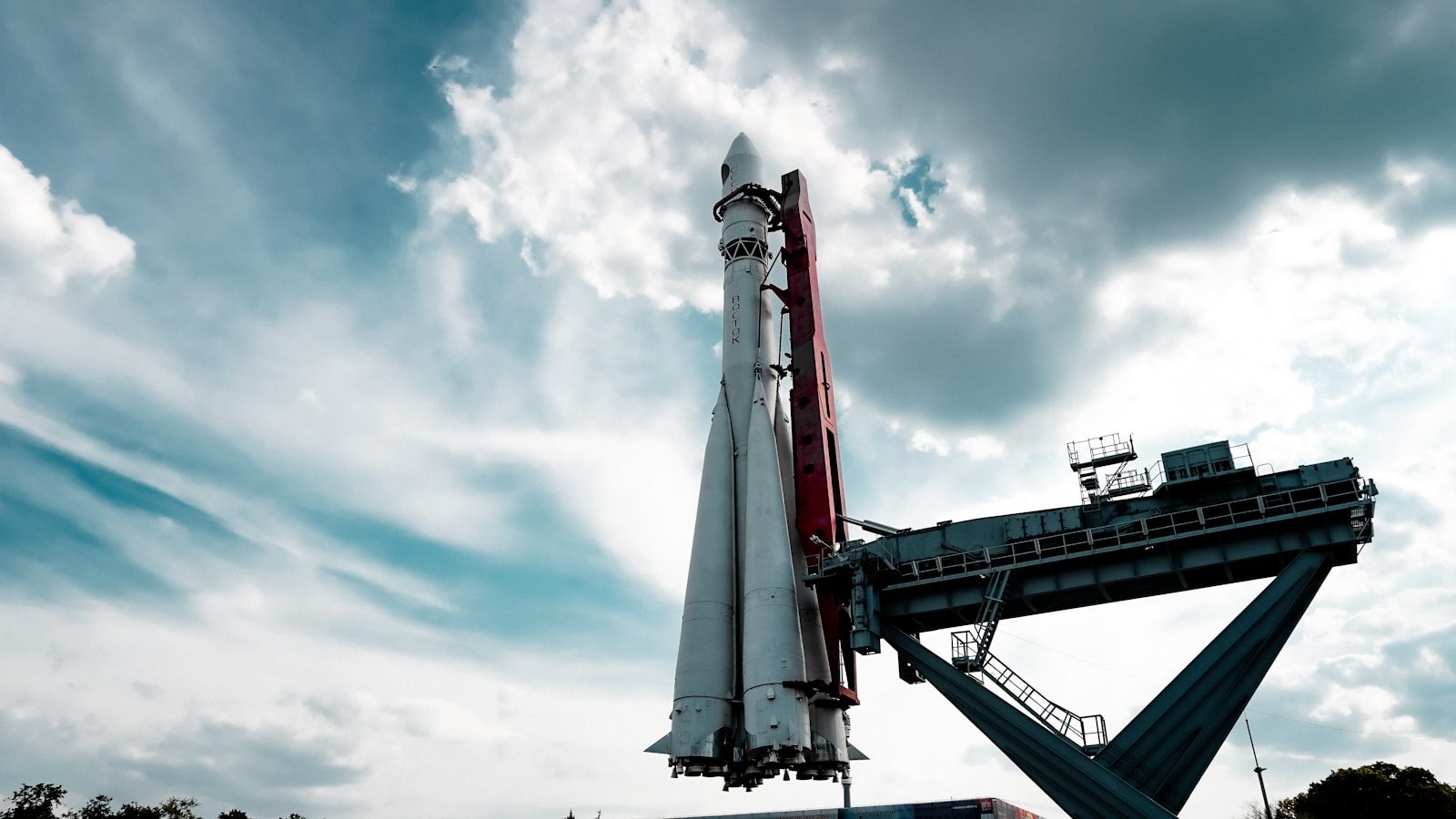
Most space lovers assume that sending astronauts to Mars is just a matter of building a larger rocket. We believe that modern technology is already fully prepared for deep space transit.
But upcoming lunar missions are revealing a highly different reality. Space agencies must completely redesign how humans survive inside a metal capsule for months at a time.
Testing Deep Void Survival
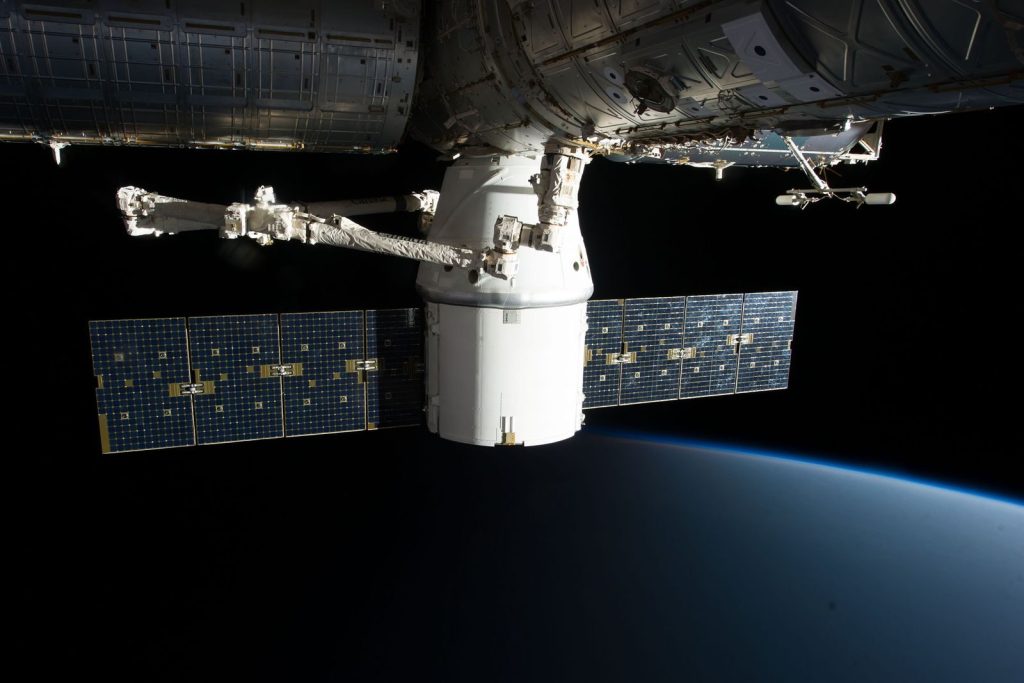
Sending a crew to the moon is the ultimate dress rehearsal for a historic journey to Mars. According to reports from NASA, the upcoming Artemis flights will test vital life support systems in real deep space environments. The stakes are high. These missions will push both spacecraft and human biology past their known limits. But managing the physical strain of cosmic travel is a massive struggle.
The Silent Radiation Bombardment
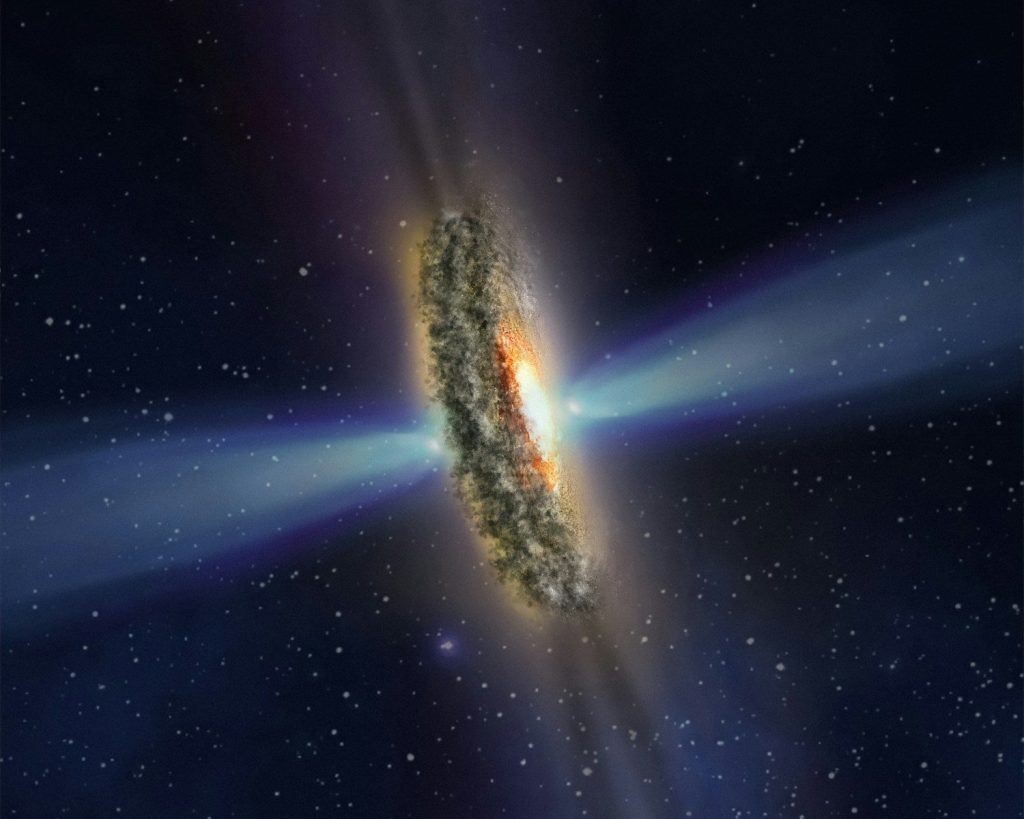
Astronauts traveling beyond the protective magnetic shield of the Earth face intense space rays. According to solar physicists, cosmic radiation can damage human cells and trigger severe health issues over time. The rays are invisible. Designing lightweight shielding materials is one of the most critical engineering challenges for the shipbuilders. But this radiation threat is only the first part of the transit.
Muscle Decay In Gravity
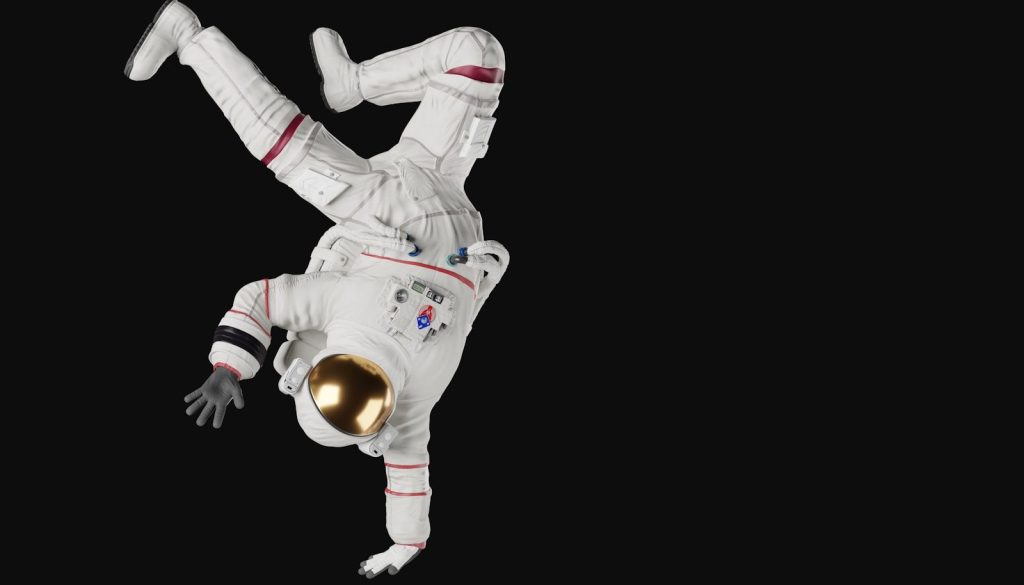
Spending several months in absolute weightlessness causes the human skeleton to degrade rapidly. According to space medicine studies, astronauts lose valuable bone density and muscle mass during long journeys. The body weakens. Crews must use specialized exercise equipment daily to prevent permanent physical damage before reaching their destination. But keeping the body healthy is only half of the challenge.
The Psychology of Isolation
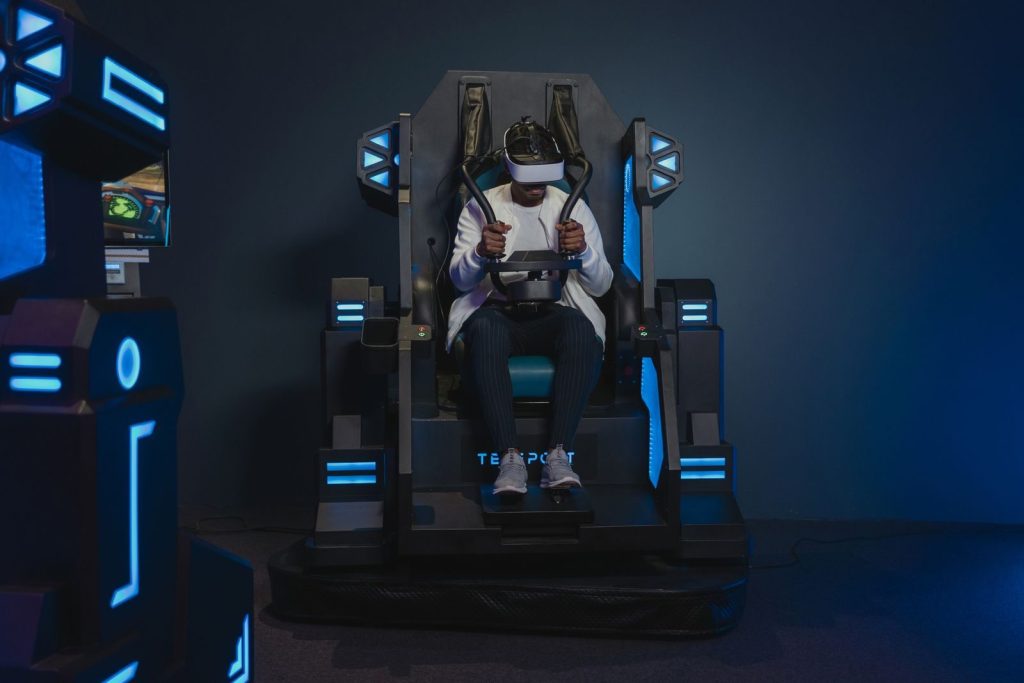
Living inside a cramped metal capsule with the same small group triggers intense mental strain. According to psychological studies, long-term isolation can alter decision-making and heighten feelings of anxiety. The mind suffers. Space agencies are developing virtual reality programs to help astronauts maintain their mental health. But managing resources inside the ship is another critical engineering puzzle.
Closed Loop Life Support
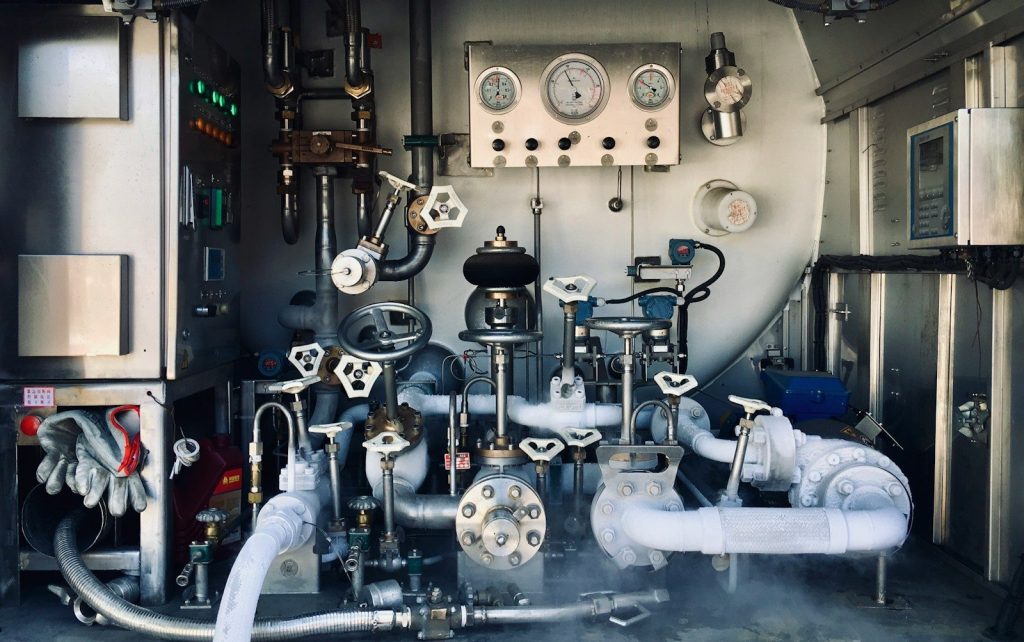
A trip to the red planet requires recycling every single ounce of water and air on board. According to life support engineers, the ship must convert sweat and carbon dioxide back into fresh drinking water and oxygen. Nothing is wasted. This automated recycling system must function flawlessly for over five hundred consecutive days without any outside help. But a sudden communication delay complicates this autonomy.
The Silent Signal Gap
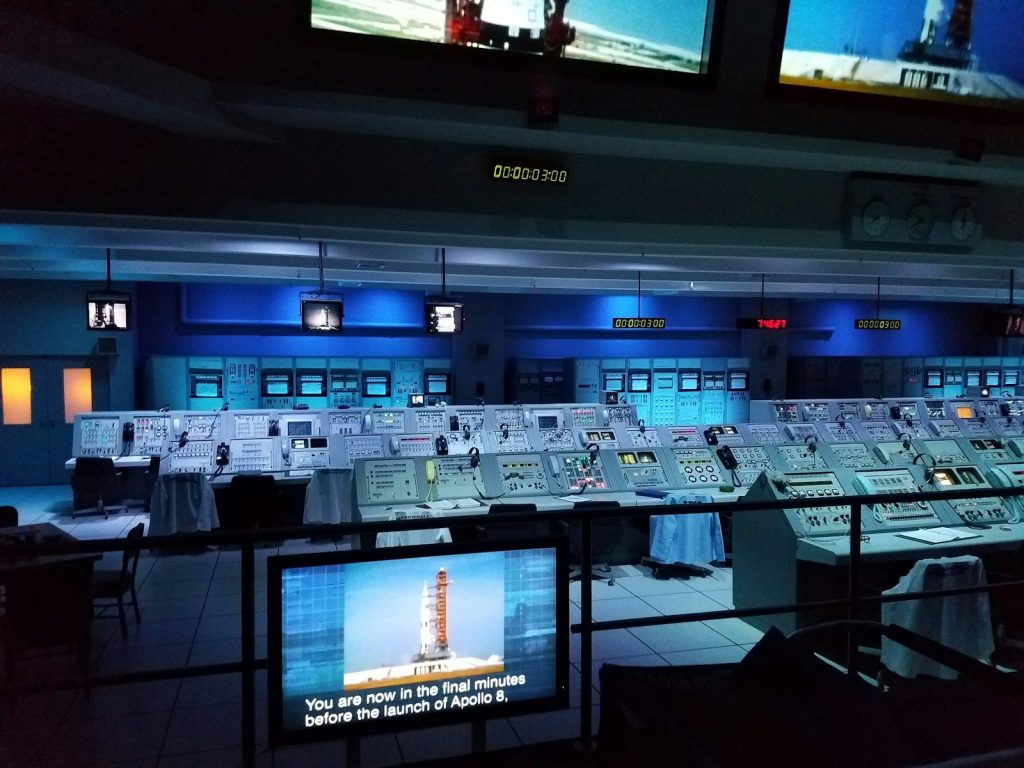
As a spacecraft moves further from Earth, radio signals take up to twenty minutes to travel one way. According to mission controllers, this delay makes real-time troubleshooting completely impossible during emergencies. The silence is eerie. Crews must rely entirely on onboard artificial intelligence to solve complex software glitches. But testing these smart systems requires a reliable testing ground.
Lunar Orbit Dress Rehearsal
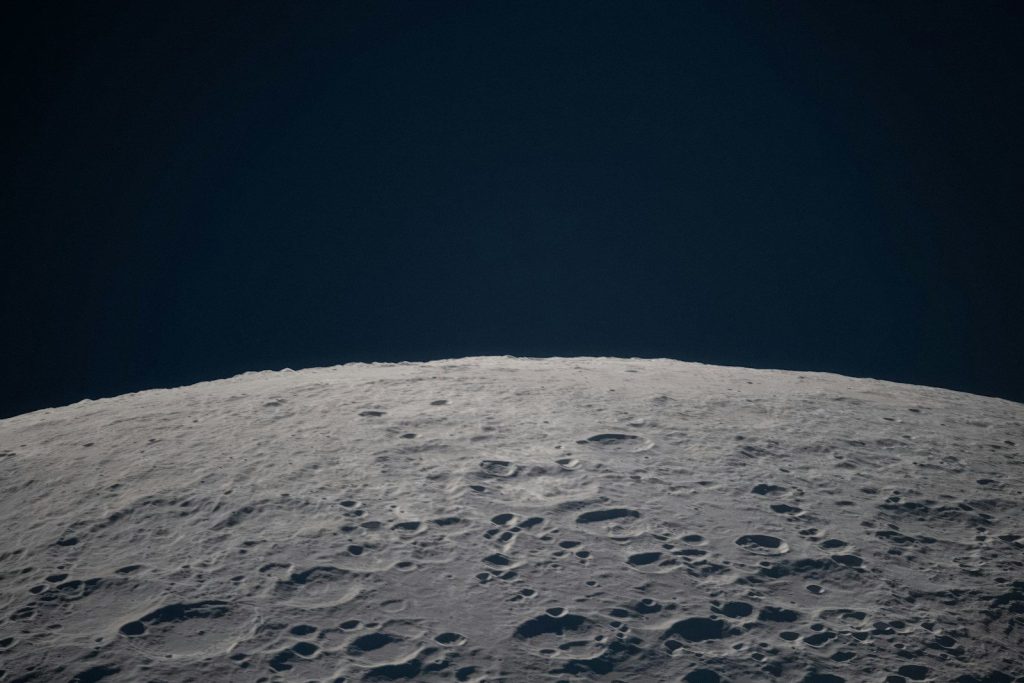
Space agencies are using the moon’s unique orbit to simulate the extreme conditions of deep space. According to spacecraft designers, practicing emergency maneuvers near the lunar surface is the safest way to prepare for Mars. The training is intense. This orbital playground allows engineers to verify that their life support systems can protect human life. But the ultimate success of this program depends on one final step.
Stepping Toward Mars

Overcoming these extreme cosmic hazards will allow humanity to officially become a multiplanetary species. According to space researchers, the lessons learned on upcoming lunar missions will pave the way for our first steps on red soil. The future is waiting. This article is for informational purposes only.
Featured Image: Photo by Felipe Simo on Unsplash
Leave a Reply