Most space lovers assume that Venus is just a boiling desert of toxic acid and crushed rocks. We believe that no active biological processes could ever survive on its scorching surface.
But a shocking chemical discovery in the upper clouds has challenged this planetary assumption. Scientists have detected a volatile gas that normally requires living organisms to exist.
Sifting Through Venusian Clouds
The atmosphere of Venus is notoriously hostile to standard human exploration tools. According to reports from the European Space Agency, sensitive spectrometers analyzed the light reflecting off the thick cloud decks. The data was bizarre. They detected high concentrations of a rare gas called phosphine. But explaining how this gas got there would trigger a massive scientific debate.
The Phosphine Gas Enigma
Phosphine is a highly toxic and reactive chemical that degrades rapidly under intense solar radiation. According to biochemical research papers, this gas on Earth is only produced by anaerobic microbes or industrial factories. It is extremely volatile. This means a constant source must be actively replenishing the gas in the Venusian sky. But volcanoes could be playing a hidden role.
Extreme Volcanic Outgassing Theories
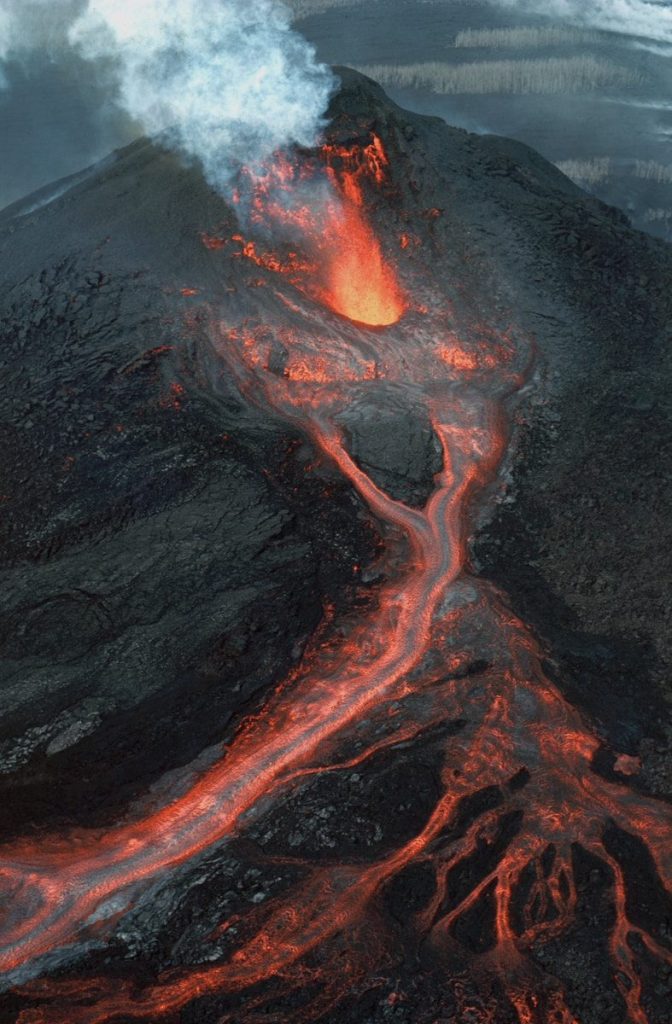
Skeptics argue that intense geological activity deep beneath the crust could generate the rare gas. According to planetary geologists, massive active volcanoes might push deep phosphorus compounds up into the atmosphere. The pressure is immense. This natural explanation would bypass the need for any living organisms entirely. But other researchers found the volcanic models did not fit the math.
The Math Fails Experts

Calculating the volcanic output showed that geological events cannot produce enough gas to match the readings. According to a study published in Nature Astronomy, the measured chemical levels are far too high for simple volcanic venting. The gap is massive. This mismatch suggests that a much more active and unexplained force is shaping the sky. But tracking this change requires launching direct missions.
Specialized Robotic Flying Probes

Space agencies are now designing advanced balloon probes to sail through the clouds of Venus directly. According to NASA mission plans, these robotic explorers will harvest clean gas samples from the troposphere. The race is on. This environment maintains comfortable temperatures and pressures that are remarkably similar to Earth. But the final proof requires bringing samples back to our labs.
Protecting Pristine Alien Environments
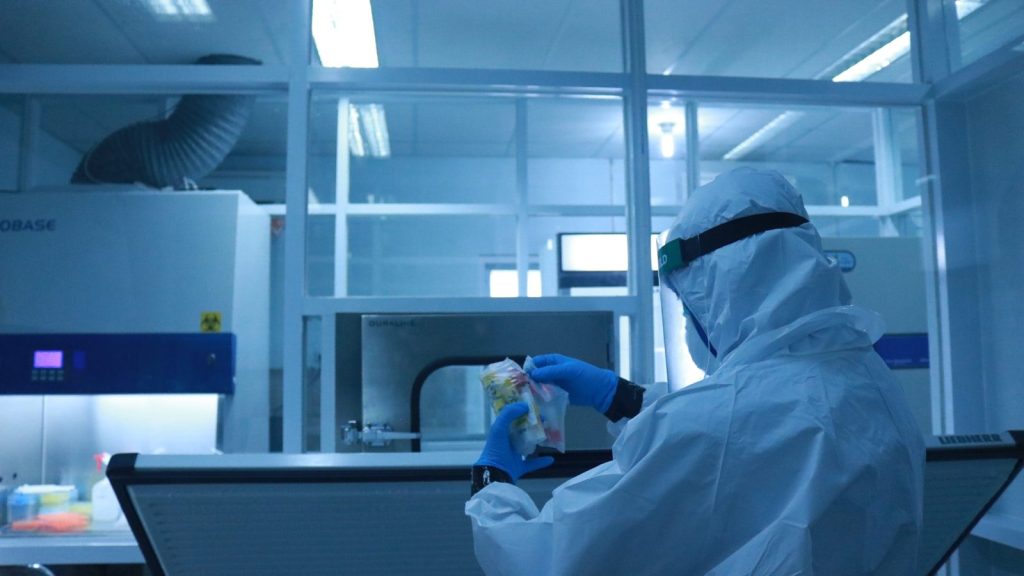
Human probes risk carrying Earth microbes that could contaminate a fragile alien ecosystem. According to space preservation protocols, maintaining strict sterilization standards is absolutely vital for accurate science. The threat is real. A single stray bacterium could ruin decades of planetary research. But this cosmic search is already changing how we view the universe.
Expanding Our Chemical Horizons

Discovering active chemistry in the clouds of Venus proves that habitable zones can exist in unexpected places. According to astrobiologists, our neighbor might hold the key to understanding how life adapts to extreme environments. Nature holds many surprises. This article is for informational purposes only and does not constitute professional scientific advice.
Featured Image: Photo by Zelch Csaba on Pexels
Leave a Reply