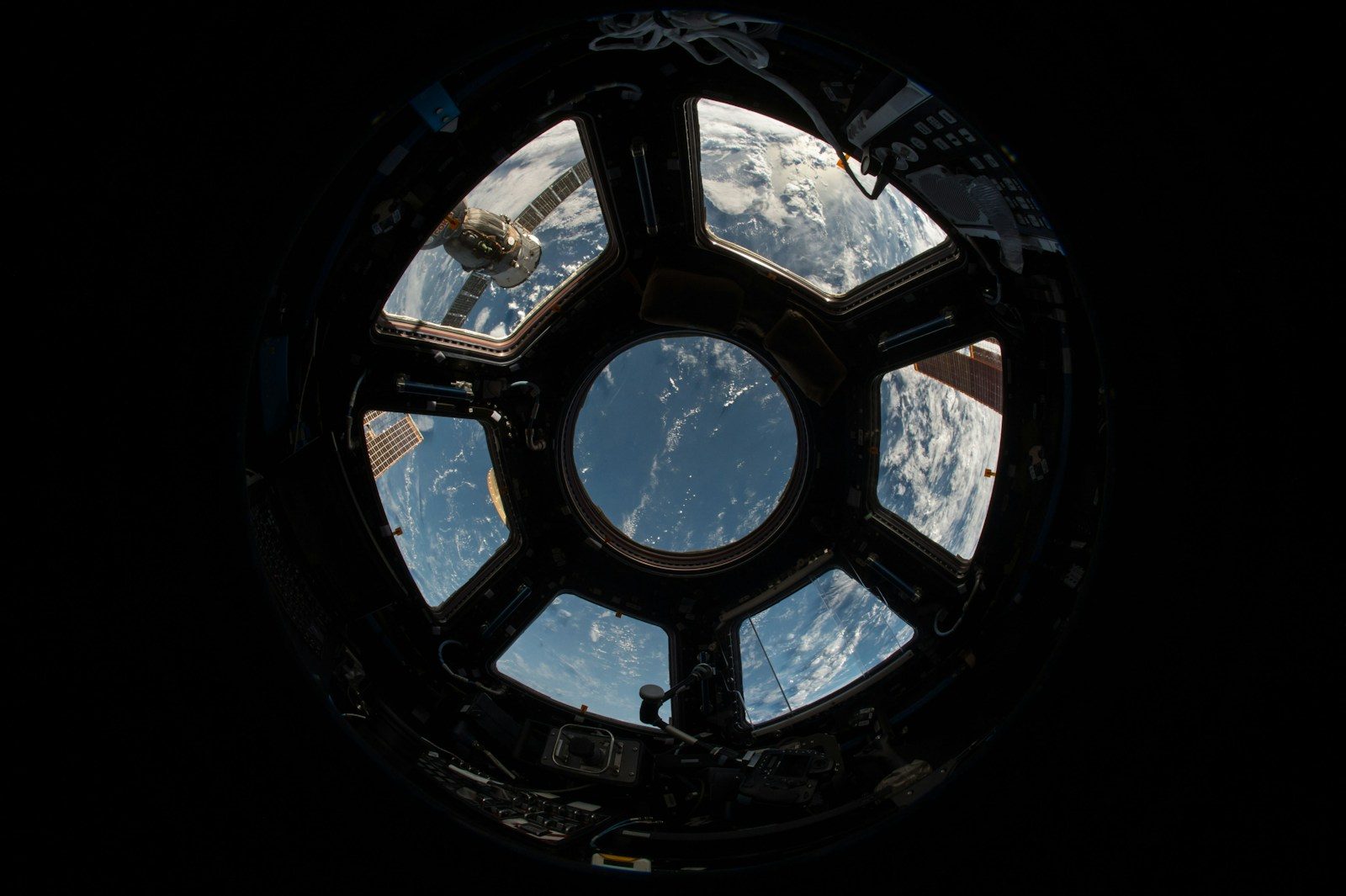
Most people believe that the earth beneath our feet is a perfect, solid sphere with uniform gravity. We assume that our weight remains exactly the same no matter where we travel on the globe.
But a surprising geophysics study has revealed a major gravitational anomaly. A massive gravity hole hiding deep inside the Indian Ocean has baffled researchers for decades.
The Indian Ocean Deficit

Gravity is not completely uniform across the surface of our planet. According to reports from the Indian Institute of Science, a massive dip in gravitational pull exists over a vast ocean basin. The pull is weak. This unique gravity hole covers more than one million square miles of the sea floor. But discovering what caused this massive dip required mapping the earth mantle.
Tracking Subsurface Densities
The strength of local gravity depends directly on the density of the rocks buried beneath the crust. According to seismic research papers, the Indian Ocean basin sits on top of an incredibly low-density zone. The ground behaves strangely. This lack of mass is what causes gravity to drop so significantly in this region. But tracing the origin of this low-density zone took geologists back millions of years.
The Ghost Ocean Remnants
Geologists run advanced computer simulations to reconstruct how ancient continents moved. According to a study published in Geophysical Research Letters, a long-lost ocean called Tethys once separated early landmasses. It vanished completely. As this ancient sea floor sank into the hot mantle, it pushed up lighter plumes of molten rock. But this underground movement was about to create a massive geoid depression.
The Shifting Molten Plumes

The sinking tectonic plates forced hot magma plumes to rise slowly beneath the Indian Ocean. According to mantle dynamics models, these buoyant rock plumes replaced heavier materials directly under the crust. The magma was hot. This displacement of heavy mass created the massive gravitational deficit we measure today. But this gravity hole is actually altering the sea level in a highly bizarre way.
The Sunken Sea Level
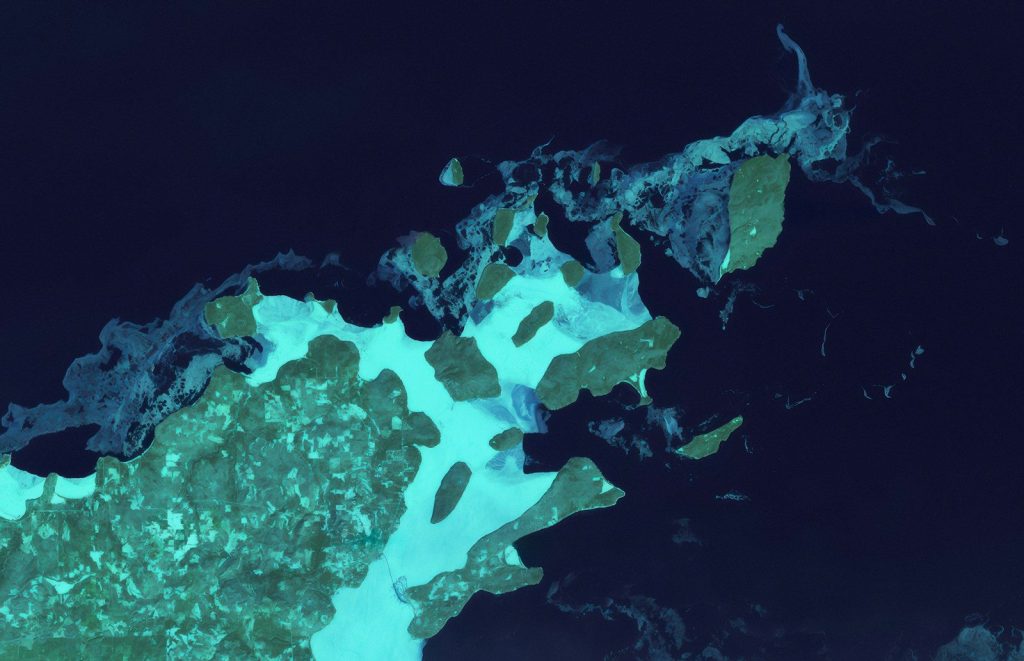
Lower gravitational pull means the ocean water is not pulled as strongly toward the center of the Earth. According to oceanographic surveys, the sea surface inside the gravity hole sits three hundred feet lower than the global average. The water dips. This creates a massive depression in the ocean that is virtually invisible to the naked human eye. But modern satellites can map this watery dip with absolute precision.
Measuring Gravity From Space
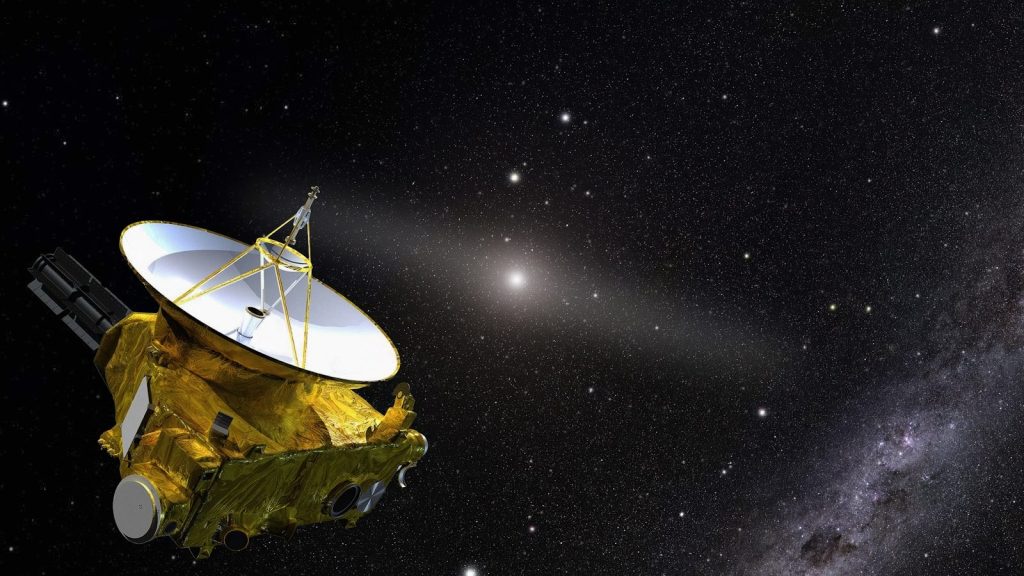
Specialized space probes map the gravitational fields of Earth by measuring slight orbital shifts. According to space agency reports, these sensitive instruments can detect tiny changes in density beneath the ocean floor. The technology is brilliant. This gravity mapping has helped researchers locate similar deep anomalies in other parts of the world. But the ultimate impact of these underground shifts remains a major focus of research.
Unlocking Our Dynamic Planet
The massive gravity hole in the Indian Ocean proves that Earth remains a highly active and changing planet. According to geophysicists, studying these deep anomalies helps us understand how the mantle drives geological activity. Nature holds secrets. This article is for informational purposes only.
Leave a Reply