Category: Space & Universe

  • How A Giant Space Collision Created Our Moon

    How A Giant Space Collision Created Our Moon

    Most people assume that the moon has always been a quiet partner orbiting Earth. We believe our lunar neighbor slowly drifted into our gravitational pull from deep space.

    But planetary scientists have discovered evidence of an ancient cosmic cataclysm. A violent collision with a sister planet actually blasted our moon into existence.

    The Mars-Sized Intruder
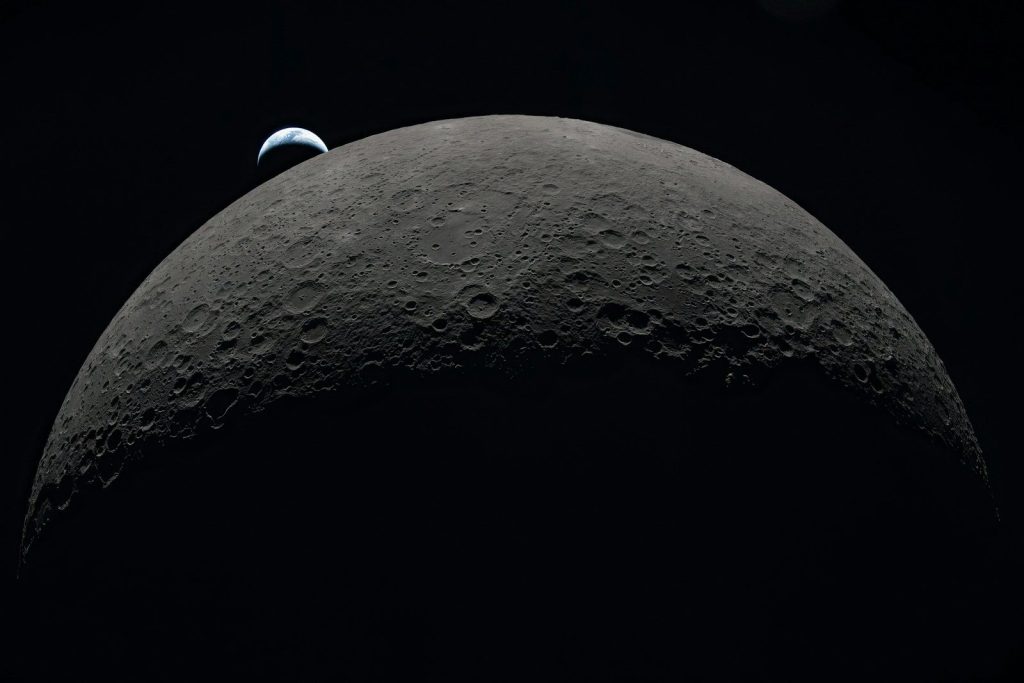
    Earth rising over the moon's horizon
    Photo by NASA on Unsplash

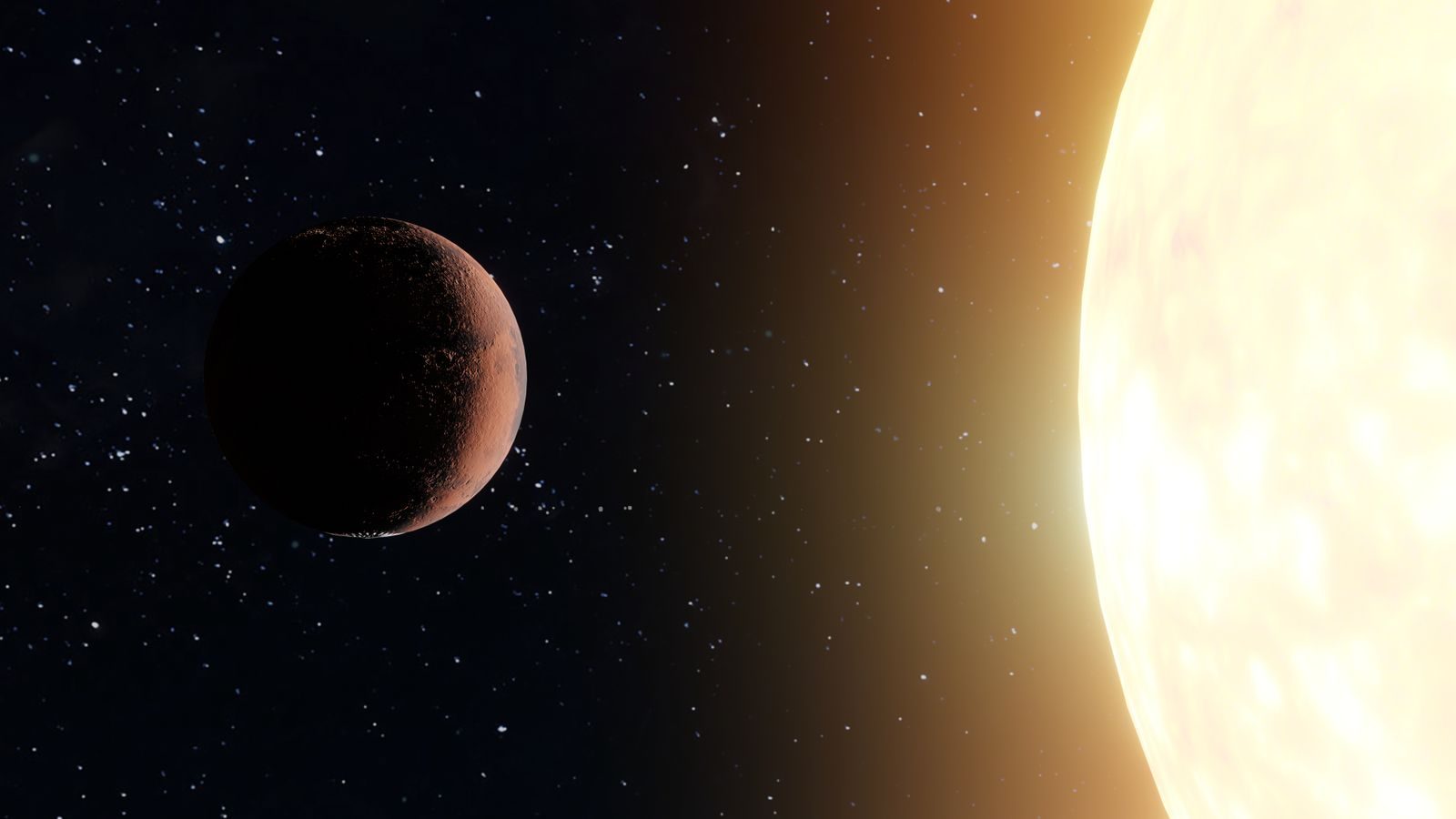
    Billions of years ago, a young Earth shared its orbit with a massive planet named Theia. This cosmic neighbor was roughly the size of modern Mars. According to computer models from the Southwest Research Institute, their gravitational paths eventually crossed in a highly unstable dance. It was inevitable. This orbital chaos set the stage for the most violent event in our history.

    The Great Impact

    a picture of the earth in a ring of fire
    Photo by Javier Miranda on Unsplash

    The sister planet smashed directly into the young Earth at a terrifying speed. The violent energy of the impact instantly melted the outer layers of both massive worlds. According to planetary geologists, this collision completely vaporized the intruder and blasted giant clouds of rock into space. The heat was extreme. But this swirling ring of molten debris was about to transform.

    Forming The Ring
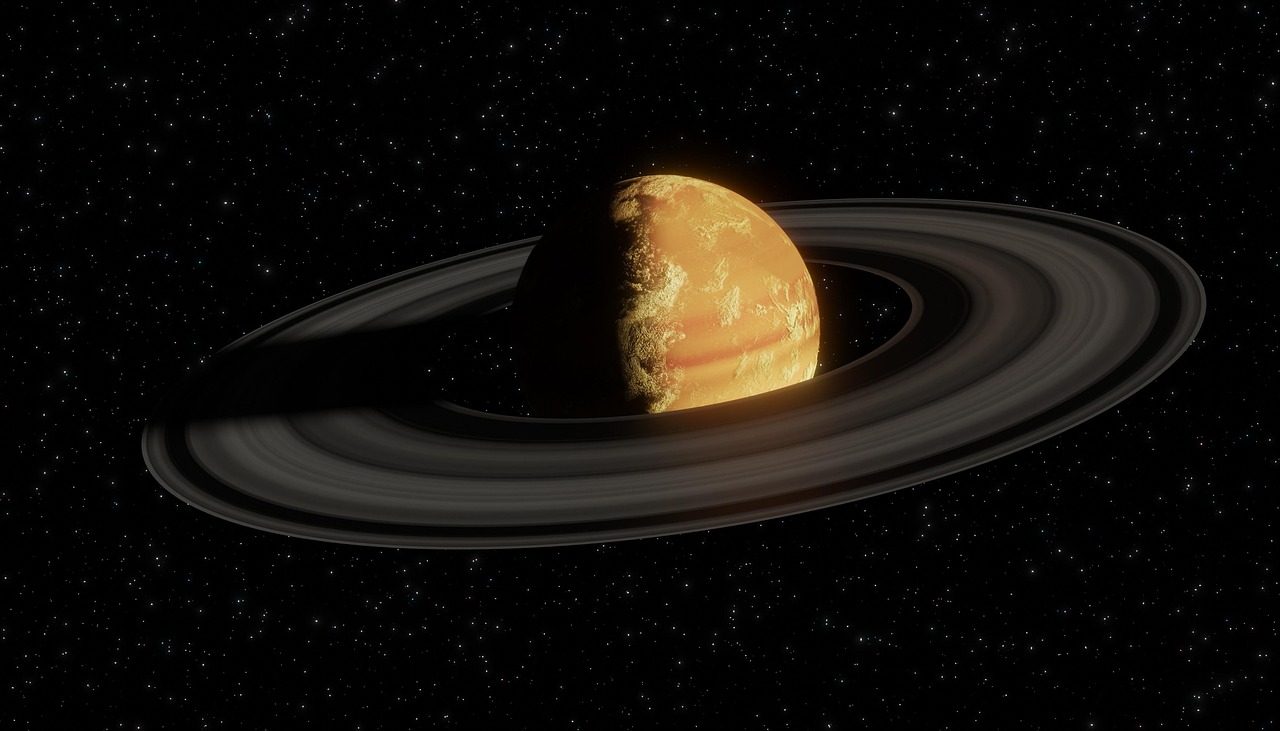
    A futuristic spacecraft orbits a colorful ringed planet in deep space.
    Photo by Adis Resic on Pexels

    Over a remarkably short period, the blasted rock and iron settled into a dense ring orbiting our wounded planet. Gravity began pulling this hot material together in a process called accretion. According to astrophysical models, this massive clump of space debris solidified into our moon in just a few thousand years. The process was fast. Yet, proving this ancient theory required physical evidence from another world.

    Clues In The Dust
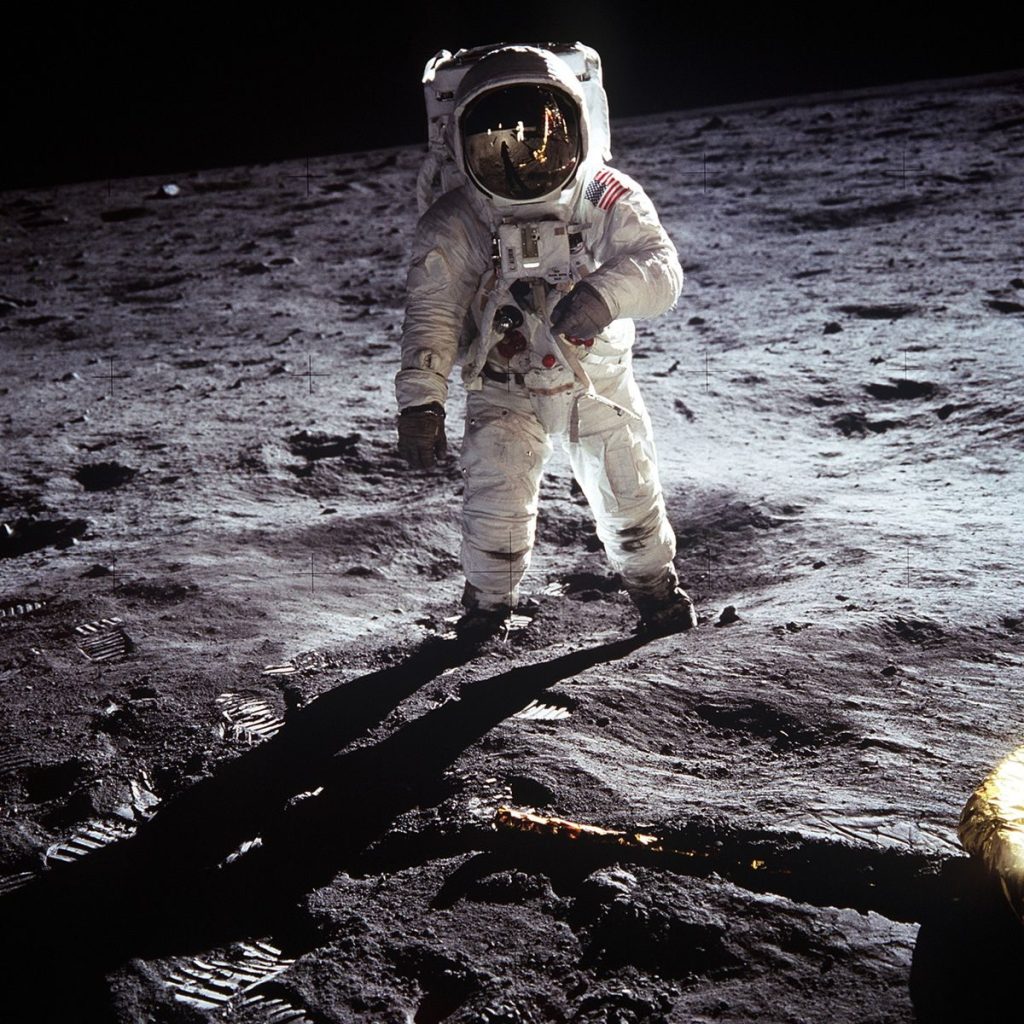
    Historic image of an astronaut on the moon during the Apollo mission, showcasing space exploration.
    Photo by Pixabay on Pexels

    Astronauts exploring the lunar surface collected hundreds of pounds of rock and dust to study on Earth. Scientists expected the lunar chemistry to look completely unique compared to our home planet. According to NASA laboratory analysis, the oxygen isotopes in moon rocks are virtually identical to those found in Earth’s mantle. They are chemical twins. But a deeper look at the lunar core revealed some highly unusual structural details.

    The Missing Iron Core
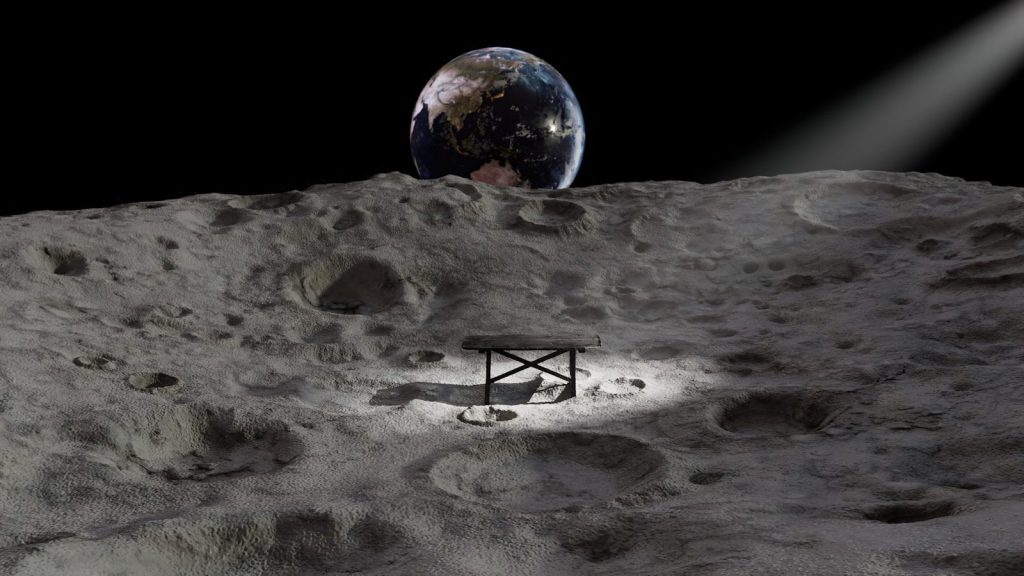
    a view of the earth from the moon's surface
    Photo by Zhang jie on Unsplash

    Unlike Earth, the moon has a remarkably tiny metallic core at its center. This structural difference puzzled scientists for decades. According to lunar science reports, the giant collision explains this mystery because the heavy iron from the intruder sank deep into Earth’s center. The core was absorbed. And this ancient impact did more than just build a companion in the night sky.

    Tilted For Life
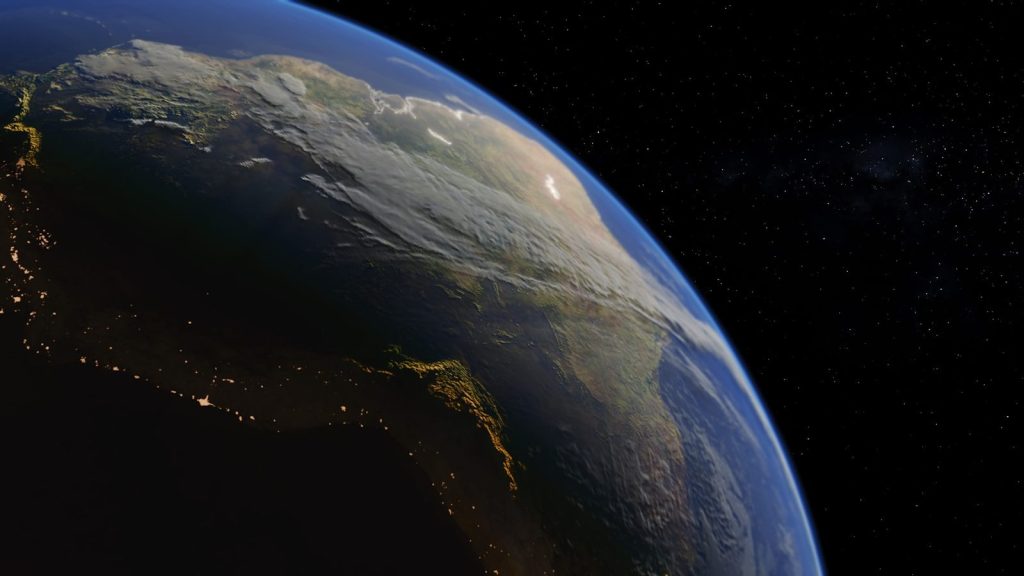
    View of earth from space showing landmasses and city lights.
    Photo by Mara F on Unsplash

    The violent force of the impact knocked Earth onto its side, creating our stable twenty-three-degree axial tilt. This tilt is the direct reason why our planet has distinct seasons today. According to astrobiologists, this stable climate was crucial for the long-term evolution of complex life on Earth. We are highly fortunate. Yet, researchers are still uncovering new secrets hidden inside the deep lunar interior.

    A Violent Beginning
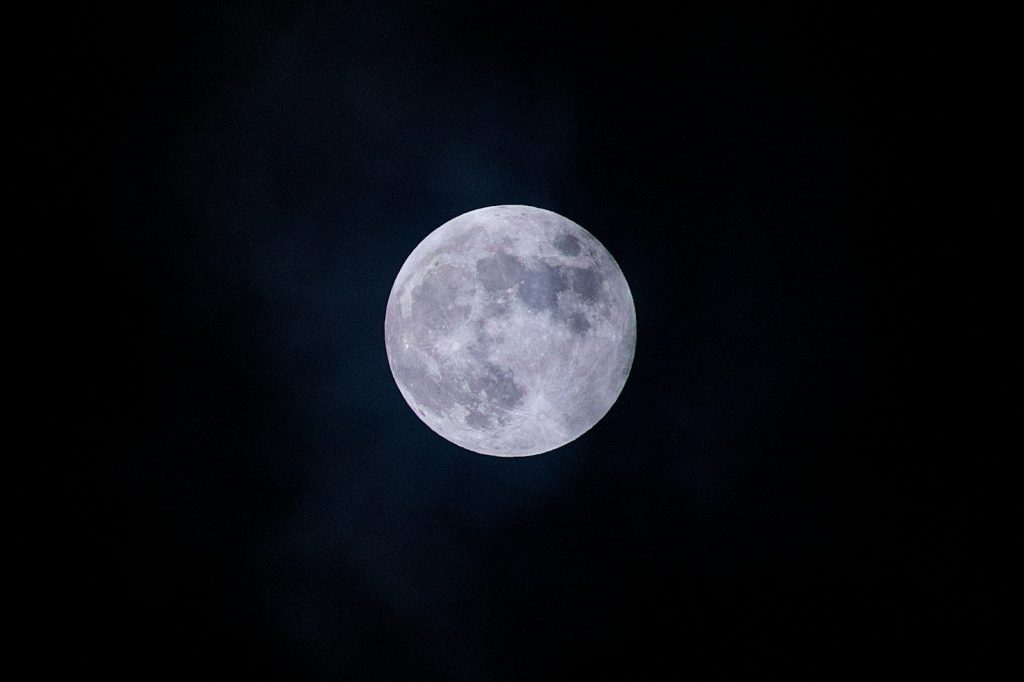
    Full moon glowing brightly in the dark night sky.
    Photo by Alex Stone on Unsplash

    Our peaceful moon is the direct result of a terrifying cosmic collision that nearly destroyed our young home. It is our permanent companion. According to space scientists, we owe our very existence to this ancient planetary neighbor. This article is for informational purposes only.

    Featured Image: Photo by Javier Miranda on Unsplash
  • Why America’s New Moon Journey Is Facing Major Delays

    Why America’s New Moon Journey Is Facing Major Delays

    Most space enthusiasts assume that returning to the Moon is a simple engineering task. We believe that we already mastered this technology decades ago.

    But modern rockets face entirely new and unexpected hurdles today. These high-tech challenges are delaying our grand voyage back to the stars.

    The Missing Shield Tech

    the inside of a space station with a large screen
    Photo by Hermeus on Unsplash

    Modern spacecraft require advanced shielding to protect future crews from extreme solar radiation. Traditional insulation no longer meets modern deep-space safety standards. According to NASA, developers are struggling to manufacture lightweight materials that block cosmic rays effectively. The risk is high. This protection issue represents just one barrier holding back our launch schedules.

    Leaking Launch Valves

    a bunch of pipes that are sitting in the sand
    Photo by Bob Milliar on Unsplash

    Engineers noticed mysterious gas leaks during recent ground tests of the heavy booster. These specialized fuel valves manage volatile supercooled liquid oxygen under extreme pressure. According to space agency engineers, the current valve designs fail when temperatures drop too low. Engines need fuel. This valve defect has forced technicians to redesign key parts from scratch.

    The Space Suit Struggle

    astronaut photo
    Photo by NASA on Unsplash

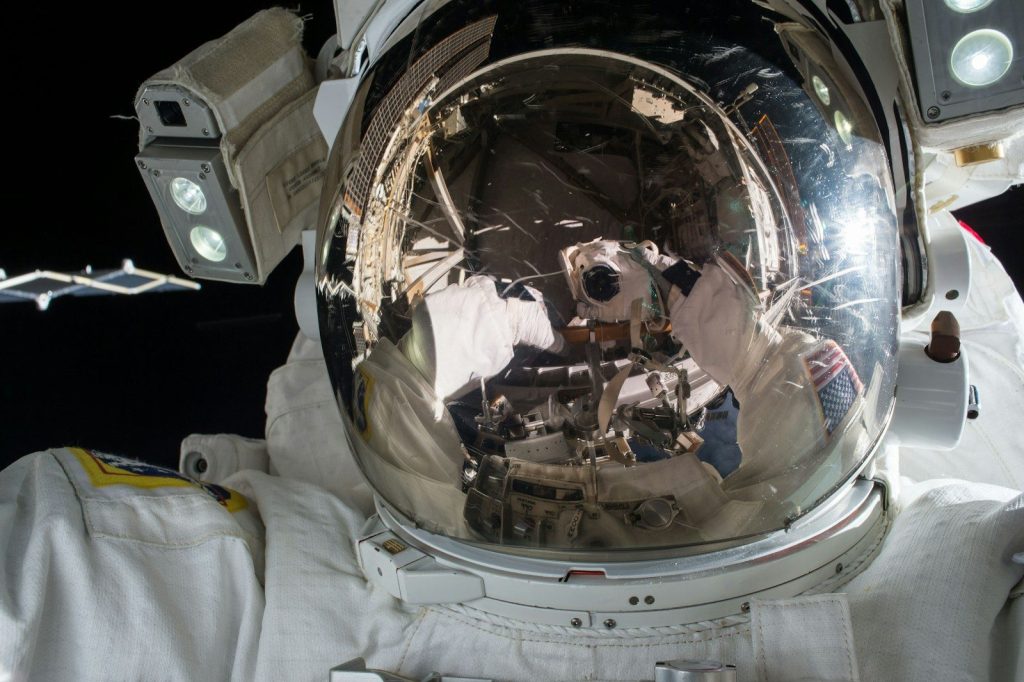
    Astronauts cannot walk on the lunar surface without highly advanced mobile life support systems. The old planetary suits from previous decades are completely outdated. According to reports from the Government Accountability Office, creating flexible suits with reliable dust-repellent layers takes far longer than expected. They are complex. This textile delay means walking on the dusty surface remains years away.

    Lost Manufacturing Skills

    a welder working on a piece of metal
    Photo by Rizky Nuriman on Unsplash

    Building massive rockets requires highly specialized welding techniques and industrial knowledge. Many technicians who built the original Saturn vehicles retired decades ago. According to history journals, companies are struggling to train young workers in these precision methods. Experience is vital. This human labor shortage has slowed down the physical assembly of key rocket parts.

    Extreme Budget Pressures

    Stacks of $100 bills are neatly arranged.
    Photo by Logan Voss on Unsplash

    Constructing deep-space vehicles requires billions of dollars in continuous public funding. Unexpected development setbacks constantly push these astronomical costs higher. According to agency budget reports, rising material costs have drained the program of its reserve funds. Money is tight. This financial strain is forcing coordinators to scale back active test flights.

    Delicate Lunar Landers

    an image of a space station on the moon
    Photo by Jack Dong on Unsplash

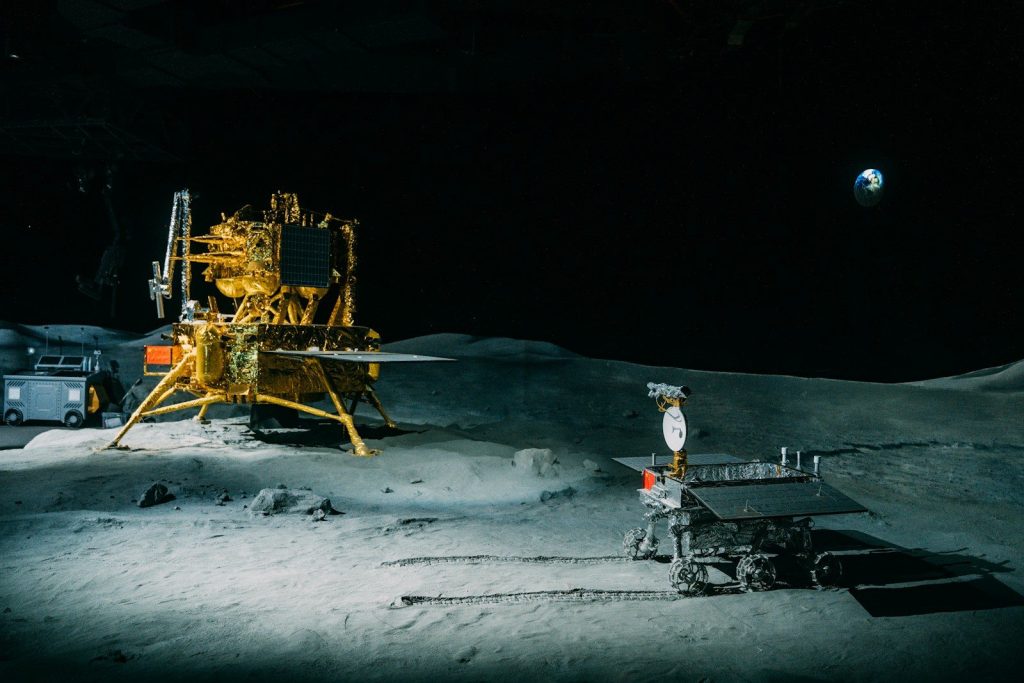
    The planned lunar vehicle requires unique thrusters to descend safely onto the jagged crater floors. These private landing vehicles have never completed a full trial in real space conditions. According to aerospace engineering firms, securing these complex propulsion systems requires several additional test years. Space is unforgiving. These propulsion tests are hiding a much bigger challenge on the pad.

    A Patient Journey

    Television tower with artificial lights behind ridge under sky with bright sun in twilight
    Photo by Alexander Nadrilyanski on Pexels

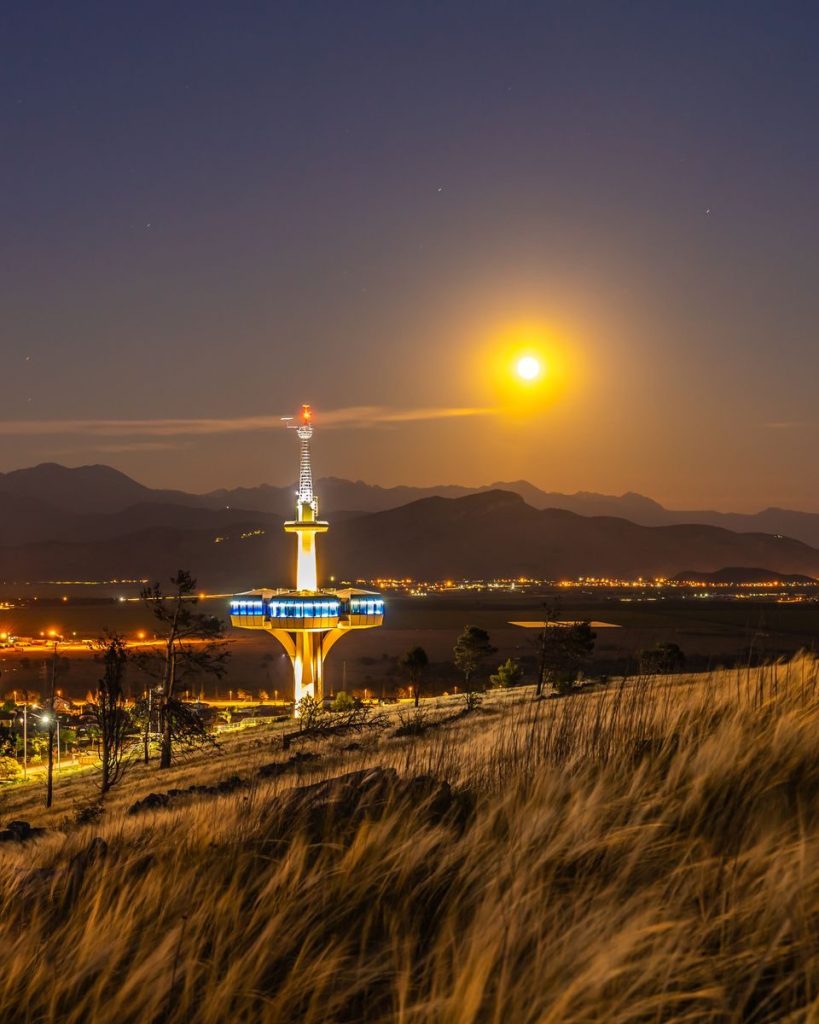
    Our modern return to the Moon requires absolute precision rather than a hasty rush. While delays are frustrating, they ensure that astronauts survive the hostile lunar landscape safely. According to space analysts, taking time to solve these engineering puzzles will build a permanent home in space. We must wait. This article is for informational purposes only.

    Featured Image: Photo by Pixabay on Pexels

  • Why NASA Dismissed The Interstellar Spaceship Theory

    Why NASA Dismissed The Interstellar Spaceship Theory

    We assume that space agencies are always eager to discover signs of extraterrestrial life. Most people believe that scientists would instantly announce any proof of alien technology.

    But a fierce debate over a strange interstellar visitor has revealed a deep divide. A controversial Harvard theory has forced NASA to aggressively defend its standard space models.

    The Visitor From Beyond

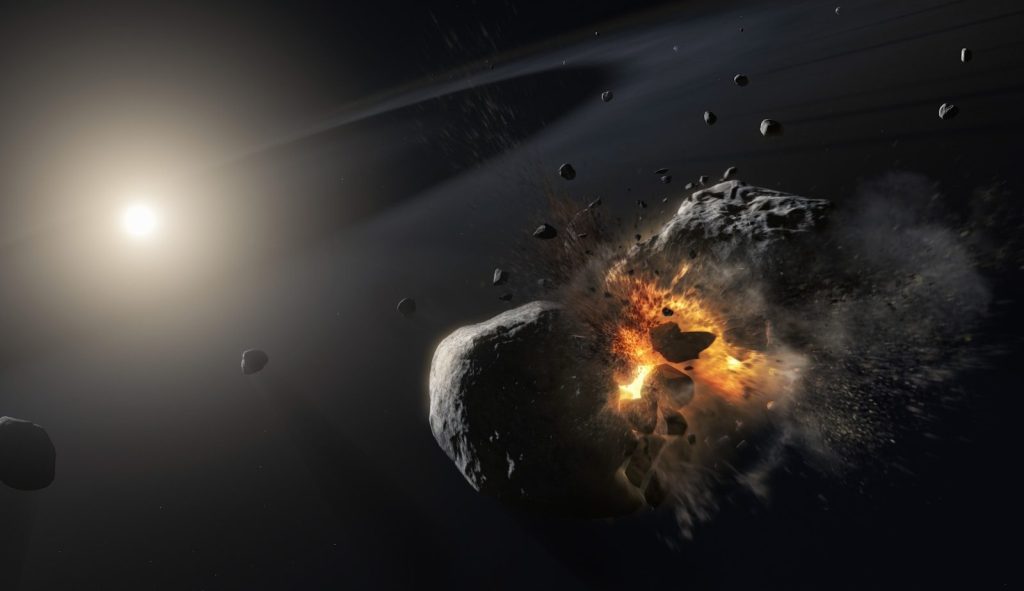
    an artist's impression of a collision between two planets
    Photo by NASA Hubble Space Telescope on Unsplash

    A mysterious object named 3I/ATLAS blazed into our solar system from interstellar space. It was traveling at an unbelievable speed on a highly unusual trajectory. According to initial astronomical reports, this visitor was only the third confirmed object from another star system. It was utterly silent. But its physical characteristics would quickly spark a massive scientific war.

    The Maverick Harvard Theory

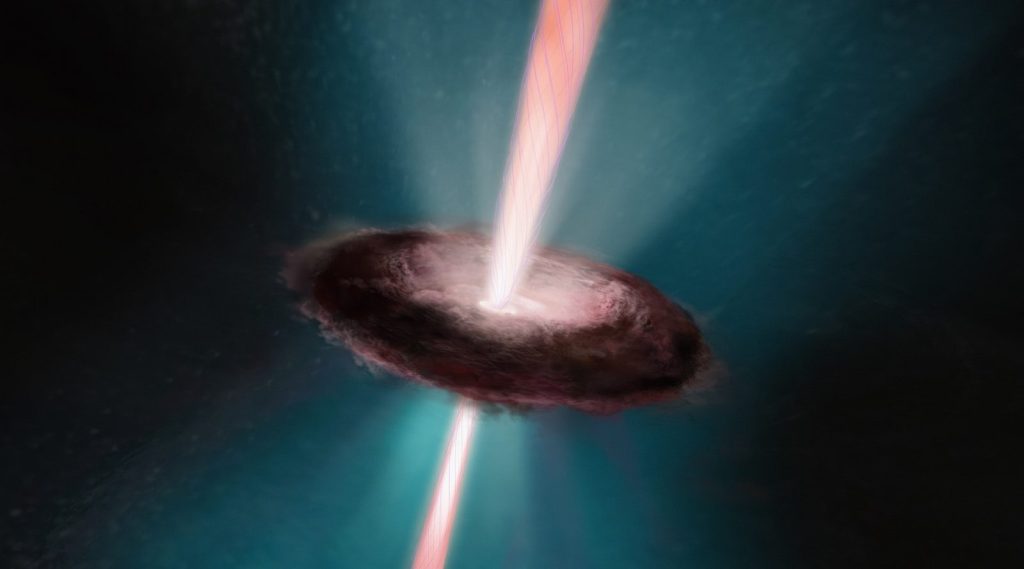
    an image of a black hole with a red light coming out of it
    Photo by NASA Hubble Space Telescope on Unsplash

    While most scientists expected a normal comet, a leading astronomer had a different idea. According to Dr. Avi Loeb, the former chair of astronomy at Harvard, the object possessed several bizarre anomalies. He suggested it might be an artificial probe sent by an advanced civilization. The claim was wild. This alien spacecraft hypothesis instantly triggered global headlines.

    Crucial Data Held Back

    a living room with a christmas tree in the middle of it
    Photo by Jay Bhadreshwara on Unsplash
    Tension grew when a government shutdown delayed the release of space telescope images. Independent researchers were forced to wait while the object zoomed closer to Earth. According to Newsmax, this silence from official channels fueled massive online rumors of a cover-up. Suspicion was growing daily. People wondered what the space agency was hiding under its lock.

    The Obvious Comet Answer

    an artist's impression of a distant object in space
    Photo by NASA Hubble Space Telescope on Unsplash

    When NASA finally held a press conference, officials were quick to address the mounting rumors. According to Amit Kshatriya, a NASA associate administrator, all incoming data show the object is a natural comet. It behaved normally. The agency presented fuzzy pictures of an icy white ball to prove their point. But this official explanation did not satisfy the Harvard researcher.

    The Deceptive Obvious Facts

    Man writing complex formulas on a chalkboard wall.
    Photo by Vitaly Gariev on Unsplash
    The Harvard astronomer publicly criticized the agency for rushing to a simple conclusion. According to Dr. Loeb, focusing only on expected natural traits ignores the object’s weird behavior. He quoted Sherlock Holmes. He stated that nothing is more deceptive than an obvious fact. This back-and-forth highlighted a massive clash over what science should consider acceptable. But the debate was about to get much more personal.

    A Fight Over Math

    close-up photo of monitor displaying graph
    Photo by Nicholas Cappello on Unsplash
    Other elite astronomers quickly stepped in to defend the standard scientific model. According to Arizona State astrophysicist Steve Desch, the calculations used to support the spacecraft theory were completely incorrect. The math was wrong. This harsh dismissal created an even wider rift between independent theorists and established agency scientists. But both sides were waiting for one critical orbital event.

    The Close Flyby Test

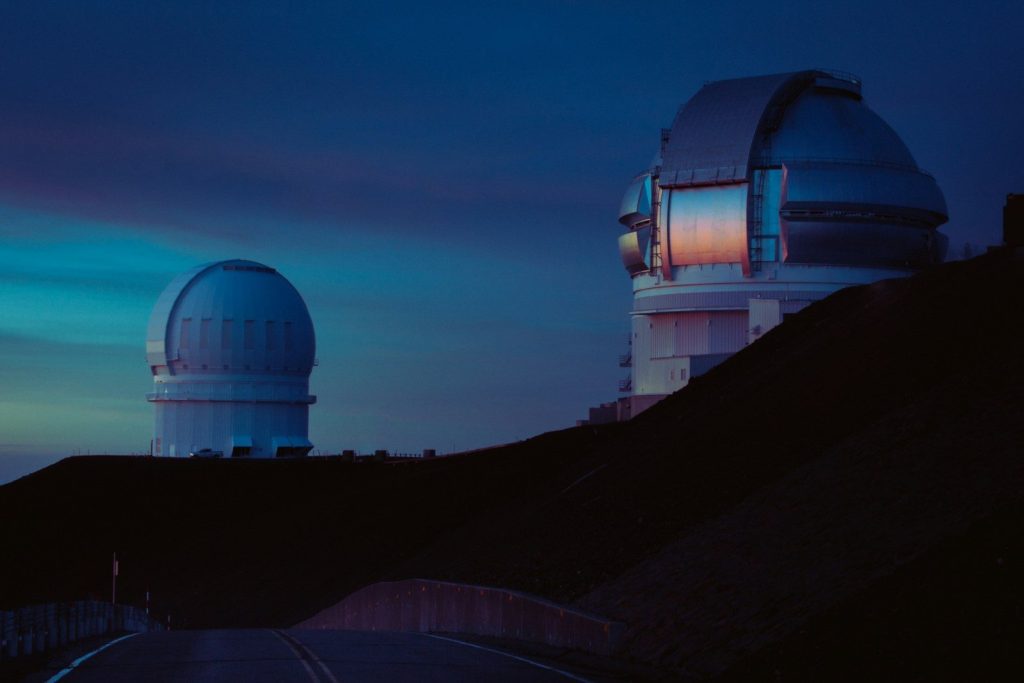
    white dome building on top of mountain during daytime
    Photo by Paxton Tomko on Unsplash
    As 3I/ATLAS made its closest pass to Earth, telescopes around the world pointed toward it. Scientists hoped to capture high-definition images to settle the argument forever. According to astronomical project logs, this close encounter was the best chance to spot signs of artificial metal. The tension was immense. But what this clash truly revealed was a deep philosophical divide.

    Keeping An Open Mind

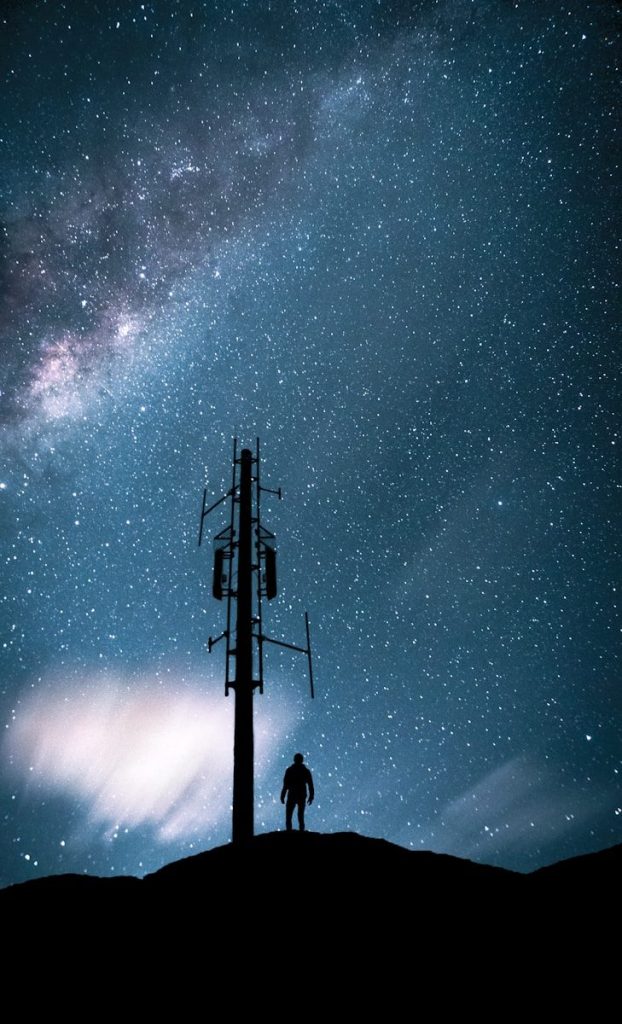
    silhouette of people standing on top of electric post under starry night
    Photo by Nico on Unsplash
    Science progresses when we remain open to unexpected discoveries. According to space historians, balancing strict evidence with imaginative thinking is the only way humanity moves forward. We must embrace wonder. While official consensus points to a natural rock, the mystery of the stars remains open for curious minds. This article is for informational purposes only.

    Featured Image: Photo by Lamna The Shark on Unsplash
  • Why Massive Cosmic Storms Defy Every Known Law

    Why Massive Cosmic Storms Defy Every Known Law

    People often think of Jupiter as a simple, striped gas giant spinning peacefully in the outer solar system. We believe its weather patterns are predictable, stable cycles that we fully understand.

    But highly detailed images sent back by a robotic explorer reveal a chaotic, swirling reality. These findings are completely turning our basic rules of atmospheric physics upside down.

    The Swirling Storms Of The Pole

    A black hole in the sky with a blue light
    Photo by Buddha Elemental 3D on Unsplash
    Previous telescopes could only observe the wide, horizontal cloud bands circling the planet’s middle sections. According to orbital data from NASA, the first close-up images of Jupiter’s north pole revealed a cluster of massive cyclones. They are absolutely enormous. These giant storms are packed tightly together without ever colliding or merging. But how these tempests maintain their strict positions is an unsolved cosmic riddle.

    Deep Roots In The Gas

    an artist's rendering of an exoplaned planet
    Photo by Andrej Sachov on Unsplash
    Scientists long assumed that these complex cloud formations were thin, superficial layers gracing the outer atmosphere. According to gravitational measurements from the Southwest Research Institute, these massive storm systems actually descend thousands of miles into the planetary interior. They run incredibly deep. The sheer scale of this movement generates unexpected magnetic currents. But this magnetic activity is far more intense than anyone predicted.

    The Power Of Ammonia Rivers

    Abstract swirling colors with a red orb in the sky
    Photo by Eugene Golovesov on Unsplash

    Deep inside the cloud decks, giant atmospheric currents transport unique chemical mixtures across vast distances. According to planetary models from the University of California, rivers of liquid ammonia and water vapor generate massive electrical storms. Lightning is constant there. These violent discharges are vastly more powerful than any storm witnessed on Earth. But this immense energy also shapes the giant’s famous crimson landmark.

    The Shrinking Crimson Giant

    red and black galaxy illustration
    Photo by Aldebaran S on Unsplash
    Jupiter’s famous Great Red Spot has raged continuously for hundreds of terrestrial years. According to observational data from the Hubble Space Telescope, this giant storm is actually shrinking and becoming more circular over time. It is changing fast. While the storm is losing horizontal width, it appears to be growing taller in the planetary sky. But this physical transformation points to a changing internal dynamic.

    Heavy Hailstones Of Pure Metal

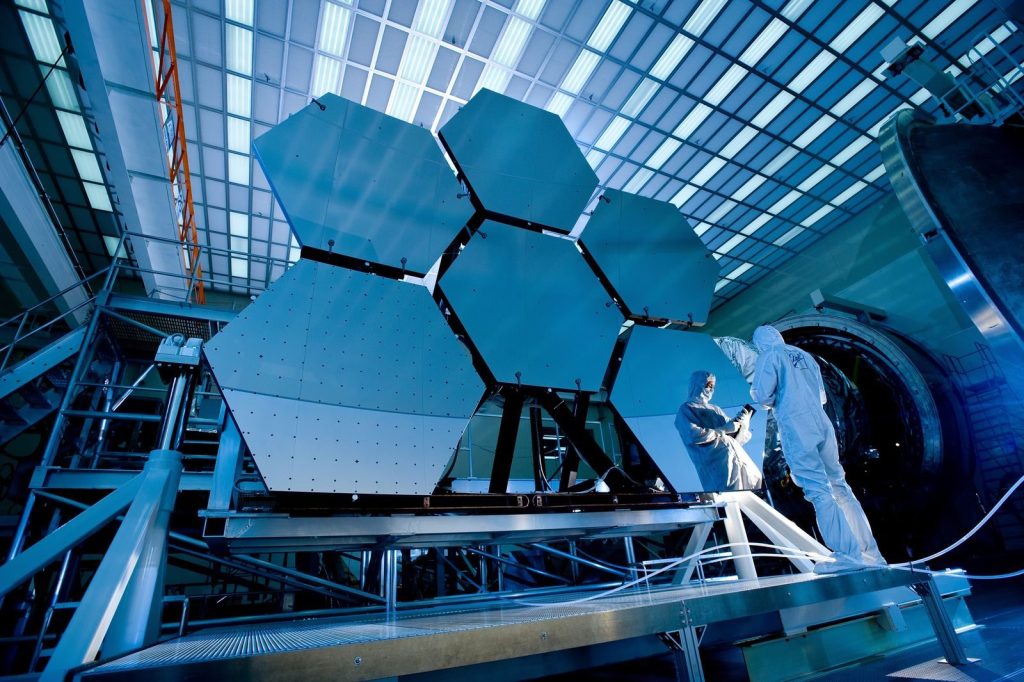
    Engineers in protective suits work on telescopic mirrors in a high-tech lab.
    Photo by Pixabay on Pexels

    The intense pressure deep within the atmosphere alters the physical properties of common elements. According to atmospheric simulations from the Max Planck Institute, extreme electrical storms create unusual hailstones made of ammonia and water ice. They are incredibly heavy. These metallic chunks plunge deep into the hot layers below before evaporating back into gas. But this cycling of matter reveals a highly complex planetary core.

    A Strange Dissolving Core

    grayscale photo of body of water
    Photo by Brittany Colette on Unsplash
    Scientists once pictured a solid rock core resting at the very center of this massive gas giant. According to structural models from the Salk Institute, gravity data suggests the planetary core is actually a fuzzy, diluted mix of liquid metals. It is dissolving slowly. This strange, fluid interior challenges traditional theories of how giant planets form. But this unique structure has a profound effect on the surrounding space.

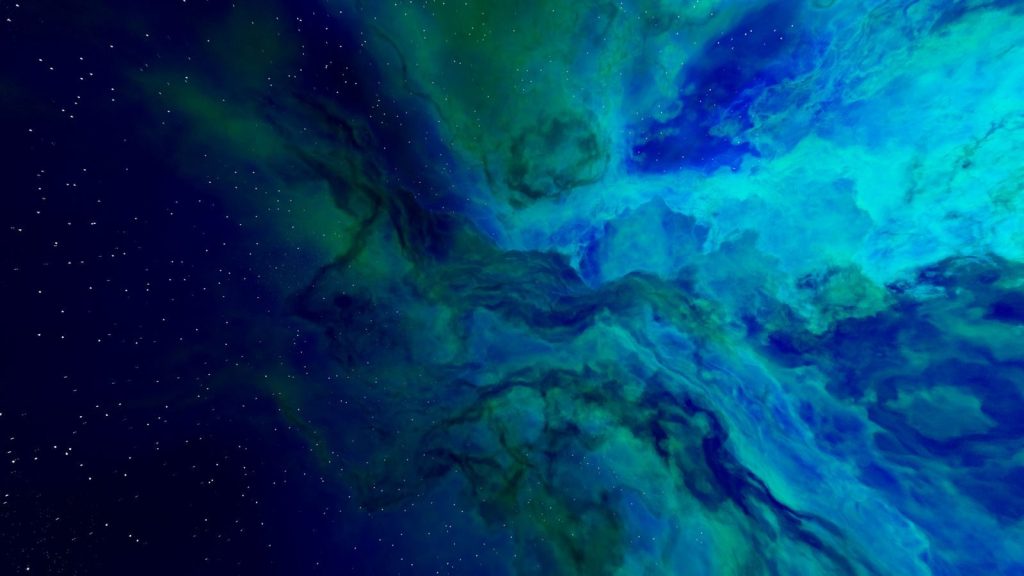
    The Intense Invisible Shield

    Vibrant blue and green nebula in space with shimmering stars and cosmic clouds.
    Photo by Marek Pavlík on Pexels

    The churning metallic hydrogen deep inside the planet generates a massive, invisible magnetosphere. According to space physics reports from the European Southern Observatory, this magnetic shield is the largest structure in the solar system. It is highly active. This powerful force traps deadly radiation and creates brilliant permanent auroras over the poles. But this magnetic force also impacts the planet’s closest moons.

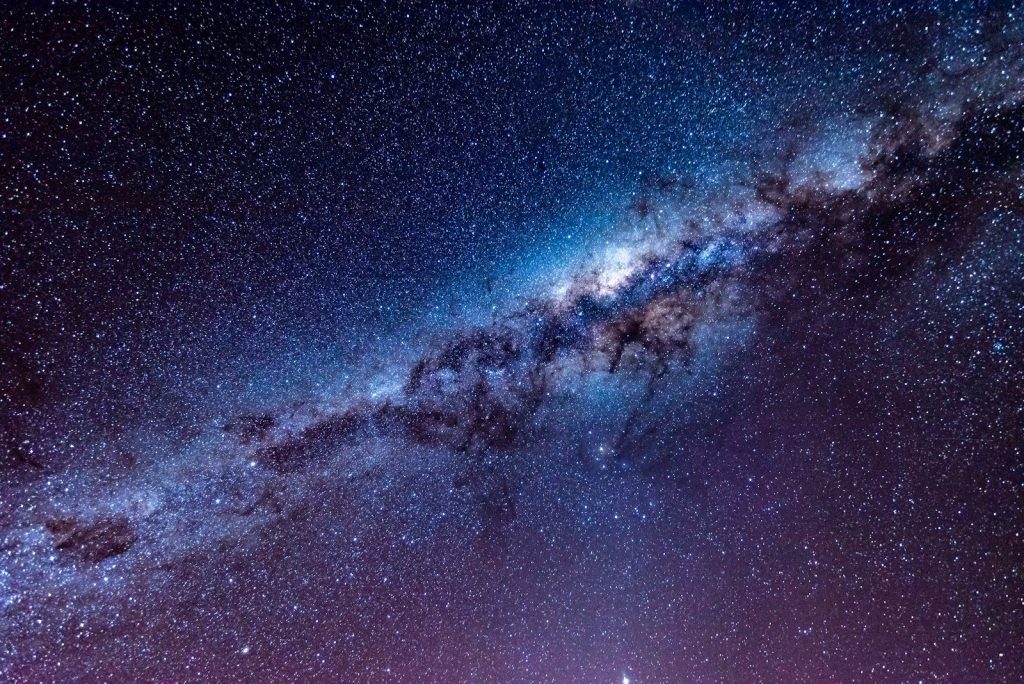
    Glimpsing The Limits Of Physics

    Milky Way Galaxy wallpaper
    Photo by Graham Holtshausen on Unsplash

    Studying this giant planet allows us to observe extreme physics that are impossible to recreate in our laboratories. The universe holds secrets. According to space researchers, studying these alien environments is essential to unlocking the mysteries of deep space. This article is for informational purposes only.

    Featured Image: Photo by Zelch Csaba on Pexels

  • How Ancient Red Dunes Tell A Lost Water Story

    How Ancient Red Dunes Tell A Lost Water Story

    Most people view Mars as a freezing, bone-dry desert that has always been completely lifeless. We assume its dusty red landscape has never experienced anything like Earth’s dynamic weather systems.

    But stunning new imagery captured by robotic orbiters shows a deeply complex history frozen in the soil. These features reveal that the planet once had a highly active, watery past.

    The Giant Channels Of Erosion

    Erosion has carved a deep ravine in the landscape.
    Photo by Yihan Wang on Unsplash

    Massive canyons crisscross the southern highlands of the red planet, dwarfs compared to anything on Earth. According to geological analysis from the European Space Agency, these deep cuts were formed by raging rivers billions of years ago. Water carved these paths. The sheer scale of these ancient channels suggests a time of heavy rains and flooding. But these grand canyons are not the only evidence of liquid water.

    Ripples Frozen In Ancient Stone

    gray stone close-up photography
    Photo by Annie Spratt on Unsplash

    Robotic rovers exploring low basins have photographed tiny, undulating patterns in the bedrock. According to sedimentary studies from the NASA Jet Propulsion Laboratory, these delicate lines are fossilized lakebed ripples. They are perfectly preserved. These stone waves prove that calm, shallow lakes once covered vast expanses of the Martian surface for thousands of years. But the source of this ancient water remains a puzzle.

    The Giant Ice Sheets Under Soil

    A picture of a rock with a tree on it
    Photo by Maximilian Brand on Unsplash

    While liquid water cannot exist on the freezing Martian surface today, it has not vanished entirely. According to radar data from the University of Arizona, massive sheets of water ice are hiding just inches beneath the dusty topsoil. The ice is immense. This hidden planetary reservoir holds enough frozen water to fill whole terrestrial seas if melted. But this underground ice also holds clues to Mars’ changing climate.

    The Slow Shift In Planetary Tilt

    a planet in space
    Photo by Norbert Kowalczyk on Unsplash

    Over millions of years, the gravitational pull of larger planets has repeatedly shifted the tilt of Mars. According to astronomical models from the Paris Observatory, this erratic wobble caused dramatic atmospheric changes. Seasons became incredibly extreme. During warmer eras, ice at the equator melted and formed temporary streams across the landscape. But these temporary flows left behind a distinct chemical signature.

    Strange Salt Trails In The Dust

    a black and white photo of a dirt road
    Photo by Simon Infanger on Unsplash

    Satellite cameras have captured dark streaks flowing down steep crater walls during the warmest summer months. According to chemical analysis from the California Institute of Technology, these shifting lines are deposits of hydrated salts. This is liquid brine. This salty water can remain liquid in sub-zero temperatures, keeping hope alive for underground biological activity. But finding active signs of life requires looking even closer.

    Clues Hiding In Mineral Clay

    an image of a space station on the moon
    Photo by Jack Dong on Unsplash

    Robotic drilling has uncovered rich deposits of clay minerals inside deep, ancient craters. According to reports from the French National Center for Scientific Research, these specific clays can only form in stable, neutral-pH water. Life could have started here. These peaceful lake beds provided the exact chemical ingredients needed to support basic microbial organisms. But the ultimate fate of this promising world remains a mystery.

    Unlocking The Secrets Of Tomorrow

    galaxy
    Photo by Shot by Cerqueira on Unsplash

    Decoding the lost water history of Mars helps us understand how habitable worlds can slowly dry up over cosmic time. Exploration is just beginning. According to planetary researchers, every new image brings us closer to finding if life once existed on our celestial neighbor. This article is for informational purposes only.

    Featured Image: Photo by Zelch Csaba on Pexels

  • Why Orbiting Satellites Threaten Classic Mobile Networks

    Why Orbiting Satellites Threaten Classic Mobile Networks

    Most mobile users assume our cell coverage will always depend on massive metal towers on the ground. We believe physical infrastructure is permanently secure.

    But an aggressive commercial space race is quietly moving cell towers into low Earth orbit. This orbital shift threatens to make ground-based networks obsolete.

    The Shift To Space Cellular

    black and white remote control
    Photo by Sten Ritterfeld on Unsplash

    Sending cellular signals directly from space to your everyday mobile phone is now a reality. Orbit is the limit. According to technical reports from the Federal Communications Commission, satellite constellations are testing direct-to-cell technologies that bypass ground networks entirely. This allows unmodified smartphones to connect anywhere. But this space-based connectivity requires overcoming a massive physics barrier.

    Beating The Great Distance Gap

    satellite illustration
    Photo by Matthijs van Heerikhuize on Unsplash

    Cellular signals must travel hundreds of miles through the atmosphere to reach orbit without fading. The distance is huge. According to satellite communication researchers at NASA, standard mobile phones have tiny antennas that struggle to project power upward. Space companies had to build massive satellite antennas to catch these weak signals. But solving the signal power issue created a brand new radio bottleneck.

    Fighting For Radio Waves

    a computer screen with a bunch of data on it
    Photo by Antonio Vivace on Unsplash

    Satellites and ground networks must share the exact same radio frequencies without causing static interference. Space is getting crowded. According to reports from the International Telecommunication Union, managing these overlapping frequencies is a diplomatic nightmare. One rogue satellite can easily disrupt emergency services on the ground. But the threat of interference is not stopping massive space investments.

    The Financial Threat Underground

    brown wooden crate on gray metal frame
    Photo by Arno Senoner on Unsplash

    Traditional telecom companies spend billions maintaining heavy copper cables and concrete tower sites. These assets are expensive. According to financial analysts writing for the Wall Street Journal, satellite technology threatens to turn these multi-billion-dollar investments into useless junk. Investors are rapidly shifting capital to orbital networks. But this massive financial migration is triggering a regulatory war back on Earth.

    Clashing in Courtrooms

    African American judge in traditional robes holds a document and talks on the phone in a law library.
    Photo by KATRIN BOLOVTSOVA on Pexels

    Earthbound network operators are using legal filings to delay the launch of satellite arrays. The battle is fierce. According to telecom regulatory archives, legacy companies argue that satellite direct-to-cell services endanger terrestrial cellular stability. They are trying to block testing licenses. But this legal pressure is only forcing space startups to build faster.

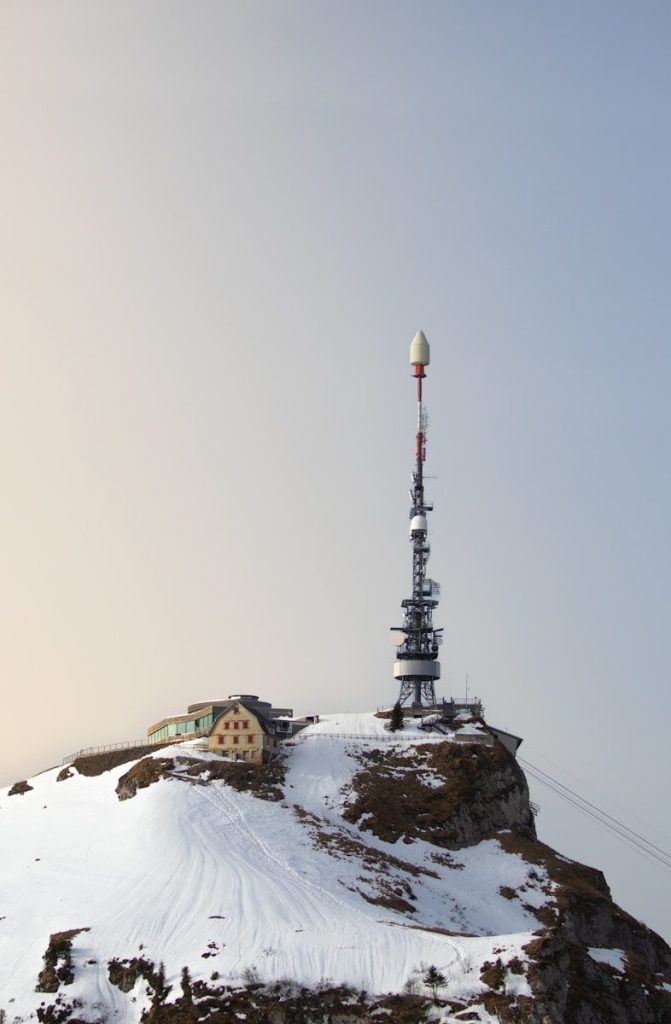
    Global Coverage Without Limits

    A tall radio tower on a snowy mountain peak.
    Photo by David Zieglgänsberger on Unsplash

    Orbital cellular networks can provide high-speed connections in the deep ocean and towering mountains. Boundaries disappear completely. According to geographic data from the United Nations, satellite connectivity could connect rural communities that never had access to physical towers. This leap could close the digital divide forever. But this global access raises serious national security concerns.

    The Threat Of Orbital Sovereignty

    an abstract photo of a circular object in the dark
    Photo by Theo Eilertsen Photography on Unsplash

    A single global satellite network bypasses local borders and national internet firewalls entirely. Control is slipping away. According to international security studies from the Brookings Institution, governments are deeply worried about losing authority over space-based data streams. They cannot easily shut down a satellite array. But this political resistance cannot stop the momentum of the next tech frontier.

    Connecting The Planet From Above

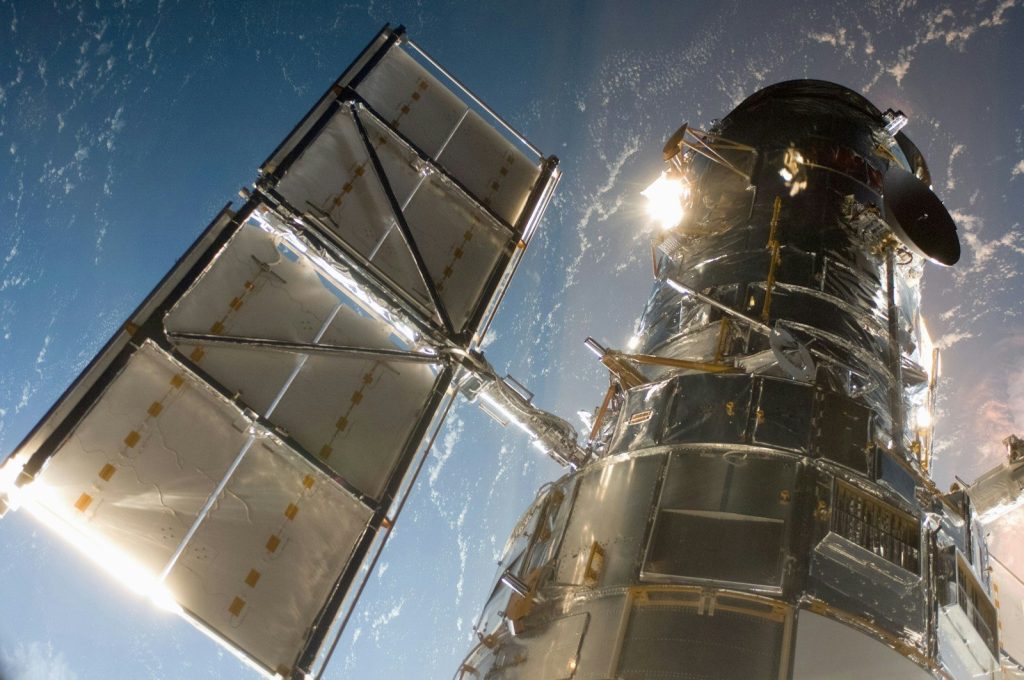
    a very large metal structure with lights on it
    Photo by NASA Hubble Space Telescope on Unsplash

    The shift to space-based cellular coverage marks a major milestone in global engineering. The sky is gone. According to industry specialists, the next decade will see complete orbital integration for every mobile device. This change will unite humanity like never before. This article is for informational purposes only.

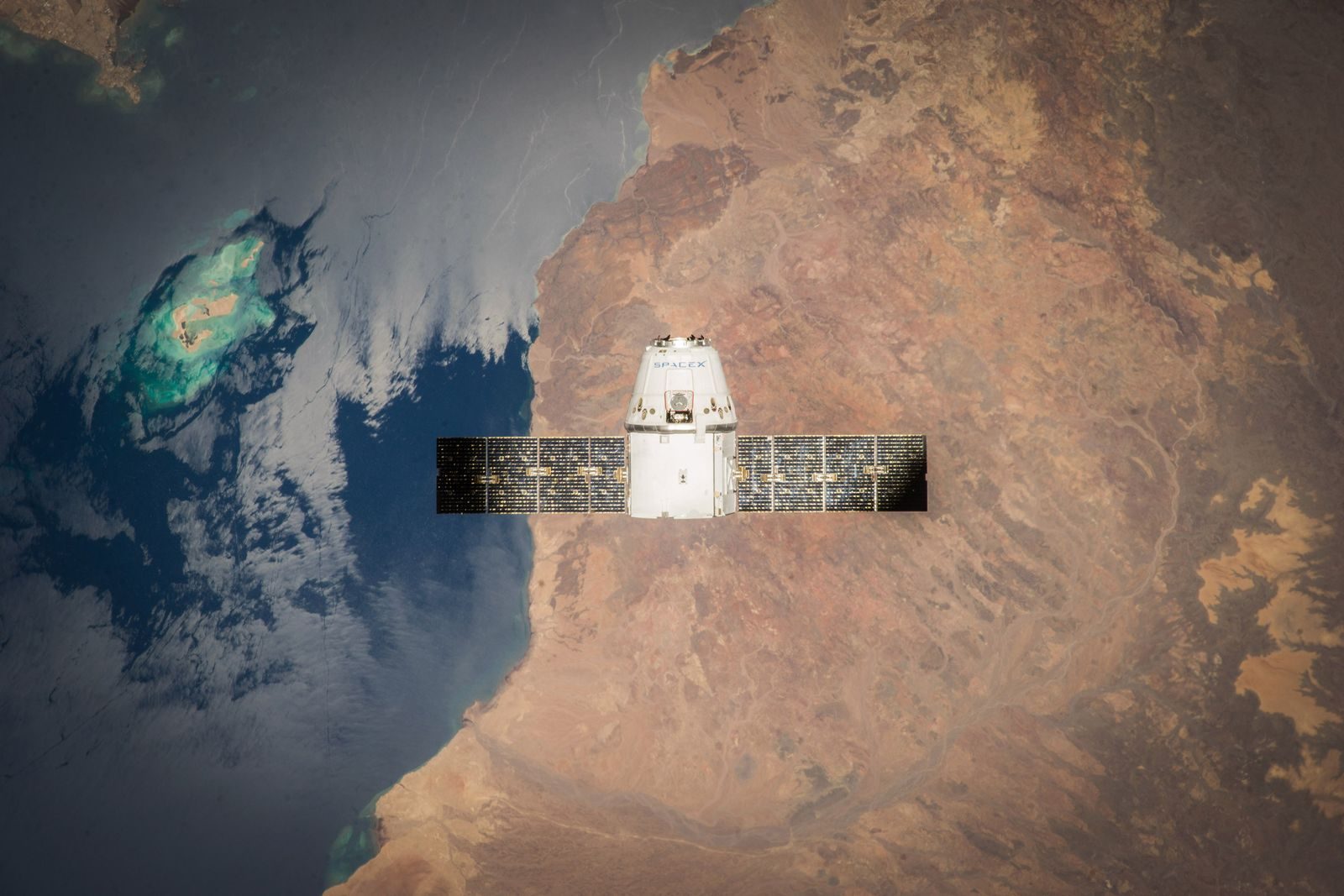
    Featured Image: Photo by SpaceX on Pexels

  • The Bizarre Deep Space Anomalies Discovered Near Neptune

    The Bizarre Deep Space Anomalies Discovered Near Neptune

    Most space lovers assume that the outer planets of our solar system are simple frozen spheres of quiet gas. We believe that distant worlds like Neptune follow highly predictable and balanced laws.

    But a spectacular space probe mission has revealed a highly chaotic outer environment. NASA researchers have detected a series of bizarre planetary anomalies that challenge our entire understanding of physics.

    Screaming Atmospheric Winds

    a planet in space
    Photo by Norbert Kowalczyk on Unsplash

    The freezing atmosphere of Neptune is actually home to the most violent weather in our solar system. According to reports from NASA, wind speeds on the planet can exceed fifteen hundred miles per hour. They are incredibly fast. These supersonic winds are strong enough to shatter any terrestrial aircraft instantly. But explaining where this extreme wind energy originates remains a massive puzzle.

    Missing Solar Heat

    spaceship, landing, planet, unreal, surreal, far away, heaven, galaxy, comet, spaceship, spaceship, spaceship, spaceship, spaceship, planet
    Photo by Sinousxl on Pixabay

    Standard atmospheric models state that planetary winds are driven by warm heat from the Sun. According to space science researchers, Neptune sits billions of miles away from the solar core and receives almost zero light. The world is dark. Yet the gas giant behaves as if it has an active internal engine. But the planet’s rings are also defying normal patterns.

    Shifting Clumpy Rings

    green tree beside gray concrete wall
    Photo by 🇻🇪 Jose G. Ortega Castro 🇲🇽 on Unsplash

    The thin rings surrounding the blue planet do not have a uniform distribution of dust and ice. According to planetary geologists, the rings feature highly dense clumps of material that look like arcs. The design is weird. These clumps should naturally spread out evenly over time due to normal orbital mechanics. But some hidden gravitational force is keeping them locked together.

    Active Internal Heat

    explosion, sun, nature, space, galaxy, core, phenomenon, heat, fire, outer space, cosmos, universe, astronomy, solar system, background
    Photo by AstroGraphix_Visuals on Pixabay

    Neptune releases significantly more energy into space than it receives from the distant Sun. According to deep space telescope data, the gas giant has a highly active internal heat source. The planet’s core is burning. This mysterious geothermal engine is likely what drives the supersonic winds and changes the storm patterns. But this thermal mystery is also shaping Triton.

    Bizarre backward Orbit

    a full moon in the night sky
    Photo by Krzysztof Niewolny on Unsplash

    The largest moon of the gas planet orbits in a highly unusual backward direction. According to orbital dynamics studies, Triton retrogrades against the natural spin of Neptune. The orbit is unique. This backward motion suggests the moon was actually a rogue wanderer captured by the planet’s gravity. But this ice world holds an even stranger secret below.

    Erupting Liquid Nitrogen

    an aerial view of a snow covered mountain range
    Photo by Tobias Keller on Unsplash

    The frozen surface of the massive moon features active geysers erupting liquid nitrogen into space. According to spacecraft logs, these cosmic geysers shoot icy plumes miles high into the thin atmosphere. The ice is powerful. This active volcanism was completely unexpected for a world operating near absolute zero. But we must wait for new space missions to find answers.

    Decoding The Ice Giants

    an artist's impression of two planets in the sky
    Photo by NASA Hubble Space Telescope on Unsplash

    The bizarre anomalies found near Neptune prove that our solar system holds profound cosmic secrets. According to astrophysicists, exploring these distant ice giants expands our understanding of planetary evolution across the galaxy. We are still learning. This article is for informational purposes only.

    Featured Image: Photo by AdisResic on Pixabay

  • The Rare Lunar Alignment Altering Our Sky

    The Rare Lunar Alignment Altering Our Sky

    Most casual stargazers assume that the moon rises and sets in a completely identical path every single month. We believe that our natural satellite follows a simple and unchanging celestial track.

    But a rare astronomical event is quietly altering how we view the night sky. Scientists have announced a major lunar standstill that will not happen again for nearly two decades.

    Shifting Lunar Paths

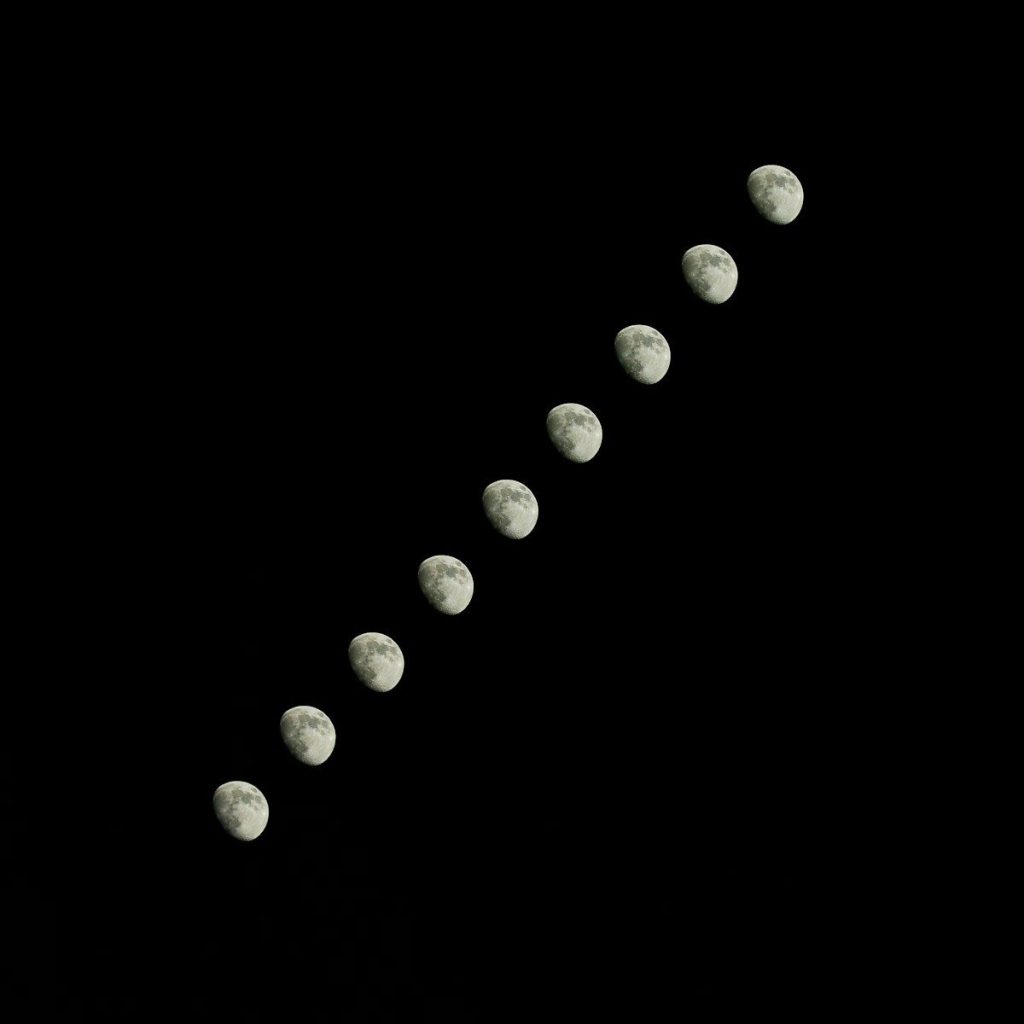
    Sequence of moon phases against a black background
    Photo by Kate Dougherty on Unsplash

    The moon does not orbit our planet on a perfectly flat plane. According to reports from the National Oceanic and Atmospheric Administration, the tilt of its path causes the moon to rise at different points on the horizon over time. It is highly dynamic. This orbital cycle takes many years to complete. But this shifting path is about to reach an extreme coordinate.

    The Lunar Standstill Standoff

    body of water near mountain during daytime
    Photo by Grace Brauteseth on Unsplash

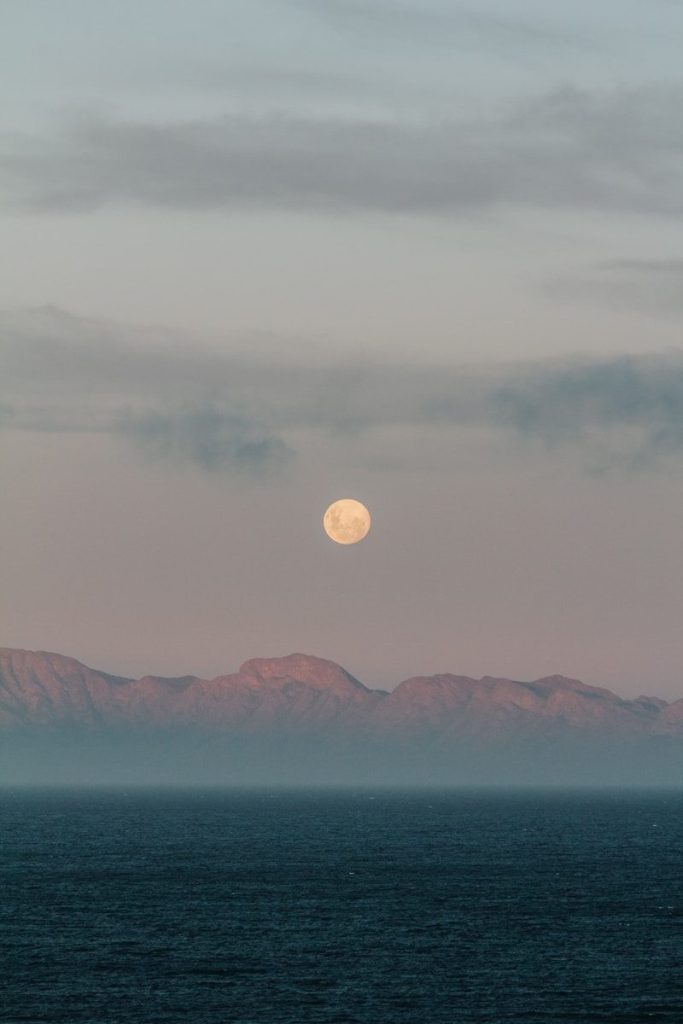
    A major lunar standstill occurs when the moon reaches its absolute maximum limits in the sky. According to astronomers, the moon will rise at its northernmost and southernmost coordinates over the next several days. This is incredibly rare. This extreme alignment makes the moon appear to hang motionless above the horizon. But this celestial standoff is also changing how we see shadows.

    Casting Massive Shadows

    brown field near brown mountain under blue sky during daytime
    Photo by Birger Strahl on Unsplash

    The extreme angle of the moon forces the night shadows to stretch across the landscape in a highly unusual way. According to astronomical models, the moon will rise higher and set lower than during normal cycles. The views are spectacular. This rare light play makes local features look completely different. But this celestial alignment has deep links to ancient ruins.

    Aligning With Ancient Stones

    the sun is setting behind the stonehenge monument
    Photo by Ankit Sood on Unsplash

    Prehistoric builders around the world designed their stone monuments to track these rare lunar cycles. According to reports from English Heritage, the stone pillars at Stonehenge align perfectly with the moon during Standstill events. They watched the sky. This physical alignment proves that early builders possessed a master grasp of astronomy. But this cycle also affects our tides.

    Pulling The Oceans Higher

    huge wave at daytime
    Photo by Torsten Dederichs on Unsplash

    The shifting position of the moon alters the strength of its gravitational pull on the oceans. According to oceanographic research papers, the extreme celestial alignment can trigger slightly higher and lower tides than average. The waters swell. This gravitational squeeze highlights the deep physical connection between our planet and the moon. But predicting the next standstill takes decades.

    The Eighteen-Year Cycle

    A black background with a blue ball and two white balls
    Photo by Buddha Elemental 3D on Unsplash

    This rare lunar standoff only occurs once every eighteen years and eleven days. According to NASA geophysicists, this long timeline is driven by the slow rotation of the lunar orbit itself. The wait is long. This means that generations of stargazers must wait decades to view the alignment again. But capturing this celestial moment requires looking at the horizon.

    The Horizon Viewing Sweetspot

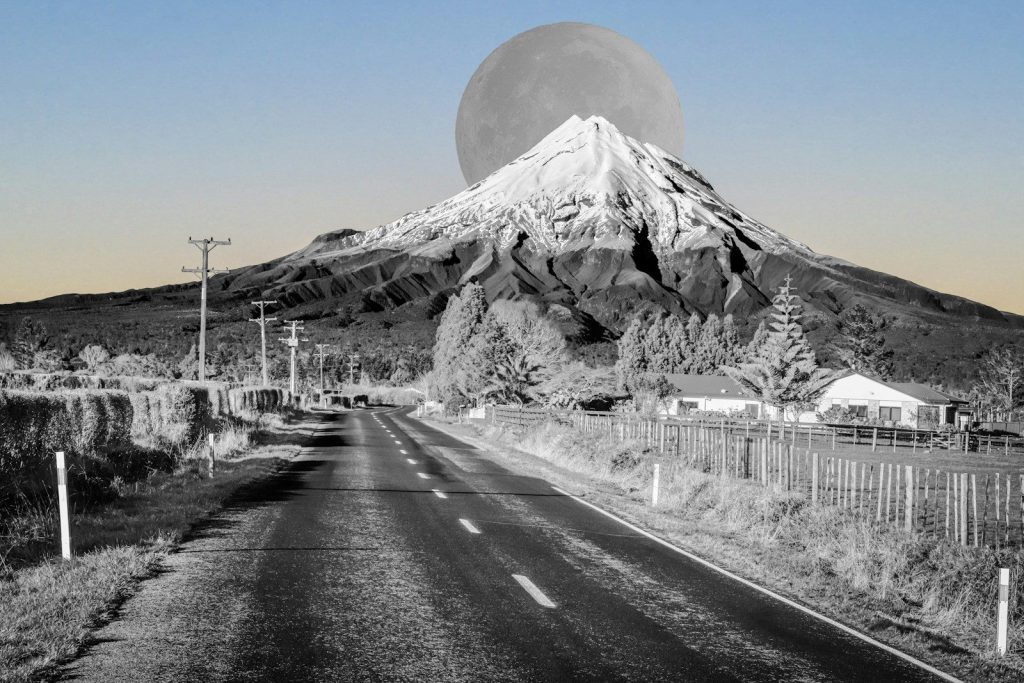
    Road leads to snow-capped mountain under large moon.
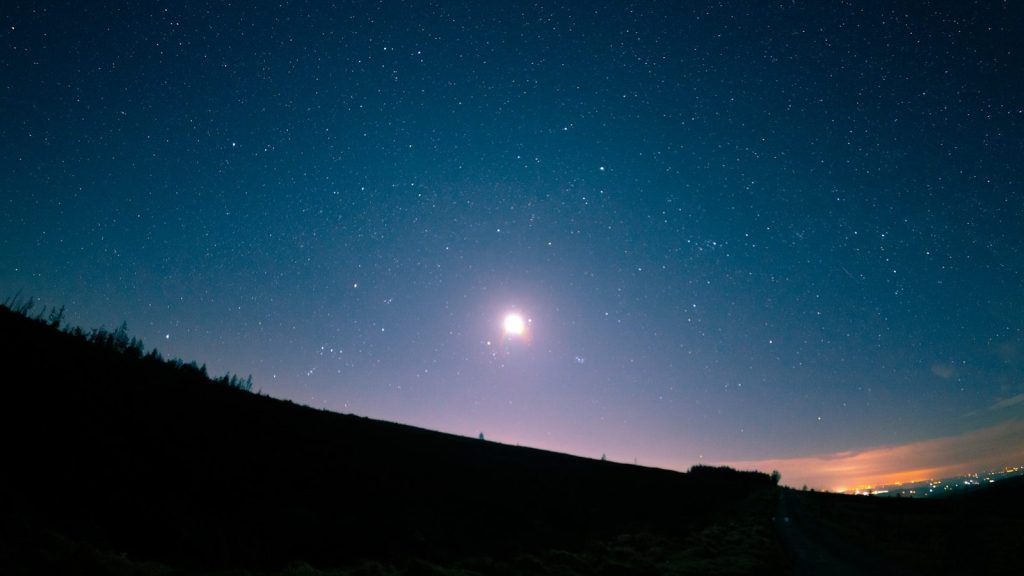
    Photo by Sebastian Schuster on Unsplash

    Stargazers are preparing to photograph the moon as it rises near local landscape landmarks. According to astronomical guides, the best views occur right when the moon is closest to the horizon. The timing is critical. This horizon proximity creates a beautiful visual trick that makes the moon appear massive. But the ultimate lessons of this alignment go far beyond simple photos.

    Decoding Lunar Cycles

    silhouette of mountain during night time
    Photo by Isaac Burke on Unsplash

    Watching this rare lunar standstill allows us to appreciate the complex celestial mechanics shaping our world. According to researchers, these celestial alignments remind us of the highly dynamic systems operating in our solar system. The stars never stand still. This article is for informational purposes only.

    Featured Image: Photo by Bernd 📷 Dittrich on Unsplash

  • How An Ancient Space Crash Sparked Life On Earth

    How An Ancient Space Crash Sparked Life On Earth

    Most geology lovers assume that our planet developed its rich chemistry in complete isolation. We believe that early Earth possessed all the necessary ingredients to spark life from the very beginning.

    But a mind-bending planetary theory suggests a far more violent cosmic origin. A cataclysmic collision with a neighboring planet may have delivered the crucial elements required for biochemistry.

    The Mysterious Early Chemistry

    brown and black mountain under white clouds
    Photo by Tetiana GRY on Unsplash

    The infant Earth originally lacked the vital elements required to form complex organic molecules. According to planetary geologists, key elements like carbon and sulfur were trapped deep in the metallic core. The crust was empty. This chemical arrangement made the early surface highly hostile to any potential biological pathways. But a massive outer space visitor was about to disrupt this silent world.

    The Theia Collision Anomaly

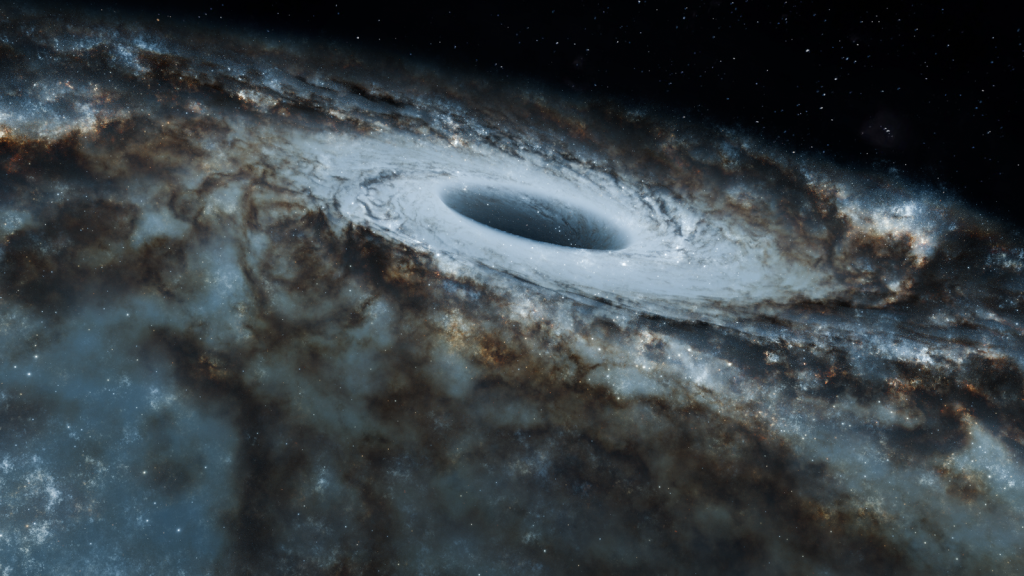
    A captivating view of a black hole surrounded by swirling stars in a spiral galaxy.
    Photo by Iceberg San on Pexels

    A giant Mars-sized planet named Theia collided with the early Earth billions of years ago. According to reports from NASA, this spectacular impact was so violent that it melted both planetary bodies. The heat was intense. This collision is what originally blasted the material into space to form our moon. But the physical impact also reshaped the interior of our planet.

    Sifting Through Planetary Cores

    a woman sitting in front of a computer monitor
    Photo by CDC on Unsplash

    The violent crash forced the metallic cores of both planets to fuse together. According to geological research papers, this blending process allowed volatile elements to rise toward the cooling surface. The molecules were free. This critical movement is what finally populated the crust with carbon, nitrogen, and sulfur. But tracking these ancient chemical footprints required launching deep laboratory tests.

    Checking The Lunar Rocks

    a man in a white lab coat working on a cake
    Photo by Provincial Archives of Alberta on Unsplash

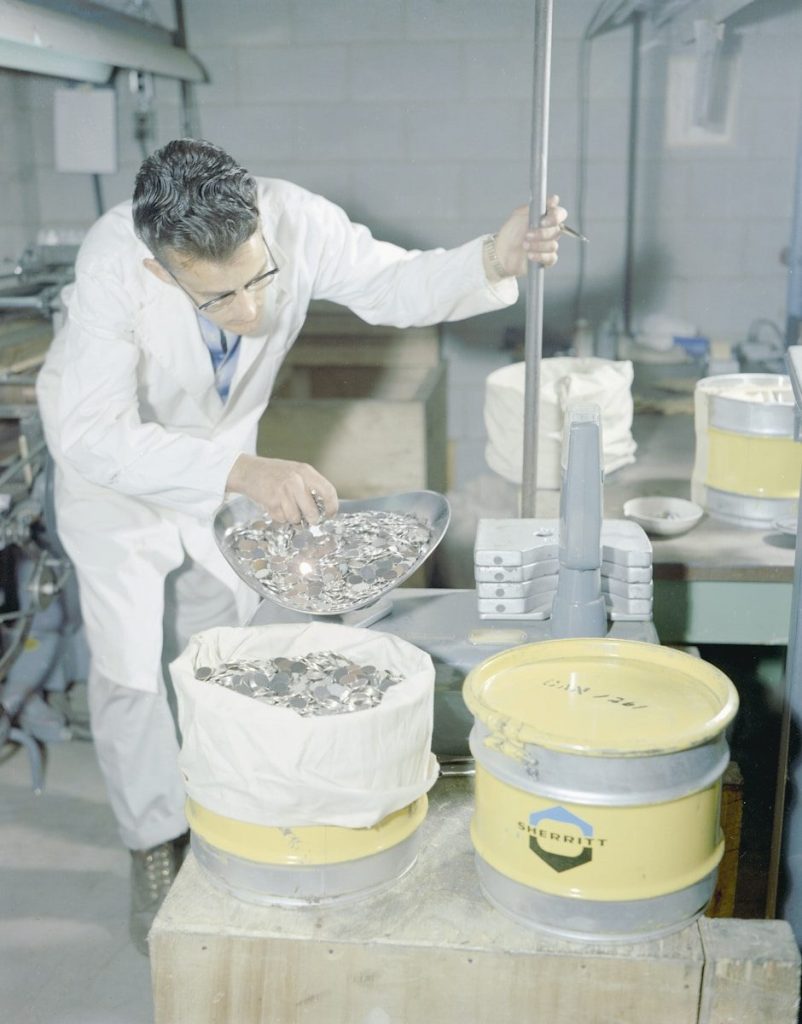
    Scientists analyzed the isotope ratios of rocks recovered from the moon during space missions. According to a study in Science, the chemical signatures of the Earth and moon are remarkably similar. They are twin worlds. This genetic link proves that the lunar material was once part of the early Earth crust. But this planetary mixing also set up a unique environmental shield.

    Building The Magnetic Shield

    a picture of a blue and black object
    Photo by Nick Design on Unsplash

    Combining the two planetary cores gave the Earth a highly robust iron core. According to geophysicists, this massive liquid iron engine is what generates our protective magnetic field. The shield is active. This magnetic barrier blocks toxic solar winds to prevent our atmosphere from being stripped into space. But maintaining a stable atmosphere was only half of the puzzle.

    Planting The Seed Elements

    high-angle photo of sea with waves
    Photo by Michael Benz on Unsplash

    The spectacular collision is the primary reason why Earth has such an abundance of surface water. According to astrochemistry research, the impacting planet carried massive deposits of hydrogen and nitrogen compounds. The crash delivered them. These imported elements are what eventually allowed oceans to form and support early cells. But this cosmic delivery system is changing how we hunt for life.

    Reimagining Our Stellar Origins

    Nebula
    Photo by NASA on Unsplash

    Understanding how a violent space collision sparked our biology proves that life is deeply linked to cosmic events. According to astrobiologists, tracing these ancient impacts helps us select the best target coordinates on distant exoplanets. We are made of starstuff. This article is for informational purposes only.

    Featured Image: Photo by Zelch Csaba on Pexels

  • How Engineers Plan to Build Our First Moon Colony

    How Engineers Plan to Build Our First Moon Colony

    Most space lovers assume that living on the moon requires wearing heavy spacesuits forever. We believe that lunar bases will always remain simple metallic research tents.

    But advanced architecture is completely changing this dusty picture. Engineers are designing cozy underground shelters that feel remarkably like home.

    Surviving Extreme Solar Rays

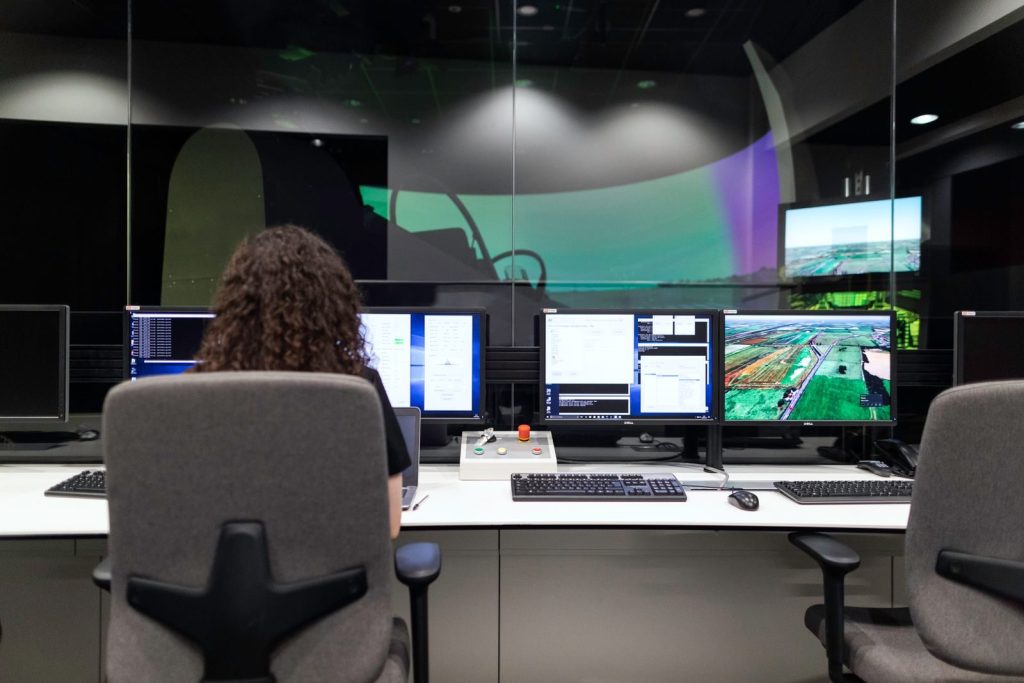
    Female engineer managing multiple screens during a technology simulation in a control room.
    Photo by ThisIsEngineering on Pexels

    Leaving the natural magnetic shield of our planet exposes explorers to constant cosmic radiation. According to NASA, early structures must be buried under thick layers of lunar soil to block these rays. The rocks are heavy. This heavy soil blanket will keep the living spaces safe and stable. But blocking radiation is only the first design puzzle.

    Building Inside Volcanic Caves

    white lights inside tunnel
    Photo by Deon Hua on Unsplash

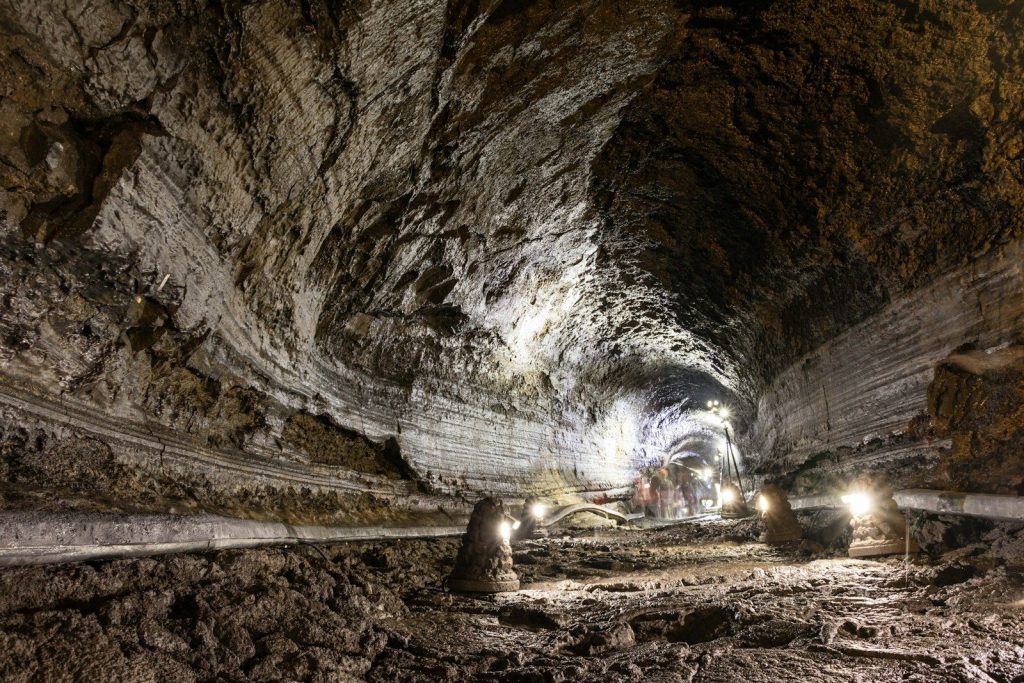
    Instead of building directly on the surface, engineers want to locate bases underground. According to geological reports from the European Space Agency, massive ancient lava tubes run deep beneath the lunar crust. They are giant. These stone tunnels offer a stable climate that does not shift during intense day and night cycles. But sealing these natural caves requires a highly specialized material.

    Spraying Liquid Polymer Seals

    Close-up of a yellow industrial robotic arm in action at a modern manufacturing facility.
    Photo by Freek Wolsink on Pexels

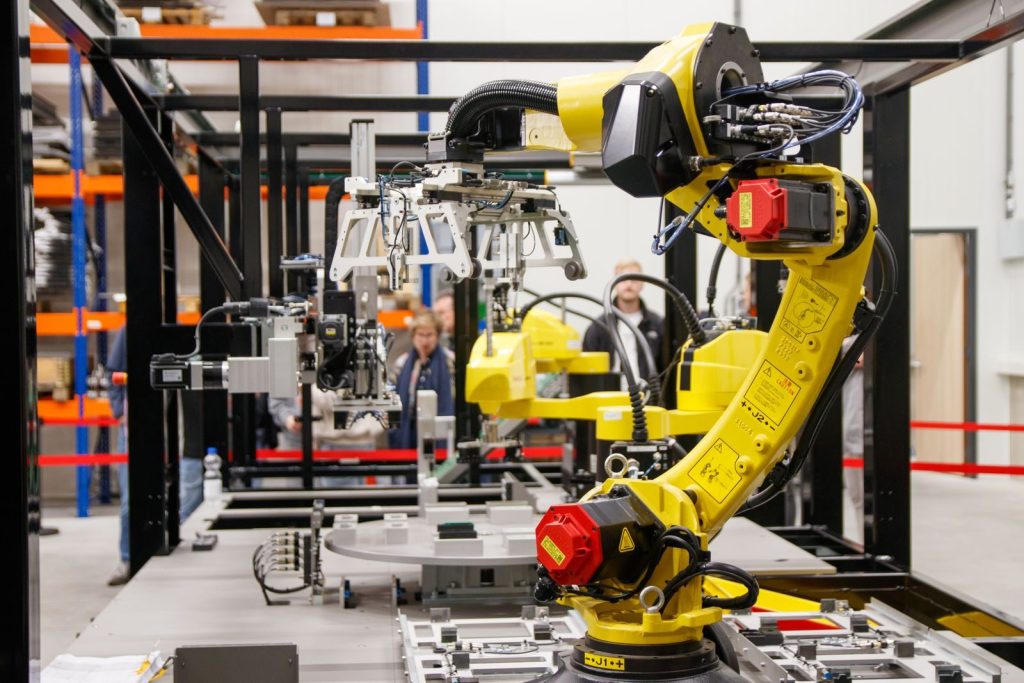
    Lava rock is naturally porous and would easily let breathable air escape into the vacuum. According to a study by materials scientists, construction crews will spray thin protective polymers onto the stone walls to create a tight seal. This is critical. The specialized coating will trap valuable oxygen inside the living quarters. But keeping the air fresh requires a continuous recycling system.

    Creating Endless Clean Water

    Outdoor industrial water filtration plant with large blue tanks under sunlight.
    Photo by Peter Dyllong on Pexels

    A permanent base cannot survive without a constant supply of clean drinking water. According to reports from lunar hydration studies, automated systems will extract frozen ice directly from polar craters. They are freezing. This ice will be melted and filtered through closed-loop systems to run the colony. But generating enough electricity to power these water factories is another challenge.

    Gathering Winter Solar Power

    a large solar farm with many rows of solar panels
    Photo by Harisankar on Unsplash

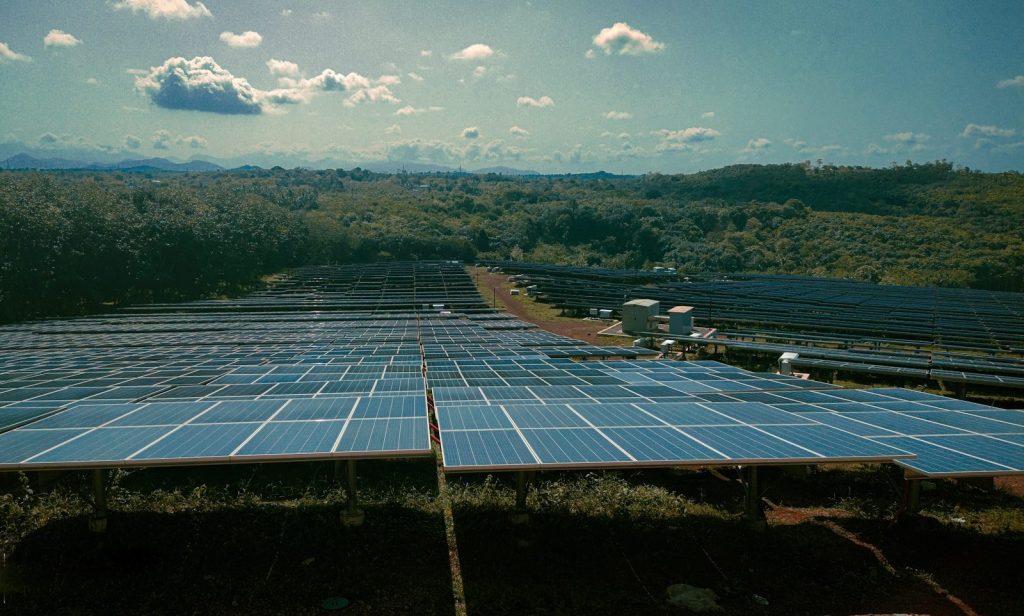
    The lunar night brings two weeks of absolute darkness and freezing temperatures. According to reports from solar energy developers, bases will use giant vertical mirrors placed on crater rims to capture constant sunlight. The mirrors are smart. These solar tracking systems will guide clean energy down to the dark underground habitats. But storing this harvested power requires a highly unique battery grid.

    Projecting Natural Green Spaces

    man in white robe standing beside woman in white robe
    Photo by ThisisEngineering on Unsplash

    Living in stone tunnels can make astronauts feel disconnected from the natural world. According to psychological studies from Harvard University, installing bright vertical farms and simulated windows reduces isolation. Plants are vital. This green vegetation will boost oxygen levels and provide fresh food for the crew. But the ultimate success of these bases depends on robotic help.

    Stepping Into Lunar Cities

    Griffith observatory dome overlooking a vast city landscape.
    Photo by Daniel Liang on Unsplash

    Autonomous robotic helpers will handle the heavy lifting of building the outer shields. According to reports from mission planners, these smart machines will prepare the tunnels before the first human crews arrive. The future is waiting. This article is for informational purposes only and does not constitute professional aerospace advice.

    Featured Image: Photo by Kapil Rai on Unsplash