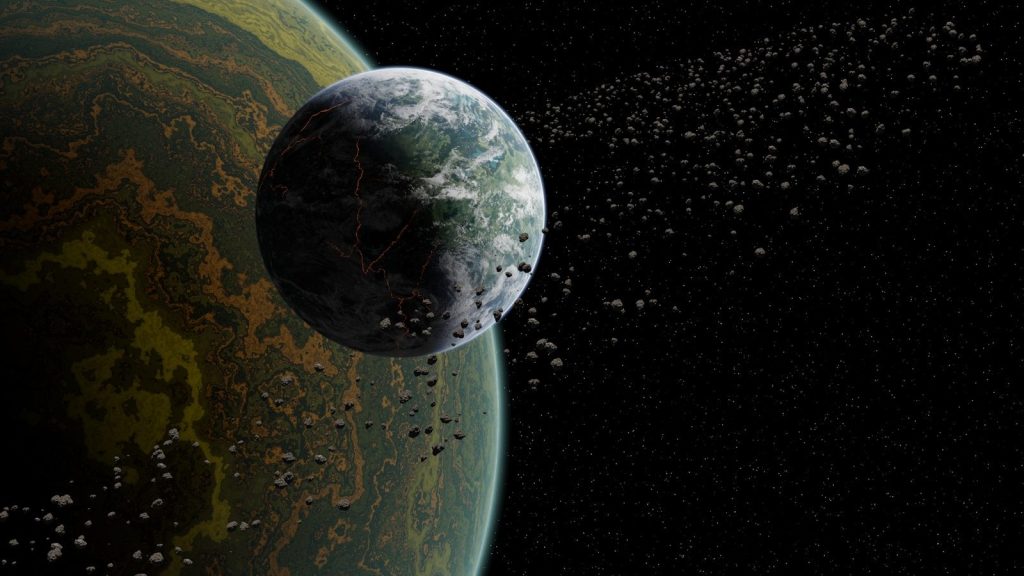
Category: Space & Universe

  • The Unexplained Space Matter Recovered From Earth Craters

    The Unexplained Space Matter Recovered From Earth Craters

    Most biology enthusiasts assume that life on Earth originated strictly in our oceans. We believe that organic cells evolved entirely from native terrestrial elements.

    But a bizarre mineral discovery inside an ancient impact crater has challenged this. Elite research teams have recovered complex organic compounds that originated in deep space.

    Sifting Through Ash
    a man climbing a rock wall
    Photo by Marjan Taghipour on Unsplash

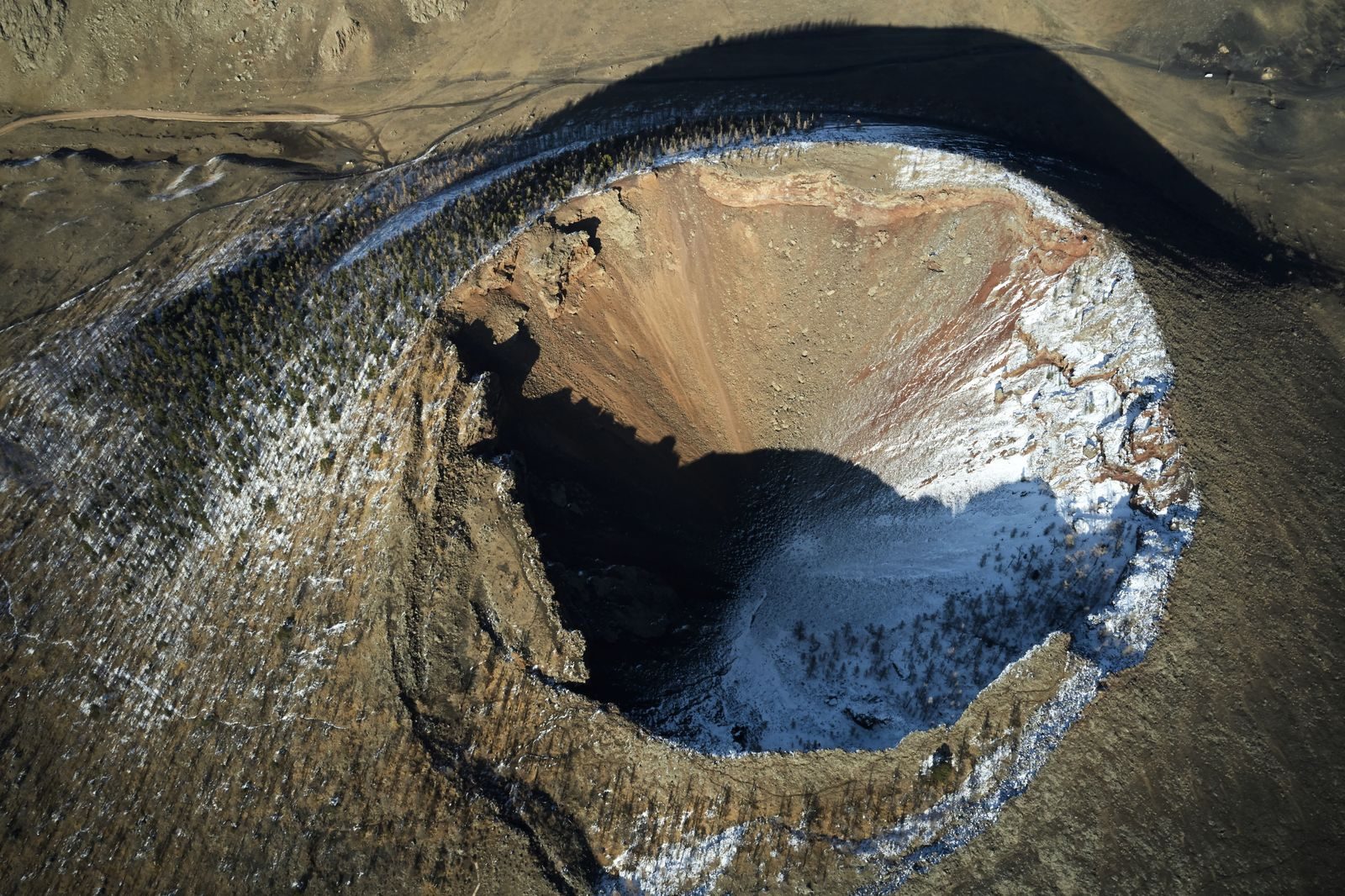
    A team of geologists exploring a remote impact zone began collecting deep soil core samples. They were not looking for anything unusual. According to a study published in Geochimica, scientists detected a unique mineral composition inside the rock layers. The structure was weird. These anomalous minerals did not match any geological formations native to Earth. But tracing the origin of these elements led to a shocking stellar coordinate.

    Extraterrestrial Amino Acids
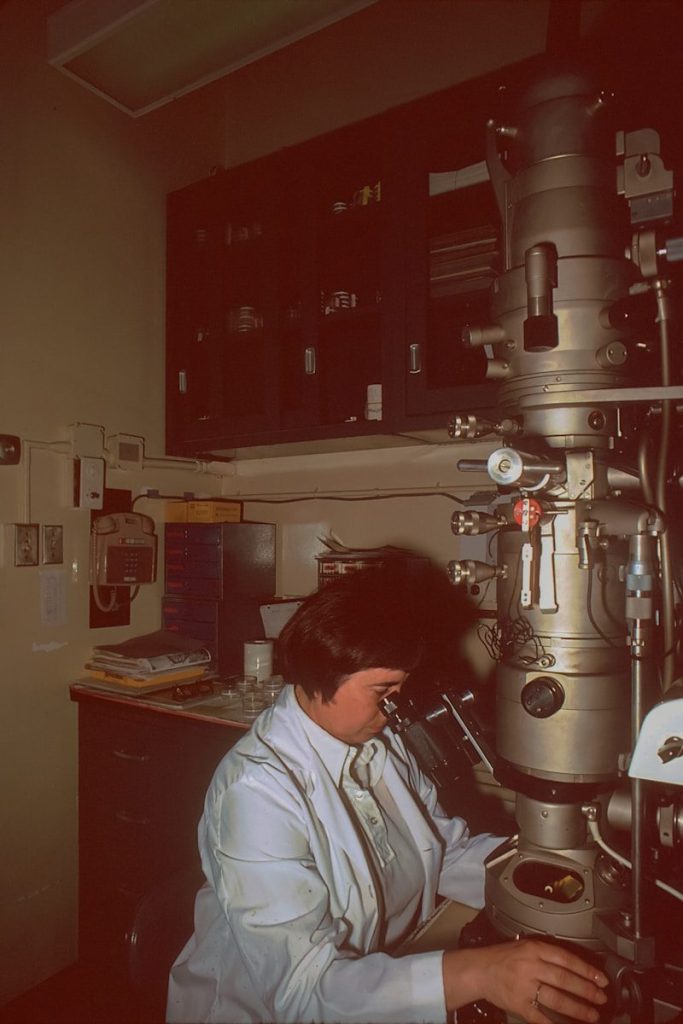
    a woman looking through a microscope in a lab
    Photo by National Cancer Institute on Unsplash

    Analyzing the mineral core revealed a high concentration of carbon compounds that carry an unusual isotopic balance. According to space science researchers, the specific ratio of carbon atoms proves the matter formed outside our solar system. It was incredibly old. This ancient stardust survived the intense heat of atmospheric entry to settle into the crater floor. But how these delicate molecules survived the impact pressure remains a mystery.

    Surviving The Crash

    A captivating image of white smoke cloud against a dark background, creating an ethereal and mysterious visual effect.
    Photo by cottonbro studio on Pexels

    Heavy space rocks usually vaporize entirely when they strike the crust at hypersonic speeds. According to shock physics reports, certain porous mineral structures can act like natural shields during violent impacts. The shield works. This protective buffering keeps the inner organic molecules safe from the destructive heat of the explosion. But finding these delicate compounds raises a massive question about the origin of terrestrial biology.

    Seeds From Space
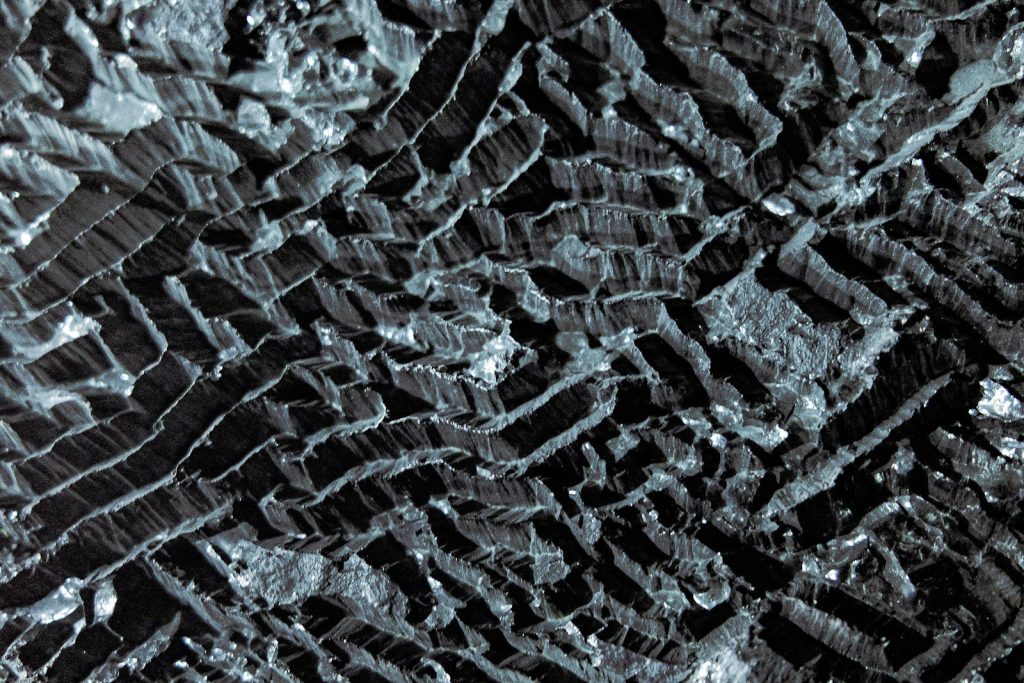
    A black and white photo of a large area of land
    Photo by Sema S. on Unsplash

    Some theoretical biologists suggest that space impacts regularly deliver the vital building blocks of life to young planets. According to a study from the Astrochemistry Laboratory, key components like amino acids are commonly found inside interstellar ice clouds. They are abundant. This interstellar connection suggests that the chemical spark of life might be a universal force. But proving this cosmic delivery system requires searching for other impact signatures.

    The Pre-Solar Clues

    woman holding brown glass
    Photo by CDC on Unsplash

    Geochemists analyzed the crystalline structure of the crater minerals to determine their exact physical age. According to planetary geologists, some of these tiny grains are older than the sun itself. The dates are mind-bending. These pre-solar grains offer a pristine look at the chemical conditions that existed before our local planets formed. But decoding these interstellar messages is dividing the global research community.

    Academic Skepticism Sparks
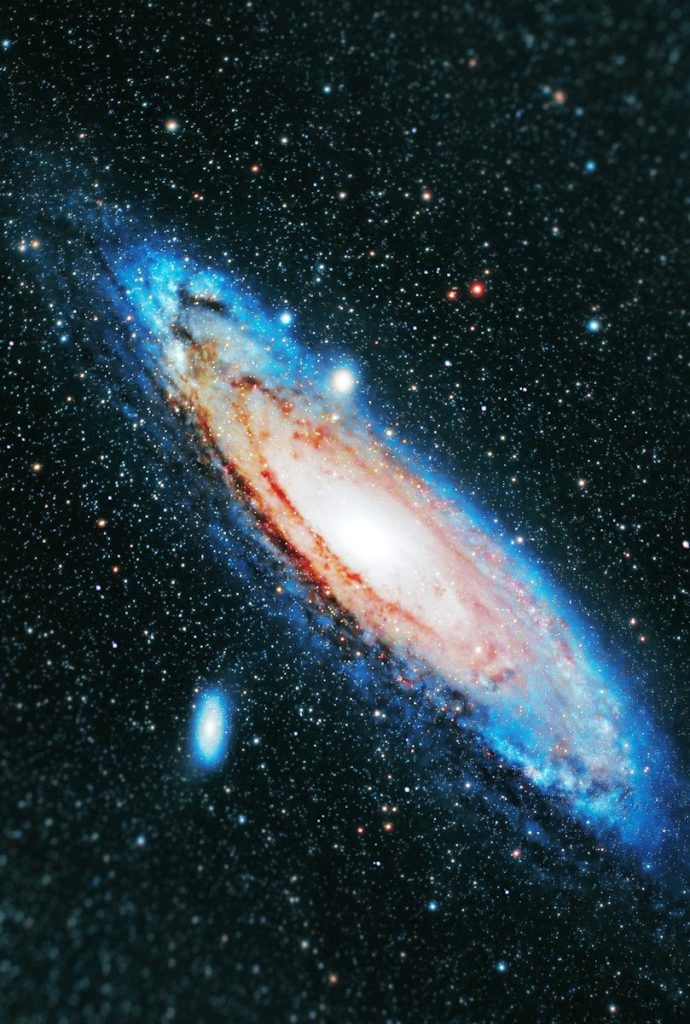
    blue and white galaxy illustration
    Photo by Олег Мороз on Unsplash

    Mainstream researchers argue that finding organic molecules does not prove that life originated in outer space. According to molecular biologists, early Earth possessed its own unique environments capable of generating complex organic compounds naturally. They are cautious. They believe that while space delivery is possible, terrestrial chemistry was already highly advanced on its own. But the search for alien material inside Earth’s craters continues to yield surprises.

    Unlocking Our Cosmic Heritage

    silhouette photography of person
    Photo by Greg Rakozy on Unsplash

    The discovery of pre-solar matter inside impact craters proves that Earth is deeply linked to the wider cosmos. According to astrobiologists, studying these foreign minerals expands our search for biological signs on other worlds. Nature always surprises us. This article is for informational purposes only.

    Featured Image: Photo by ArtHouse Studio on Pexels
  • The Bizarre Internal Movements Making The Moon Shrink Quietly

    The Bizarre Internal Movements Making The Moon Shrink Quietly

    Most people assume that the moon is a completely solid and unchanging rock. We believe that our natural satellite has been geologically dead for billions of years.

    But sensitive modern instruments have revealed a highly active lunar interior. The moon is actually shrinking and cracking due to deep thermal shifts.

    The Cooling Core

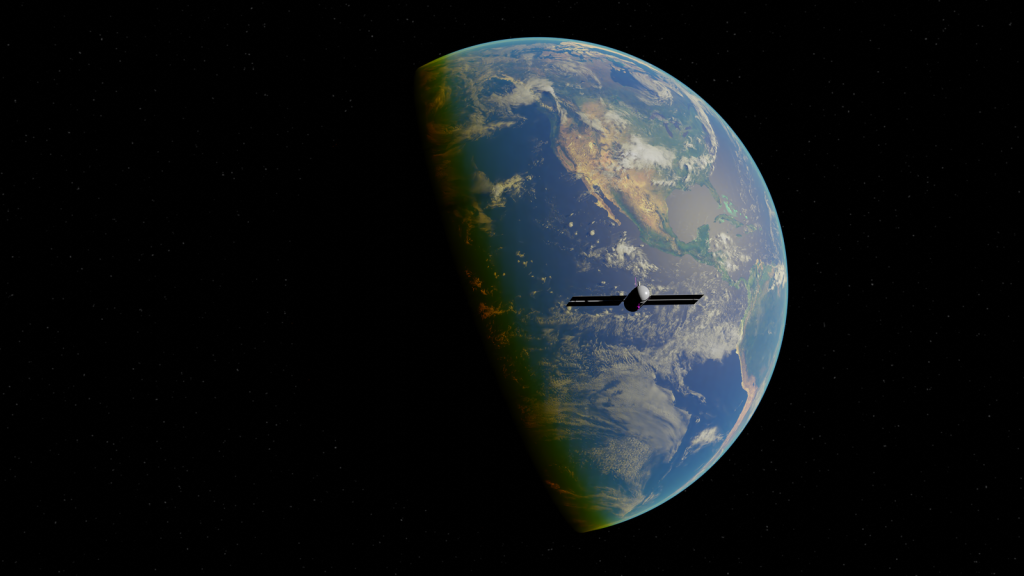
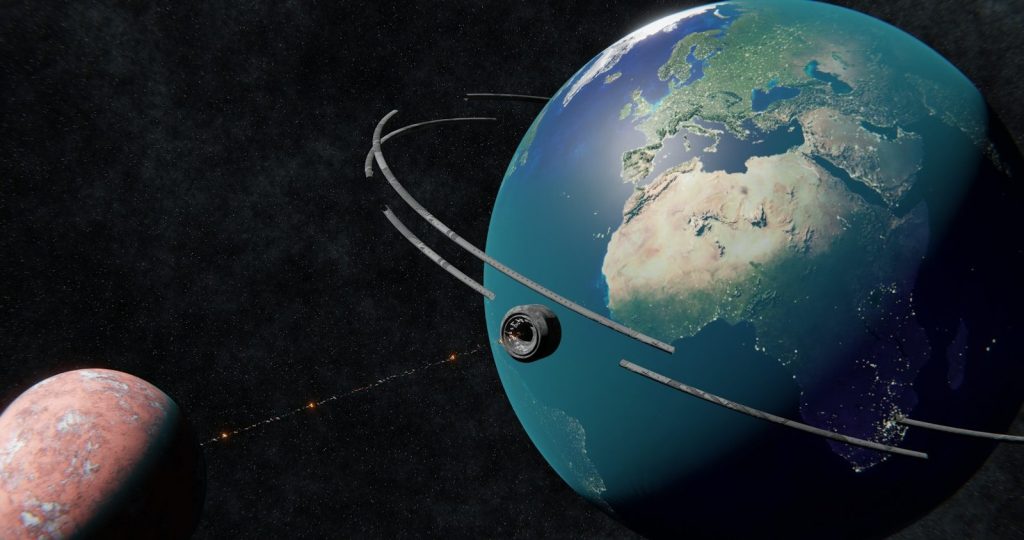
    A stunning digital rendering of Earth from space, featuring a satellite and the vast universe.
    Photo by Zelch Csaba on Pexels

    The moon is gradually losing its internal heat to the absolute cold of space. According to planetary scientists, this cooling process causes the entire lunar body to contract slowly. It behaves like a grape. As the interior shrinks, the brittle surface crust must buckle and break. But this physical contraction is creating dramatic shifts on the lunar surface.

    Giant Lunar Faults

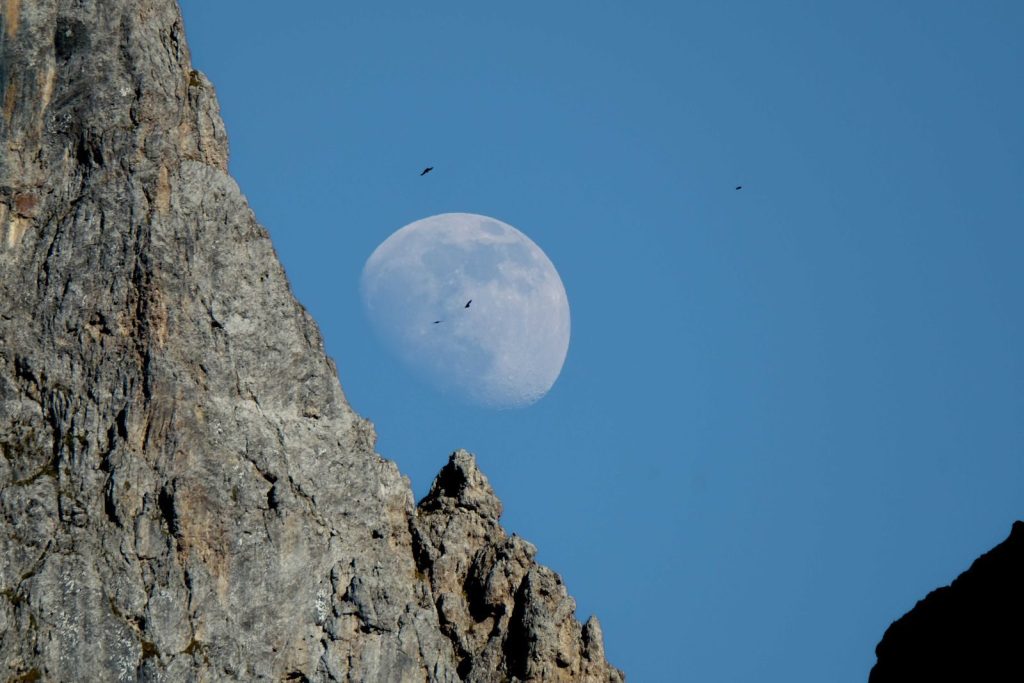
    Stunning view of the moon rising above jagged mountain formations under a clear blue sky.
    Photo by Francesco Ungaro on Pexels

    This contraction forces the dusty surface to push against itself and form massive cliffs. According to geological scans from NASA, these towering scarps rise dozens of feet into the lunar sky. They look incredibly sharp. These fault lines prove that the crust is actively moving under extreme pressure. But this crustal folding is triggering violent tremors across the landscape.

    Active Moon Quakes

    Close-up of a person pointing at a vintage oscilloscope screen in a tech setting.
    Photo by cottonbro studio on Pexels

    Seismometers left behind by Apollo astronauts recorded thousands of deep tremors during their operation. According to geophysical research, some of these moonquakes reached a high magnitude on the Richter scale. The shaking is violent. Unlike earthquakes, lunar tremors can continue vibrating for several hours without stopping. But these continuous movements pose a severe threat to our future.

    Landslides In Dust

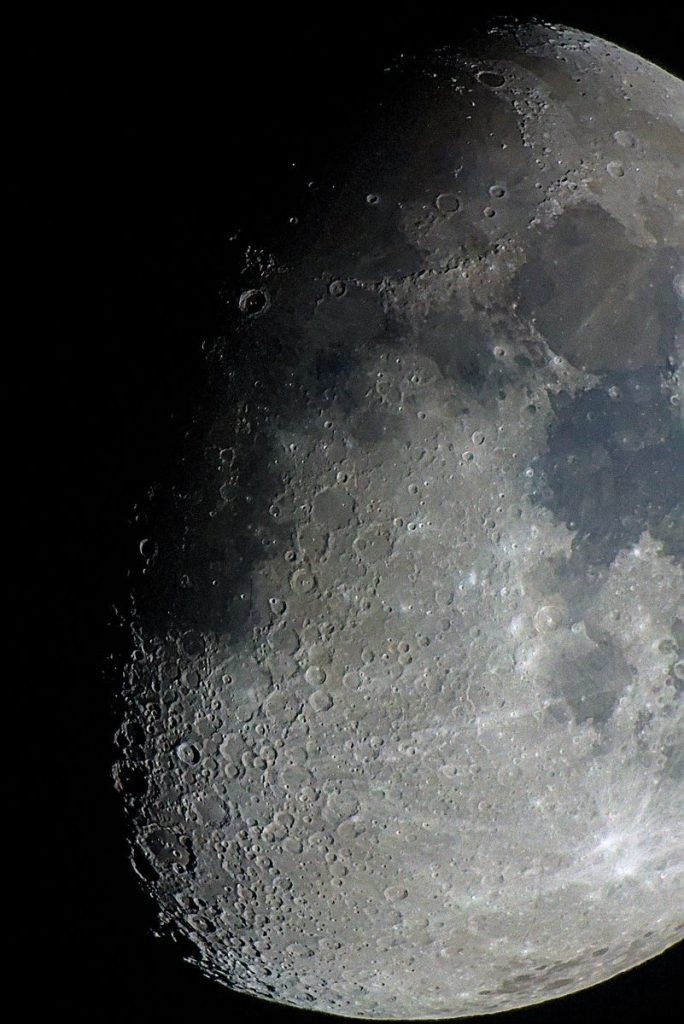
    Close-up of moon's surface showcasing craters and textures.
    Photo by Salvatore Trimarchi on Pexels

    The violent shaking of the dry lunar crust can trigger massive landslides along crater walls. According to photographic studies, shifting dust can swallow flat plains and cover deep rock formations. It is highly unstable. This loose soil makes building permanent structures in certain areas incredibly dangerous. But space agencies are still planning to build habitats there.

    Target Zones Threatened

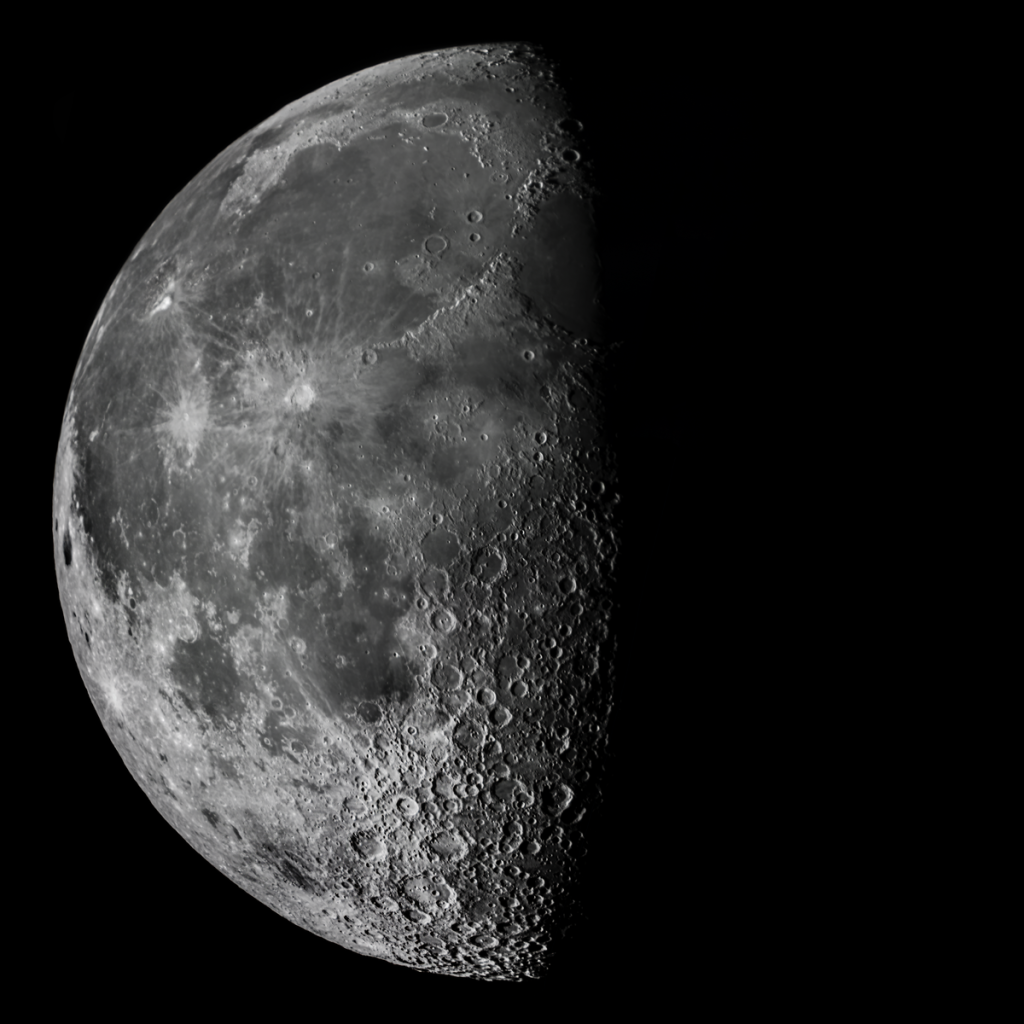
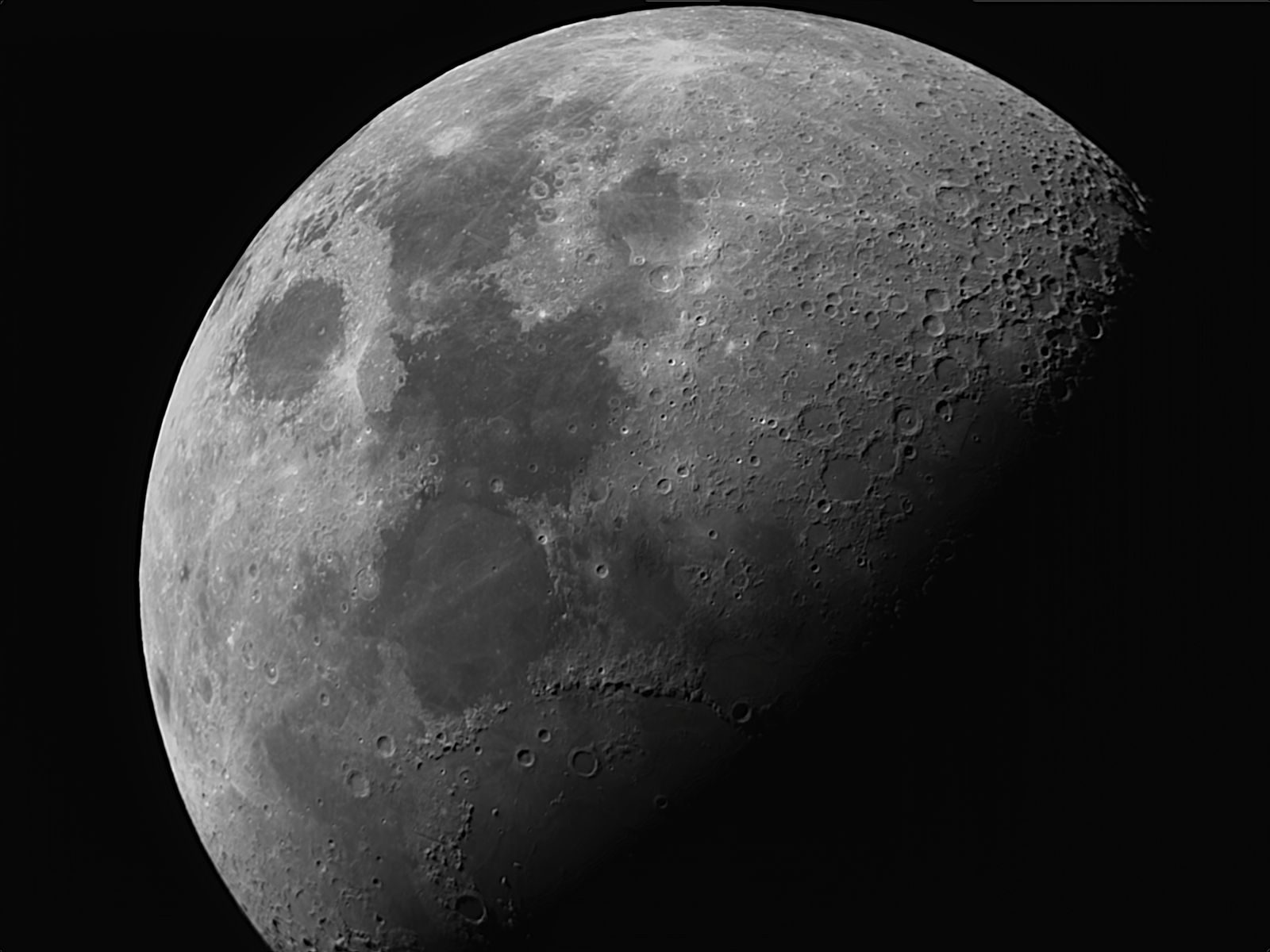
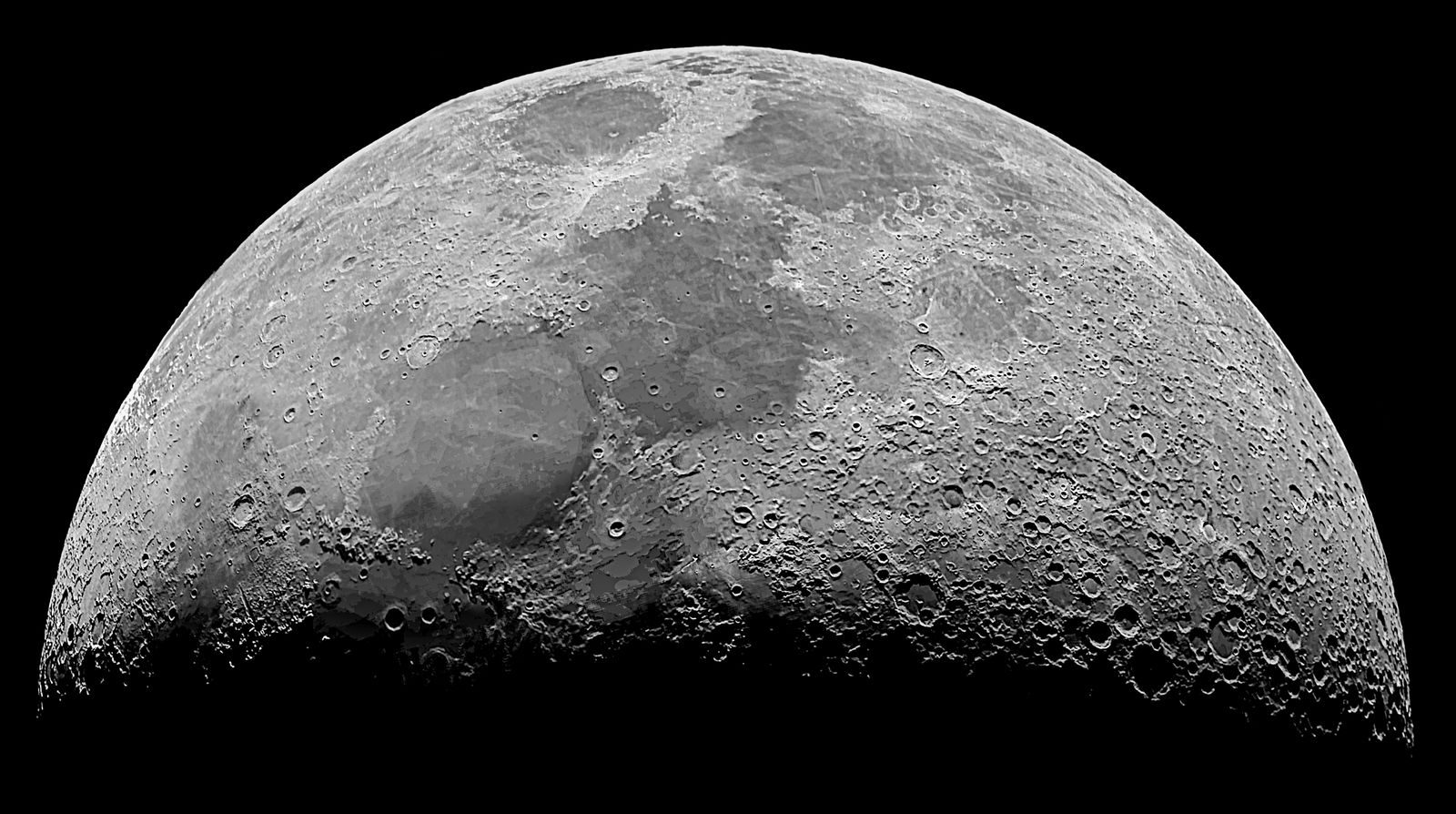
    Dramatic black and white half moon view in São Pedro de Alcântara, Brazil.
    Photo by Dennis Ariel on Pexels

    The proposed landing sites for upcoming human missions sit directly near these active fault lines. According to mapping reports, the south pole of the moon is highly vulnerable to tectonic shifting. The danger is clear. Tectonic movements could easily damage fragile scientific instruments and power grids. But scientists are searching for a way to predict these quakes.

    Monitoring Tectonic Shifts

    Engineers working together in a soundproof room to conduct acoustic testing with modern equipment.
    Photo by ThisIsEngineering on Pexels

    Researchers are designing a new network of highly sensitive seismic sensors to place on the moon. According to mission planners, these advanced devices will track the constant groaning of the lunar interior. The goal is vital. Understanding where the crust is weakest will help engineers select safer building locations. But the earth is also playing a surprising role in this contraction.

    Gravitational Squeeze Play

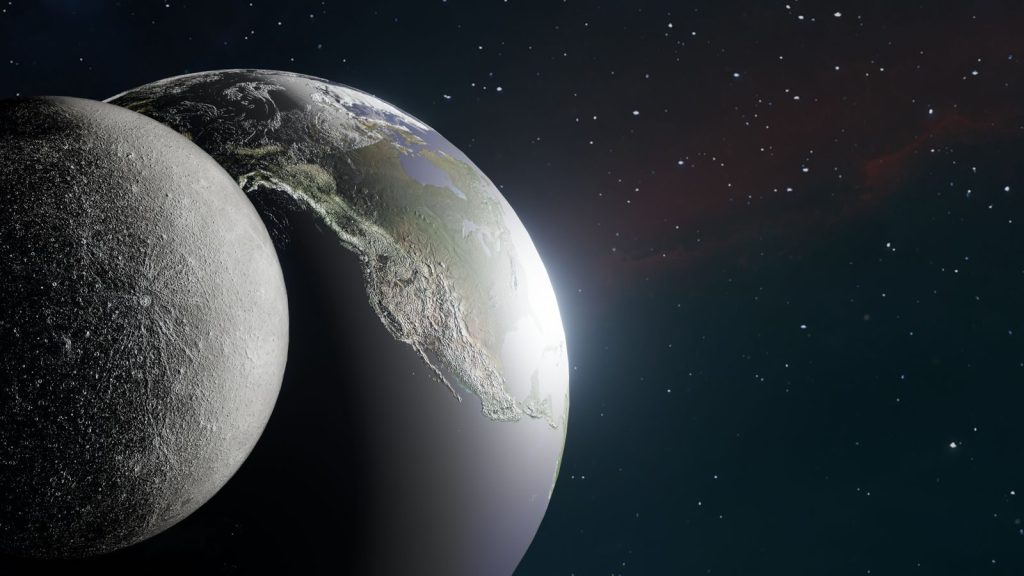
    Beautiful depiction of Earth partially shadowed by the Moon in space.
    Photo by Zelch Csaba on Pexels

    The powerful gravity of the Earth actively pulls on the shrinking moon as it orbits our planet. According to orbital dynamics studies, this tidal pull determines exactly where the lunar faults crack. The squeeze is relentless. This cosmic interaction proves that the moon is still deeply connected to our world. But this changing celestial body holds more secrets than we can count.

    A Changing Neighbor

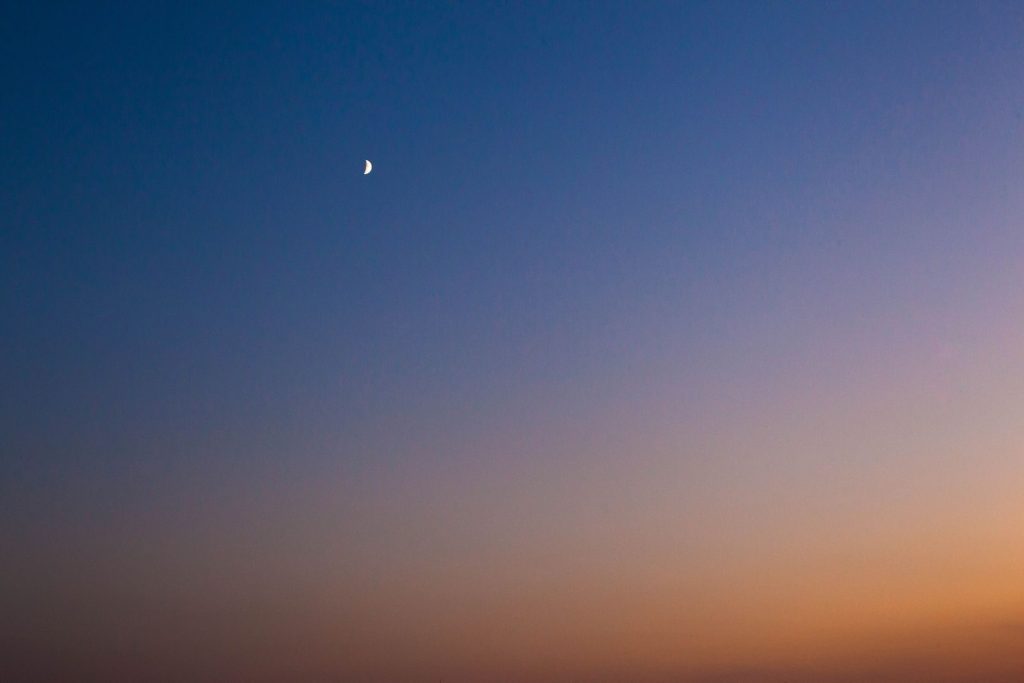
    Minimalist image of a twilight sky with a crescent moon, creating a tranquil atmosphere.
    Photo by Vlad Ioan on Pexels

    The shrinking moon is a stark reminder that even ancient worlds continue to evolve over time. According to planetary geologists, studying these lunar shifts helps us understand the life cycles of other moons. Nature never stands still. This article is for informational purposes only.

    Featured Image: Photo by Micotino on Pexels
  • Why NASA Researchers Now Take Mysterious Aerial Phenomena Seriously

    Why NASA Researchers Now Take Mysterious Aerial Phenomena Seriously

    Most military experts assume that strange aerial sightings are simply misidentified weather balloons. We believe that modern radar systems are too advanced to be fooled by illusions.

    But a prominent research scientist is challenging this default skepticism. His analysis of declassified data suggests that anomalous objects are operating in our skies.

    Inside The Files

    A man intensely studies color-grading graphs on a computer screen in a dimly lit room, highlighting tech analysis.
    Photo by Ron Lach on Pexels
    For decades, government agencies dismissed reports of unexplained crafts as pure fantasy. According to a prominent researcher from NASA, newly analyzed military data reveals movements that defy traditional physics. The speed is terrifying. These objects accelerate instantly without creating standard sonic booms. But understanding these impossible flight patterns requires looking at real instrument data.

    Multi-Sensor Validation

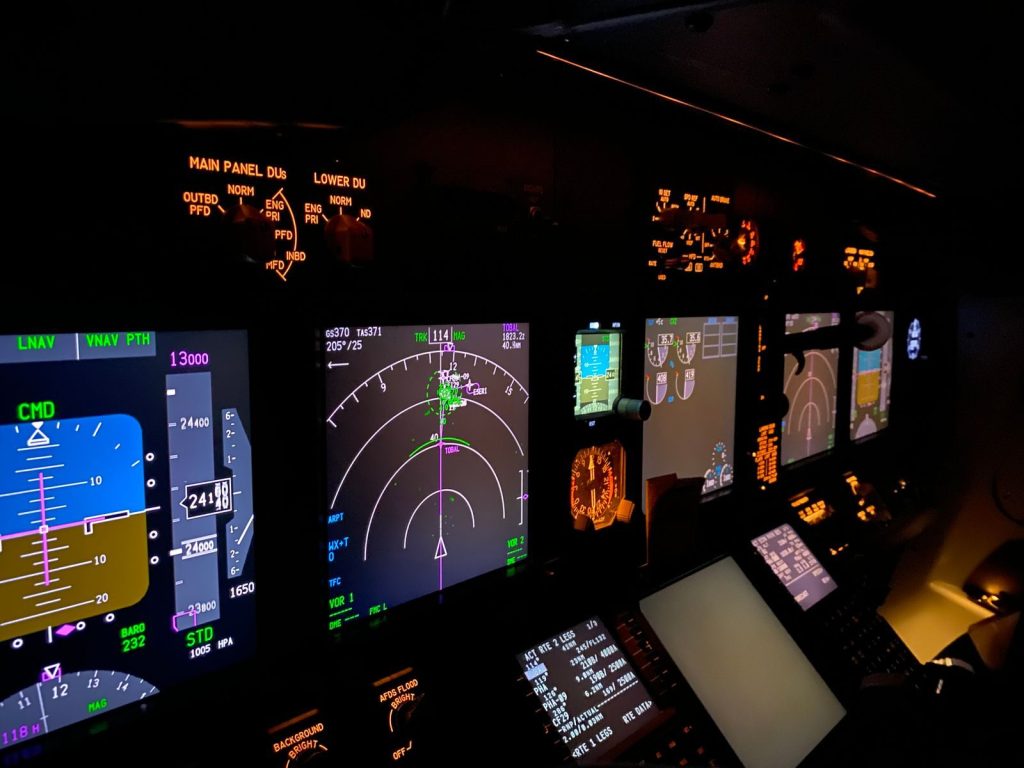
    A focused view of an aircraft cockpit control panel with various illuminated screens.
    Photo by Anastasios Nastoulis on Pexels
    The most compelling cases do not rely on simple eyewitness accounts from ground observers. According to declassified military logs, anomalous objects have been tracked by fighter jets, radar stations, and satellite sensors simultaneously. The tracking is precise. Having multiple independent instruments record the same event rules out simple computer glitches. But this advanced tracking data points to a highly complex power source.

    Defying Earth’s Gravity

    Abstract geometric shape with metallic textures and lighting.
    Photo by Logan Voss on Unsplash

    The recorded maneuvers show crafts pulling gravitational forces that would easily crush any human pilot. According to aerospace engineering reports, these objects can hover in hurricane winds and dive straight into the ocean. They are incredibly agile. This behavior suggests the use of propulsion technology that bypasses the need for wings. But this strange capability is raising serious national security concerns.

    Restricted Airspace Intrusion

    Black and white photo of a modern architectural structure in Tbilisi, Georgia.
    Photo by Plastic Lines on Pexels

    These mysterious crafts frequently operate near sensitive military training areas and nuclear power facilities. According to naval aviator testimonies, these close encounters are happening on a regular weekly basis. The danger is real. This continuous intrusion poses an immediate flight hazard to military operations. But explaining the true origin of these objects is dividing researchers.

    Sifting True Anomalies

    The control panel of a space station with notes on it
    Photo by Patrick Konior on Unsplash

    Most recorded sightings can eventually be explained as commercial drones or atmospheric reflections. According to scientific studies, only a small percentage of cases remain completely unresolved after thorough investigation. They are highly mysterious. These select cases are what force scientists to keep an open mind. But a new international research coalition is forming to study them.

    Global Scientific Push

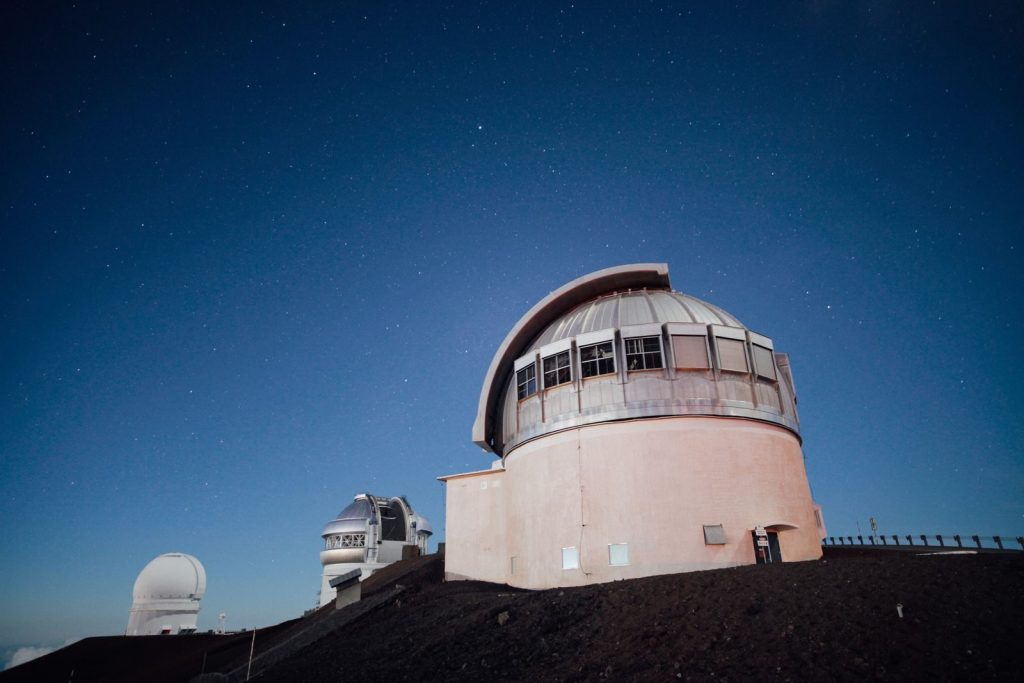
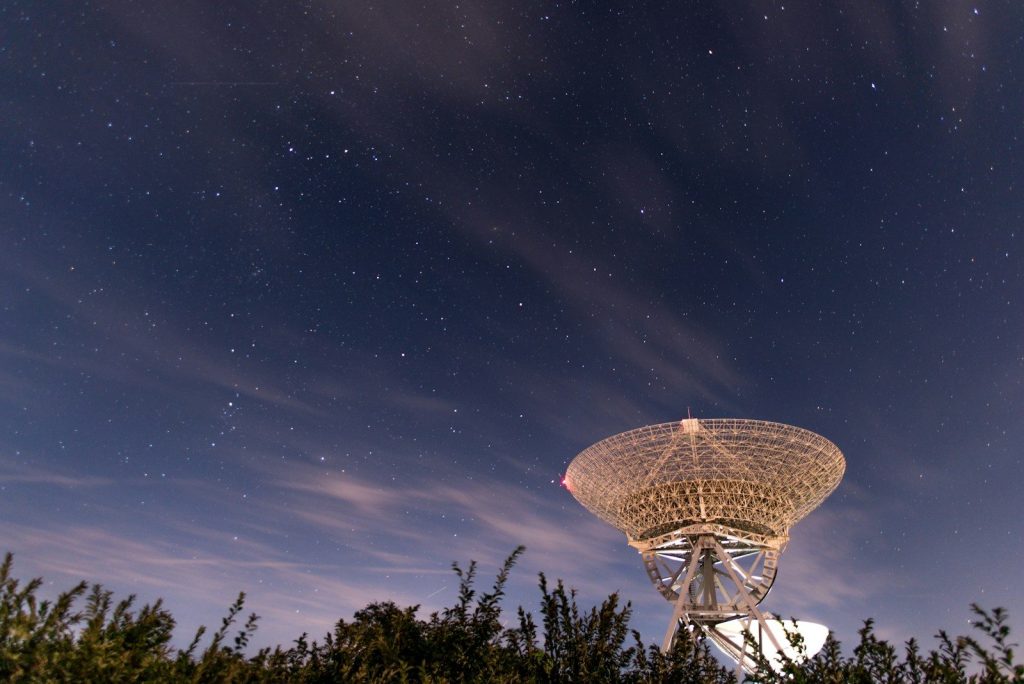
    A stunning observatory under a clear, starry night sky, perfect for astronomy enthusiasts.
    Photo by K on Pexels
    Aviation specialists are calling for the deployment of specialized camera tracking networks across the globe. According to research group statements, collecting clean physical data is the only way to solve the mystery. They are highly determined. This public effort aims to bypass military classification and share findings directly with global universities. But the ultimate truth behind these sky anomalies remains a profound puzzle.

    Science Over Secrets

    Sunset view through historic columns in Berlin, featuring the TV Tower.
    Photo by Naro K on Pexels
    Studying unexplained aerial events allows us to expand our understanding of physics and atmospheric science. According to researchers, dismissing these anomalous sights only holds back human progress. We must keep learning. This article is for informational purposes only.

    Featured Image: Photo by Ray Strassburger on Pexels
  • The Surprising New Signs Of Microbial Life On The Moon

    The Surprising New Signs Of Microbial Life On The Moon

    Most space lovers assume that the moon is a completely sterile and dead world. We believe that its harsh radiation and freezing vacuum destroy any biological possibilities.

    But a series of unexpected planetary discoveries suggests a different cosmic reality. Advanced scientific data points to microscopic life surviving in deep lunar shadows.

    Ice In The Shadows

    brown sand with water during daytime
    Photo by Francesco Ungaro on Unsplash

    Deep inside polar craters that never receive sunlight lie vast deposits of ancient water ice. According to reports from NASA, these frozen reserves could contain highly resilient biological compounds. They are completely frozen. This absolute dark zone blocks lethal solar radiation and preserves whatever gets trapped inside. But the origins of this lunar water might go much deeper than we realized.

    Cosmic Seed Delivery

    an artist's rendering of an exoplaned planet
    Photo by Andrej Sachov on Unsplash

    Comets crashing into the lunar surface over billions of years have deposited complex organic molecules. According to planetary geologists, these icy space rocks act as natural delivery vehicles for the building blocks of life. The impact is violent. Yet the frozen deep craters preserve these carbon mixtures perfectly over vast epochs. But some researchers believe these space seeds could actually be awake.

    Surviving Extreme Limits

    person in white long sleeve shirt holding blue ceramic plate with brown soup
    Photo by Adrian Lange on Unsplash

    Certain microscopic organisms on Earth can survive inside the most hostile environments imaginable. According to microbiological studies, extreme bacteria known as extremophiles can endure the intense vacuum of outer space. They are incredibly tough. These tiny creatures go into a deep sleep state until conditions improve. But proving this cellular survival on the moon requires searching in highly specific locations.

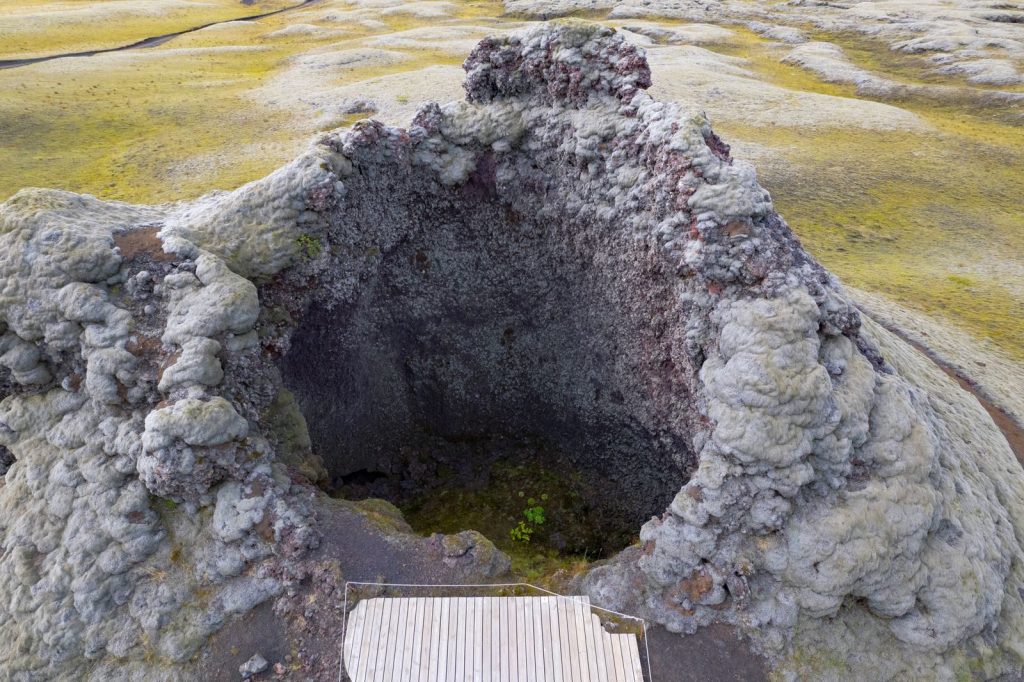
    Hidden Underground Tubes

    A moss-covered spatter cone in Skaftárhreppur, Iceland's volcanic landscape.
    Photo by Gylfi Gylfason on Pexels
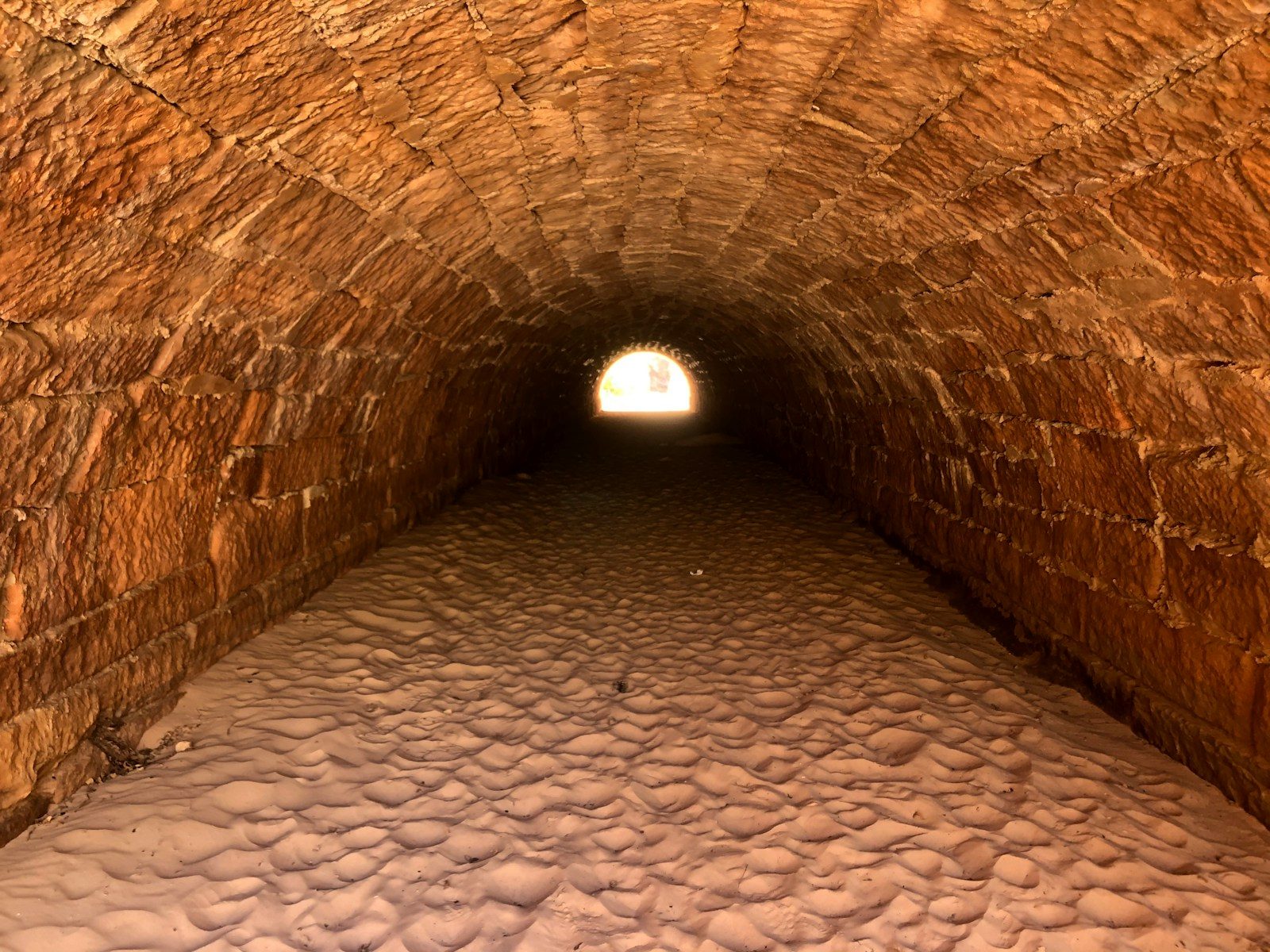
    Ancient volcanic activity on the moon left behind a massive network of empty lava tubes. According to space agency models, these underground caves offer perfect shelter from extreme surface temperatures. They are highly protective. Inside these stone tunnels, the environment remains remarkably stable compared to the dusty plains above. But this underground shield might be hiding an active heat source.

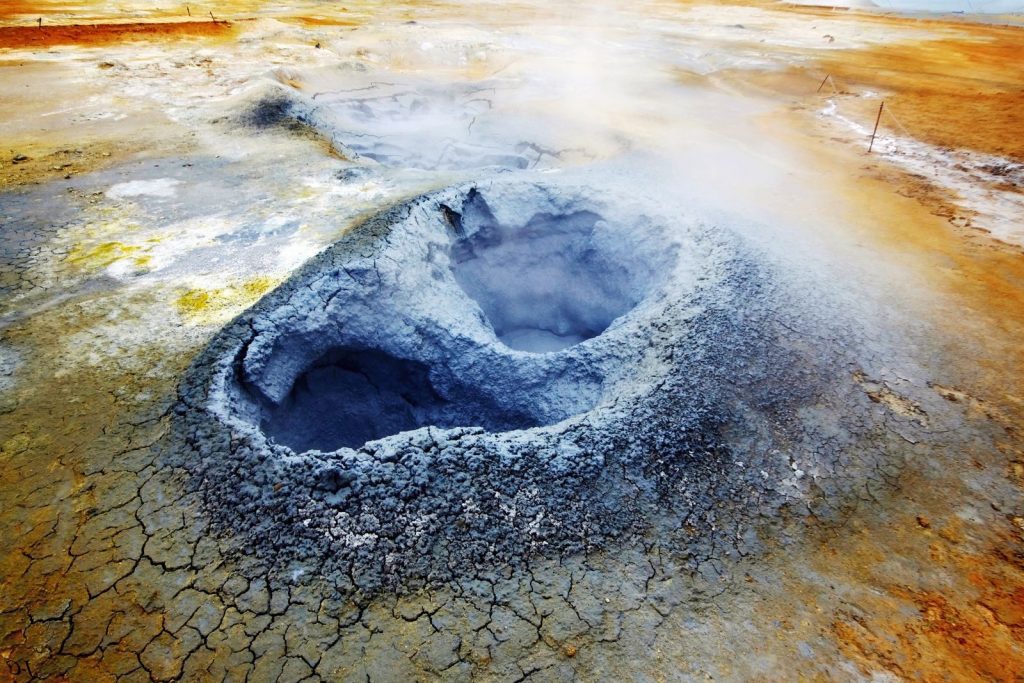
    Warm Lunar Pockets

    A captivating geothermal landscape featuring a steaming hot spring with vibrant colors and geological formations.
    Photo by Mélanie Mélasse on Pexels
    Recent thermal measurements suggest that some underground cavities might retain subtle amounts of internal heat. According to geophysical data, weak geothermal energy could prevent water from freezing solid in these deep spaces. The warmth is faint. This mild environment could theoretically support the survival of basic microbial colonies in the dark. But capturing real evidence of this life remains a massive struggle.

    Robotic Drilling Missions

    an image of a space station on the moon
    Photo by Jack Dong on Unsplash

    Space agencies are currently designing advanced rovers to drill deep into the polar ice caps. According to mission planners, these robotic explorers will collect clean subsurface samples to scan for organic markers. The race is on. Discovering even fossilized signs of ancient cells would change our entire understanding of biology. But this cosmic search is also raising some serious ethical concerns.
    Protecting Outer Space

    Individual in protective gear disinfecting workplace with spray bottle
    Photo by Matilda Wormwood on Pexels

    Human explorers risk accidentally carrying Earth bacteria to the moon and contaminating pristine alien ecosystems. According to space preservation guidelines, keeping robotic probes perfectly sterile is absolutely vital for accurate science. The danger is real. A single stray microbe could ruin decades of planetary research. But the final answer to this lunar mystery is closer than you think.

    A New Frontier

    a full moon in the dark sky with stars
    Photo by danilo.alvesd on Unsplash

    The search for life on the moon is redefining our place in the solar system. According to astrobiologists, finding microorganisms on our closest neighbor proves that biology is a universal force. Nature holds many surprises. This article is for informational purposes only.

    Featured Image: Photo by Sheken Astro on Pexels

  • The Mysterious Moon Discovery Baffling Space Researchers

    The Mysterious Moon Discovery Baffling Space Researchers

    Most space lovers believe that the moon is a completely dry and thoroughly mapped desert. We assume that decades of satellite scans have revealed every secret on the lunar surface.

    But a robotic lunar rover has discovered a highly unexpected substance. Its bizarre physical properties have triggered intense debates among global astronomy teams.

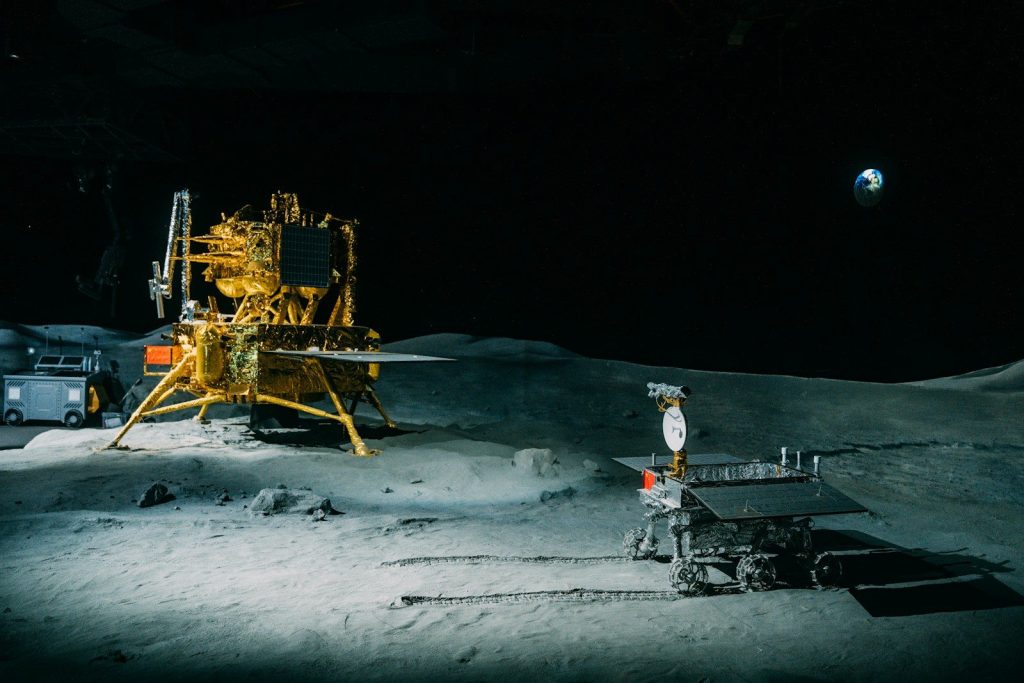
    The Lunar Lander Mystery

    a person driving a tractor
    Photo by Aung Myin Thu on Unsplash

    A robotic explorer operating on the far side of the moon made the discovery during a routine soil survey. According to logs from the China National Space Administration, the rover detected an unusual substance inside a fresh impact crater. The team froze. The material looked highly reflective compared to the dry lunar dust. But identifying the composition of this mystery substance required closer analysis.

    Analyzing The Strange Gel

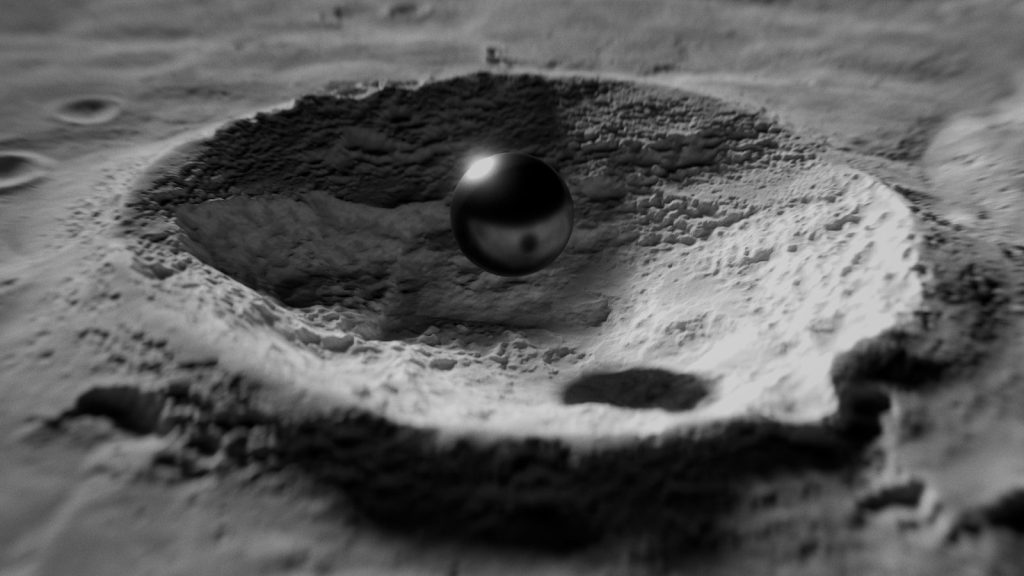
    A metallic sphere rests in a lunar crater.
    Photo by Christian Boragine on Unsplash

    The lunar rover used specialized spectral sensors to analyze how light bounced off the mysterious substance. According to space agency researchers, the reading indicated a unique blend of silicate materials and rare compounds. It was glass. This glassy mixture did not match standard lunar rocks found in other regions. But scientists still needed to explain how this material formed in the absolute vacuum of space.

    The Cosmic Impact Theory

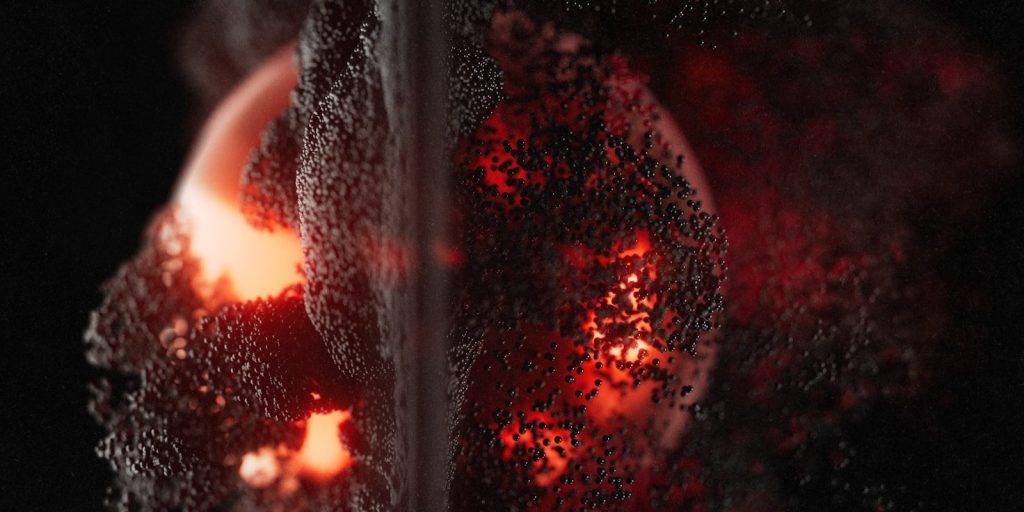
    Glowing red orbs with dark textured surfaces.
    Photo by Max Petrunin on Unsplash

    Astronomers believe the glassy gel was created during a violent asteroid strike millions of years ago. According to planetary geologists, the extreme heat of an impact can instantly melt the sandy lunar soil into dark glass. The ground melted. This sudden thermal burst creates unique volcanic compounds that are rarely seen on Earth. But some researchers suggest an alternative volcanic origin for the substance.

    Trapped Volcanic Glass

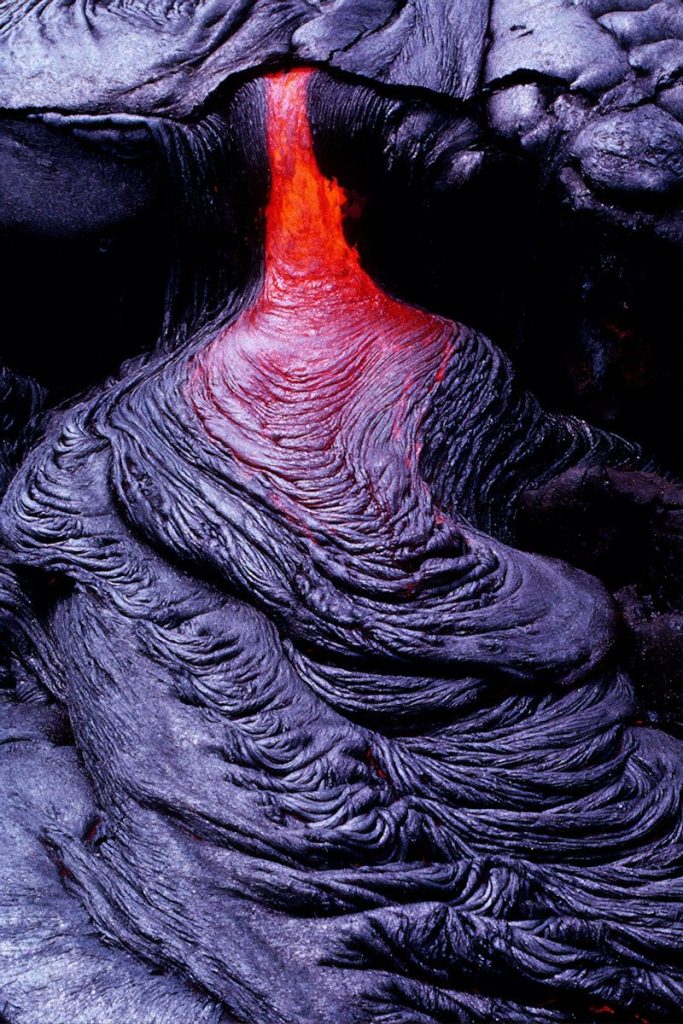
    black and red abstract painting
    Photo by USGS on Unsplash

    Some planetary scientists argue that the strange material could have erupted from deep within the moon. According to lunar research papers, ancient volcanic activity once shaped the early lunar landscape. The core burned. This geothermal energy could have pushed pockets of molten glass to the surface long ago. But proving this volcanic theory requires studying how the material is distributed.

    Extreme Lunar Survival

    Aerial view of expansive solar panel array in a desert landscape generating renewable energy.
    Photo by Kindel Media on Pexels

    The harsh environment of the moon can alter the chemical properties of surface materials over time. According to solar physicists, constant exposure to cosmic radiation and solar winds can darken the color of exposed glass. The soil shifts. This space weathering makes identifying the origin of lunar materials incredibly difficult for computer models. But another major space agency is preparing to investigate the anomaly.

    Shifting Space Missions

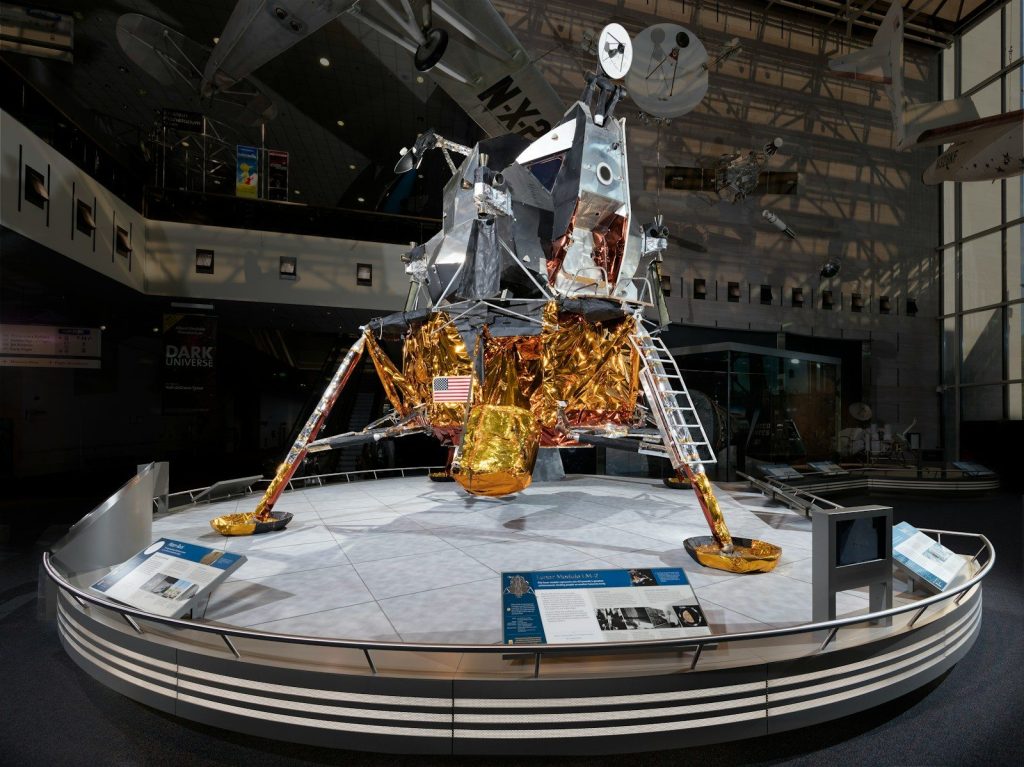
    Lunar module on display in a museum
    Photo by Smithsonian on Unsplash

    International space groups are now designing robotic probes specifically to collect samples of this glassy substance. According to NASA reports, future missions will attempt to bring lunar soil back to Earth for deep laboratory testing. The race is on. Studying these samples directly will reveal the history of cosmic impacts in our solar system. But the secrets of the moon remain highly guarded.

    Unlocking Lunar Secrets

    Earth and mars with orbital rings in space
    Photo by Michael Mwangi on Unsplash

    This unexpected discovery proves that our closest cosmic neighbor still holds profound scientific mysteries. According to astrophysicists, every moon mission reveals new details about how planets and satellites evolved. We are still learning. This article is for informational purposes only.

    Featured Image: Photo by NASA Hubble Space Telescope on Unsplash

  • The Accidental Human-Made Shield Now Protecting Our Planet

    The Accidental Human-Made Shield Now Protecting Our Planet

    Most environmentalists assume that human technology always destroys the delicate balance of nature. We believe our industrial activities only damage the atmosphere and poison the wild oceans.

    But scientists have discovered an accidental human creation that actually shields our entire planet. This artificial barrier in space is actively blocking dangerous cosmic radiation from hitting the surface.

    The Invisible Space Bubble

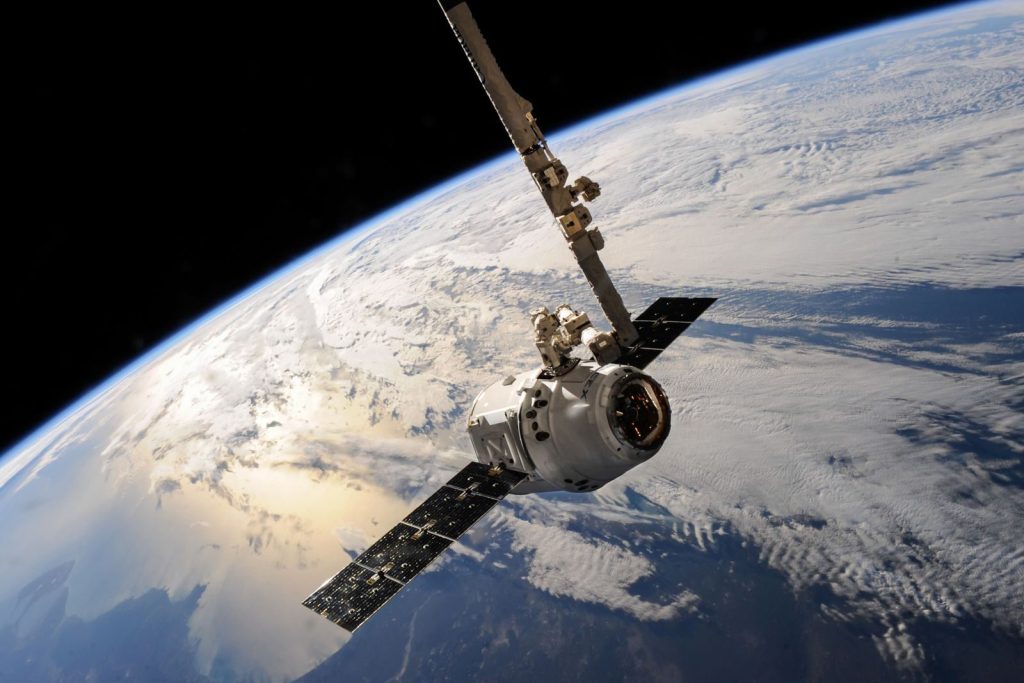
    A satellite glides over Earth showcasing dramatic cloud formations and the vast expanse of space.
    Photo by SpaceX on Pexels

    Space probes monitoring the upper atmosphere detected a massive and unexplained energy bubble surrounding the globe. According to reports from NASA, this artificial shield sits just above the natural magnetic field of the Earth. It is completely invisible. This energy pocket acts like a giant protective wall against solar winds. But identifying the source of this bizarre bubble would take researchers by surprise.

    Whispering To Nuclear Submarines

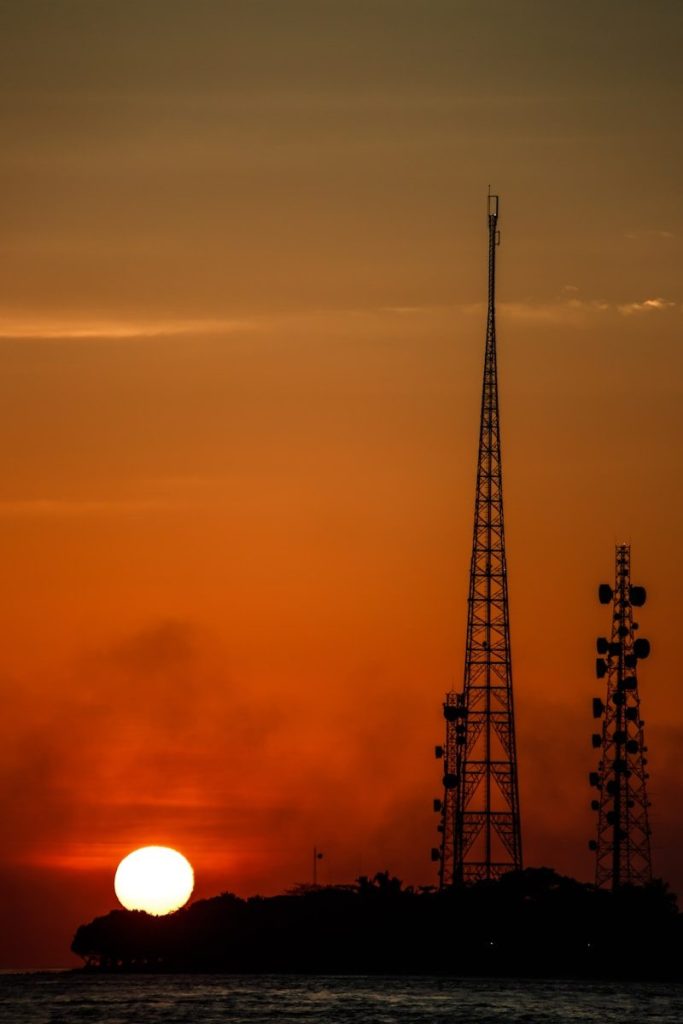
    silhouette of tower during sunset
    Photo by Soekarno Omar on Unsplash

    The giant shield is actually powered by powerful radio transmitters used to communicate with deep ocean vessels. According to telecommunications research, military agencies use very low frequency radio waves to send secure messages through solid water. These waves are powerful. The massive radio signals leak upward into space and interact with the surrounding atmospheric particles. But nobody expected these signals to gather in a massive cloud.

    Trapping Energetic Electrons

    An aerial view of the ocean and land
    Photo by nemo on Unsplash

    The escaping radio waves create an artificial grid that pushes high-energy space particles away from the planet. According to atmospheric physicists, this grid successfully deflects highly toxic radiation from solar storms. The defense is passive. Without this accidental human shield, these extreme space particles would regularly disable communication satellites and disrupt power grids. But this barrier is also shaping our natural environment.

    Pushing Back Space Storms

    an artist's rendering of a solar system with eight planets
    Photo by NASA Hubble Space Telescope on Unsplash

    Heavy solar winds from deep space frequently threaten to strip away the fragile protective layer of our atmosphere. According to space weather monitoring stations, the artificial low-frequency barrier has actively pushed the inner edge of the radiation belt further out. This was incredible. The human-made grid is actively working alongside the natural magnetic field to double our defenses. But the size of this bubble is constantly shifting.

    Tracking Signal Leakage

    text
    Photo by Adam Kring on Unsplash

    The protective bubble expands and contracts depending on our daily global communication habits. According to communication grid data, the barrier grows significantly stronger during business hours when military and commercial radio stations operate at maximum capacity. The shield breathes. During periods of low radio activity, the edge of the bubble shifts slightly closer to the upper atmosphere. But this strange phenomenon is inspiring space engineers.

    Engineering Outer Space Shields

    the inside of a space station with a large screen
    Photo by Hermeus on Unsplash

    Scientists are now studying how to actively manipulate this radio bubble to protect astronauts during long space journeys. According to materials science reports, spacecraft could use onboard low-frequency transmitters to generate localized protective fields. They are highly ambitious. This technology could safeguard human explorers traveling to Mars from lethal cosmic rays. But we must still understand the long-term effects of this global leak.

    Restoring Celestial Balance

    A mesmerizing view of Earth as seen from a space station with solar panels and satellite modules.
    Photo by SpaceX on Pexels

    This accidental protective wall proves that human technology can alter the space environment in highly surprising ways. According to space researchers, balancing our technological footprint with natural magnetic forces remains vital for planetary safety. Curiosity is key. This article is for informational purposes only.

    Featured Image: Photo by Mara F on Unsplash

  • The Impossible Deep Space Star System Baffling Astronomers

    The Impossible Deep Space Star System Baffling Astronomers

    Most space enthusiasts assume that advanced alien civilizations are purely science fiction. We believe that human intelligence represents the only active technology in our local galaxy.

    But a team of astronomers has detected a series of bizarre energy signatures in deep space. These strange readings suggest that a massive cosmic structure is orbiting a distant star.

    The Dyson Sphere Hypothesis

    Artistic depiction of the solar system with planets orbiting the sun in space.
    Photo by Zelch Csaba on Pexels

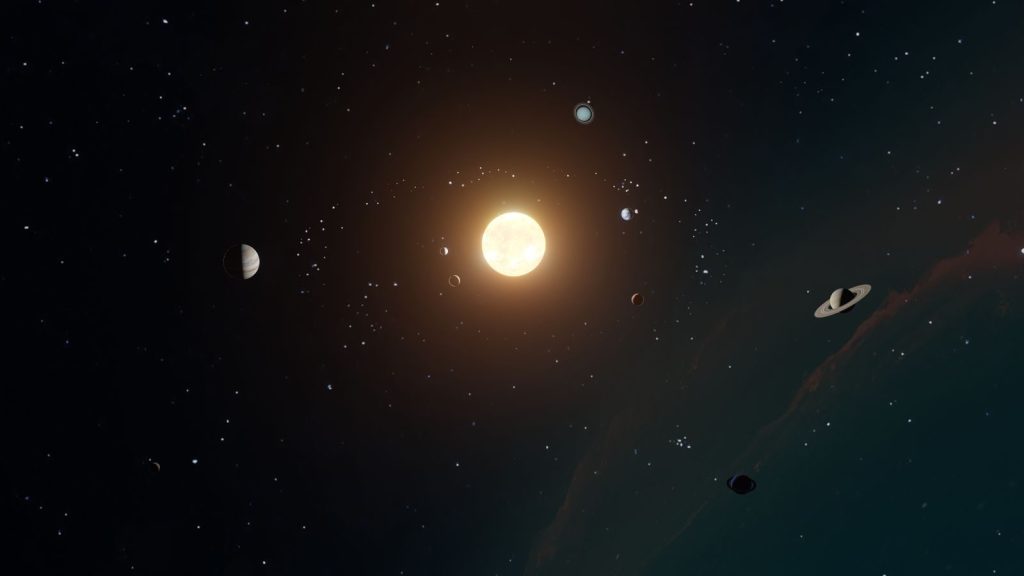
    Physicists have long speculated about how advanced space species would power their interstellar worlds. According to theoretical designs proposed by Freeman Dyson, an elite civilization would build a massive ring of solar panels around their star. This concept is revolutionary. Such a colossal structure would capture all energy output and release a specific thermal signature. But detecting one seemed completely impossible with our current technology.

    Tracking Infrared Excess

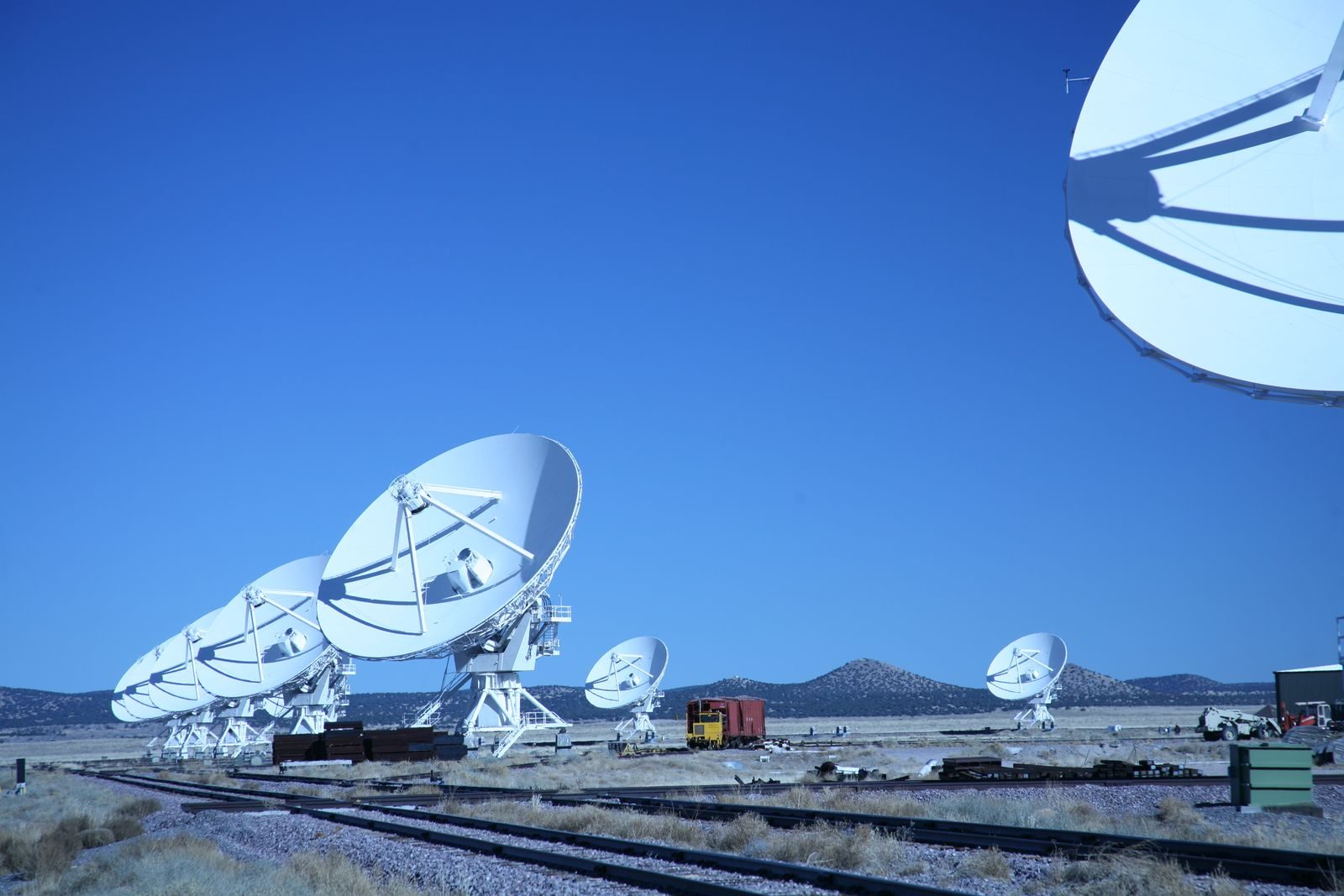
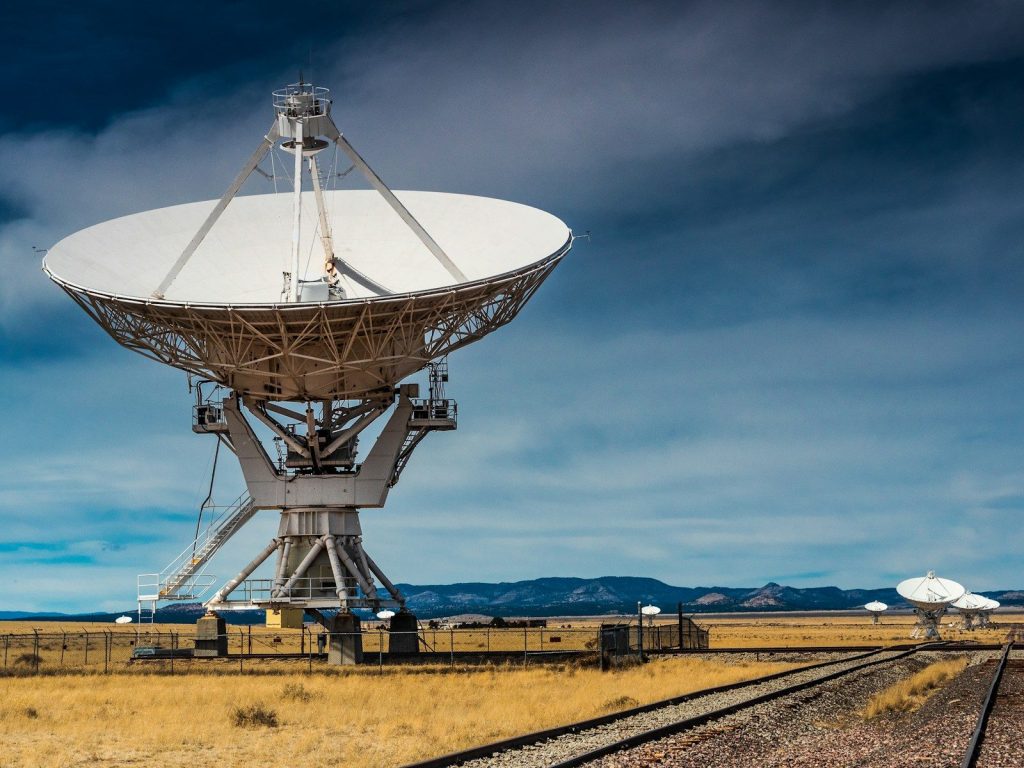
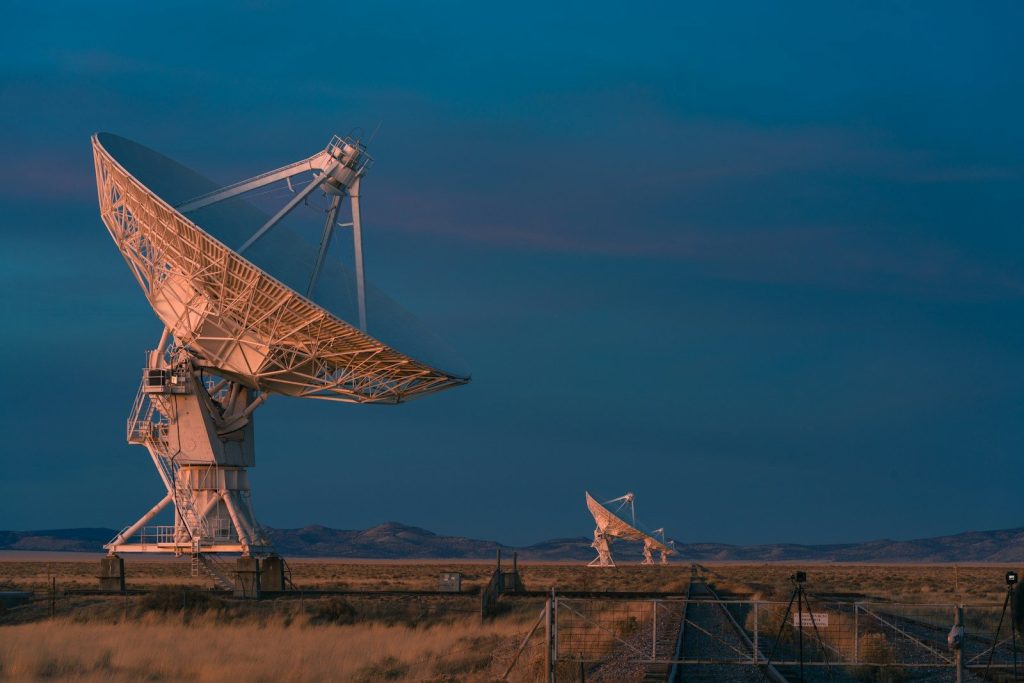
    Array of radio telescopes at the Very Large Array in New Mexico under a clear blue sky.
    Photo by braincontour on Pexels

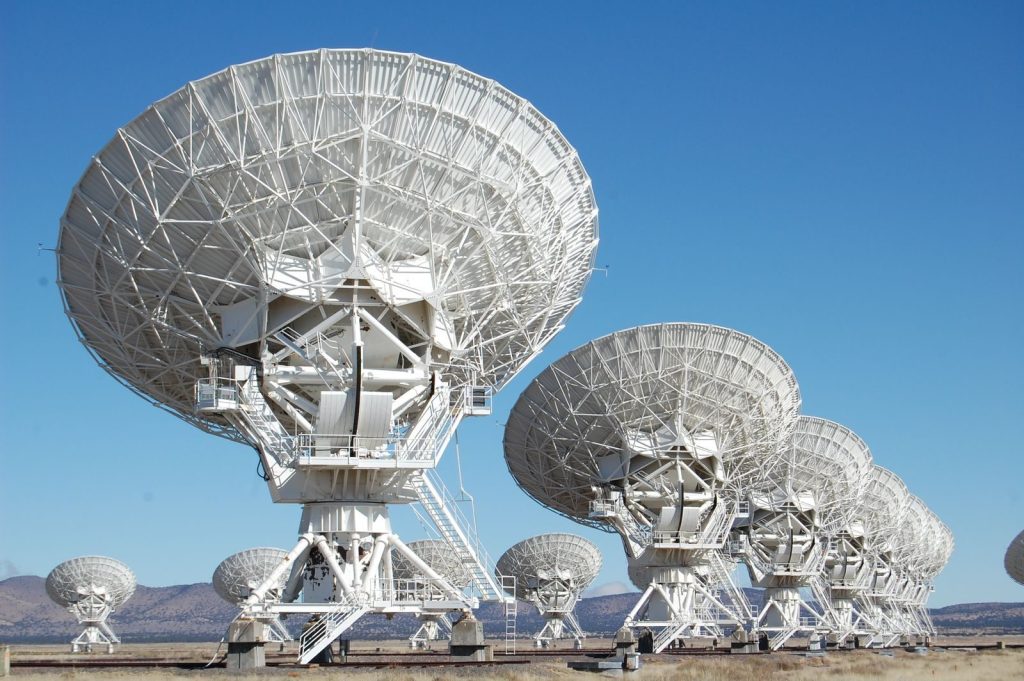
    Search teams began looking for stars that release unusually high levels of heat compared to their visible light. According to a study published in Monthly Notices of the Royal Astronomical Society, researchers used space telescopes to analyze millions of stars. The search was grueling. They were looking for an unexpected thermal glow that indicates a solid structure absorbing starlight. But one specific coordinate immediately caught their attention.

    The Bizarre Starlight Dips

    turned on flat screen monitor
    Photo by Chris Liverani on Unsplash

    A massive star located thousands of light-years away was behaving in a highly erratic manner. According to telescope data from NASA, the starlight dips by up to twenty-two percent at random intervals. It was shocking. No natural planet could block that much light during a standard orbit. But identifying what was actually passing in front of the star became a massive cosmic puzzle.

    Rejecting Natural Explanations

    an artist's rendering of a group of small objects in space
    Photo by NASA Hubble Space Telescope on Unsplash

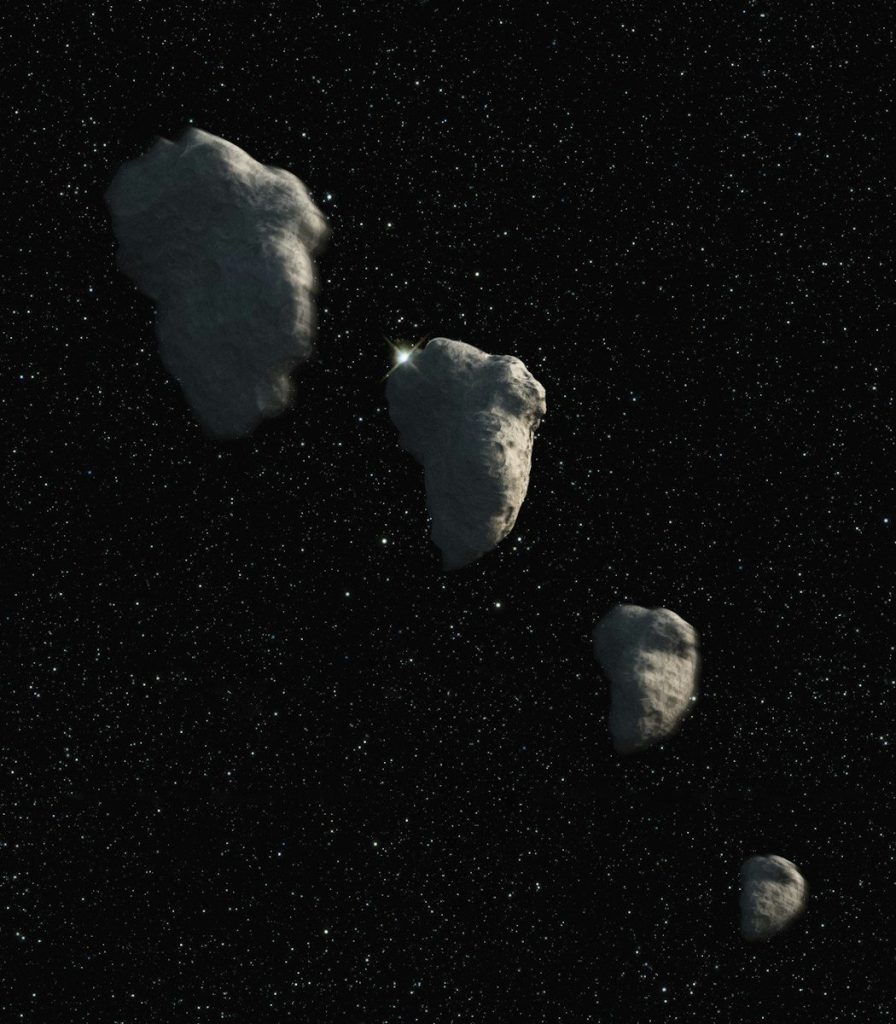
    Astronomers rushed to rule out common space phenomena like giant dust clouds or comet swarms. According to research from the Kepler Science Office, these natural objects do not match the highly organized structure of the starlight blockages. The math was wrong. The data pointed to an object with rigid geometric edges orbiting the stellar core. But this bizarre pattern was only the beginning of the mystery.

    Giant Solar Megastructures

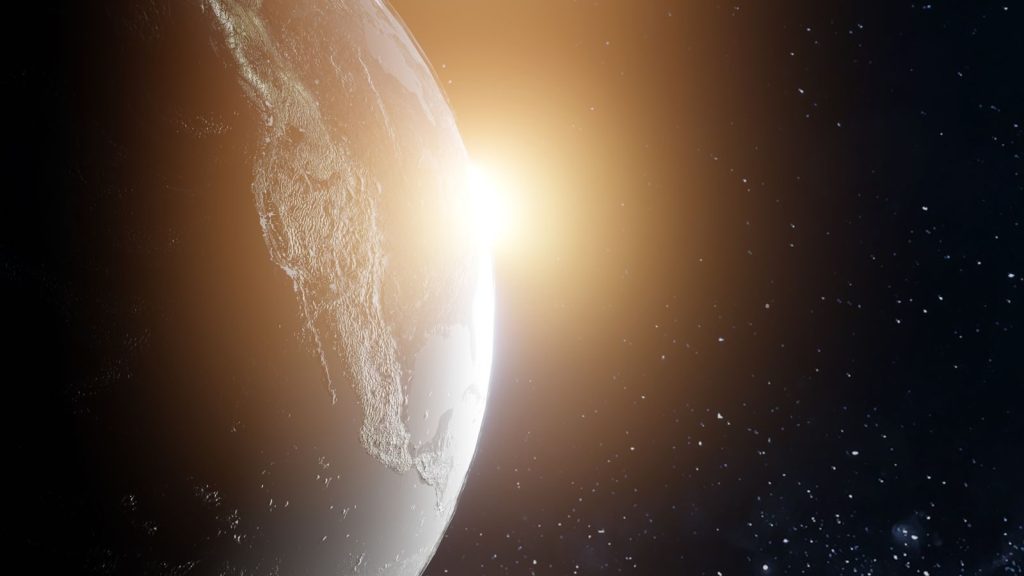
    A breathtaking view of Earth with the sun rising, illuminating the planet in space.
    Photo by Zelch Csaba on Pexels

    If the blocking object is artificial, it would represent a civilization millions of years ahead of humanity. According to the Kardashev scale of cosmic development, a Type Two species can harness the total energy output of an entire star system. They are gods. Building such a mega-structure would require mining entire planets for raw materials. But the raw data from the star holds an even more surprising detail.

    Whispers In The Radio Spectrum

    gray building surrounded by trees during daytime
    Photo by tong zhou on Unsplash

    Search teams pointed powerful radio telescopes at the bizarre coordinate to listen for artificial transmissions. According to logs from the SETI Institute, researchers monitored the star system for several weeks to catch any structured electromagnetic signals. The room fell silent. While they did not detect clear language patterns, they recorded a highly unusual background hiss that requires further study. But some skeptics remain entirely unconvinced.

    Hidden Natural Forces

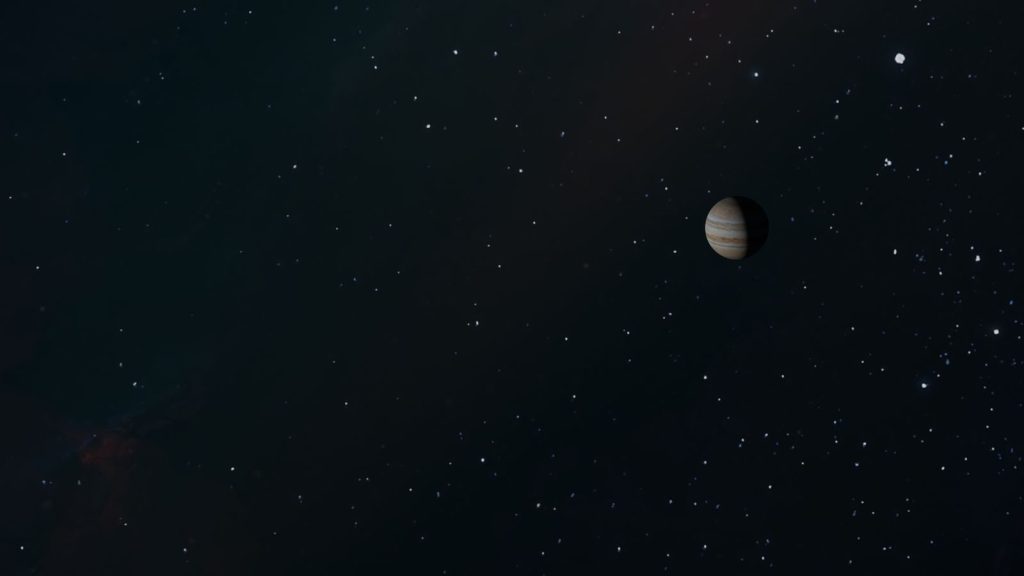
    Beautiful view of Jupiter surrounded by stars in deep outer space.
    Photo by Zelch Csaba on Pexels

    Many astrophysicists argue that we are simply observing a rare and unmapped natural event. According to planetary scientists, a young star system undergoing violent collisions could produce bizarre debris patterns. Nature is highly unpredictable. This chaotic dust could briefly mimic the shape of an engineered solar structure. But proving this natural explanation will require launching a brand new generation of space telescopes.

    Scanning Far Horizons

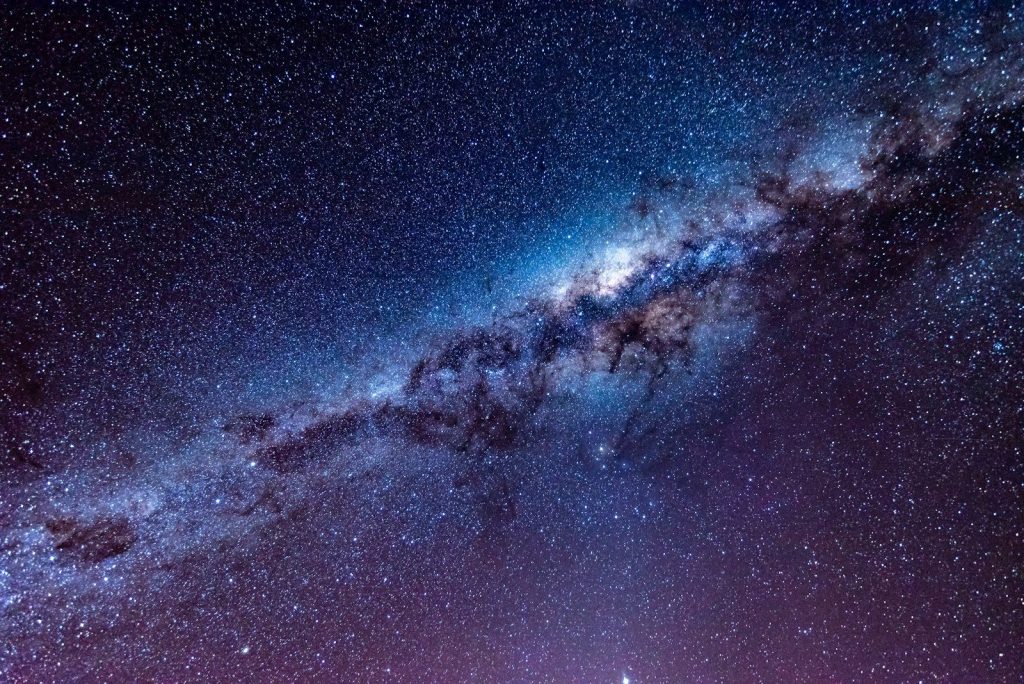
    Milky Way Galaxy wallpaper
    Photo by Graham Holtshausen on Unsplash

    The search for cosmic intelligence continues to push the boundaries of modern astrophysics and engineering. According to researchers, finding even one signature of advanced alien technology would forever change our place in the cosmos. We are still learning. This article is for informational purposes only.

    Featured Image: Photo by NASA Hubble Space Telescope on Unsplash

  • The Underground Mars Tunnels Built For Survival

    The Underground Mars Tunnels Built For Survival

    Most space enthusiasts assume that future human colonies on Mars will live inside beautiful glass domes on the surface. We believe that settlers will build their daily lives under the pink Martian sky.

    But extreme solar radiation and violent dust storms make surface living completely deadly. A radical tunnel boring project is quietly preparing a safe subterranean world for the first pioneers.

    The Toxic Surface Reality

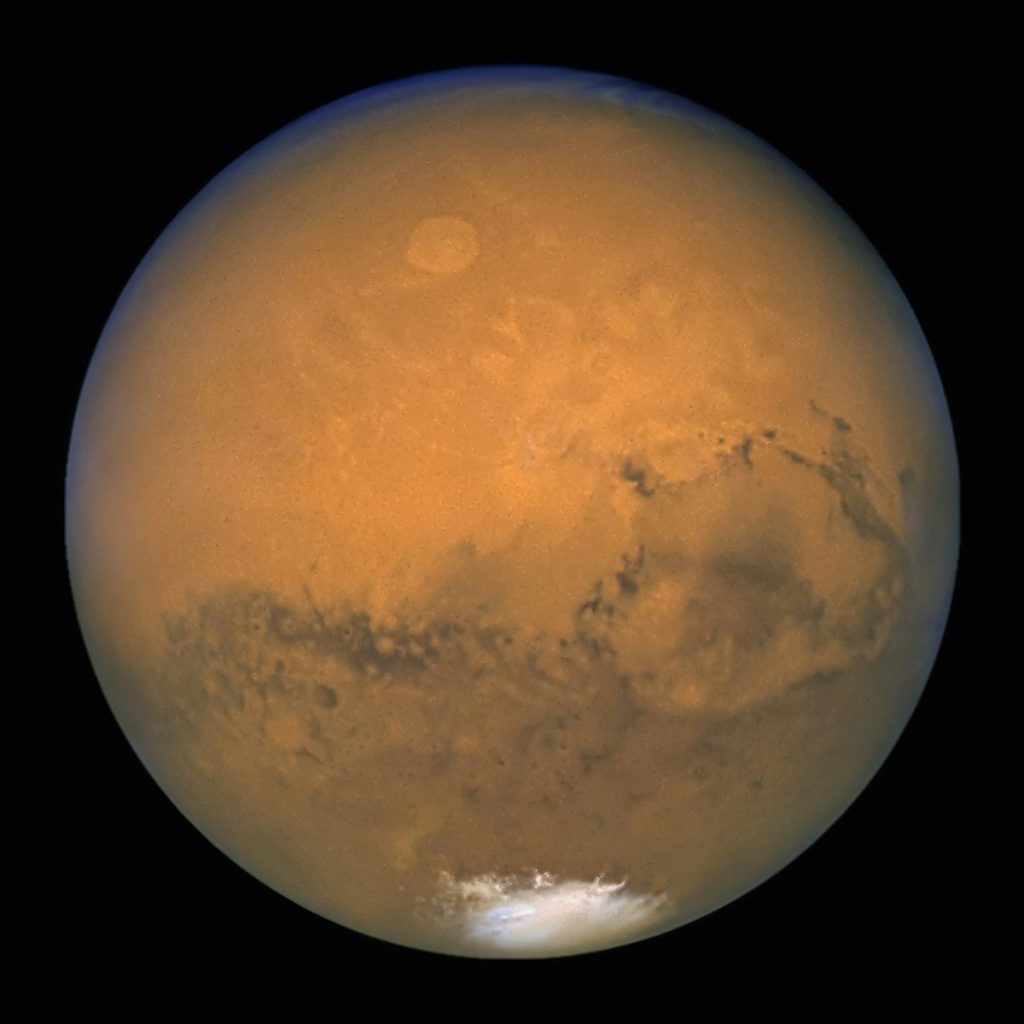
    a very large orange planet with a black background
    Photo by NASA Hubble Space Telescope on Unsplash

    The barren landscape of Mars is constantly blasted by dangerous space rays and micro-meteorites. According to planetary geologists, the lack of a thick atmosphere leaves the surface highly hostile to human biology. The threat is constant. Surviving on the red planet requires finding a thick physical shield to protect colonists. But the easiest way to build this shield is by digging deep into the rock.

    Deploying Giant Drilling Rigs

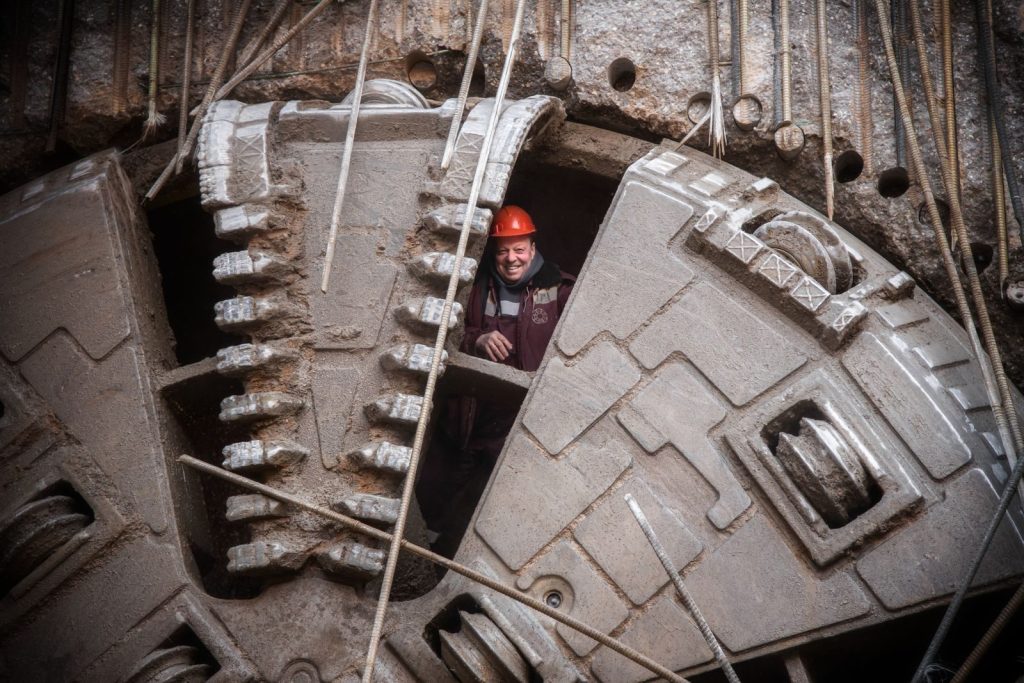
    Construction worker stands inside massive tunneling machine in Moscow, Russia, showcasing industrial capability.
    Photo by Max Mishin on Pexels

    Standard drilling machines are far too heavy and require too much power to operate on other worlds. According to reports from the Boring Company, engineers are designing lightweight electric tunnel boring machines specifically for space transport. They are highly compact. These automated rigs can carve stable underground pathways through solid volcanic basalt. But powering these subterranean diggers requires a highly stable energy setup.

    Harvesting Under Deep Cave

    brown rock formation during daytime
    Photo by Pisit Heng on Unsplash

    Digging tunnels creates a natural shield of dense stone that blocks cosmic rays completely. According to structural safety models, burying habitats under thirty feet of Martian soil offers absolute radiation protection. The defense is passive. This stone barrier ensures that astronauts can live and sleep safely without wearing heavy suits. But managing the internal air pressure requires a highly unique seal.

    Creating Hermetic Pressure Seals

    a person is painting a wall with blue paint
    Photo by jymy duhomme on Unsplash

    Lacking atmospheric pressure means that any underground cave must be sealed tightly to hold breathable air. According to aerospace engineering logs, workers will coat the carved tunnel walls with specialized liquid polymers. The seal is tight. This synthetic layer prevents essential oxygen from leaking out through microscopic rock cracks. But connecting these underground chambers requires building a smart transport network.

    High Speed Transit Tubes

    Escalator descends into a colorful, painted subway station.
    Photo by Annie Spratt on Unsplash

    Moving between separate living sectors on Mars requires fast transit that avoids the freezing surface conditions. According to lunar base planners, automated electric capsules will glide through the sealed tunnels at high speeds. The rides are silent. This underground transit loop protects passengers from sudden surface dust storms and extreme temperature shifts. But these tunnels could also unlock hidden planetary resources.

    Tapping Subsurface Water Ice

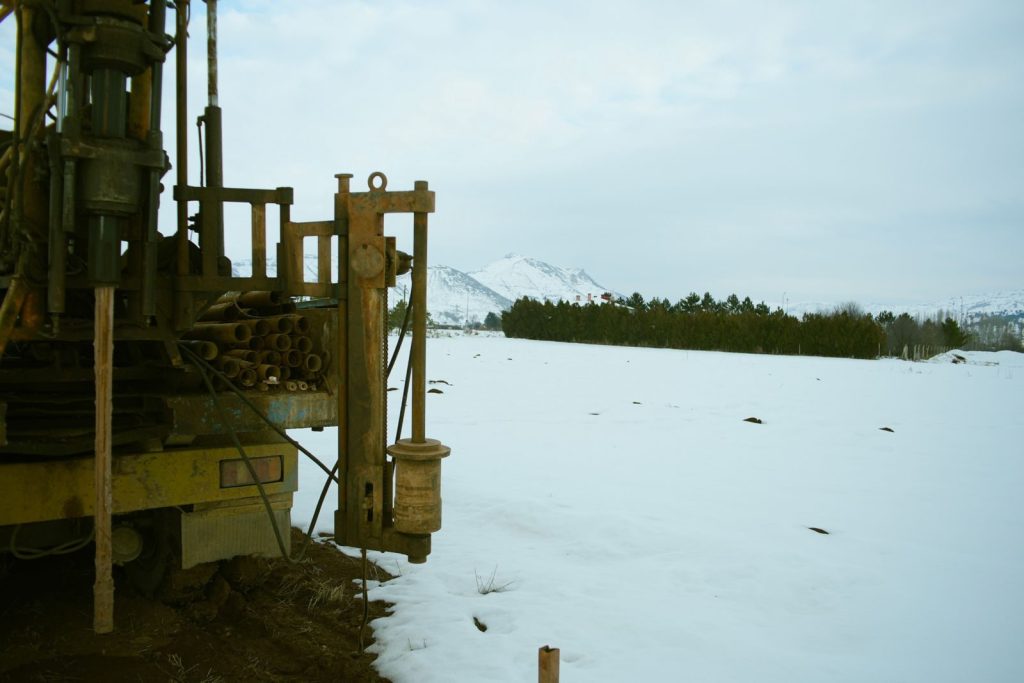
    A large industrial drill machine set against a snowy winter landscape with mountains in the background.
    Photo by Ahmed Sadeq on Pexels

    Carving deep into the Martian crust allows drilling teams to locate massive deposits of frozen water. According to geological survey reports, these underground ice layers can be melted and filtered for drinking. The resource is vital. This water can also be split chemically to generate fresh oxygen and rocket fuel. But proving this subterranean technology requires running trials on Earth first.

    Building For Subterranean Life

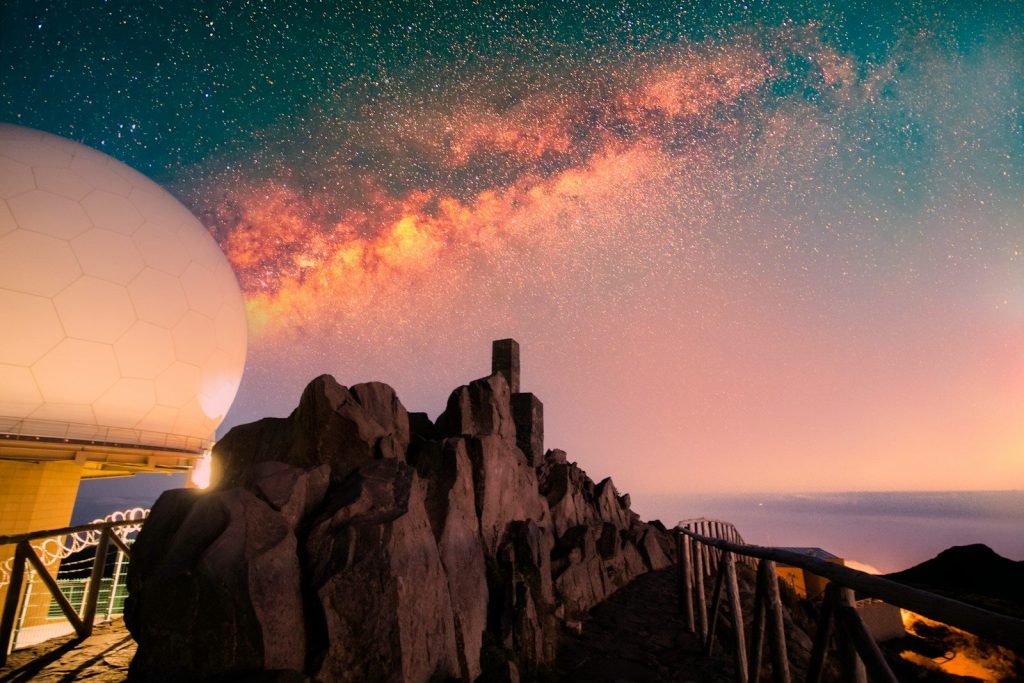
    a large white ball sitting on top of a mountain under a sky filled with stars
    Photo by Reinaldo Photography on Unsplash

    Mastering the art of tunnel digging on Earth is preparing humanity to construct stable habitats on other worlds. According to space researchers, the future of colonization will depend on our ability to live comfortably underground. Nature demands deep respect. This article is for informational purposes only.

    Featured Image: Photo by Tyler Mower on Unsplash

  • The Wild Plan To Build Cities On Mars

    The Wild Plan To Build Cities On Mars

    Most space lovers assume that landing a robotic probe on Mars is the ultimate limit of planetary exploration. We believe that sending humans to build permanent cities on red sand is impossible.

    But a spectacular space program is actively designed to establish a self-sustaining civilization on another world. This ambitious roadmap aims to send one million settlers to Mars over the coming decades.

    The Interplanetary Transport Vehicle

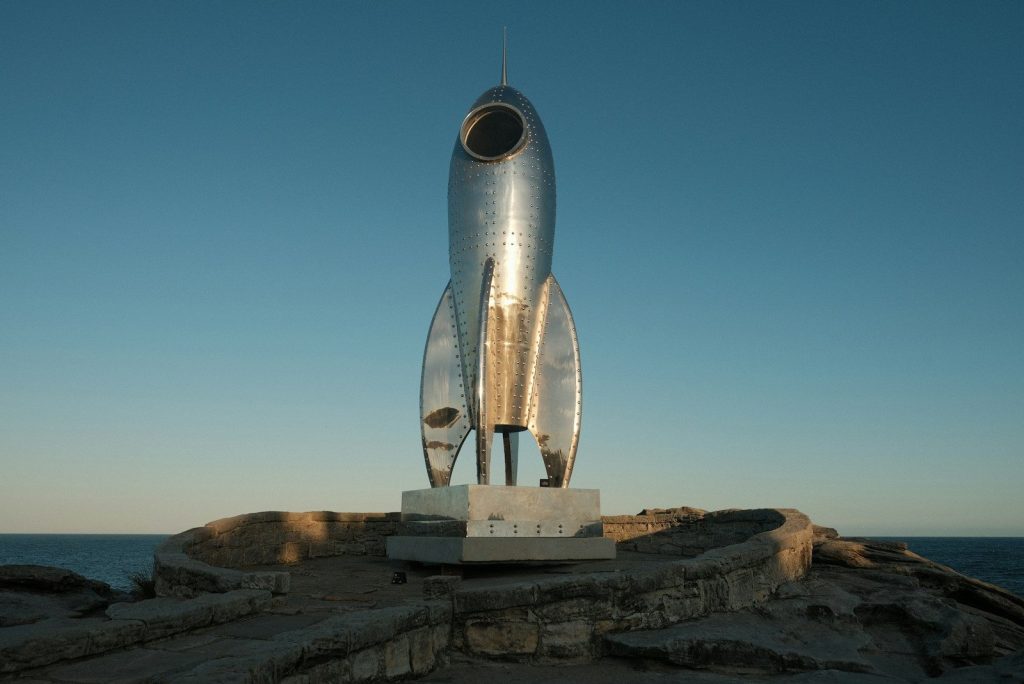
    A statue of a rocket sitting on top of a rock
    Photo by Dominic Kurniawan Suryaputra on Unsplash

    Carrying thousands of tons of cargo and passengers into orbit requires a launch system of unprecedented scale. According to statements from SpaceX, the giant reusable Starship stands nearly four hundred feet tall. It is truly massive. The polished stainless steel hull is designed to fly multiple times in a single day. But traveling across deep space requires a highly complex orbital refueling process.

    Launching The Tanker Ships

    white and brown ship on dock during daytime
    Photo by Marcus Urbenz on Unsplash

    Reaching Mars requires loading fuel into the primary spacecraft while it is still orbiting Earth. According to aerospace engineering logs, specialized tanker ships will carry extra methane and oxygen up to the ship. The connection is precise. This orbital refueling plan ensures the main spacecraft has enough energy to cross the deep void. But surviving the long voyage brings a severe biological challenge.

    Surviving Deep Void Transit

    A lone astronaut conducting a spacewalk with Earth visible in the background.
    Photo by Pixabay on Pexels

    Crews traveling to the red planet face months of intense radiation and microgravity exposure. According to space medicine studies, astronauts must exercise daily to prevent severe bone and muscle decay. The strain is real. The spacecraft must also feature heavy shield zones to protect travelers from sudden solar flares. But landing this colossal metal tower on Mars requires another physical miracle.

    The Thin Air Landing

    A fighter jet soars through a dramatic cloudy sky, highlighting its powerful maneuvers.
    Photo by Ahmad Shakir Shamsulbadri on Pexels

    The Martian atmosphere is incredibly thin and offers very little resistance to slow down heavy incoming spaceships. According to aerodynamic flight models, the vehicle must use a unique belly-flop maneuver to bleed off speed. The drop is terrifying. At the final second, the rocket engines fire vertically to settle the giant hull gently onto the rock. But establishing the base requires immediate resource collection.

    Manufacturing Fuel On Mars

    an aerial view of a large building with a clock on it
    Photo by Willian Justen de Vasconcellos on Unsplash

    Returning to Earth requires manufacturing rocket propellant directly from local planetary resources. According to chemical engineering reports, a specialized reactor will combine carbon dioxide from the air with water from melted ice. This process is genius. This local fuel factory allows the spaceships to launch back home without carrying double the fuel. But growing food in the cold, toxic soil is another hurdle.

    Farming Inside Domes

    a large white building sitting in the middle of a field
    Photo by Roger Starnes Sr on Unsplash

    Mars receives less than half the sunlight of Earth and lacks fertile soil for crops. According to agricultural geologists, early farmers will grow high-yield vegetables inside pressurized hydroponic greenhouse domes. They are highly efficient. This closed-loop farming system will recycle water and nutrients to feed the growing population safely. But organizing this massive colony requires a highly advanced communication network.

    Linking The Red Planet

    a very large satellite dish sitting on top of a train track
    Photo by Raychel Sanner on Unsplash

    A network of low-orbit satellites will provide constant high-speed communication across the entire Martian colony. According to telecommunication researchers, these orbital nodes will link research bases and automated farming fields in real time. The connection is stable. This digital network is vital for coordinating emergency operations and tracking local weather events. But the ultimate success of this plan relies on human endurance.

    Becoming A Multiplanetary Species

    aerial photo of world
    Photo by Richard Gatley on Unsplash

    Establishing a second home on Mars represents the greatest migration project in human history. According to astrobiologists, securing a presence on another world ensures the long-term survival of our collective knowledge. The future has arrived. This article is for informational purposes only.

    Featured Image: Photo by Zhou Xian on Unsplash

  • The Strange Cosmic Object Accelerating Toward Our Sun

    The Strange Cosmic Object Accelerating Toward Our Sun

    Most space enthusiasts assume that all comets behave the same way when approaching the Sun. We believe that these frozen rocks simply melt and release gas trails.

    But a bizarre interstellar traveler is completely shattering these normal expectations. Its strange acceleration and lack of a dusty tail have left astronomers deeply confused.

    Fast Tracking Through Space

    an artist's rendering of a satellite in space
    Photo by NASA Hubble Space Telescope on Unsplash

    Astronomers first detected the fast-moving visitor as it crossed the outer planetary orbits. According to NASA, the object was traveling at over eighty thousand miles per hour. This speed was highly unusual. Its trajectory did not match any local solar system bodies. But this path was about to show an even stranger shift.

    Defying Normal Solar Gravity

    Artistic depiction of the solar system with planets orbiting the sun in space.
    Photo by Zelch Csaba on Pexels

    Space rocks normally slow down as they move further away from the gravitational pull of our sun. According to the European Space Agency, this object actually accelerated as it began its exit. The movement was impossible. No visible gas vents were spraying to explain this sudden speed boost. But researchers soon noticed another baffling feature of the traveler.

    The Missing Comet Tail

    a space station with a large metal object on top of it
    Photo by NASA Hubble Space Telescope on Unsplash

    Standard comets leave a massive trail of melting ice and dust behind them. According to observations from the Hubble Space Telescope, this visitor remained completely clean during its high-speed run. The body was pristine. This lack of a tail ruled out standard outgassing theories entirely. But a prominent Harvard scientist proposed a highly controversial idea.

    The Solar Sail Concept

    black solar panel under red and gray clouds
    Photo by Karsten Würth on Unsplash

    An ultra-thin sail could use stellar light pressure to propel a vehicle through the dark void. According to research from Harvard University, the object shape and movement match the profile of an artificial sail. The theory was wild. This suggested the traveler might be an active probe from another star system. But other astronomers quickly sought a natural explanation.

    Trapped Nitrogen Gas Vents

    a large white machine with a monitor
    Photo by Mezidi Zineb on Unsplash

    Some researchers argue that invisible gas vents could push the object forward without creating dust clouds. According to planetary geologists, solid nitrogen ice can evaporate cleanly under solar heat. The gas runs silent. This natural rocket effect would bypass the need for a dusty trail. But proving this theory required analyzing the bizarre shape of the body.

    Shaped Like A Needle

    a close up of a computer chip
    Photo by Mohammad Amin on Unsplash

    The physical dimensions of the traveler did not match any asteroid we had ever seen. According to deep space tracking models, the object was extremely long and thin. It looked highly engineered. This needle shape is ideal for minimizing damage from interstellar dust during long transits. But the target destination of this visitor remains a mystery.

    Listening For Quiet Signals

    a large metal structure in a field
    Photo by Yifu Wu on Unsplash

    Scientists pointed massive radio dishes at the receding coordinates to catch any electronic broadcasts. According to the SETI Institute, researchers monitored the object for several days to detect an active hum. The silence was absolute. While no transmissions were caught, the mystery of its true nature remains unsolved. But we are already preparing for the next cosmic visitor.

    Expanding Our Cosmic Horizon

    Sunrise over a mountain range with dark silhouettes.
    Photo by Wolfgang Hasselmann on Unsplash

    This interstellar traveler proved that our universe is filled with unmapped wonders. According to astronomers, studying these fleeting cosmic visitors expands our understanding of planetary systems. We must keep watching. This article is for informational purposes only and does not constitute professional scientific advice.

    Featured Image: Photo by NASA Hubble Space Telescope on Unsplash