Category: Space & Universe

  • The Hidden Signal That Might Prove Alien Intelligence Exists

    The Hidden Signal That Might Prove Alien Intelligence Exists

    Most people assume we are searching for radio signals from distant stars to find alien life. We believe that physical alien contacts will only occur in the distant future.

    But astrophysicists have detected a highly unusual transmission coming from our galactic center. This structured pattern of energy is forcing scientists to consider that we are not alone.

    Listening To The Void

    a close up of a cell phone on a table
    Photo by Joshua Hoehne on Unsplash

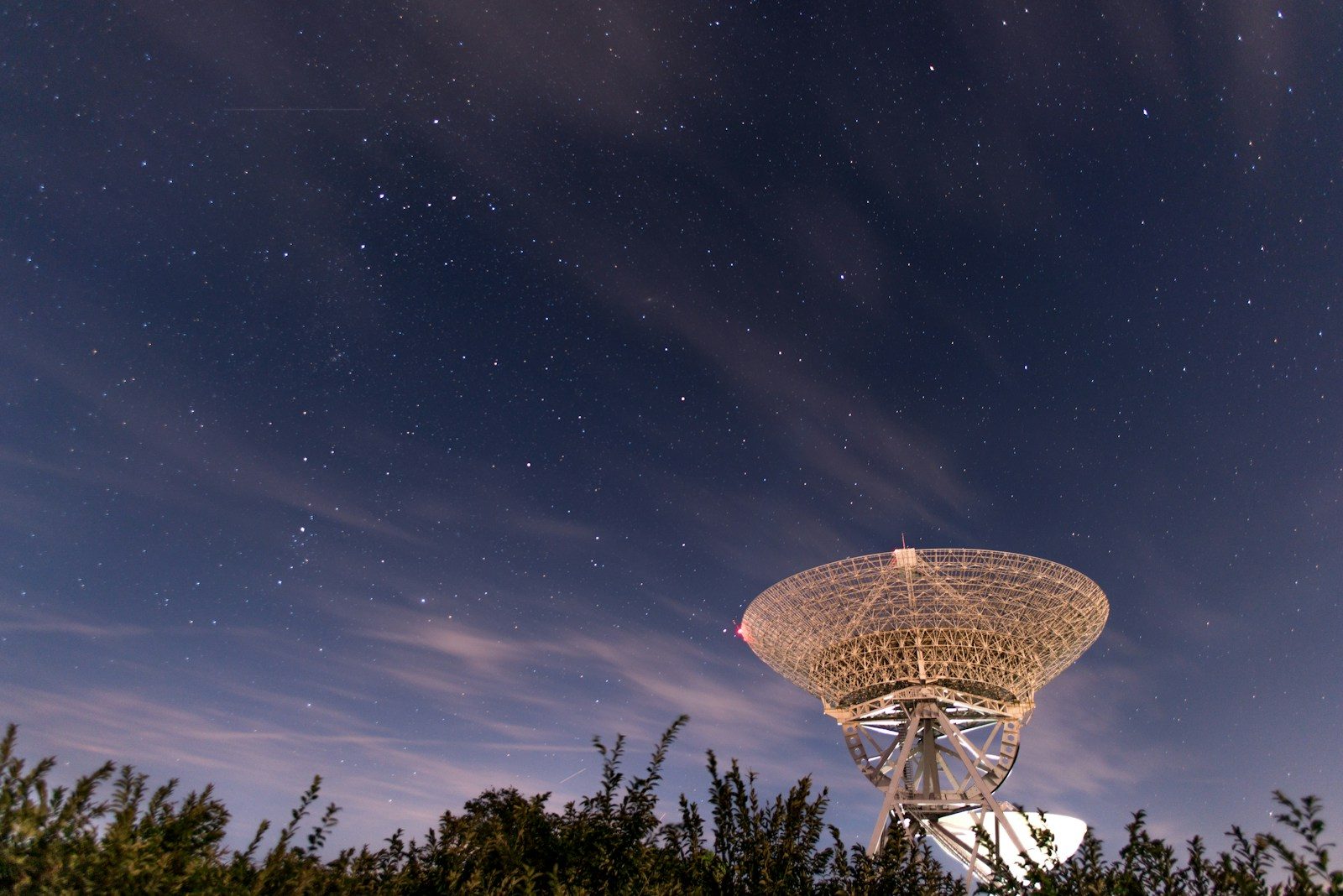
    Giant radio telescopes constantly scan the sky for any unnatural electromagnetic whispers. According to the SETI Institute, a highly unusual signal was recently recorded by deep space sensors. It was incredibly distinct. The wave had a narrow frequency that rarely occurs in natural space events. But localizing the origin of this beep proved highly difficult.

    The Beacon From Sagittarius
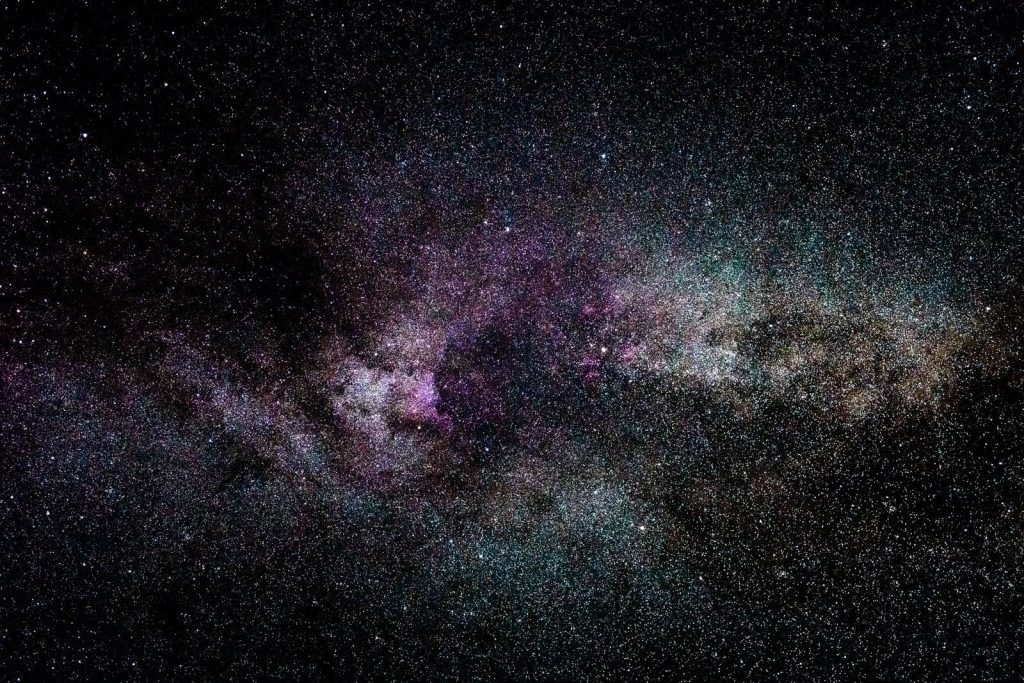
    a very large star filled sky with a lot of stars
    Photo by Luca Calderone on Unsplash

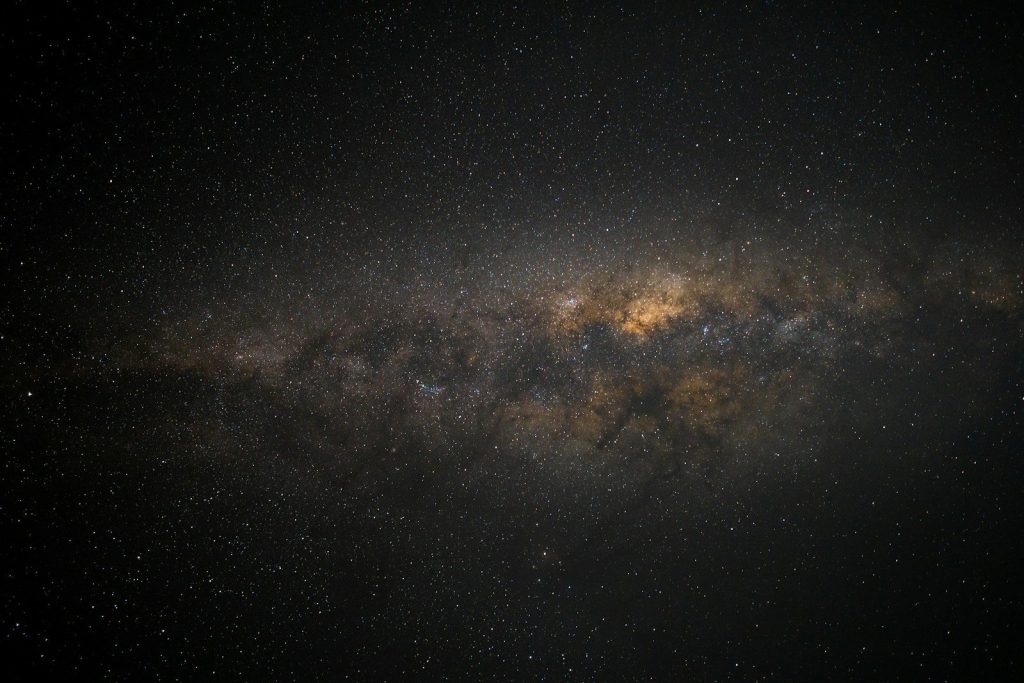
    The mysterious transmission appeared to originate from a stellar region near our galactic core. According to astronomical logs, the signal repeated in a highly structured mathematical rhythm. It was persistent. This repeating nature rules out simple cosmic static or random stellar flares. But researchers had to eliminate more common explanations first.

    Ruling Out Human Satellites
    A satellite glides over Earth showcasing dramatic cloud formations and the vast expanse of space.
    Photo by SpaceX on Pexels

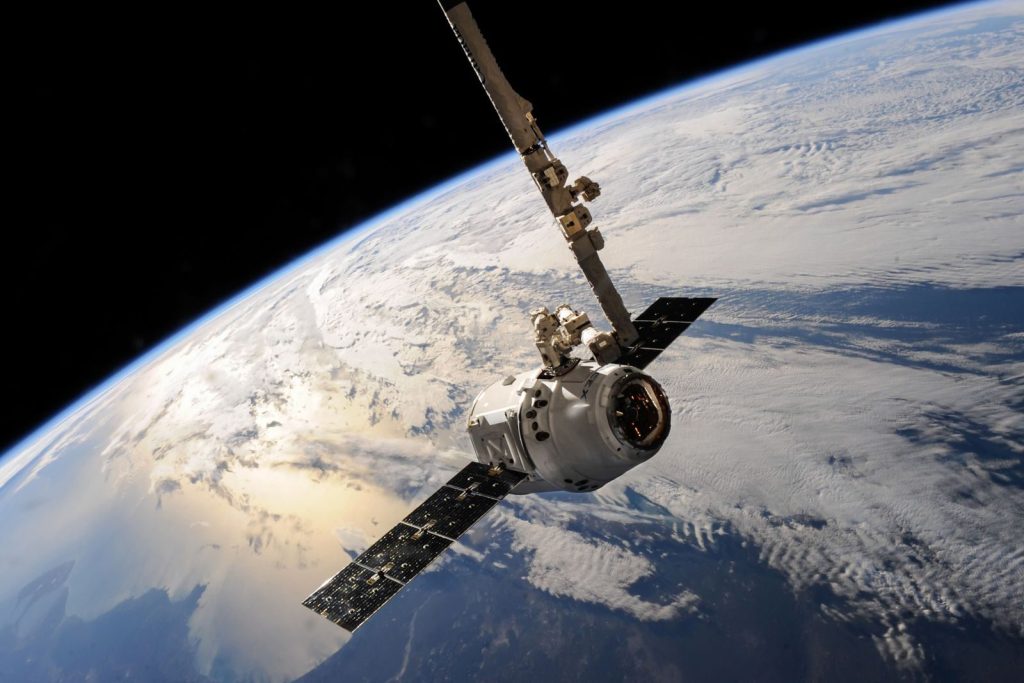
    Thousands of human-made satellites orbiting Earth constantly create noisy radio interference. According to space traffic controllers, engineers spent weeks verifying that the signal was not a local bounce. It was clean. The telemetry confirmed the transmission originated far beyond our solar system. But the power behind this message is mind-boggling.

    Pushing Incredible Cosmic Power
    Swirling colorful light rings around a glowing central pattern.
    Photo by Brecht Corbeel on Unsplash

    Sending a focused radio beam across thousands of light-years requires an immense energy source. According to physics calculations, the sender would need to harness the power of an entire star. They are highly advanced. This suggests that if the signal is artificial, it was built by a Type Two civilization. But some scientists suggest a natural culprit.

    The Spinning Star Theory
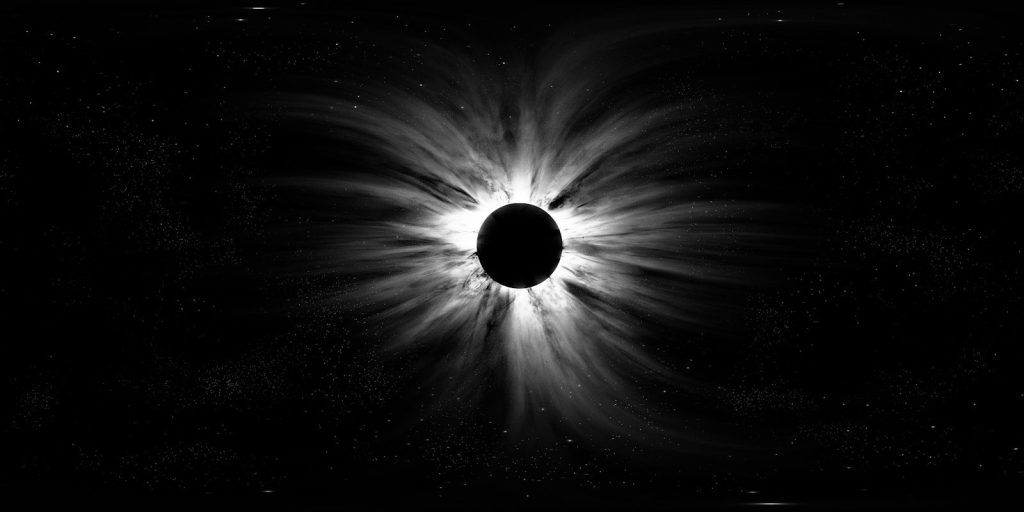
    A solar eclipse with the sun's corona visible.
    Photo by Marek Pavlík on Unsplash

    Highly dense collapsing stars called pulsars can emit regular beams of radio waves. According to astrophysical models, these cosmic magnets spin rapidly to create a steady ticking sound. They are natural clocks. However, this new signal lacks the typical wide-spectrum noise of a standard pulsar. But the true test will come from tracking the message over time.

    Waiting For The Echo
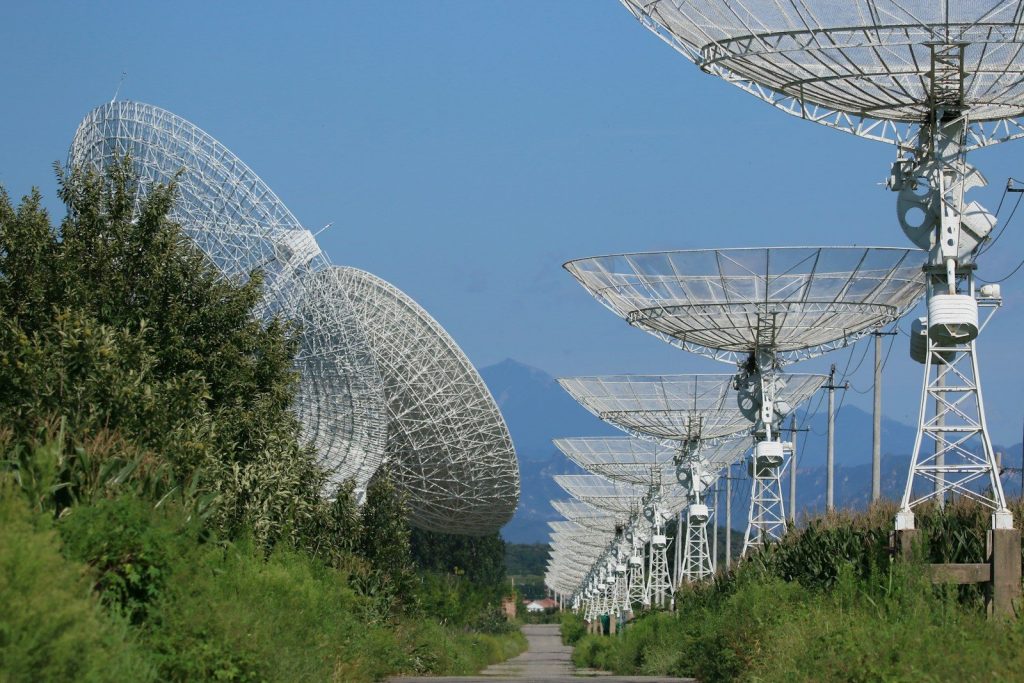
    white ferris wheel under blue sky during daytime
    Photo by Hu lei on Unsplash

    Astronomers around the globe are now pointing their dishes at the same coordinates. According to international telescope networks, continuous monitoring is vital to catch any changes in the frequency. The world is watching. If the signal carries complex data, we could be on the verge of a historic decoding. But the mystery is already changing humanity forever.

    Entering The Cosmic Community

    silhouette photography of person
    Photo by Greg Rakozy on Unsplash

    Discovering a single verified signal from the stars will permanently alter our place in the cosmos. According to science historians, proving the existence of cosmic intelligence is the ultimate milestone for our species. The silent era is ending. This article is for informational purposes only.
    Featured Image: Photo by tong zhou on Unsplash

  • Why Scientists Believe An Exoplanet Shows Signs Of Biology

    Why Scientists Believe An Exoplanet Shows Signs Of Biology

    Most space lovers assume that finding alien life requires intercepting direct radio signals. We believe that we must wait for a clear message to arrive from a nearby star system.

    But modern planetary scientists are using a much faster chemical method. Their high-tech telescopes can now scan the atmospheres of distant worlds to find signs of biology.

    Parsing The Star Light

    a planet with a star trail in the background
    Photo by Carlos Kenobi on Unsplash

    Astronomers no longer rely on simple visual observations to study distant planets. According to NASA, specialized space telescopes analyze the starlight passing through a planet’s outer atmosphere. This is brilliant. The gas layers absorb specific wavelengths of light to create a unique molecular barcode. But reading this cosmic signature is only the first step in the search.

    The Chemistry Of Life

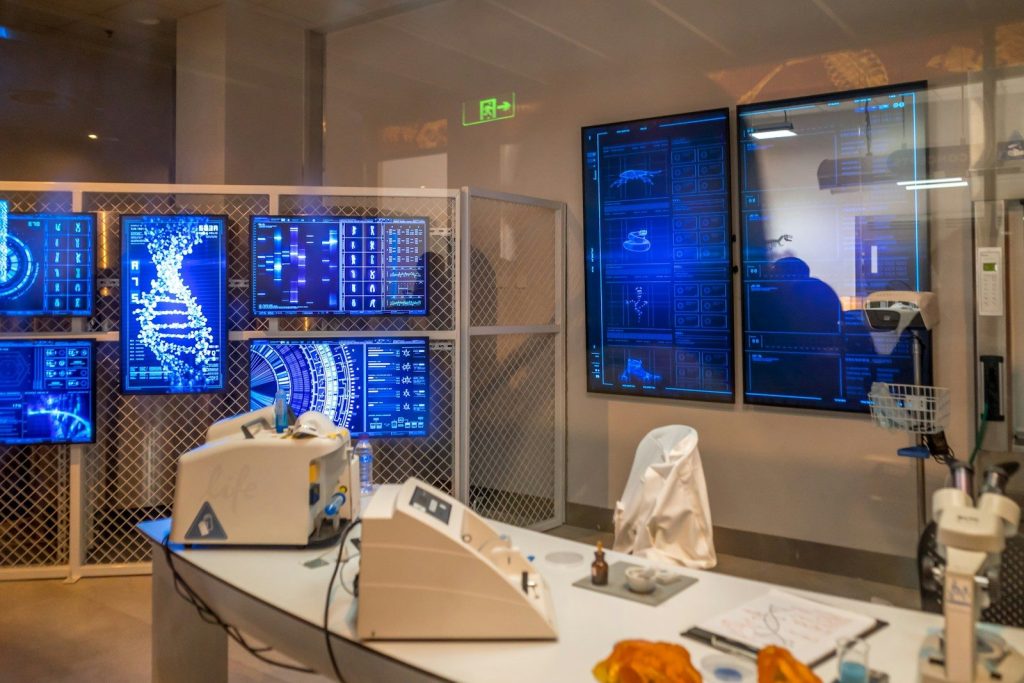
    a room with a lot of monitors on the wall
    Photo by 铮 夏 on Unsplash

    Certain gases are highly reactive and disappear quickly without a constant organic source. According to a study published in the journal Nature, finding specific carbon compounds together is a major clue. They are highly volatile. These gases normally destroy each other unless active living organisms are producing them. But scientists are looking for an even more specific chemical indicator.

    The Rare Marine Compound

    a bathroom with a lot of writing on the wall
    Photo by Stephan HK on Unsplash

    A highly specific organic gas called dimethyl sulfide is only produced by living organisms on Earth. According to researchers at the Massachusetts Institute of Technology, detecting this gas on a distant world would be a revolutionary find. It is highly unique. This compound is released by tiny marine life in our oceans and cannot form through standard geological processes. But tracking this change requires studying the planet’s host star.

    The Red Dwarf Challenge

    a bright yellow light shining in the dark
    Photo by Thomas Willmott on Unsplash

    Evaluating candidate planets is highly complicated when they orbit active dwarf stars. According to astronomical models, red dwarf stars frequently release violent solar flares that can strip away atmospheric layers. The environment is harsh. Scientists must determine if a planet can retain enough water to support a stable biosphere under this constant radiation. But analyzing these liquid surfaces reveals another unique challenge.

    Reflecting Liquid Oceans

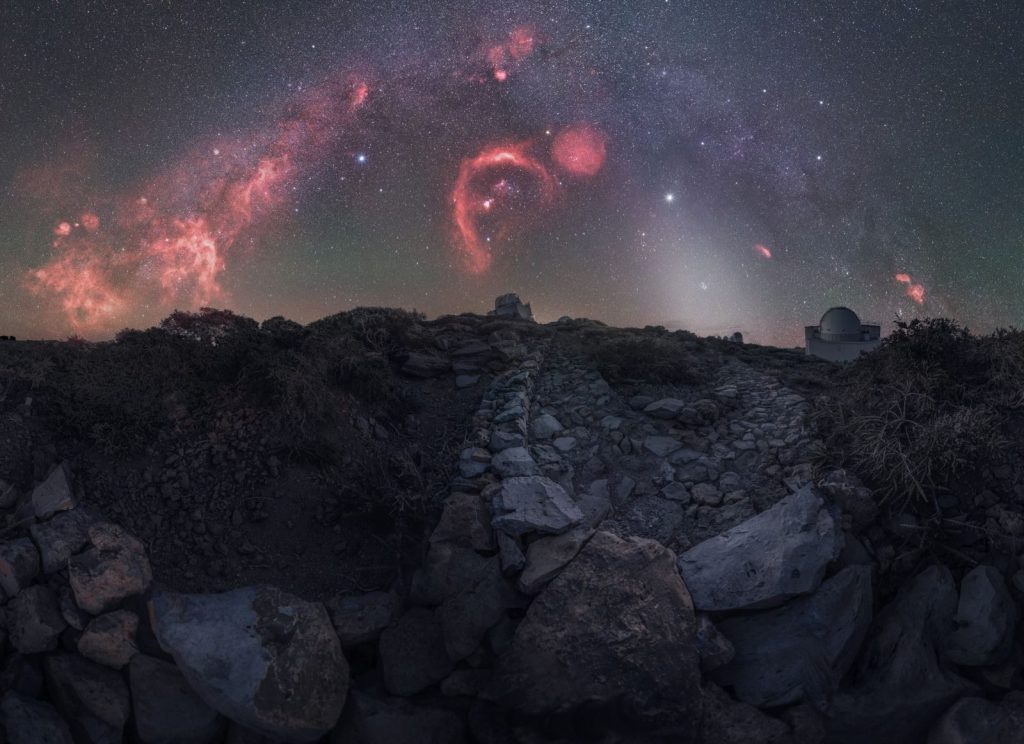
    Breathtaking view of the Milky Way and celestial formations over rugged terrain.
    Photo by Horacio Lander on Pexels

    Liquid water is the most vital ingredient for the development of organic life. According to reports from the European Space Agency, advanced instruments can detect the glint of distant oceans reflecting starlight. The oceans glisten. This specular reflection helps astronomers map the water coverage of a world light-years away. But verifying these observations requires launching a new generation of spacecraft.

    Future Space Observatories

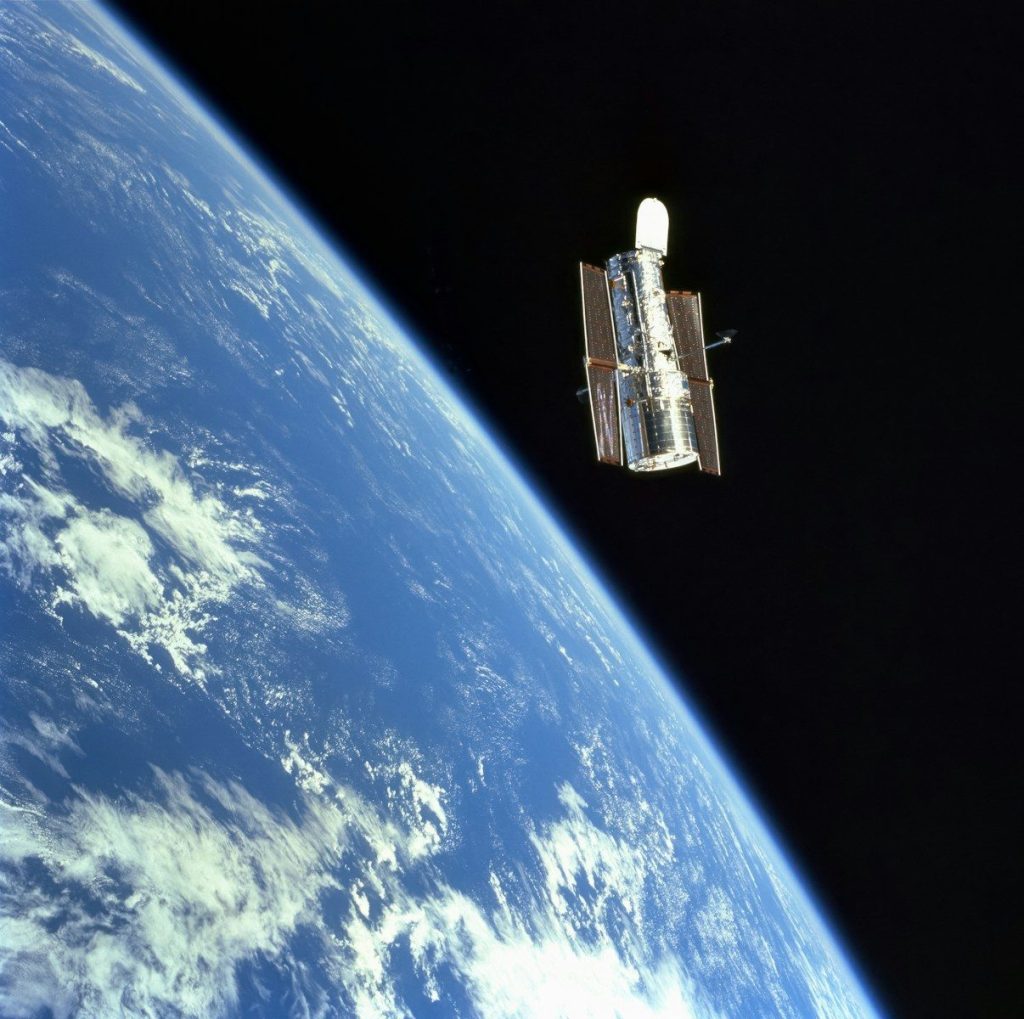
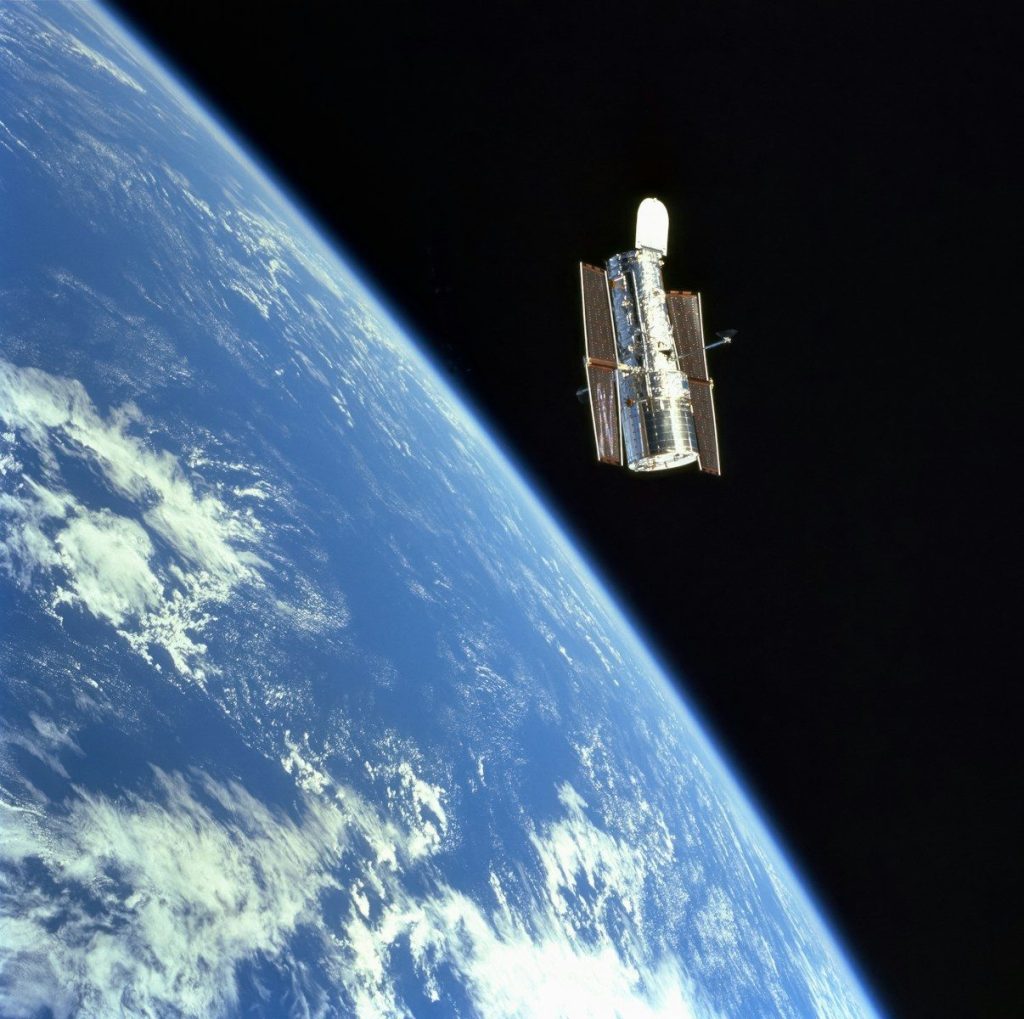
    the space shuttle is flying over the earth
    Photo by NASA Hubble Space Telescope on Unsplash

    Space agencies are designing advanced telescopes to capture direct images of rocky exoplanets. According to mission planners, blocking out the overwhelming glare of the parent star is the main technical hurdle. It is incredibly difficult. Specialized starlight shades will allow instruments to isolate the planet’s true colors and surface details. But the implications of finding a living planet go far beyond simple data.

    Verifying Cosmic Chemistry

    black laptop computer turned on near black flat screen computer monitor
    Photo by Frederic Köberl on Unsplash

    Mainstream scientists remain cautious about claiming definitive proof of extraterrestrial life. According to astrobiologists, non-biological processes can sometimes mimic organic chemical signatures under extreme atmospheric pressures. Accuracy is vital. Researchers must run thousands of computer simulations to rule out every possible natural cause before making an official announcement. But the ongoing search is already shifting how we view our place in the cosmos.

    Our Place In The Cosmos

    a group of galaxy like objects in the sky
    Photo by NASA Hubble Space Telescope on Unsplash

    Discovering even a tiny sign of biological activity on another planet would forever alter human history. According to astrobiologists, it proves that life is a natural and common process in the universe. We are not alone. This article is for informational purposes only and does not constitute professional scientific advice.

    Featured Image: Photo by Lucas Pezeta on Pexels

  • The Silent Journey Of Voyager Two Into Interstellar Space

    The Silent Journey Of Voyager Two Into Interstellar Space

    Most space enthusiasts assume that deep space probes are constantly guided by real-time human commands. We believe that mission controllers can easily steer spacecraft from their desks on Earth.

    But a brief communication glitch with Voyager Two revealed the extreme reality of cosmic distance. The tiny spacecraft had to rely entirely on its own internal programming to survive in the dark.

    Shouting Into The Void

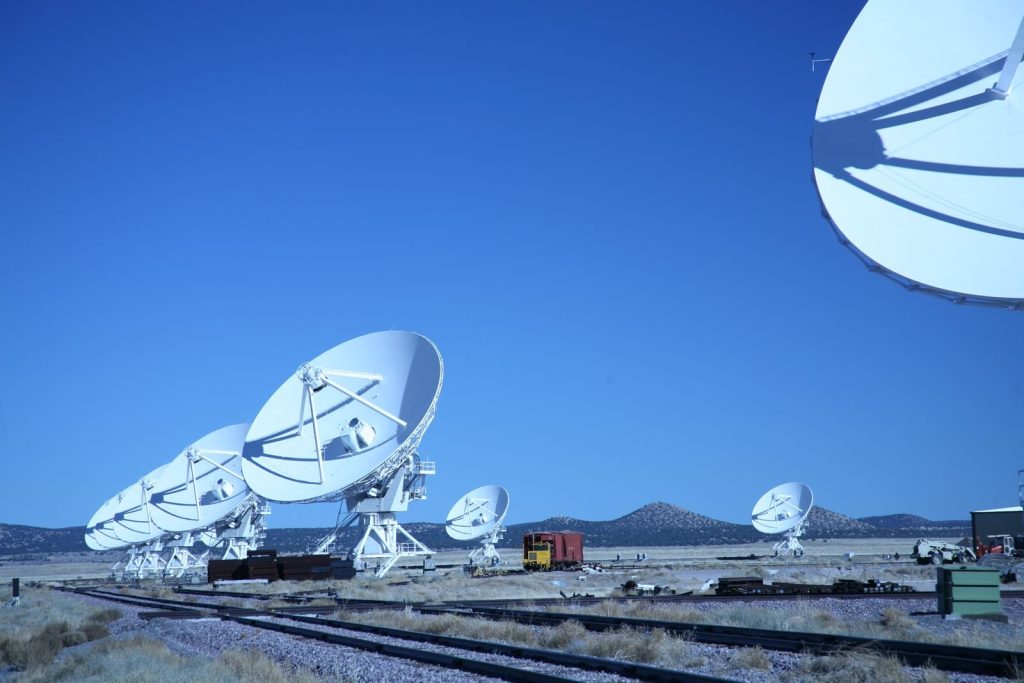
    Multiple satellite dishes aligned in a field against a vibrant blue sky, showcasing modern communication technology.
    Photo by Ray Strassburger on Pexels

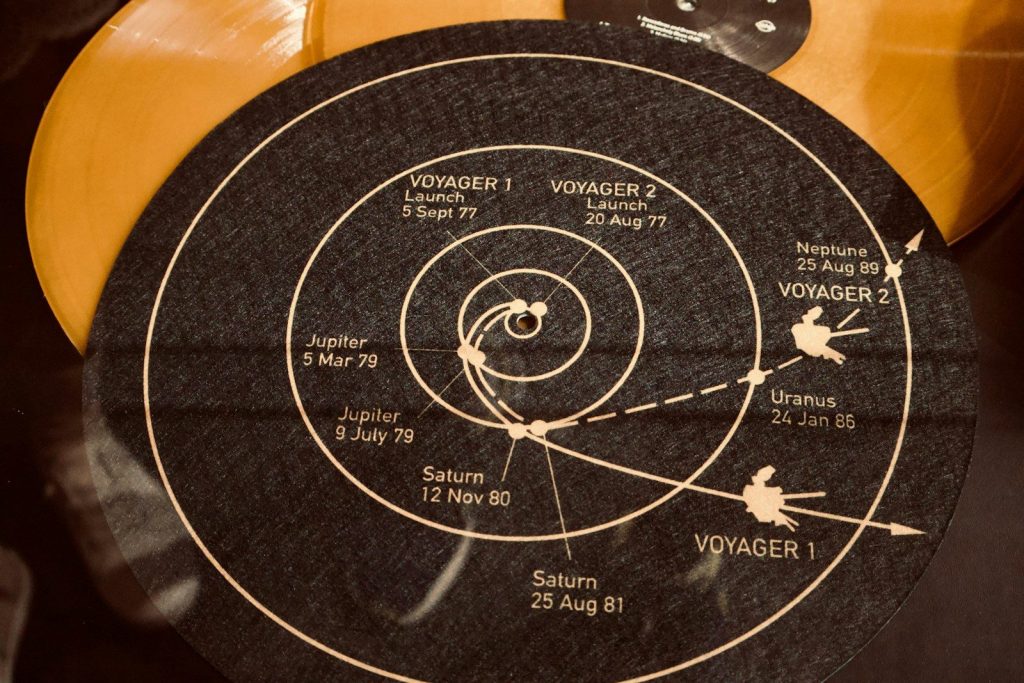
    The aging spacecraft is currently traveling billions of miles away from our planet. According to NASA, sending a radio command to the probe takes over eighteen hours to travel one way. The distance is staggering. Even at the speed of light, communication has become an incredibly slow and difficult process. But a tiny human error was about to cut this fragile connection entirely.

    The Misaligned Antenna

    A close up of a frisbee on a table
    Photo by Sai Kiran Belana on Unsplash

    A routine software command accidentally pointed the spacecraft antenna away from Earth. According to mission logs, the tiny shift of just two degrees broke the direct line of communication. The silence was absolute. Controllers could no longer send instructions or receive health data from the silent probe. But the spacecraft had a highly clever backup plan written in its source code.

    The Automatic Reset Trigger

    Aircraft tug on tarmac with light streaks
    Photo by Biki Z on Unsplash

    The probe is programmed to reset its pointing system automatically several times each year. According to spacecraft engineers, this autonomous routine forces the vehicle to locate Earth and realign its main dish. It was highly reliable. This automated safeguard ensures that the probe can recover from communication losses without any human help. But waiting for this reset required immense patience from the ground team.

    The Silent Deep Transit

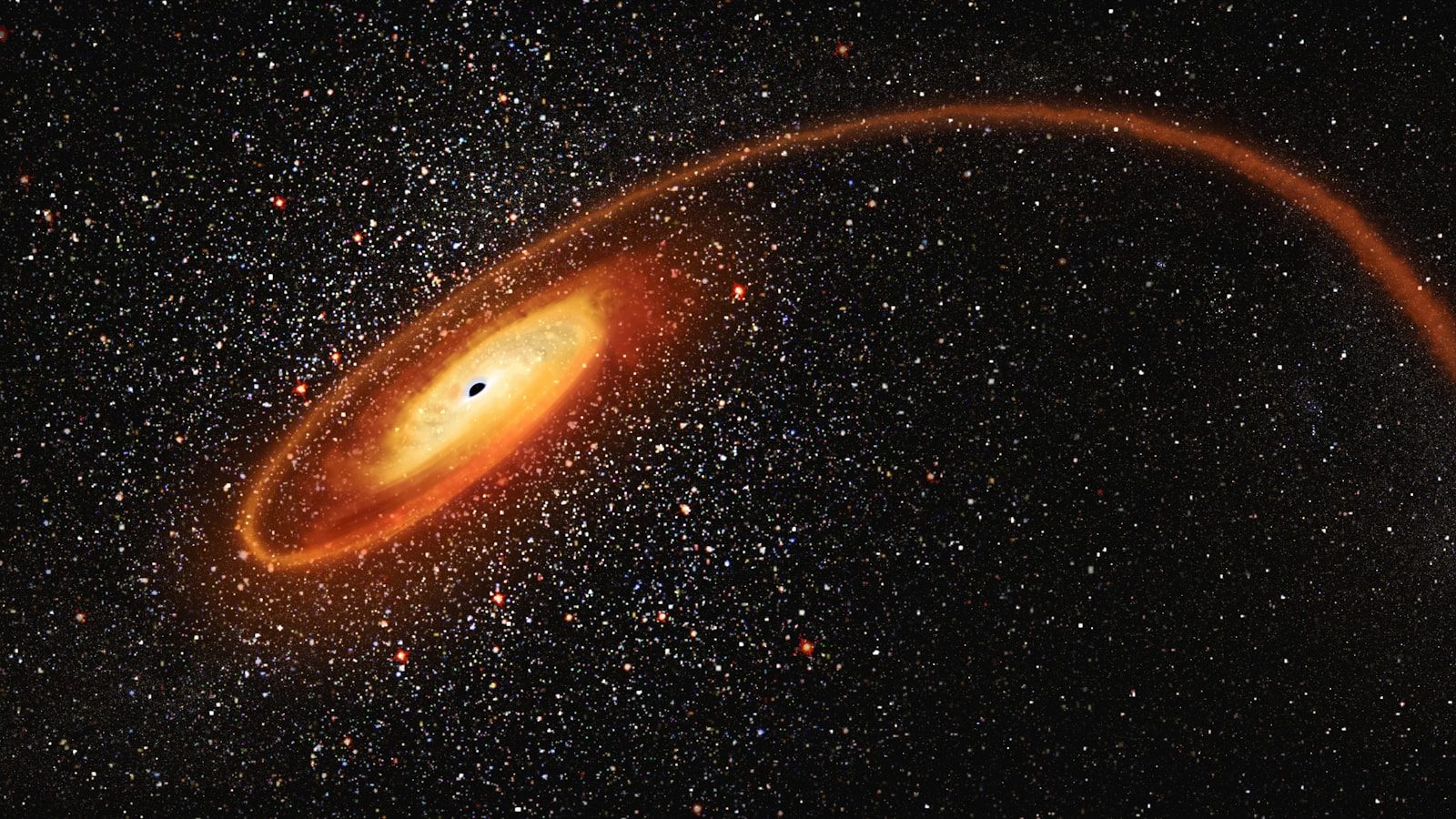
    a galaxy in space
    Photo by Viktor Mindt on Unsplash

    While the connection was broken, Voyager Two continued its endless cruise through the absolute cold. According to astrophysics models, the probe is traveling through interstellar space beyond the protective bubble of our sun. The environment is pitch black. No human creation has ever traveled so far while remaining functional. But scientists were still desperately searching the skies for any faint signals.

    Catching The Heartbeat

    A large satellite dish receives signals.
    Photo by Lukas Silva da Rosa on Unsplash

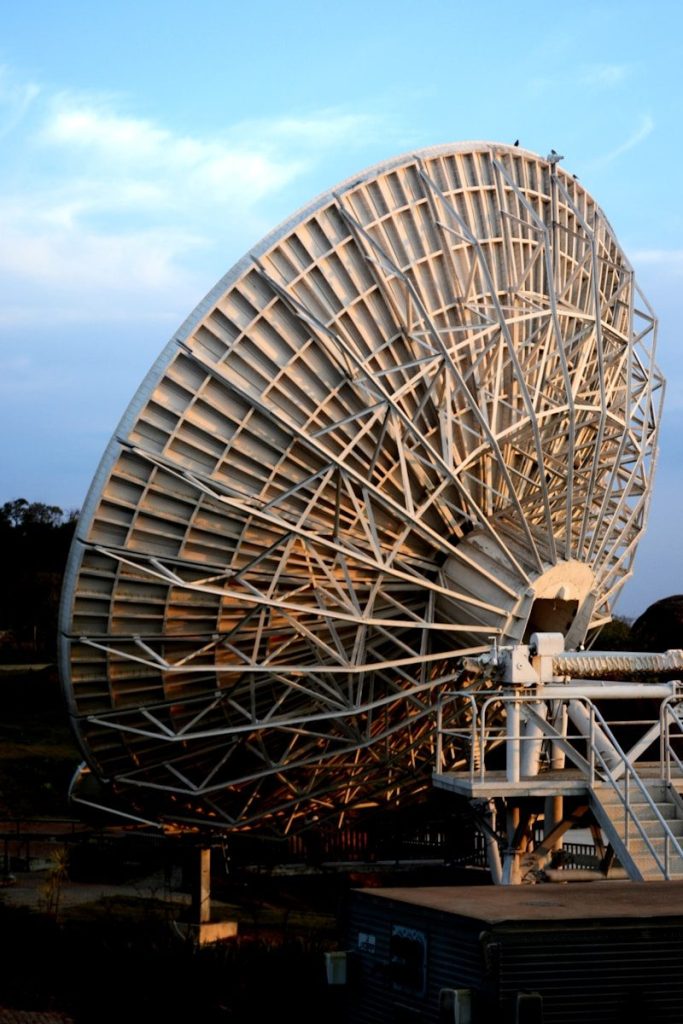
    A powerful network of ground antennas finally detected a faint carrier signal from the probe. According to reports from the Deep Space Network, engineers used massive dishes to capture the weak electronic hum. It was incredibly faint. This successful catch proved that the spacecraft was still operating normally despite the silence. But establishing complete control required sending a highly powerful radio blast.

    Reconnecting The Star Traveler

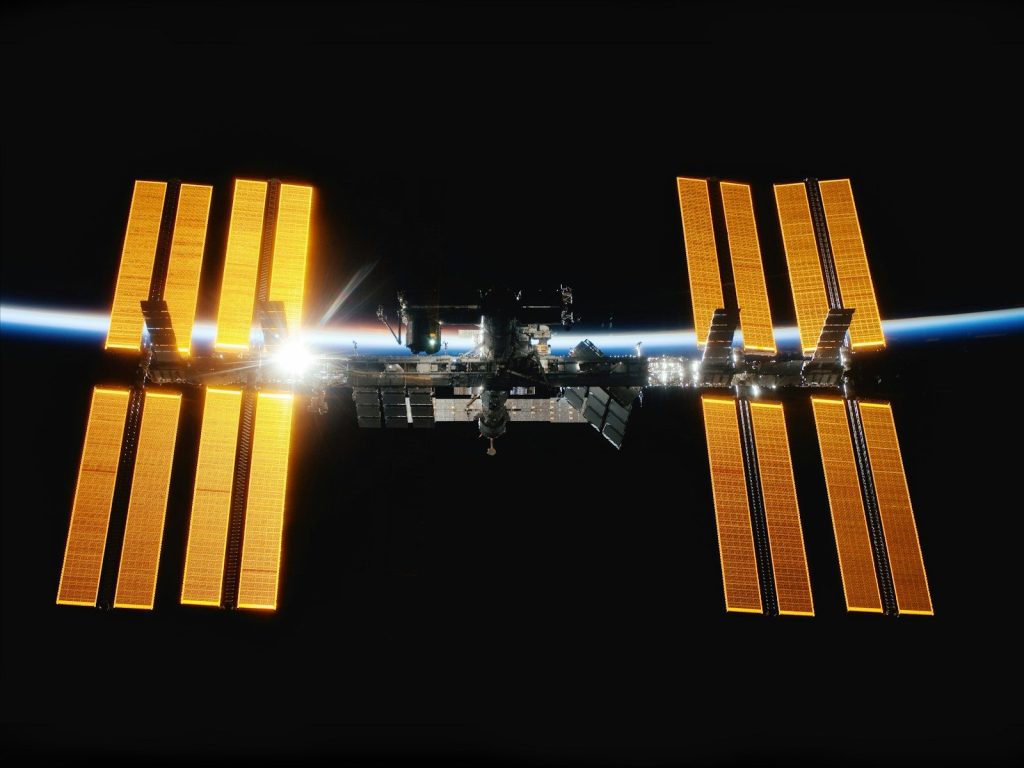
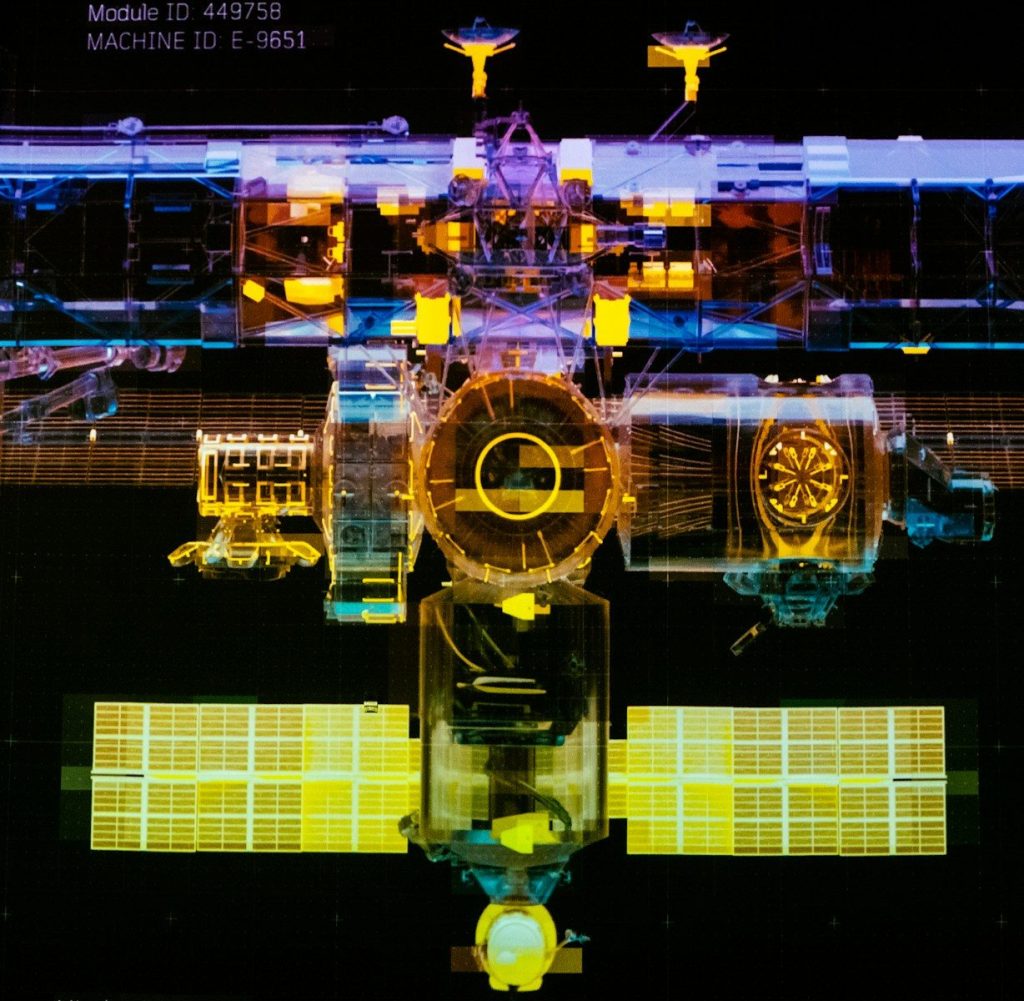
    International Space Station orbits earth
    Photo by NASA on Unsplash

    Controllers beamed a high-power command directly toward the estimated coordinates of the probe. According to mission reports, the signal successfully forced the spacecraft to realign its antenna ahead of schedule. The connection was restored. Voyager Two is once again transmitting valuable scientific data about the deep space environment back to Earth. But the true end of its historic journey remains far away.

    Endless Flight Into Darkness

    black and white labeled box
    Photo by Jeremy Straub on Unsplash

    Voyager Two will eventually lose all battery power and become a silent metallic wanderer. According to astrobiologists, the probe will carry our messages across the galaxy for millions of years after we are gone. The journey never ends. This article is for informational purposes only.
    Featured Image: Photo by NASA Hubble Space Telescope on Unsplash

  • Why Space Chemicals Have Scientists Chasing Alien Life

    Why Space Chemicals Have Scientists Chasing Alien Life

    Most people think we will only find alien life if an extraterrestrial spaceship lands on Earth. We assume that confirming cosmic neighbors requires a dramatic and visual close encounter.

    But astronomers are bypassing physical contact altogether to scan the light of distant star systems. Their advanced telescopes are tracing specific planetary chemicals that should not exist in empty space.

    Reading Cosmic Atmosphere Barcodes

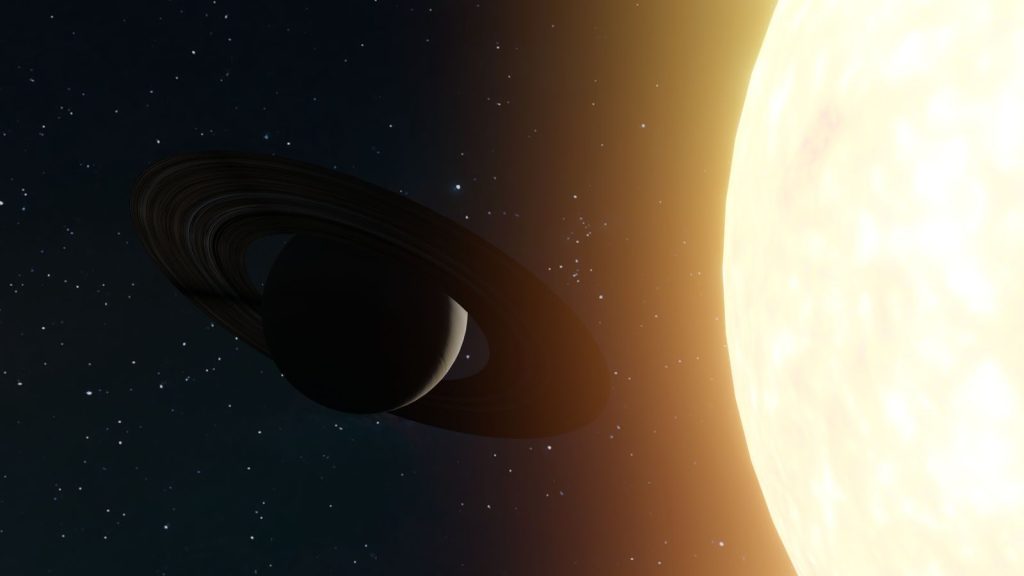
    A ringed planet silhouetted against a bright star in outer space.
    Photo by Zelch Csaba on Pexels

    Modern telescopes do not look for physical green monsters on distant worlds. According to NASA, instruments analyze stellar light passing through planetary air layers to capture chemical signatures. The process is flawless. Each gas molecule leaves a distinct shadow on the incoming starlight. But one specific substance has caused major scientific shockwaves.

    The Dimethyl Sulfide Enigma

    a man sitting at a desk in a lab
    Photo by CDC on Unsplash

    Researchers mapping a distant exoplanet detected traces of a volatile gas called dimethyl sulfide. According to reports from the European Space Agency, this chemical on Earth is only produced by active biological organisms. It is extremely rare. No known natural geological event can generate this molecule on its own. But proving its organic origin requires looking at the planet’s host star.

    The Red Dwarf Flare Threat

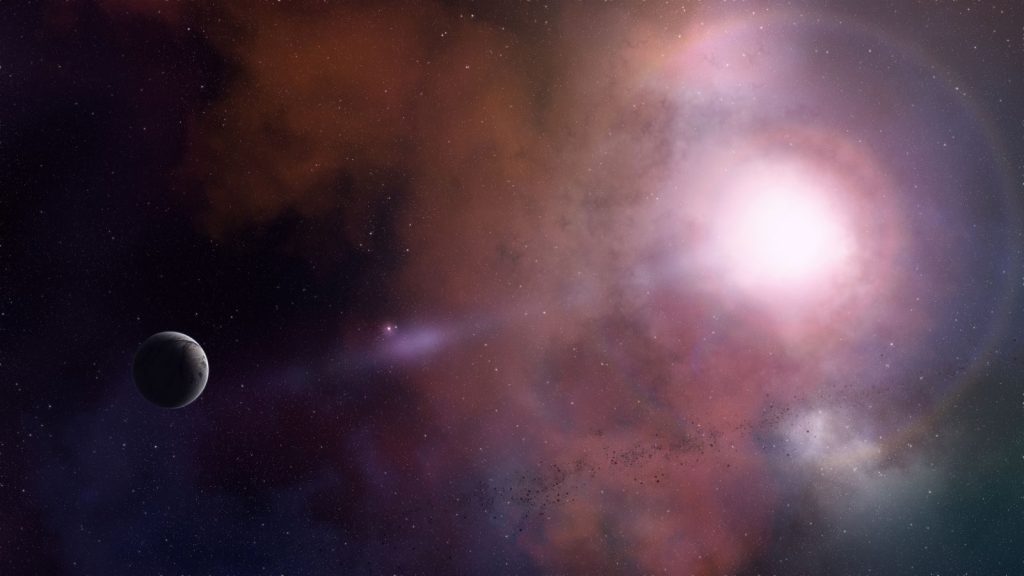
    A mesmerizing view of the cosmos featuring a glowing nebula and distant planet.
    Photo by Frank Cone on Pexels

    Planet candidates orbiting dwarf stars face extreme environmental challenges. According to studies from the Massachusetts Institute of Technology, intense stellar radiation regularly strips away fragile planetary atmospheres. The void is harsh. Scientists must determine if life can actually survive under such a brutal cosmic bombardment. But liquid oceans on these distant worlds present another puzzle.

    Specular Reflection Ocean Glint

    A picture of the sun and a distant object in the sky
    Photo by Steve A Johnson on Unsplash

    Capturing the presence of liquid water across light-years requires tracking star reflection. According to space agency physicists, oceans glint under stellar glare to create a noticeable speculum effect. Water glistens in space. Isolating this subtle planetary shine helps map out continental layouts and giant oceans. But confirming these chemical traces demands much stronger orbital hardware.

    Next Generation Space Shields

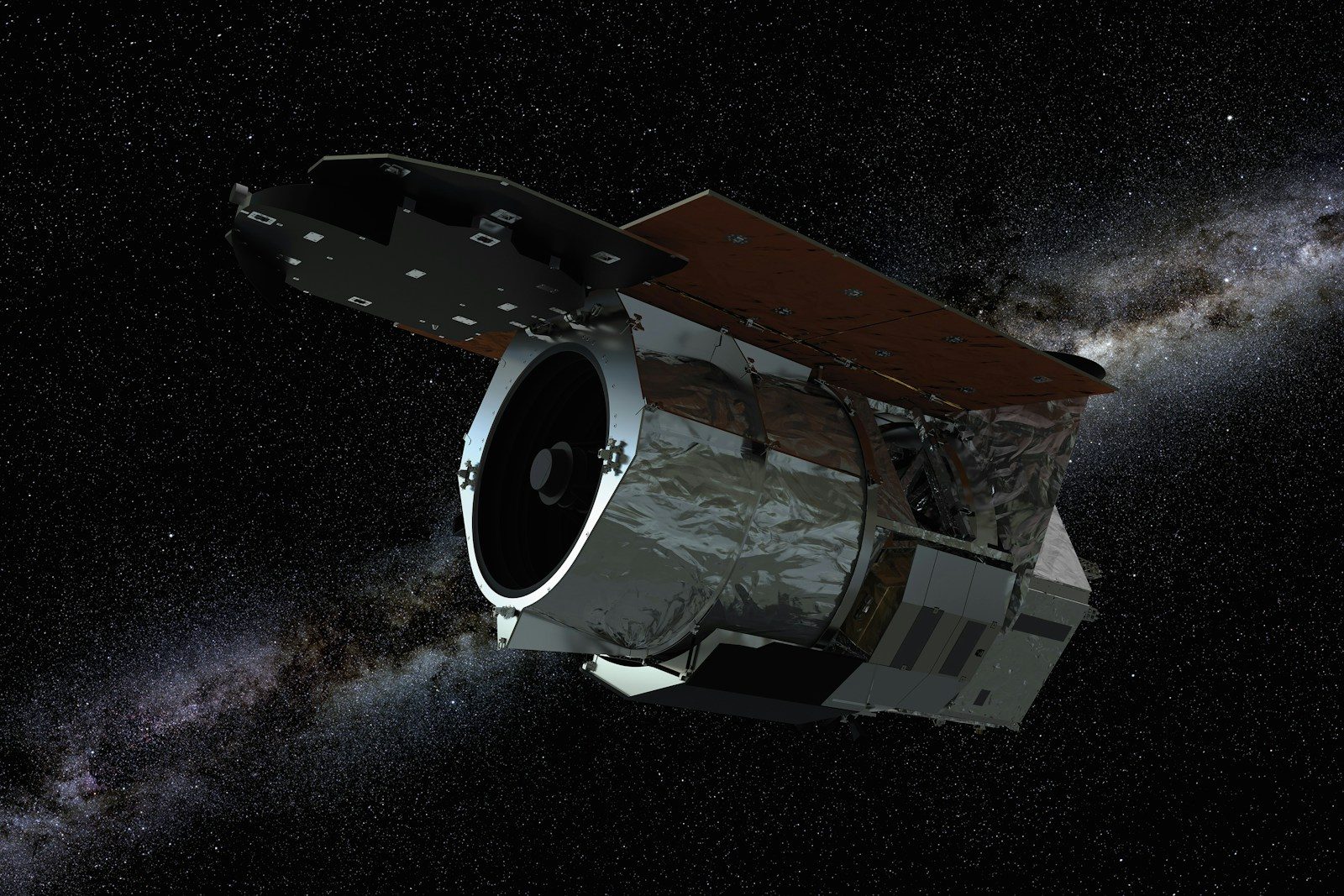
    an artist's rendering of a satellite in space
    Photo by Allison Saeng on Unsplash

    Agencies are designing massive starshade screens to block out overwhelming parent star glare. According to project engineers, this physical barrier allows instruments to photograph small rocky worlds clearly. It is highly advanced. Isolating the actual planetary colors can reveal true surface activity and vegetation shifts. But scientists remain incredibly cautious about announcing any final alien findings.
    Eliminating Non-Biological Mimics

    a view of a mountain with steam coming out of it
    Photo by Job Savelsberg on Unsplash

    Natural planetary geological actions can occasionally mimic the chemicals produced by living things. According to astrobiologists, volcanic heat and intense pressure can form complex carbon molecules naturally. Accuracy is absolutely vital. Researchers must run extensive computer models to eliminate all non-organic possibilities first. But the search is already changing our understanding of the universe.
    The Organic Cosmic Blueprint

    Abstract molecular structure with glowing nodes
    Photo by Logan Voss on Unsplash

    Finding chemicals like dimethyl sulfide on other worlds suggests that the basic blocks of biology are universal. According to research teams, organic chemistry seems to flourish wherever the right physical parameters align. The universe is active. Confirming even primitive cellular activity would completely rewrite our evolutionary textbooks. But finding these signs is only the beginning of a larger cosmic shift.

    The Planetary Paradigm Shift

    gray concrete road under sky full of stars
    Photo by Jesse Sewell on Unsplash

    Discovering biological evidence on another world will permanently alter our view of the night sky. According to space historians, it proves that the spark of life is not unique to Earth. We are not alone. This article is for informational purposes only and does not constitute professional scientific advice.

    Featured Image: Photo by NASA Hubble Space Telescope on Unsplash

  • The Terrifying Mars Discovery That Changes Planetary History Forever

    The Terrifying Mars Discovery That Changes Planetary History Forever

    Scientists have always viewed Mars as a completely dead and dry desert. We assume that the red planet has been a silent wasteland for billions of years.

    But a shocking geological discovery has completely shattered this peaceful assumption. Chilling new satellite images reveal that something active is moving beneath the dusty soil.

    Active Flows In Darkness

    Artistic aerial shot capturing abstract sand and water patterns on Guaratuba Beach, Brazil.
    Photo by Landiva Weber on Pexels

    High-definition cameras orbiting the red planet captured dark streaks moving down the canyon walls. They are growing. According to researchers at NASA, these seasonal flows suggest that liquid water is actively running on the surface today. This shocking revelation means the planet is not dead at all. But scientists soon noticed a far more unsettling detail about these active streams.

    Gas Bubbling From Below

    an artist's rendering of a mars rover on a rocky surface
    Photo by Sufyan on Unsplash

    Sensors on Martian rovers detected a sudden surge of methane gas venting from deep underground. The spikes are regular. According to reports from the Jet Propulsion Laboratory, this gas signature could be a biological byproduct. Microscopic life might be thriving inside warm subterranean aquifers. However, this chemical anomaly is triggering a massive debate in laboratories.

    Deep Underground Caves Hidden

    From above of rough massive rocky formation with uneven surface as abstract background
    Photo by Atypeek Dgn on Pexels

    Martian satellites mapped giant cavern networks stretching miles beneath the volcanic plains. They are vast. According to geological data from the University of Arizona, these deep caves are shielded from deadly space radiation. This protected environment offers the perfect incubator for ancient life to survive. But we must look closely at what is hiding in the dark.

    The Frozen Lake Surprise

    A stunning aerial view of the pink salt formations in Lake Tyrrell, Victoria, Australia.
    Photo by Mitchell Luo on Pexels

    Radar scans recently uncovered a massive deposit of water ice buried just inches below the equator. The reserve is a giant. According to a study published in Geophysical Research Letters, this glacier is larger than some of the Earth’s lakes combined. It represents a massive resource for future human explorers. Yet, this ice layer holds a highly terrifying secret.

    Strange Heat Sources Detected

    an aerial view of a barren area in the desert
    Photo by Jupiter Union on Unsplash

    Thermal satellite imagery revealed unexplained warm spots deep inside the ancient glaciers. This is unexpected. According to planetary geologists, underground volcanic activity is likely melting the ice from below. This heat creates pockets of liquid water that could harbor active organisms. But researchers soon spotted something unusual on the volcanic surface.

    Strange Landslide Patterns Forming

    an aerial view of a valley with mountains in the background
    Photo by sayan Nath on Unsplash

    Recent satellite feeds showed massive, rapid landslides occurring on the slopes of Olympus Mons. They happen constantly. According to the European Space Agency, these sudden soil movements are not triggered by wind alone. Some deeper mechanical force is destabilizing the planet’s surface crust. This realization has forced scientists to prepare for a difficult mission.

    Preparing A Subterranean Probe

    A man standing in the middle of a cave
    Photo by Ed Wingate on Unsplash

    Engineers are now designing specialized robotic drills to penetrate the Martian cave systems. We need answers. According to aerospace reports, these deep probes will search for active microbial life beneath the dust. This high-tech exploration could rewrite our entire understanding of biology. But we must still face the dangers of sending humans to this unstable world.

    Our Future On Mars

    a group of domes sitting on top of a rocky hillside
    Photo by Dmitry Grachyov on Unsplash

    According to the scientific consensus, we must tread carefully as we explore the red planet. Our technology can help us navigate these hidden geological hazards. This article is for informational purposes only and does not constitute scientific or professional advice. Understanding the active nature of Mars ensures a safer journey for the next generation of explorers.

    Featured Image: Photo by SpaceX on Pexels

  • What A Giant Deep Space Telescope Found That Chills Scientists

    What A Giant Deep Space Telescope Found That Chills Scientists

    Stargazers have always believed that the vast universe is a predictable place. We assume our modern astronomical models have mapped out most cosmic structures safely.

    But a premier one-billion-dollar observatory recently detected an impossible entity floating in deep space. Its bizarre structure defies the fundamental laws of astrophysics.

    A Strange Cosmic Wall

    A breathtaking view of the Milky Way galaxy showcasing its vibrant star formation and cosmic dust clouds.
    Photo by Jonh Medeiros on Pexels

    The James Webb Space Telescope recently captured an image of a colossal cosmic wall of dark matter. According to reports from NASA, this massive structure is much larger than any known galaxy. It is huge. The wall seems to be actively pulling nearby star systems toward its dark center. Researchers are struggling to explain how this gravity well formed.

    Defying The Cosmic Dawn

    a black background with a lot of stars
    Photo by BoliviaInteligente on Unsplash

    This giant structure dates back to the very beginning of cosmic history. It should not exist. According to a study from the European Space Agency, early cosmic materials were far too scattered to build such a massive object so quickly. The math simply does not add up. Astronomers are now questioning if our timeline of the Big Bang is completely incorrect.

    The Missing Light Puzzle

    a very bright object in the dark sky
    Photo by Jim Strasma on Unsplash

    The most massive space structures glow brightly with billions of newborn stars. But this bizarre entity is completely pitch black. According to researchers at Harvard University, the object emits zero radiation across any detectable spectrum. It is chilling. This complete lack of light suggests that something far more mysterious is hiding inside the dark dust.

    Gravity Bending Around Nothing

    a very bright orange object in the middle of the night sky
    Photo by NASA Hubble Space Telescope on Unsplash

    The dark wall is bending the light of distant stars behind it. This is real. According to physics reports from the Space Telescope Science Institute, this light-bending effect reveals an incredible concentration of mass. Yet, there is no physical matter visible at the center of the gravity well. This strange behavior could point to a dangerous cosmic anomaly.

    Pulling At Our Galaxy

    a spiral shaped object in the middle of the night sky
    Photo by BoliviaInteligente on Unsplash

    Some cosmologists fear that this giant dark wall is affecting our local neighborhood. The pull is real. According to research from the Astrophysics Journal, the anomaly is slowly accelerating the movement of nearby galaxies. It could eventually warp the structural layout of our entire cosmic cluster. But scientists soon discovered a far more immediate threat to our stargazing models.

    Rewriting Universal Physics Rules

    Two students solving math problems on a blackboard.
    Photo by Vitaly Gariev on Unsplash

    The existence of this wall suggests we do not understand gravity at all. Our models are broken. According to a paper from Oxford University, we may need to invent entirely new physics rules to explain the anomaly. This sudden realization has thrown the astronomical world into absolute chaos. But the telescope is already scanning a nearby sector for answers.

    The Unknown Awaits Us

    a couple of men standing in front of a giant planet
    Photo by Mehrab Sium on Unsplash

    According to the global space agency consensus, we must continue gathering data to solve this cosmic mystery. Our technology will eventually reveal the truth. This article is for informational purposes only and does not constitute scientific or professional advice. By studying the deep cosmos, we can better understand our own place in the universe.

    Featured Image: Photo by NASA Hubble Space Telescope on Unsplash

  • Why Our Moon Is Slowly Shrinking From Within

    Why Our Moon Is Slowly Shrinking From Within

    Most citizens believe that the moon is an unchanging and dead piece of space rock. We assume it has remained physically identical since the dawn of humanity.

    But the latest satellite data reveals that our lunar neighbor is actively undergoing a massive physical change. Its surface is currently fracturing and shrinking from deep within.

    The Moon Is Shrinking

    gray and black stone fragment
    Photo by Sam Moghadam on Unsplash

    Our lunar neighbor is actually getting smaller as its hot interior slowly cools over time. The solid rock is contracting. It is a slow change. According to NASA satellite data, the moon has lost over one hundred and fifty feet of its width. This physical shrinking is creating major structural damage across the surface, but scientists soon noticed a far more immediate threat.

    The Surface Is Cracking

    A close-up view of a cracked ice surface with visible textures and cold tones.
    Photo by Darya Grey_Owl on Pexels

    Because the moon’s surface is brittle, it does not stretch or bend as the interior shrinks. Instead, the crust actively breaks apart. The destruction is real. According to researchers at the Smithsonian Institution, this pressure has created massive fault lines across the lunar landscape. But these growing cracks are triggering a highly dangerous physical reaction.

    Constant Shaking Lunar Quakes

    Abstract pattern of purple and green wavy lines
    Photo by Logan Voss on Unsplash

    The active fault lines frequently slide past each other, triggering powerful seismic tremors called moonquakes. These quakes can last for hours at a time. They are violent. According to seismic data from the Apollo missions, these tremors are strong enough to destroy artificial structures. But scientists soon discovered that these quakes are centered around a highly critical area.

    Threatening The South Pole

    moon photo
    Photo by NASA on Unsplash

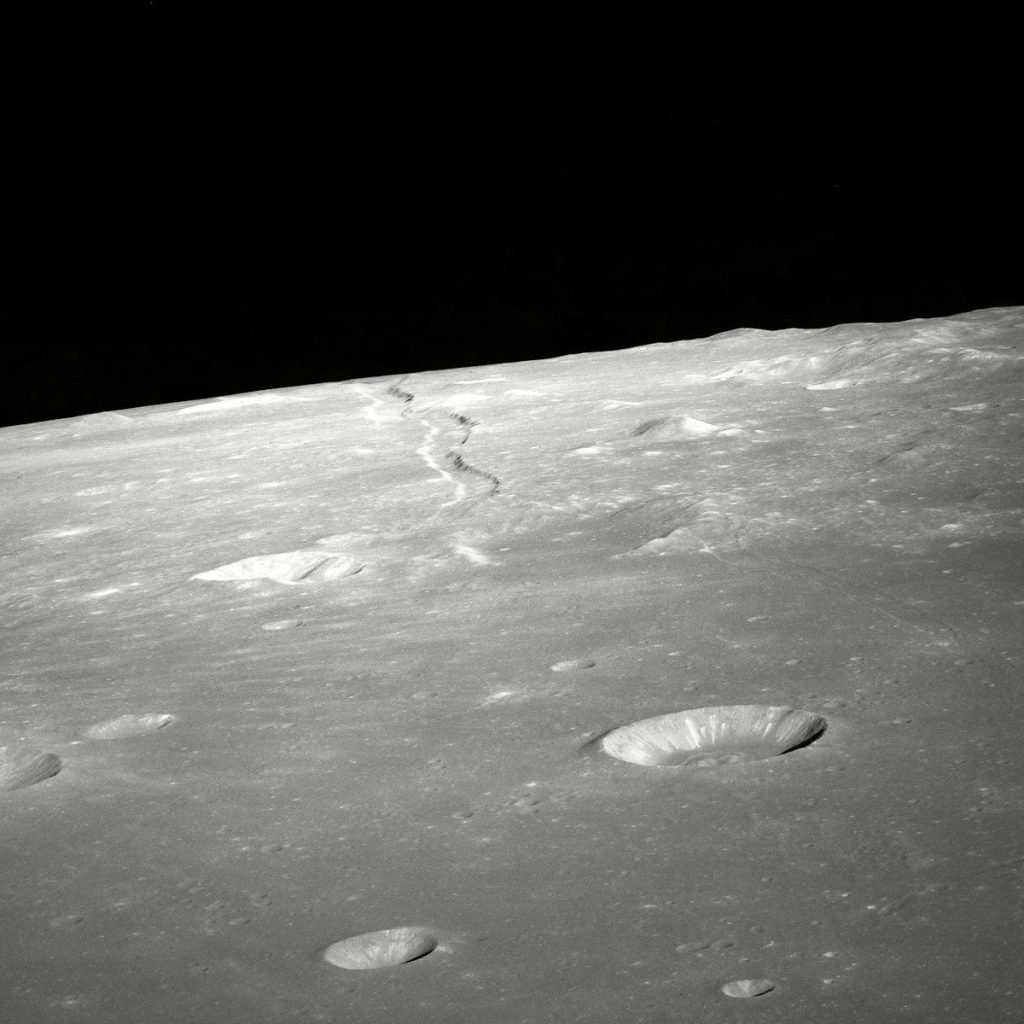
    Geologists are worried because the seismic activity is centered directly around the lunar south pole, which is our top target for future space exploration. NASA plans to send astronauts to this exact region. This is critical. According to aerospace engineering reports, these severe moonquakes could trigger dangerous landslides in the deep craters. But the risk extends to our future lunar bases, too.

    Landslides In The Dark

    Stunning view of a glacier calving into the ocean, showcasing nature's raw power and beauty.
    Photo by Ben Jackson on Pexels

    The steep crater walls are covered in loose dust and dry ice that can easily slide during a tremor. These dust slides happen in complete silence. They are massive. According to lunar geology studies, these slides can bury equipment and destroy solar arrays in a second. But researchers must find a safe way to protect our astronauts before they land.

    Mapping The Safe Zones

    Close-up monochrome image of the moon's surface highlighting craters and textures.
    Photo by Micotino on Pexels

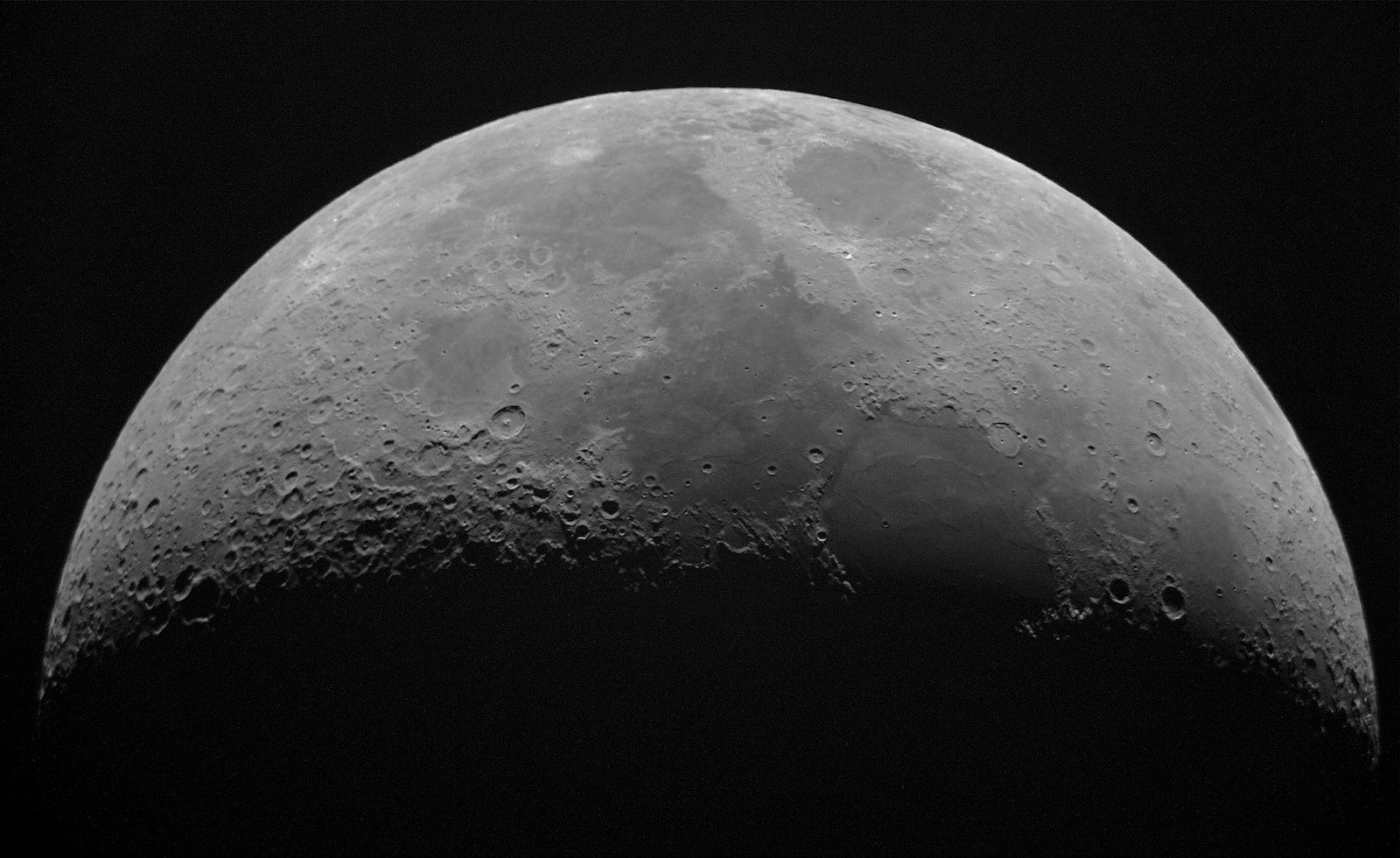
    Geologists are currently using lunar satellites to map every active fault line across the south pole. They want to find safe flat zones. This data is vital. According to reports from the Planetary Science Institute, choosing stable ground is the only way to build a permanent colony. But we must still prepare our technology for the shaking.

    Securing The Lunar Future

    a reflection of an astronaut in his space suit
    Photo by NASA Hubble Space Telescope on Unsplash

    According to the latest space agency consensus, we must design flexible and shock-absorbent buildings to survive the moonquakes. Technology can protect our astronauts from these natural hazards. This article is for informational purposes only and does not constitute scientific or professional advice. By understanding the active geology of our lunar neighbor, we can safely expand our civilization into the deep cosmos.

    Featured Image: Photo by Nicolas Thomas on Unsplash

  • The Real Reason the Military Covered Up Roswell in 1947

    The Real Reason the Military Covered Up Roswell in 1947

    In July 1947 a mysterious crash in the New Mexico desert sparked the greatest UFO mystery of all time. The local airfield initially announced they had captured a flying saucer.

    Within hours the military retracted the statement and claimed it was just a simple weather balloon. That clumsy cover-up fueled decades of alien conspiracy theories that persist today.

    The First Wild Press Release

    a piece of paper with writing on it
    Photo by Chris Kofoed on Unsplash

    Mac Brazel a local rancher discovered strange metallic debris scattered across his pasture after a massive thunderstorm. He contacted the local sheriff who alerted the Roswell Army Airfield. Colonel William Blanchard immediately ordered a press release announcing the recovery of a flying disc which shocked the nation.

    But the military high command reacted with absolute panic.

    The Sudden Weather Balloon Story

    Soldiers marching in formation with airship overhead
    Photo by Museum of New Zealand Te Papa Tongarewa on Unsplash

    General Roger Ramey quickly took control of the situation from his headquarters in Texas. He summoned reporters and showed them pieces of tinfoil and wood from a standard weather balloon. He declared the young officers in Roswell had made a foolish mistake and misidentified a common meteorological instrument.

    This explanation satisfied the public for decades until researchers dug deeper.

    The Secret Project Behind the Debris

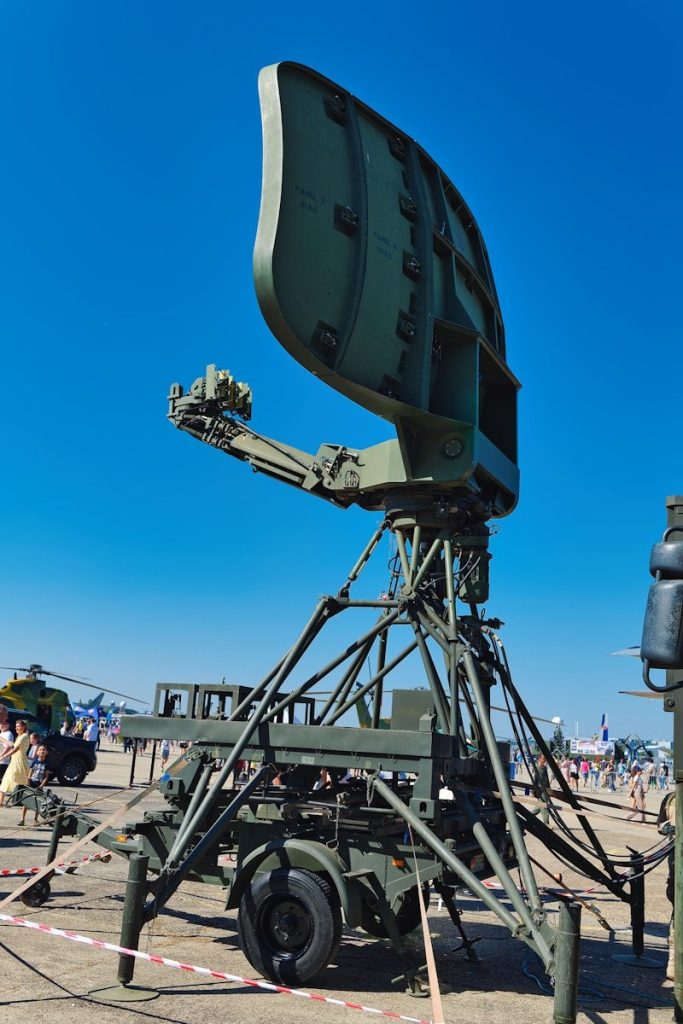
    Large radar dish on a mobile trailer
    Photo by Gabriel Vasiliu on Unsplash

    Decades later declassified government documents revealed that the weather balloon story was indeed a lie. But the real truth was linked to a highly classified Cold War spy operation called Project Mogul. The military was launching massive trains of balloons equipped with microphones to detect Soviet atomic tests.

    This explains why they needed absolute secrecy at all costs.

    Why the Materials Baffled the Rancher

    a close up of a wooden structure with metal bars
    Photo by Ben on Unsplash

    The debris Brazel found did not look like a normal weather balloon because Project Mogul used experimental materials. The balloons carried metallic targets made of heavy foil and lightweight balsa wood structures. Some of these structures had unusual geometric patterns printed on them which looked like alien hieroglyphics to untrained eyes.

    But this explanation did not stop the wild rumors about bodies.

    The Mystery of the Small Dummies

    two white parachutes
    Photo by Untitled Photo on Unsplash

    Stories of recovered alien bodies did not actually start in 1947 but emerged decades later in the late 1970s. Researchers believe witnesses may have confused the 1947 crash with later military experiments. During the 1950s the military dropped anthropomorphic dummies from high altitudes to test parachutes near Roswell.

    This timeline gap reveals how human memory can play tricks over time.

    A Perfect Cold War Cover Story

    People working at a control desk with screens.
    Photo by ANGIE BAONGOC on Unsplash

    Government officials realized that letting the public believe in flying saucers was actually highly useful. It provided a perfect cover story that distracted people from the top-secret nuclear detection technology they were testing. By encouraging a bit of UFO folklore the military successfully protected their most sensitive national security secrets.

    Yet this strategy created a permanent cultural phenomenon.

    The Legacy of the Roswell Myth

    Iconic welcome sign for New Mexico in a desert landscape, tracing the state's enchanting charm.
    Photo by B. Kane on Pexels

    Today the Roswell incident is a massive part of modern pop culture and has turned a small desert town into a global tourist hub. It shows how easily a combination of secret military tech and poor public relations can create an enduring myth. In the end the real secret of Roswell was not visitors from another world but human anxiety.

    Featured Image: “U.S. 285 North of Roswell, New Mexico 1” by Ken Lund is licensed under CC BY-SA 2.0

  • What will happen when a giant asteroid grazes Earth?

    What will happen when a giant asteroid grazes Earth?

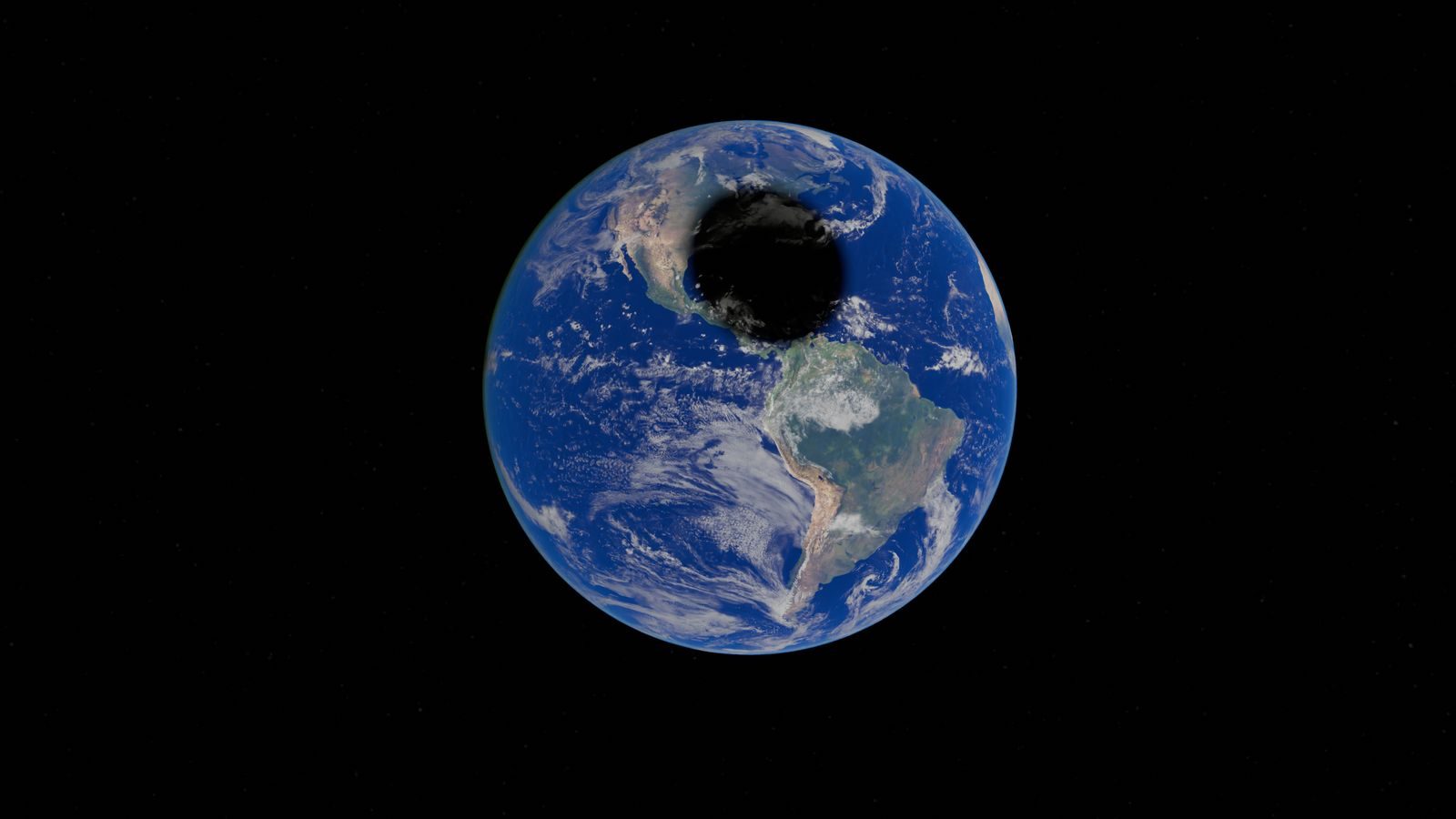
    In April 2029, an asteroid named Apophis will pass closer to Earth than our own communication satellites.

    This huge space rock, measuring over one thousand feet wide, was once feared to be on a collision course. While Earth is safe, the encounter will trigger a spectacular scientific event.

    A rare cosmic close call

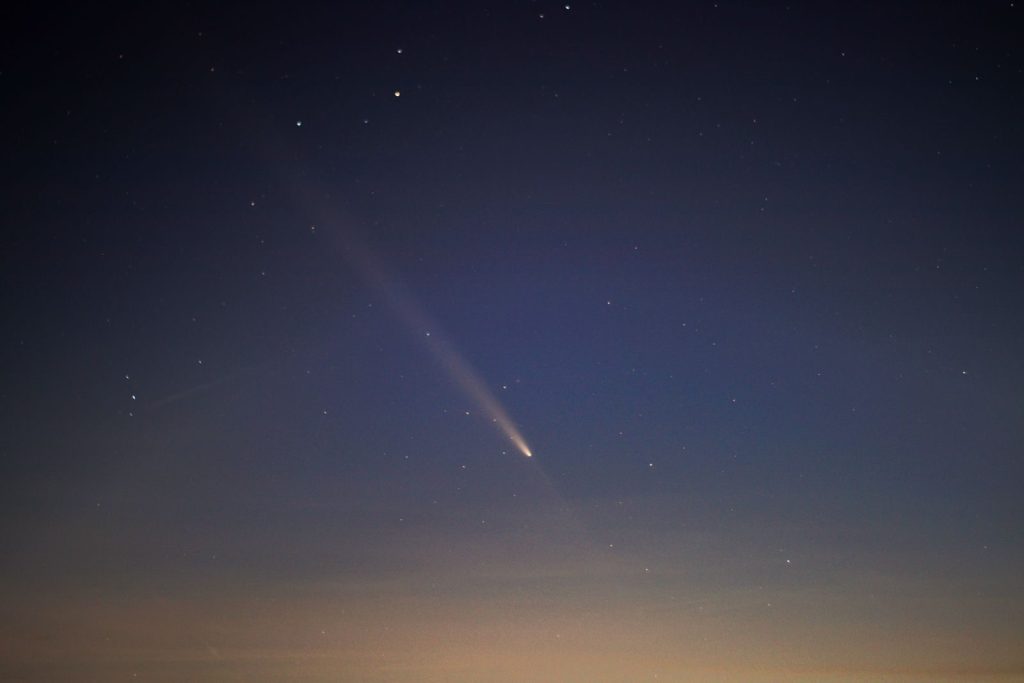
    Captivating view of a comet streaking across the night sky with twinkling stars.
    Photo by Headshotgames12 on Pexels

    Asteroid Apophis will pass within twenty thousand miles of Earth. NASA states that an object this size comes this close once every few thousand years. It will be easily visible to the naked eye across Europe. Earth’s gravitational pull will warp the space rock forever.

    Earth will shake the space rock

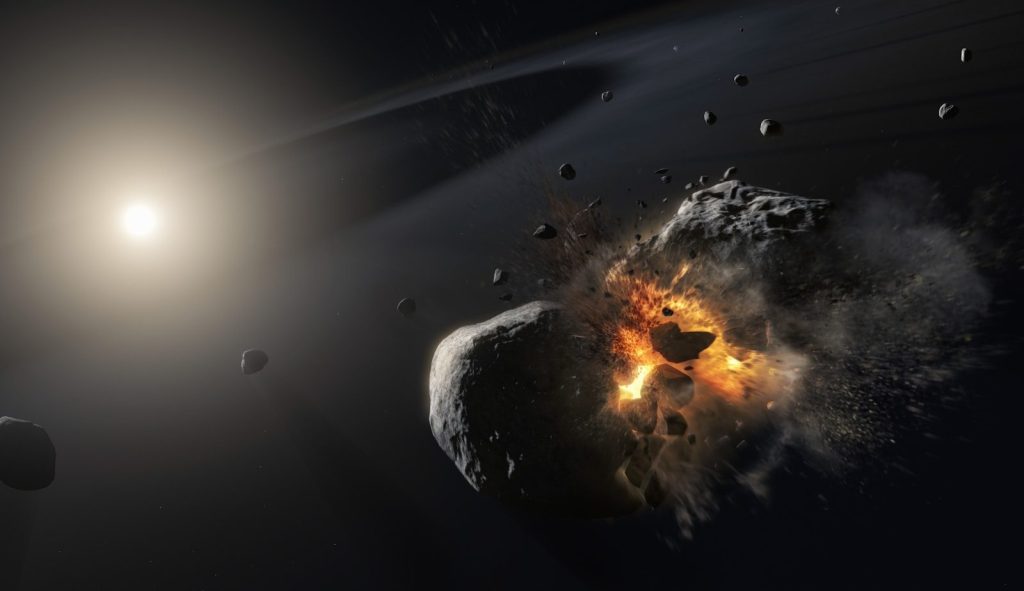
    an artist's impression of a collision between two planets
    Photo by NASA Hubble Space Telescope on Unsplash

    Apophis is a loose accumulation of rocks held together by gravity. As the object flies past, Earth’s intense gravitational pull will squeeze it. This force will likely trigger massive landslides on its surface. It will also alter the asteroid’s spin rate. Scientists are sending a spacecraft to watch this happen.

    A recycled spacecraft on a new mission

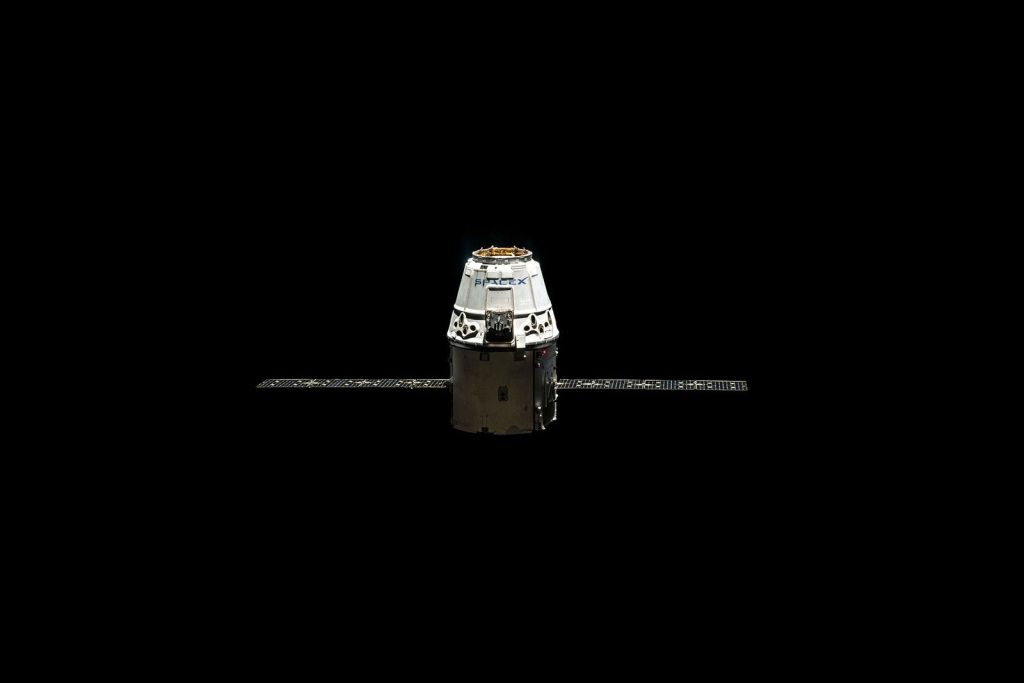
    A SpaceX Dragon capsule orbited against the dark vastness of outer space.
    Photo by Pixabay on Pexels

    NASA is redirecting the OSIRIS-REx spacecraft to intercept Apophis. The probe previously collected samples from asteroid Bennu. It has been renamed OSIRIS-APEX for this new journey. It will arrive at Apophis just as the asteroid reaches its closest point. The spacecraft will perform a daring maneuver.

    Blasting the asteroid with thrusters

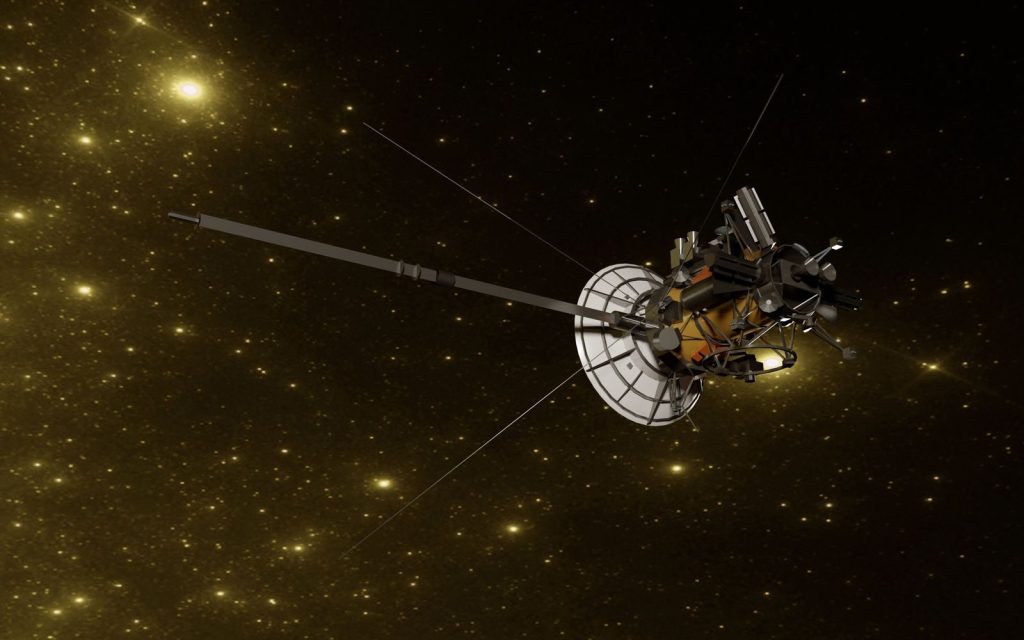
    Detailed render of a space probe navigating through the vast starry universe.
    Photo by Paul Seling on Pexels

    The spacecraft will orbit Apophis for eighteen months. It will map the surface and analyze its chemical composition. Near the end of the mission, the probe will fire its thrusters close to the surface. This will blow away loose dust to reveal what lies beneath. This data is critical for our planetary defense.

    Preparing for future impact threats

    a room with many screens and monitors
    Photo by Ana Garnica on Unsplash

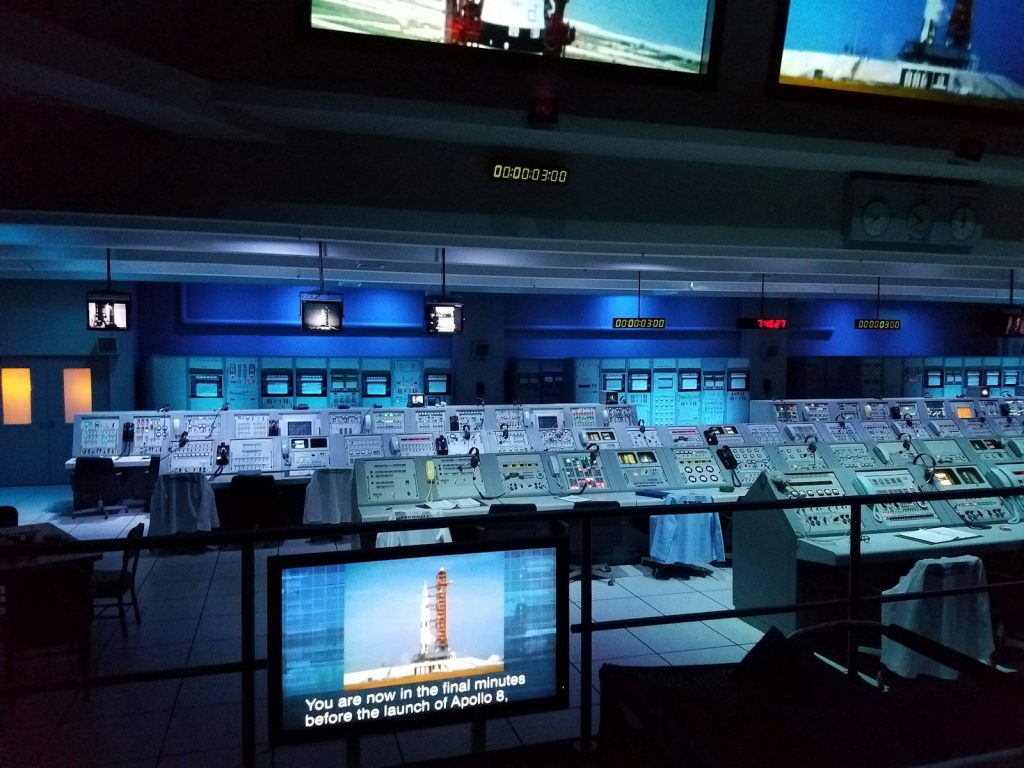
    Understanding the internal structure of asteroids helps us design deflection missions. If a dangerous rock ever threatens Earth, we need to know if it is solid or a loose rubble pile. A rubble pile requires a different deflection strategy. The upcoming 2029 flyby serves as a perfect dress rehearsal.

    The threat is not entirely gone

    Abstract skull surrounded by glowing, colorful orbits and sparkles.
    Photo by Brecht Corbeel on Unsplash

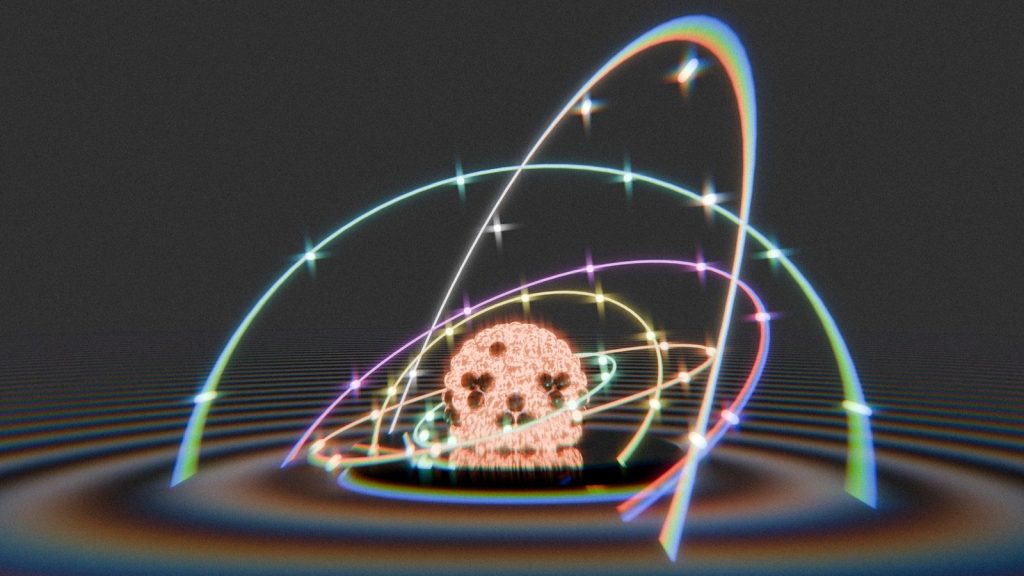
    While NASA ruled out an impact in 2029, future encounters are still being analyzed. The gravitational tug of Earth will shift its orbit. Astronomers must recalculate its path for its next return in 2068. A tiny change could alter its future trajectory.

    Watching from your backyard

    a telescope sitting on top of a hill under a night sky
    Photo by Patrick Hendry on Unsplash

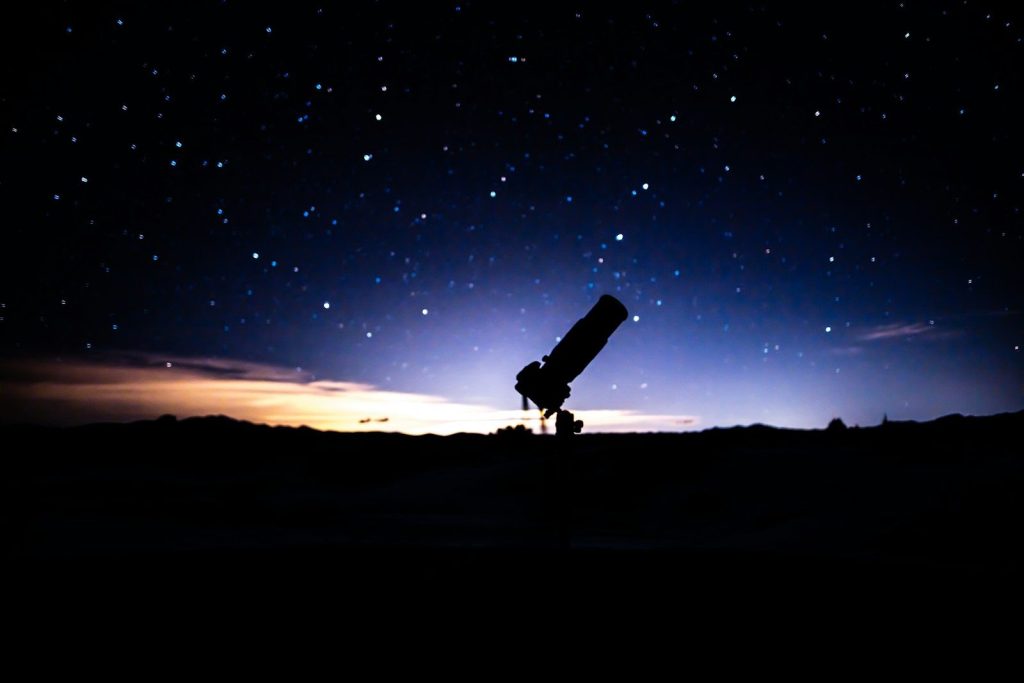
    On April 13, 2029, millions of people will see Apophis. It will look like a bright star moving across the night sky. This is a rare moment when a space threat becomes a public spectacle. The event will inspire a new generation of scientists.

    A milestone for space science

    yellow, blue, and purple sketch
    Photo by Cody Dagg on Unsplash

    The encounter with Apophis will provide unprecedented data. We will watch a planetary body change in real-time under the influence of gravity. It is a reminder of our dynamic solar system and the technology we have built to understand it.

    Featured Image: Photo by Zelch Csaba on Pexels

  • Can we catch the next visitor from another star?

    Can we catch the next visitor from another star?

    In 2017, a bizarre object named Oumuamua raced through our solar system. It was the first confirmed visitor from deep interstellar space.

    By the time astronomers spotted it, the object was already moving too fast to chase. Scientists are now preparing a daring space mission to intercept the next cosmic traveler.

    A cosmic needle in a haystack

    A breathtaking capture of the Milky Way galaxy's celestial beauty, revealing cosmic wonders.
    Photo by Felix Mittermeier on Pexels

    Interstellar objects enter our solar system at extreme speeds. They originate from distant star systems and travel for millions of years. This makes them incredibly difficult to spot early. According to the European Space Agency, our current telescopes usually see them only as they leave. But scientists have developed a new strategy.

    The Interceptor is waiting in space

    the space shuttle is flying over the earth
    Photo by NASA Hubble Space Telescope on Unsplash

    The European Space Agency plans to launch a mission called Comet Interceptor in 2029. The spacecraft will not head toward a specific target. Instead, it will park at a stable point. It will wait there patiently. Then, the clever trap will spring.

    Chasing a ghost at highway speeds

    Two spacecraft approach a space station in orbit.
    Photo by Vadim Sadovski on Unsplash

    When astronomers spot a new interstellar visitor, the waiting probe will fire its engines. It must intercept the target before it escapes. This requires extreme speed. It will split into three tiny cameras. The small ships will capture photos from multiple directions. The images could reveal ancient cosmic secrets.

    Are these objects natural or artificial?

    a very large group of stars in the dark sky
    Photo by NASA Hubble Space Telescope on Unsplash

    Astronomers debate the nature of interstellar visitors. Some researchers, including Dr. Avi Loeb at Harvard, suggested Oumuamua had unnatural characteristics. Its strange shape and unexpected acceleration puzzled experts. A close-up mission is the only way to prove if these travelers are space rocks or ancient alien technology. A successful mission would change astronomy forever.

    The extreme engineering challenge

    men's white suit
    Photo by Margaux Olverd on Unsplash

    Building a spacecraft to wait in deep space for years is extremely difficult. The electronics must survive extreme radiation. Also, the engines must fire flawlessly after years of inactivity. Engineers are designing advanced autonomous systems to guide the craft when communication delays are too high. The launch date is approaching fast.

    A global hunt for targets

    A stunning observatory under a clear, starry night sky, perfect for astronomy enthusiasts.
    Photo by K on Pexels

    Observatories are upgrading ground telescopes to find incoming visitors earlier. Chile will host the new Vera C. Rubin Observatory. This high-tech facility will scan the entire sky every few nights. Scientists estimate it will find multiple interstellar objects. The massive installation will serve as our early warning system.

    Touching another star system

    red yellow and blue abstract painting
    Photo by James Wainscoat on Unsplash

    Catching an interstellar visitor would give us our first physical data from another star system. We would analyze materials created light-years away without leaving our cosmic backyard. It is our best chance to answer whether other stars host the same building blocks of life as our Sun.

    Featured Image: Photo by NASA Hubble Space Telescope on Unsplash