Category: Space & Universe

  • Why The Sudden Solar Magnetic Flip Alters Our Sky

    Why The Sudden Solar Magnetic Flip Alters Our Sky

    Space enthusiasts assume that the Sun is a completely static and stable cosmic reactor. We believe that our star maintains a constant and unchanging magnetic structure.

    But a massive magnetic reversal is currently taking place at the center of our solar system. This regular solar cycle shift alters the entire space environment surrounding Earth.

    Explaining The Celestial Clockwork
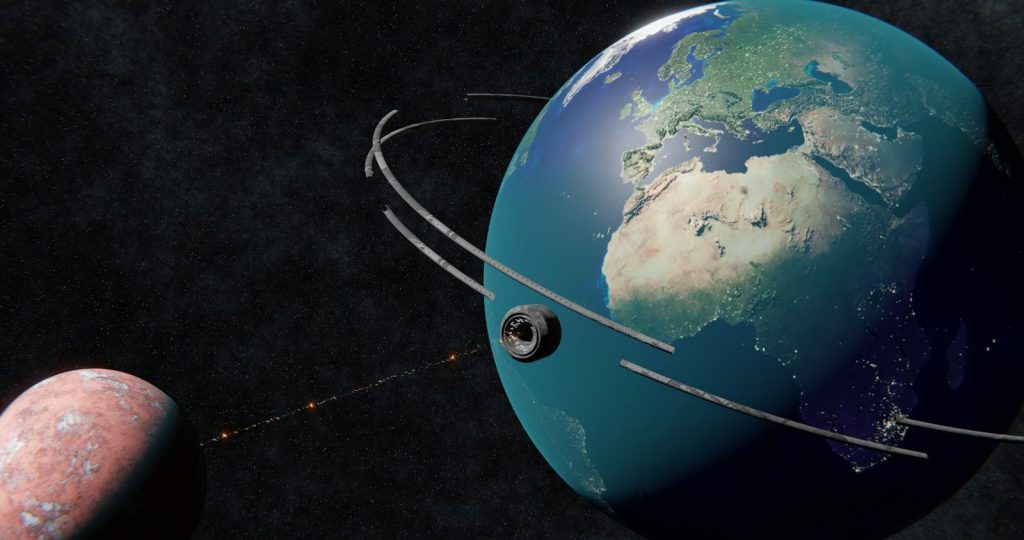
    Earth and mars with orbital rings in space
    Photo by Michael Mwangi on Unsplash

    The solar magnetic field reverses its polarity approximately once every eleven years. According to reports from NASA, this event marks the absolute peak of the solar cycle. It is a cycle. This process causes the magnetic north and south poles of our star to swap places entirely. But this cosmic flip triggers a massive wave of activity across the solar surface.

    Tracking The Solar Peak Activity
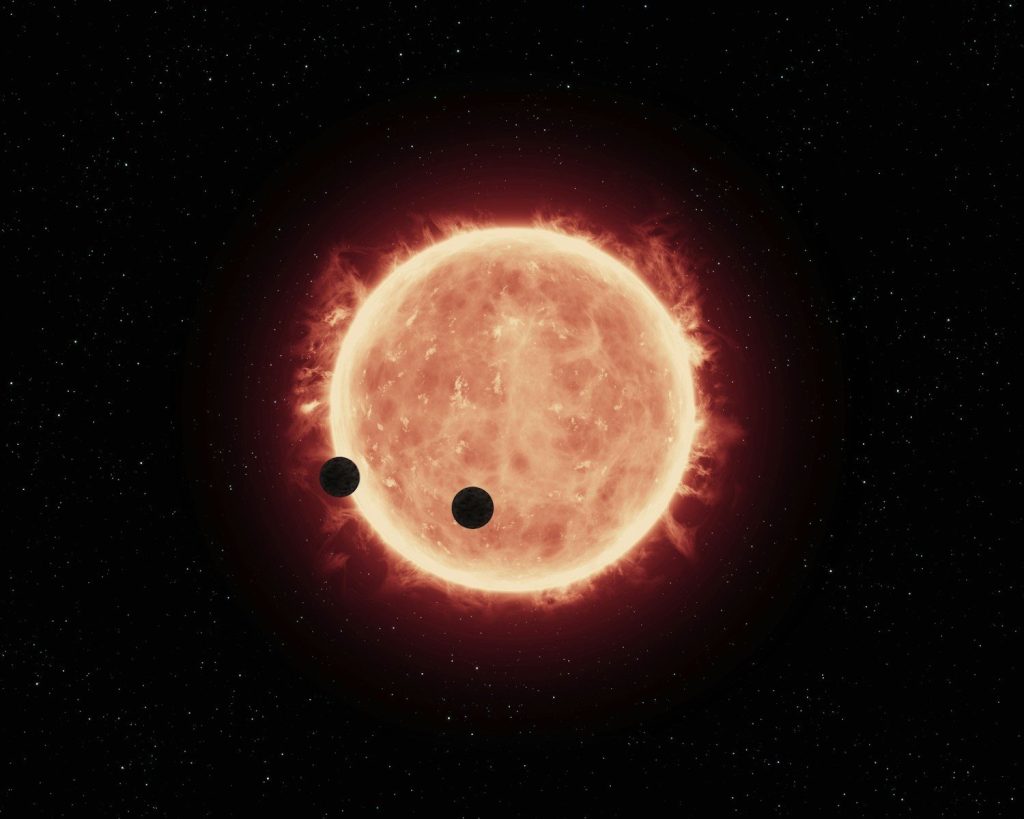
    an artist's impression of two planets in front of a star
    Photo by NASA Hubble Space Telescope on Unsplash

    Sunspots and massive solar flares become far more frequent during the magnetic flip. According to solar physicists, these violent eruptions release giant clouds of charged particles into deep space. The energy is immense. These solar winds travel rapidly across the space neighborhood and head straight toward our home planet. But Earth has a highly robust way of defending itself.

    Squeezing The Current Sheet Wide

    A striking geometric grid structure at Chadstone Shopping Centre in Australia.
    Photo by Goran Dojcinovic on Pexels

    This solar wind warps a massive cosmic boundary called the heliospheric current sheet. According to space weather monitoring stations, this warped surface ripples like a giant spinning skirt in space. The waves are massive. This rippling sheet acts like a protective shield that blocks highly dangerous cosmic rays from entering our local system. But the shift is also changing space weather.

    Blocking Toxic Space Radiation

    outer space photography of earth
    Photo by ActionVance on Unsplash

    Cosmic rays from distant dying stars constantly threaten to penetrate our inner solar system. According to reports from the National Oceanic and Atmospheric Administration, the warped solar field deflects these toxic rays away from Earth. The defense is passive. This temporary protection helps safeguard our satellite networks and high-altitude flight crews from radiation. But this magnetic shift also creates unique hazards.

    Disrupting National Power Grids

    a bunch of power lines that are in the dirt
    Photo by Sam LaRussa on Unsplash

    Heavy solar winds from magnetic eruptions can interact violently with our upper atmosphere. According to utility energy studies, these magnetic storms can induce strong electrical currents in long power lines. The threat is real. This extra energy can overload transformers and trigger rolling blackouts across major cities. But scientists are already designing smart shields to protect us.

    Navigating The Space Storms
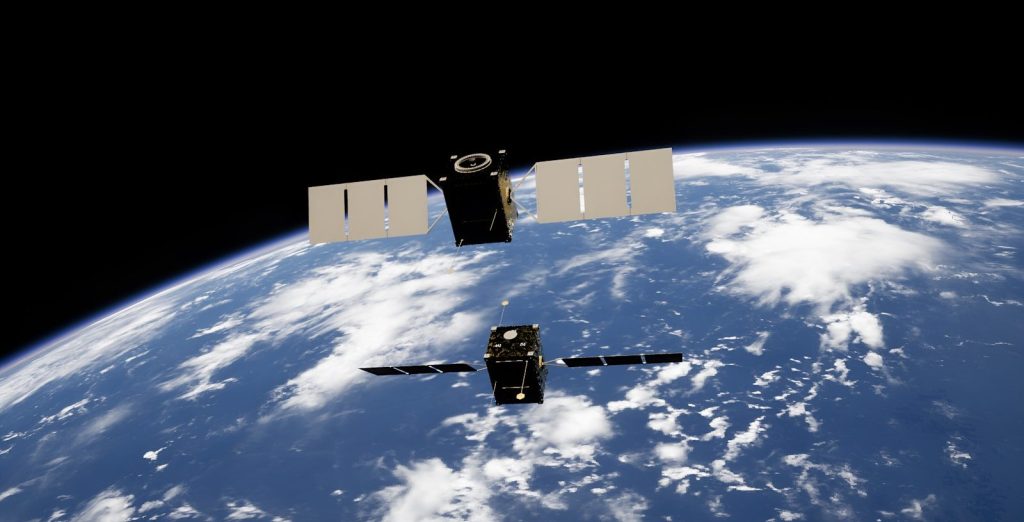
    a satellite satellite flying over the earth
    Photo by Kevin Stadnyk on Unsplash

    Modern satellites must adjust their orbits to survive the swelling atmosphere during solar maximum. According to aerospace engineering logs, increased drag forces can pull low-orbit craft down toward Earth prematurely. They must adapt. Specialized thruster adjustments allow these high-tech platforms to maintain stable coordinates until the solar storm passes. But this solar flip is only a temporary transition.

    Restoring Calm Cosmic Cycles

    a city skyline with the sun setting
    Photo by Aymeric Lamblin on Unsplash

    Once the solar poles complete their swap, the magnetic activity will slowly fade into a quiet minimum. According to researchers, this cycle has repeated reliably for billions of years without destroying our planetary environment. Nature maintains balance. This article is for informational purposes only.

    Featured Image: Photo by Nicola Narracci on Pexels

  • The Mind-Bending Discoveries That Unlocked Deep Space

    The Mind-Bending Discoveries That Unlocked Deep Space

    Most stargazers assume that early humans viewed the night sky as a simple ceiling of bright lights. We believe that understanding cosmic movements required highly advanced modern satellites.

    But a series of historical breakthroughs has completely transformed our relationship with the cosmos. These brilliant discoveries have quietly revealed a vast and changing universe beyond our world.

    Turning Glass Toward Stars

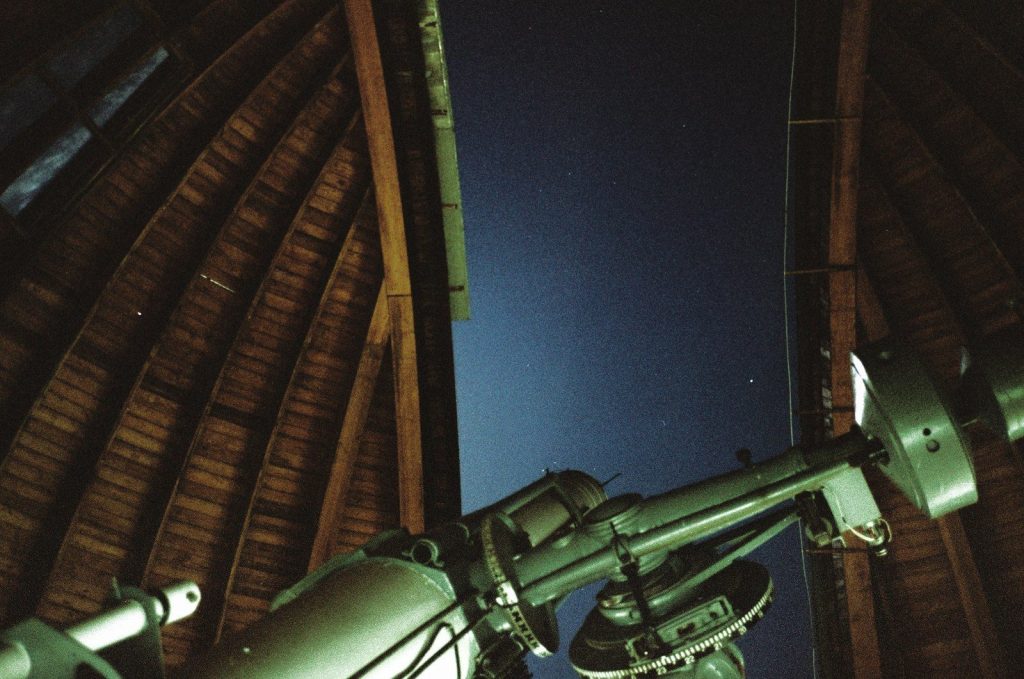
    a telescope mounted to the side of a building
    Photo by Vasily Ledovsky on Unsplash

    The journey to map deep space officially began when a bold inventor turned glass lenses toward the moon. According to historical records, Galileo observed orbiting moons and planetary phases in sixteen ten. It was a revelation. This simple visual proof shattered old beliefs that everything in the cosmos circled Earth. But this optical step was only the beginning of a much larger calculation.

    Calculating Gravity: Cosmic Laws

    water droplets on glass panel
    Photo by Alazar Kassahun on Unsplash

    Understanding why heavy planets remain locked in stable paths required a radical mathematical leap. According to physics publications, Isaac Newton proved that an invisible gravitational force binds the entire universe together. The math was perfect. This gravity calculation allowed astronomers to predict planetary movements with absolute accuracy for generations. But a strange cosmic speed limit would soon disrupt these neat equations.

    Bending Space And Time

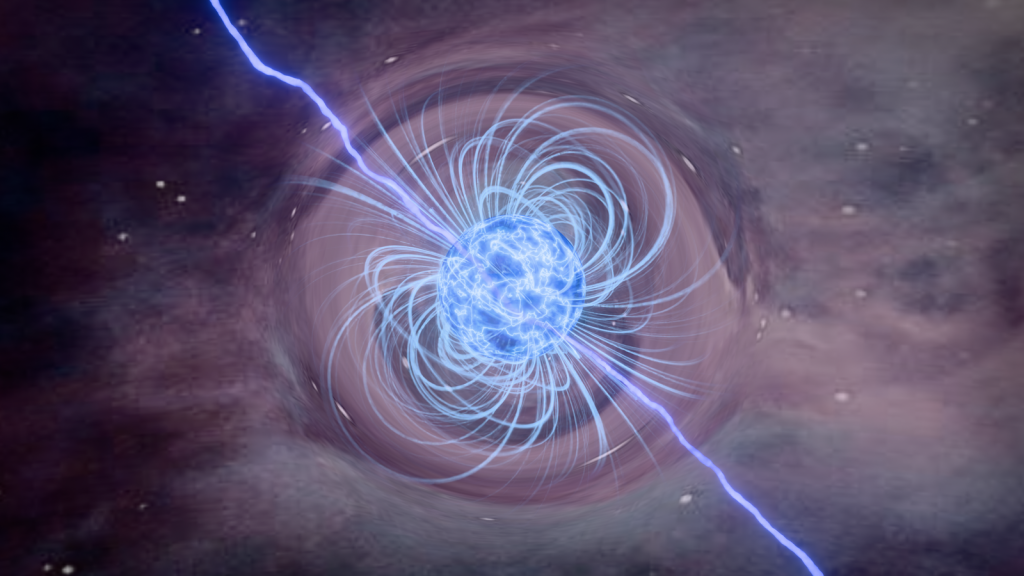
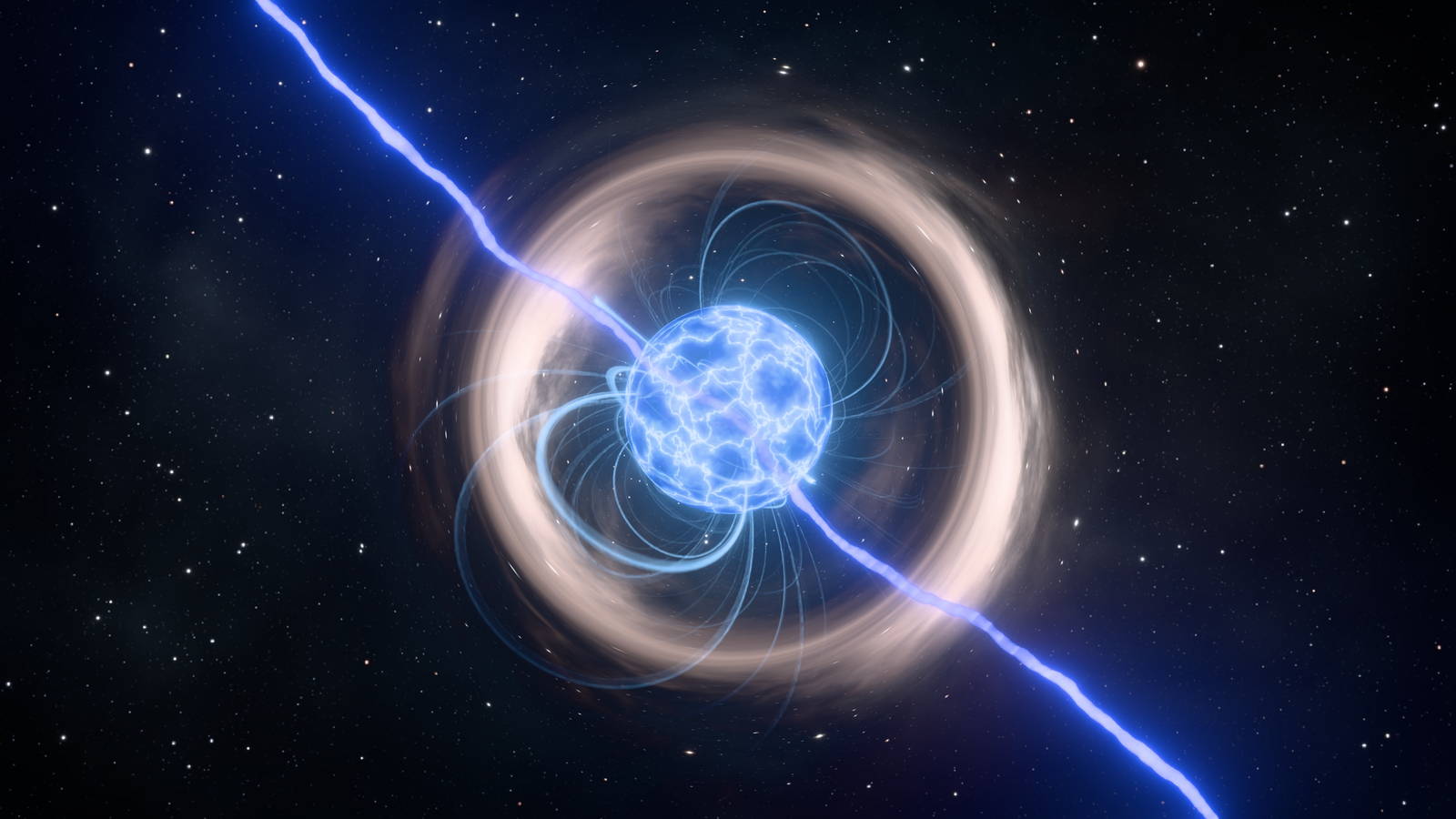
    Artistic depiction of a neutron star surrounded by a glowing magnetic field.
    Photo by Nicola Narracci on Pexels
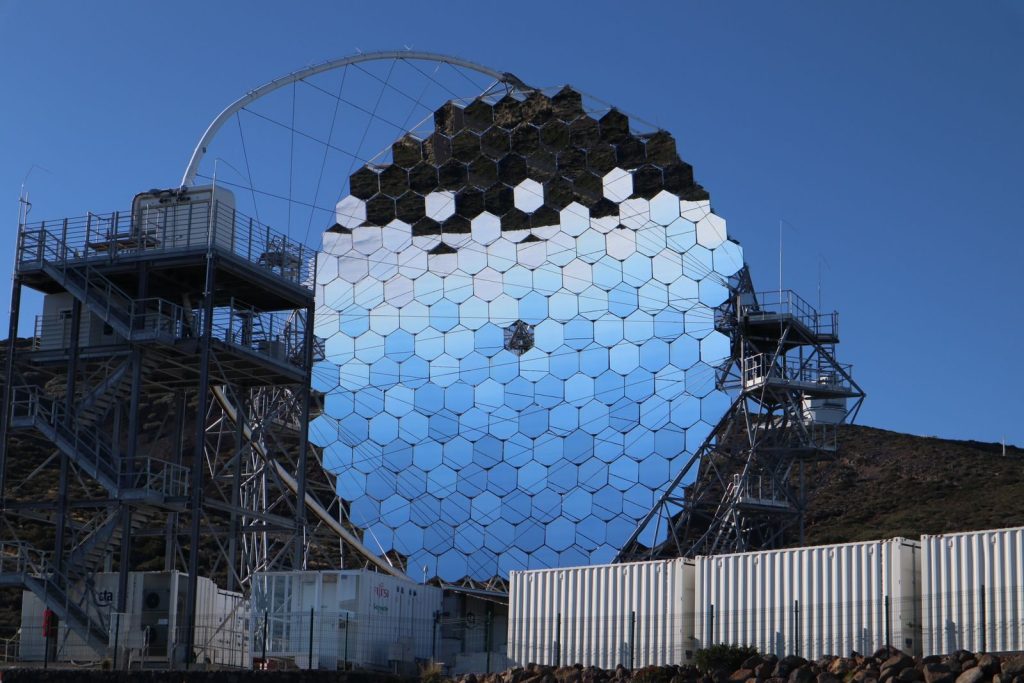
    A brilliant patent clerk proposed a mind-bending theory that completely reshaped modern physics. According to reports from the Institute for Advanced Study, Albert Einstein showed that gravity actually warps the physical fabric of space and time. Space is flexible. This radical idea explained how massive stars can bend passing starlight during solar eclipses. But tracking these cosmic warps required looking at distant galaxies.

    Discovering The Expanding Void

    Futuristic reflective structure with hexagonal mirrors under a clear blue sky. Modern design.
    Photo by Michael Goddard on Pexels
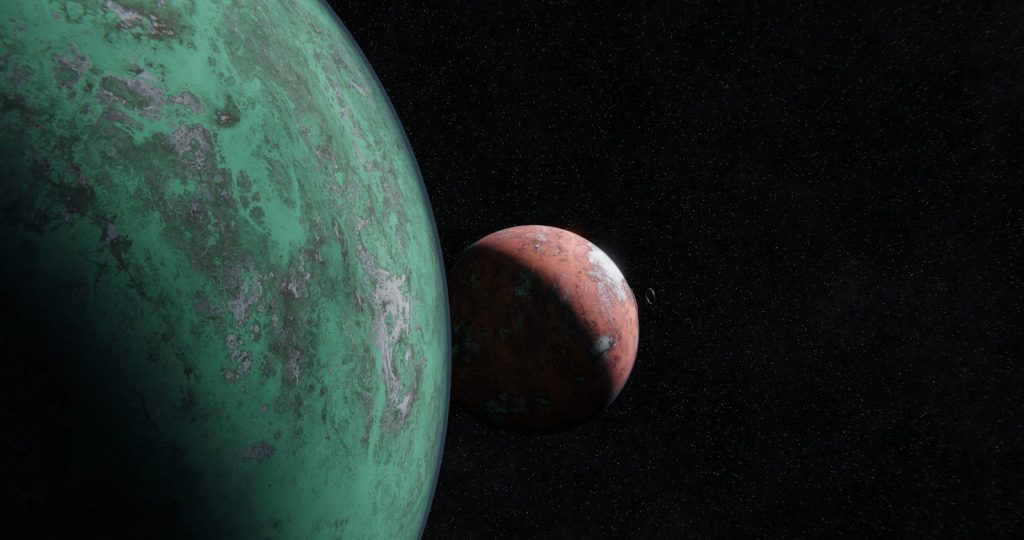
    Astronomers using a massive telescope in California made a shocking discovery about the scale of our universe. According to historical archives, Edwin Hubble proved that distant galaxies are actively rushing away from us. The cosmos is growing. This constant expansion suggested that everything in space originated from a single hot starting point. But capturing the cold echo of this birth required fresh sensors.

    Hearing The Big Bang

    Abstract visualization of light waves interacting with spheres
    Photo by Marek Pavlík on Unsplash

    Two communications engineers accidentally recorded a persistent hum coming from all directions in the sky. According to reports from the Bell Telephone Laboratories, this static noise was the literal thermal echo of the early universe. It was a whisper. This cosmic microwave background provided definitive proof of how our universe began billions of years ago. But deep space still held an invisible energy mystery.

    Hunting For Dark Matter

    A colorful fireworks is lit up in the night sky
    Photo by David Gomez on Unsplash

    Modern telescopes mapping the speed of spinning galaxies discovered that visible matter is not strong enough to hold them together. According to astronomical studies, a mysterious invisible substance must exist to provide extra gravity. The universe is hidden. This dark matter is currently one of the greatest unresolved puzzles in modern astrophysics. But astronomers are already preparing to look even deeper.

    Scanning The Outer Horizons

    the space shuttle is flying over the earth
    Photo by NASA Hubble Space Telescope on Unsplash

    Every new telescope discovery expands our understanding of how cosmic matter behaves under extreme physical conditions. According to NASA, using advanced orbital sensors allows humanity to trace the history of all matter back to the stars. We are learning. This article is for informational purposes only.

    Featured Image: Photo by NASA Hubble Space Telescope on Unsplash

  • The Secret Massive Planet Hiding Inside Our Solar System

    The Secret Massive Planet Hiding Inside Our Solar System

    Most stargazers assume that we have fully mapped every major object orbiting our sun. We believe that modern space telescopes have already cataloged all the large planets in our local neighborhood.

    But highly advanced mathematical orbits suggest that a massive hidden world is quietly lurking in the outer darkness. This undiscovered giant could soon rewrite our entire map of the solar system.

    Gravitational Pull In The Dark

    Abstract swirling blue and green patterns on black background
    Photo by Logan Voss on Unsplash

    Outer space rocks are behaving in a highly erratic manner near the edge of our system. According to NASA researchers, a massive unseen object is using gravity to pull these icy bodies out of their normal orbits. The pull is immense. This strange orbital grouping is the first major clue pointing to a hidden world. But tracking this giant requires looking far past Pluto.

    The Frozen Kuiper Belt Mystery

    an artist's rendering of a distant star system
    Photo by NASA Hubble Space Telescope on Unsplash

    Millions of icy space rocks drift through a vast frozen ring beyond the outer gas giants. According to planetary geologists, many of these distant orbits are tilted at highly unusual angles. The math is weird. These extreme tilts suggest that a heavy planetary mass cleared a path through the debris long ago. But explaining how this world formed requires analyzing early space history.

    Born In The Early Chaos

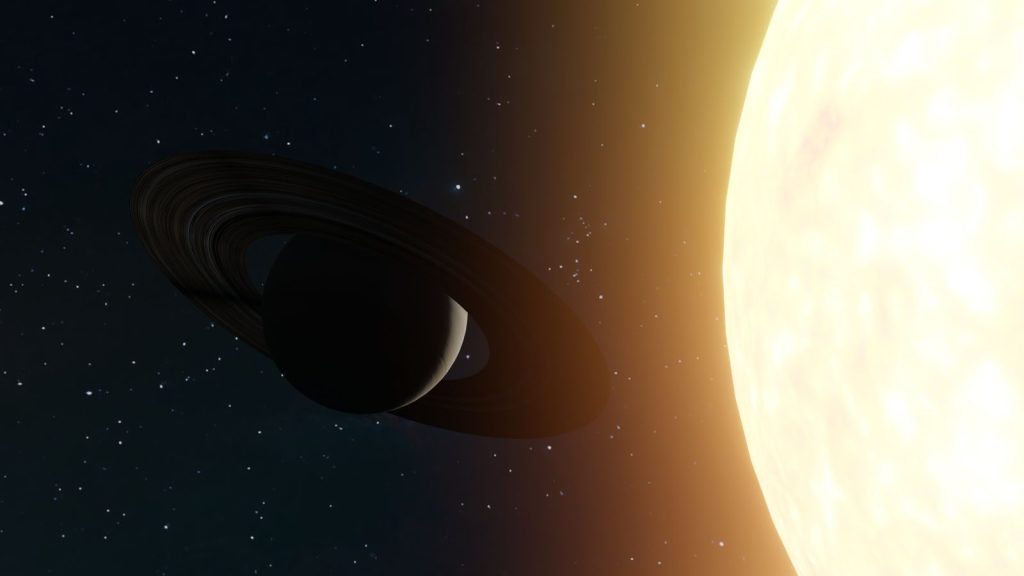
    A ringed planet silhouetted against a bright star in outer space.
    Photo by Zelch Csaba on Pexels

    The early solar system was a highly violent playground of colliding gas and rocky debris. According to astronomical simulations, young planets were frequently kicked out of their original orbits by giant gravitational shifts. It was pure chaos. Some theories suggest our sun threw the hidden planet into the frozen outer dark. But finding this silent world presents an extreme observational challenge.

    Hunting An Invisible Giant

    A black and white photo of a mountain at night
    Photo by Slava Taukachou on Unsplash

    Scanning the outer edges of space is incredibly difficult because very little starlight reaches those coordinates. According to reports from the Subaru Telescope, researchers are using wide-field cameras to scan the dark sky systematically. The search is intense. Finding a dark planet in the black void is like looking for a black needle in a dark room. But a fresh orbital model has narrowed down the coordinates.

    The Elusive Planet Nine Hypothesis

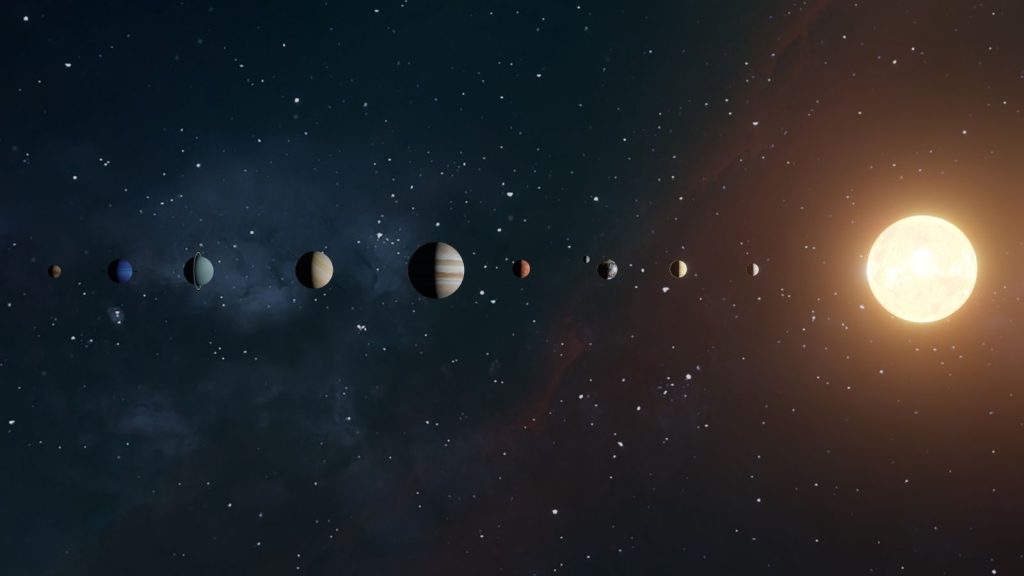
    An artistic representation of the solar system showing planets orbiting the sun.
    Photo by Zelch Csaba on Pexels
    Mathematically modeling the outer orbits suggests a world roughly ten times the mass of Earth exists. According to Caltech researchers, this hypothetical giant takes up to twenty thousand years to complete a single orbit around the sun. The distance is staggering. This extreme path keeps the planet permanently hidden in the deep dark. But some astronomers believe a different telescope will capture the first proof.

    Advanced Infrared Scanning Power

    A man with short hair covers his face, seated behind a thermal imaging screen indoors.
    Photo by cottonbro studio on Pexels

    Even cold planets in the deep void release a tiny amount of residual thermal heat. According to the James Webb Space Telescope team, sensitive infrared sensors can detect these extremely weak thermal signatures against the cold space background. The tech is brilliant. This thermal search could soon reveal the precise location of the hidden planetary giant. But confirming its existence will change our cosmic perspective forever.

    Redefining Our Cosmic Neighborhood

    A miniature solar system with labeled planets.
    Photo by Anurag Sarkar on Unsplash

    Discovering a massive new planet will permanently reshape our understanding of how solar systems form. According to astrophysicists, our local neighborhood is far more complex and mysterious than we ever imagined. The cosmos holds endless secrets. This article is for informational purposes only.

    Featured Image: Photo by NASA Hubble Space Telescope on Unsplash

  • Why Rocket Scientists Are Building The Largest Spacecraft Ever

    Why Rocket Scientists Are Building The Largest Spacecraft Ever

    Most stargazers assume that deep space travel is limited by the power of our engines. We believe our current rockets are already built to the absolute limits of mechanical physics.

    But a spectacular engineering shift is taking place in southern Texas. Designers are building a colossal metal tower designed to carry humans to other worlds.

    The Colossal Steel Prototype

    a close up view of a metal structure
    Photo by Vova Kondriianenko on Unsplash

    A revolutionary new spacecraft dwarfs every rocket built in human history. According to reports from SpaceX, this massive vehicle stands nearly four hundred feet tall when fully assembled. It is truly giant. The giant hull is crafted from polished stainless steel rather than expensive carbon fiber. But choosing this common metal was actually a highly calculated engineering move.

    Thermal Protection Breakthroughs

    A black and white photo of a desk with two monitors
    Photo by Thorium on Unsplash

    Stainless steel performs incredibly well under the extreme temperatures of atmospheric entry. According to materials science reports, the metal can survive intense friction without cracking or melting. The shield is passive. This durability allows the spacecraft to bypass heavy protective structures that slow down traditional vehicles. But carrying such a heavy load requires an unprecedented amount of lifting force.

    Powering The Giant Booster

    Thrill ride with fiery exhaust at night
    Photo by Jahanzeb Ahsan on Unsplash

    The first stage booster uses thirty-three advanced engines burning a unique mixture of liquid methane and oxygen. According to aerospace propulsion logs, this setup generates more than double the thrust of the historic Saturn Five rocket. The roar is deafening. This fuel choice is vital because it can eventually be manufactured on other planets. But the real goal of this giant craft is absolute reusability.

    The Rapid Return Playbook

    A SpaceX Dragon spacecraft orbiting Earth, captured in vivid detail against space.
    Photo by SpaceX on Pexels

    Landing both stages of the spacecraft allows the vehicle to fly multiple times in a single day. According to orbital flight studies, reducing launch costs is the absolute key to exploring deep space. Fueling is cheap. Reusing the expensive hardware can drop the price of space travel by over ninety percent. But executing these precise vertical landings requires an incredibly smart system.

    Giant Tower Catching Rockets

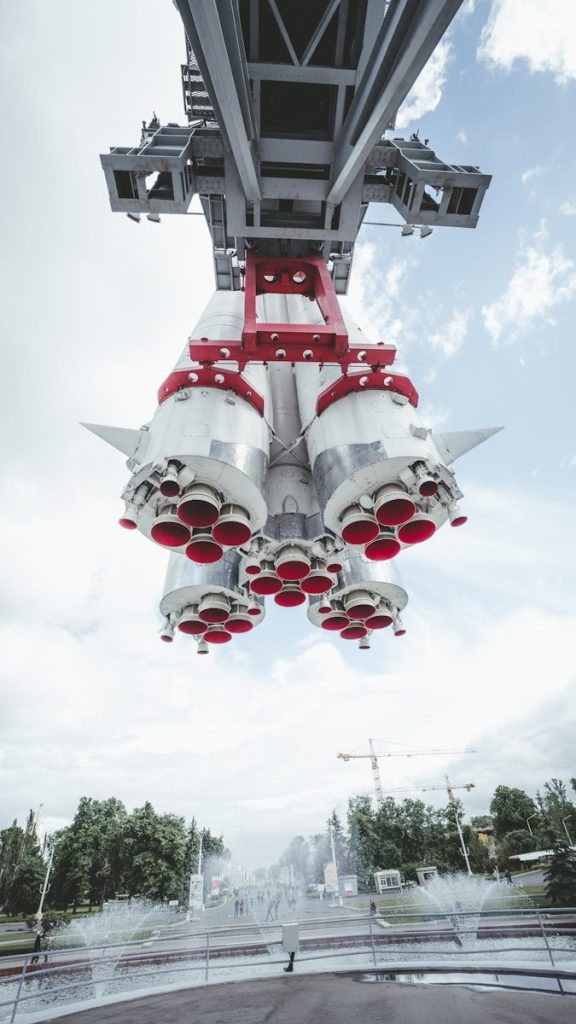
    white and red space ship
    Photo by Arseny Togulev on Unsplash

    Instead of landing on legs, the massive booster is caught in midair by mechanical arms on the launch tower. According to engineering test logs, this precise catch eliminates the weight of heavy landing gear entirely. The maneuver is breathtaking. It allows the vehicle to be serviced and prepared for launch again within hours. But this rapid transit is actually designed for a much larger target destination.

    Building The Mars Highway

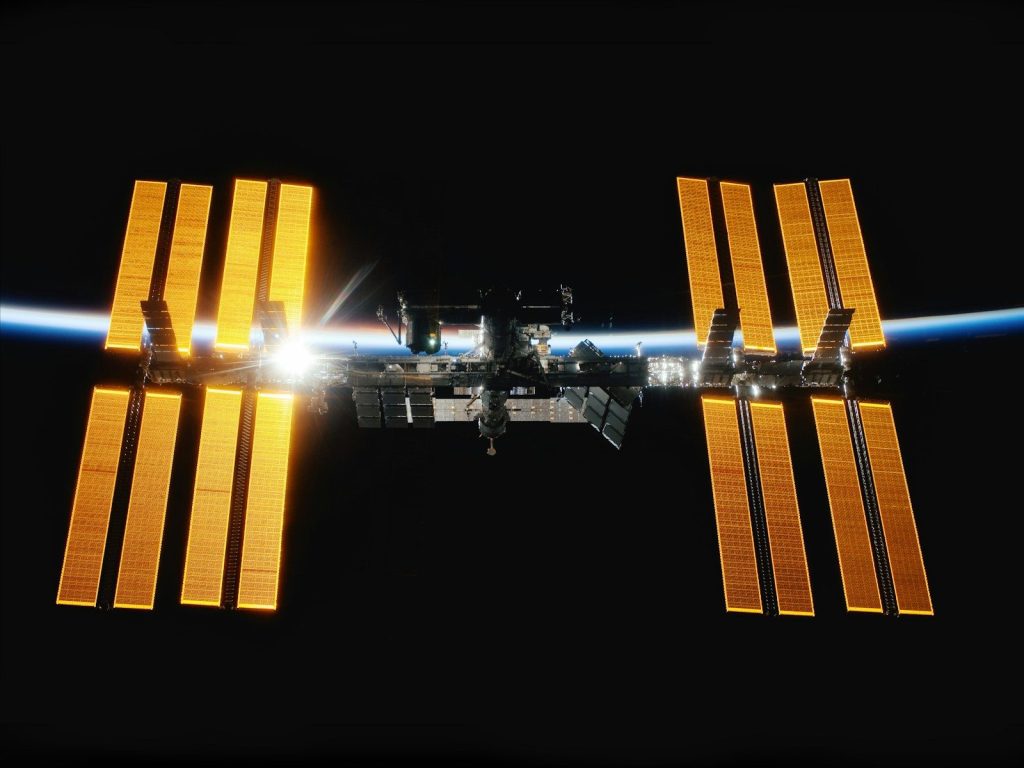
    International Space Station orbits earth
    Photo by NASA on Unsplash

    Reaching the red planet requires carrying thousands of tons of cargo and passengers into orbit. According to interplanetary mission plans, the spacecraft will use orbital refueling tankers to prepare for the long journey. Space is hostile. The goal is to establish a self-sustaining city on Mars over the next few decades. But managing human survival during the transit is a massive biological challenge.

    Solar Radiation Defenses

    a metal object with a light inside of it
    Photo by Shubham Dhage on Unsplash

    Deep space transit exposes travelers to highly toxic solar winds and cosmic rays. According to cosmic radiation studies, the spacecraft hull must feature specialized shielding zones to keep astronauts safe. The rays are invisible. This protective area will serve as a secure storm shelter during intense solar flares. But proving this technology is still a work in progress.

    Expanding Beyond Earth Limits

    brown and gray mountain under gray sky
    Photo by Brian Wangenheim on Unsplash

    Building these gargantuan rockets is pushing materials science and structural engineering into a bold new era. According to space researchers, establishing a presence on other worlds will ensure the long-term survival of human consciousness. The journey is starting. This article is for informational purposes only.

    Featured Image: Photo by SpaceX on Unsplash

  • How Scientists Spot Signs Of Life On Distant Worlds

    How Scientists Spot Signs Of Life On Distant Worlds

    Most space lovers assume that finding alien life requires intercepting direct radio signals. We believe that we must wait for a clear message to arrive from a nearby star system.

    But modern planetary scientists are using a much faster chemical method. Their high-tech telescopes can now scan the atmospheres of distant worlds to find signs of biology.

    Scanning The Glowing Skies

    an artist's rendering of a solar system with eight planets
    Photo by NASA Hubble Space Telescope on Unsplash

    Astronomers no longer rely on simple visual observations to find planets. According to NASA, specialized space telescopes analyze the starlight passing through a planet’s outer atmosphere. This is brilliant. The gas layers absorb specific wavelengths of light to create a unique molecular barcode. But reading this cosmic signature is only the first step in the search.

    The Chemistry Of Biology

    man looking at microscope
    Photo by National Cancer Institute on Unsplash

    Certain gases are highly reactive and disappear quickly without a constant source. According to a study published in the journal Nature, finding a mixture of oxygen and methane together is a major clue. They are highly volatile. These gases normally destroy each other unless active living organisms are producing them. But scientists are looking for an even more specific chemical indicator.

    The Ultimate Greenhouse Gas

    an artist's rendering of an exoplaned planet
    Photo by Andrej Sachov on Unsplash

    Carbon dioxide is a common compound found on cold, dead planets like Mars. However, according to researchers at the Massachusetts Institute of Technology, a sudden drop in atmospheric carbon can reveal an active biosphere. The trees are breathing. Living plants and oceans absorb massive amounts of carbon to alter the global climate. But tracking this change requires studying the planet’s neighbor.

    Comparing Twin Worlds

    Two planets in outer space with stars
    Photo by Michael Mwangi on Unsplash

    Scientists evaluate candidate planets by comparing them directly to their neighboring sister worlds. According to astronomical models, a living planet will show significantly less carbon dioxide than a dry planet. The contrast is sharp. This dramatic mismatch is the clearest sign that active biological cycles are reshaping the environment. But looking at gases is not the only way to spot alien activity.

    Reflecting Liquid Oceans

    Stunning Milky Way reflection on Golfo de Santa Clara beach at night.
    Photo by Juan Cipriano Esquer on Pexels
    Liquid water is the most vital ingredient for the development of organic life. According to reports from the European Space Agency, advanced instruments can detect the glint of distant oceans reflecting starlight. The oceans glisten. This specular reflection helps astronomers map the water coverage of a world light-years away. But analyzing these liquid surfaces reveals another unique challenge.

    Tracking Seasonal Shifts

    a computer screen with a bunch of data on it
    Photo by Antonio Vivace on Unsplash

    Living worlds experience dramatic global shifts as they complete their orbital cycles. According to climate scientists, seasonal changes on Earth alter the green vegetation cover and modify global gas levels. The cycle turns. Modern telescopes are starting to track these rhythmic seasonal pulses on distant exoplanets. But verifying these observations requires launching a new generation of spacecraft.

    Future Space Observatories

    telescope pointed at helicopter on mid air
    Photo by Jaredd Craig on Unsplash

    Space agencies are designing advanced telescopes to capture direct images of rocky exoplanets. According to mission planners, blocking out the overwhelming glare of the parent star is the main technical hurdle. It is incredibly difficult. Specialized starlight shades will allow instruments to isolate the planet’s true colors and surface details. But the implications of finding a living planet go far beyond simple data.

    Our Place In The Cosmos

    a group of galaxy like objects in the sky
    Photo by NASA Hubble Space Telescope on Unsplash

    Discovering even a tiny sign of biological activity on another planet would forever alter human history. According to astrobiologists, it proves that life is a natural and common process in the universe. We are not alone. This article is for informational purposes only and does not constitute professional scientific advice.

    Featured Image: Photo by Allison Saeng on Unsplash

  • The Massive Geometric Shapes Carved Into Martian Plains

    The Massive Geometric Shapes Carved Into Martian Plains

    Space enthusiasts usually assume that Mars is a completely static and dry desert. We believe the dusty Martian plains have remained entirely unchanged for billions of years.

    But robotic rovers exploring the surface are challenging this planetary assumption. Deep radar scans have mapped perfect geometric formations buried beneath the red soil.

    Traces Under Sand

    An aerial view of a canyon in the desert
    Photo by Dan Meyers on Unsplash

    A robotic explorer conducting routine soil surveys in Utopia Planitia made a highly unexpected discovery. According to reports from the Chinese Academy of Sciences, specialized radar sensors penetrated deep under the surface dust. The data was bizarre. The instruments mapped sixteen distinct geometric structures stretching across the barren plains. But explaining how these patterns formed requires looking back at planetary history.

    Giant Natural Hexagons

    a very tall rock formation with a sky background
    Photo by Danny Jongerius on Unsplash

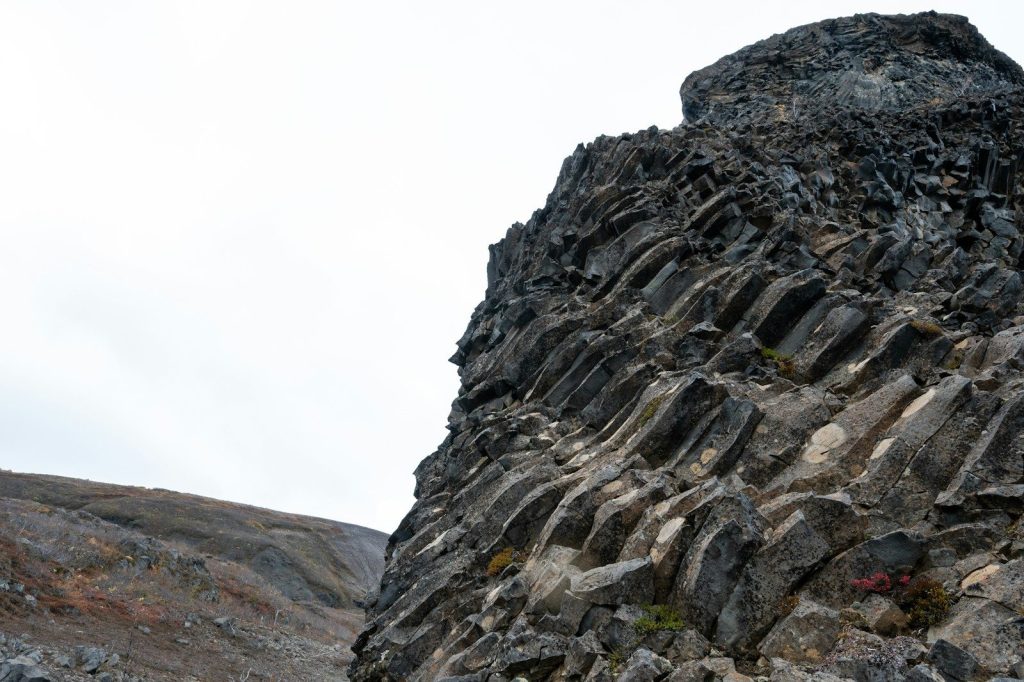
    The underground radar scans revealed a massive network of polygonal structures buried in the clay. According to planetary geologists, these sharp shapes closely resemble the basalt columns found in volcanic zones on Earth. They are truly colossal. This organized layout suggests that the Martian landscape underwent a dramatic physical transformation long ago. But the specific mechanism behind these formations remains highly controversial.

    Shifting Thermal Cycles

    a blurry photo of a red and black object
    Photo by MARIOLA GROBELSKA on Unsplash

    Some scientists suggest that extreme seasonal changes are responsible for carving these precise patterns. According to thermal dynamics models, repeated freezing and thawing cycles can force dry soils to contract into shapes. The climate was mild. This contraction process would require massive amounts of moisture to actively shape the ground. But proving that Mars was once wet required analyzing older geological layers.

    The Ancient Basin

    A detailed view of a spaceship approaching Mars, highlighting interplanetary exploration.
    Photo by SpaceX on Pexels

    The depth of the buried structures suggests they settled under the surface over three billion years ago. According to astronomical models, this ancient timeline indicates that the region once supported a massive water lake. The dates are shocking. This wet environment is likely what allowed the soil to fracture into highly organized patterns. But how this wet era suddenly ended remains a profound mystery.

    The Volcanic Vault

    brown rocky mountain under gray sky
    Photo by Toby Elliott on Unsplash

    A sudden surge in volcanic activity likely covered the ancient wet plains under layers of hot ash. According to geophysical data, massive lava flows eventually cooled and preserved the geometric formations. It was a shield. This volcanic barrier kept the underground patterns perfectly preserved across vast geological epochs. But the robotic lander was about to detect another strange signature in the area.

    Irregular Magnetic Fields

    Technician operating laboratory electronic testing and measurement devices with colorful display.
    Photo by Alexander Dummer on Pexels

    The radar scans also revealed that the magnetic fields surrounding the shapes are highly irregular. According to space agency physicists, these magnetic anomalies do not match standard readings from other Martian regions. The data is weird. This mismatch suggests that the subterranean rocks underwent an intense electromagnetic shift during their formation. But some researchers suggest a highly practical approach to solving this puzzle.

    Scanning Far Horizons

    silhouette photography of mountains
    Photo by Michele Mescolin on Unsplash

    This unexpected discovery proves that our neighboring planet still holds profound geological secrets. According to astrophysicists, mapping these underground shapes alters our understanding of how planetary environments evolve. Nature always surprises us. This article is for informational purposes only.

    Featured Image: Photo by ostudio on Unsplash

  • Why Top Sensors Are Catching Hidden Sky Anomalies

    Why Top Sensors Are Catching Hidden Sky Anomalies

    Aviation experts always assume that unidentified sky sightings are simple camera reflections. We believe our highly advanced tracking networks are completely immune to basic errors.

    But high-resolution defense logs are revealing a different reality. Bizarre aerial phenomena are constantly leaving undeniable physical signatures across multiple modern instruments.

    Chasing Invisible Patterns

    Nautical navigation screen displaying charts and data.
    Photo by Leon Bredella on Unsplash

    Military tracking stations routinely filter out atmospheric clutter to keep flight paths safe. According to reports from NASA, these automated systems often ignore movements that do not fit known aircraft profiles. They are incredibly fast. This selective filtering means some of the most bizarre anomalies might slip by unnoticed under normal settings. But researchers are finally looking more closely at the raw data.

    Multi-Sensor Proof

    black flat screen computer monitor
    Photo by Mike Petrucci on Unsplash

    The most compelling encounters are validated by different instruments scanning the skies at the exact same moment. According to declassified military logs, advanced radar and infrared cameras locked onto the same target simultaneously. The tracking was perfect. Having multiple independent systems record the event completely rules out simple camera glare. But explaining these flight paths requires looking at impossible physics.

    Bypassing Physical Limits

    a blurry photo of a red object in the dark
    Photo by MARIOLA GROBELSKA on Unsplash

    The recorded objects frequently perform sudden turns that would instantly destroy standard human structures. According to aerospace engineering experts, these maneuvers generate crushing gravitational forces that bypass normal aerodynamic constraints. The speed is baffling. These crafts navigate without leaving any visible heat trails or exhaust plumes in the air. But this silent performance points to a highly complex power source.

    The Nuclear Beacon

    Four cooling towers emitting steam above a town
    Photo by Energie-portal.sk on Unsplash

    These mysterious objects show a highly strange preference for sensitive atomic facilities across the globe. According to declassified defense documents, unrecognized craft have repeatedly hovered over nuclear storage sites and active power generators. The reactors hum. This persistent behavior suggests a deep interest in our most advanced energy technologies. But capturing a pristine image of these objects remains a massive struggle.

    Active Light Manipulation

    a plane flying through a cloudy sky with the moon in the distance
    Photo by Wolfgang Hasselmann on Unsplash

    The stealthy behavior of the objects makes them almost completely invisible to standard human vision. According to optical physics researchers, these anomalies can polarize light waves to blend seamlessly into the surrounding atmosphere. They are highly stealthy. This active camouflage makes it incredibly difficult for standard cameras to lock onto the craft. But a new international coalition is attempting to bypass this obstacle.

    Global Tracking Nets

    A surveillance camera mounted on a metal pole against a cloudy sky captures outdoor security technology.
    Photo by 易 凡 on Pexels

    Civilian science networks are preparing to monitor the upper atmosphere using high-resolution sensor grids. According to project directors, deploying automated cameras across multiple continents will bypass traditional military classification. Accuracy is vital. This independent scientific approach aims to share raw atmospheric data directly with global universities. But finding the true origin of these objects will require analyzing their movement.

    Cosmic Survival Theory

    Illustration of a spacecraft navigating through the vast universe against a starry backdrop.
    Photo by Paul Seling on Pexels

    Some astrophysicists suggest that these anomalies might represent robotic scouts sent from distant stars. According to the dark forest hypothesis, highly advanced civilizations choose to remain silent to survive in a hostile universe. They are quiet. This strategy would explain why these objects watch our progress without ever making direct contact. But the ongoing search is already shifting how we view our place in the cosmos.

    Expanding Our Horizon

    Sunrise over misty mountain ranges with foreground grass.
    Photo by Lorenzo Berti on Unsplash

    Studying these mysterious sky events forces us to expand our understanding of natural laws. According to researchers, keeping an open mind about raw sensor data is vital for the future of human engineering. The truth is out there. This article is for informational purposes only.

    Featured Image: Photo by Roman Ilyuhin on Unsplash

  • The Unexplained Interstellar Objects From Extinct Alien Worlds

    The Unexplained Interstellar Objects From Extinct Alien Worlds

    Most astrobiologists assume that searching for alien life requires catching active radio signals from thriving cosmic societies. We believe that we must find living civilizations that are actively transmitting messages across the galaxy.

    But a fascinating new paper suggests that we are far more likely to find the silent ruins of dead civilizations. These ancient mechanical remnants could be drifting right through our own cosmic neighborhood in the sand.

    The Longevity Question

    Glitching document with blue and yellow text.
    Photo by Egor Komarov on Unsplash

    The search for space intelligence is heavily limited by how long a technological society can actually survive. According to calculations based on the Drake equation, the chances of our brief human history overlapping with an active alien civilization are incredibly small. They are tiny. This timing mismatch suggests that most advanced worlds have already vanished from the galaxy. But their physical creations could easily endure for billions of years.

    Crumbling Solar Swarms

    an image of a cluster of stars in the sky
    Photo by NASA Hubble Space Telescope on Unsplash

    Advanced civilizations would likely construct giant megastructures like Dyson swarms of mirrors to capture their star’s energy. According to astrophysicist Brian C. Lacki, these massive passive structures are vulnerable to destructive space collisions over millions of years. The impacts are violent. A slow chain reaction of collisions would eventually grind even the largest alien megastructures down into fine metallic dust. But this dust would not stay trapped.

    Pushed Into Deep Space

    Abstract image of fine particles floating against a black background.
    Photo by cottonbro studio on Pexels

    Once these mechanical remnants are ground down to microscopic sizes, they can escape their home systems. According to space physics models, the intense pressure of starlight can push these tiny technograins out into interstellar space. The dust is free. Pushed by solar winds, these microscopic pieces of extinct technology drift across the galaxy for eons. But where these traveling grains eventually settle has taken researchers by surprise.

    The Lunar Vault

    gray sand
    Photo by Harpal Singh on Unsplash

    Inactive celestial bodies without any geological activity can act like perfect historical archives for cosmic debris. According to the Oxford research paper, geologically dead worlds like our moon are ideal places to search for interstellar technograins. The surface is quiet. Because the moon has no wind or water to erode material, it preserves incoming space dust perfectly in its soil. But finding these microscopic relics requires scanning the regolith.

    Cosmic Archaeology Tactics

    an image of a space station on the moon
    Photo by Jack Dong on Unsplash

    Scanning moon dust could allow space archaeologists to identify the chemical signatures of long-extinct worlds. According to planetary geologists, analyzing the isotopic makeup of lunar regolith could reveal artificial compounds that do not occur naturally. The search is beginning. Finding these microscopic grains would provide definitive proof of ancient alien engineering without needing to travel to distant stars. But some larger technological relics might already be passing by.

    Interstellar Drifting Ships

    a very large object in the middle of the night sky
    Photo by NASA Hubble Space Telescope on Unsplash

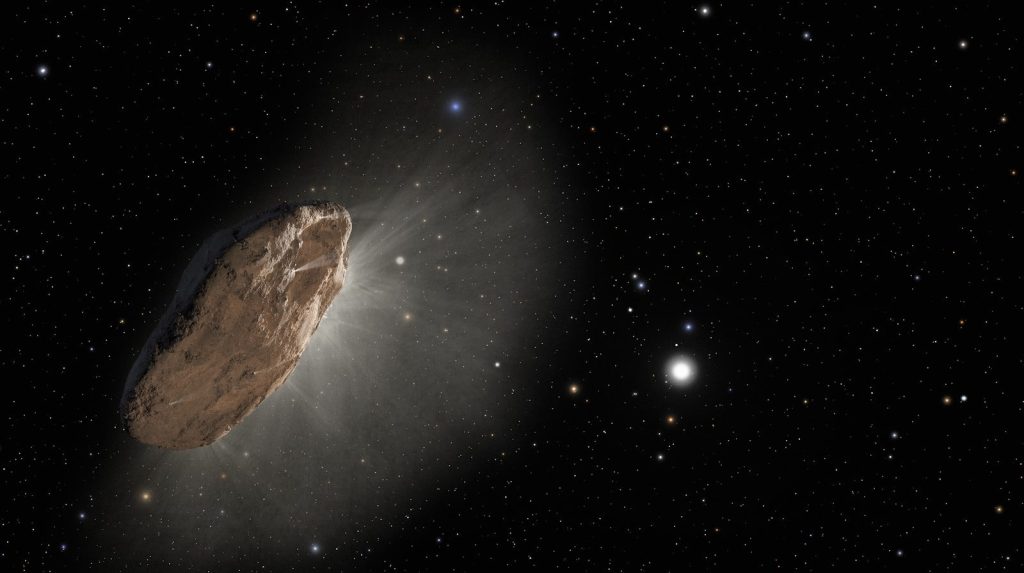
    Some larger pieces of defunct equipment might occasionally cruise straight through our local solar neighborhood. According to Harvard astrophysicist Avi Loeb, anomalous interstellar objects like Oumuamua or ATLAS show physical properties that match thin sails or technological artifacts. They are silent. These fast-moving wanderers could represent the ancient robotic scouts of civilizations that died out billions of years ago. But deciphering these silent travelers remains our greatest challenge.

    Lessons From Cosmic Death

    Globe with sun in the background
    Photo by Lara Bellens on Unsplash

    Searching for extinct civilizations teaches us valuable lessons about our own survival on Earth. According to researchers, studying these silent cosmic graves reminds us of the extreme fragility of high-tech societies. Balance is essential. By understanding the mistakes of past worlds, humanity might finally find a way to avoid a similar fate in the dark. This article is for informational purposes only.

    Featured Image: Photo by NASA Hubble Space Telescope on Unsplash

  • The Baffling Repeating Space Signals Finally Decoded

    The Baffling Repeating Space Signals Finally Decoded

    Most space enthusiasts believe that repeating radio signals from deep space must belong to alien civilizations. We assume that natural cosmic objects can only produce chaotic bursts of energy rather than rhythmic patterns.

    But astronomers have finally cracked the mystery behind a bizarre series of repeating signals. Their incredible discovery has revealed a highly unusual stellar system acting like a cosmic generator.

    Enigmatic Radio Beats

    a close up of a machine with red knobs
    Photo by Bonnie Kittle on Unsplash

    For years, radio telescopes around the world have been recording strange energy pulses from the Milky Way. According to a study published in Nature Astronomy, these bursts repeat at precise intervals of a few minutes to several hours. They are highly organized. Astronomers struggled to explain how any known celestial body could maintain such a slow, rhythmic pulse. But tracing the exact source of these signals required a massive technological push.

    Tracking The Source

    a room with many screens and monitors
    Photo by Ana Garnica on Unsplash

    An international team of researchers focused their instruments on a specific polarized radio burst named ASKAP J1745. According to lead author Kovi Rose from the University of Sydney, this signal was repeating exactly every eighty-one minutes. The timing was perfect. Astronomers needed to combine data from multiple optical and X-ray telescopes to see what was actually happening at the coordinates. But the visual results revealed a highly chaotic stellar system.

    The Cosmic Vampire

    a bright white ball of light in the middle of a space
    Photo by NASA Hubble Space Telescope on Unsplash

    The telescope data revealed a rare cataclysmic variable system consisting of two highly active stars. According to the research paper, a dense white dwarf is relentlessly siphoning material from a nearby red dwarf companion. The dwarf is tiny. This massive gravitational pull creates a stream of hot plasma flowing between the two celestial bodies. But this violent transfer of material was also releasing a secondary energy signature.

    Clashing Magnetic Fields

    red blue and yellow light
    Photo by Nikolay Trebukhin on Unsplash

    The extremely close orbit forces the magnetic fields of the two stars to collide. According to the University of Sydney reports, these magnetic field lines clash violently as the stars whip around each other. The friction is immense. This collision accelerates charged particles inside the plasma to produce focused radio beams that sweep across space. But explaining why these radio waves repeat requires measuring the orbital motion.

    The X-Ray Outburst

    Close-up of a person pointing at a vintage oscilloscope screen in a tech setting.
    Photo by cottonbro studio on Pexels

    As the stolen gas crashes onto the surface of the white dwarf, it gets incredibly hot. According to data from NASA’s Swift observatory, the material heats to millions of degrees and emits periodic bursts of high-energy X-rays. The light is blinding. These X-rays peak in unison with the radio waves during the tight eighty-one-minute orbit. But this simultaneous emission was exactly the clue researchers needed to solve a larger puzzle.

    The Neutron Star Debate

    a blackboard with a lot of writing on it
    Photo by Thomas T on Unsplash

    Before this discovery, most astronomers believed that slow-repeating signals were produced by dead neutron stars. According to astrophysicists, these slow pulsars were thought to be rotating at highly sluggish speeds. The models did not fit. Standard physics showed that neutron stars spinning slowly should not have enough energy to produce such intense radio beams. But the white dwarf binary system successfully offers a far more logical explanation.

    A Stellar Rosetta Stone

    a bright blue star surrounded by stars in the sky
    Photo by NASA Hubble Space Telescope on Unsplash

    This rare vampire system is giving scientists a brand new framework to decode other mysterious signals. According to researcher Nanda Rea, this stellar pairing acts like a Rosetta Stone for understanding a dozen other unexplained transients. The key is found. It proves that interacting magnetic fields in binary systems are common sources of rhythmic cosmic emissions. But this breakthrough is also changing how we search the galaxy.

    Natural Space Laboratories

    blue and white starry night sky
    Photo by William Zhang on Unsplash

    Finding these active binary systems allows scientists to study extreme gravity and magnetic physics in deep space. According to researchers, these stellar duos behave like natural laboratories under conditions we cannot recreate on Earth. Nature is highly complex. Every new signal we decode helps us map the energetic forces that shape our Milky Way galaxy. This article is for informational purposes only.

    Featured Image: Photo by Igor Mashkov on Pexels

  • The Bizarre Underground Patterns China Found On Mars

    The Bizarre Underground Patterns China Found On Mars

    Most space enthusiasts assume that the red planet is a completely dry and static desert. We believe that Martian sands have remained unchanged for billions of years.

    But a robotic rover operating on the dusty plains has challenged this planetary assumption. Deep radar scans have revealed a series of massive geometric patterns buried under the surface.

    Traces In The Martian Soil

    A barren and rocky desert landscape reminiscent of the planet Mars with a warm, dusty sky.
    Photo by RDNE Stock project on Pexels

    A robotic lander operating in Utopia Planitia began scanning the ground during a routine soil survey. According to reports from the Chinese Academy of Sciences, the onboard radar penetrated deep beneath the red dust. The data was bizarre. The sensors mapped sixteen distinct geometric shapes buried dozens of feet underground. But these electronic outlines were about to challenge our entire planetary history.

    The Giant Hexagons

    mountains under white clouds at daytime
    Photo by Juli Kosolapova on Unsplash

    The radar signals revealed a massive network of buried polygonal structures stretching across the plain. According to geological analysts, these sharp geometric shapes resemble the massive stone hexagons found in volcanic zones on Earth. They were truly colossal. This organized pattern suggests that the Martian landscape underwent a dramatic physical transformation long ago. But the mechanism behind these shapes remains highly controversial.

    Shifting Thermal Cycles

    Intriguing close-up of ice formations melting and refreezing in a geometric pattern.
    Photo by Julia Ustinova on Pexels

    Some planetary scientists suggest that the patterns were carved by extreme seasonal temperature swings. According to thermal dynamics models, repeated freezing and thawing cycles can force dry soils to contract into geometric shapes. The climate was mild. This contraction process would require massive amounts of moisture to actively shape the ground. But proving that Mars was once wet required analyzing older layers.

    The Water Connection

    a painting of a canyon
    Photo by Dynamic Wang on Unsplash

    The depth of the buried polygons suggests they formed during a highly active environmental epoch. According to astronomical models, the structures settled under the surface over three billion years ago. The dates are shocking. This timeline indicates that Utopia Planitia once supported a massive water basin or a wet glacial landscape. But how this wet era suddenly ended is another mystery.

    The Volcanic Threat

    a mountain range with a few hills in the distance
    Photo by Reegan Fraser on Unsplash

    A sudden surge in volcanic activity likely covered the ancient wet patterns under layers of hot ash. According to geophysical data, massive lava flows eventually cooled and preserved the geometric formations beneath the soil. It was a stone vault. This volcanic shield kept the ancient patterns perfectly preserved across vast geological epochs. But the rover was about to detect another strange signature.

    Missing Magnetic Fields

    Stylized skull surrounded by glowing rings and rainbow ripples.
    Photo by Brecht Corbeel on Unsplash

    The radar scans also revealed that the local magnetic fields around the polygons are highly irregular. According to space agency physicists, these magnetic anomalies do not match the standard crustal readings of the region. The data is weird. This mismatch suggests that the subterranean rocks underwent a sudden electromagnetic shift during their formation. But some researchers offer a far wilder theory.

    Alternative Geological Explanations

    Columnar basalt formation stands tall against the sky.
    Photo by SOHAM BANERJEE on Unsplash

    Skeptics argue that the patterns could simply be natural fractures caused by cooling lava flows. According to planetary geologists, basaltic rock naturally cracks into hexagonal columns when cooling under specific atmospheric conditions. The math fits. While less dramatic, this volcanic explanation still proves that early Mars was geologically active. But we still need more data to settle the debate.

    Scanning Far Horizons

    a group of mountains covered in sand at night
    Photo by Ezi on Unsplash

    This unexpected Martian discovery proves that our closest neighboring planet still holds profound geological secrets. According to astrophysicists, mapping these underground shapes alters our understanding of how planetary environments evolve. Nature always surprises us. This article is for informational purposes only.

    Featured Image: Photo by ostudio on Unsplash