
Most business analysts assume that the world’s most valuable companies will always be standard tech giants or oil conglomerates. We believe that consumer software and retail brands represent the absolute peak of commercial wealth.
But financial experts are predicting a massive shift toward the orbital economy. One private space firm is quietly building a dominant orbital monopoly that could make it the first multi-trillion-dollar empire in history.
The Global Satellite Monopoly

Operating a global communication network normally requires building massive land towers and expensive fiber cables. According to space sector reports, a single private firm now operates over half of all active satellites orbiting Earth. The network is massive. This satellite grid delivers high-speed internet to the most remote corners of the planet. But this orbital dominance is only the first step of their business plan.
Crushing All Launch Competitors
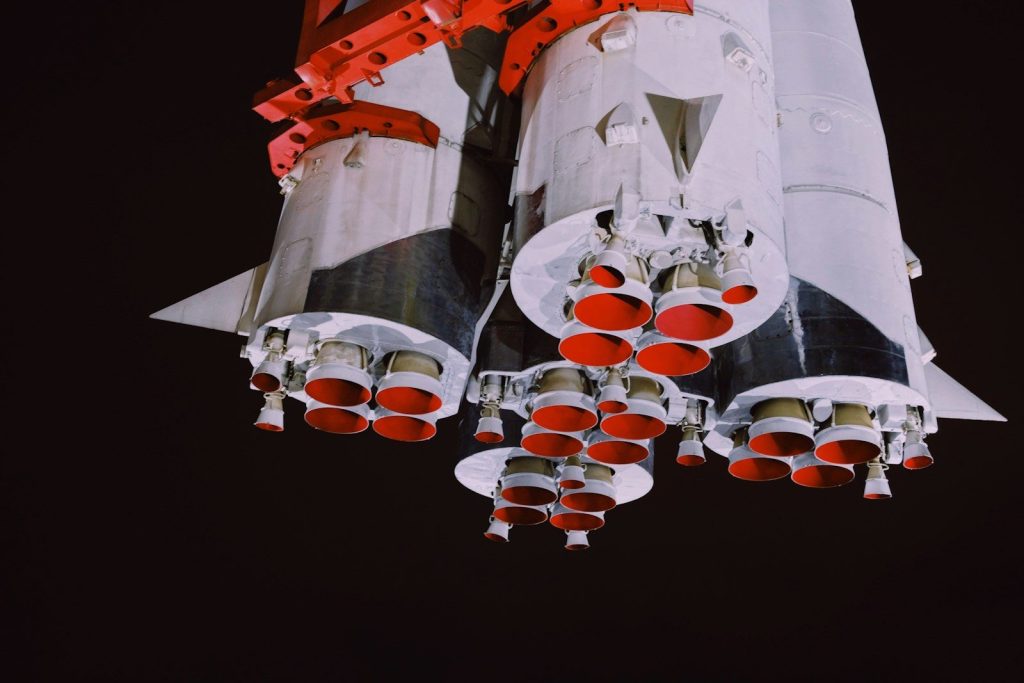
Sending heavy payloads into orbit used to be a highly expensive government endeavor. According to aerospace database records, the private brand successfully carries the vast majority of the world’s commercial space cargo today. They are highly efficient. By reusing their rocket boosters, they have dropped launch prices to historic lows. But a new rocket model is about to accelerate this monopoly even further.
The Super Heavy Advantage

Traditional rockets are completely destroyed after a single flight through the atmosphere. According to engineering logs, the giant new Starship booster is designed for immediate and total reusability. It is a game-changer. This massive vehicle will allow the company to launch thousands of tons of cargo daily at almost zero hardware cost. But this unmatched launching capacity is attracting highly lucrative defense contracts.
Guarding National Security Systems

Defense agencies rely heavily on secure satellite tracking to monitor global movements in real time. According to military defense files, the government has signed massive agreements to use customized military satellite networks. The security is tight. This reliance on private space systems is making the rocket firm an indispensable partner for national defense. But their long-term financial growth depends on a much larger target.
Mining The Deep Cosmos
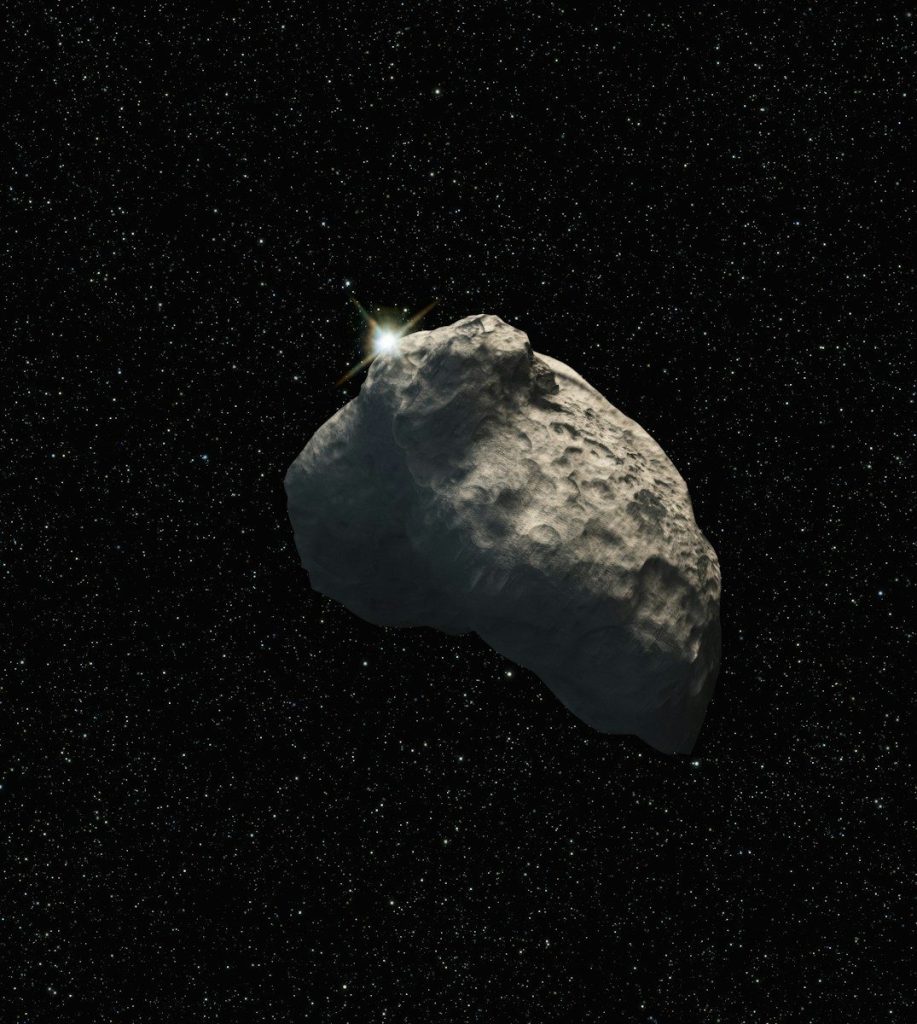
The icy asteroids drifting through our solar system hold precious mineral wealth worth quadrillions of dollars. According to financial market projections, mastering cheap deep-space transit will allow the company to capture these celestial resources first. The potential is limitless. This asteroid mining capability could generate unprecedented wealth that eclipses entire national economies. But some critics are warning about the absolute lack of competition.
The High Entry Barrier
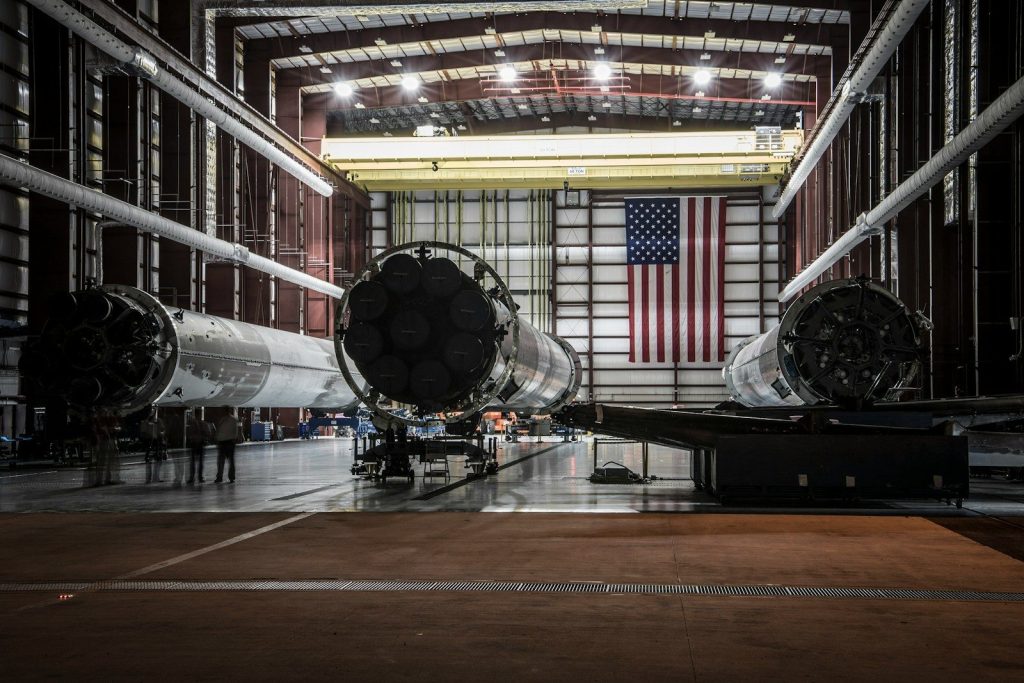
Building a viable competitor in the rocket industry requires billions of dollars and years of advanced research. According to economic analysts, no other private firm or government agency can currently match the company launch frequency. The gap is widening. This massive head start gives the brand an unbreakable grip on the future orbital market. But this consolidation of power is raising serious global regulatory concerns.
Shaping The Orbital Era

The rapid rise of commercial space travel is ushering in a bold new economic era that goes beyond Earth. According to historians, controlling the highway to the stars will determine who holds ultimate power in the next century. The cosmos is the new market. This article is for informational purposes only.
Featured Image: Photo by Frederick Wallace on Unsplash
Leave a Reply