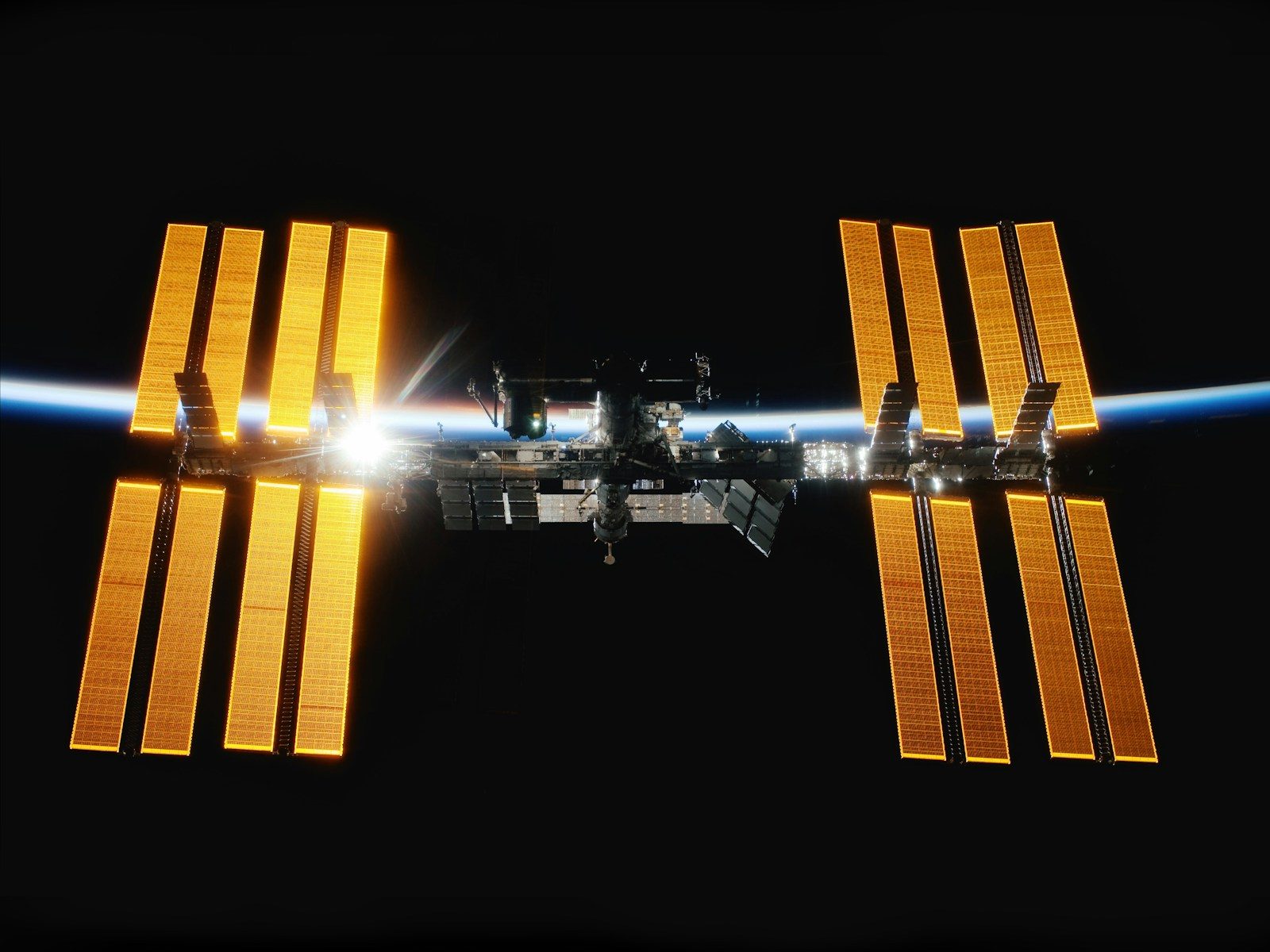
Most stargazers believe that the night sky is populated only by standard stars, planets, and moons. We assume that cosmic structures follow highly predictable patterns of formation.
But deep space telescopes have captured a series of highly bizarre objects that completely defy cosmic rules. These extreme anomalies are forcing astronomers to rewrite their entire stellar playbooks.
Stars Surviving Supernova Explosions
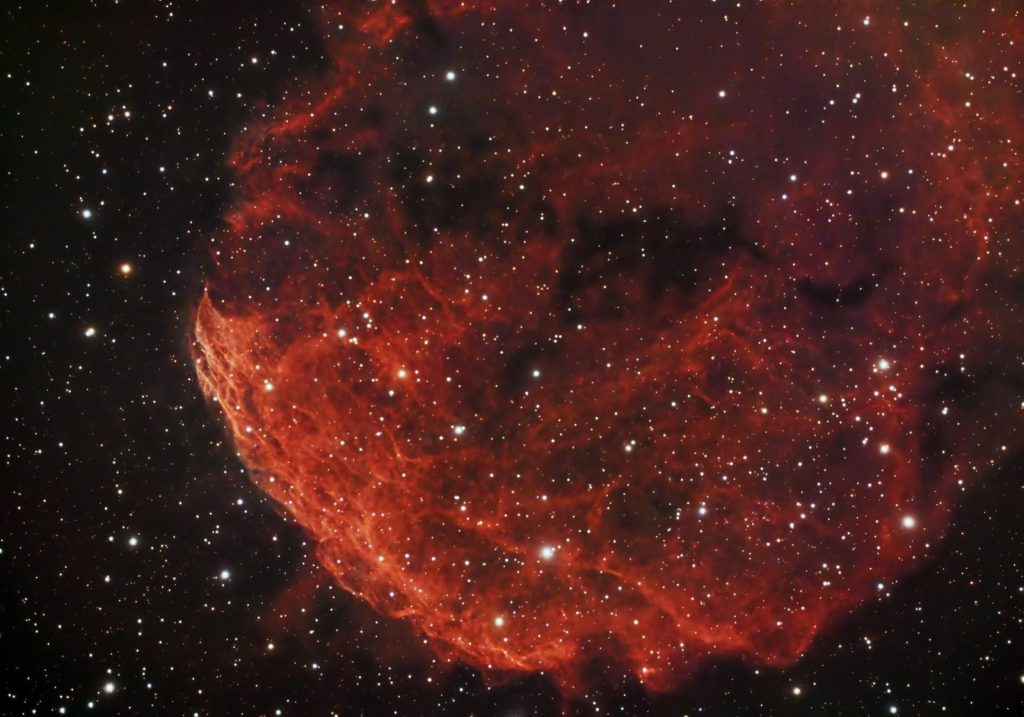
A massive supernova explosion normally destroys a dying star completely and leaves only dust behind. According to telescope data from NASA, researchers have detected a rare class of zombie stars that survive these violent blasts. They are highly resilient. These bruised stellar remnants continue to burn dimly in the dark long after their peers vanished. But these undead stars are only the first cosmic anomaly.
Planets Crafted From Crystal

Some extreme worlds are constructed from materials that would be incredibly precious on Earth. According to planetary geologists, a distant super-Earth orbiting a nearby star is made mostly of solid diamond and graphite. The wealth is staggering. This carbon-rich planet experiences such intense pressure that its core crystallized into sparkling gem rock. But other dark worlds are completely devoid of any light.
Galaxies Made Of Dark Matter
Most galaxies contain billions of bright stars that light up the cosmic void for astronomers. According to research from the Hubble Space Telescope, a recently mapped ghost galaxy contains almost zero visible stars. It is completely invisible. This massive structure consists almost entirely of mysterious dark matter that holds no light. But this silent giant is creating an intense gravitational pull on nearby systems.
Oceans Without Any Land
Some exoplanets do not possess any solid rock surfaces for life to crawl upon. According to reports from the European Space Agency, researchers have located a world covered entirely by a global ocean hundreds of miles deep. There is no land. The high pressure at the bottom of this massive ocean turns the water into a bizarre form of hot ice. But some objects are traveling through space completely alone.
Drifting Rogue Space Wanderers
Standard planets are bound to their host stars and follow predictable circular orbits forever. According to astronomical surveys, billions of rogue planets are drifting completely alone through the absolute dark of interstellar space. They have no sun. These lonely wanderers were violently ejected from their home solar systems during chaotic early planetary collisions. But some stars are actively consuming their own families.
Vampires Siphoning Stellar Partners
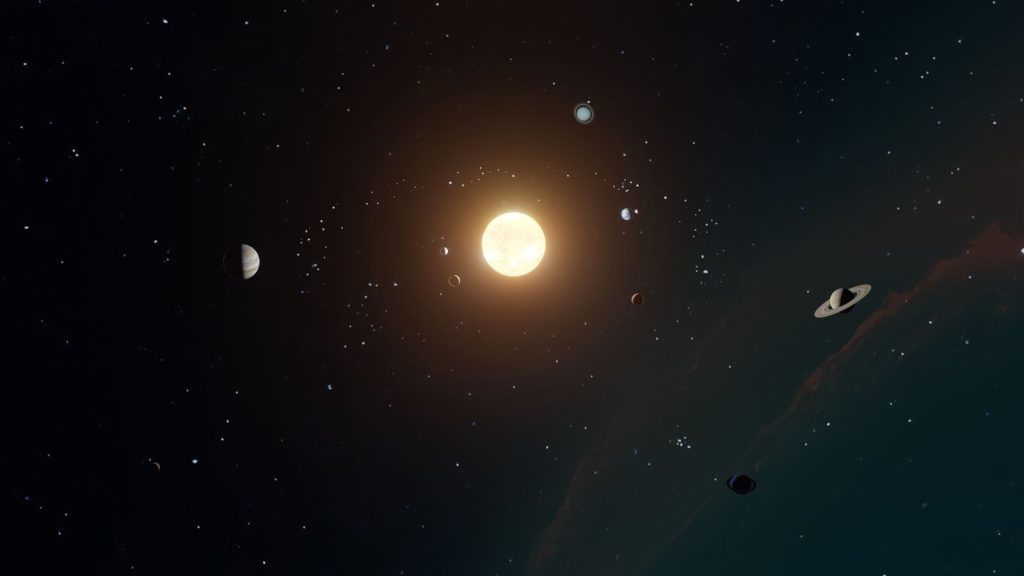
Double star systems can trigger a highly aggressive and parasitic relationship in deep space. According to orbital observations, a dense white dwarf can siphon hydrogen gas from its larger binary companion. The dwarf is tiny. This stolen material eventually builds up on the surface until it triggers a massive thermonuclear explosion. But these cosmic vampires pale in comparison to the ultimate stellar engines.
Flying Stars Escaping Galaxies
Most stars orbit the center of their home galaxies at relatively comfortable speeds. According to declassified astrophysics logs, some hypervelocity stars are traveling at over two million miles per hour. They are blindingly fast. These rogue engines were slung out of the galactic core by the intense gravitational whip of a supermassive black hole. But these fast-moving giants are heading toward a completely dark future.
Mapping The Outer Limits
The bizarre anomalies found in deep space prove that our universe is far wilder than our science fiction. According to astronomers, every new telescope discovery expands our understanding of how cosmic matter behaves under extreme physical conditions. Nature holds the secrets. This article is for informational purposes only.
Leave a Reply