Category: Technology

  • Is the Global Power Grid One Glitch Away from a Permanent Blackout?

    Is the Global Power Grid One Glitch Away from a Permanent Blackout?

    Most of us take electricity for granted. We flip a switch, and the lights come on. But beneath our feet and over our heads, the global power grid is a fragile, aging machine that is struggling to keep up. It was designed decades ago for a world that used much less power and relied on steady fossil fuels. Today, we are trying to plug in millions of electric cars and data centers while switching to “intermittent” green energy like solar and wind. Experts are now warning that the grid is so interconnected that a single failure in one region can trigger a cascade that shuts down an entire continent.

    We are living on the edge of a “Permanent Blackout” scenario. The transition to green energy is necessary, but it is creating a “stability gap” that our current technology isn’t ready for. From cyber-attacks to the simple “glitch” of a cloud covering a solar farm, the threats to our 24/7 life are growing every day. We are essentially building a 21st-century economy on a 20th-century foundation. But the most dangerous part of the grid is something you can see from your car window. Wait until you see the “transformer” crisis that no one is talking about.

    The Aging Heart of the Grid
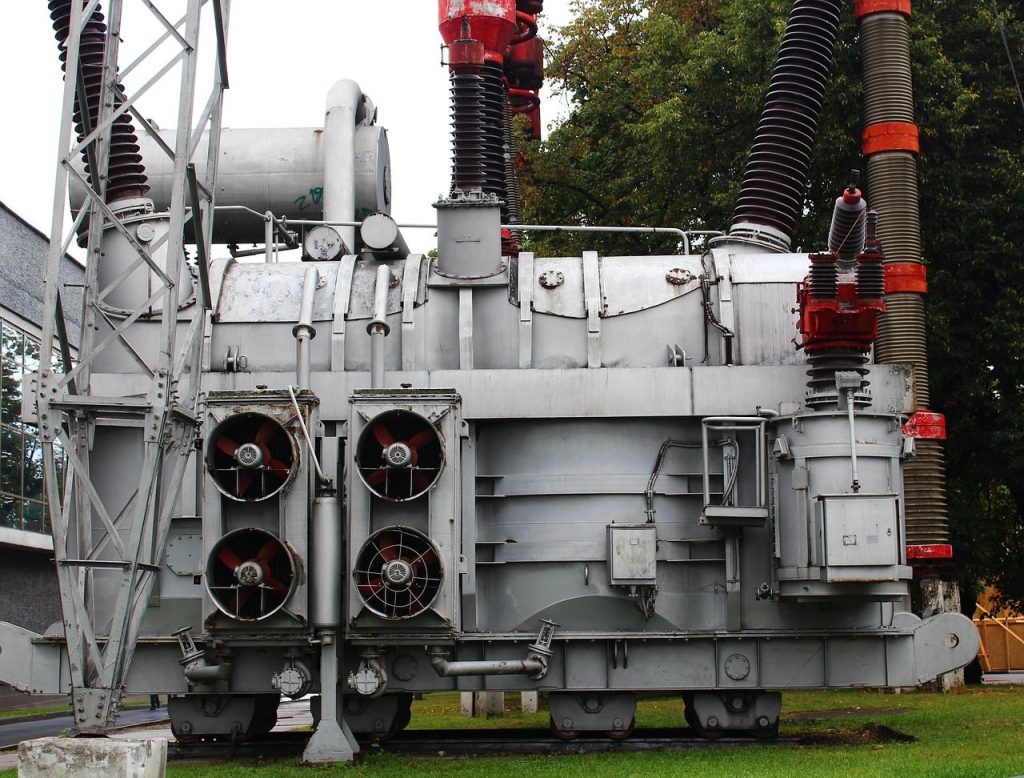
    power station, electricity, installation, generator, turbine, energy, power, engine, current, light, transformer, transformer, transformer, transformer, transformer, transformer
    Photo by klimkin on Pixabay

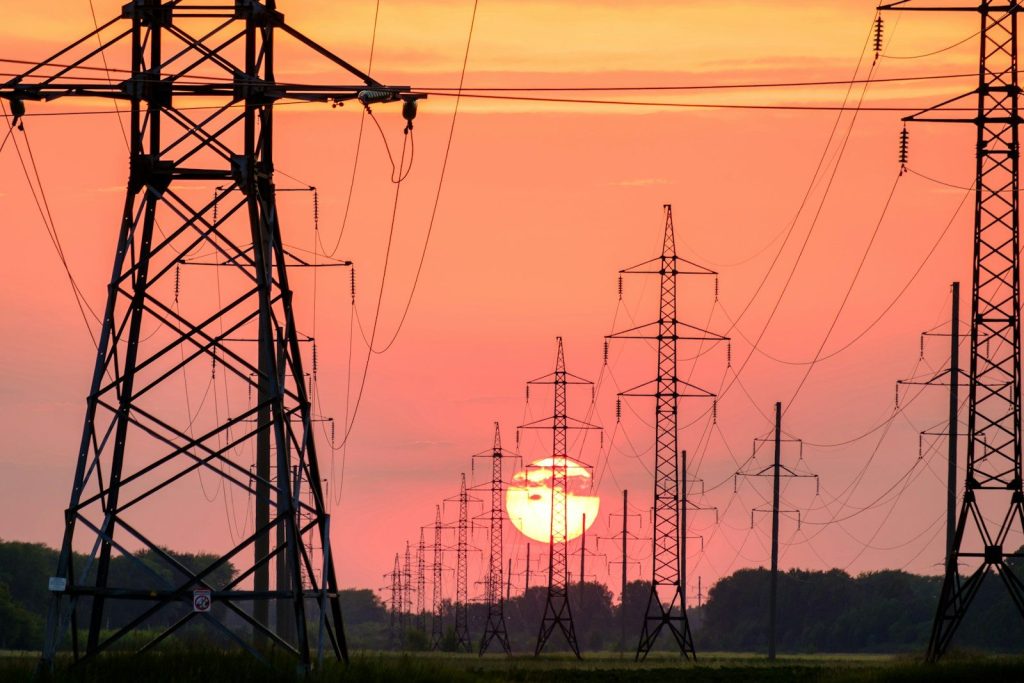
    The average age of a large power transformer is over 40 years. These are the giant metal boxes that move electricity to your neighborhood. They are the heart of the system, and many of them are past their expiration date. If one fails, it can take months to replace because they are no longer mass-produced locally. There is a massive backlog for new parts. If a major storm hits and destroys dozens of these at once, some cities might stay dark for a year. But nature is not the only enemy of the grid.

    The Rising Threat of Digital War

    cyber, security, internet, network, technology, computer, hacker, hacking, digital, data, protection, secure, privacy, information, password, hack, spy, virus, business, safety, system, cybersecurity, cybersecurity, cybersecurity, cybersecurity, cybersecurity, cybersecurity
    Photo by TheDigitalArtist on Pixabay

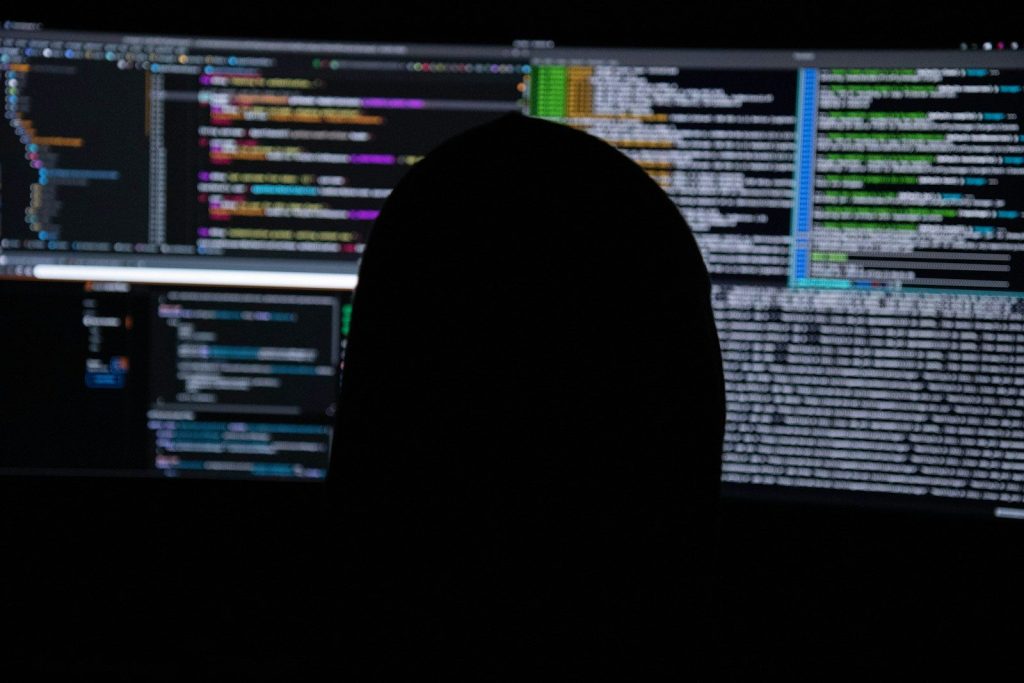
    Every part of the power grid is now connected to the internet to allow for “smart” management. While this makes it easier to save energy, it also makes it a target for hackers. Hostile nations are constantly probing the grid for “glitches” they can exploit. A well-placed piece of malware could shut down power to a major city in seconds. This isn’t science fiction; it has already happened on a small scale. The world is in a constant digital war to keep the lights on. But sometimes, the threat comes from the sun itself.

    The Invisible Fire of a Solar Flare
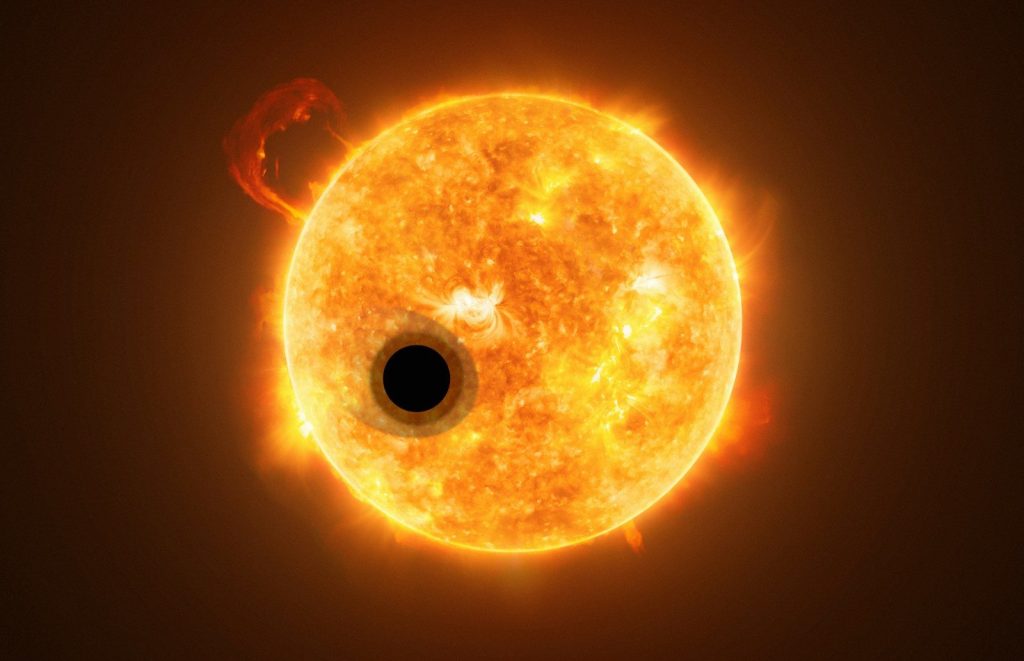
    a black hole in the center of a sun
    Photo by NASA Hubble Space Telescope on Unsplash

    Every few decades, the sun releases a burst of energy called a “Coronal Mass Ejection.” If this hits Earth, it creates a magnetic storm that can fry long-distance power lines. In 1859, a solar storm was so strong that it made telegraph wires catch fire. If a similar storm hit today, it could destroy the entire global power grid in minutes. We have very few defenses against a “space weather” event of this scale. It is a biological certainty that another one is coming. But our own green energy is already causing stability issues.

    The Intermittency Trap of Solar and Wind
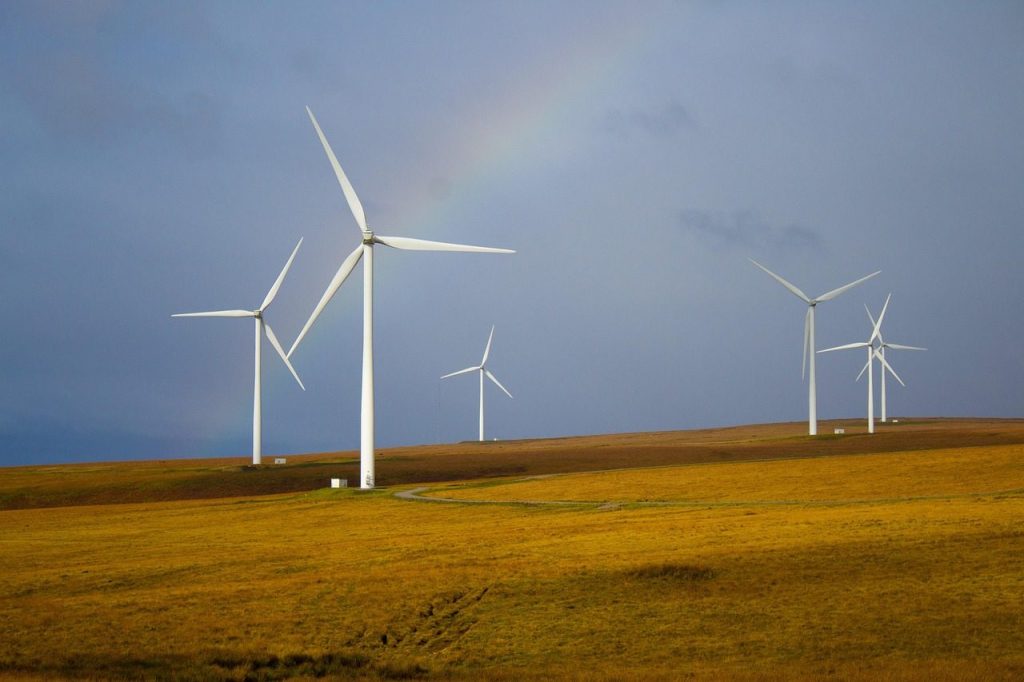
    windmills, rainbow, fields, windmill farm, grass, grassland, landscape, wind turbines, turbines, wind energy, sustainable, electricity, renewable, generator, nature, countryside, windmills, windmills, rainbow, rainbow, wind turbines, wind turbines, wind turbines, wind turbines, wind energy, wind energy, sustainable, sustainable, sustainable, sustainable, sustainable, electricity, electricity
    Photo by EdWhiteImages on Pixabay

    Solar and wind power are great, but they are “intermittent.” If the wind stops blowing or a cloud covers a solar farm, the power output drops instantly. The grid needs a constant, steady flow of electricity to stay stable. When green energy fluctuates, it puts a massive strain on the backup systems. If those systems aren’t fast enough, the whole grid can “trip” and shut down. We are essentially racing against a clock to build enough batteries to store all that green power. But the weight of these batteries is a new engineering nightmare.

    The Physical Cost of Storing Power
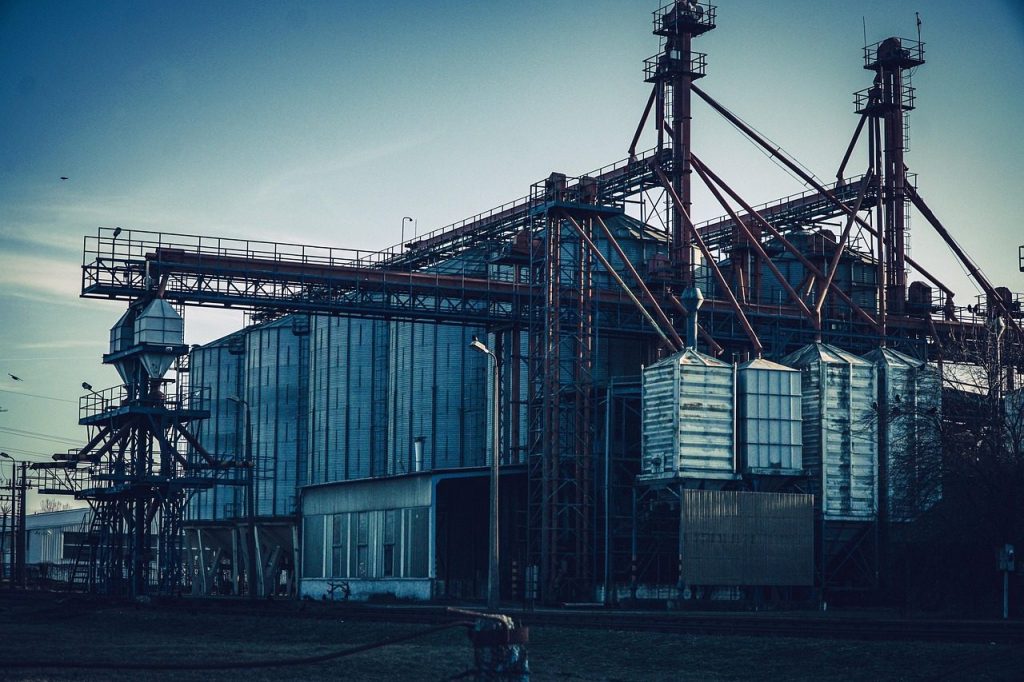
    factory, container, industrial facility, work
    Photo by Gyura88 on Pixabay

    To keep the grid stable, we need millions of giant batteries. However, building these requires rare minerals that are hard to find and expensive to mine. The manufacturing process itself is carbon-heavy, which creates a “green paradox.” We are also finding that these massive battery farms carry a fire risk that is very difficult to manage. If one battery has a “glitch” and catches fire, it can burn for days. This is the hidden price of a 100 percent renewable world. But wait until you see the “electric car” bottleneck.

    Neighborhoods Living in the Dark
    a view of a city at night with a full moon
    Photo by Vladimir Sayapin on Unsplash

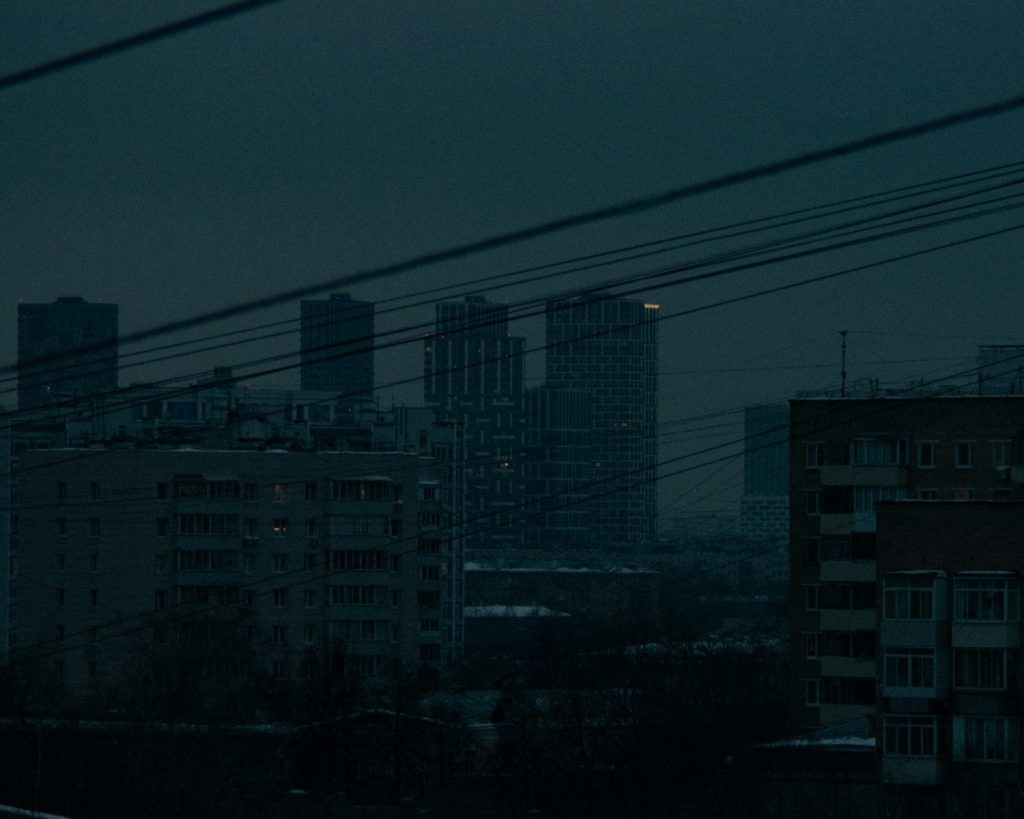
    Millions of people are switching to electric vehicles. While this is good for the air, it is a massive challenge for the local grid. When everyone in a neighborhood comes home at 6:00 PM and plugs in their car, the power demand spikes. Local transformers are not designed to handle that much load all at once. If we don’t upgrade the wires on every single street, we will start seeing “neighborhood blackouts” every evening. It is a manufacturing flaw in our modern planning. But there is one way to stay safe when the grid fails.

    The Rise of the Micro Grid
    A large house with solar panels on the roof.
    Photo by Wiseman Mabasa on Unsplash

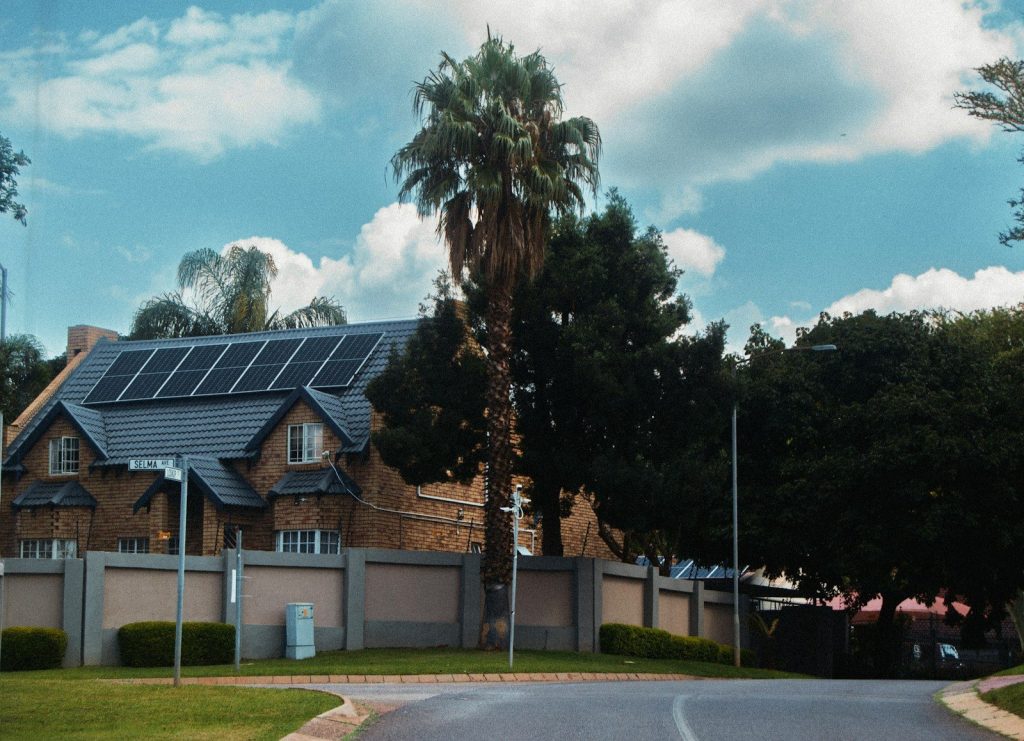
    Communities are now building their own “micro-grids.” These are small power networks that can disconnect from the main grid during a failure. Using local solar panels and batteries, a neighborhood can keep its own lights on even when the rest of the country is dark. It is the only way to protect ourselves from a total national blackout. We are moving toward a future where everyone has to be their own power company. But wait until you see the autonomous factories that are now building these grids.

    The Final Countdown to a Grid Reset
    green and black machine close-up photography
    Photo by Mika Baumeister on Unsplash

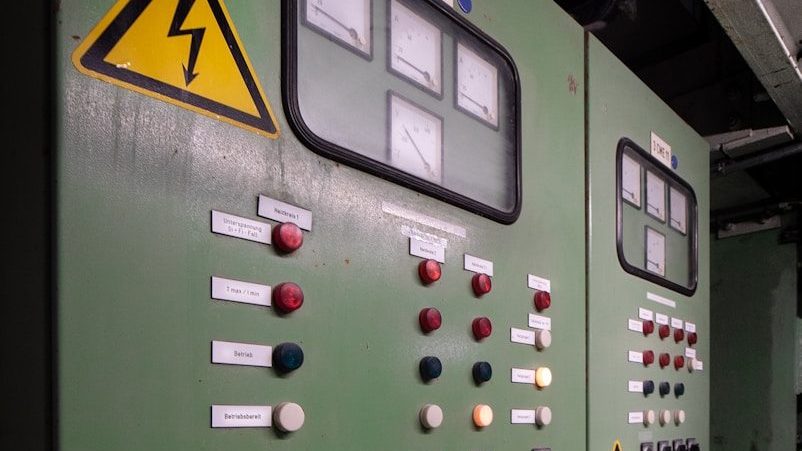
    The clock is ticking for the global power grid. We are relying on a system that is held together by “duct tape and prayers.” Without a massive national investment, a major blackout is not a matter of “if” but “when.” We have the engineering to fix it, but we are running out of time. Every “glitch” is a warning that we need to listen to before the screen goes dark for good. Are you ready for a world where humans aren’t the only ones doing the building?

    Featured Image: Photo by Patrick Konior on Unsplash
  • The Trillion-Dollar Ghost Line – Saudi Arabia’s Desert Engineering Nightmare

    The Trillion-Dollar Ghost Line – Saudi Arabia’s Desert Engineering Nightmare

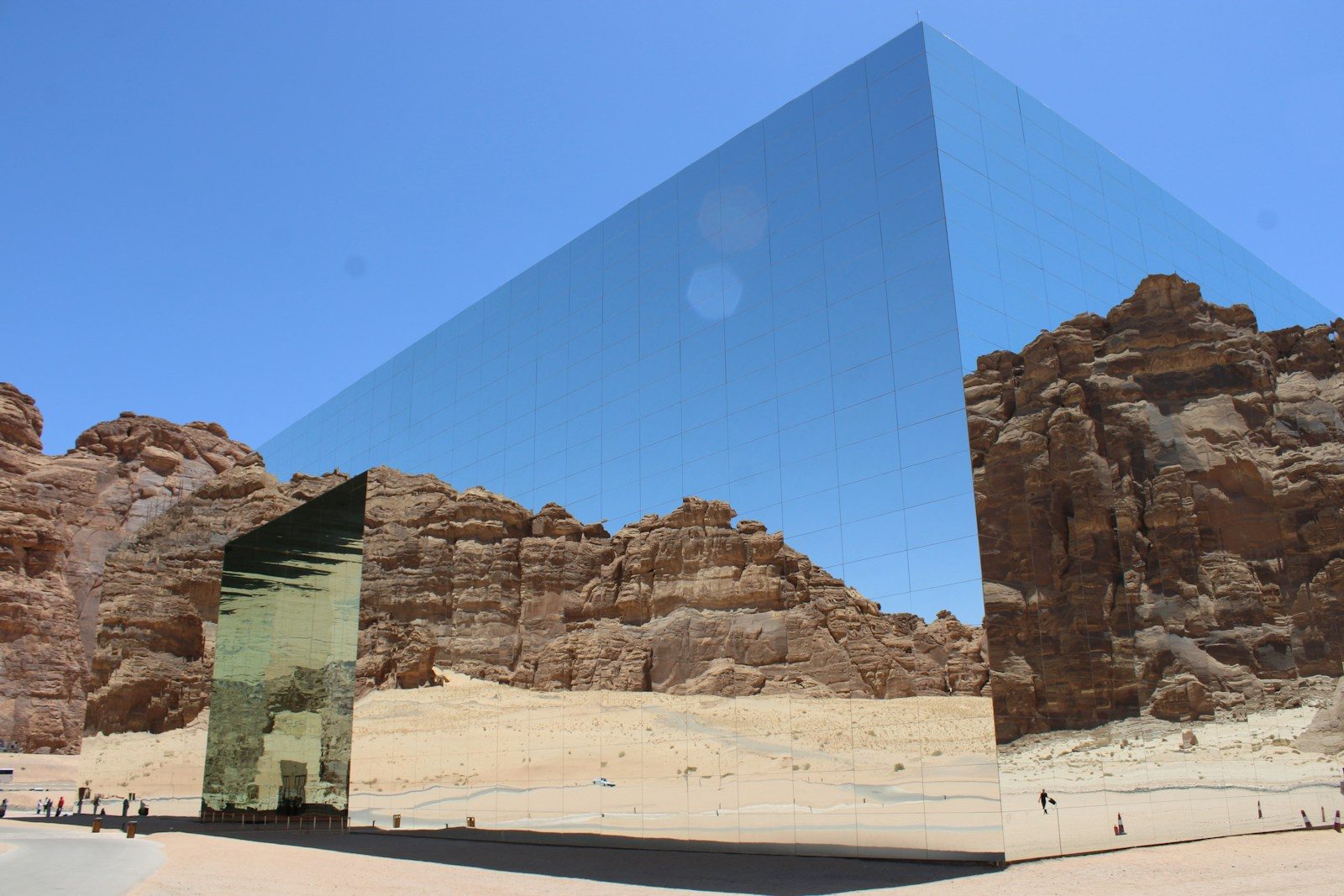
    Saudi Arabia is trying to build a sci-fi future in the middle of a scorching wasteland. The project is called NEOM, and its crown jewel is a 100-mile-long mirrored city known as “The Line.” It was supposed to be a revolution in how humans live, with no cars, no streets, and zero carbon emissions. However, building a skyscraper that stretches for miles across a desert is proving to be much harder than the glossy trailers suggested. In 2026, reports are surfacing that the project is being scaled back significantly.

    What was meant to house millions might now only accommodate a few thousand residents by the end of the decade. Engineers are facing impossible physical challenges, from the way heat expands the mirrored glass to the logistical nightmare of moving materials to a remote location. It is becoming the most expensive construction project in history, and it’s hitting a wall of reality that looks like a multi-billion-dollar disaster. But the temperature isn’t the only thing threatening to destroy the project. Wait until you see the secret mirror problem that scientists are now warning about.

    The Physics of a Hundred Mile Mirror

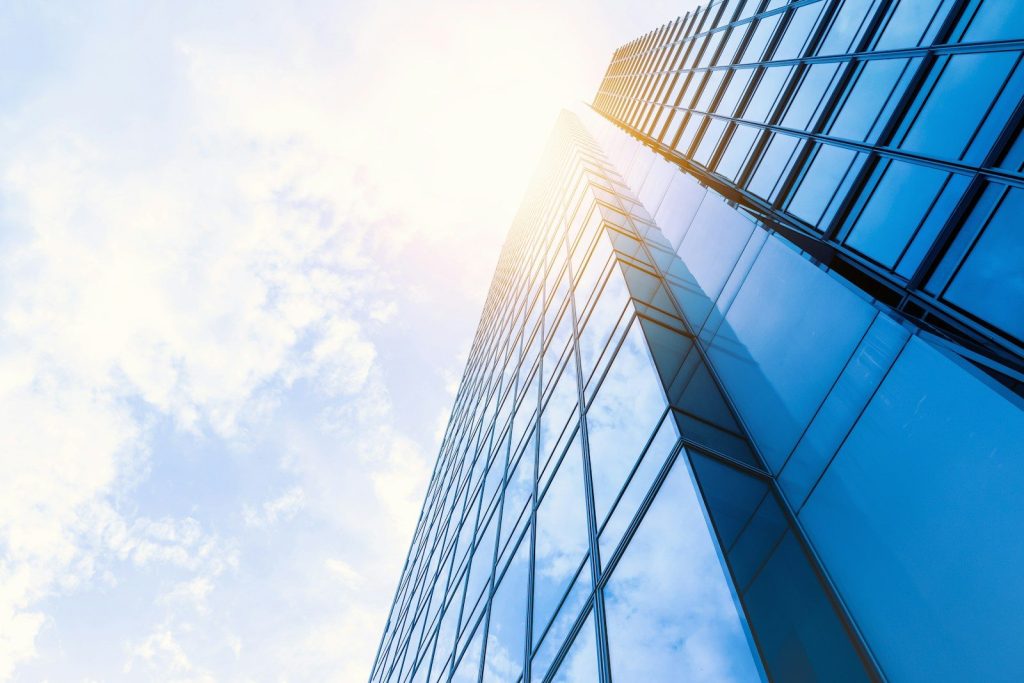
    low-angle photo of curtain wall building
    Photo by JESHOOTS.COM on Unsplash

    A building that is 170 kilometers long and covered in mirrors creates a massive environmental barrier. Mirrors reflect the sun, which can create “death rays” of concentrated heat on the desert floor. This isn’t just dangerous for local wildlife; it is a nightmare for the internal cooling systems. To keep people alive inside, the city would need a power plant larger than almost any other on Earth just to run the air conditioning. The cost of fighting the sun could bankrupt the project before it even opens. But the wind might be an even bigger threat to the structure’s stability.

    Fighting the Invisible Desert Gale

    desert under white sky during daytime
    Photo by Wolfgang Hasselmann on Unsplash

    When you put a 1,600-foot-tall wall in a flat desert, you create a massive sail. The wind pressure against the mirrored glass is immense and constant. Engineers have to figure out how to keep the building from vibrating or tipping under the force of the desert gales. Traditional skyscrapers allow wind to flow around them, but a continuous wall has nowhere for that energy to go. If the glass cracks, the entire pressure system fails. But how do you even get the building materials to such a remote spot?

    The Logistical Chain is Breaking

    a large cargo ship at a dock
    Photo by Nathan Cima on Unsplash

    NEOM is being built in a place with no ports, no rail lines, and very few roads that can handle heavy machinery. Every single bolt, beam, and glass panel has to be shipped across thousands of miles. This creates a bottleneck that adds billions to the price tag every time a shipment is late. If one part of the chain fails, thousands of workers sit idle in the heat. It is a puzzle of timing and money that is falling apart under pressure. But wait until you see the human cost of this desert dream.

    A Workforce Under the Sun

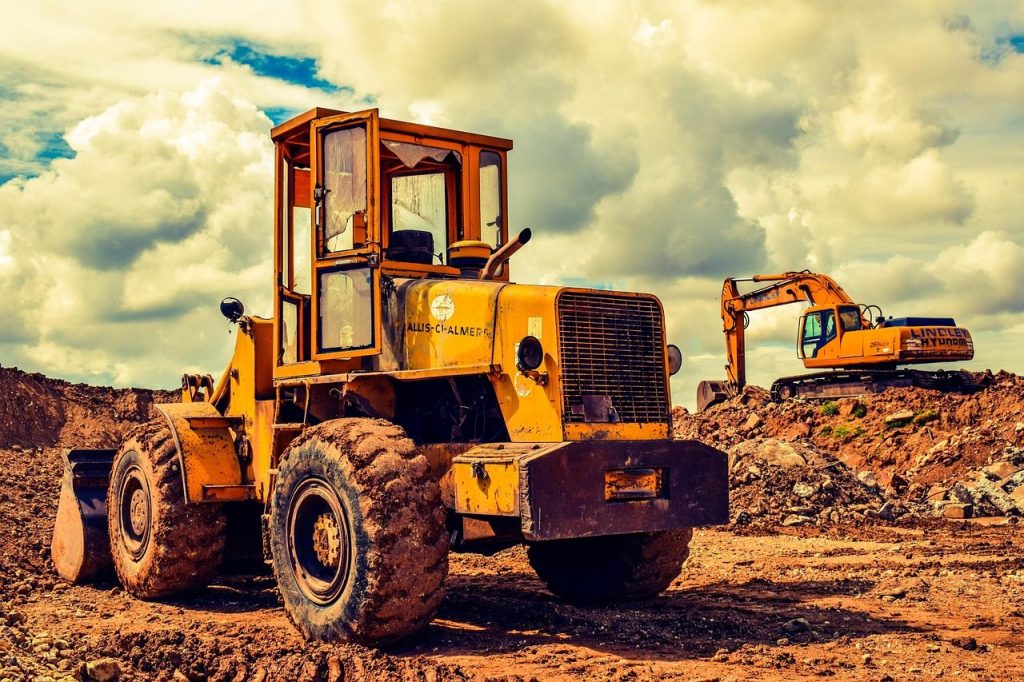
    bulldozer, excavator, heavy machine, heavy machinery, equipment, vehicle, machinery, construction site, digger, bulldozer, excavator, excavator, machinery, construction site, construction site, construction site, construction site, construction site
    Photo by dimitrisvetsikas1969 on Pixabay

    Building in 120-degree heat is not just difficult; it is deadly. Thousands of workers are toiling around the clock to meet impossible deadlines set by the government. There are growing concerns about the safety and living conditions of the people actually building the dream. When the schedule slips, the pressure on the labor force increases, leading to mistakes. In mega-engineering, a small mistake can lead to a total collapse. But the financial bleeding might be what kills the project first.

    The Sovereign Wealth Fund Leak

    a remote control sitting on top of a table
    Photo by Jakub Żerdzicki on Unsplash

    Saudi Arabia has a lot of oil money, but even they have limits. The estimated cost of NEOM has climbed to over $1.5 trillion. To keep the project alive, the government is borrowing money and trying to attract foreign investors who are becoming nervous. If the investors pull out, the machines stop. The “Line” is becoming a giant hole in the ground that eats cash faster than it can be filled. But environmentalists have another reason to worry about this giant wall.

    A Trap for Migrating Birds

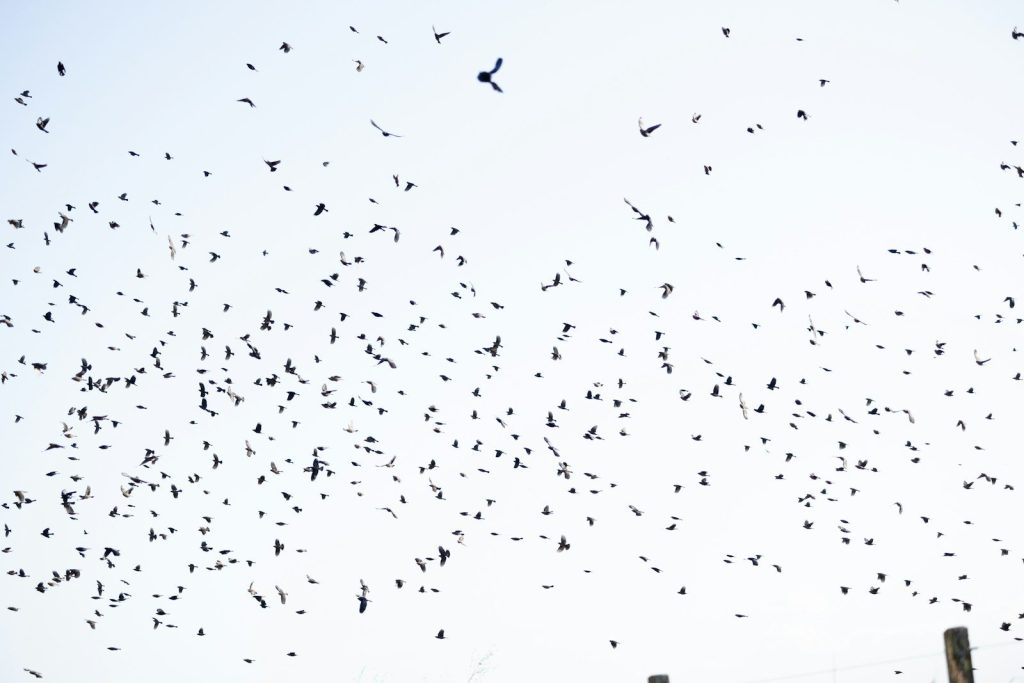
    A large flock of birds flying in the sky.
    Photo by Matheus Protzen on Unsplash

    Millions of birds migrate through the Saudi desert every year. A 100-mile-long mirrored wall is a death trap for them because they cannot see the glass. This could trigger an ecological disaster that affects bird populations across entire continents. Engineers are trying to find bird-safe glass, but covering a 100-mile wall in it is incredibly expensive. It is one more problem on a list that is getting too long to manage. But what happens if the city runs out of water?

    The Quest for Desalinated Life

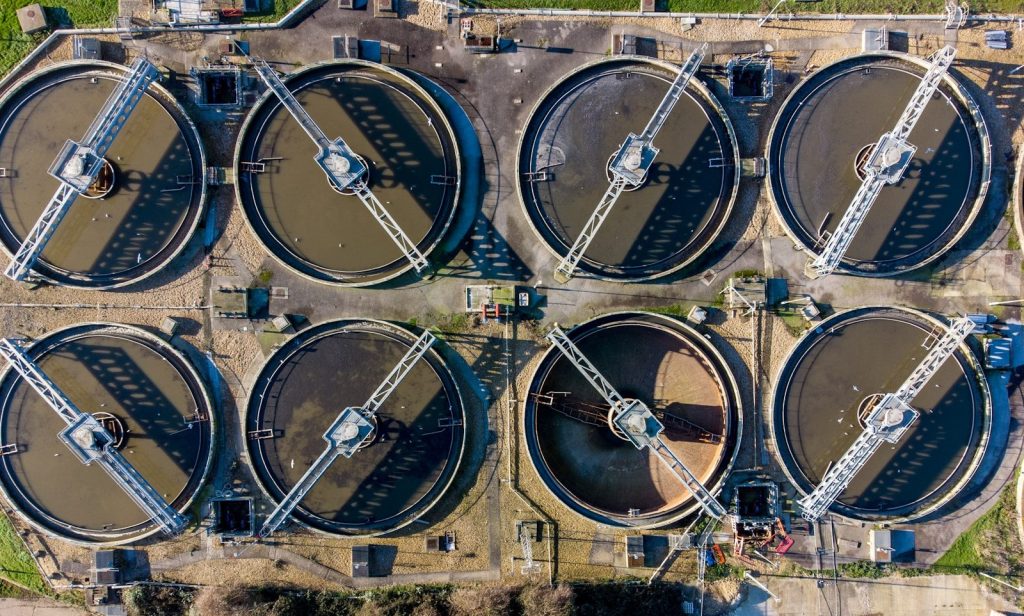
    a large group of water tanks sitting next to each other
    Photo by Bob Brewer on Unsplash
    A city in the desert needs water, and there isn’t any in the ground. NEOM will have to rely entirely on massive desalination plants. These plants are expensive to build and require huge amounts of energy to run. If the power goes out, the city dies in hours. Engineers are struggling to create a system that is 100 percent reliable in such a harsh climate. It is a high-stakes gamble with human lives. But is the whole project just a massive PR stunt that went too far?

    The Future of the Desert Dream

    brown sand under sunny sky
    Photo by Aaron Katz on Unsplash
    NEOM was supposed to show that Saudi Arabia was ready for a post-oil world. Instead, it is showing the limits of what money can actually buy. The project is a warning to all mega-engineers that nature always has the final word. While parts of the city will eventually be built, the original dream is slowly fading into the sand. We have to decide if we are building for humans or just for a photo op. But while Saudi Arabia builds walls, global factories are making a different kind of change. Are you ready to see why human managers are being fired?

    Featured Image: Photo by Arne Backhaus on Unsplash
  • Is Japan’s Recent “W-State” Breakthrough the Death of Modern Cybersecurity?

    Is Japan’s Recent “W-State” Breakthrough the Death of Modern Cybersecurity?

    The internet as we know it is built on a very fragile foundation. Every time you send an email or check your bank account, you are trusting that a hacker isn’t watching. For decades, we have used complex math to hide our secrets. But in 2026, scientists in Japan announced a milestone involving the “W-State.” This is a specific way of linking quantum particles that creates a permanent, unbreakable bond. It is a discovery that makes modern encryption look like a child’s toy.

    While this sounds like good news for security, it is actually a double-edged sword. If Japan has the “key” to the W-State, they have the power to break through any traditional password in seconds. We are talking about a total reset for the global economy. This breakthrough is hitting the news as the “Quantum Apocalypse.” But how does this tiny particle trick actually stop a professional hacker? The secret lies in “Multi-Particle Entanglement.” But wait until you see what this does to your bank account.

    The Power of the W-State Link

    A blue firework ball on a black background
    Photo by Luke Jones on Unsplash

    To understand the W-State, you have to understand entanglement. This is when particles become so connected that they act as one, no matter how far apart they are. If you change one, the other one reacts instantly. The “W-State” allows for three or more particles to stay linked in a much more stable way than ever before. This means we can build a massive, global network that is physically impossible to tap into. It is a self-defending internet that never sleeps. But what happens to the hackers?

    Why Modern Hackers are Terrified

    flat screen monitor turned-on
    Photo by Kevin Horvat on Unsplash
    In a normal hack, a criminal copies your data without you ever knowing. Quantum security changes the rules. Because of the W-State, the act of “observing” the data actually changes the data itself. It is like a booby trap that goes off the moment it is touched. The hacker ends up with a handful of useless noise, and the system logs the exact moment they tried to break in. It is the end of the “silent hack.” But is this technology too expensive for regular people?

    Building a Global Quantum Internet

    A dramatic depiction of Earth as an art piece with a black backdrop.
    Photo by Hatice Baran on Pexels

    Governments are already racing to install W-State hardware in their most sensitive offices. We are seeing the birth of “Cloud 3.0,” where data doesn’t just sit in a box but exists in this protected quantum state. This means that even if a foreign government uses a supercomputer to guess your password, they still couldn’t get through the door. The physics of the universe is now your personal bodyguard. But what happens if the hardware itself gets damaged during a storm?

    The End of Password Stress Forever

    a person holding a cell phone in their hand
    Photo by I’M ZION on Unsplash

    Imagine a world where you never have to remember a long string of numbers and symbols again. With W-State technology, your identity is verified by the unique physical state of your device. If your phone or computer is linked to your personal quantum key, no one else on Earth can pretend to be you. It is the end of phishing emails and fake login pages. We are moving from “guessing” who you are to “knowing” who you are through science. But does this mean we are giving up our privacy?

    Privacy in the Age of Total Connection

    red padlock on black computer keyboard
    Photo by FlyD on Unsplash
    Many people worry that a more secure internet means more government tracking. However, W-State technology actually provides better privacy. Because the connection is direct and unbreakable, no middleman can listen in—not even the people who built the network. It is the ultimate “private room” in a very loud digital world. You can share your most personal information with total confidence. But how long will it take to reach your house?

    The Race for Quantum Supremacy

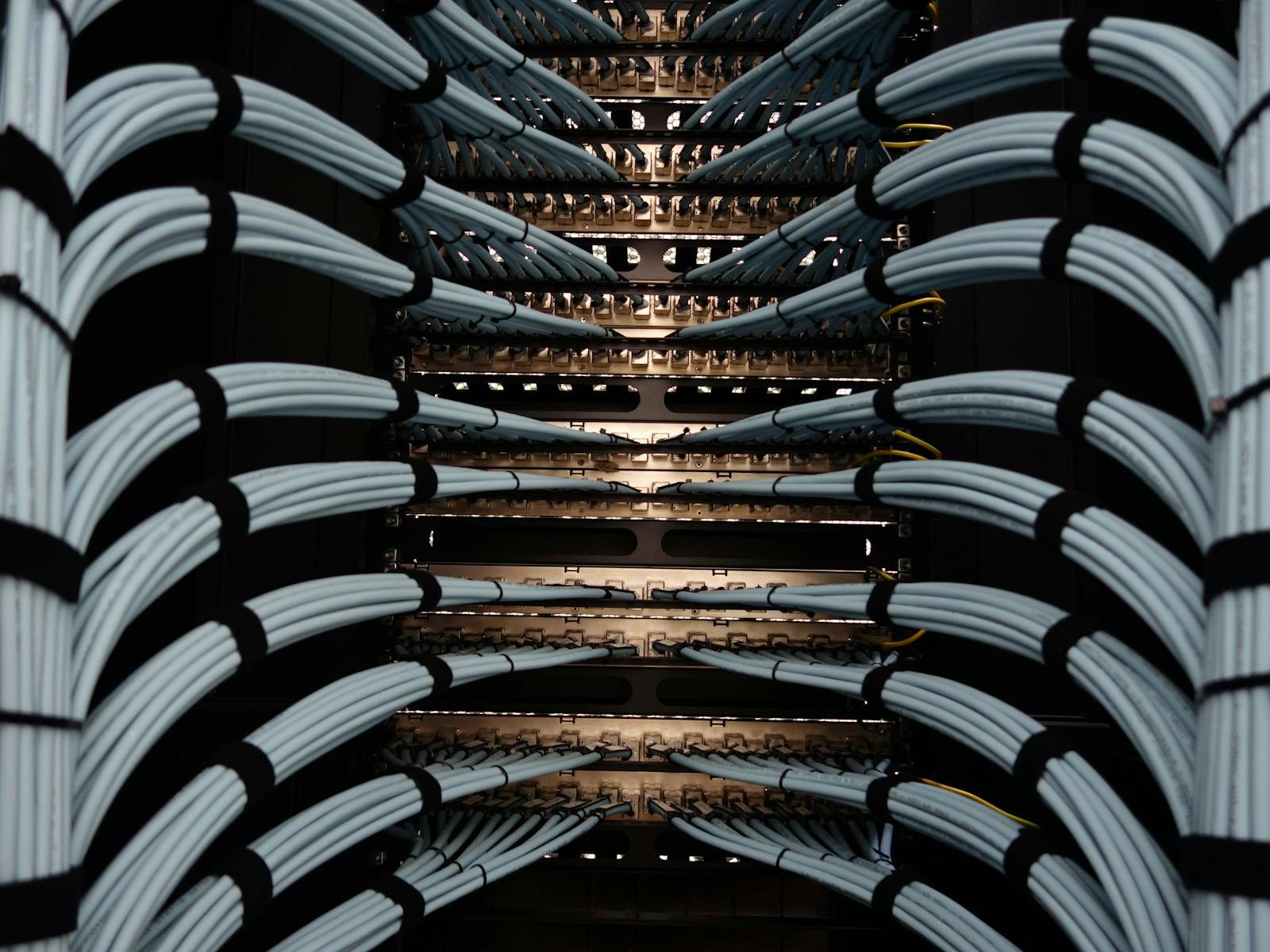
    cable network
    Photo by Taylor Vick on Unsplash

    Japan, the US, and China are all pouring billions into W-State research. The first country to master this will have an economy that is immune to digital warfare. It is the new space race, but instead of the moon, we are aiming for the atom. The transition is happening faster than anyone predicted. But wait until you see why scientists are now warning about the “Internet of Bodies.”

    The Death of Traditional Banking

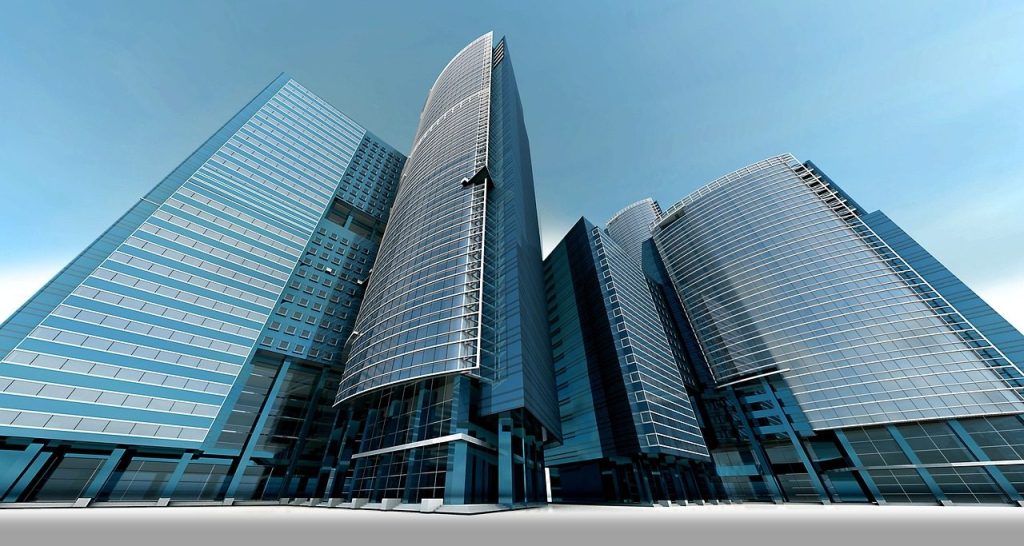
    skyline, skyscraper, skyscrapers, building, architecture, city, high, urban planning, towers, 3d, rendering, banks, building, building, building, building, building
    Photo by PIRO4D on Pixabay

    If our current encryption dies, the entire banking system must be rebuilt from scratch. The 2026 breakthrough has forced banks to accelerate their transition to quantum-safe ledgers. If they are too slow, your savings could be at risk from the first person to build a W-State breaker. We are in a race against time to save our money. But as we fix our computers, we are starting to connect our own skin to the web.

    The Final Verdict on Quantum Safety

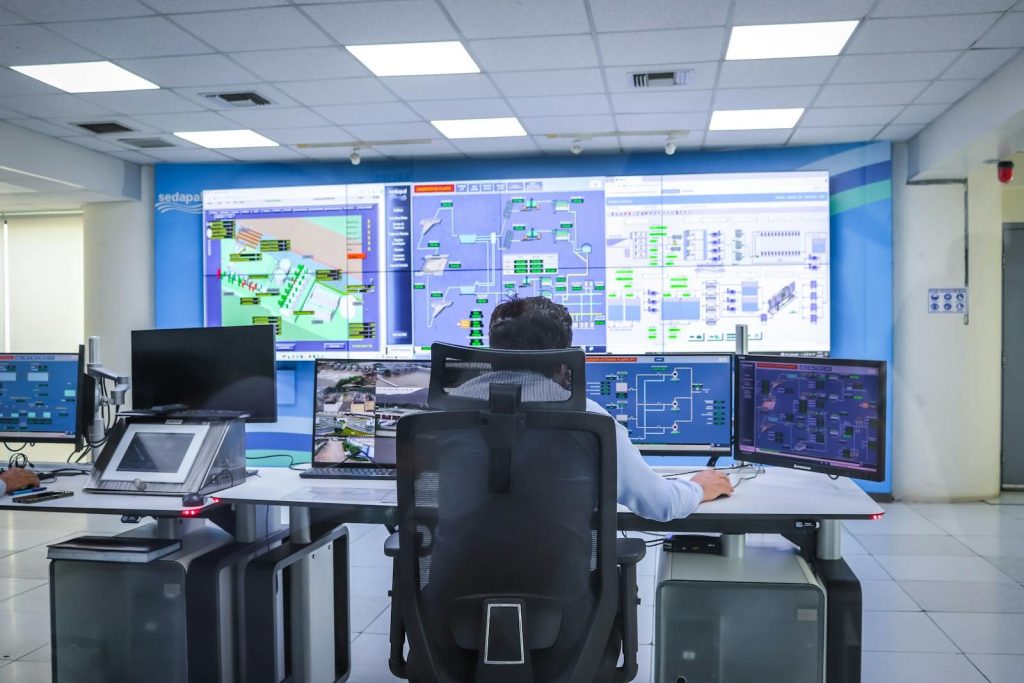
    Operator in a modern control room managing technological systems in El Agustino, Lima.
    Photo by Fernando Narvaez on Pexels

    We are finally building an internet that works for us, not for the criminals. The W-State milestone is the final piece of the puzzle for a safe digital life. We can finally stop looking over our shoulders and start looking forward to what we can create. It is a hopeful time for anyone who lives their life online. But while we fix the internet, our own bodies are becoming the next digital frontier. Are you ready for the “Internet of Bodies”?

    Featured Image: Photo by cottonbro studio on Pexels

  • Are Hyperscale AI Data Centers Secretly Consuming More Power Than Entire Nations?

    Are Hyperscale AI Data Centers Secretly Consuming More Power Than Entire Nations?

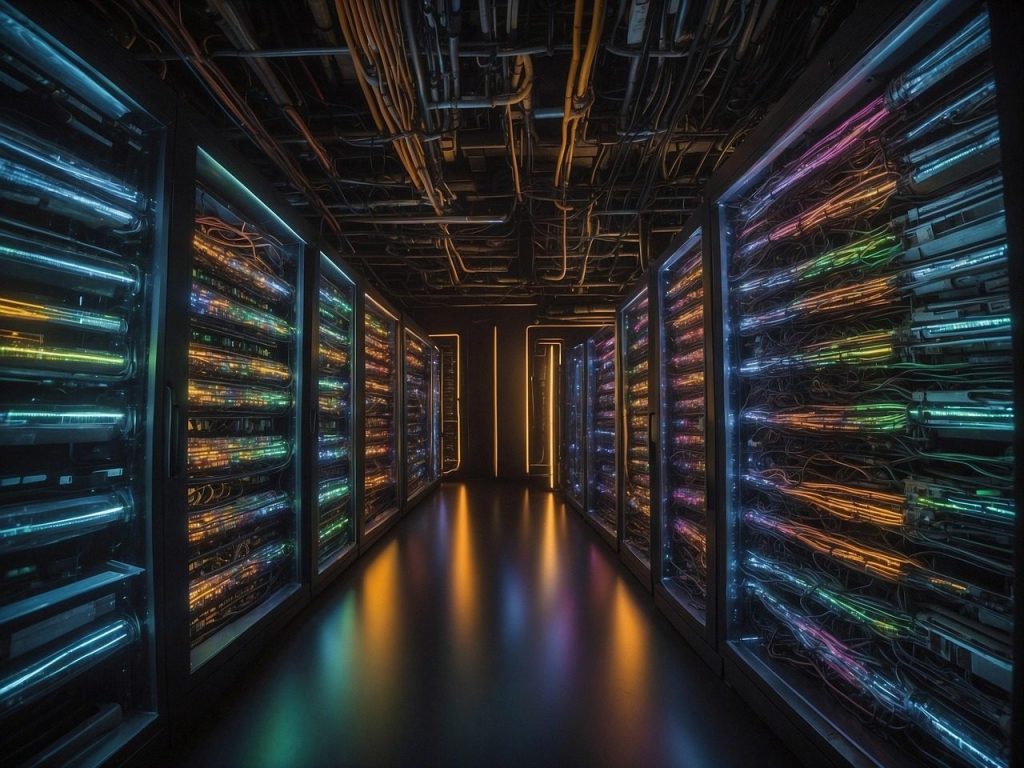
    The world is obsessed with Artificial Intelligence, but nobody is talking about the massive utility bill it leaves behind. In 2026, a shocking report revealed that “Hyperscale” AI data centers are now consuming more electricity than entire developed nations like Ireland or Denmark. These giant server farms are the hidden engines of our digital lives, running 24 hours a day to process billions of requests. As we move toward a fully automated future, the strain on the global power grid is reaching a breaking point.

    Most people think of the internet as something invisible and weightless. In reality, it is made of millions of hot, hungry machines that require constant cooling and massive amounts of energy. Every time you ask an AI to write an email or generate an image, a small spark of power is pulled from a grid that is already struggling. This isn’t just an environmental concern; it is a matter of national security. Some cities are already seeing “energy blackouts” because the data centers are taking all the available power. But wait until you see the secret cooling methods these giants are using to stay online.

    The Secret Liquid Cooling War

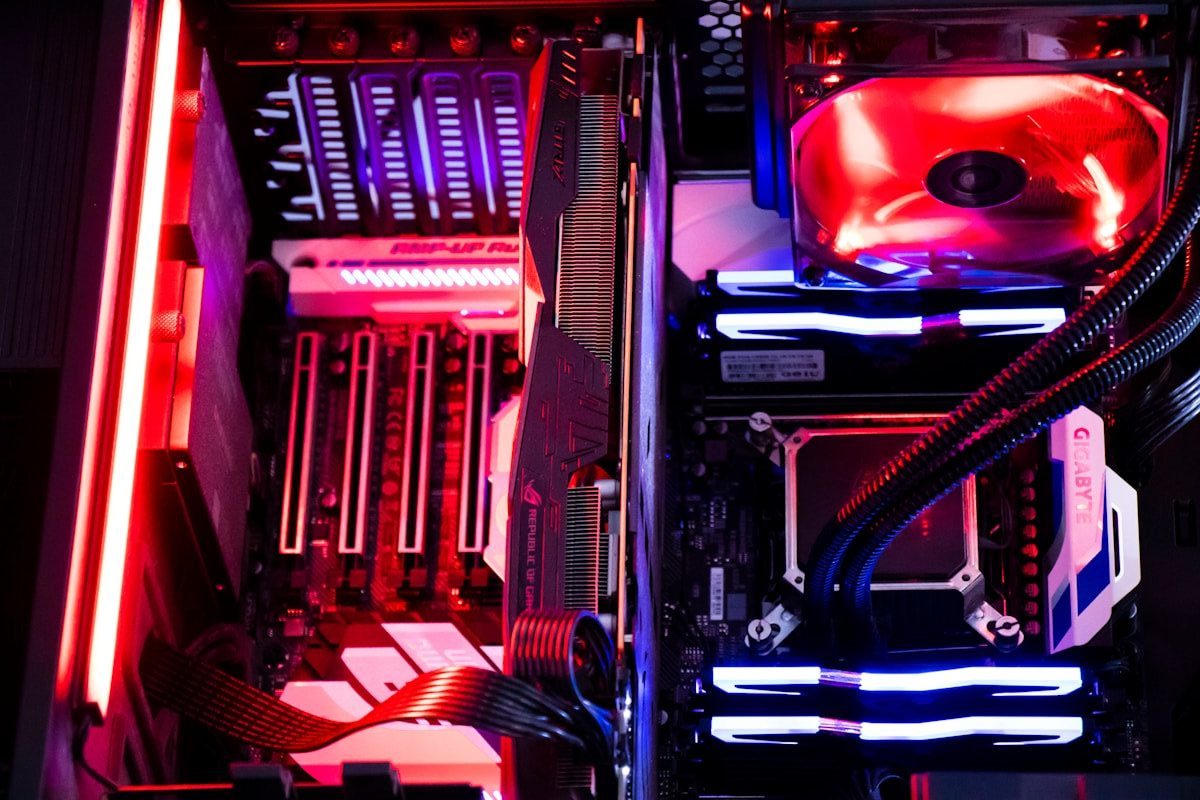
    red and black computer tower
    Photo by Sadshah. on Unsplash
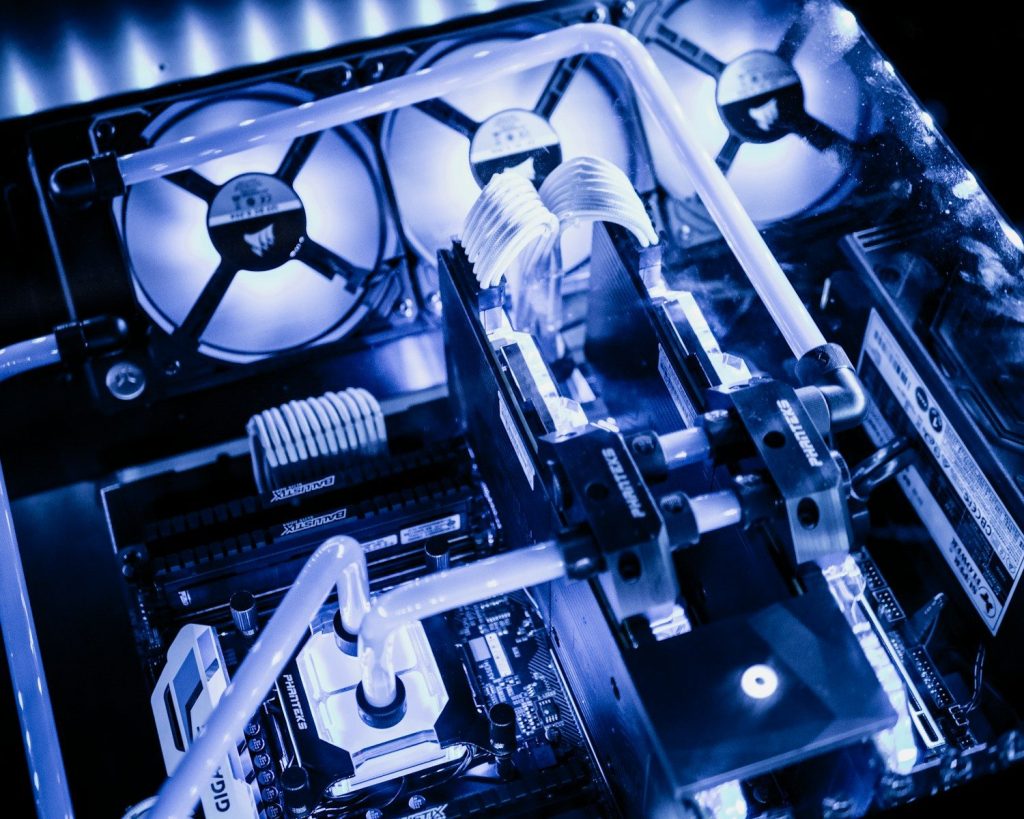
    Standard air conditioning isn’t enough to keep a 2026 AI supercomputer from melting. Tech giants are now using “Immersion Cooling,” where entire server racks are submerged in specialized non-conductive fluids. These liquids absorb heat much faster than air, allowing the machines to run at impossible speeds. It looks like a high-tech aquarium, but the cost of this “Synthetic Blood” is staggering. This race for cool air is changing where these centers are built. But why are they moving to the most remote places on Earth?

    Moving Data to the Arctic Circle

    iceberg, ocean, ice, snow, winter, cold, water, antarctica, nature, iceberg, iceberg, iceberg, iceberg, iceberg, cold, antarctica, antarctica
    Photo by AlKalenski on Pixabay

    To save money on cooling, companies are building data centers in the freezing cold of the Arctic. By pulling in the naturally frigid air, they can run their AI models with zero refrigeration costs. These “Frozen Fortresses” are becoming the new gold mines of the North. However, the heat being pumped back out is starting to affect the local permafrost. We are essentially trading a digital upgrade for a melting landscape. But the energy problem is even bigger than just the temperature.

    AI vs The Global Crypto Grid

    Abstract colorful lines flowing outwards from a central point.
    Photo by Puscas Adryan on Unsplash
    We used to blame Bitcoin for destroying the energy grid, but AI has officially taken the crown. A single AI training run can use as much power as 1,000 households use in a year. While crypto mining is slowing down, the demand for AI is exploding. This has created a “Power War” between digital currencies and intelligent machines. Governments are now being forced to choose which industry gets to keep the lights on. But wait until you see what happens when the local power runs out.

    Neighborhoods Living in the Dark

    Dark gym interior with exercise equipment visible
    Photo by Andrii Solok on Unsplash
    In tech hubs like Northern Virginia and West London, the local residents are starting to feel the squeeze. The power demand from data centers is so high that new housing projects are being delayed because there isn’t enough electricity to go around. People are finding themselves living next to giant, humming warehouses that never sleep while their own streets go dark. It is a manufacturing flaw in our modern urban planning. But can “Small Modular Reactors” save the day?

    Nuclear Power for the Cloud

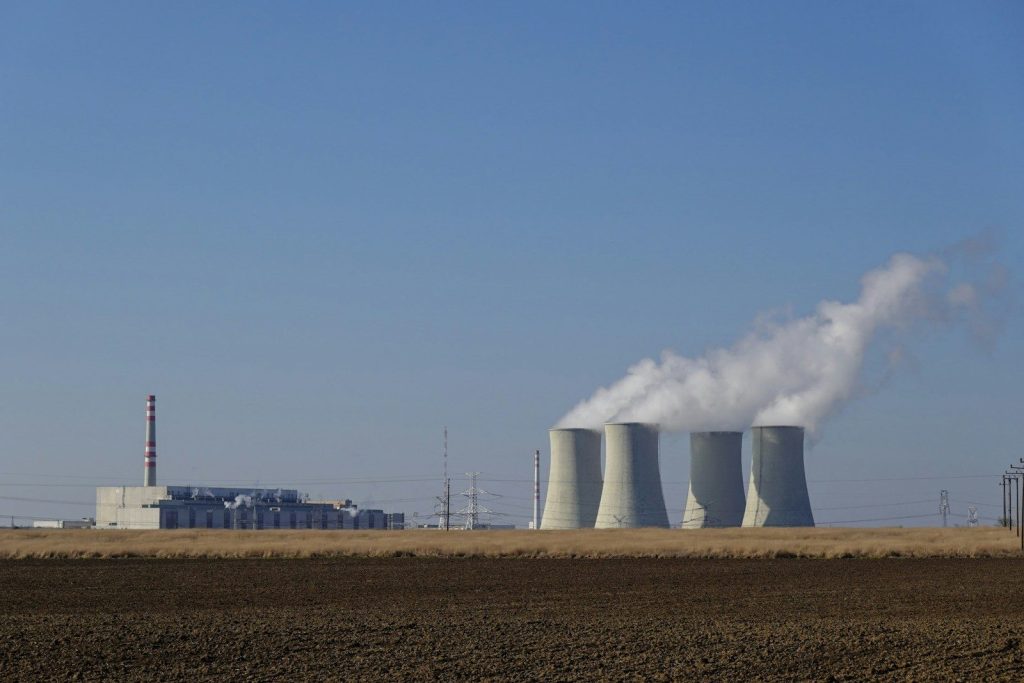
    Industrial cooling towers emitting steam under a clear sky
    Photo by Energie-portal.sk on Unsplash
    Tech giants are no longer waiting for the government to provide power. They are now building their own private nuclear reactors. These “Small Modular Reactors” (SMRs) are designed to provide constant, carbon-free energy directly to the server racks. It is a radical move that turns tech companies into energy providers. This could solve the power crisis, but it raises terrifying questions about what happens if a private reactor has a “glitch.” But the environmental cost isn’t just about electricity.
    The Massive Thirst of the Machine

    desert, drought, africa, nature, green, survivor, pink flowers, lack of water
    Photo by Slimane-Kadi on Pixabay

    Energy isn’t the only resource being devoured. These centers require billions of gallons of fresh water to keep their cooling systems running. In drought-prone areas, this has led to a “Water War” between farmers and tech companies. We are essentially choosing between “thirst” and “processing power.” Some experts warn that by 2030, our thirst for AI could lead to a global water shortage. But is there a way to make AI “think” more efficiently?

    The Quest for the Lean Brain

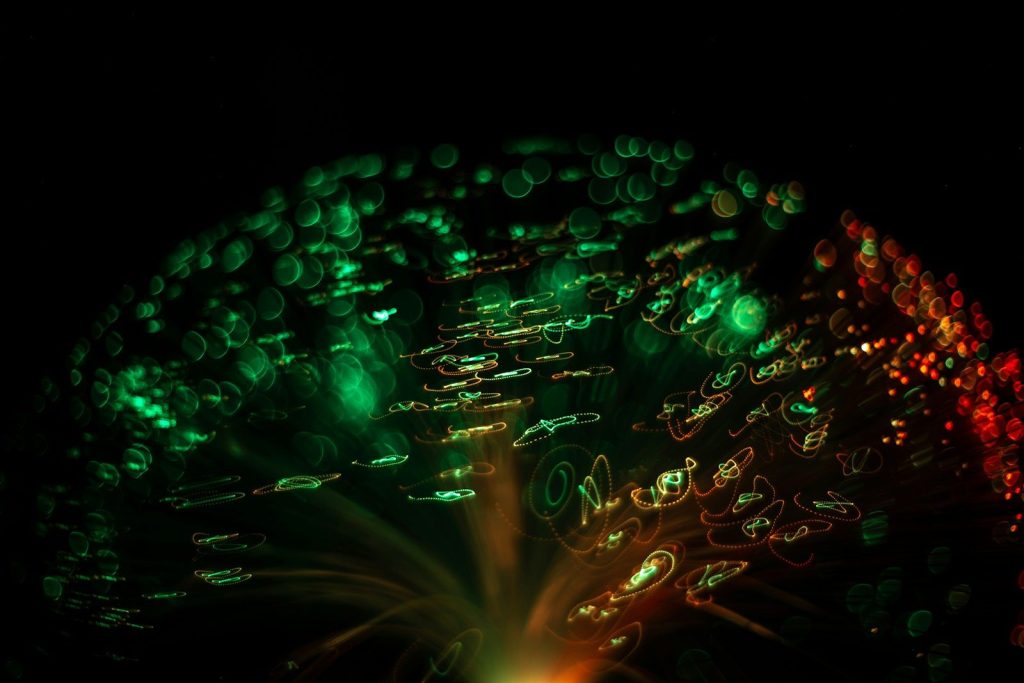
    a close up of a green and red object in the dark
    Photo by Ján Čorba on Unsplash

    Scientists are racing to create “Lean AI” models that require 90 percent less power. By optimizing the code, we might be able to get the same results without crashing the grid. This is the “Holy Grail” of 2026 engineering. If we fail, the AI revolution might just flick the switch on human civilization. We are in a high-stakes race against our own inventions. But wait until you see the next discovery that is changing how we choose our own children.

    The Final Verdict on the AI Grid

    silhouette of electric post during sunset
    Photo by Andrey Metelev on Unsplash

    We have reached the end of the “infinite resource” era. The AI data centers of 2026 are a wake-up call for the planet. We have to decide if the convenience of digital intelligence is worth the physical cost to our world. The future is bright, but it is also incredibly hungry. Stay curious, because the next big breakthrough is already hitting the news. Are you ready for the “Embryo Scoring” technology that is terrifying the medical world?

    Featured Image: Photo by panumas nikhomkhai on Pexels

  • Why your smart home devices are the weakest link in your personal security

    Why your smart home devices are the weakest link in your personal security

    Your home is your castle, but in 2026, the walls have ears—and eyes. We have filled our houses with smart speakers, connected cameras, and even Wi-Fi-enabled refrigerators. While these gadgets make life easier, they are also the “open windows” of the digital age. Most people don’t realize that a $20 smart bulb could be the key a hacker needs to steal their bank information. Your smart home devices are often built with the cheapest possible chips and very little security.

    These devices are hitting the news as the “weakest link” in personal safety. Because they are always connected to your Wi-Fi, they act as a bridge into your private life. If a criminal can hack your doorbell, they can often jump from there to your laptop or your phone. We are trading our privacy for the convenience of dimming the lights with our voice. But how exactly does a hacker turn your toaster into a spy?

    The Camera That Watches You Back

    a close up of a light on a wall
    Photo by Jakub Żerdzicki on Unsplash

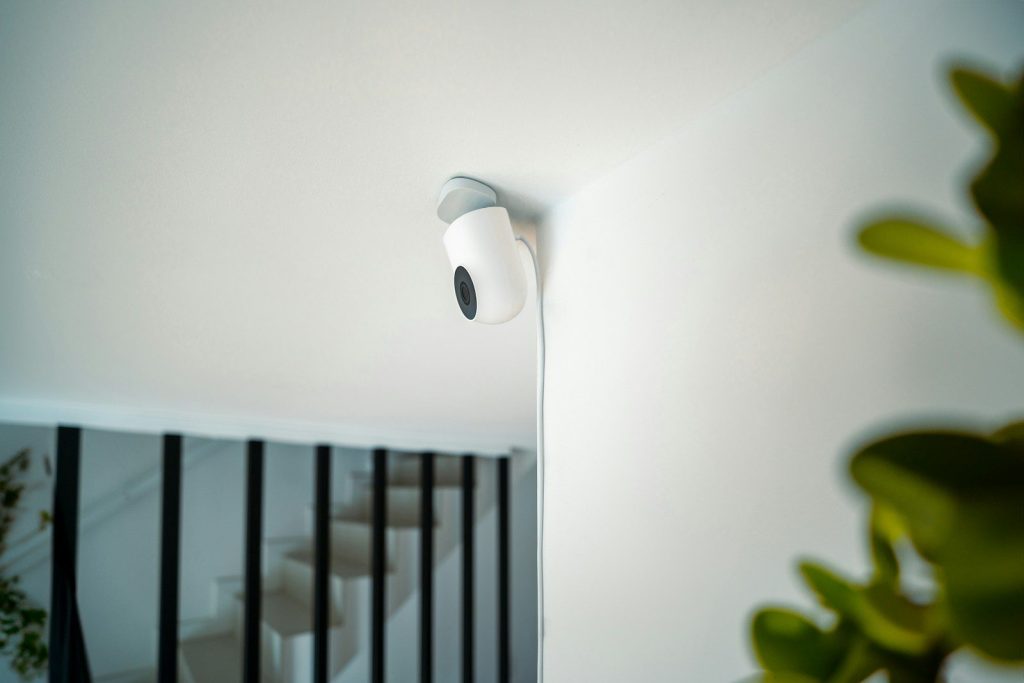
    We buy indoor cameras to keep an eye on our pets or our kids. But if that camera isn’t properly secured, anyone with the right software can tune in. Hackers often scan for devices with default passwords like “admin” or “1234.” Once they are in, they can watch your daily routine and know exactly when you leave the house. It is the ultimate tool for a modern-day burglar. But the risk isn’t just about what they see; it’s about what they hear.

    Smart Speakers and the Silent Listener

    silver ring on black surface
    Photo by Domonique Davenport on Unsplash

    “Alexa, what’s the weather?” It’s a harmless question, but your smart speaker is always listening for its “wake word.” This means it is constantly processing the sounds in your room. If the company’s servers are hacked or if the device has a software glitch, your private conversations could be recorded and stored. There have been many cases where smart speakers sent private audio to the wrong contacts. Your living room secrets are now data points in a cloud. But wait until you see the danger of the “Smart Lock.”

    When Your Front Door Gets Hacked

    Sleek smart door lock on a white door with blurred green foliage in the background.
    Photo by Joppe Beurskens on Pexels

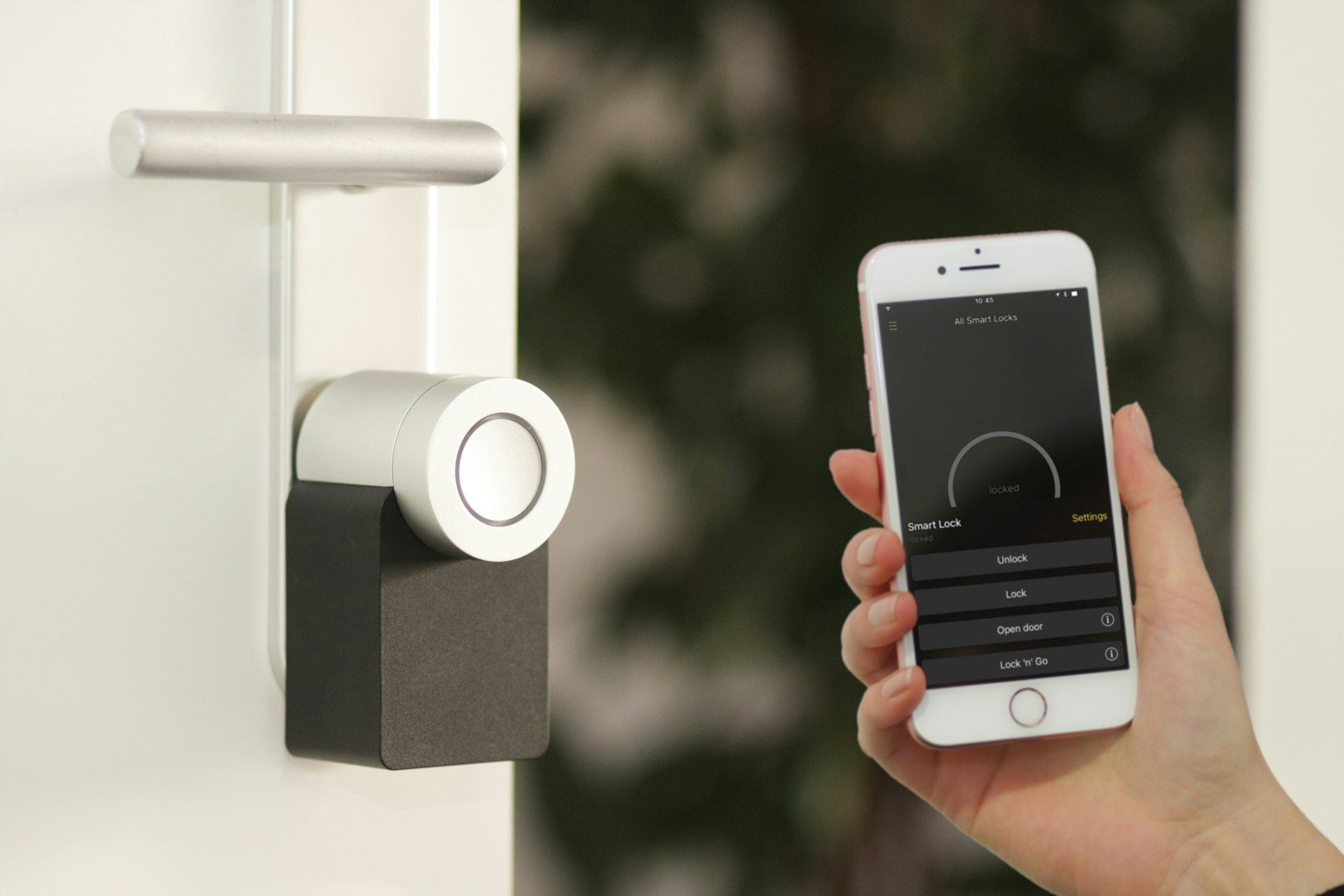
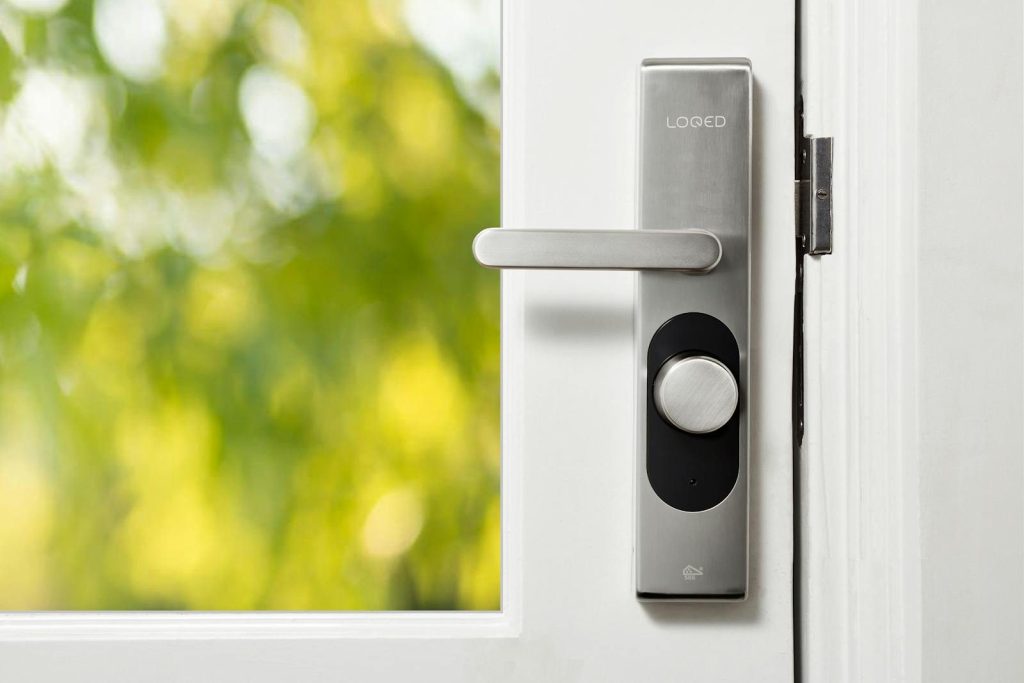
    Smart locks allow you to let in the deliveryman while you are at work. However, digital locks can be picked with code instead of a crowbar. Researchers have found that many smart locks can be tricked by a simple Bluetooth signal. Once the hacker “spoofs” your phone’s ID, the door pops open as if you were standing right there. It is a terrifying realization that your physical safety depends on a software update. But even your appliances are playing the game.

    The Refrigerator That Steals Your Passwords

    a modern kitchen with stainless steel appliances and marble counter tops
    Photo by Lotus Design N Print on Unsplash

    Why does a fridge need to be on the internet? Usually, it’s to help you keep a grocery list. But because these appliances have very weak security, they are often used as “zombie” devices. Hackers take over thousands of smart fridges to send out spam emails or launch attacks on government websites. Even worse, if you use the fridge to check your email, your login details are stored on an unencrypted drive. Your kitchen is the new front line of cyber-warfare.

    Outdated Firmware is a Digital Virus

    an old computer sitting on the ground surrounded by wires
    Photo by Nik on Unsplash

    When you buy a smart device, the software inside it is called firmware. Unlike your phone, which updates automatically, many smart gadgets stay on the same software for years. This makes them easy targets for old hacking tricks. If you haven’t updated your smart thermostat in a year, you are essentially leaving your digital front door wide open. We are building a world of “set it and forget it” tech that becomes more dangerous every day. But who is actually collecting all this data?

    The Invisible Map of Your Life

    person holding ipad near white ceramic mug and laptop
    Photo by Windows on Unsplash

    Every time you turn on a smart light or adjust the temperature, a data packet is sent to a server. Over time, this creates a perfect map of your habits. Tech companies know exactly when you wake up, when you eat, and how often you are home. This data is sold to advertisers who use it to target you with scary precision. You aren’t just the user of these devices; you are the product. But there is a way to take your house back.

    How to Secure Your Digital Castle

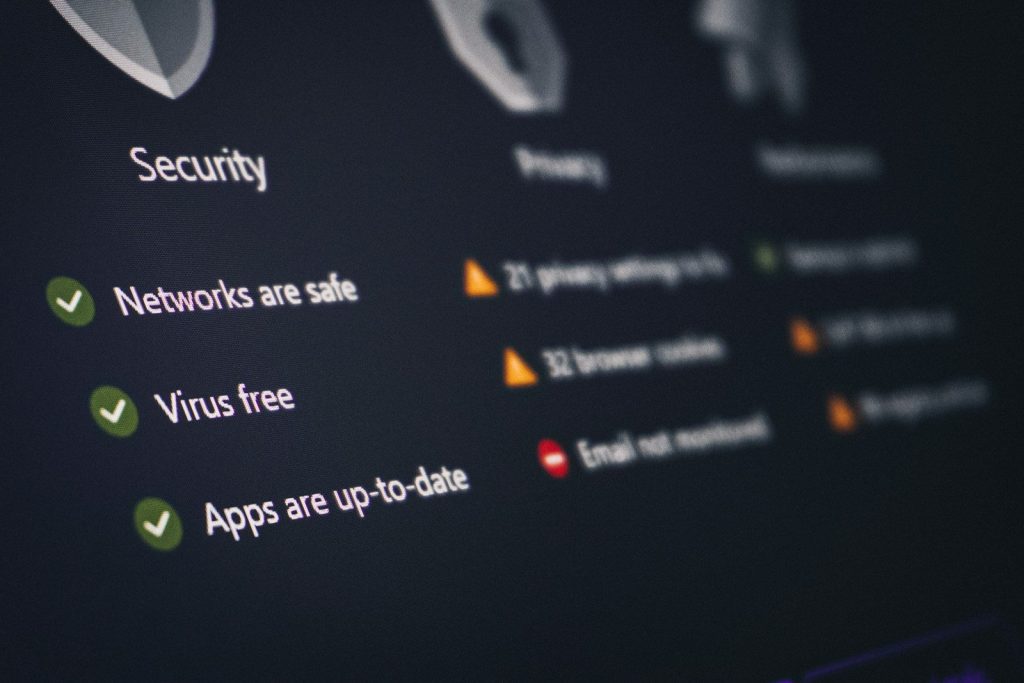
    A security and privacy dashboard with its status.
    Photo by Zulfugar Karimov on Unsplash

    Protecting your smart home doesn’t mean throwing away your gadgets. It means being smart about how you use them. Step one is creating a separate Wi-Fi network just for your devices. This keeps a hacked light bulb from seeing your laptop. Step two is changing every password from the factory default. It takes ten minutes, but it could save you a lifetime of headaches. As we build the future, we have to remember that a “smart” home is only as good as its defense. But is the universe also hiding its own secrets from us?

    Featured Image: Photo by Sebastian Scholz (Nuki) on Unsplash

  • Is putting tech inside us a step too far?

    Is putting tech inside us a step too far?

    Humanity is standing at a crossroads. For decades, we used technology as a tool that we held in our hands. Now, we are beginning to put that technology inside our bodies. From brain-computer interfaces that allow us to control cursors with our thoughts to tiny RFID chips under the skin that open doors, the line between man and machine is blurring. In 2026, this isn’t just science fiction—it is a booming industry known as bio-hacking.

    While these advancements offer incredible hope for people with paralysis or chronic illness, they also raise terrifying ethical questions. Are we still human if our brains are wired to the internet? Who owns the data that our internal chips collect? As we move toward a future where “upgrading” your body is as common as updating your phone, we have to decide where to draw the line. But the most shocking implants are already being tested in secret labs.

    The Rise of the Neural Interface

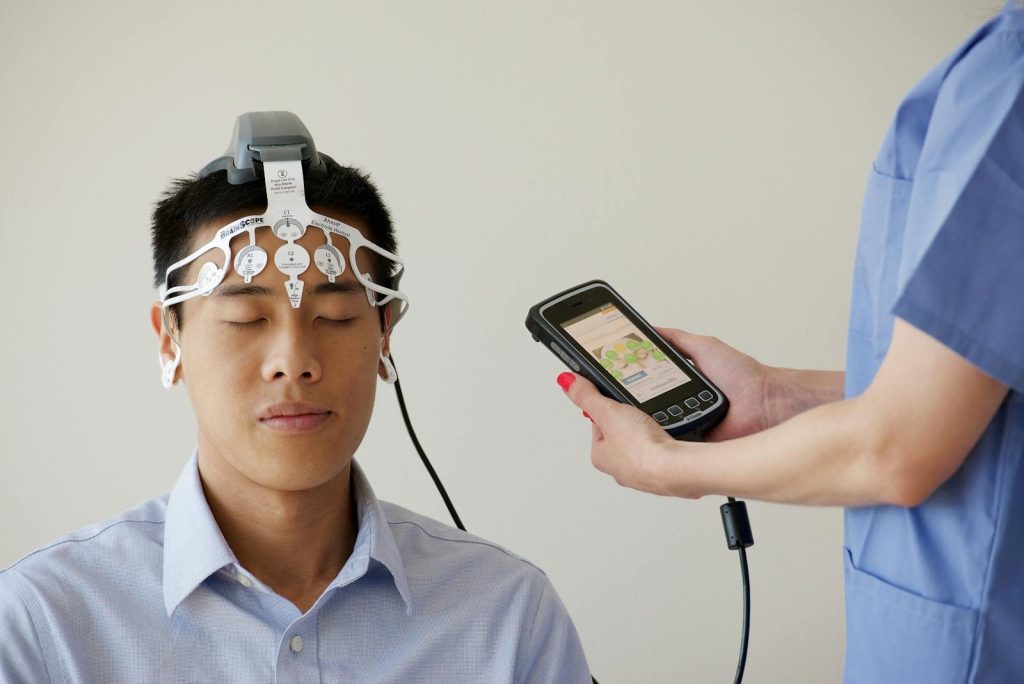
    Healthcare professional conducting an EEG examination using a Brainscope device on a male patient.
    Photo by KOS Chiropractic Integrative Health on Pexels

    The most famous piece of “internal tech” is the neural chip. Companies are racing to create devices that can treat depression, restore sight, and even boost memory. These chips sit directly on the brain and listen to your neurons. It is a miracle for medicine, but it also means your most private thoughts could technically be recorded. We are building a bridge between biology and code that can never be unbuilt. But wait until you see how people are using their hands as keys.

    RFID Tags Under the Skin

    Close-up of a healthcare worker in pink uniform holding a medicine vial with gloved hands.
    Photo by www.kaboompics.com on Pexels

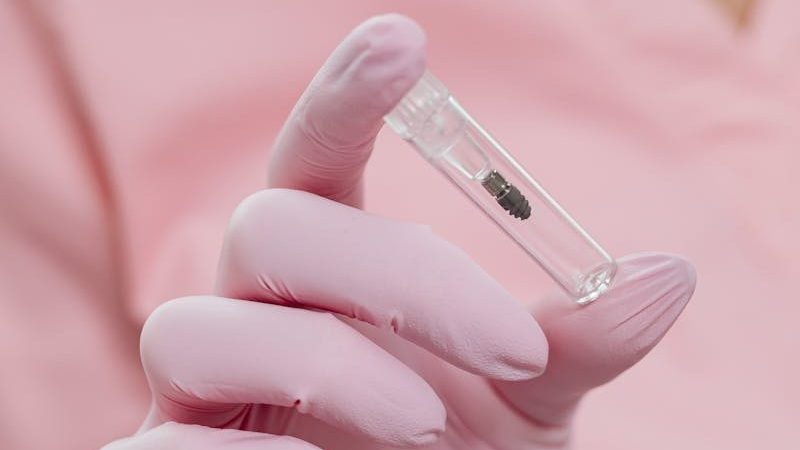
    Thousands of people have already “upgraded” their hands. By injecting a tiny RFID chip between their thumb and index finger, they can unlock their front doors, start their cars, and even pay for groceries with a wave. It is the ultimate convenience, but it also creates a permanent digital signature that follows you everywhere. If your body becomes your credit card, what happens if you get hacked? This leads to a massive debate about physical privacy.

    Bio-Luminescent Implants for Fashion

    Close-up of an LED light mask used in modern skincare treatments.
    Photo by Dinç Tapa on Pexels

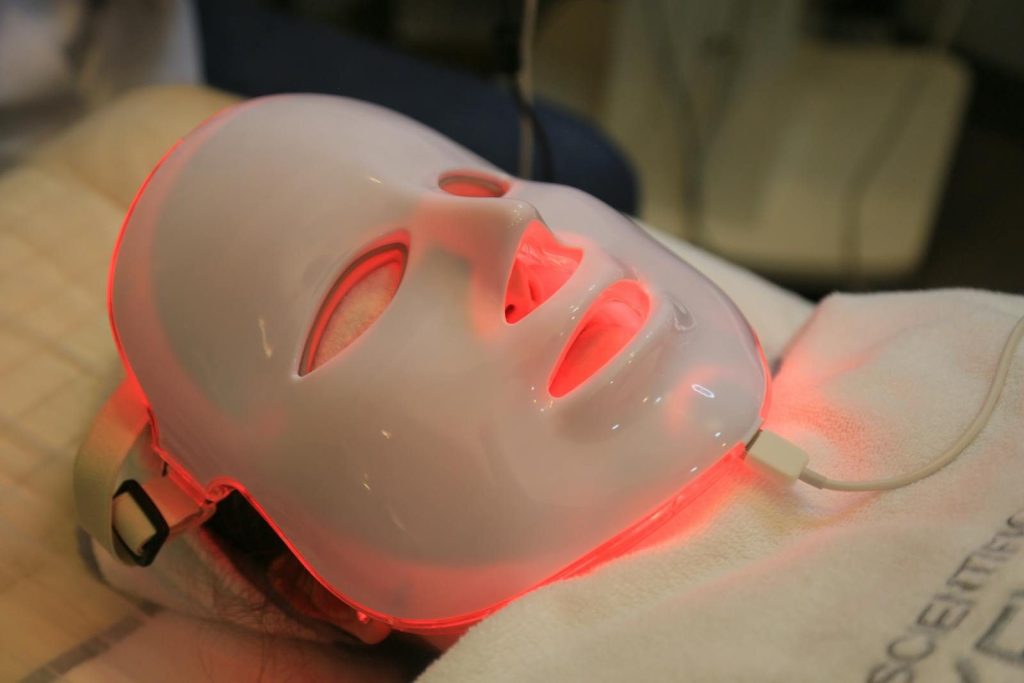
    Tech isn’t just for function; it’s for style too. A new trend in the bio-hacking community involves “Firefly” implants—LED lights placed under the skin that glow in response to magnets or smartphone signals. It turns the human body into a living piece of digital art. While it looks cool, doctors are warning about the risks of infection and tissue rejection. We are treating our skin like a canvas for hardware. But can these lights actually track your health too?

    Monitoring Your Organs in Real-Time

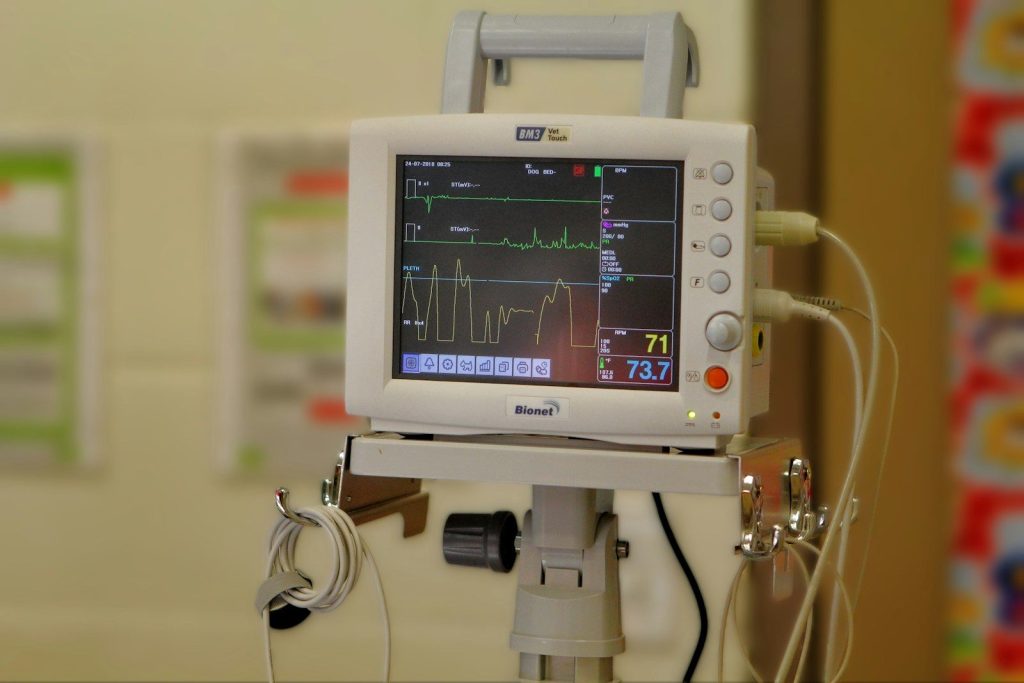
    A hospital room with a monitor on a tripod
    Photo by Judy Beth Morris on Unsplash

    Imagine a sensor wrapped around your heart that tells your doctor about a heart attack before you even feel it. Internal health monitors are becoming more sophisticated every day. These devices can track blood sugar, oxygen levels, and even stress hormones from inside the bloodstream. It is the end of the “yearly checkup” because you are being checked every second. But this constant stream of data is a gold mine for insurance companies.

    The Corporate Ownership of Biology

    Business professionals discussing a contract in a modern office setting.
    Photo by www.kaboompics.com on Pexels

    This is where things get truly messy. If a company manufactures the chip in your brain, do they own the “operating system” of your mind? There are already cases where people with high-tech eye implants went blind because the company that made the tech went bankrupt. We are entering an era where our physical well-being depends on a corporate subscription. It is a terrifying legal loophole that no one was prepared for. But can tech make us stronger than nature intended?

    Artificial Muscles and Super Strength

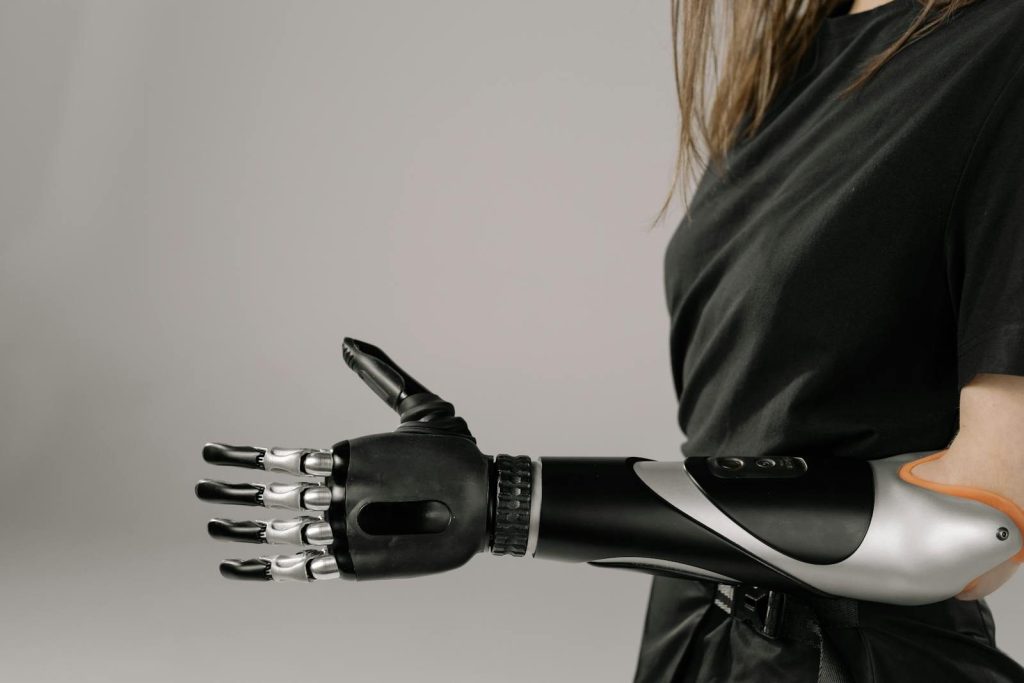
    Close-up of a woman wearing a sleek, modern prosthetic arm. Studio shot emphasizes technology and innovation.
    Photo by cottonbro studio on Pexels

    We aren’t just fixing broken bodies; we are enhancing healthy ones. Scientists are developing synthetic muscle fibers that can be woven into your own tissue. These “bionic boosts” could allow humans to run faster, jump higher, and lift more weight than any Olympic athlete. It creates a “biological divide” between those who can afford the upgrades and those who cannot. Are we creating a new class of super-humans?

    The End of Personal Privacy

    Blurred person in front of a digital code projection creating a tech-inspired abstract vibe.
    Photo by Ron Lach on Pexels

    If everything inside us is connected to the cloud, there is no such thing as a private moment. Even your dreams could eventually be translated into data points. We are trading our inner sanctuary for digital efficiency. The conversation about bio-hacking is really a conversation about what it means to be free. As the tech gets smaller and more powerful, the “off switch” is becoming harder to find. But is the human spirit ready for the machine?

    The Final Verdict on Internal Tech

    Close-up of a robotic hand with a woman pointing, showcasing advanced prosthetic technology.
    Photo by cottonbro studio on Pexels

    We are already cyborgs—we just haven’t realized it yet. Our smartphones are extensions of our memory, and our social media is an extension of our ego. Putting the tech inside us is just the final step in a journey that started with the first stone tool. The future is bright, but it is also heavy with responsibility. We have to be the masters of our machines, not the other way around. Are you ready for a world where your home is also watching you?

    Featured Image: Photo by Ecliptic Graphic on Unsplash

  • Why the Future of Food Just Moved Underground

    Why the Future of Food Just Moved Underground

    The surface of our planet is becoming a difficult place to be a farmer. Between heat waves, floods, and droughts, traditional agriculture is failing. But in 2026, the biggest food producers in the world have found a solution: they are moving the entire food chain underground. Deep inside abandoned subway tunnels, mines, and specialized bunkers, a massive network of “Sub-Farms” is providing fresh produce for millions of people.

    These underground cities of food are hitting the news as the ultimate insurance policy against climate change. They provide a perfectly controlled environment where it never rains too much and it’s never too hot. We are seeing a world where your lettuce is grown 50 feet beneath your feet. It is a total transformation of how we think about the Earth’s crust. But how do you grow a tomato without a single ray of natural sunlight?

    The New Cities Beneath the Soil

    Industrial cooling tower with large fans on concrete building
    Photo by Wolfgang Weiser on Unsplash

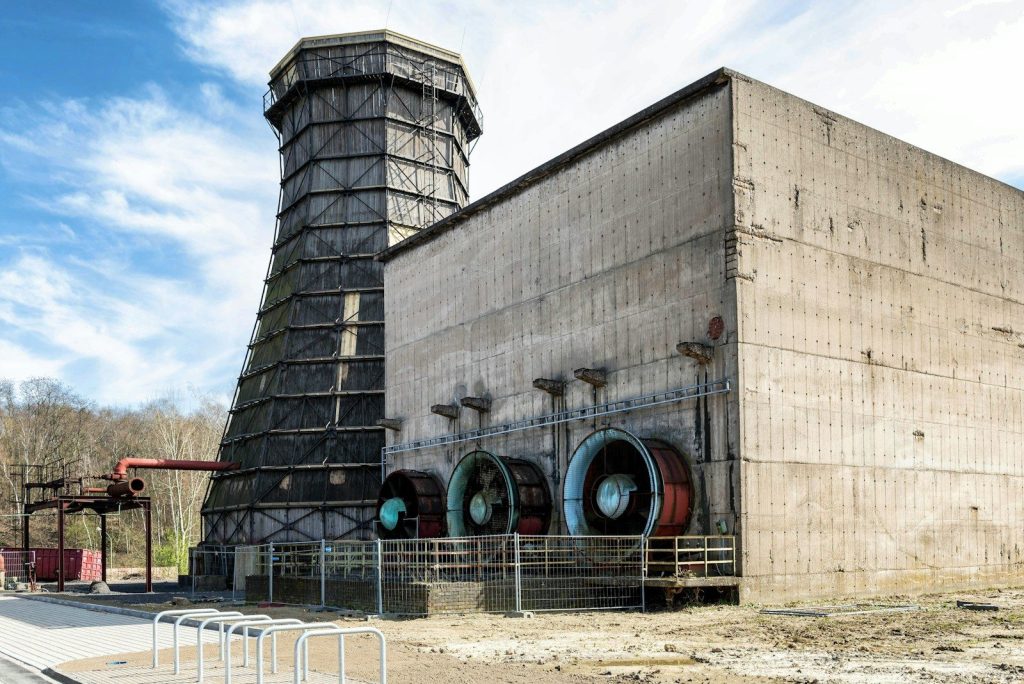
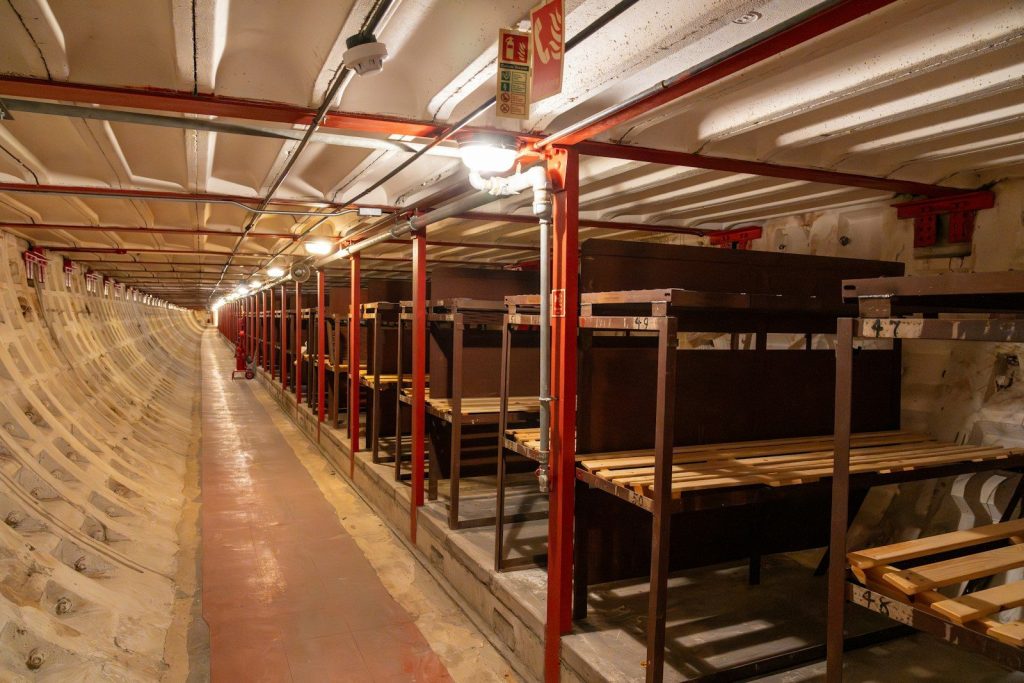
    Old coal mines and bomb shelters are being repurposed into high-tech greenhouses. These facilities can go down hundreds of feet, using the natural insulation of the rock to stay at a perfect 70 degrees year-round. This saves a massive amount of energy that would normally be spent on heating or cooling. In 2026, cities like London and New York are already sourcing 10 percent of their greens from these “Basement Basins.” But the secret to their growth is all in the light.

    Growing Crops Without Sunlight

    A colorful display of potted plants illuminated by LED grow lights on a windowsill.
    Photo by Erik Mclean on Pexels

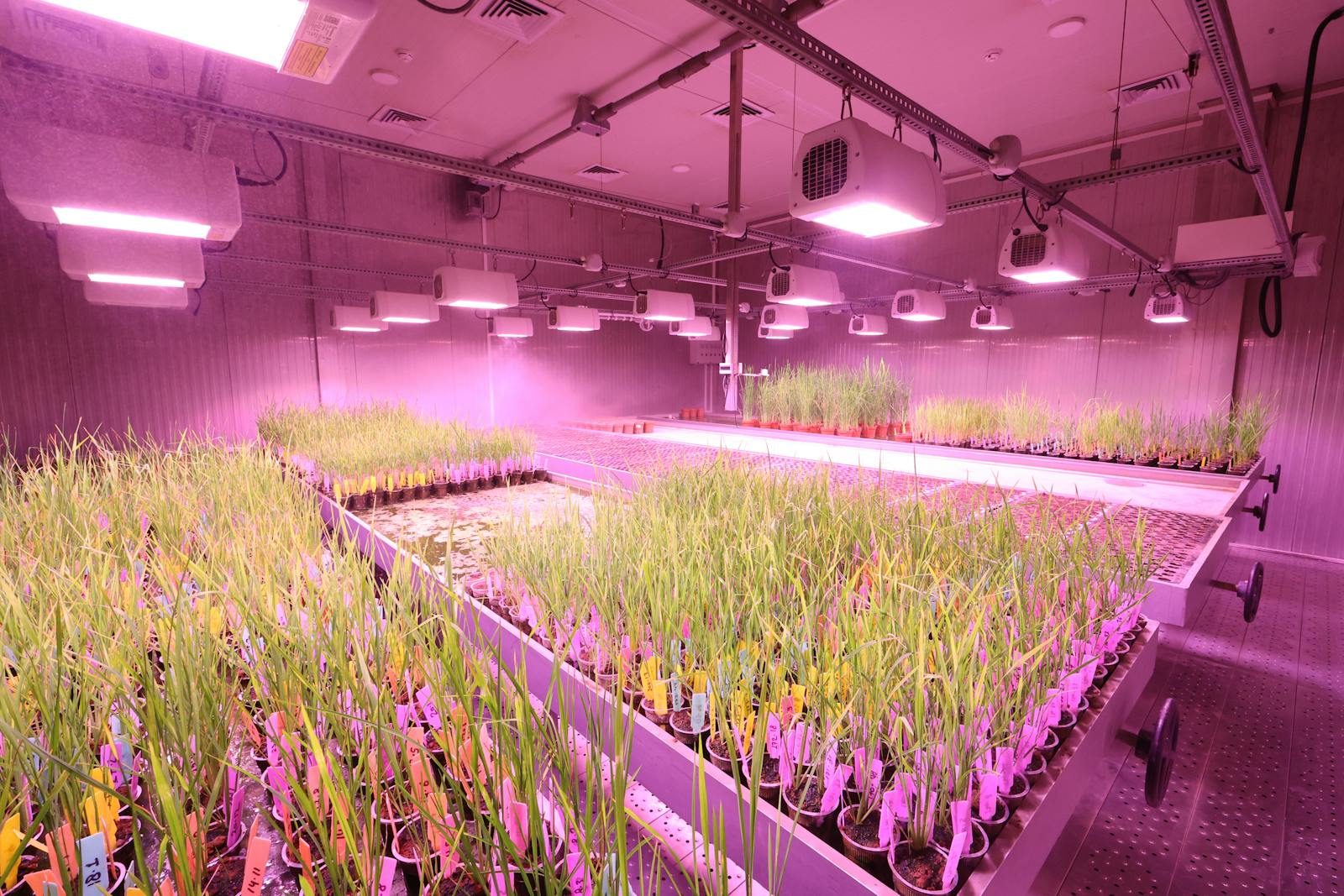
    Traditional farming relies on the sun, but underground farms use “Light Recipes.” Scientists have discovered that plants only need specific wavelengths of light to grow. By using purple and blue LEDs, they can make crops grow three times faster than they do in a field. This 2026 technology allows for 24-hour growing seasons with zero downtime. We are essentially hacking biology to feed more people. But what happens to all the waste from these farms?

    Protecting Food from Extreme Weather

    a long row of benches inside of a building
    Photo by Tomasz Zielonka on Unsplash

    While the surface is being battered by “Super-Storms,” the underground farms are silent and safe. This “Shielded Agriculture” ensures that a single bad season doesn’t lead to a food shortage. It provides a level of security that has been missing for a century. We are finally decoupling our survival from the weather forecast. It is a peace of mind that money couldn’t buy until now. But wait until you see the “Circle of Life” inside these bunkers.

    The Secret of Nutrient Loops

    Fresh green lettuce leaves with water droplets, perfect for healthy lifestyle concepts.
    Photo by Jessica Lewis 🦋 thepaintedsquare on Pexels

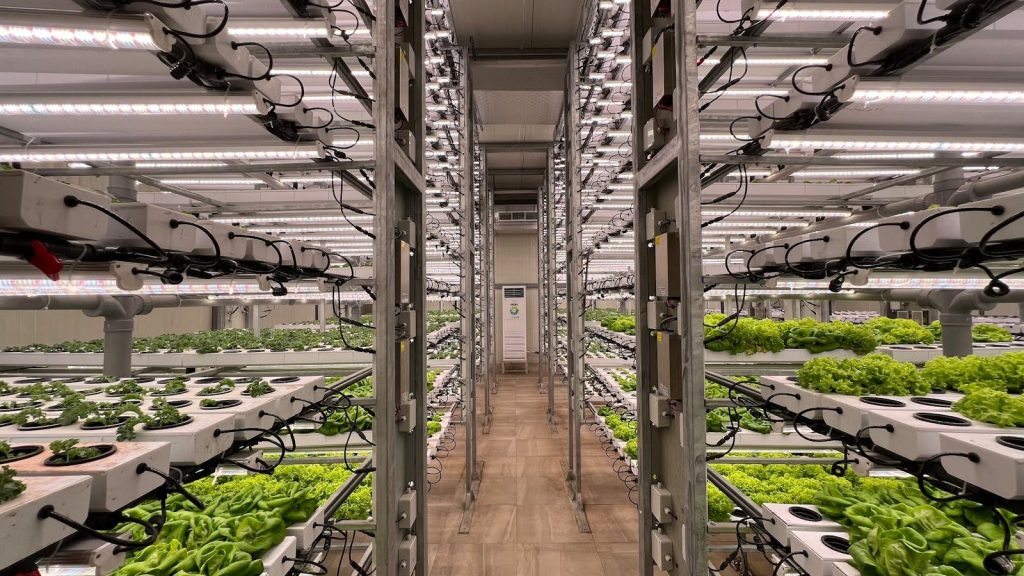
    Underground farms use 95 percent less water than traditional farms. They use “Hydroponics” and “Aquaponics,” where fish and plants live together in a closed system. The fish provide natural fertilizer for the plants, and the plants clean the water for the fish. It is a perfect loop that produces both vegetables and protein. This 2026 discovery is making food production more sustainable than ever before. But who is actually doing the hard work in the dark?

    High-Speed Harvesting in the Dark

    High-tech indoor hydroponic system for growing lettuce efficiently in a greenhouse setting.
    Photo by Anthony Rahayel on Pexels

    You won’t see farmers with pitchforks in these tunnels. Instead, the “Sub-Farms” are run by AI-powered robots. These bots monitor every leaf and every root 24 hours a day. They harvest the food at the exact second of peak ripeness and package it for delivery. It is a level of precision that eliminates waste and ensures the highest quality food. We are building a “Ghost Workforce” that never gets tired. But can this really solve the problem of world hunger?

    Ending Global Hunger Forever

    a wooden cart filled with lots of green vegetables
    Photo by Joshua Fernandez on Unsplash

    Because underground farms can be built anywhere, we are moving food production closer to the people who need it. We don’t need to ship vegetables across oceans anymore. Any city with a basement can feed its own citizens. This is leading to a massive drop in the price of fresh produce. We are entering the era of “Hyper-Local Food.” It is the ultimate solution for urban density. But how deep can we actually go?

    Vertical Farming Reaches New Depths

    3D render of a glass structure with embedded greenery, symbolizing sustainable technology integration.
    Photo by Google DeepMind on Pexels

    Architects are now designing “Earth-scrapers”—buildings that extend down into the ground instead of up into the sky. The first ten floors are for people, but the fifty floors below are for food. This allows us to double the capacity of our cities without using more land. We are learning to live and grow in 3D. It is a radical redesign of human civilization. But are the robots ready to take over the soil, too?

    The Robots Tending the Earth

    man in brown shirt standing on green grass field during sunset
    Photo by ThisisEngineering on Unsplash

    As we master the underground, we are finding that machines can manage the soil better than we ever could. They can balance the pH and minerals for each individual plant. This means the food is more nutritious and flavorful than anything grown in the wild. We are creating “Super-Food” by mastering the subterranean world. But while we move underground, something is happening to our oceans that we never thought was possible.

    A Revolution for Modern Cities

    man in white dress shirt holding white plastic bag
    Photo by Petr Magera on Unsplash

    The countdown to a total food revolution is on. In the next few years, the concept of a “farm” will change forever. We are moving from the field to the factory, and from the sun to the sensor. The world is becoming more resilient, one tunnel at a time. But are you ready for the microscopic monster that is currently eating all our ocean trash?

    Featured Image: Photo by Resham Kumari on Pexels

  • This Tiny New Chip Packs The Power Of A Supercomputer

    This Tiny New Chip Packs The Power Of A Supercomputer

    For decades, the world’s most powerful computers have been the size of basketball courts. They require massive buildings, specialized cooling systems, and enough electricity to power a small city. But that era is ending right now. Scientists have just unveiled a revolutionary new processor that packs supercomputer-level performance into a chip the size of a fingernail. This is not just a small upgrade to your current phone. It is a fundamental shift in how machines process information.

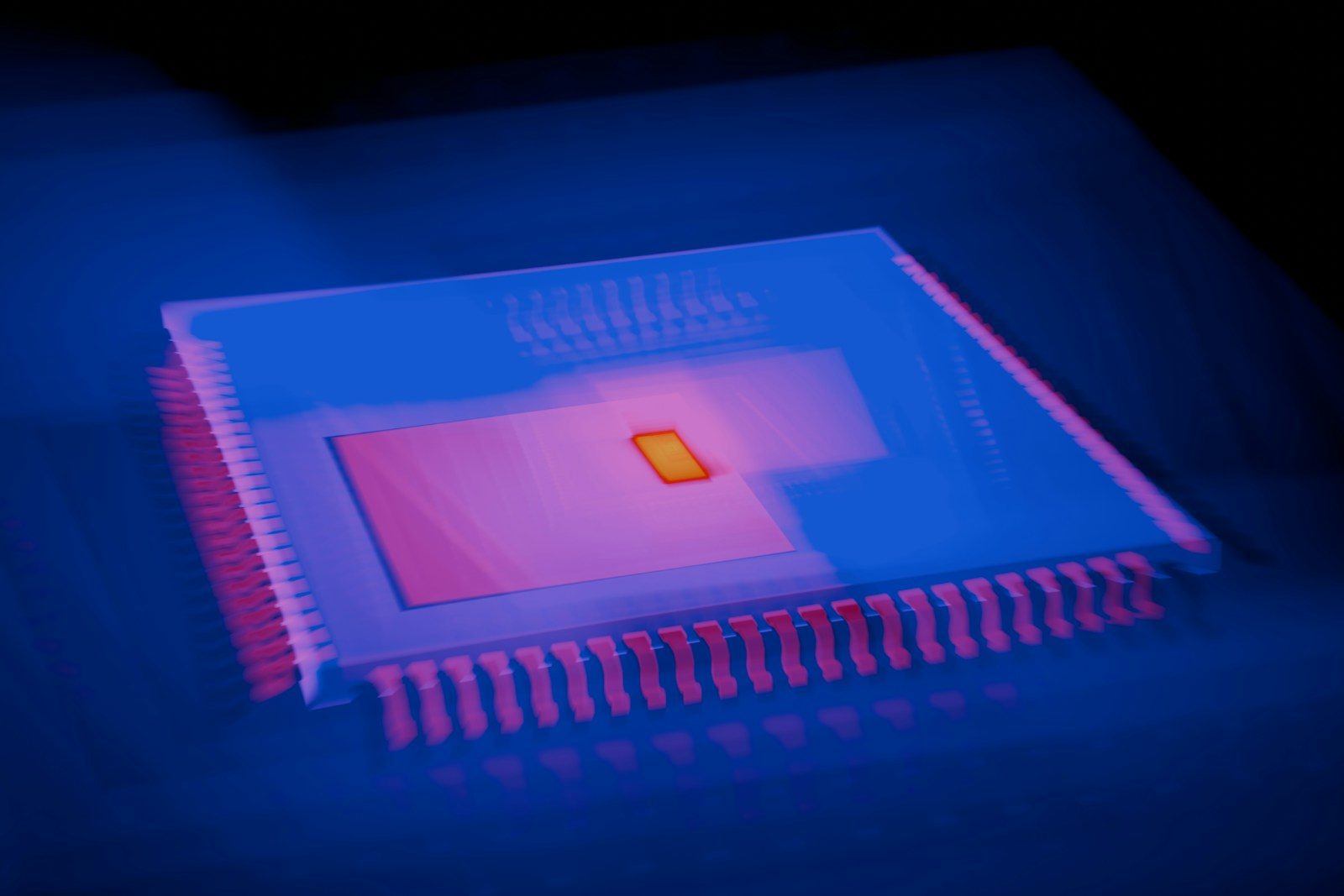
    By using light instead of electricity, this new “photonic” chip can handle data at speeds we previously thought were impossible. It can perform trillions of calculations in a single second while using a fraction of the power of a traditional PC. This breakthrough means that the massive artificial intelligence systems that currently live in giant data centers could soon live in your pocket. The barrier between “mobile” tech and “super” tech has officially been erased. But how did they manage to fit miles of wiring into a space smaller than a dime?

    Is The Era Of Giant Server Rooms Finally Over?

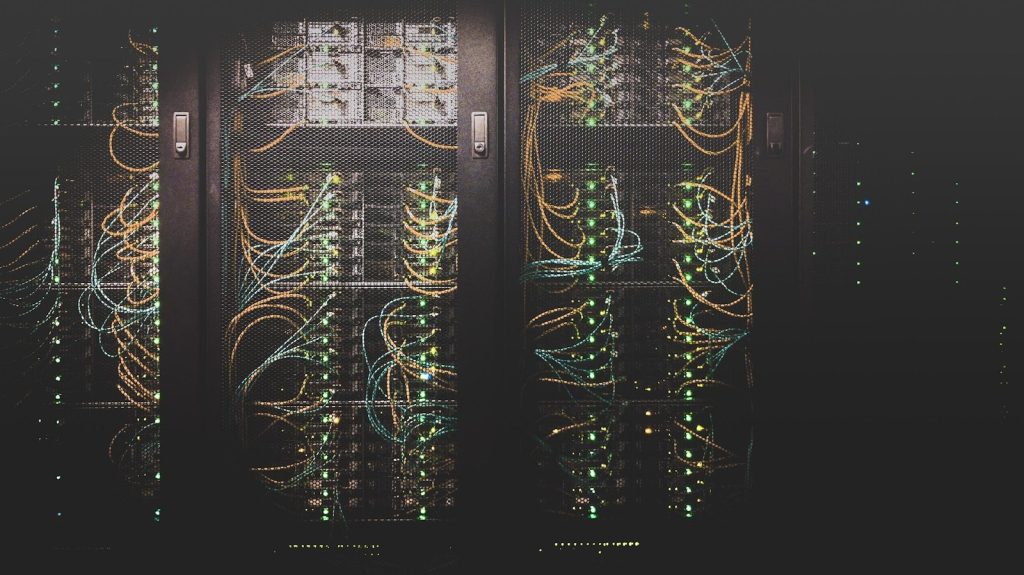
    ai generated, server, room, technology, business, internet, digital, work, data, network, server, server, server, server, server
    Photo by TheDigitalArtist on Pixabay

    In the past, if you wanted more power, you needed more space. Companies like Google and Microsoft built thousands of square feet of server rooms just to keep up with our data needs. These giant farms are expensive to build and even harder to maintain. This new chip breakthrough changes the entire landscape of the internet. It allows us to consolidate massive amounts of processing power into tiny devices.

    Instead of sending your data to a cloud far away, your own devices could handle everything locally. This would make the internet faster and much more private. We are looking at a future where giant, humming server buildings might become relics of the past. It is a total reimagining of global infrastructure. But size isn’t the only thing that changed; the very physics of the chip is different.

    How Light Waves Are Making Electronics 1000 Times Faster

    yellow and red light streaks
    Photo by Jan Huber on Unsplash

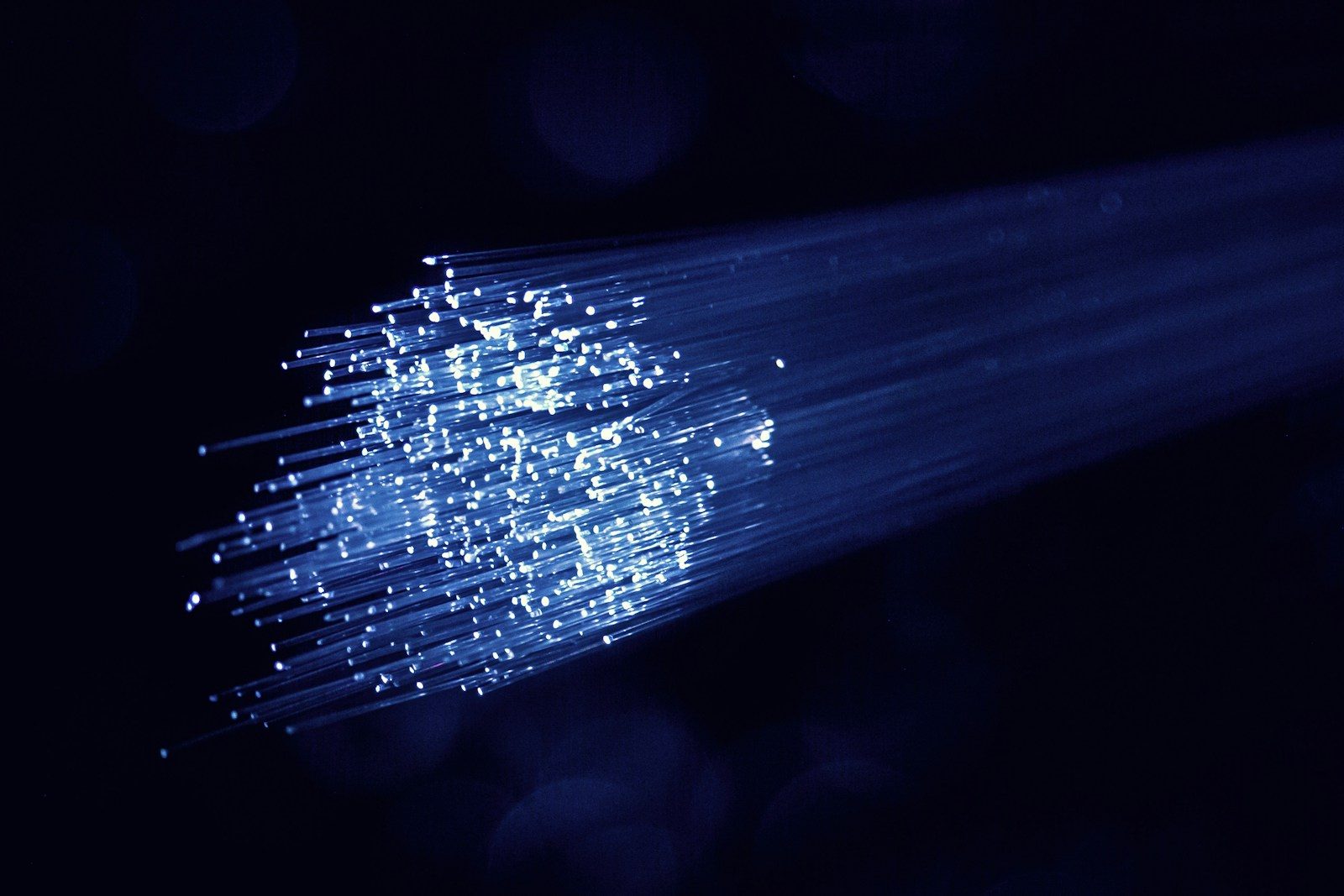
    The secret to this incredible shrinking act is light. Traditional computers use electrons moving through copper wires. This creates a lot of traffic jams and generates massive amounts of heat. The new super-chip uses “photons” or particles of light. Light moves much faster than electricity and doesn’t get stuck in traffic. By using microscopic lasers to move data, the chip can work at the speed of light.

    This allows the processor to handle multiple streams of information at the exact same time without slowing down. It is like replacing a crowded city street with a thousand-lane highway. This speed is what allows such a small chip to outperform a room-sized machine. However, removing electricity from the equation solves an even bigger problem that has haunted engineers for years.

    Why Your Next Computer Might Never Get Hot

    grayscale photo of machine
    Photo by Casper Johansson on Unsplash

    If you have ever felt your laptop get hot on your lap, you have felt the failure of traditional computing. Heat is the number one enemy of performance. When a chip gets too hot, it has to slow down to keep from melting. This is why supercomputers need giant fans and liquid cooling systems. Because the new photonic chip uses light instead of electricity, it creates almost zero heat.

    This means your future devices could be thinner than ever because they won’t need fans or vents. They can run at maximum speed for hours without ever getting warm. This efficiency also means your battery life could jump from hours to weeks on a single charge. If the chip stays this cool, it opens the door for software that was previously too “heavy” to run on a portable device.

    Can This Chip Run A Human-Level AI Offline?

    A computer chip with the letter ia printed on it
    Photo by Igor Omilaev on Unsplash

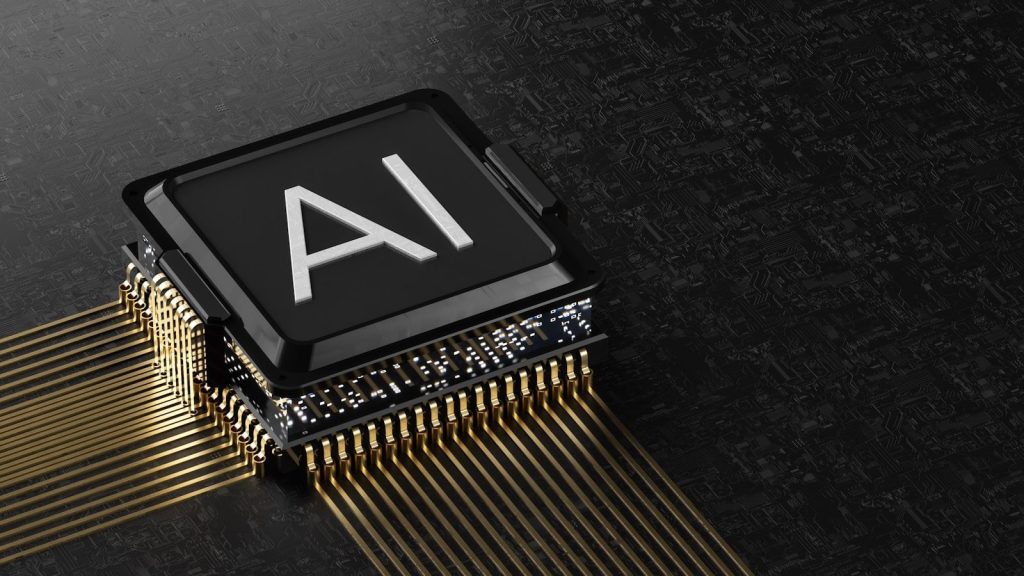
    The most exciting use for this technology is Artificial Intelligence. Right now, tools like ChatGPT require massive supercomputers to function. Your phone doesn’t actually “think” on its own; it just sends your question to a giant server. With a supercomputer on a chip, your phone could run a full AI entirely offline.

    This would make AI faster, more responsive, and much more secure. You wouldn’t need an internet connection to translate languages or edit complex videos in real-time. It would be like having a genius assistant living inside your device that never needs to “call home.” But what happens when we take this power and put it inside the human body?

    The New Secret To Predicting Diseases Before They Happen

    Doctor examining brain scan on tablet at desk.
    Photo by Vitaly Gariev on Unsplash

    Because these chips are so small and use so little power, doctors are looking at using them for “smart” medical implants. Imagine a chip smaller than a grain of rice that lives inside your bloodstream. It would have the computing power to monitor your health every second of the day. It could detect a single cancer cell or an early sign of a heart attack long before a human doctor could.

    This level of monitoring requires massive data processing that only a supercomputer can handle. Now that the supercomputer fits on a chip, these “guardian” implants are becoming a reality. We are moving toward a world where your body has its own internal IT department. While this helps our health, it also addresses a major environmental crisis.

    How This Tech Could Cut Global Power Use In Half

    pollution, environment, drone, climate change, industrial, environmental, chemical, ecology, global warming, atmosphere, power plant, emissions, fossil fuels, disaster, co2, carbon dioxide, resources, global warming, fossil fuels, fossil fuels, fossil fuels, fossil fuels, fossil fuels, co2, co2, co2, carbon dioxide, carbon dioxide, carbon dioxide
    Photo by marcinjozwiak on Pixabay

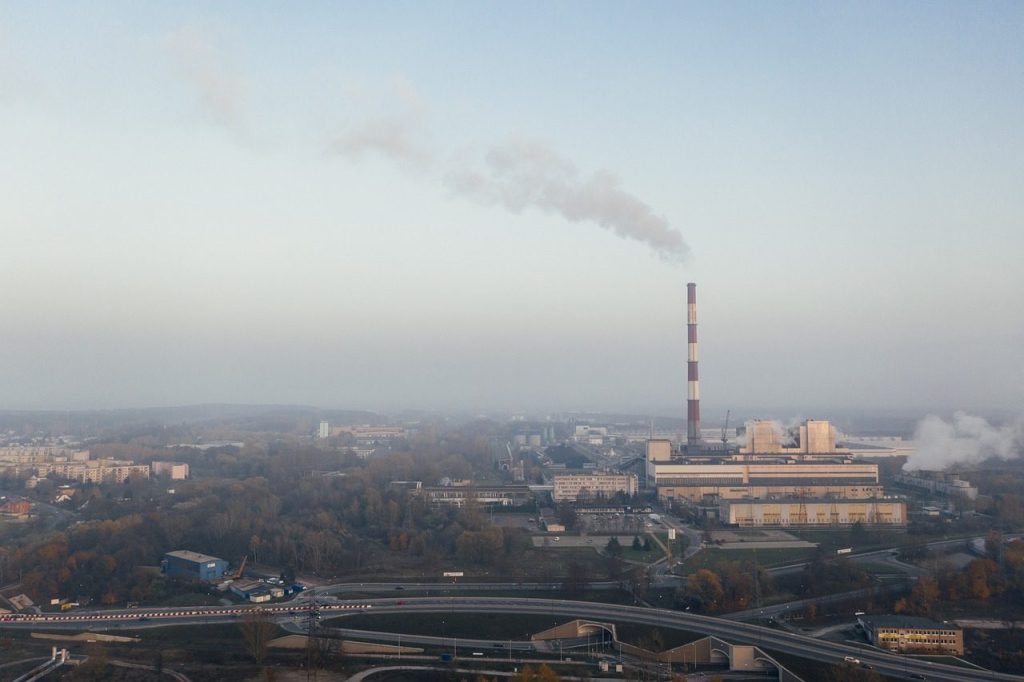
    One of the world’s biggest secrets is how much energy the internet uses. Data centers currently consume about 2 percent of the world’s total electricity. As AI grows, that number is expected to skyrocket. This super-chip could save the planet by drastically reducing energy demand. Because it uses light, it is incredibly efficient.

    Replacing old servers with these chips would cut energy consumption by over 90 percent. It is the single biggest “green” breakthrough in the history of the tech industry. We can have all the power of the digital age without the massive carbon footprint. So, when will you actually be able to buy a device powered by this miracle chip?

    Will This Breakthrough Make Your Current Laptop Ancient History?

    ai generated, computer, laptop, technology, screen, business, work, broken, smashed, damaged, abandoned
    Photo by TheDigitalArtist on Pixabay

    The first versions of these chips are already being tested in high-end industrial labs. Major tech giants are racing to be the first to put them into consumer electronics. We are likely less than five years away from the first “photonic” laptops and smartphones hitting the shelves. When they arrive, the transition will feel as big as moving from a typewriter to a computer.

    Your current devices will suddenly feel like toys compared to the raw power of a chip-sized supercomputer. We are entering an era where there is no limit to what our handheld devices can do. The “supercomputer” is no longer a machine in a distant building. It is about to become a standard part of your daily life. But are we ready for a world where everyone has a genius-level machine in their pocket?

    Featured Image: Photo by Steve A Johnson on Unsplash

  • The Tech That Makes Fiber Optics Look Like Dial-Up

    The Tech That Makes Fiber Optics Look Like Dial-Up

    For 20 years, fiber optics has been the “gold standard” of the internet. We thought that moving data at the speed of light through glass cables was the final limit. But in 2026, a new breakthrough in “Terahertz Waves” has officially made fiber look like ancient dial-up. We are no longer talking about Megabits or Gigabits; we are entering the era of “Petabits.” This new technology enables data speeds 1,000 times faster than the fastest fiber-optic cable.

    Imagine downloading a thousand 8K movies in a single second. That is the reality of this new “T-Wave” tech. It isn’t just a small upgrade; it is a fundamental shift in how the world connects. The barrier to “Real-Time” global communication has finally been erased. This isn’t just for big companies; it is coming to your home sooner than you think. But how can a wireless wave actually beat a physical cable?

    The Power of the Terahertz Wave

    frequency, sine, physics, light, seem, background, blue, graphic, wave, waveform, audio, volume, spectrum, frequency, frequency, frequency, frequency, frequency, waveform, spectrum
    Photo by geralt on Pixabay

    The secret is the frequency. Terahertz waves sit between microwaves and infrared light on the spectrum. They can carry massive amounts of data because they vibrate trillions of times per second. In the past, these waves were too difficult to control because they couldn’t travel very far. But a 2026 breakthrough in “Orbital Angular Momentum” has allowed scientists to “twist” these waves into a tight beam that can travel miles without losing energy. It is like replacing a garden hose with a high-pressure laser. But wait until you see what this does to your phone.

    The End of the “Loading” Bar Forever

    time-lapse photography
    Photo by CHUTTERSNAP on Unsplash

    With T-Wave tech, the concept of “buffering” or “loading” is officially dead. Everything on the internet will be “Instant.” This allows for a new type of “Cloud Computing” where your phone doesn’t even need a powerful processor. All the heavy work is done on a supercomputer miles away and beamed to your screen in real-time. Your phone becomes a “portal” to infinite power. But this speed is also enabling a new type of medical miracle.

    Remote Surgery with Zero Latency

    Senior scientist observing robot performing a task indoors.
    Photo by Pavel Danilyuk on Pexels

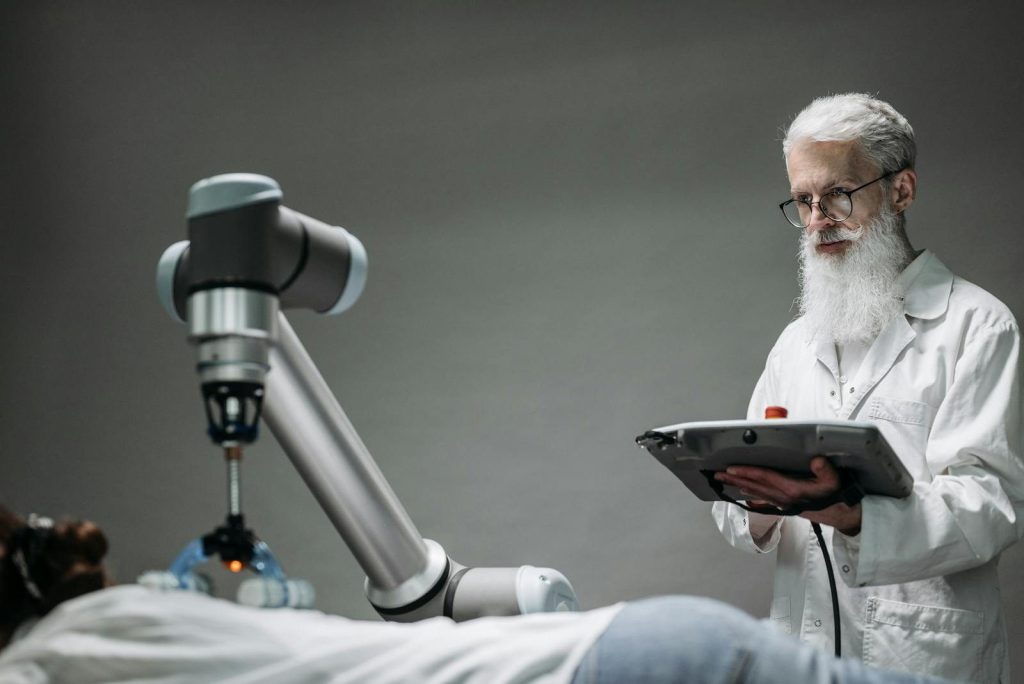
    The biggest problem with remote surgery was “Latency”—the tiny delay between the doctor’s hand movement and the robot’s reaction. Even a half-second delay could be deadly. T-Wave technology has reduced latency to “Absolute Zero.” A surgeon in New York can now operate on a patient in Tokyo with the same precision as if they were in the same room. It is the end of medical borders. But wait until you see what this does to the world of gaming.

    True 16K Virtual Reality is Here

    a man sitting in a chair wearing a pair of virtual glasses
    Photo by Azwedo L.LC on Unsplash

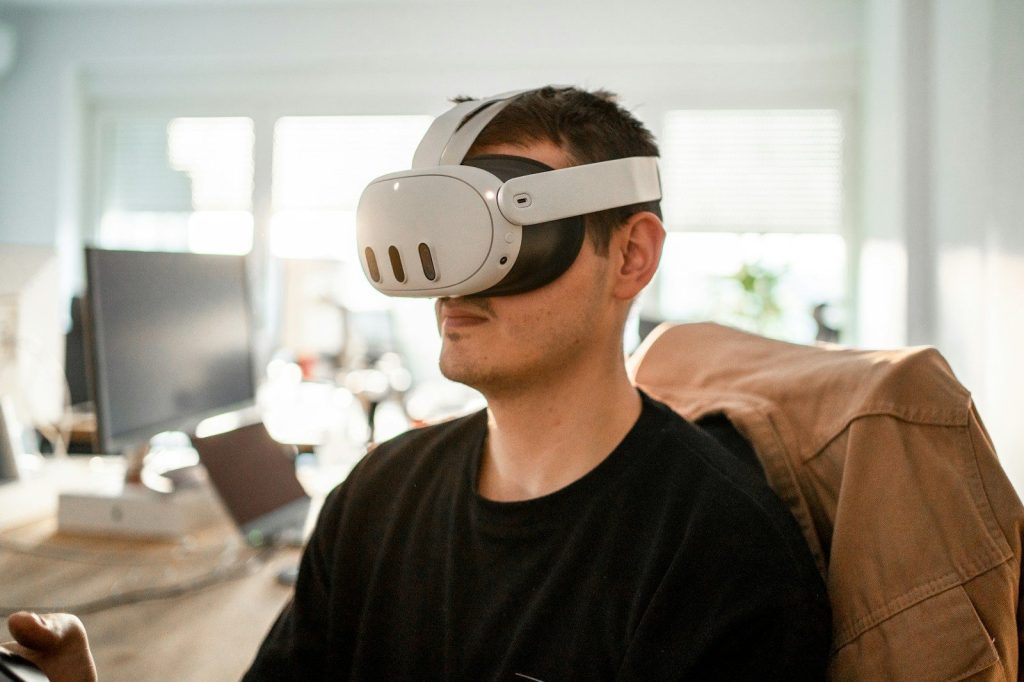
    Current VR headsets often feel “blurry” or cause motion sickness because the data can’t move fast enough. T-Wave technology allows for 16K resolution at 240 frames per second. The result is a digital world that is indistinguishable from reality. You can explore a virtual city or a fantasy world with perfect clarity and no lag. We are looking at the birth of the “Metaverse” that actually works. But how does this tech handle the “dead spots” in your house?

    The World’s First “Wall-Piercing” Signal

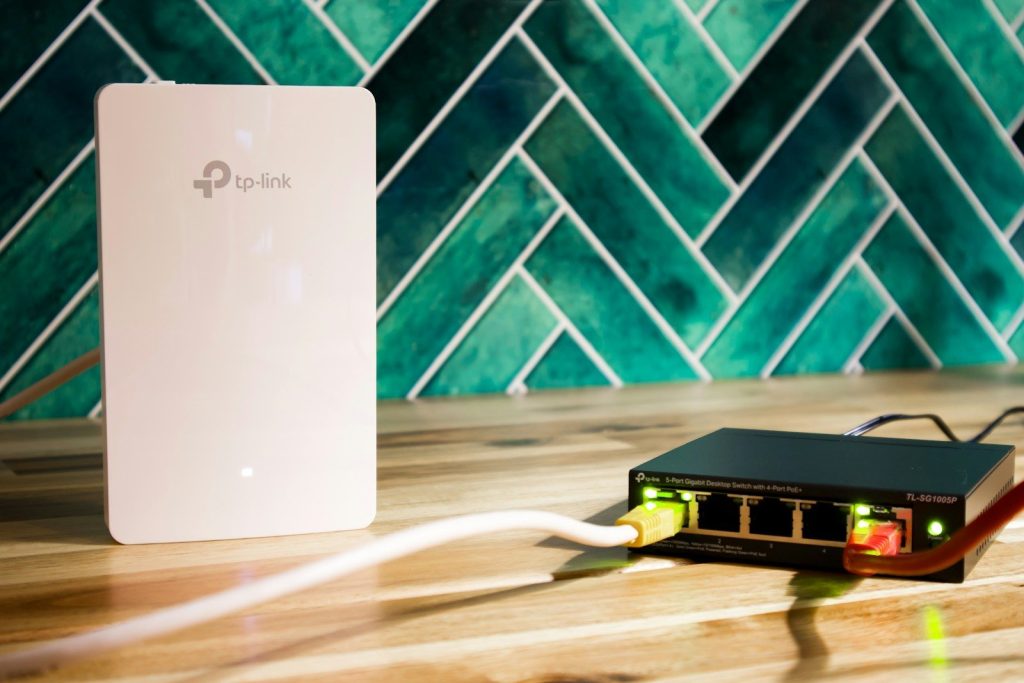
    A wi-fi router and a network switch sit side-by-side.
    Photo by User_Pascal on Unsplash

    In the past, high-frequency waves were blocked by walls and trees. The 2026 T-Wave routers use “Intelligent Reflective Surfaces.” These are tiny, invisible stickers you can put on your walls that “bounce” the signal around corners and through obstacles. Your entire house becomes a perfect zone of ultra-fast data. There is no corner where you won’t have the full Petabit speed. But is all this power safe for your body?

    The Radiation Debate of 2026

    a car with a screen and a tag on the front
    Photo by Talal elmountassir on Unsplash

    Every time a new network arrives, people worry about radiation. Scientists have spent years studying T-Waves and have found they are “Non-Ionizing,” meaning they don’t have enough energy to damage your DNA. In fact, they are safer than the sunlight you feel on your skin. Governments have officially cleared the tech for global rollout. We are once again moving forward with confidence. But who is the giant company that is secretly running this whole network?

    The Death of the Traditional ISP

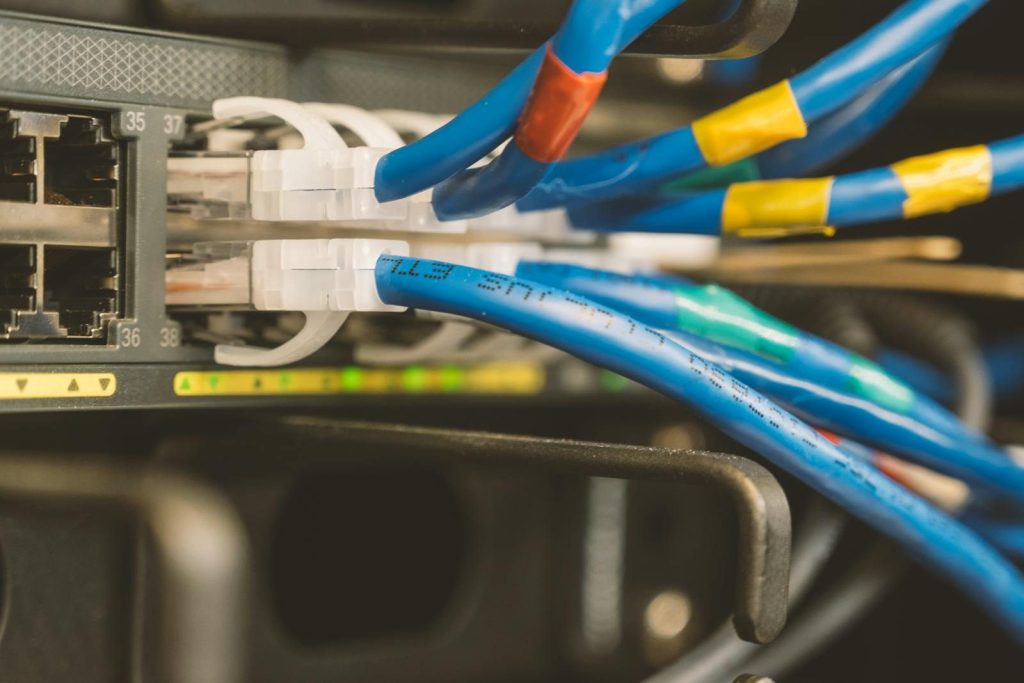
    Network switch and blue ethernet cable with white tips connected to system for maintenance
    Photo by Brett Sayles on Pexels

    T-Wave technology doesn’t require miles of expensive underground copper or glass cables. It uses a “Mesh Network” of small, solar-powered boxes on every street light. This means the old “Cable Companies” are quickly becoming obsolete. A new group of “Community Networks” is taking over, providing ultra-fast internet for a fraction of the price. We are finally taking back the web from the monopolies. But wait until you see the next big discovery that is already hitting the news.

    The Journey to an Infinite Internet

    Modern digital spheres interconnected by glowing lines, showcasing a futuristic network concept.
    Photo by Merlin Lightpainting on Pexels

    The era of “Dial-Up” and “Fiber” is over. We are now living in the “T-Wave” era, where information moves at the speed of thought. This breakthrough is the foundation for everything we have discussed: memory offloading, AI judges, and lunar mining. We have finally built a nervous system for the planet that can handle our infinite curiosity. The future is here, and it is moving faster than you ever imagined.

    Featured Image:Photo by Denny Müller on Unsplash

  • Why modern bridges are actually designed to “break” during an earthquake

    Why modern bridges are actually designed to “break” during an earthquake

    When a massive earthquake hits, you might think the goal of a bridge is to stand perfectly still. But in modern engineering, that is exactly how a bridge collapses. If a bridge is too stiff, the energy of the earthquake will snap the concrete like a dry twig. Today, the world’s most advanced bridges are actually designed to “break” in very specific places. Engineers call these “sacrifice zones.” By allowing certain parts of the bridge to fail or move, the main structure stays standing, and lives are saved. It is a “smart” way of handling disaster that turns a bridge into a giant, flexible machine.

    The secret is “Base Isolation” and “Ductile Design”. Instead of fighting Earth’s movement, the bridge rides it like a surfboard. By using rubber pads, giant springs, and “fuses” that are meant to snap, engineers can control exactly where the damage happens. This makes sure that the parts carrying the cars never lose their strength. But how can a “broken’ bridge actually be safer than a solid one?

    The philosophy of sacrifice zones

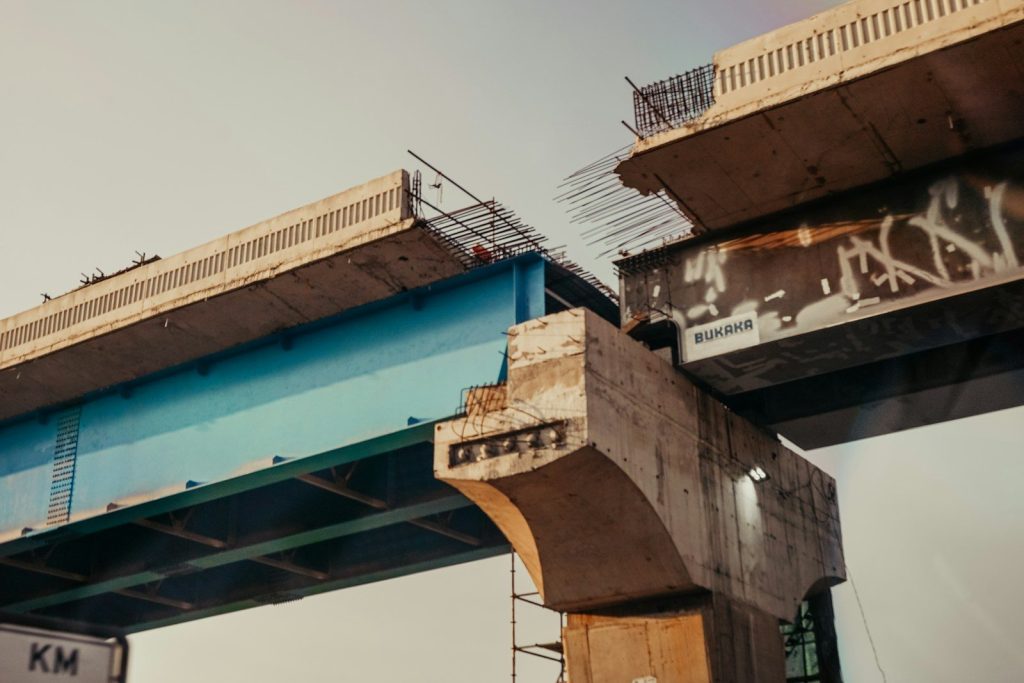
    broken brown concrete bridge
    Photo by Indira Tjokorda on Unsplash

    In an earthquake, the energy has to go somewhere. If it doesn’t have a “weak spot” to go to, it will find its own. Engineers build “plastic hinges” into the support columns. These are areas that are designed to bend and deform during a quake. They soak up the energy like a sponge. The concrete might crack and look “broken,” but the steel inside stays strong. It is like the crumple zone on a car. The bridge is “sacrificed” to keep the people on top safe. But the real magic happens at the very bottom.

    Riding on giant rubber sandwiches

    arches, architecture, bridge, columns, nature, construction, curve, engineering, foundation, outdoors, steel, travel, water
    Photo by Pexels on Pixabay

    Modern bridges often sit on “Lead-Rubber Bearings.” These look like giant sandwiches made of rubber and steel. When the ground shakes, these pads allow the entire bridge to slide back and forth while the columns stay still. The rubber absorbs the vibrations before they can reach the main structure. It effectively “disconnects” the bridge from the earthquake. In a major quake, a bridge might move three feet in every direction and still come back to its original spot. But what happens when the road itself needs to move?

    Expansion joints that act like zippers

    A close-up view of an urban bridge showcasing its architectural design during daylight.
    Photo by Anshu Kumar on Pexels

    Have you ever seen those metal “teeth” in the road when you drive over a bridge? Those are expansion joints. Usually, they handle changes in temperature, but in an earthquake, they are a lifesaver. They allow the different sections of the bridge to pull apart and crash back together without destroying the pavement. During a quake, these joints act like a “zipper” that opens and closes to handle the movement. Without them, the road would buckle and toss cars into the air. But the “dampers” are the secret weapon for wind and quakes.

    Using giant shocks to slow the shake

    palace, london, parliament, big ben, england, river thames, palace of westminster, buildings, architecture, city, skyline, clock tower, bridge, river, westminster, tower, british, travel, uk, thames, clock, landmark, urban, history, capital, tourism, historical, europe, cityscape, historical architecture, gothic architecture, london, london, london, london, london, england
    Photo by derwiki on Pixabay

    Inside the towers of many bridges are giant hydraulic pistons called “Viscous Dampers.” These work exactly like the shock absorbers on your car, but they are the size of a bus. They are filled with a thick oil that resists movement. When the bridge starts to sway, the dampers push against that movement and turn the energy into heat. This keeps the bridge from swinging too far and falling over. It is a high-tech way to “calm” the bridge during a crisis. But why do some bridges use “breakaway” walls?

    The wall that is meant to fall

    bridge, column, monochrome
    Photo by Pexels on Pixabay

    On the sides of a bridge, engineers often build “Breakaway Retaining Walls.” These are not meant to hold up the bridge; they are just there to look nice and hold the soil. In an earthquake, these walls are designed to fall over instantly. This clears a path for the main bridge columns to move freely. If the walls were too strong, they would block the bridge’s movement and cause a total failure. It is one more part that is “designed to break” so the whole system can survive. But is a flexible bridge scary to drive on?

    Why “rigid” is a dirty word in engineering

    low-angel photography of bridge during daytime
    Photo by Mason Kimbarovsky on Unsplash

    If you are on a bridge during an earthquake, you will feel it move. This can be terrifying, but it is a sign that the bridge is working. A bridge that doesn’t move is a bridge that is about to snap. Modern engineers have moved away from the idea of “impenetrable fortresses.” They now build “living systems” that can adapt to the Earth’s power. The “breaking” you see is actually a carefully planned survival strategy. It is the height of human intelligence working against nature’s raw force. But how much does this “broken” safety cost?

    The price of a bridge that bends

    a bridge over a body of water next to a forest
    Photo by Meatball Overexposure on Unsplash

    Building a bridge with dampers, rubber bearings, and sacrifice zones is 20% to 30% more expensive than building a “regular” bridge. But the cost of a bridge collapse is measured in billions of dollars and thousands of lives. Governments are finally realizing that it is cheaper to build a bridge that “breaks” than to rebuild one that has fallen. We are investing in “controlled failure” to ensure our long-term survival. Every crack you see might be exactly what was planned to keep you alive. But wait until you see why Saudi Arabia’s dream is turning into a nightmare.

    The final verdict on modern safety

    Green steel beams form an industrial bridge structure.
    Photo by Juan Pablo on Unsplash

    The next time you drive over a bridge, look for joints and hinges. You are riding on a work of “calculated destruction”. We have learned to work with the Earth rather than against it. The “broken” parts are the secret of our strength. It is a high-speed physics game where losing a few pieces means winning the game. We are building a world that can bend without breaking, and it’s a future on which we can all stand. Are you ready for the next “breakthrough’ in our world?

    Featured Image: Photo by Lance Asper on Unsplash