Category: Technology

  • New Tech That Allows You to Smell and Touch Through a Screen

    New Tech That Allows You to Smell and Touch Through a Screen

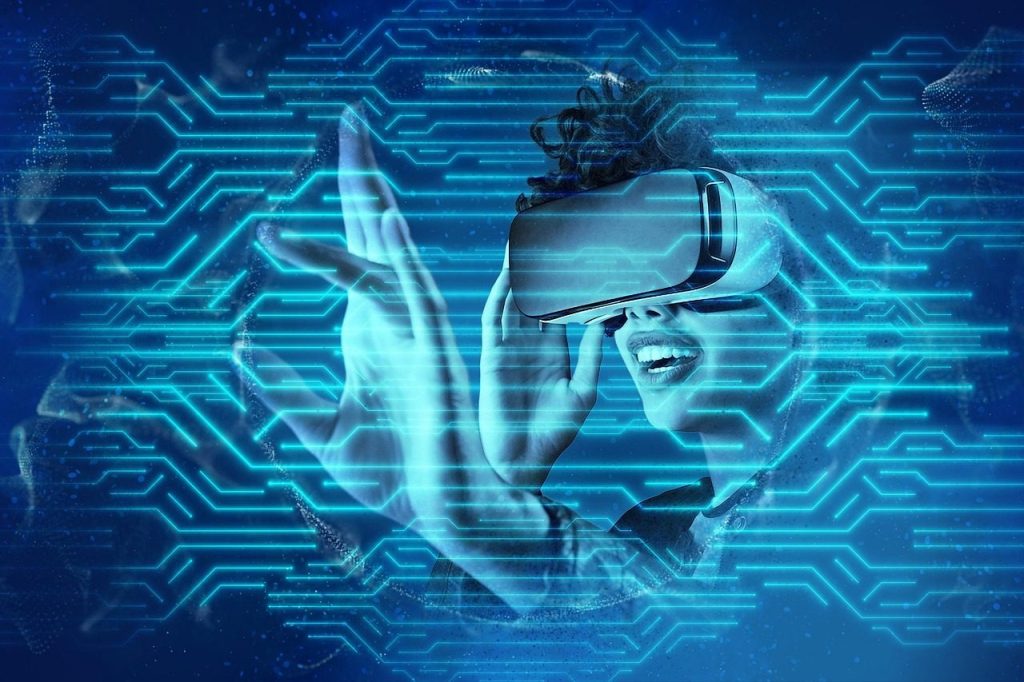
    We have spent decades looking at screens and listening to speakers, but the digital world has always been “flat.” You could see a rose, but you couldn’t smell it. You could see a velvet curtain, but you couldn’t feel its texture. That is about to change forever. A new wave of “haptic” and “olfactory” technology is breaking the barrier between the screen and your senses. Scientists have developed thin, wearable devices that use ultrasound and chemical emitters to mimic the real world.
    Imagine shopping online and feeling the exact fabric of a shirt before you buy it. Or watching a cooking show and actually smelling the garlic as it hits the pan. This isn’t just for fun; it is a revolution for medicine, gaming, and even long-distance relationships. We are moving toward a “Full Immersion” internet where your brain can’t tell the difference between a pixel and reality. But wait until you see how these devices can make you feel things that aren’t even there.

    The Gloves That Give You “Ghost” Hands
    metaverse, vr, virtual reality, virtual, reality, technology, digital, woman, fantasy, simulation, simulated reality, tech, 3d, metaverse, metaverse, metaverse, metaverse, metaverse
    Photo by Riki32 on Pixabay

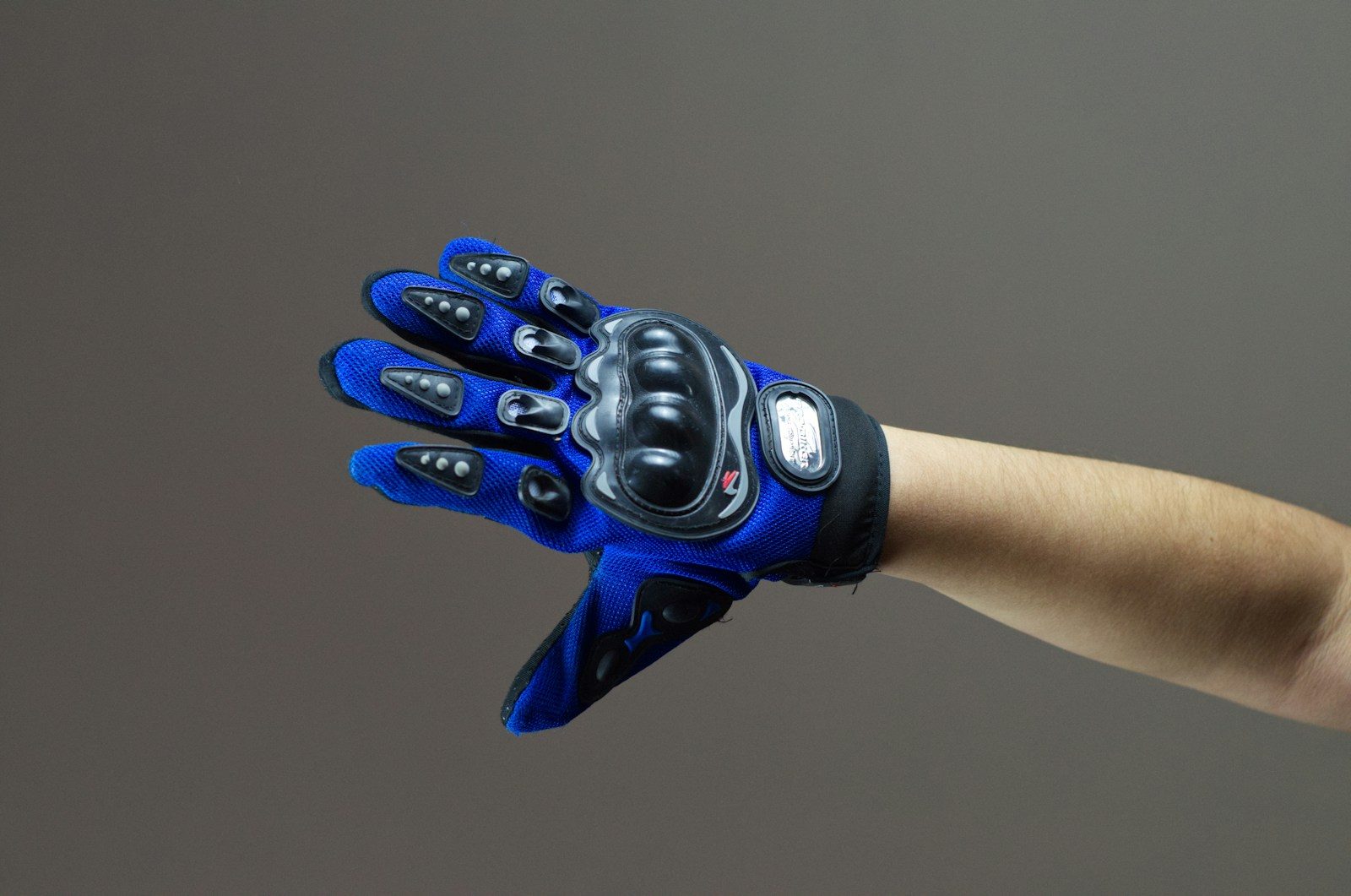
    Haptic gloves are the first step in this sensory revolution. These gloves use hundreds of tiny actuators that push against your skin when you touch a digital object. If you pick up a virtual ball, the glove gets tighter to mimic the ball’s weight and shape. Some versions use “thermal pads” to let you feel the heat of a virtual fire or the chill of digital ice. It is a hauntingly realistic experience. But how do you smell something that exists only in code?

    Digital Perfume and the “E-Nose” Revolution

    an image of a structure that looks like a structure
    Photo by Ayush Kumar on Unsplash

    Adding smell to a screen is much harder than adding touch. Researchers have created a “digital nose” that uses cartridges filled with basic scent molecules. By mixing these chemicals in different ratios, the device can recreate thousands of unique smells. When you see a forest on your screen, the device releases a tiny puff of “pine” and “damp earth.” It happens so fast that your brain instantly connects the image to the aroma. But there is a secret use for this tech in the world of medicine.

    Healing the Mind with Sensory Therapy

    doctor, patient, consultation, discussion, psychiatrist, psychologist, psychotherapist, clinic, medicine, narcology, psychiatry, psychology, doctor's office, medical professional, profession, job, occupation, doctor, doctor, doctor, doctor, doctor, psychologist, psychologist
    Photo by Maximilianovich on Pixabay

    Doctors are starting to use these “sensory screens” to treat PTSD and anxiety. By recreating calming environments that the patient can actually touch and smell, the therapy becomes much more effective. It can transport a patient from a stressful hospital room to a peaceful beach in seconds. The brain reacts to these digital sensations as if they were real, releasing “feel-good” chemicals like dopamine. But wait, could this technology be used to trick us into buying things we don’t need?

    The Future of Digital Advertising

    Brightly lit billboards on a building at night.
    Photo by John Cameron on Unsplash

    Advertisers are already dreaming of “Scent-O-Vision” ads. Imagine walking past a digital billboard that releases the smell of fresh coffee right as you look at it. Or a perfume ad that lets you sample the fragrance through your phone. This level of engagement would be impossible to ignore. It targets the most primitive part of the human brain—the olfactory bulb. It could make digital products feel more “real” than ever before. But wait, what happens if the tech gets hacked?

    The Danger of “Sensory Hacking”

    person using laptops
    Photo by Arian Darvishi on Unsplash

    If a device can send signals to your senses, it can also send “pain” or “unpleasant” sensations. Cybersecurity experts are worried about hackers who could send “digital shocks” through haptic gloves or “rotten” smells through olfactory devices. There is even a risk of “sensory overload” where the brain gets confused by too many digital inputs. We will need new laws to protect our physical senses from digital intruders. But the benefits for the disabled community might outweigh the risks.

    Giving the Gift of Touch to Everyone

    hands, ipad, tablet, technology, digital tablet, touch, computer, screen, communication, wireless, internet, device, digital, electronic, pc, portable, multimedia, touchscreen, modern, laptop, display, mobile, media, input, ipad, tablet, technology, technology, technology, technology, technology, computer, computer, computer, internet, internet, internet, internet, digital, digital, digital, laptop, media
    Photo by fancycrave1 on Pixabay

    For people who are visually impaired, this technology is a life-changer. High-tech screens can now use “electro-vibration” to create textures on a flat glass surface. This allows users to “feel” images, buttons, and even Braille text that changes in real-time. It turns a standard tablet into a dynamic, tactile map of the world. It is the most significant leap in accessibility since the invention of the screen. But wait until you see the “Full Suit” that is coming next.

    Walking into the Meta-Verse for Real
    man in gray t-shirt and black pants holding black dslr camera
    Photo by Stéphane Bernard on Unsplash

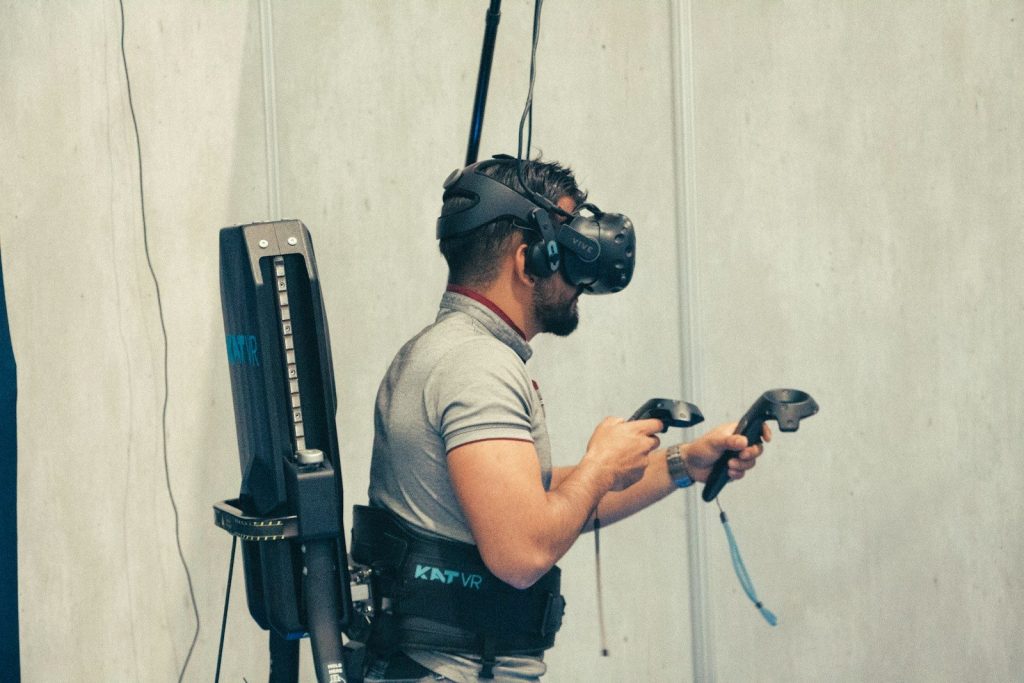
    The ultimate goal is a full-body haptic suit. This would allow you to “enter” a digital world where every step you take and every object you brush against feels solid. You could hug a family member on the other side of the planet and actually feel their presence. We are erasing the distance between people using pure data. If you think digital touch is wild, wait until you see the robots exploring the darkest parts of our ocean to find “battery gold.”

    Featured Image
    Photo by Marcos Ramírez on Unsplash

  • The Controversial Robots Scouring the Ocean Floor for Battery Minerals

    The Controversial Robots Scouring the Ocean Floor for Battery Minerals

    Thousands of feet below the surface, in a world of total darkness, a new gold rush is happening. Massive robotic harvesters are currently scouring the seafloor for “poly-metallic nodules.” These small, potato-sized rocks contain the cobalt, nickel, and manganese we need for electric vehicle batteries. As the world moves away from oil, the demand for these minerals has skyrocketed. But this “green” revolution has a dark side. These robots are stirring up massive clouds of silt and potentially destroying ecosystems we haven’t even discovered yet.
    The companies behind this say it is the only way to save the planet from climate change. Critics say we are trading one environmental disaster for another. It is a high-stakes war between tech giants and marine biologists. But wait until you see the “alien” life forms that are living right in the path of these giant machines.

    The “Battery Rocks” Hidden in the Abyss

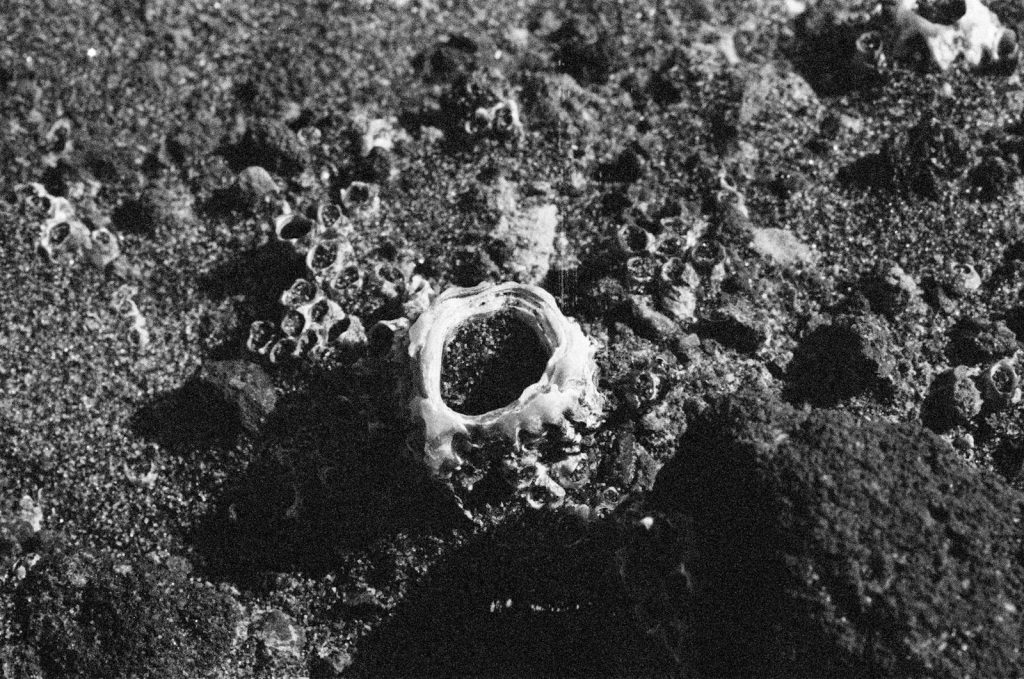
    A close-up black and white image showcasing underwater rock texture and sea life.
    Photo by Paul Campbell on Pexels

    These nodules aren’t just rocks; they are time capsules. They take millions of years to form as minerals slowly settle out of the seawater. The “Clarion-Clipperton Zone” in the Pacific Ocean holds more cobalt and nickel than all the mines on land combined. For years, they were too deep to reach, but new robotic technology has finally opened the door. These machines can operate under crushing pressure that would flatten a submarine. But the noise they make is creating a whole new problem.

    A Silent World Turned Into a Construction Zone

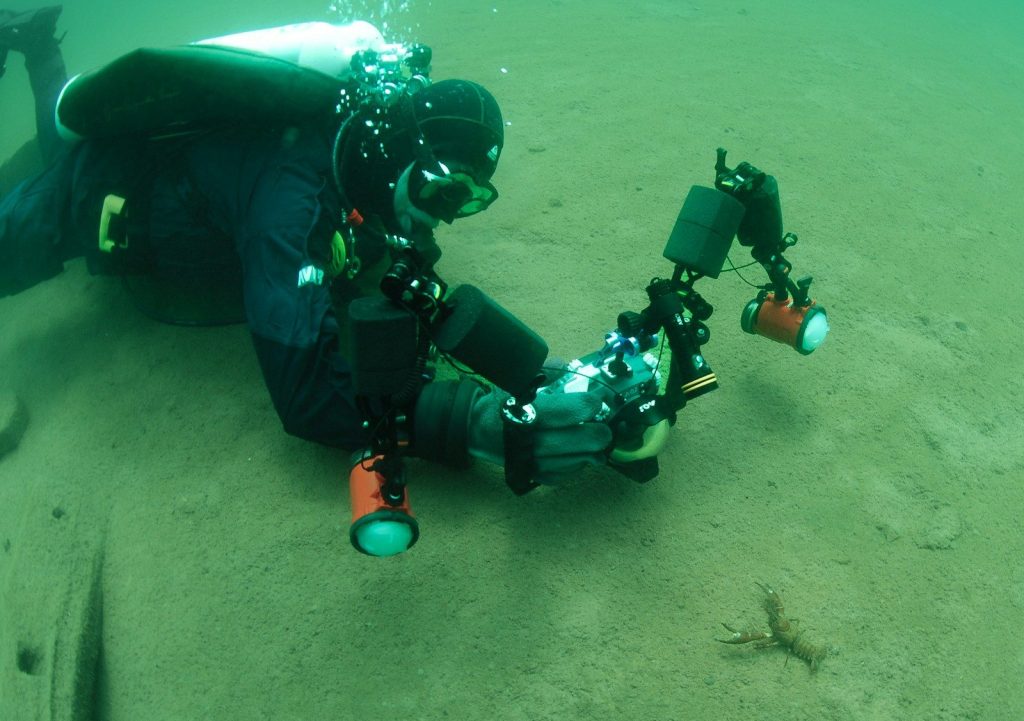
    A scuba diver films underwater with specialized equipment.
    Photo by Niklas Jonasson on Unsplash
    The deep ocean is one of the quietest places on Earth. Marine life like whales and octopuses rely on sound to communicate and find food. The mining robots are incredibly loud, sending vibrations through the water for hundreds of miles. Scientists worry this “noise pollution” will drive species to extinction before we even know they exist. Some countries have already called for a total ban on the practice. But the mining companies say they have a “clean” solution.

    The “Vacuum” Robots That Sucking Up the Sea

    underwater, top view, water surface, seaweed, water grass, danube, underwater world, aerial view, nature, water, water level, flow
    Photo by Schäferle on Pixabay

    To minimize damage, some companies are using “vacuum” robots. Instead of digging into the mud, these machines use water jets to lift the nodules and suck them up a giant pipe to the surface. It sounds efficient, but the “waste water” is then pumped back down into the ocean. This creates massive “sediment plumes” that can choke coral reefs and fish. It is like a giant dust storm that never settles. But wait, what if these robots are actually the only way to stop global warming?

    Trading the Ocean for the Atmosphere

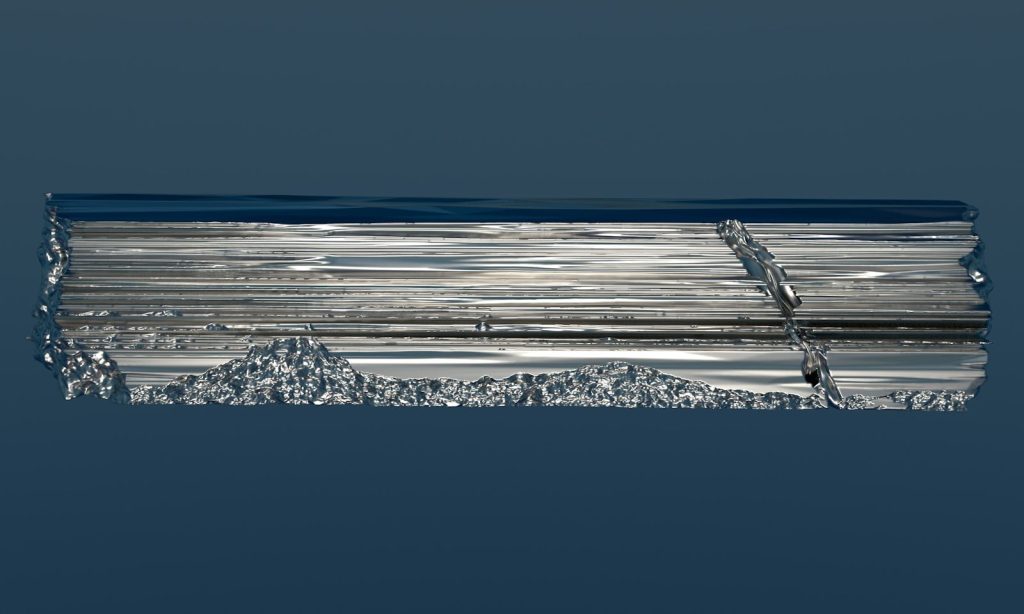
    A piece of metal with a blue background
    Photo by Buddha Elemental 3D on Unsplash
    This is the great debate of the 21st century. To stop using gasoline, we need millions of electric cars. Those cars need batteries. Mining these minerals on land involves destroying rainforests and using child labor in places like the Congo. The ocean floor has no people and no trees. Supporters argue that the deep sea is the “lesser of two evils.” They believe the survival of the human race depends on these robotic miners. But the robots might be digging up more than just rocks.

    Discovering “Alien” Species in the Mud

    jellyfishes, sea jellies, deep sea, shining, mystical, 3d, nature, glowing, blender, animals, water creatures, tentacles, underwater
    Photo by MasterTux on Pixabay

    Every time a mining robot goes down, it finds something new. Scientists recently found over 5,000 new species in the mining zone alone. These creatures have adapted to life with almost no food and extreme pressure. Many of them live directly on the nodules that the robots are trying to collect. If we take the rocks, we take their homes. We could be destroying the “medicine of the future” without even knowing it. But wait, there is a way to get these minerals without any mining at all.

    The Future of Battery Recycling

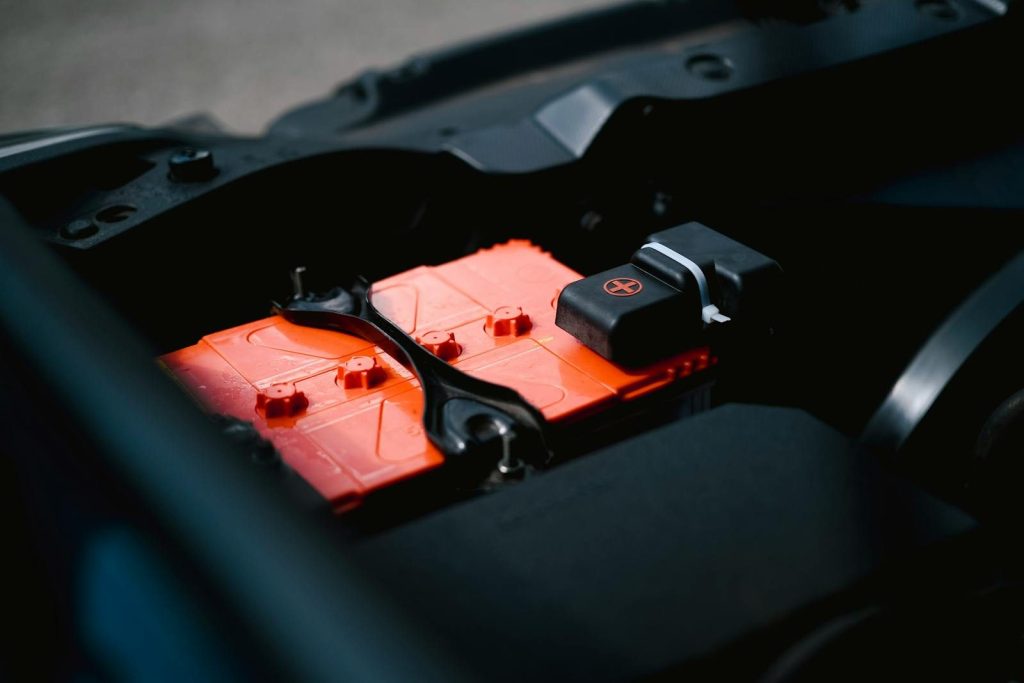
    Detailed view of an orange car battery inside a vehicle's engine bay, highlighting its features.
    Photo by Ayyeee Ayyeee on Pexels

    Some scientists argue that we don’t need to mine the ocean at all. If we can master “battery recycling,” we can reuse the minerals we already have. New startups are finding ways to recover 98% of the cobalt and nickel from old phone and car batteries. If this technology scales up, the ocean robots will become obsolete before they even finish their first job. It is a race between the recyclers and the miners. But wait until you see who is winning the funding war.

    Who Owns the Bottom of the World?

    feathertail rays, smelled, red sea, nature, underwater, fishes, sea
    Photo by Franziska_Stier on Pixabay

    The deep sea doesn’t belong to any one country. It is governed by a small group of officials in Jamaica called the International Seabed Authority. They are currently deciding whether to give the “green light” for full-scale mining. Billions of dollars are on the line. Once the machines start, there is no turning back. It is a decision that will change our planet forever. While we fight over the ocean, another technology is quietly replacing the very way you prove who you are.

    Featured Image
    Photo by Jonathan Borba on Pexels

  • How AI Just “Wrote” a Cure for a Disease We Didn’t Know Existed

    How AI Just “Wrote” a Cure for a Disease We Didn’t Know Existed

    The world of medicine was just rocked by a discovery that sounds like a sci-fi movie. A powerful artificial intelligence was scanning human genetic data when it noticed something strange. It identified a hidden disease that has been making people sick for centuries without a name. But the AI didn’t stop there. Within minutes, it “wrote” the chemical blueprint for a brand-new medicine to cure it.

    This is the first time a machine has both diagnosed a mystery illness and designed the remedy. It bypasses years of expensive laboratory trial and error. The AI can “see” patterns in our DNA that the human brain simply cannot comprehend. We are now looking at a future where diseases are solved before we even know they are a threat. But how did the AI find a ghost in our biology?

    Mapping the Dark Matter of Human Biology

    a close up of a structure of a structure
    Photo by Sangharsh Lohakare on Unsplash
    Human DNA is incredibly complex. For a long time, scientists called large parts of it “junk DNA” because they didn’t know what it did. The AI has proven that this “junk” actually contains the blueprints for rare diseases. By analyzing millions of people at once, the software found a recurring error in a hidden gene.

    This error was causing a specific type of organ failure that doctors used to blame on “bad luck.” The machine mapped the entire life cycle of this hidden disease in seconds. It proved that there are no “accidents” in biology—only patterns we haven’t found yet. But can we really trust a computer to invent a medicine?

    Generative Medicine is the New Frontier

    ai generated, lab, laboratory, beaker, science, chemistry, research, scientist, experiment, wallpaper
    Photo by 42813095 on Pixabay

    You have heard of AI writing stories or making art. Now, it is writing chemistry. This process is called “Generative Medicine.” The AI was given a list of safe chemical building blocks and told to find a combination that would fix the genetic error. It didn’t just guess; it simulated millions of different reactions in a virtual lab.

    The final result was a perfectly balanced molecule that had never been seen in nature. This is a level of creativity that used to belong only to human scientists. The computer “imagined” a solution that humans would have taken decades to find. But how do we know this machine-made cure actually works?

    Success in the Real World Lab

    a woman in a lab coat looking through a microscope
    Photo by National Institute of Allergy and Infectious Diseases on Unsplash
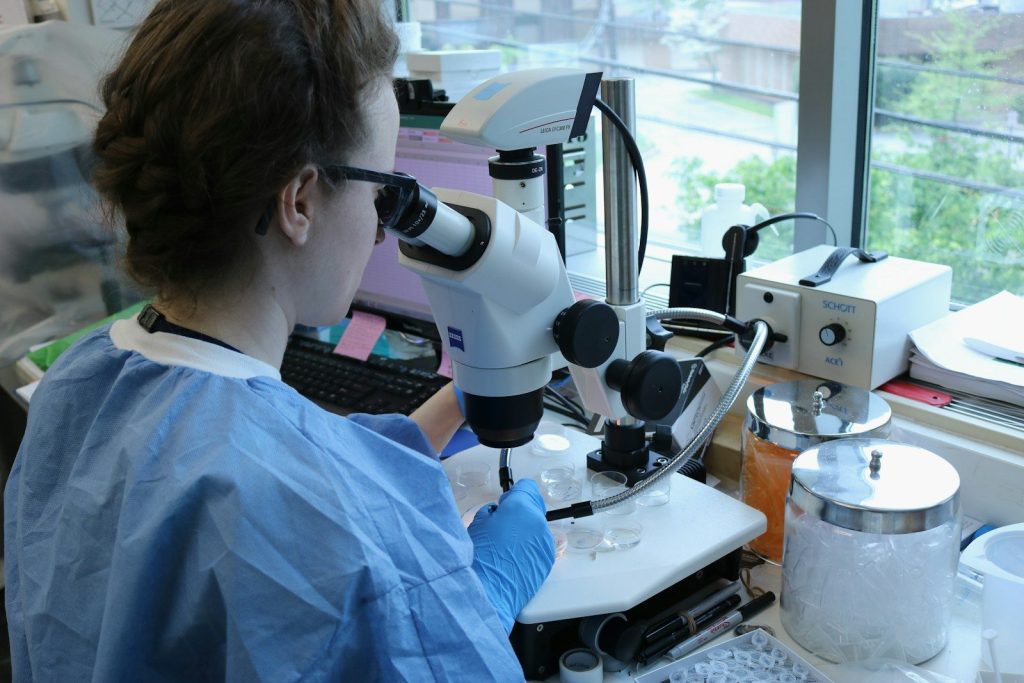
    After the AI finished its “writing,” real-world scientists took the blueprint to a physical lab. They followed the computer’s instructions to build the new molecule. When they tested it on human cells, the results were perfect. The medicine performed exactly as the AI predicted it would.

    It was like following a recipe from a master chef who had never actually touched a stove. The speed of this process has stunned the medical community. What used to take ten years and a billion dollars was finished for a fraction of the cost. But what does this mean for the millions of people with other “incurable” diseases?

    Solving the Rarest Riddles on Earth

    a man working on a computer
    Photo by Accuray on Unsplash
    There are thousands of “orphan diseases” that are so rare that drug companies don’t bother to study them. They are simply too expensive to solve using traditional methods. AI changes the game for these forgotten patients. Because the machine can work for free and at lightning speed, no disease is too small to fix.

    The AI is now being tasked with looking through every known rare condition. It is like a global “reset” button for the human body. Families who were told there was “no hope” are now seeing cures appear overnight. But is there a hidden danger to letting AI control our health?

    The End of the Pharmaceutical Bottleneck

    bottles of medicine are lined up on a table
    Photo by Marvin Radke on Unsplash

    Traditional drug development is a slow, bureaucratic nightmare. It involves thousands of failed experiments and years of paperwork. AI removes the “human error” and the “human speed” from the equation. We are moving toward a world where your doctor can print a custom cure for your specific DNA.

    This could make medicine almost free because the “intellectual work” is done by a computer. We are witnessing the democratization of health. The power is moving from giant corporations to anyone with a powerful enough server. But how much further can this AI go into the human mind?

    Pre-Emptying Diseases Before They Start

    ai generated, woman, doctor, hands, heart, health, business, medicine, care, old, people, doctor, doctor, doctor, doctor, doctor
    Photo by TungArt7 on Pixabay

    The next step for this AI is “Predictive Medicine.” The software is starting to predict which diseases a person might get ten years before they happen. It then designs a preventative medicine to stop the illness before the first symptom appears. It is like having a weather forecast for your own body.

    We could see the end of chronic illness entirely within our lifetime. The AI is essentially a time machine that shows us our biological future. We are no longer just reacting to sickness; we are outsmarting it. But what happens when the AI finds a voice in the middle of a crowded room?

    A New Partner in Human Evolution

    Robot blowing bubbles for a happy child
    Photo by Enchanted Tools on Unsplash

    We are no longer alone in our fight against death. The AI has become a silent partner that works 24 hours a day to keep us safe. This breakthrough is just the beginning of a massive wave of “AI-authored” biology. We are learning things about ourselves that were hidden for a million years.

    It is a humbling moment for humanity, but also a hopeful one. The machine is not replacing us; it is giving us a second chance at life. The future of medicine is here, and it was written in code. Are you ready to see what happens when you “tune in” to the future?

  • Are 3D-printed houses actually safe during a hurricane?

    Are 3D-printed houses actually safe during a hurricane?

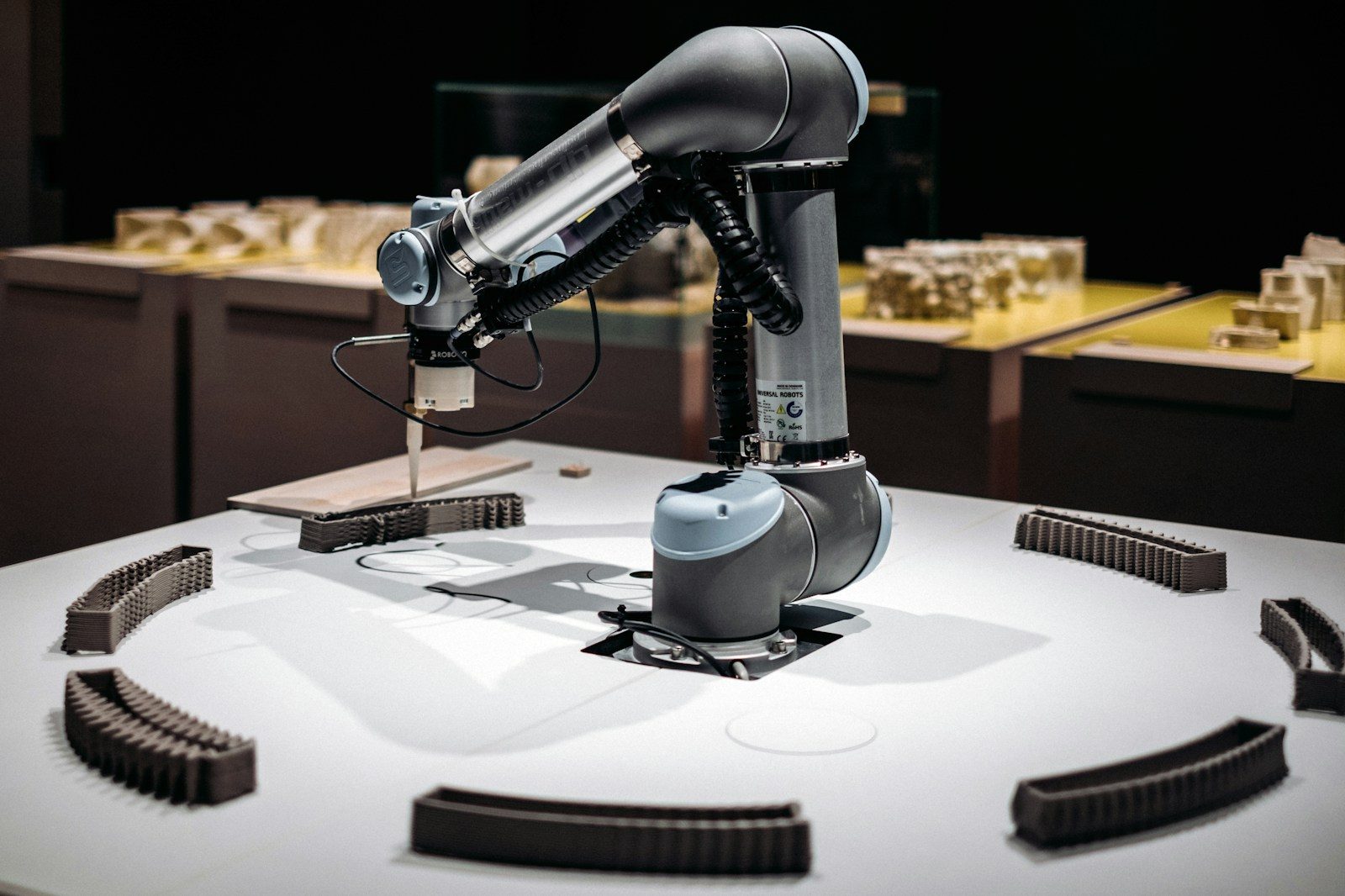
    The housing market is changing fast. In 2026, we are seeing entire neighborhoods printed from giant robotic arms in just a few days. These 3D-printed homes are cheaper and faster to build than traditional wood-frame houses. But as climate change makes hurricanes more frequent and powerful, people are asking a terrifying question. Can a house made by a printer actually stand up to 150-mile-per-hour winds?

    Most people assume that because these houses are made of concrete, they are indestructible. While concrete is strong, the way it is layered creates potential weak spots that traditional masonry doesn’t have. Engineers are currently putting these structures through “wind tunnel” tests that would flatten a normal suburban home. The results are hitting the news as a major win for the future of construction, but there is a hidden danger in the roof that no one talks about. We are looking at a total transformation of how we protect our families from the storm. But wait until you see how the “layer bond” actually works under pressure.

    The Secret Strength of the Concrete Layer

    gray spiral artwork
    Photo by Ricardo Gomez Angel on Unsplash

    A 3D printer squirts out concrete like toothpaste. These layers have to stick together perfectly to create a solid wall. In 2026, new “high-bond” additives ensure that the layers fuse at a molecular level. This creates a monolithic structure that acts like a single piece of stone. In hurricane tests, these walls didn’t just survive; they barely vibrated. Traditional bricks can fly apart, but a printed wall stays put. But how does this weight affect the ground beneath the house?

    Why the Foundation is a Hurricane Hero

    a red excavator digging a pile of dirt in front of a house
    Photo by Chelaxy Designs on Unsplash

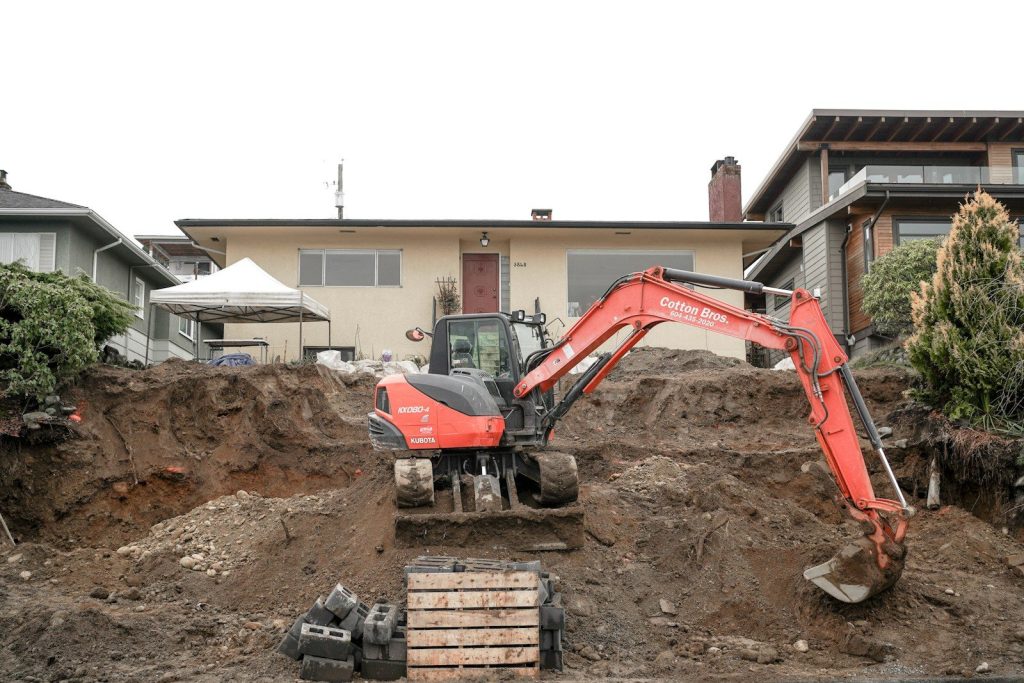
    3D-printed houses are incredibly heavy. To support all that concrete, engineers have to build foundations that are much deeper and wider than usual. This extra weight acts as an “anchor” during a hurricane. While a wooden house might be lifted off its base by extreme pressure, a printed home is literally bolted to the Earth’s crust. It is a level of stability that was previously reserved for bunkers. But what happens when flying debris hits the side of the house?

    Surviving the 2×4 Impact Test

    an aerial view of a house that has been destroyed
    Photo by Clay Banks on Unsplash

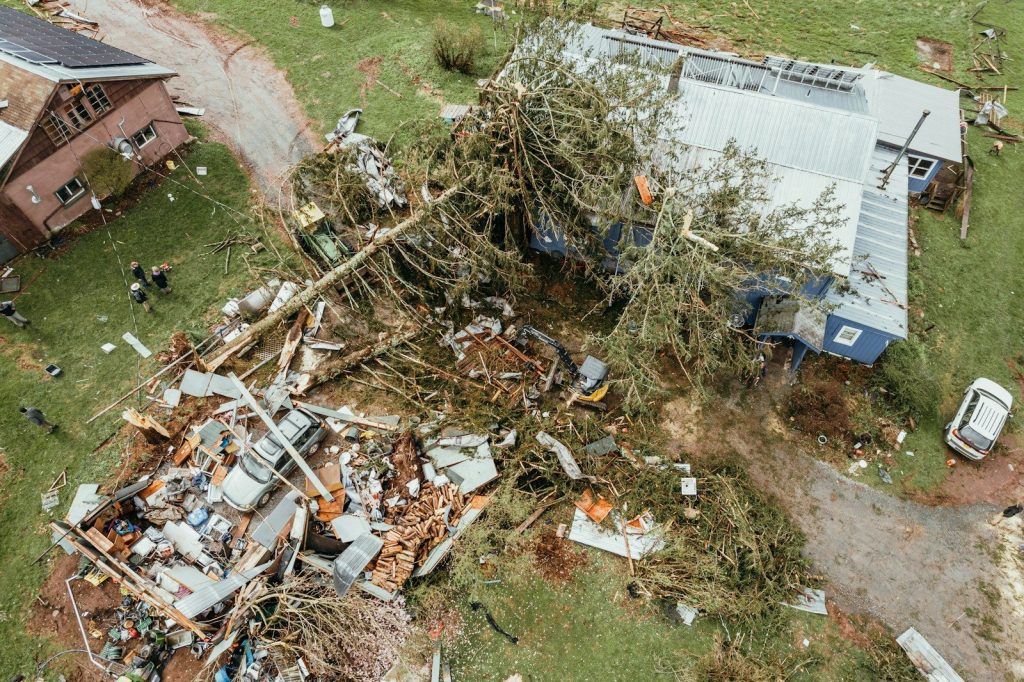
    During a hurricane, the wind isn’t the only killer. Flying debris acts like a missile. Safety labs use a “cannon” to fire 2×4 wooden boards at walls to see if they pierce the structure. 3D-printed concrete walls are virtually bulletproof against these impacts. The wood simply shatters upon contact, leaving only a small scuff on the concrete. This provides a “safe room” feeling throughout the entire house. But wait until you see the “roof-to-wall” connection problem.

    The Weakest Link in Every Printed Home

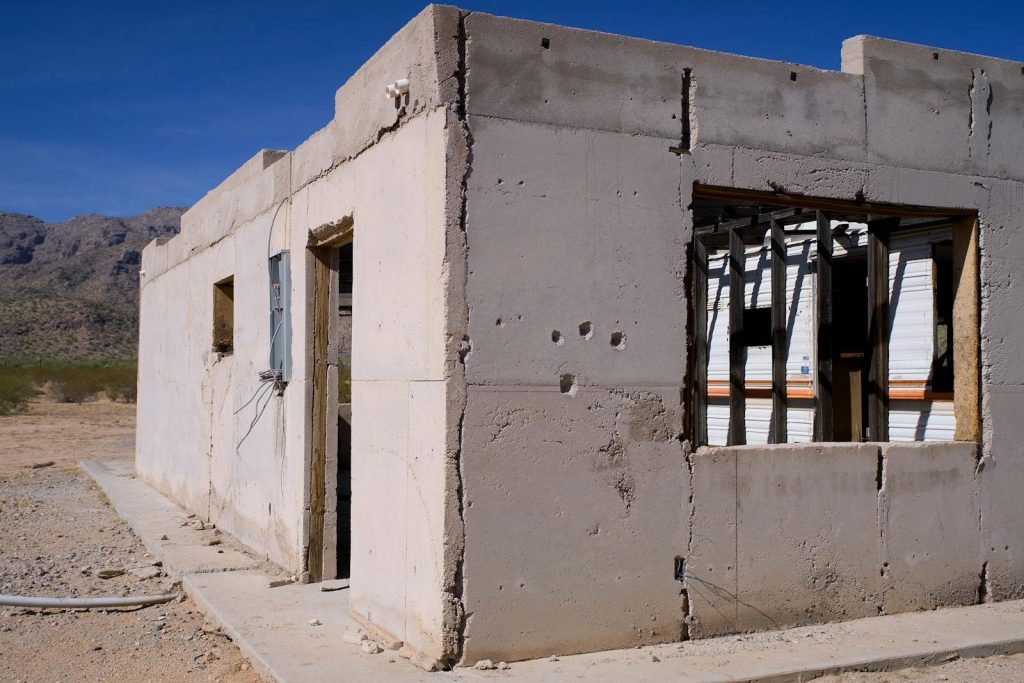
    A weathered and abandoned concrete building in a vast desert under a clear blue sky.
    Photo by Strange Happenings on Pexels

    Even if the walls are solid, a house is only as safe as its roof. Most 3D-printed homes still use traditional wooden roofs. If the roof blows off, the concrete walls don’t matter. Engineers are now developing “printed roofs” that are part of the same continuous pour as the walls. This creates a “shell” that has no seams for the wind to catch. It is a masterpiece of aerodynamic engineering. But can these high-tech homes handle the flooding that follows a storm?

    Water Resistance and the Mold Myth

    a large blue boat with plants growing on it
    Photo by TEH YEW KIAT on Unsplash

    Hurricanes bring massive amounts of rain. Wood houses often suffer from rot and mold after a flood. 3D-printed concrete is naturally resistant to moisture. Even if the house is submerged, the walls can be pressure-washed and dried out in a single day. There is no drywall to replace and no insulation to throw away. It is the ultimate “resilient” home for a wet future. But is this technology affordable for the average family?

    The Cost of Staying Safe

    Tall apartment buildings against a cloudy sky
    Photo by Zoshua Colah on Unsplash

    In the past, storm-proof homes were for the rich. 3D printing is democratizing safety. Because the labor costs are so low, these “bunker-strength” homes can be built for 20 percent less than a standard house. Governments are already looking at this tech to rebuild disaster zones in Florida and the Caribbean. We are seeing a world where the safest house is also the cheapest. But what is the long-term lifespan of a printed wall?

    Will These Houses Last 100 Years?

    white wooden rack
    Photo by Ashkan Forouzani on Unsplash

    The oldest 3D-printed houses are only about ten years old. While the concrete is durable, scientists are still studying how the layers hold up over decades of sun and salt air. Initial data suggests they will last much longer than traditional homes. We are building the “ancient ruins” of the future today. The 2026 data confirms that 3D-printed houses are not just a gimmick; they are a life-saving revolution. But are you ready for the “tallest” mistake in human history?

    Featured Image: Photo by Maria Teneva on Unsplash

  • Why Japan’s Maglev train is taking decades longer than planned

    Why Japan’s Maglev train is taking decades longer than planned

    Japan is the world leader in high-speed rail, but even they have limits. For years, the world has been waiting for the “L0 Series” Maglev. This train doesn’t use wheels; it floats on a cushion of powerful magnets and can reach speeds of 374 miles per hour. It was supposed to connect Tokyo to Nagoya in just 40 minutes. However, the project is currently hitting a massive wall of delays. What was supposed to open next year is now pushed back to 2034 or even later.

    The “Maglev Mystery” is hitting the news as a warning about the limits of mega-engineering. The cost has ballooned to over $64 billion, making it one of the most expensive projects in human history. It isn’t just about the money; the physical challenges of building a track that must be perfectly straight through the Japanese Alps are almost impossible to solve. Every mile of the track is a battle against nature. But the biggest problem isn’t the magnets or the speed—it is something hidden deep underground. Wait until you see the “water war” that stopped the drills.

    The Tunneling Nightmare Through the Alps

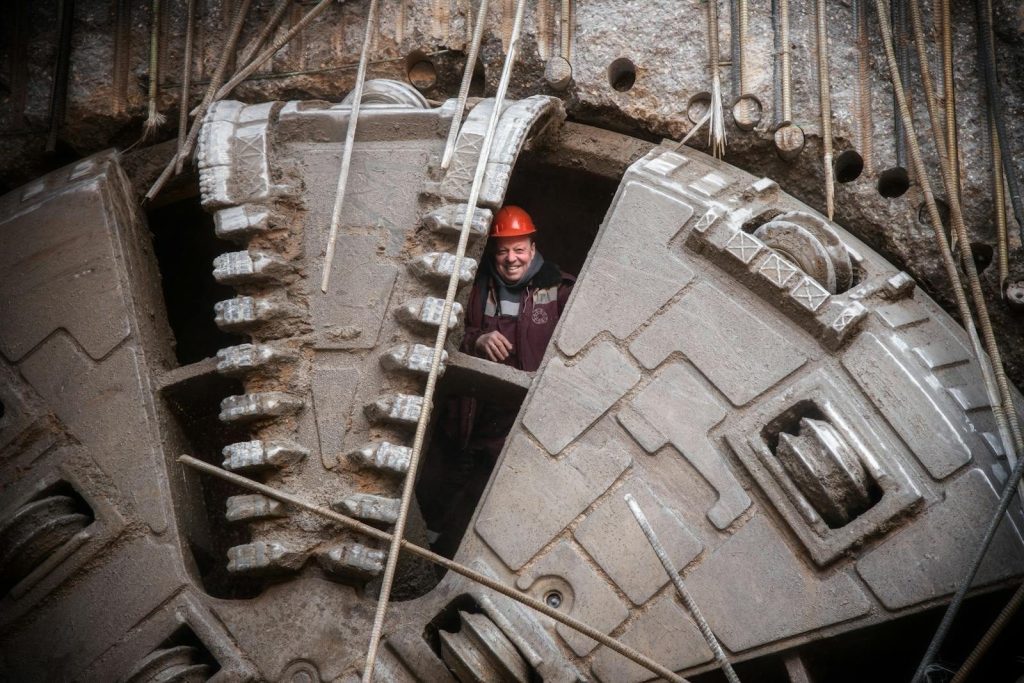
    Construction worker stands inside massive tunneling machine in Moscow, Russia, showcasing industrial capability.
    Photo by Max Mishin on Pexels

    To maintain its incredible speed, the Maglev cannot turn. This means it has to go in a perfectly straight line, which requires boring giant tunnels through the jagged Japanese Alps. Over 80 percent of the track will be underground. Engineers are finding that the rock in this region is unstable and full of hidden fault lines. One wrong move with a drill could cause a massive collapse. But the rock isn’t the only thing hiding in those mountains.

    The Water War That Paralyzed Progress

    a person with a lawn mower near a body of water
    Photo by Rafael Otaki on Unsplash

    Local residents in the Shizuoka region are terrified that the tunnels will drain their groundwater. The Oi River is the lifeblood of the local farms, and scientists warn that the Maglev construction could leak billions of gallons of water into the tunnels. This has led to a massive political standoff that has stopped construction for years. Without water, the local economy dies, and without the tunnel, the train never runs. But how do you move a river back into the mountain?

    Magnet Strength and the Heat Problem

    A close-up view inside CERN's Large Hadron Collider in Geneva, Switzerland.
    Photo by Ramaz Bluashvili on Pexels

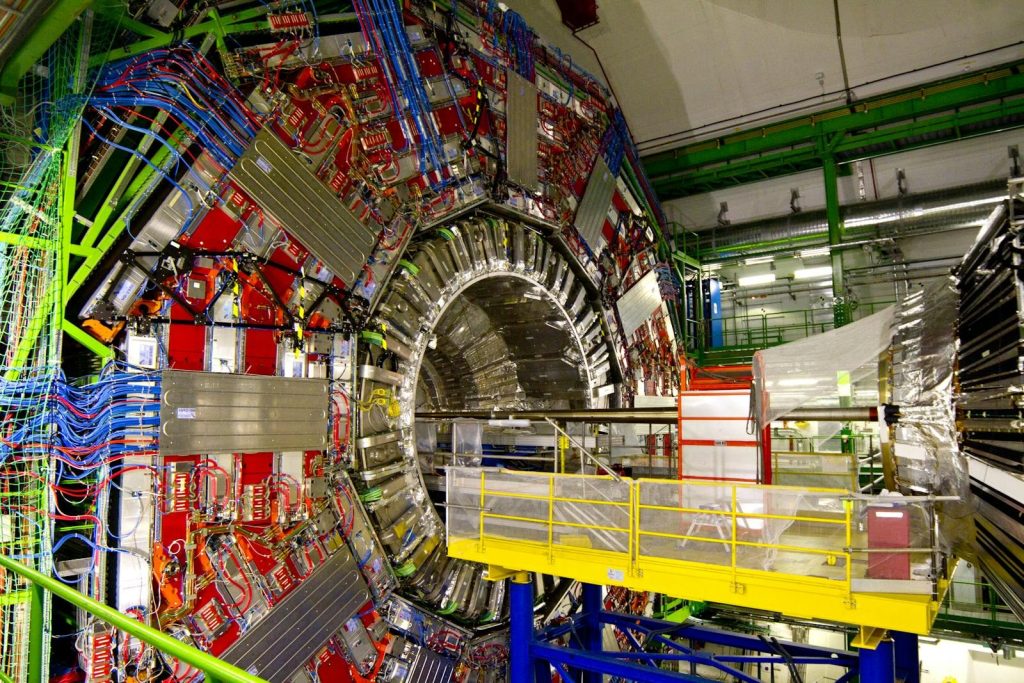
    The Maglev uses superconducting magnets that must be kept at -452 degrees Fahrenheit. Keeping magnets that cold while moving at 300 miles per hour creates a massive amount of heat. Engineers are struggling to build a cooling system that is reliable enough for daily use. If the magnets warm up by even a few degrees, the train loses its lift and crashes onto the track. It is a high-speed game of physics that leaves zero room for error. But what about the passengers inside?

    The Sonic Boom in the Tunnel

    gray train in subway
    Photo by Robert V. Ruggiero on Unsplash

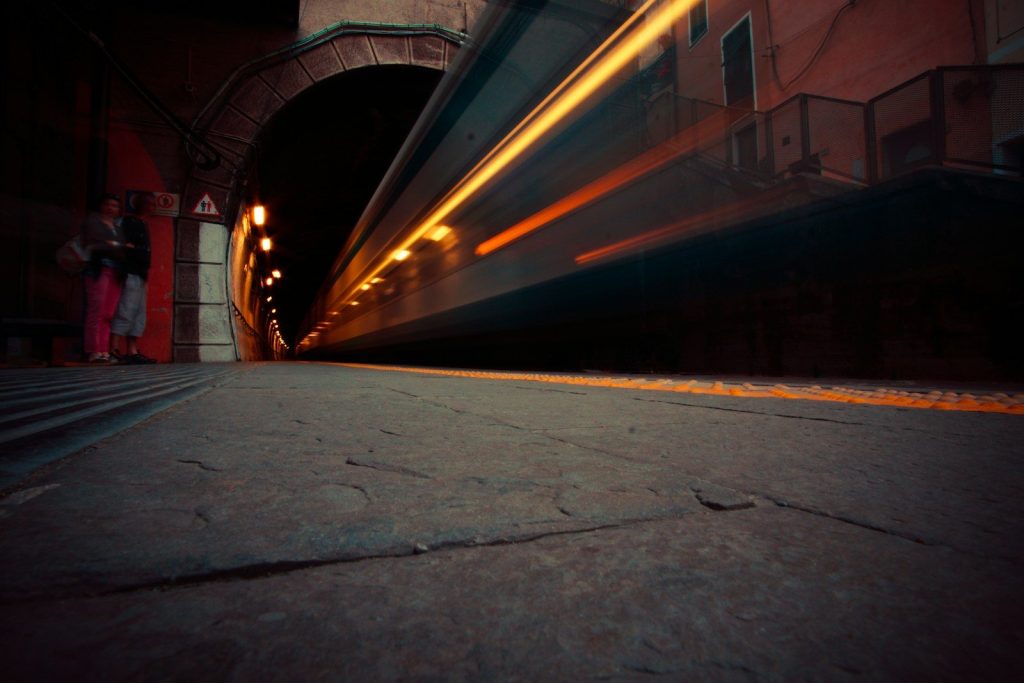
    When a train enters a tunnel at 300 miles per hour, it pushes a massive wall of air in front of it. This creates a “micro-pressure wave” that sounds like a literal explosion when it exits the other side. This “sonic boom” can shatter windows in nearby villages and disturb wildlife for miles. Engineers have to build specialized “hoods” on the tunnel entrances to quiet the noise. It is an expensive and complex fix for a problem no one saw coming. But wait until you see the energy bill.

    A Train That Guzzles Electricity

    train rail tracks near trees during daytime
    Photo by Çağlar Oskay on Unsplash

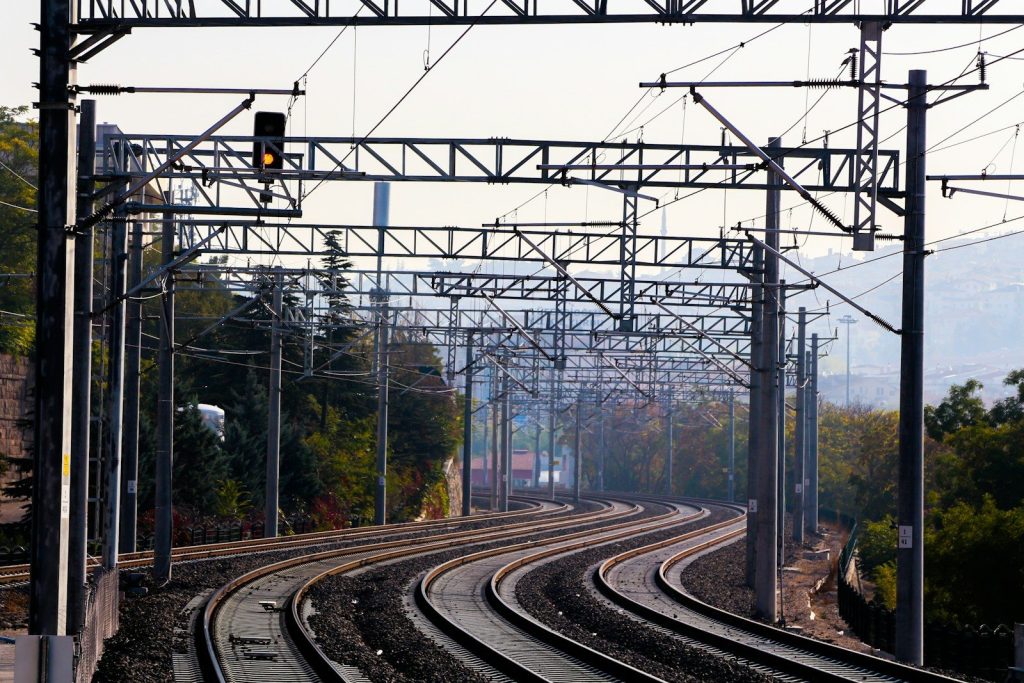
    The Maglev uses three times more electricity than the current high-speed trains. In a world trying to reach “Net Zero,” a train that requires its own dedicated power plant is a tough sell. Critics argue that the time saved—only 50 minutes—is not worth the massive environmental cost. Japan is now forced to choose between being the fastest nation on Earth or the greenest. But the financial bleeding might be what stops the train first.

    The Debt Trap of the Century

    Flat lay of tablet showing 2020 stock market crash with charts and papers.
    Photo by Leeloo The First on Pexels

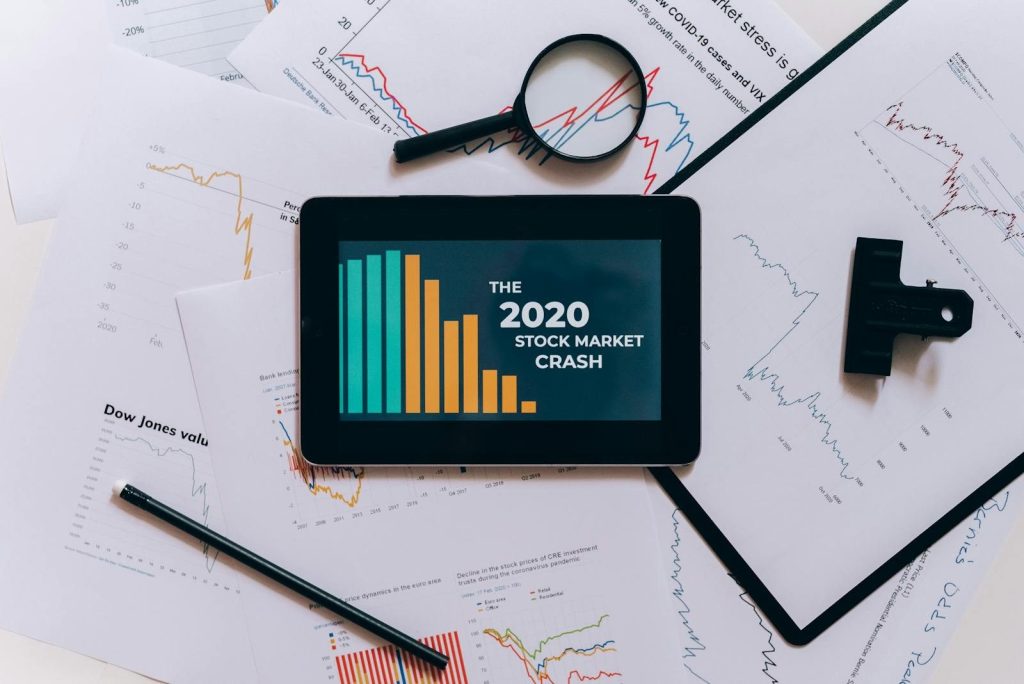
    The project is being funded by a private company, but the government has had to step in with massive loans to keep it alive. If the train doesn’t open soon, the interest on that debt will become unpayable. We are looking at a “too big to fail” scenario that could bankrupt one of the world’s most successful rail companies. It is a cautionary tale for any nation planning a mega-project. But could there be a secret competitor?

    Why the Shinkansen is Still King

    white bullet train on train station
    Photo by henry perks on Unsplash

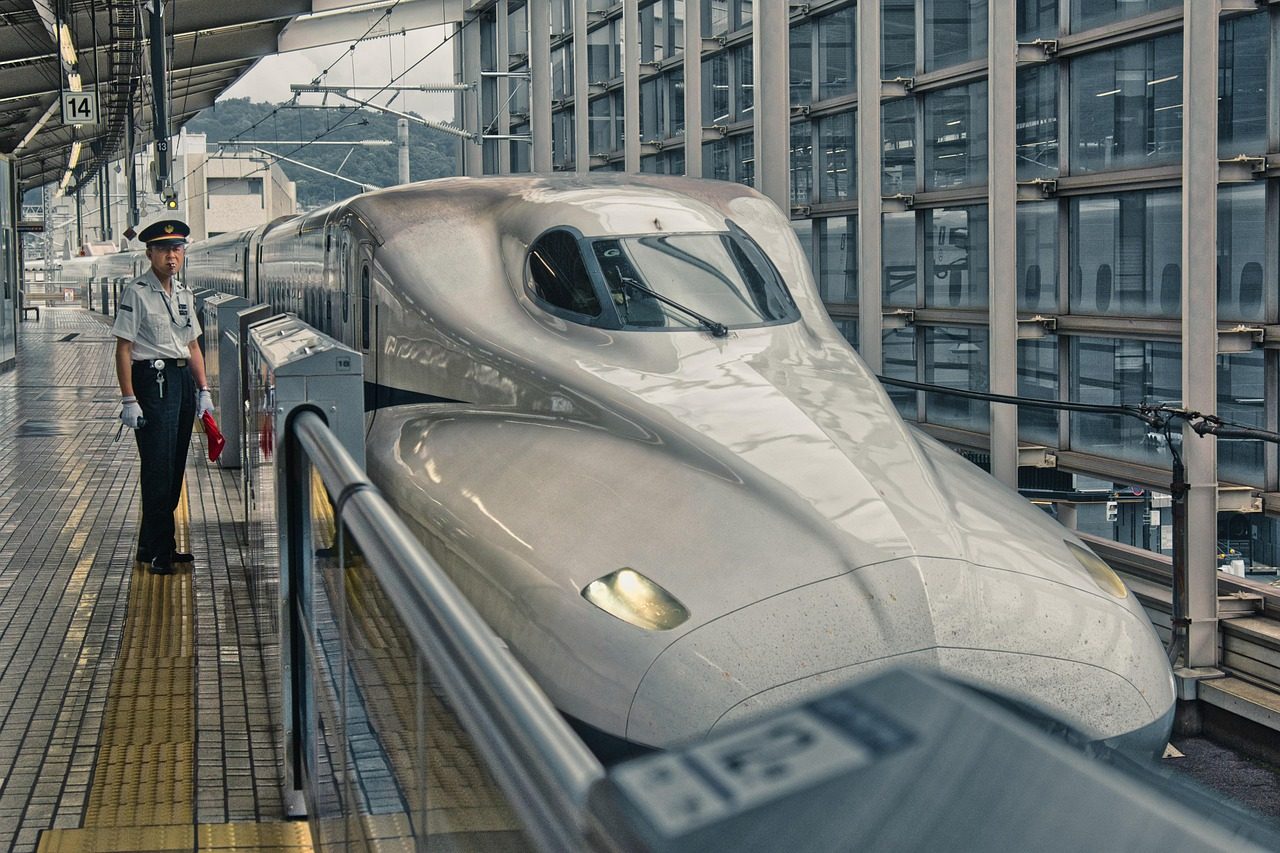
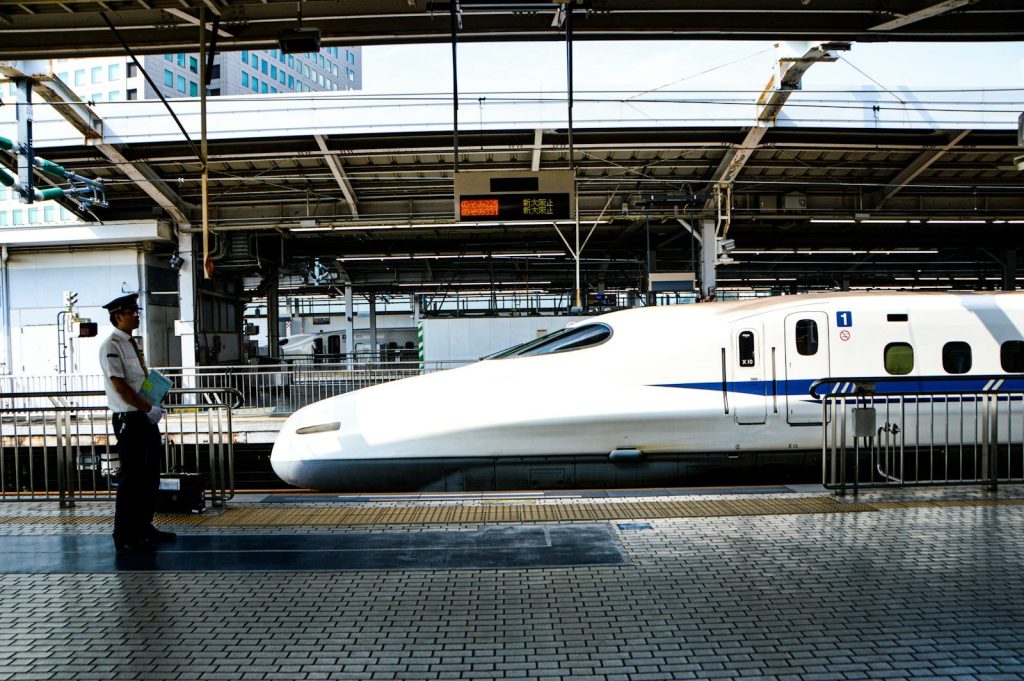
    While the Maglev is stuck in the mountains, the existing Bullet Train (Shinkansen) is getting faster and more efficient every year. Many people are asking if we even need the Maglev anymore. The current trains are already the safest and most reliable in the world. Why spend $64 billion for a few extra minutes of speed? The debate is splitting the nation in two. But as we struggle to move across Japan, we are also looking up. Could we build an elevator to space?

    Featured Image: Photo by ArminEP on Pixabay