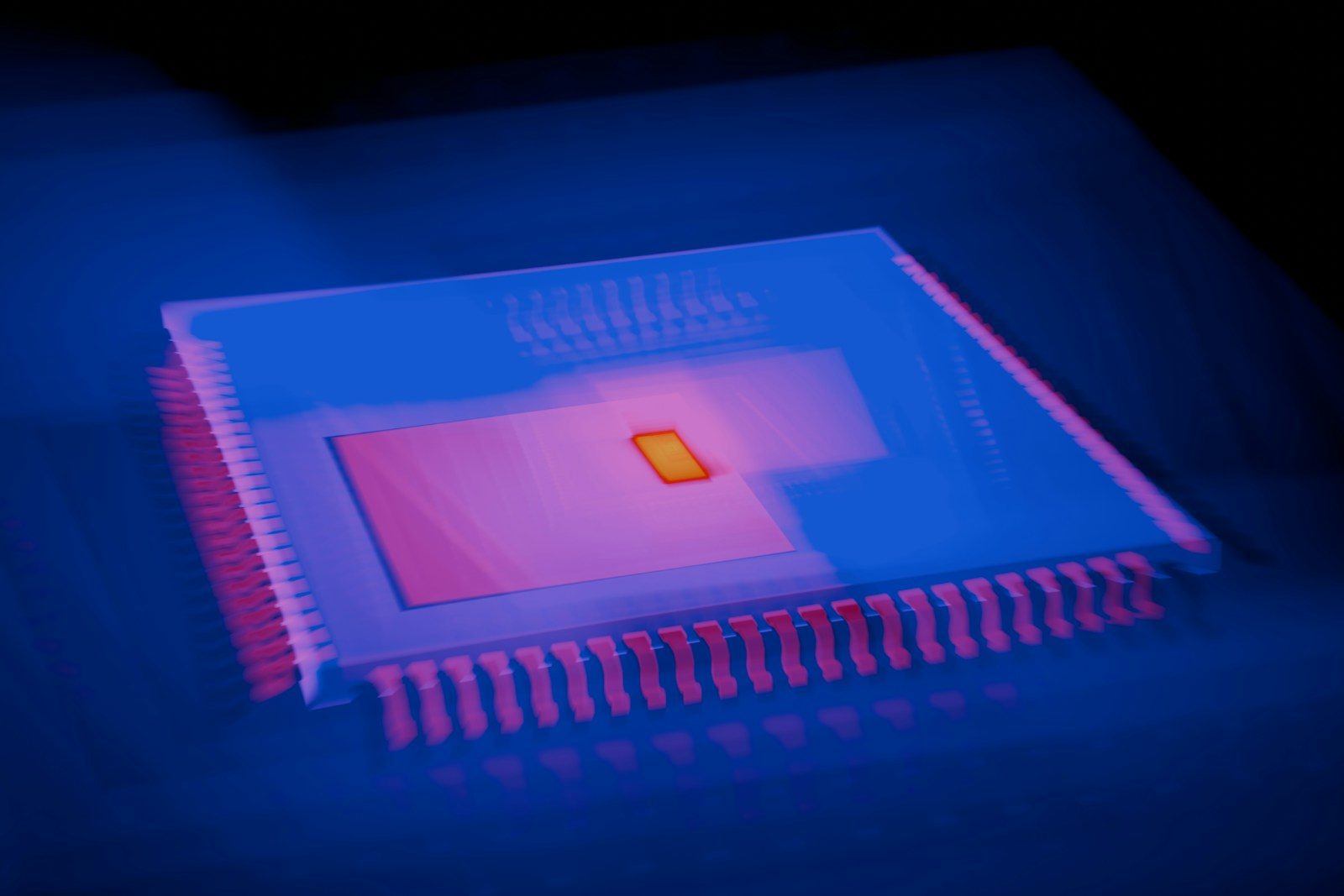
For decades, the world’s most powerful computers have been the size of basketball courts. They require massive buildings, specialized cooling systems, and enough electricity to power a small city. But that era is ending right now. Scientists have just unveiled a revolutionary new processor that packs supercomputer-level performance into a chip the size of a fingernail. This is not just a small upgrade to your current phone. It is a fundamental shift in how machines process information.
By using light instead of electricity, this new “photonic” chip can handle data at speeds we previously thought were impossible. It can perform trillions of calculations in a single second while using a fraction of the power of a traditional PC. This breakthrough means that the massive artificial intelligence systems that currently live in giant data centers could soon live in your pocket. The barrier between “mobile” tech and “super” tech has officially been erased. But how did they manage to fit miles of wiring into a space smaller than a dime?
Is The Era Of Giant Server Rooms Finally Over?
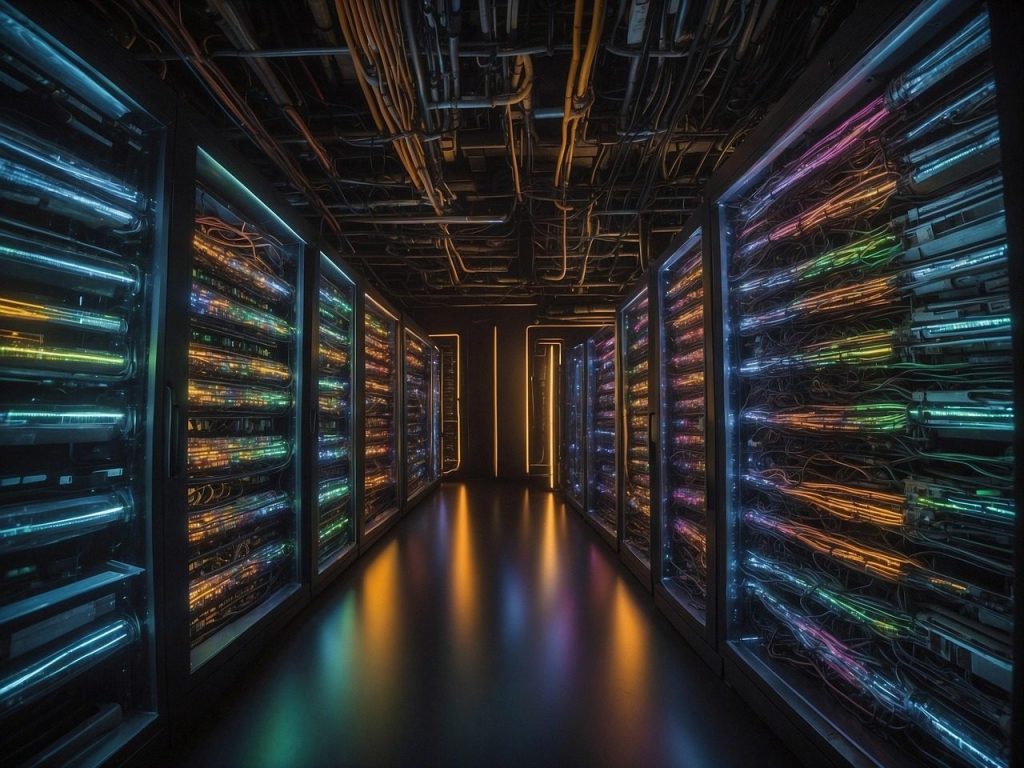
In the past, if you wanted more power, you needed more space. Companies like Google and Microsoft built thousands of square feet of server rooms just to keep up with our data needs. These giant farms are expensive to build and even harder to maintain. This new chip breakthrough changes the entire landscape of the internet. It allows us to consolidate massive amounts of processing power into tiny devices.
Instead of sending your data to a cloud far away, your own devices could handle everything locally. This would make the internet faster and much more private. We are looking at a future where giant, humming server buildings might become relics of the past. It is a total reimagining of global infrastructure. But size isn’t the only thing that changed; the very physics of the chip is different.
How Light Waves Are Making Electronics 1000 Times Faster

The secret to this incredible shrinking act is light. Traditional computers use electrons moving through copper wires. This creates a lot of traffic jams and generates massive amounts of heat. The new super-chip uses “photons” or particles of light. Light moves much faster than electricity and doesn’t get stuck in traffic. By using microscopic lasers to move data, the chip can work at the speed of light.
This allows the processor to handle multiple streams of information at the exact same time without slowing down. It is like replacing a crowded city street with a thousand-lane highway. This speed is what allows such a small chip to outperform a room-sized machine. However, removing electricity from the equation solves an even bigger problem that has haunted engineers for years.
Why Your Next Computer Might Never Get Hot
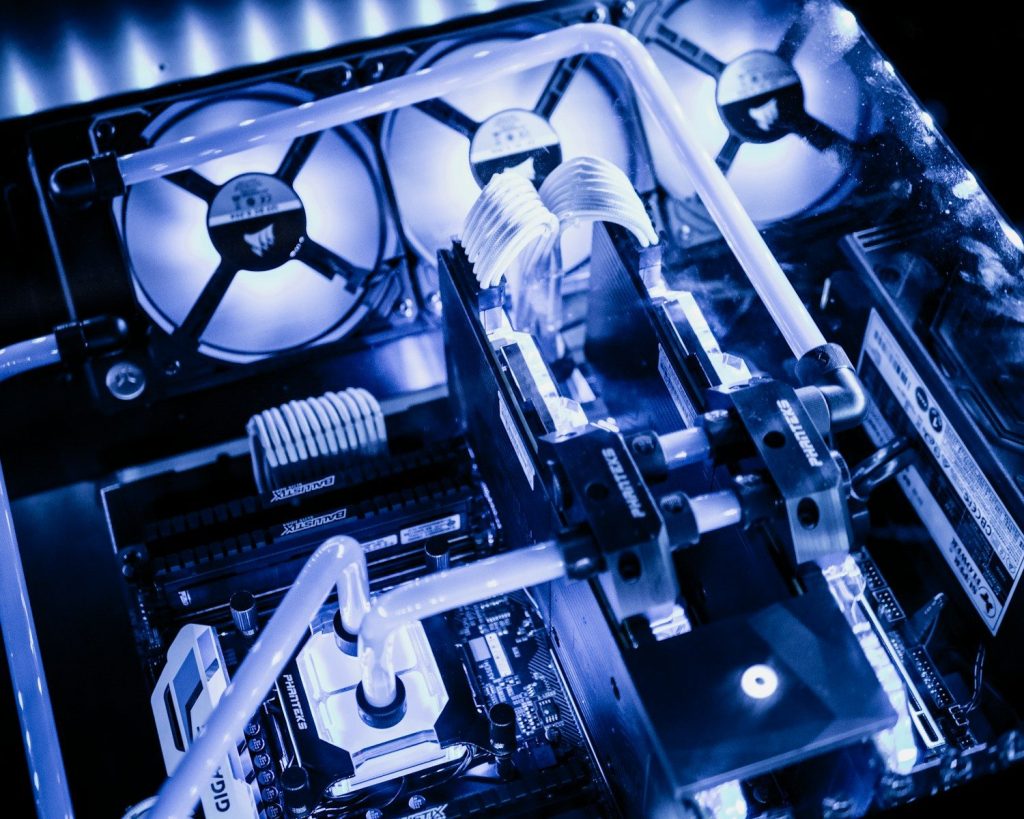
If you have ever felt your laptop get hot on your lap, you have felt the failure of traditional computing. Heat is the number one enemy of performance. When a chip gets too hot, it has to slow down to keep from melting. This is why supercomputers need giant fans and liquid cooling systems. Because the new photonic chip uses light instead of electricity, it creates almost zero heat.
This means your future devices could be thinner than ever because they won’t need fans or vents. They can run at maximum speed for hours without ever getting warm. This efficiency also means your battery life could jump from hours to weeks on a single charge. If the chip stays this cool, it opens the door for software that was previously too “heavy” to run on a portable device.
Can This Chip Run A Human-Level AI Offline?
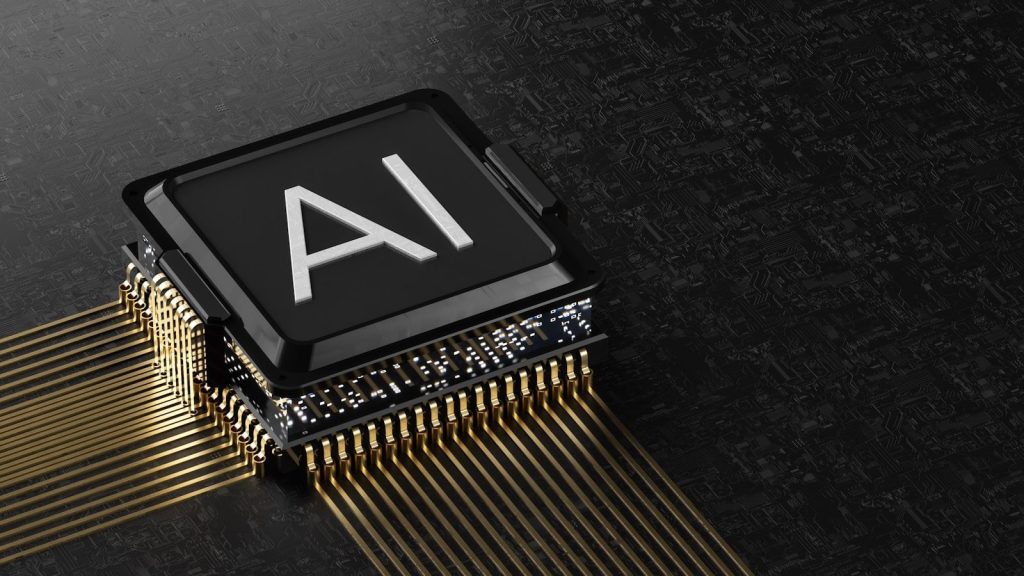
The most exciting use for this technology is Artificial Intelligence. Right now, tools like ChatGPT require massive supercomputers to function. Your phone doesn’t actually “think” on its own; it just sends your question to a giant server. With a supercomputer on a chip, your phone could run a full AI entirely offline.
This would make AI faster, more responsive, and much more secure. You wouldn’t need an internet connection to translate languages or edit complex videos in real-time. It would be like having a genius assistant living inside your device that never needs to “call home.” But what happens when we take this power and put it inside the human body?
The New Secret To Predicting Diseases Before They Happen

Because these chips are so small and use so little power, doctors are looking at using them for “smart” medical implants. Imagine a chip smaller than a grain of rice that lives inside your bloodstream. It would have the computing power to monitor your health every second of the day. It could detect a single cancer cell or an early sign of a heart attack long before a human doctor could.
This level of monitoring requires massive data processing that only a supercomputer can handle. Now that the supercomputer fits on a chip, these “guardian” implants are becoming a reality. We are moving toward a world where your body has its own internal IT department. While this helps our health, it also addresses a major environmental crisis.
How This Tech Could Cut Global Power Use In Half

One of the world’s biggest secrets is how much energy the internet uses. Data centers currently consume about 2 percent of the world’s total electricity. As AI grows, that number is expected to skyrocket. This super-chip could save the planet by drastically reducing energy demand. Because it uses light, it is incredibly efficient.
Replacing old servers with these chips would cut energy consumption by over 90 percent. It is the single biggest “green” breakthrough in the history of the tech industry. We can have all the power of the digital age without the massive carbon footprint. So, when will you actually be able to buy a device powered by this miracle chip?
Will This Breakthrough Make Your Current Laptop Ancient History?

The first versions of these chips are already being tested in high-end industrial labs. Major tech giants are racing to be the first to put them into consumer electronics. We are likely less than five years away from the first “photonic” laptops and smartphones hitting the shelves. When they arrive, the transition will feel as big as moving from a typewriter to a computer.
Your current devices will suddenly feel like toys compared to the raw power of a chip-sized supercomputer. We are entering an era where there is no limit to what our handheld devices can do. The “supercomputer” is no longer a machine in a distant building. It is about to become a standard part of your daily life. But are we ready for a world where everyone has a genius-level machine in their pocket?
Featured Image: Photo by Steve A Johnson on Unsplash
Leave a Reply