
When a massive earthquake hits, you might think the goal of a bridge is to stand perfectly still. But in modern engineering, that is exactly how a bridge collapses. If a bridge is too stiff, the energy of the earthquake will snap the concrete like a dry twig. Today, the world’s most advanced bridges are actually designed to “break” in very specific places. Engineers call these “sacrifice zones.” By allowing certain parts of the bridge to fail or move, the main structure stays standing, and lives are saved. It is a “smart” way of handling disaster that turns a bridge into a giant, flexible machine.
The secret is “Base Isolation” and “Ductile Design”. Instead of fighting Earth’s movement, the bridge rides it like a surfboard. By using rubber pads, giant springs, and “fuses” that are meant to snap, engineers can control exactly where the damage happens. This makes sure that the parts carrying the cars never lose their strength. But how can a “broken’ bridge actually be safer than a solid one?
The philosophy of sacrifice zones
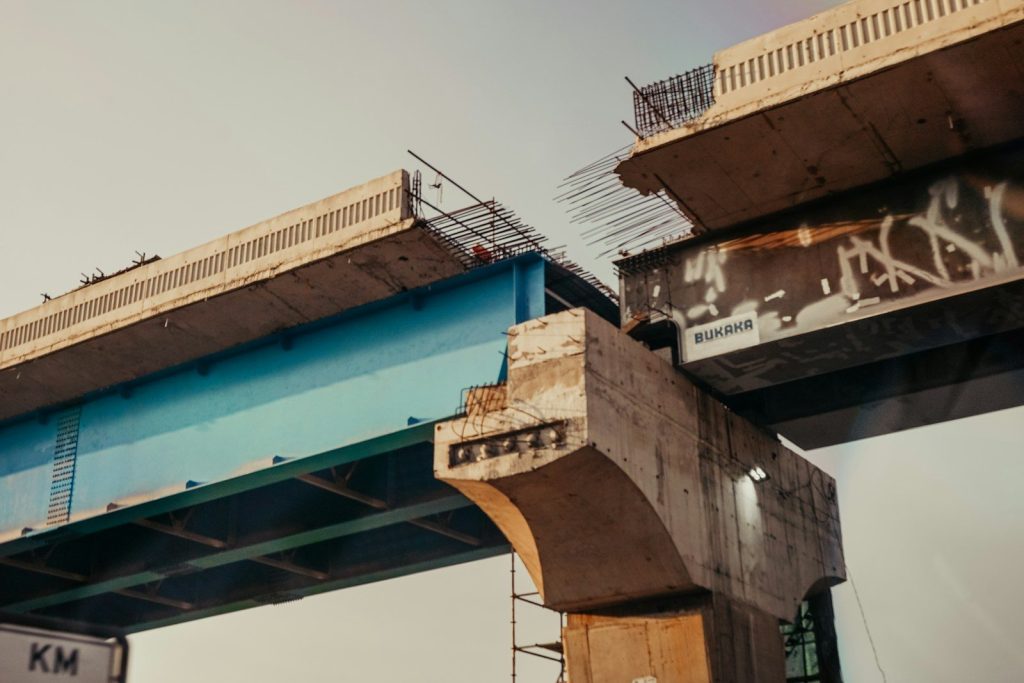
In an earthquake, the energy has to go somewhere. If it doesn’t have a “weak spot” to go to, it will find its own. Engineers build “plastic hinges” into the support columns. These are areas that are designed to bend and deform during a quake. They soak up the energy like a sponge. The concrete might crack and look “broken,” but the steel inside stays strong. It is like the crumple zone on a car. The bridge is “sacrificed” to keep the people on top safe. But the real magic happens at the very bottom.
Riding on giant rubber sandwiches
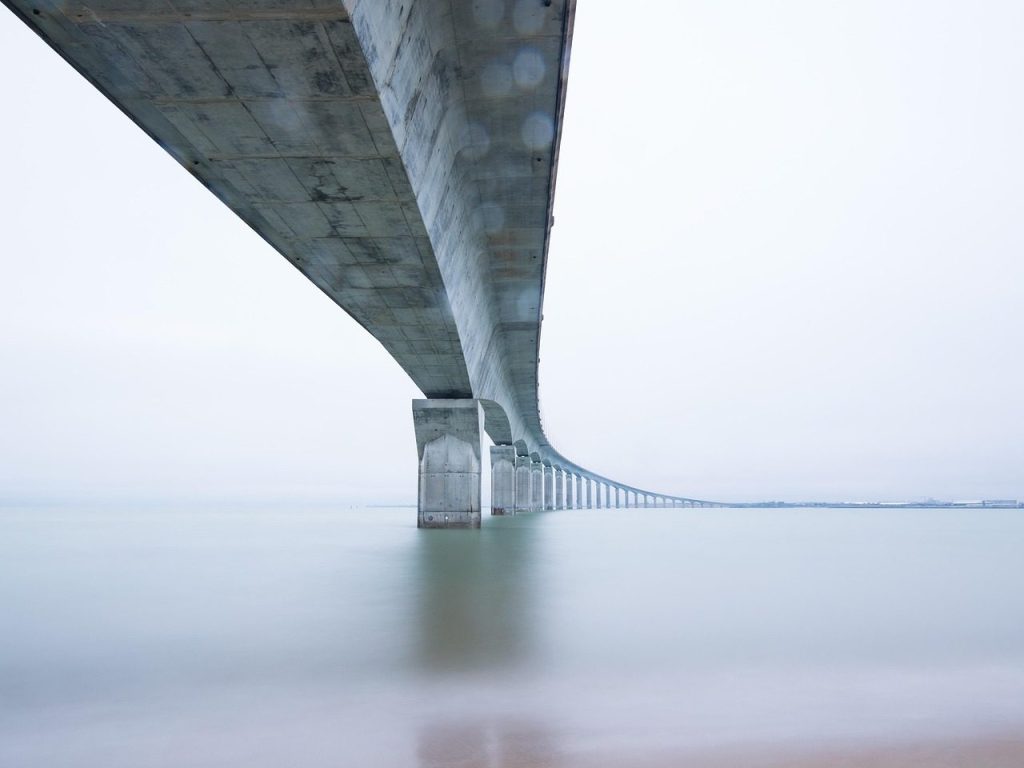
Modern bridges often sit on “Lead-Rubber Bearings.” These look like giant sandwiches made of rubber and steel. When the ground shakes, these pads allow the entire bridge to slide back and forth while the columns stay still. The rubber absorbs the vibrations before they can reach the main structure. It effectively “disconnects” the bridge from the earthquake. In a major quake, a bridge might move three feet in every direction and still come back to its original spot. But what happens when the road itself needs to move?
Expansion joints that act like zippers
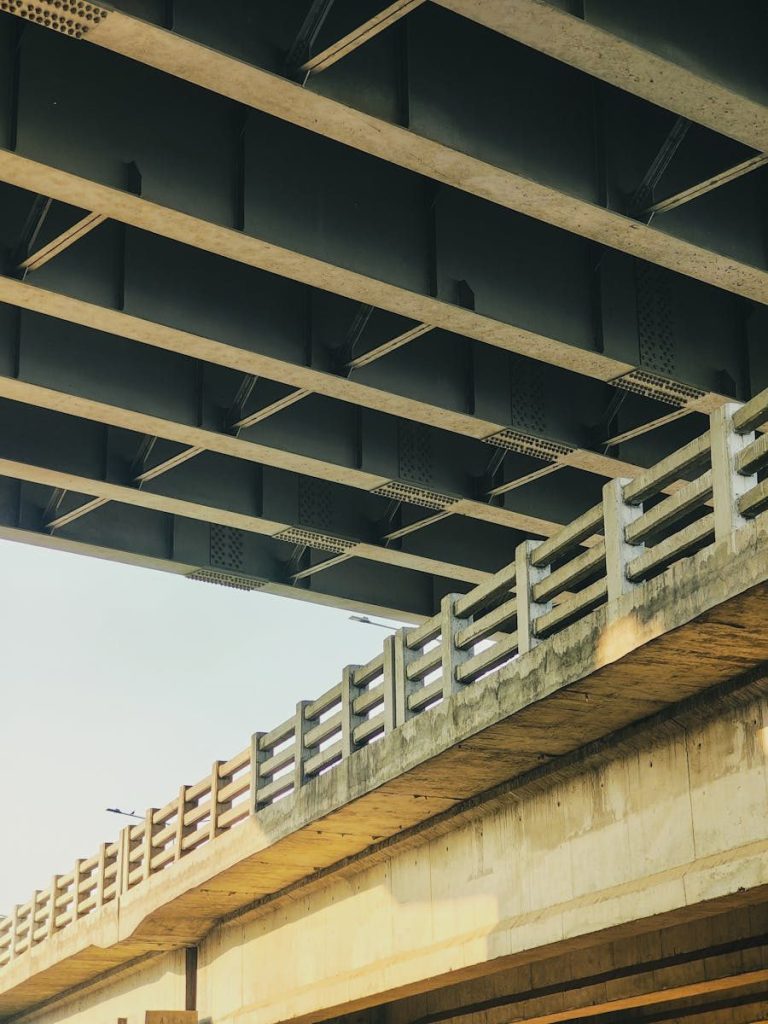
Have you ever seen those metal “teeth” in the road when you drive over a bridge? Those are expansion joints. Usually, they handle changes in temperature, but in an earthquake, they are a lifesaver. They allow the different sections of the bridge to pull apart and crash back together without destroying the pavement. During a quake, these joints act like a “zipper” that opens and closes to handle the movement. Without them, the road would buckle and toss cars into the air. But the “dampers” are the secret weapon for wind and quakes.
Using giant shocks to slow the shake

Inside the towers of many bridges are giant hydraulic pistons called “Viscous Dampers.” These work exactly like the shock absorbers on your car, but they are the size of a bus. They are filled with a thick oil that resists movement. When the bridge starts to sway, the dampers push against that movement and turn the energy into heat. This keeps the bridge from swinging too far and falling over. It is a high-tech way to “calm” the bridge during a crisis. But why do some bridges use “breakaway” walls?
The wall that is meant to fall
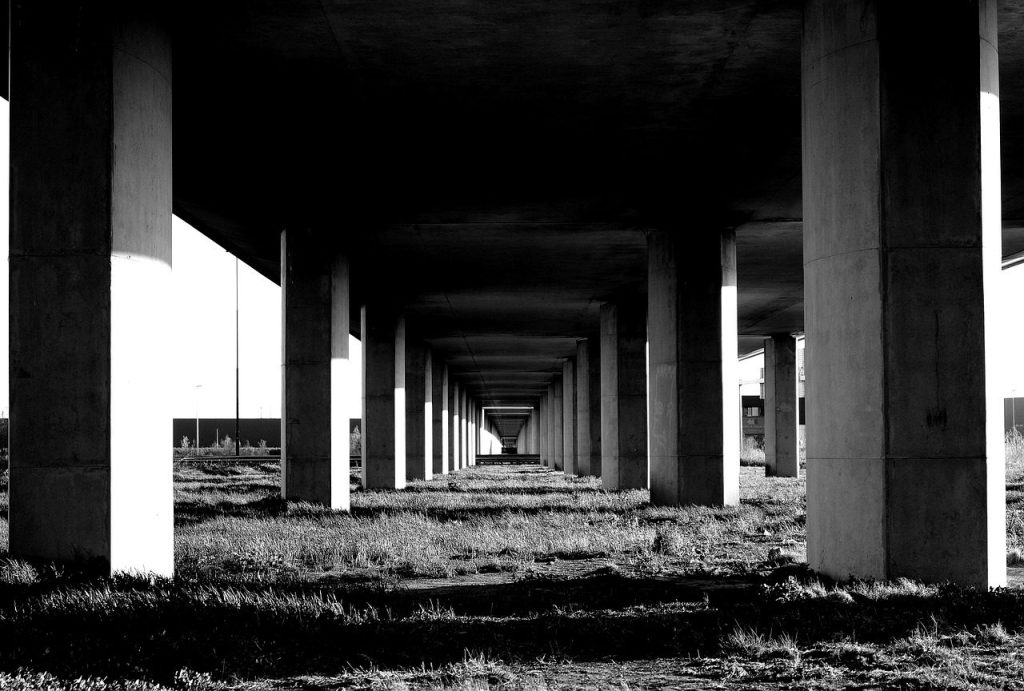
On the sides of a bridge, engineers often build “Breakaway Retaining Walls.” These are not meant to hold up the bridge; they are just there to look nice and hold the soil. In an earthquake, these walls are designed to fall over instantly. This clears a path for the main bridge columns to move freely. If the walls were too strong, they would block the bridge’s movement and cause a total failure. It is one more part that is “designed to break” so the whole system can survive. But is a flexible bridge scary to drive on?
Why “rigid” is a dirty word in engineering
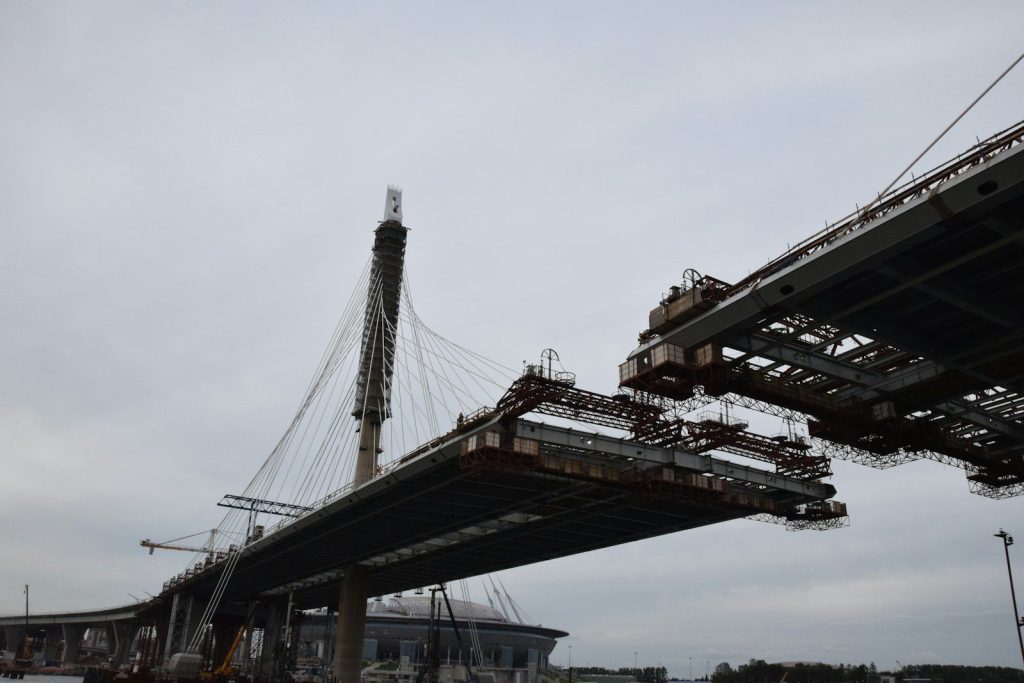
If you are on a bridge during an earthquake, you will feel it move. This can be terrifying, but it is a sign that the bridge is working. A bridge that doesn’t move is a bridge that is about to snap. Modern engineers have moved away from the idea of “impenetrable fortresses.” They now build “living systems” that can adapt to the Earth’s power. The “breaking” you see is actually a carefully planned survival strategy. It is the height of human intelligence working against nature’s raw force. But how much does this “broken” safety cost?
The price of a bridge that bends

Building a bridge with dampers, rubber bearings, and sacrifice zones is 20% to 30% more expensive than building a “regular” bridge. But the cost of a bridge collapse is measured in billions of dollars and thousands of lives. Governments are finally realizing that it is cheaper to build a bridge that “breaks” than to rebuild one that has fallen. We are investing in “controlled failure” to ensure our long-term survival. Every crack you see might be exactly what was planned to keep you alive. But wait until you see why Saudi Arabia’s dream is turning into a nightmare.
The final verdict on modern safety
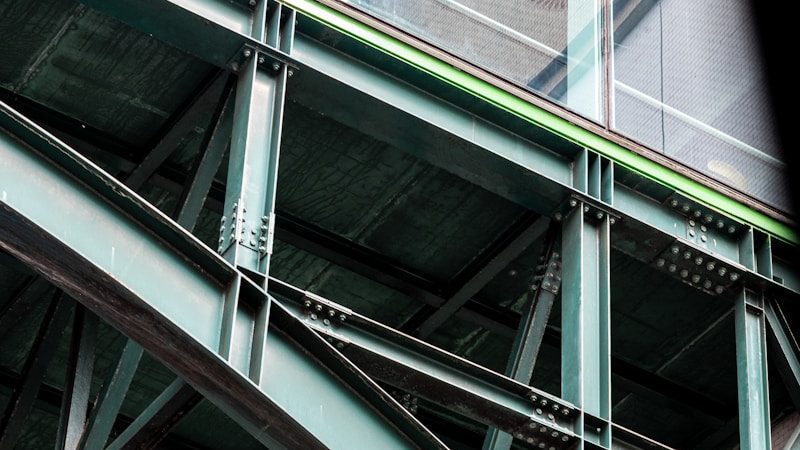
The next time you drive over a bridge, look for joints and hinges. You are riding on a work of “calculated destruction”. We have learned to work with the Earth rather than against it. The “broken” parts are the secret of our strength. It is a high-speed physics game where losing a few pieces means winning the game. We are building a world that can bend without breaking, and it’s a future on which we can all stand. Are you ready for the next “breakthrough’ in our world?
Featured Image: Photo by Lance Asper on Unsplash
Leave a Reply