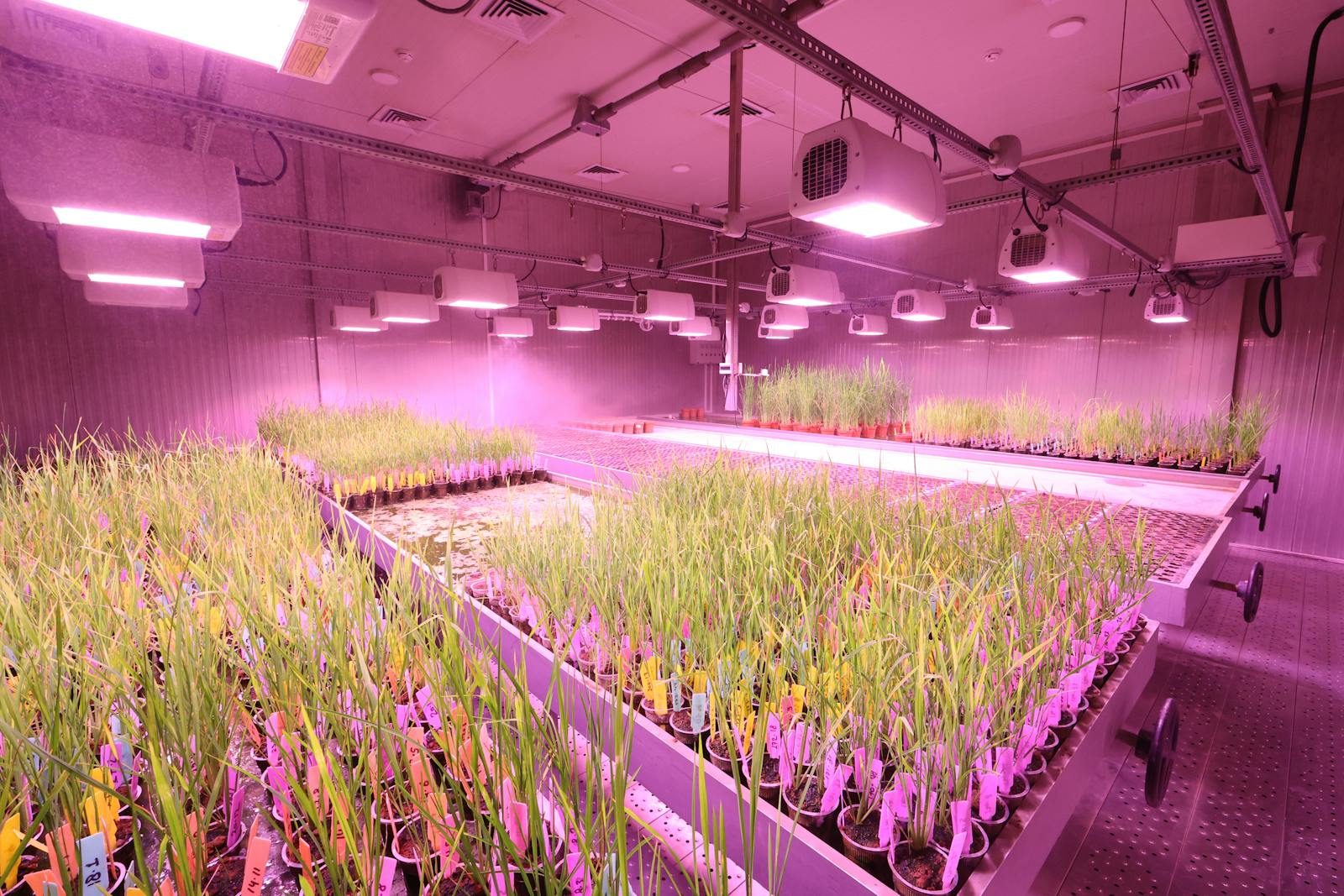
The surface of our planet is becoming a difficult place to be a farmer. Between heat waves, floods, and droughts, traditional agriculture is failing. But in 2026, the biggest food producers in the world have found a solution: they are moving the entire food chain underground. Deep inside abandoned subway tunnels, mines, and specialized bunkers, a massive network of “Sub-Farms” is providing fresh produce for millions of people.
These underground cities of food are hitting the news as the ultimate insurance policy against climate change. They provide a perfectly controlled environment where it never rains too much and it’s never too hot. We are seeing a world where your lettuce is grown 50 feet beneath your feet. It is a total transformation of how we think about the Earth’s crust. But how do you grow a tomato without a single ray of natural sunlight?
The New Cities Beneath the Soil
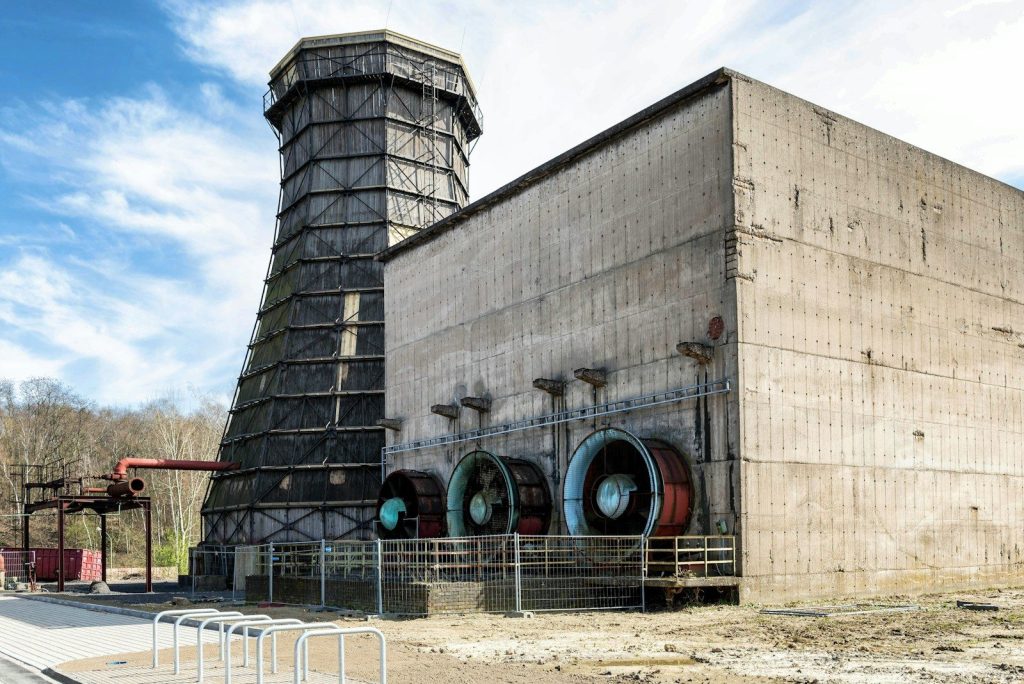
Old coal mines and bomb shelters are being repurposed into high-tech greenhouses. These facilities can go down hundreds of feet, using the natural insulation of the rock to stay at a perfect 70 degrees year-round. This saves a massive amount of energy that would normally be spent on heating or cooling. In 2026, cities like London and New York are already sourcing 10 percent of their greens from these “Basement Basins.” But the secret to their growth is all in the light.
Growing Crops Without Sunlight
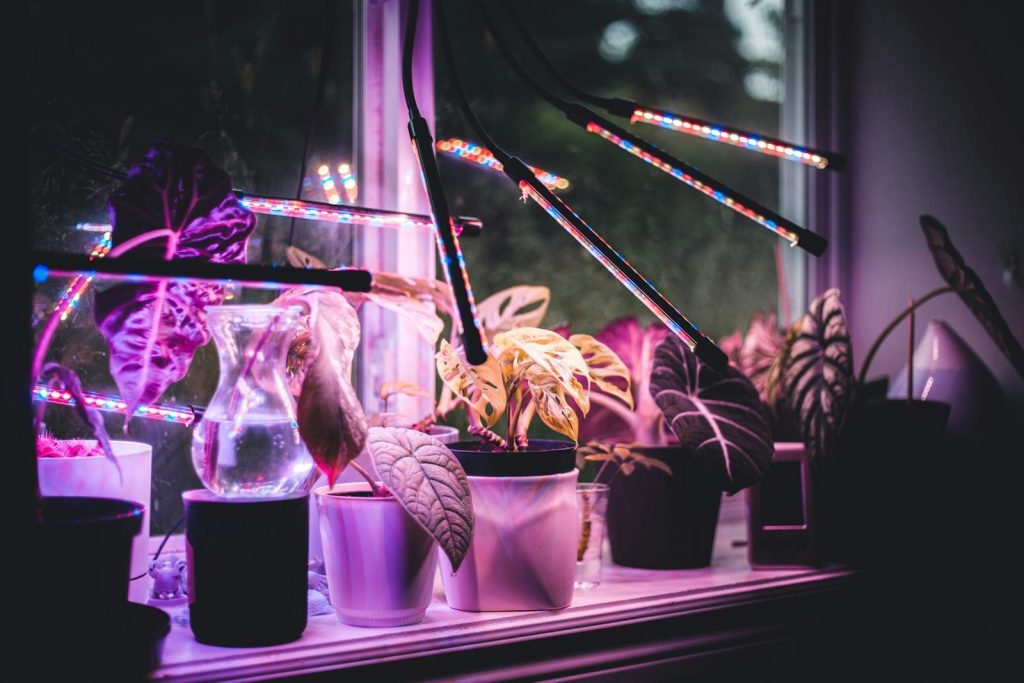
Traditional farming relies on the sun, but underground farms use “Light Recipes.” Scientists have discovered that plants only need specific wavelengths of light to grow. By using purple and blue LEDs, they can make crops grow three times faster than they do in a field. This 2026 technology allows for 24-hour growing seasons with zero downtime. We are essentially hacking biology to feed more people. But what happens to all the waste from these farms?
Protecting Food from Extreme Weather
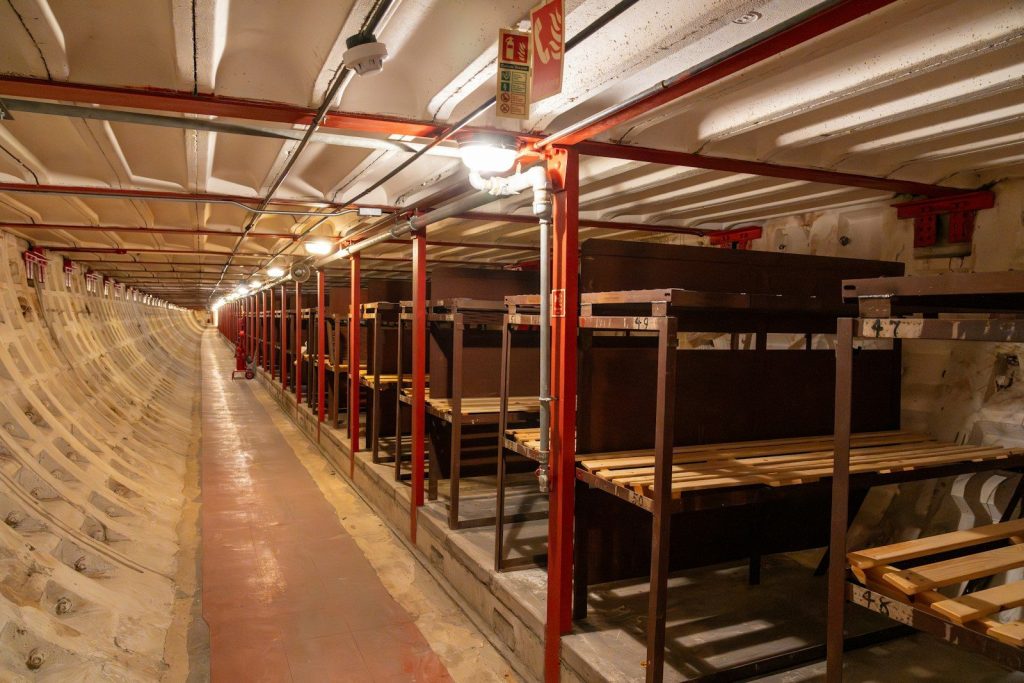
While the surface is being battered by “Super-Storms,” the underground farms are silent and safe. This “Shielded Agriculture” ensures that a single bad season doesn’t lead to a food shortage. It provides a level of security that has been missing for a century. We are finally decoupling our survival from the weather forecast. It is a peace of mind that money couldn’t buy until now. But wait until you see the “Circle of Life” inside these bunkers.
The Secret of Nutrient Loops
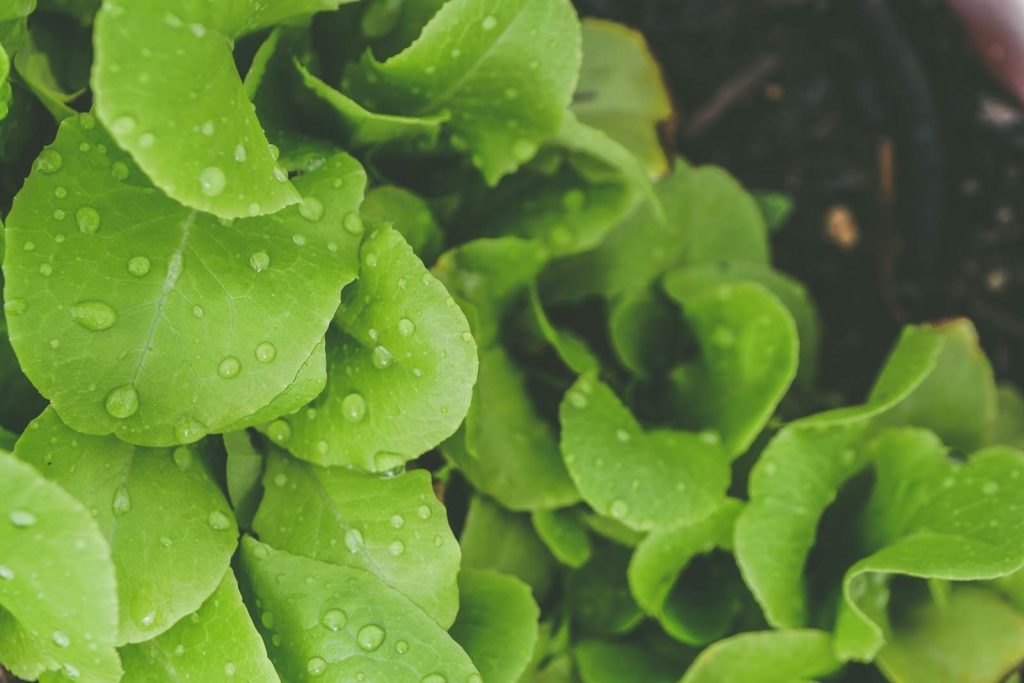
Underground farms use 95 percent less water than traditional farms. They use “Hydroponics” and “Aquaponics,” where fish and plants live together in a closed system. The fish provide natural fertilizer for the plants, and the plants clean the water for the fish. It is a perfect loop that produces both vegetables and protein. This 2026 discovery is making food production more sustainable than ever before. But who is actually doing the hard work in the dark?
High-Speed Harvesting in the Dark
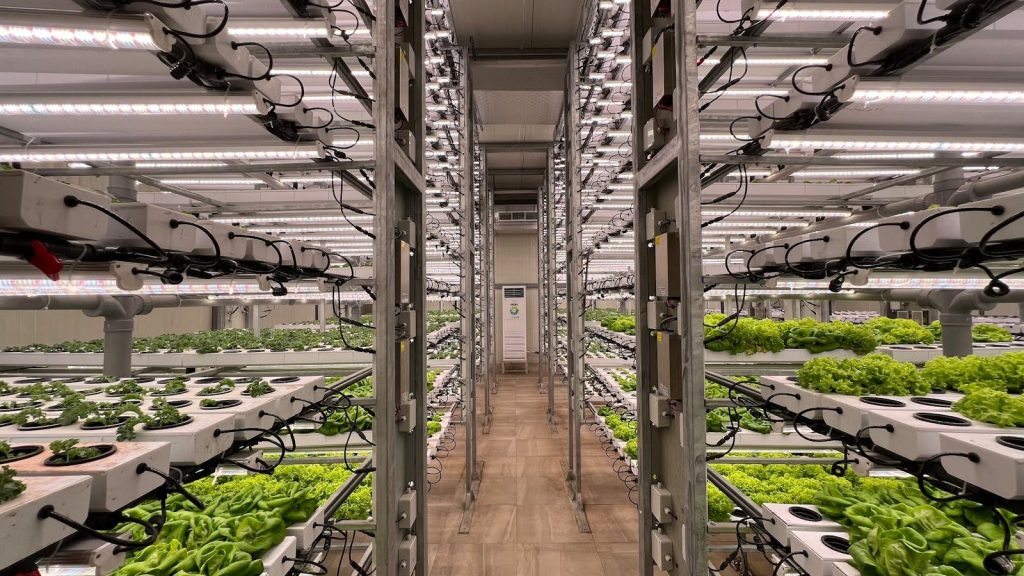
You won’t see farmers with pitchforks in these tunnels. Instead, the “Sub-Farms” are run by AI-powered robots. These bots monitor every leaf and every root 24 hours a day. They harvest the food at the exact second of peak ripeness and package it for delivery. It is a level of precision that eliminates waste and ensures the highest quality food. We are building a “Ghost Workforce” that never gets tired. But can this really solve the problem of world hunger?
Ending Global Hunger Forever
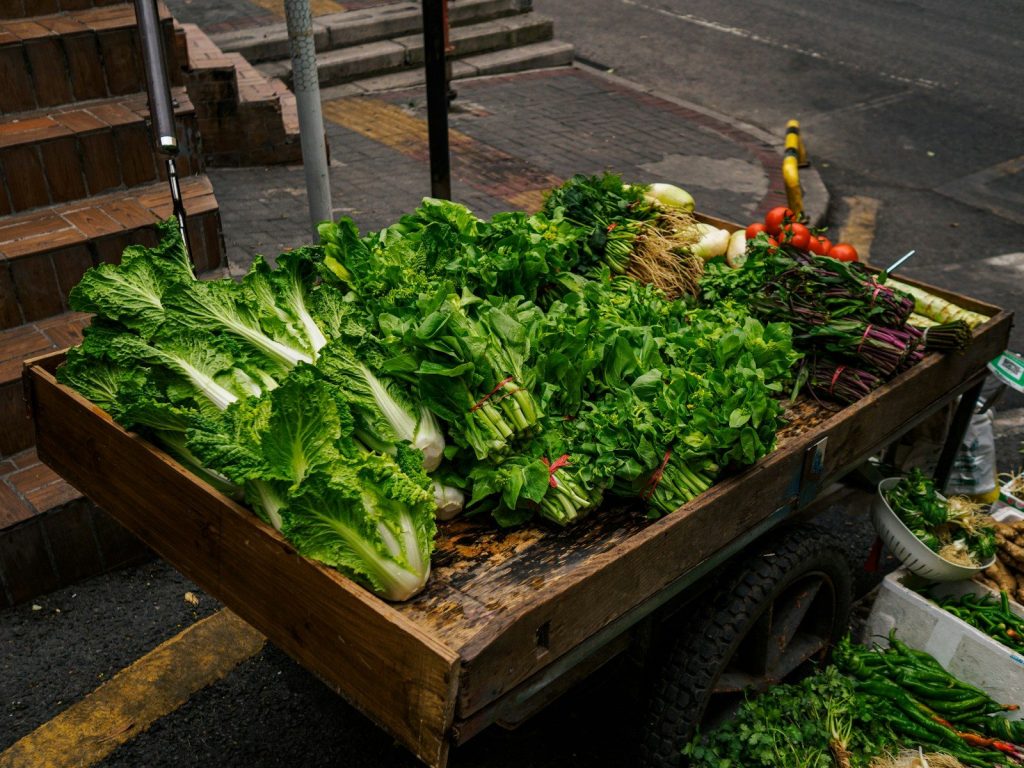
Because underground farms can be built anywhere, we are moving food production closer to the people who need it. We don’t need to ship vegetables across oceans anymore. Any city with a basement can feed its own citizens. This is leading to a massive drop in the price of fresh produce. We are entering the era of “Hyper-Local Food.” It is the ultimate solution for urban density. But how deep can we actually go?
Vertical Farming Reaches New Depths

Architects are now designing “Earth-scrapers”—buildings that extend down into the ground instead of up into the sky. The first ten floors are for people, but the fifty floors below are for food. This allows us to double the capacity of our cities without using more land. We are learning to live and grow in 3D. It is a radical redesign of human civilization. But are the robots ready to take over the soil, too?
The Robots Tending the Earth
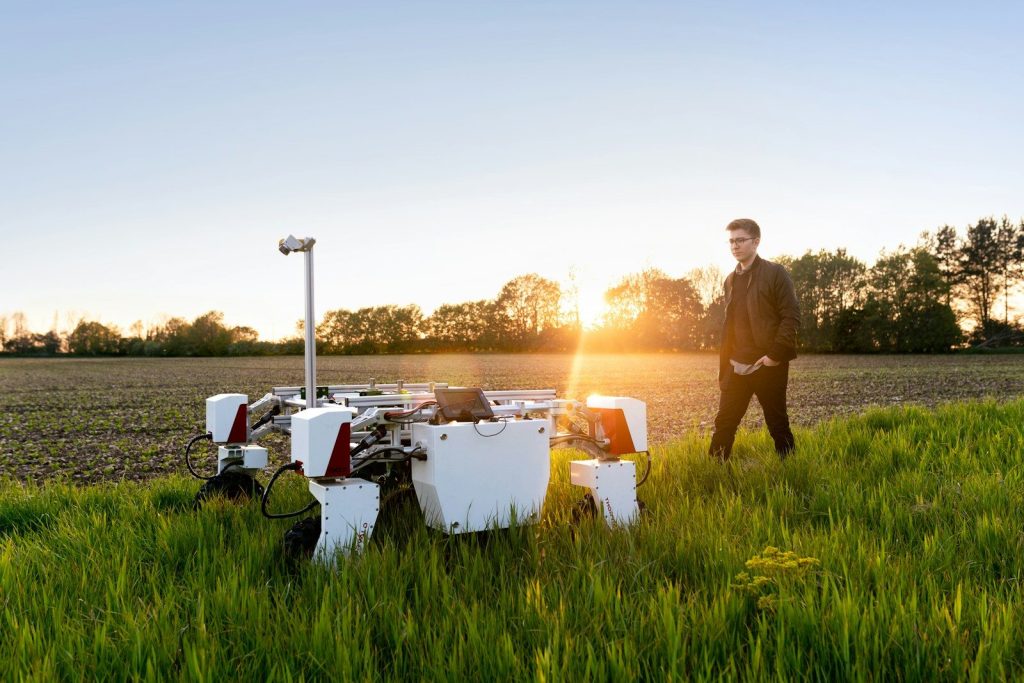
As we master the underground, we are finding that machines can manage the soil better than we ever could. They can balance the pH and minerals for each individual plant. This means the food is more nutritious and flavorful than anything grown in the wild. We are creating “Super-Food” by mastering the subterranean world. But while we move underground, something is happening to our oceans that we never thought was possible.
A Revolution for Modern Cities
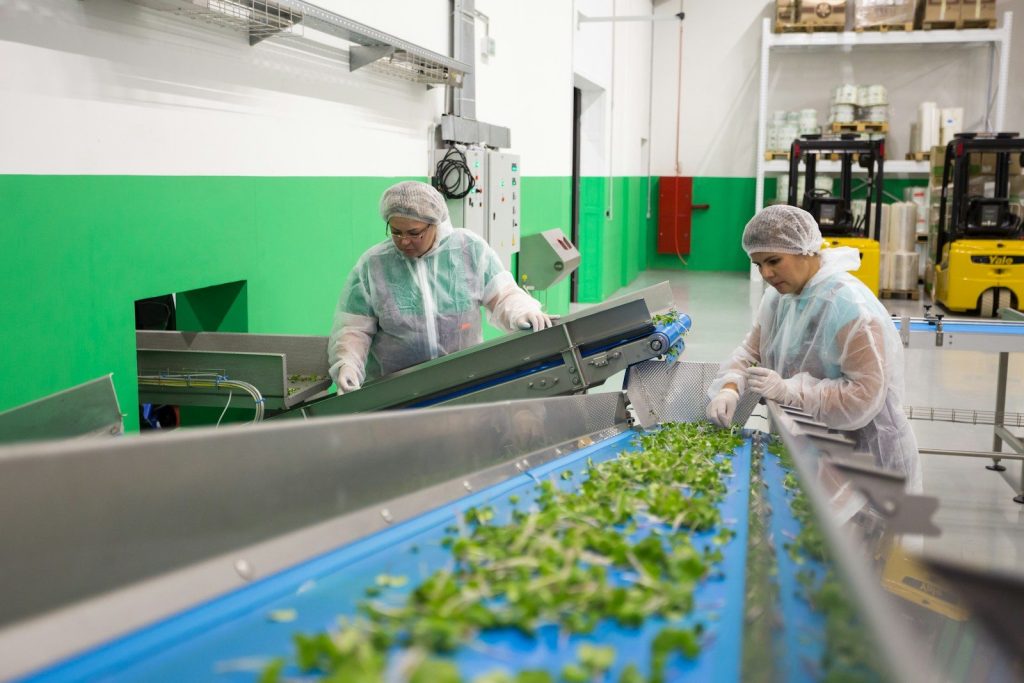
The countdown to a total food revolution is on. In the next few years, the concept of a “farm” will change forever. We are moving from the field to the factory, and from the sun to the sensor. The world is becoming more resilient, one tunnel at a time. But are you ready for the microscopic monster that is currently eating all our ocean trash?
Featured Image: Photo by Resham Kumari on Pexels
Leave a Reply