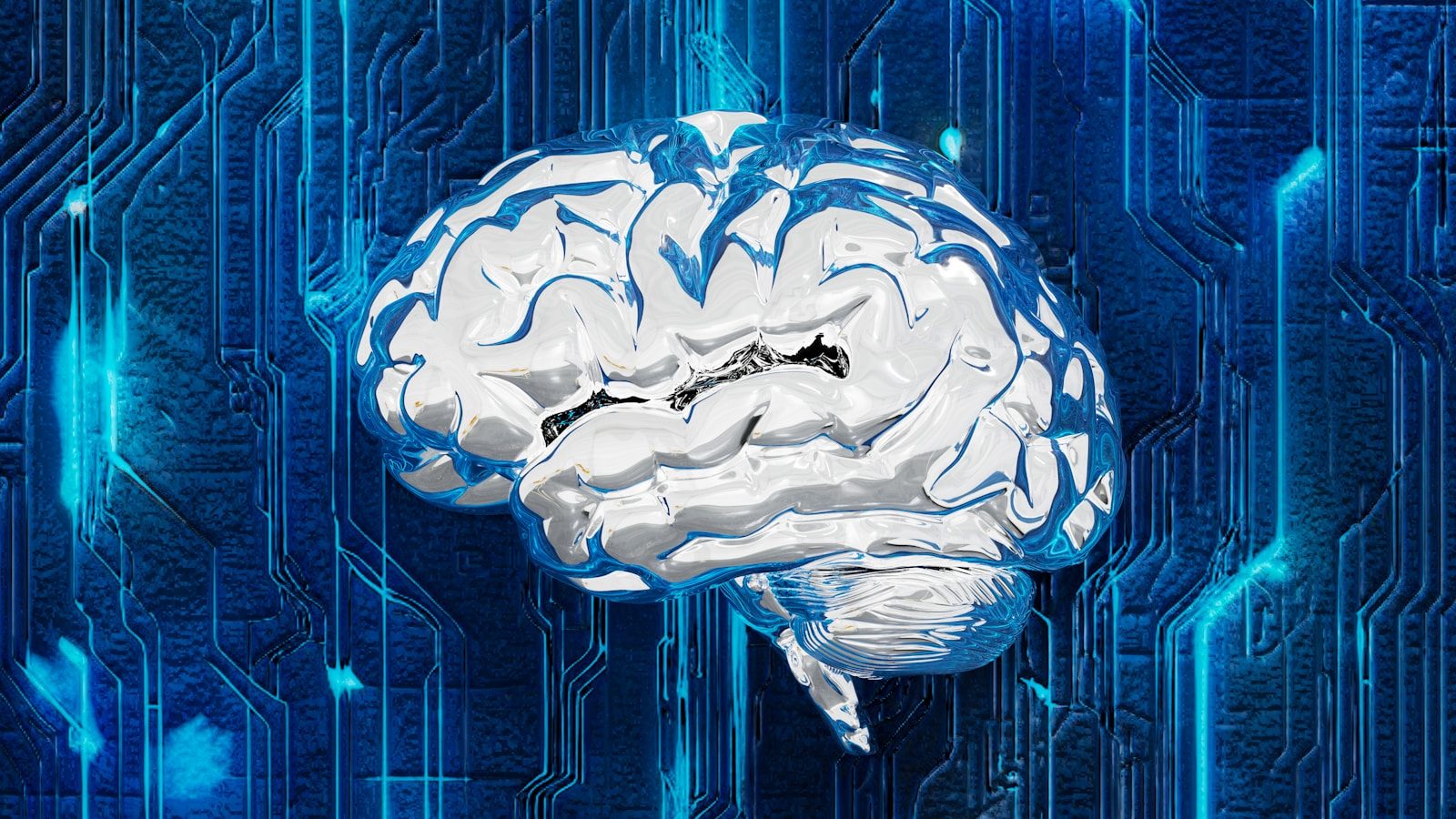
Humanity is standing at a crossroads. For decades, we used technology as a tool that we held in our hands. Now, we are beginning to put that technology inside our bodies. From brain-computer interfaces that allow us to control cursors with our thoughts to tiny RFID chips under the skin that open doors, the line between man and machine is blurring. In 2026, this isn’t just science fiction—it is a booming industry known as bio-hacking.
While these advancements offer incredible hope for people with paralysis or chronic illness, they also raise terrifying ethical questions. Are we still human if our brains are wired to the internet? Who owns the data that our internal chips collect? As we move toward a future where “upgrading” your body is as common as updating your phone, we have to decide where to draw the line. But the most shocking implants are already being tested in secret labs.
The Rise of the Neural Interface
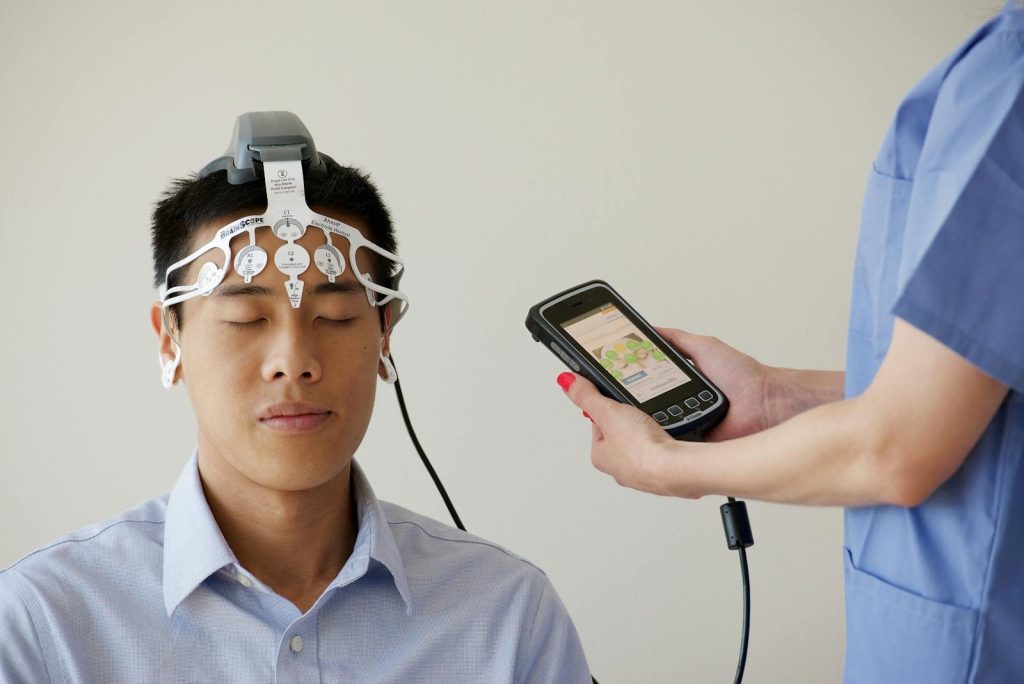
The most famous piece of “internal tech” is the neural chip. Companies are racing to create devices that can treat depression, restore sight, and even boost memory. These chips sit directly on the brain and listen to your neurons. It is a miracle for medicine, but it also means your most private thoughts could technically be recorded. We are building a bridge between biology and code that can never be unbuilt. But wait until you see how people are using their hands as keys.
RFID Tags Under the Skin
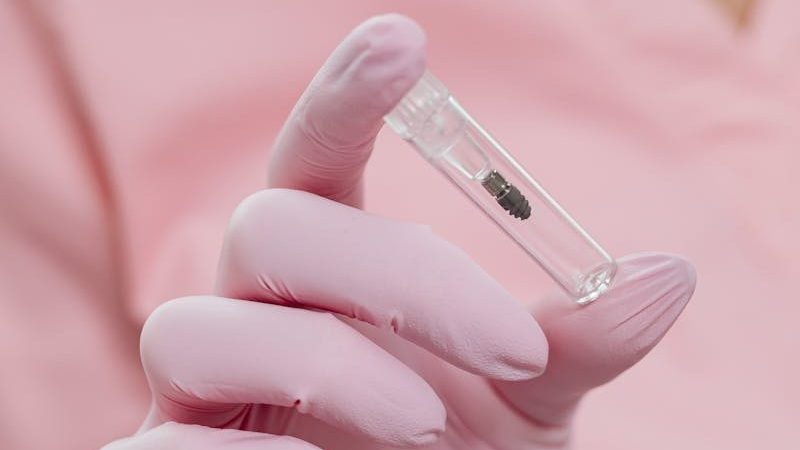
Thousands of people have already “upgraded” their hands. By injecting a tiny RFID chip between their thumb and index finger, they can unlock their front doors, start their cars, and even pay for groceries with a wave. It is the ultimate convenience, but it also creates a permanent digital signature that follows you everywhere. If your body becomes your credit card, what happens if you get hacked? This leads to a massive debate about physical privacy.
Bio-Luminescent Implants for Fashion
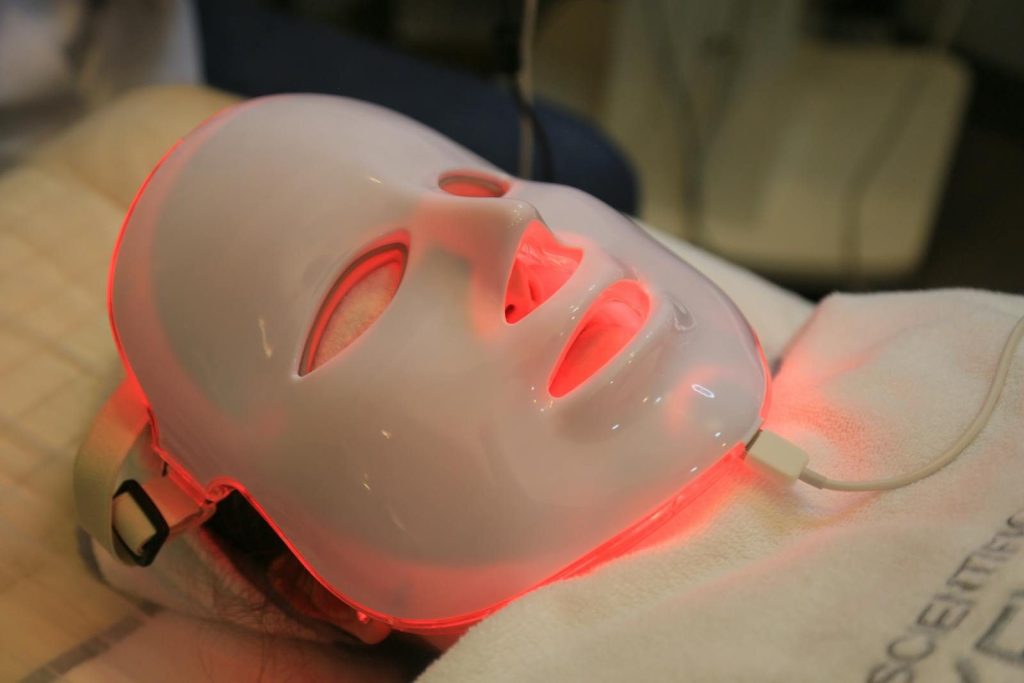
Tech isn’t just for function; it’s for style too. A new trend in the bio-hacking community involves “Firefly” implants—LED lights placed under the skin that glow in response to magnets or smartphone signals. It turns the human body into a living piece of digital art. While it looks cool, doctors are warning about the risks of infection and tissue rejection. We are treating our skin like a canvas for hardware. But can these lights actually track your health too?
Monitoring Your Organs in Real-Time
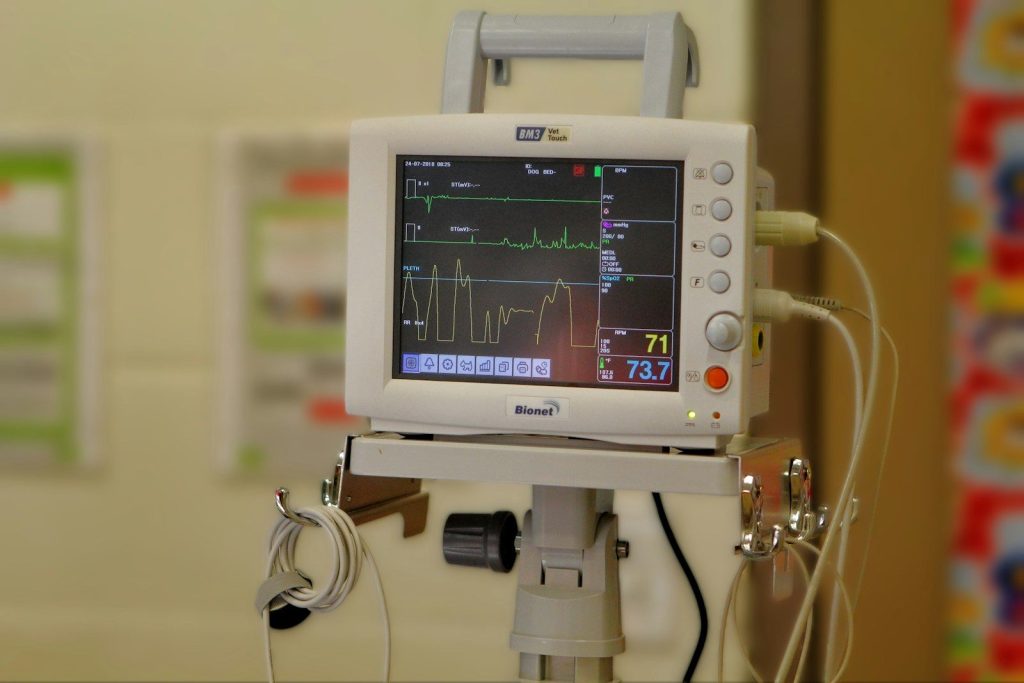
Imagine a sensor wrapped around your heart that tells your doctor about a heart attack before you even feel it. Internal health monitors are becoming more sophisticated every day. These devices can track blood sugar, oxygen levels, and even stress hormones from inside the bloodstream. It is the end of the “yearly checkup” because you are being checked every second. But this constant stream of data is a gold mine for insurance companies.
The Corporate Ownership of Biology

This is where things get truly messy. If a company manufactures the chip in your brain, do they own the “operating system” of your mind? There are already cases where people with high-tech eye implants went blind because the company that made the tech went bankrupt. We are entering an era where our physical well-being depends on a corporate subscription. It is a terrifying legal loophole that no one was prepared for. But can tech make us stronger than nature intended?
Artificial Muscles and Super Strength
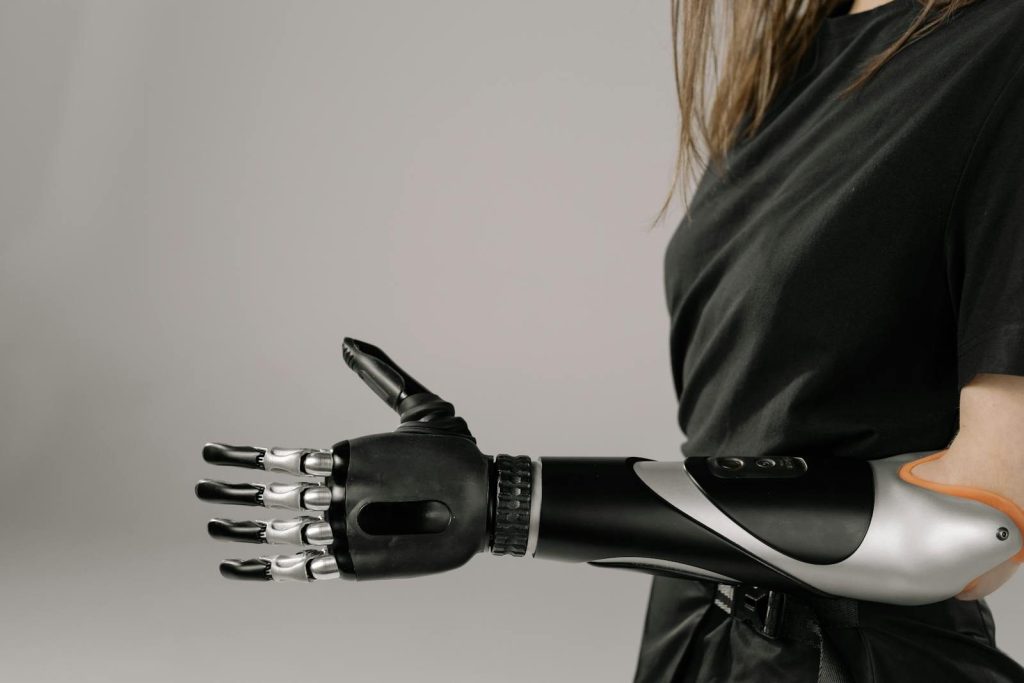
We aren’t just fixing broken bodies; we are enhancing healthy ones. Scientists are developing synthetic muscle fibers that can be woven into your own tissue. These “bionic boosts” could allow humans to run faster, jump higher, and lift more weight than any Olympic athlete. It creates a “biological divide” between those who can afford the upgrades and those who cannot. Are we creating a new class of super-humans?
The End of Personal Privacy
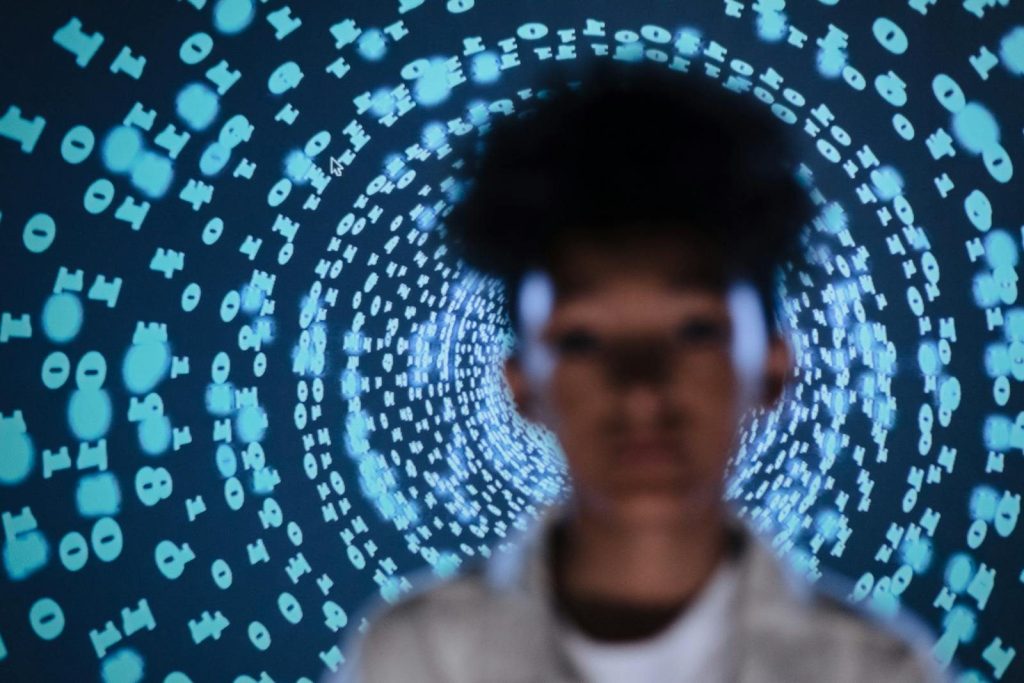
If everything inside us is connected to the cloud, there is no such thing as a private moment. Even your dreams could eventually be translated into data points. We are trading our inner sanctuary for digital efficiency. The conversation about bio-hacking is really a conversation about what it means to be free. As the tech gets smaller and more powerful, the “off switch” is becoming harder to find. But is the human spirit ready for the machine?
The Final Verdict on Internal Tech
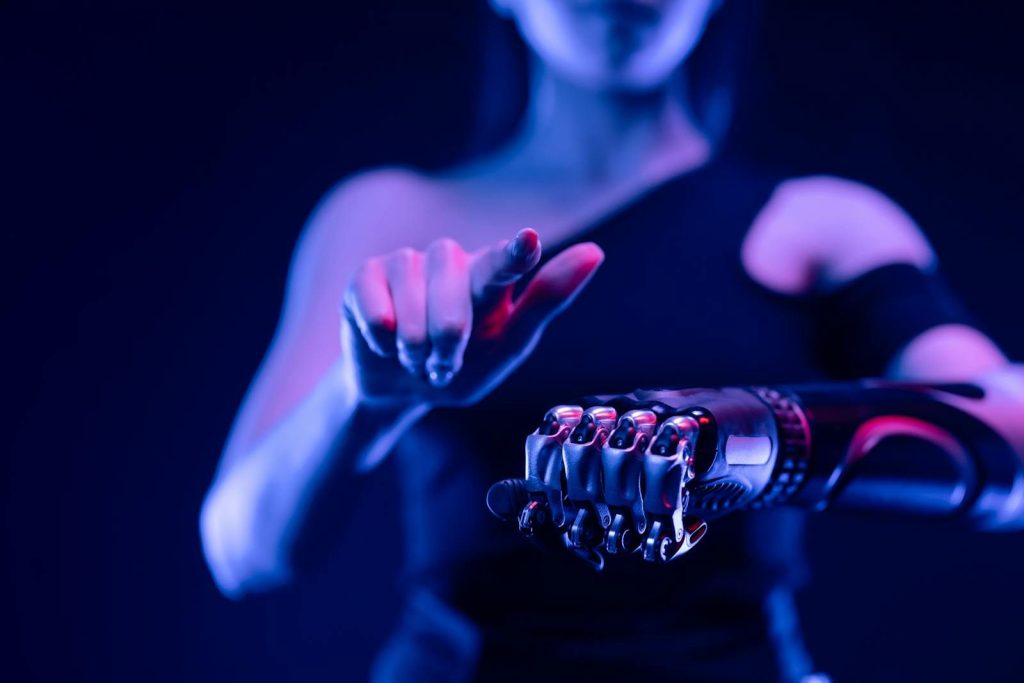
We are already cyborgs—we just haven’t realized it yet. Our smartphones are extensions of our memory, and our social media is an extension of our ego. Putting the tech inside us is just the final step in a journey that started with the first stone tool. The future is bright, but it is also heavy with responsibility. We have to be the masters of our machines, not the other way around. Are you ready for a world where your home is also watching you?
Featured Image: Photo by Ecliptic Graphic on Unsplash
Leave a Reply