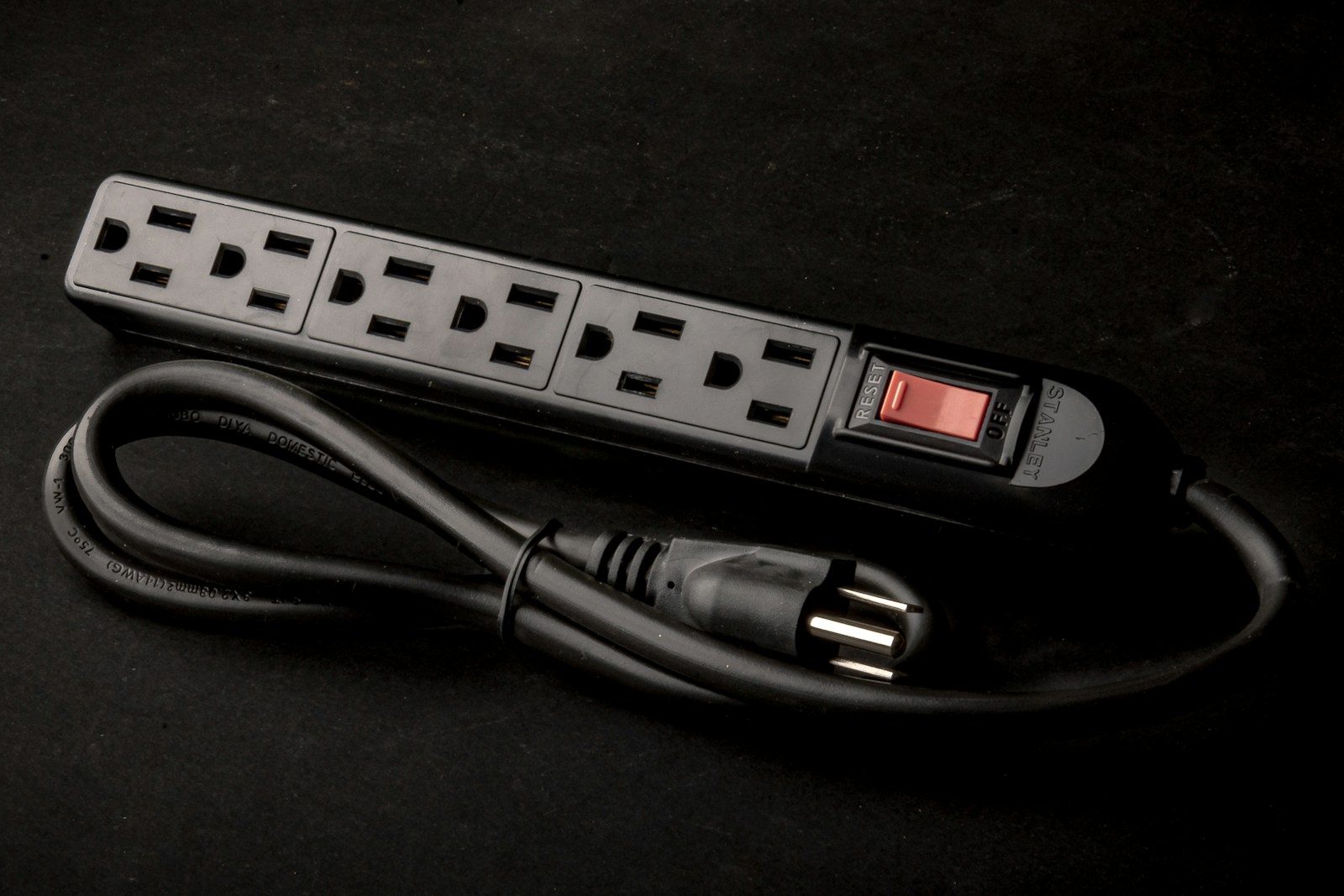
Power strips add outlets, but they do not increase the amount of electricity a wall circuit can safely supply. Plugging several high-wattage appliances into one strip can overheat its cord, internal contacts, or trip a household breaker before it responds. Damaged or poorly made strips create additional risks of fire and electric shock.
The safest rule is to reserve ordinary power strips for low-power electronics and plug major or heat-producing appliances directly into suitable wall outlets. Users must also check the strip’s current or wattage rating and each device label. A surge protector can reduce damage from voltage spikes, but surge protection does not make an overloaded strip safe.
Portable Electric Space Heater Wall Outlet
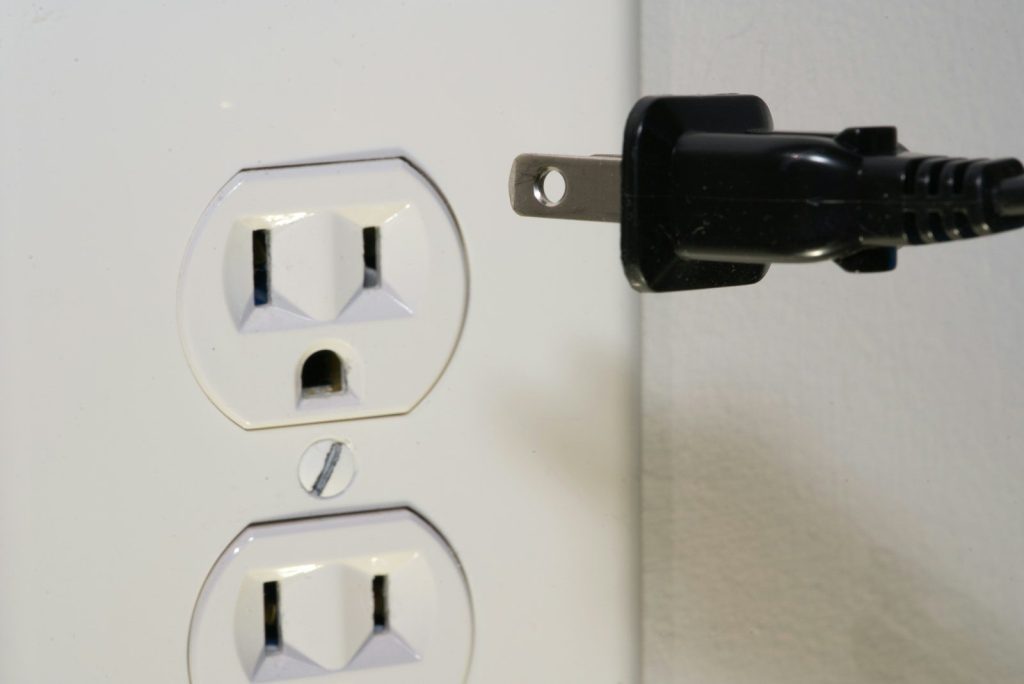
A portable space heater can consume about 1,500 watts, nearly the full continuous capacity people often associate with a 15-amp household circuit. A lightweight power strip, extension cord, or loose connection may overheat during extended use. Space heaters should generally plug directly into a wall receptacle, with clearance from bedding, curtains, furniture, and other combustibles. Stop using the heater if the outlet, plug, or cord becomes hot, discolored, cracked, or loose, and never leave it operating unattended.
Kitchen Countertop Air Fryer Toaster Oven
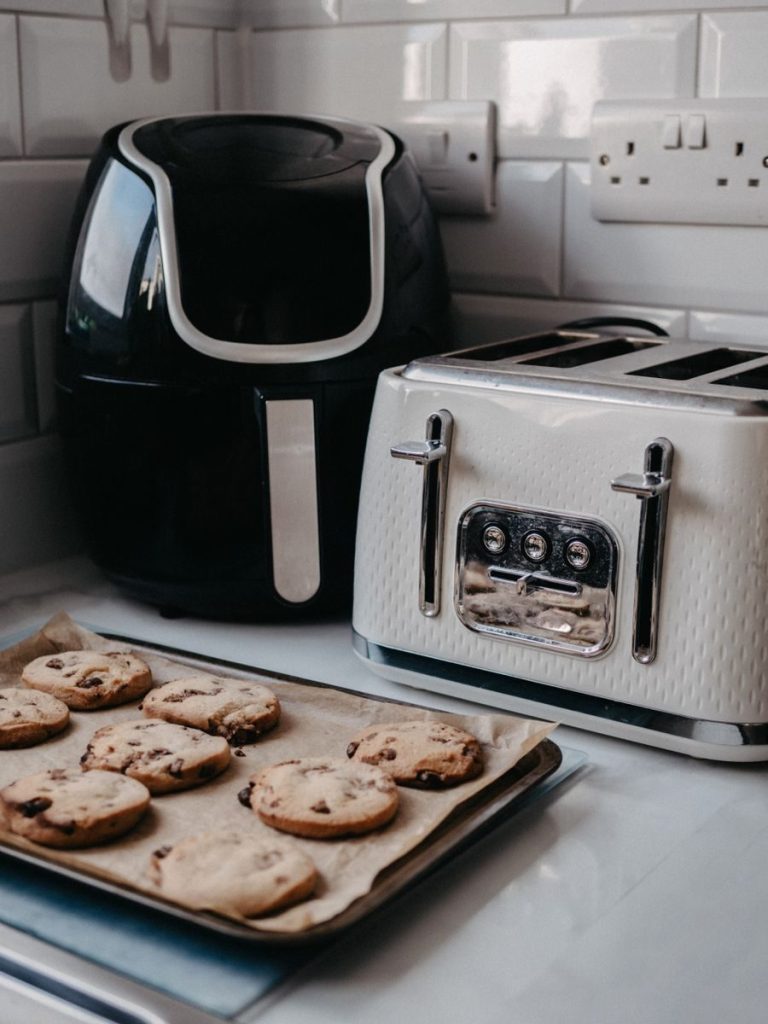
Microwaves, toaster ovens, air fryers, electric kettles, coffee makers, hot plates, and similar appliances convert large amounts of electricity into heat. Several can overload a strip quickly, even when each plug fits. Their short operating times do not remove the risk because heating elements draw high current immediately. Use the wall outlet and follow instructions requiring a dedicated circuit. If a kitchen lacks enough outlets for normal appliances, permanent electrical work is safer than relying on a strip as a countertop wiring system.
Portable Air Conditioner Power Cord Outlet
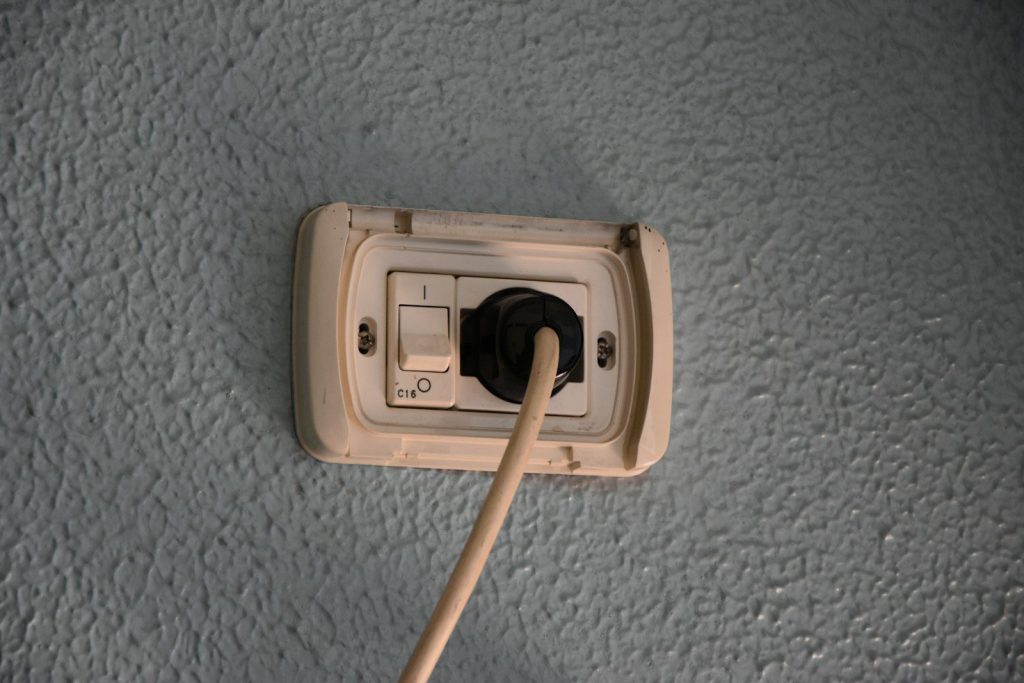
Refrigerators, freezers, portable air conditioners, and dehumidifiers use motors or compressors that can draw extra current when starting. Their operation may also continue for long periods, increasing heat at weak connections. Manufacturers commonly direct users to connect them to grounded wall outlets rather than power strips. Losing power to a refrigerator or freezer can also spoil food without an obvious warning. Large window or portable air conditioners may require a dedicated circuit sized specifically for the equipment’s rated electrical load.
Hair Dryer Power Tool Electrical Load

Hair dryers, curling irons, heat guns, shop vacuums, saws, and other powerful tools can use more electricity than their size suggests. A hair dryer alone may approach the capacity of a standard strip, while motorized tools can create high startup demand. Moist bathrooms and workshops add shock or damage hazards. Plug these products into appropriate wall outlets and follow GFCI requirements where water or grounded surfaces are present. Heavy-duty equipment may require circuits or extension products specifically rated for its load.
Medical Device Battery Backup System
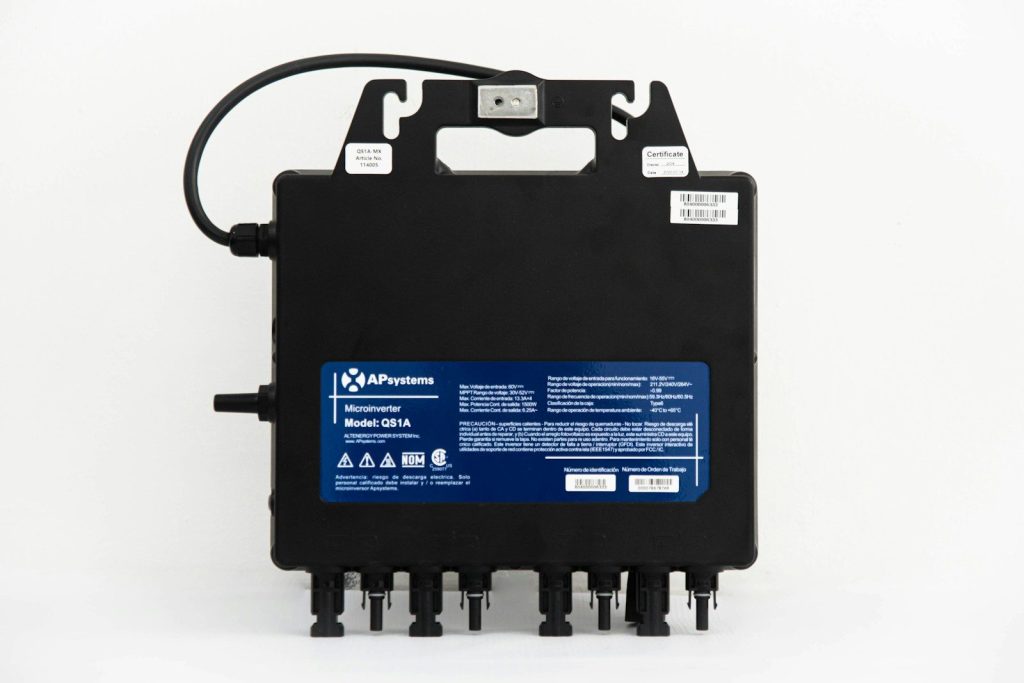
Medical devices should be connected exactly as their instructions and care plan specify. A cheap strip, switched outlet, or overloaded adapter may introduce an avoidable point of failure. Large battery chargers, mobility equipment, or oxygen-related systems may also have special requirements. Small certified chargers are often suitable for a quality strip, but damaged, counterfeit, or mismatched chargers can overheat. When uninterrupted operation matters, ask the equipment provider and an electrician about approved surge protection, battery backup, and circuit arrangements.
Computer Desk Laptop Power Strip Charger
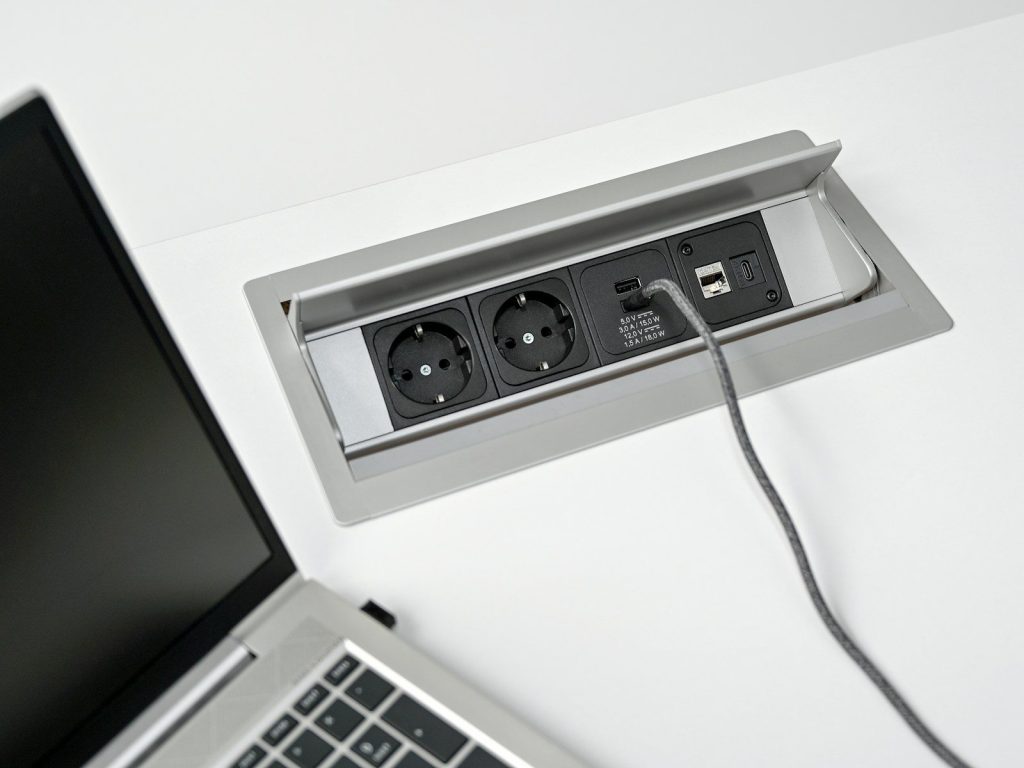
Low-wattage electronics are the normal use case for a listed power strip. Examples include phone chargers, desk lamps with efficient bulbs, televisions, streaming boxes, routers, laptops, computer monitors, and gaming consoles. Safe use still depends on the combined load, condition of the strip, and manufacturer instructions. Large gaming computers, laser printers, audio amplifiers, or several monitors may draw more than expected, so users should add the rated wattage rather than assuming every electronic device is automatically low power.
Daisy Chained Overloaded Power Strips Hazard
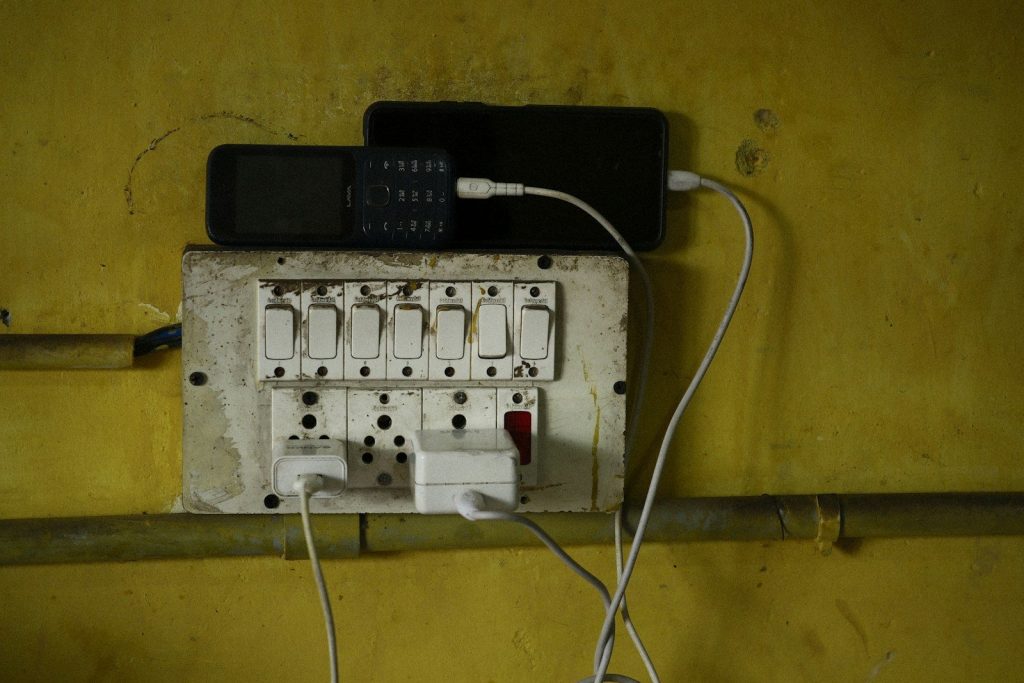
Plugging one power strip into another, or connecting a strip to an extension cord, is commonly called daisy-chaining. The arrangement can concentrate the entire load through one cord and hide how much current the first device is carrying. Power strips should remain uncovered, dry, and visible rather than being placed under rugs, mattresses, or piles of paper. Replace any unit with scorch marks, buzzing, loose sockets, a damaged cord, or a protection light showing that surge components have failed.
Certified Surge Protector Heavy Duty Cable
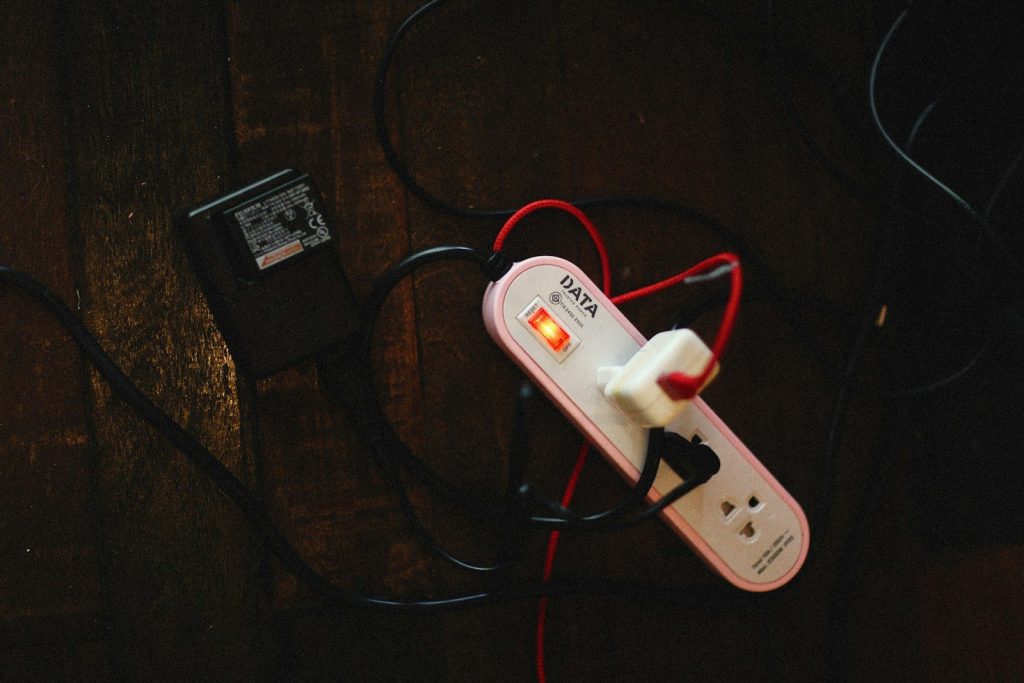
Choose a nationally recognized, safety-certified strip with a built-in circuit breaker and enough spacing for plugs. Place it where air can circulate, keep it away from moisture, and connect it directly to a permanent wall outlet. Add the wattage of connected devices and remain below the manufacturer’s rating. Use a true surge protector when sensitive electronics need spike protection. When high-power appliances repeatedly compete for too few outlets, the lasting solution is additional properly installed circuits, not a larger collection of adapters. This article is for informational purposes only.
Featured Image: Photo by David Thielen on Unsplash
Leave a Reply