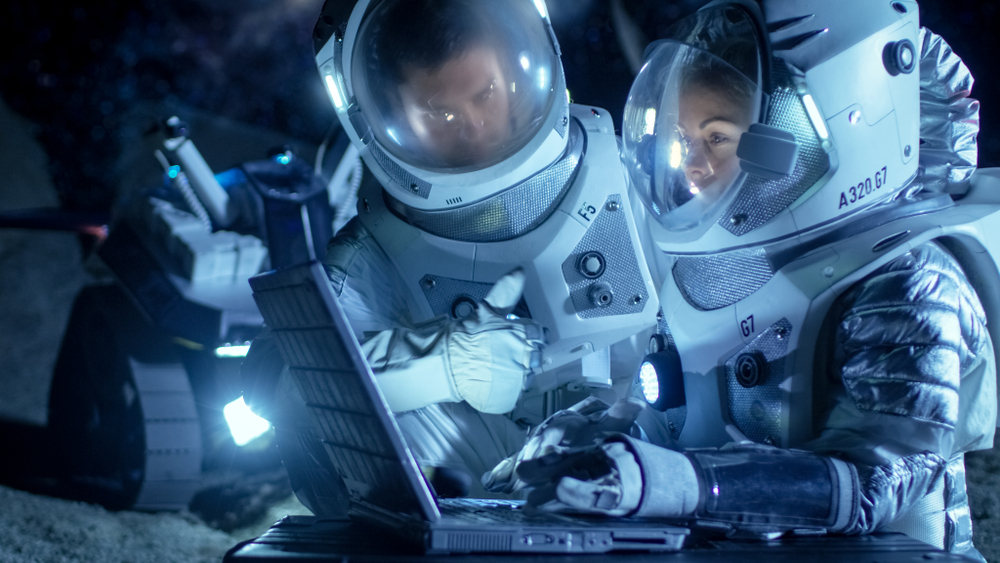
In June 1971, Soviet cosmonauts Georgi Dobrovolski, Vladislav Volkov and Viktor Patsayev appeared to have completed a historic mission. They had lived aboard Salyut 1, humanity’s first space station, for more than three weeks and were returning to Earth aboard Soyuz 11. Their capsule descended automatically and landed in Kazakhstan. Recovery crews rushed toward it expecting to welcome three record-setting space travelers home. Instead, when rescuers opened the hatch, they discovered that every member of the crew had died.
The catastrophe happened before the spacecraft reached the meaningful atmosphere. A pressure-equalization valve opened unexpectedly after the spacecraft’s modules separated, allowing cabin air to escape into space. The three cosmonauts were not wearing pressure suits and quickly lost consciousness. They became the first and, to date, only humans known to have died in space itself rather than during a launch accident, atmospheric breakup or impact on Earth. The disaster permanently changed how the Soviet space program approached crew protection.
Salyut 1 Space Station
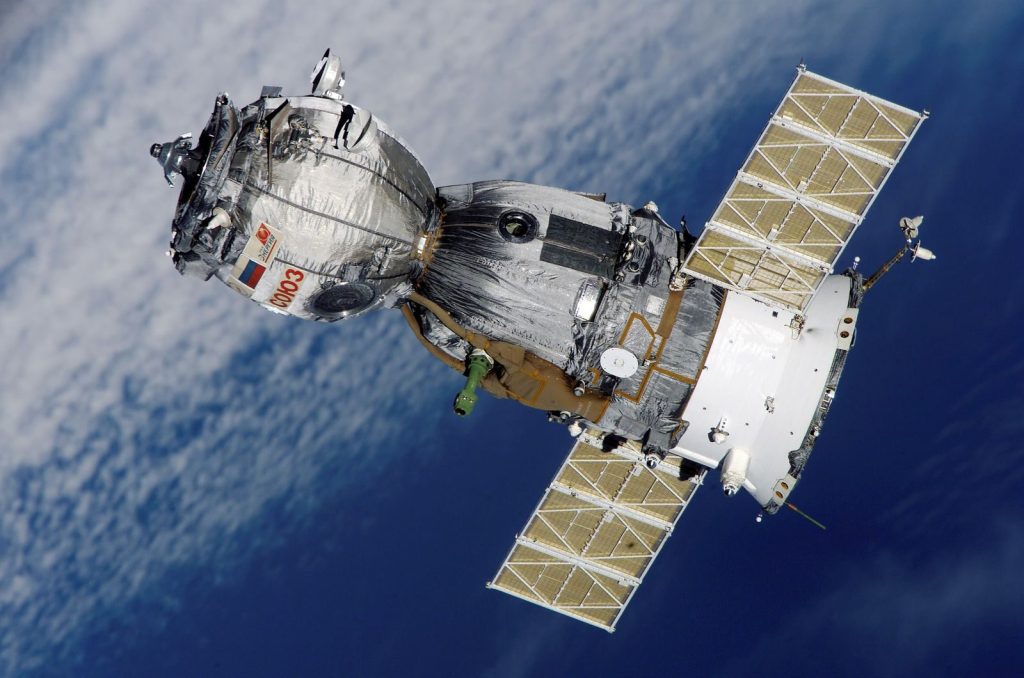
Salyut 1 entered orbit on April 19, 1971, becoming the world’s first space station. The achievement represented an important shift in human spaceflight. Instead of merely sending people on relatively short trips, the Soviet Union wanted astronauts to live and conduct research in an orbital laboratory. Soyuz 10 attempted the first crew visit, but its cosmonauts could not enter the station after docking difficulties. Soyuz 11 therefore carried the crew that would finally occupy Salyut 1 and prove that people could work aboard an orbital station for weeks.
The Last-Minute Crew Swap
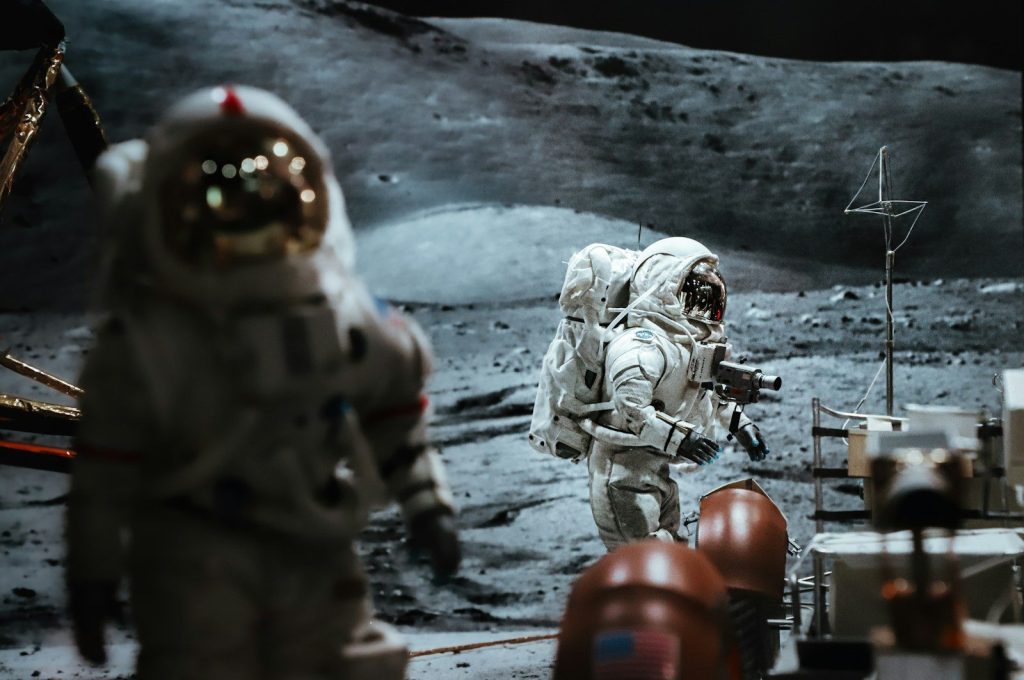
Dobrovolski, Volkov and Patsayev were not originally expected to fly Soyuz 11. The prime crew included veteran cosmonaut Alexei Leonov, Valeri Kubasov and Pyotr Kolodin. Shortly before launch, doctors found a suspicious mark on Kubasov’s lung and removed him from the mission. Soviet rules led to replacement of the complete crew, putting the backups aboard Soyuz 11 instead. Kubasov was later found not to have the feared illness. The medical decision unexpectedly altered the lives of six men only days before one of the era’s most important missions.
Three Weeks In Orbit

After launching on June 6, the Soyuz 11 crew reached Salyut 1 and began an extended stay that pushed the boundaries of human endurance in orbit. The three cosmonauts carried out experiments and observations while testing whether people could function inside a space station for weeks. NASA records the mission as a then record-setting stay of roughly 24 days from launch to landing. Their successful occupation of Salyut showed that orbital stations could become genuine workplaces rather than short-lived destinations, helping establish the basic idea behind later stations such as Mir and the International Space Station.
The Final Journey Home

When it was time to return, the three cosmonauts left Salyut 1 and boarded Soyuz 11 for what initially appeared to be a normal descent. The spacecraft was designed so that much of the return sequence could occur automatically. During preparations for atmospheric reentry, separate sections of Soyuz had to detach, leaving the descent module carrying the crew. Nothing about the capsule’s later landing immediately revealed what had already happened inside. That automation became a haunting part of the disaster because the spacecraft remained capable of completing its journey after its occupants became unconscious.
The Fatal Pressure Valve
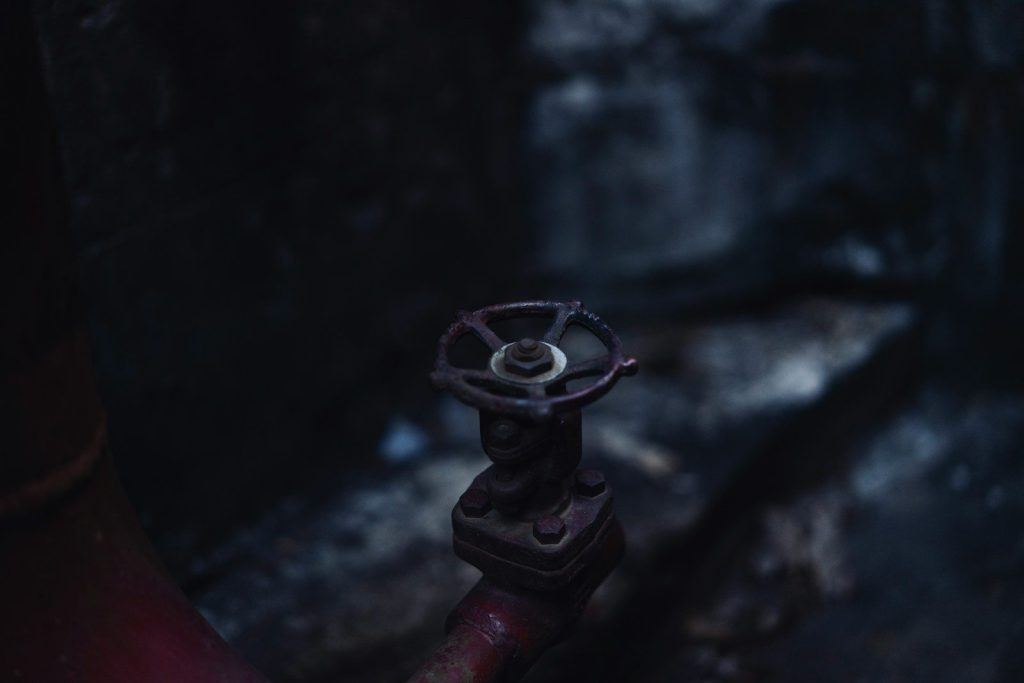
NASA’s reconstruction explains that explosive bolts used during module separation produced a shock that jarred open a pressure-equalization valve. The valve was supposed to open much later, when the spacecraft was descending by parachute safely within Earth’s atmosphere. Instead, it opened directly to the vacuum of space. Cabin air escaped in less than a minute. Evidence indicates that the crew tried to respond and close the valve manually, but doing so required more time than they had as the pressure inside their spacecraft rapidly collapsed.
No Pressure Suits Aboard
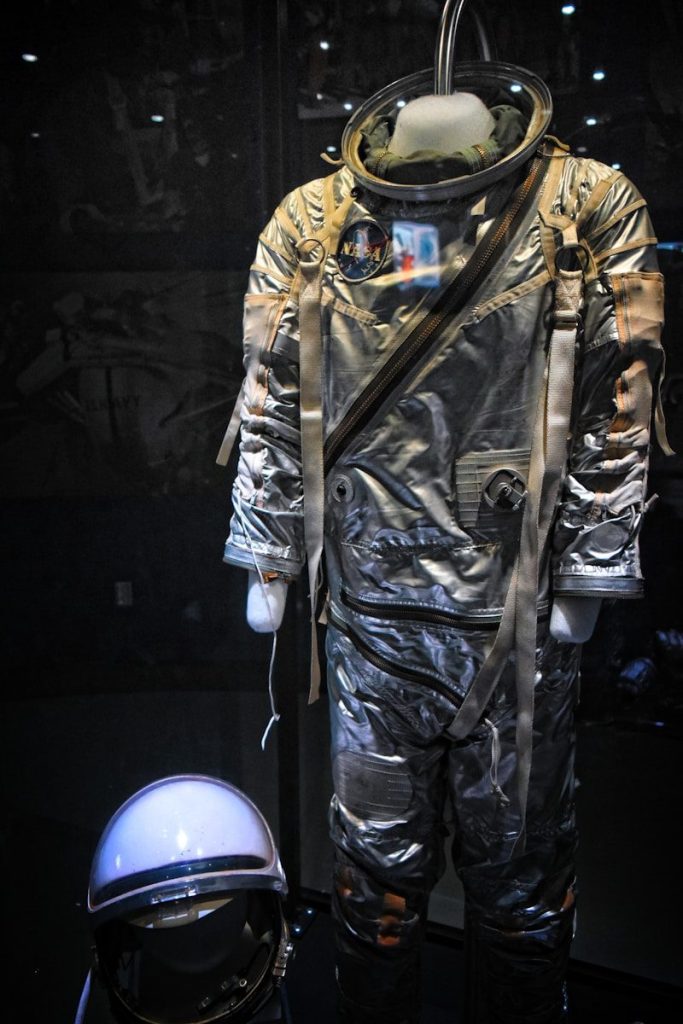
The Soyuz 11 crew had no individual pressure suits to protect them from a sudden cabin leak. Packing three cosmonauts into the descent module had led the Soviet program to fly them without suits during this phase of the mission. When the valve opened, that choice became fatal. NASA states that the cosmonauts rapidly lost consciousness as the pressure dropped and died within about two minutes. A pressure suit could provide a separate protective environment during depressurization, which is why the accident became a powerful lesson about backup protection during launch and reentry.
The Capsule Lands Normally
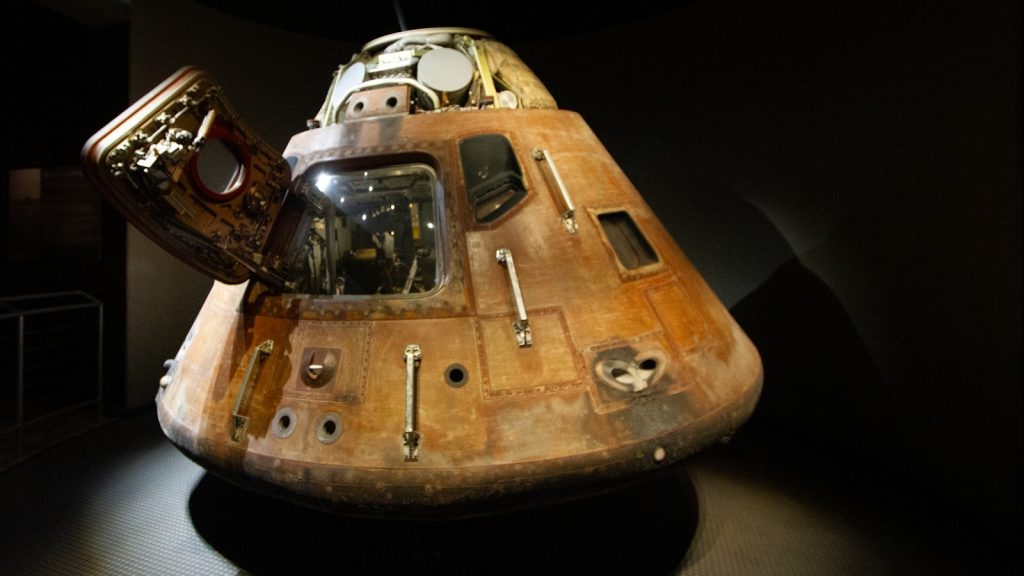
Soyuz 11 continued descending even though its crew could no longer respond. The spacecraft’s automatic systems guided it through reentry, its parachute opened normally and the capsule made a soft landing in Soviet Kazakhstan. Ground controllers had noticed the lack of voice communication, but the landing itself gave rescuers little warning of the scene awaiting them. Recovery teams opened the hatch and found all three cosmonauts still strapped into their seats. Attempts at resuscitation failed, turning what appeared from outside to be a successful return into one of spaceflight’s darkest moments.
Soyuz Safety Changes Follow
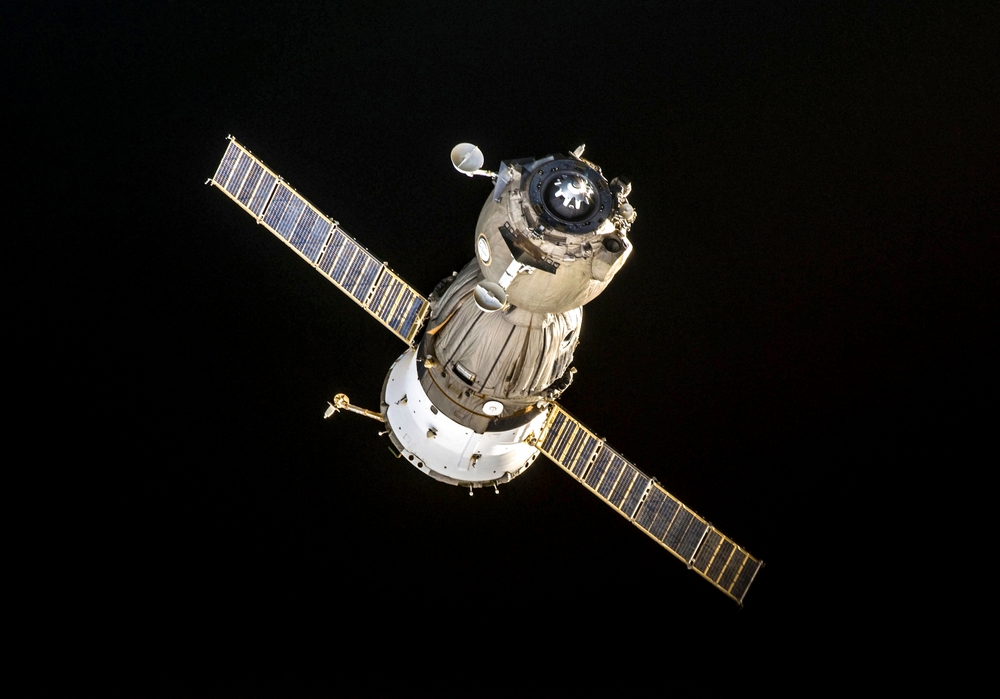
Crewed Soyuz flights were suspended while the Soviet Union investigated and redesigned the spacecraft. Later Soyuz crews wore pressure suits during launch and reentry, providing an individual layer of protection if cabin pressure was lost. Carrying the suits initially reduced the available room and contributed to Soyuz flying with two-person crews before later versions could again accommodate three. The spacecraft ultimately evolved into one of history’s longest-serving human spaceflight systems, but its later safety philosophy carried a painful lesson from Soyuz 11: a small mechanical failure can become catastrophic in the vacuum of space.
Featured Image: Shutterstock
Leave a Reply