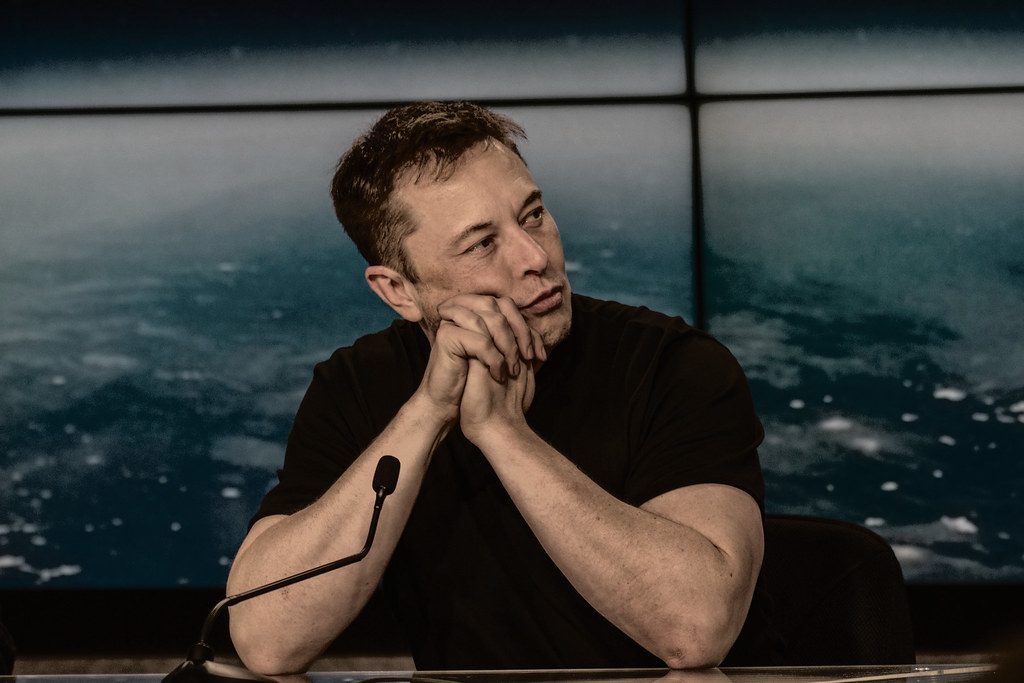
The original claim that Elon Musk “refuses” to go to space is not supported by his public comments. When TIME asked him about the subject in 2021, after Richard Branson and Jeff Bezos had both flown on commercial spacecraft, Musk said that he would go up “at some point.” He also explained that he viewed SpaceX’s purpose as much larger than giving its founder a personal spaceflight experience. The company, he said, was intended to help humanity become a spacefaring and ultimately multiplanetary civilization.
As of August 2026, there is still no publicly announced date for Musk to fly to space. That does not mean SpaceX lacks human-flight experience. Dragon spacecraft have carried numerous professional and private crews, while the much larger Starship continues an experimental test campaign. The distinction matters because Musk’s personal flight is separate from SpaceX’s engineering program. Available evidence supports saying that he has not yet gone, not that he has categorically refused to go or secretly fears the spacecraft his company builds.
He Never Said Never

Musk has publicly expressed interest in traveling beyond Earth. During his 2021 TIME interview, the discussion turned to the flights made that year by rival space-company founders Richard Branson and Jeff Bezos. Musk responded that he expected to go up at some point. Earlier, in a 2019 interview about the future of space exploration, he said he would like to visit both the Moon and Mars but described that ambition as secondary to the larger goal of making life multiplanetary. Those statements directly contradict the idea that he has adopted a personal rule against spaceflight.
SpaceX Has Bigger Goals
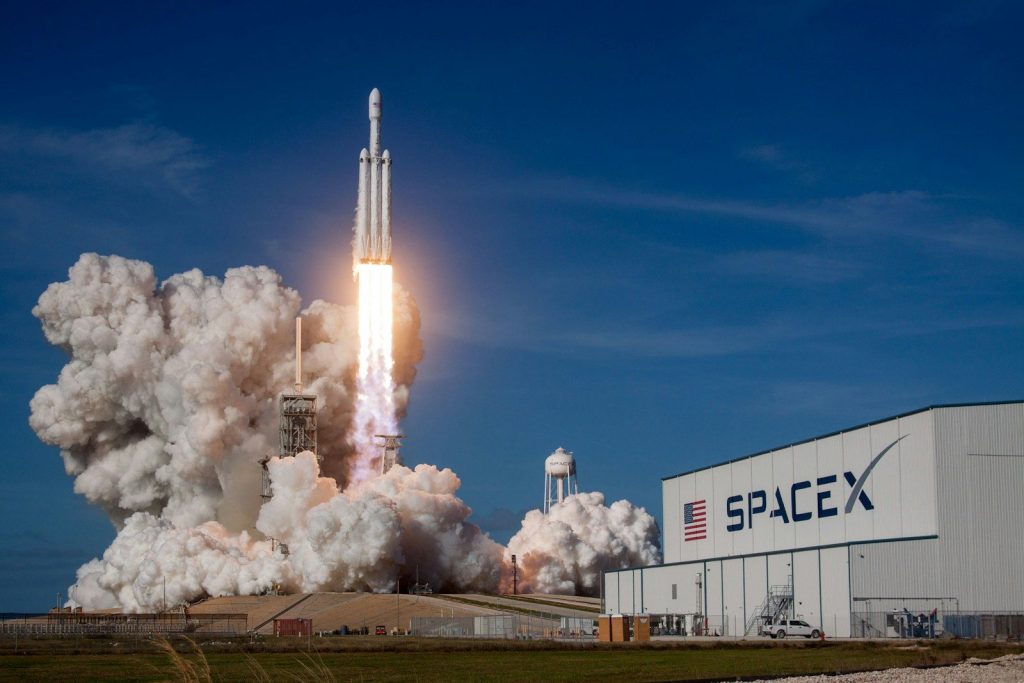
Musk has consistently framed SpaceX around building transportation infrastructure rather than organizing a founder-centered tourism flight. In his conversation with TIME, he described the company’s goal as helping humanity become a spacefaring civilization and eventually a multiplanetary species. That helps explain why his own seat has never been presented as a major SpaceX milestone. The company’s public achievements have instead centered on reusable rockets, satellite launches, NASA astronaut transportation and development of Starship. Whether Musk personally spends a few minutes or several days in space does not determine whether those engineering systems succeed.
Musk’s Virgin Galactic Deposit

There is also evidence that Musk once made a financial commitment toward somebody else’s commercial spaceflight system. In 2021, Richard Branson said Musk had placed a $10,000 deposit toward a future Virgin Galactic flight. No flight date was announced, and that old report does not establish the current status of any reservation in 2026. Still, the statement is relevant because it provides further evidence against the claim that Musk simply refuses to experience spaceflight. At least at that time, he had taken a concrete step toward reserving a commercial seat.
Dragon Already Carries People

SpaceX does not need Musk aboard a spacecraft to demonstrate that it can transport people. Crew Dragon began operational astronaut transportation earlier in the decade and continues supporting NASA missions. In February 2026, for example, SpaceX launched NASA’s Crew-12 mission toward the International Space Station. Dragon’s human-flight record comes from trained professional astronauts and private mission participants rather than from its company founder. This separates SpaceX from the publicity model used during early flights by Blue Origin and Virgin Galactic, whose founders personally joined headline-making missions aboard their companies’ vehicles in 2021.
Starship Is Still Experimental

The vehicle most closely associated with Musk’s long-term Moon and Mars ambitions is nowhere near the same operational stage as Crew Dragon. Starship completed its 13th integrated flight test in July 2026, successfully deploying 20 Starlink V3 satellites and bringing its upper stage to an intact ocean splashdown. Yet it remains a developmental system undergoing changes between versions and flights. NASA is still conducting engineering work on the Version 3 architecture for future Artemis demonstrations. Putting any passenger aboard Starship requires a different level of maturity from flying another uncrewed test mission.
Human Flights Need Safeguards
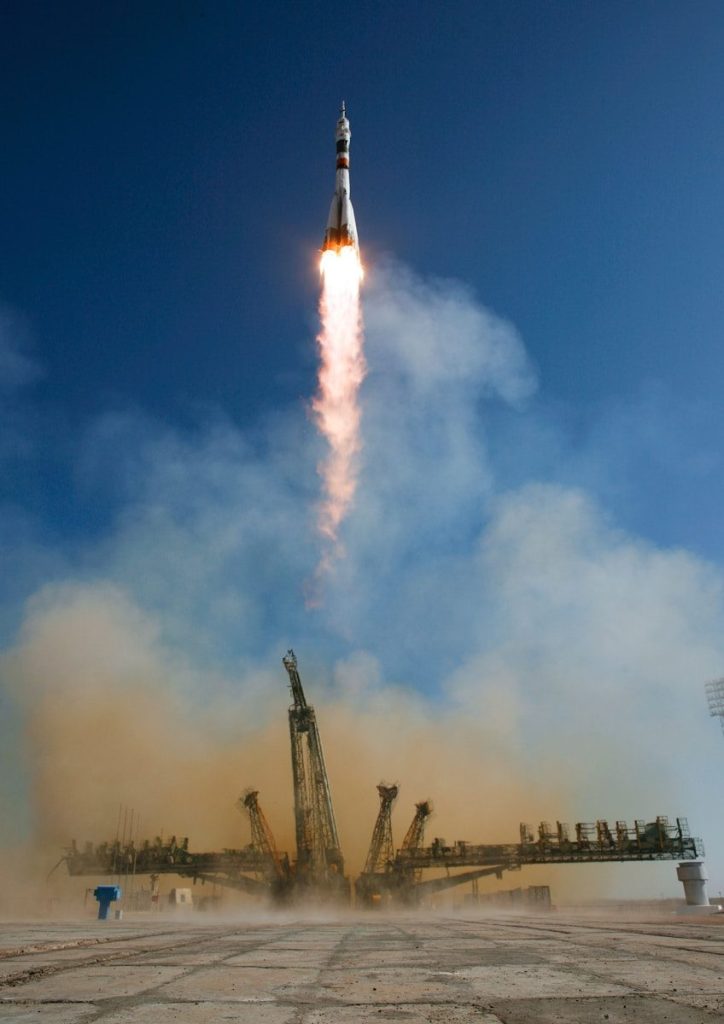
Commercial human spaceflight also carries requirements that do not apply in the same way to an uncrewed experimental mission. The FAA requires operators to provide systems such as life support, fire detection and suppression when people are carried. Participants must also receive written information about known and unknown risks and acknowledge that the U.S. government does not certify commercial launch vehicles as safe for carrying humans. The FAA additionally requires an operational test flight before approving a vehicle to carry spaceflight participants, showing why adding people to an experimental rocket is not simply a matter of finding an empty seat.
Musk Wants Moon Mars

Musk’s public comments have repeatedly placed distant destinations above the personal prestige of simply crossing the boundary of space. He told TIME that SpaceX’s broader mission involved making humanity spacefaring and multiplanetary, and he has previously said he would like to visit the Moon and Mars. Meanwhile, NASA’s current plans are giving Starship a concrete role closer to Earth: a Version 3 test article is expected to participate in Artemis III’s planned 2027 low-Earth-orbit demonstrations as NASA prepares for later lunar-surface missions. The engineering program remains far more immediate than Musk’s personal travel plans.
No Flight Date Exists

The most accurate answer to the mystery is surprisingly simple. Musk has not publicly rejected space travel, and there is no reliable evidence that fear of his own rockets explains why he remains on Earth. He has previously said he expects to fly eventually and has expressed interest in traveling to the Moon and Mars. At the same time, no confirmed public schedule currently places him aboard Dragon, Starship or another company’s spacecraft. Until that changes, the factual headline is not that Musk “refuses” spaceflight, but that the man behind SpaceX simply has not made his own flight a public priority.
Featured Image: “Elon Musk” by dmoberhaus is licensed under CC BY 2.0
Leave a Reply