Popular advice sometimes says microwaves, refrigerators, freezers, and medical devices should never use GFCI-protected outlets in modern homes because power might shut off unexpectedly. That wording is misleading. Ground-fault circuit interrupters are life-safety devices, and electrical codes require their protection in many kitchens, garages, basements, laundry areas, bathrooms, and outdoor locations.
The real concern is reliability planning, not avoiding GFCI protection. Certain appliances may experience unwanted trips, while unnoticed power loss can spoil food or interrupt essential equipment. Homeowners should follow current local code, appliance instructions, and professional guidance. Removing, bypassing, or replacing required GFCI protection with an ordinary outlet can increase shock risk.
GFCI Electrical Outlet Circuit Breaker
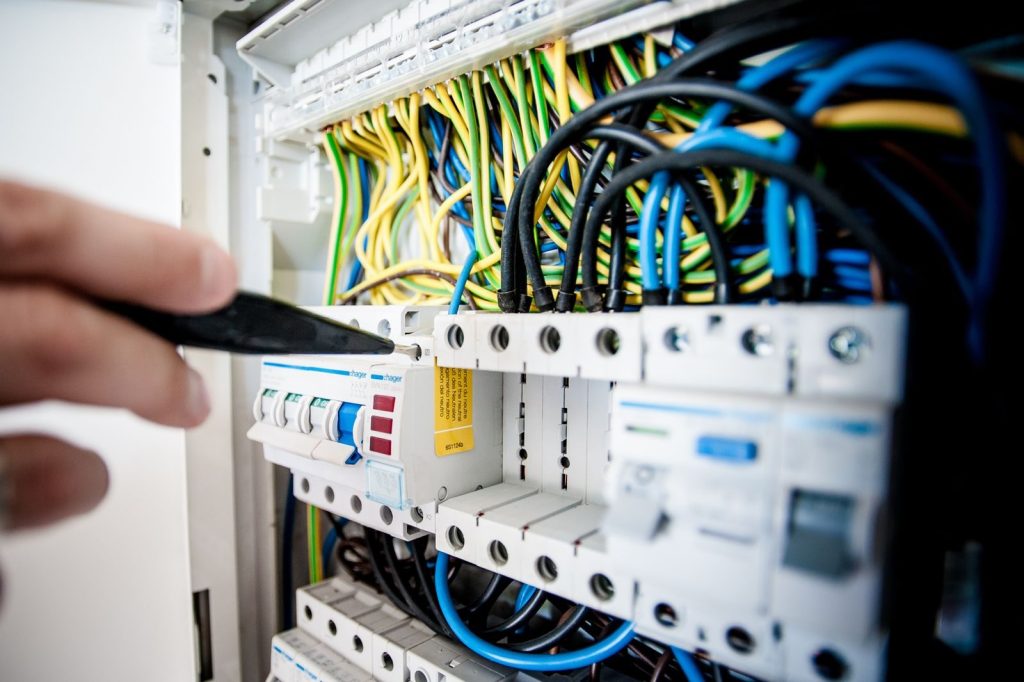
A GFCI compares the current flowing out on the hot conductor with the current returning on the neutral. If even a small amount takes another path, possibly through a person or wet surface, the device disconnects power extremely quickly. It is designed primarily to reduce severe shock and electrocution risk, not to prevent every overload. The protection may be located in a receptacle, a circuit breaker, or portable equipment, and one device can protect outlets farther downstream.
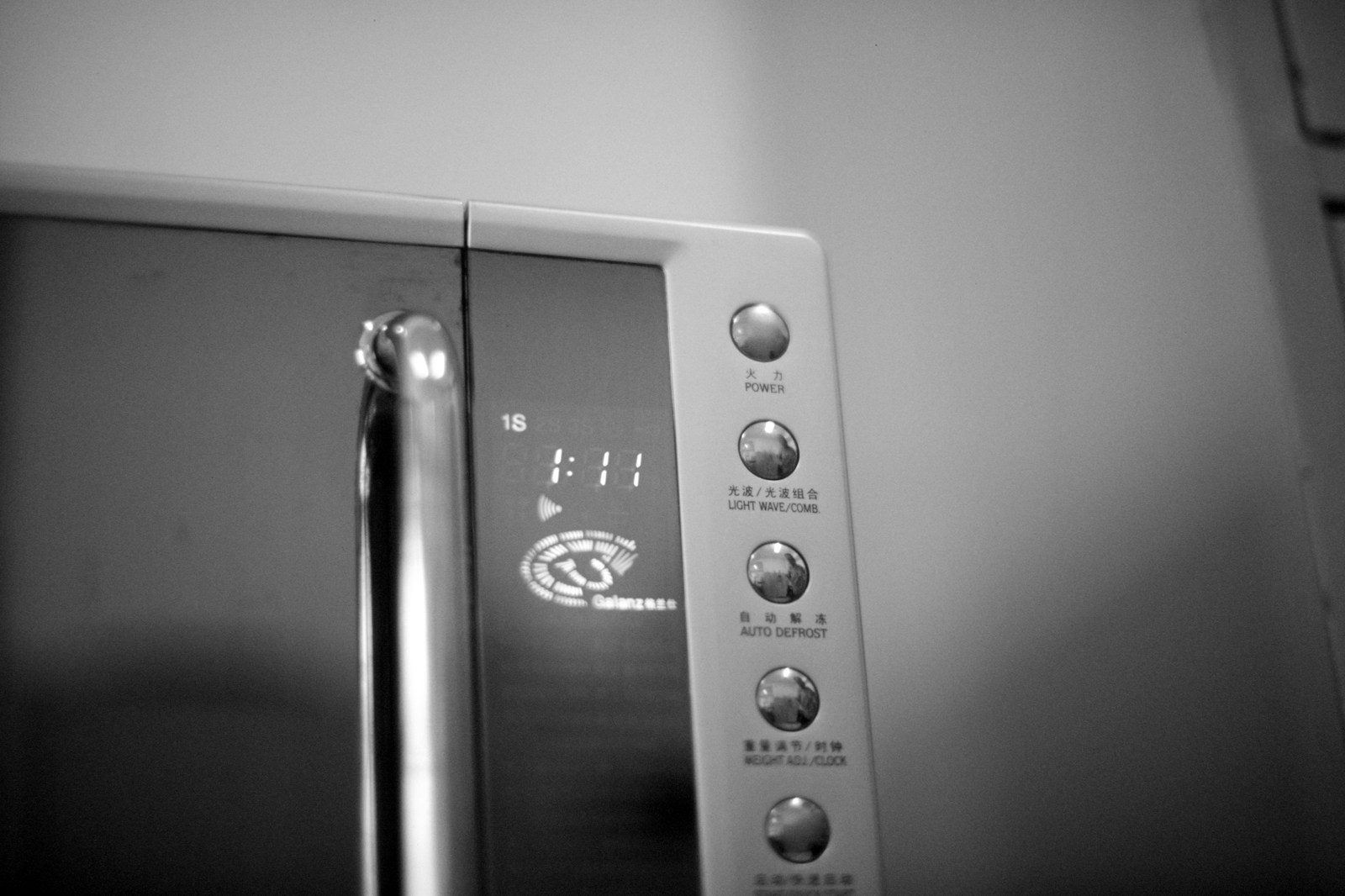
Modern Kitchen Built In Microwave Oven

Microwaves can draw substantial power and are commonly placed on individual branch circuits, especially when built into cabinetry. Older or defective equipment may leak current or create electrical noise that contributes to tripping, but a properly operating appliance should not require homeowners to defeat safety protection. Modern electrical rules may require GFCI protection depending on the location and adopted code edition. Repeated trips call for inspection of the microwave, receptacle, wiring, and circuit rather than repeatedly resetting the device without finding the cause.
Kitchen Refrigerator Compressor Power Outlet

A refrigerator compressor cycles on and off, and food may spoil if a trip goes unnoticed. That consequence makes alarms, dedicated circuits, and correct installation important. It does not automatically justify using an unprotected outlet where code requires GFCI protection. Newer code editions have expanded protection for kitchen and other household outlets, though local adoption varies. If a refrigerator repeatedly trips a GFCI, the appliance may have leakage, moisture, damaged wiring, or compatibility problems that a qualified electrician or technician should investigate.
Home Medical Oxygen Concentrator Machine

Devices such as oxygen concentrators, ventilators, and some other medical equipment may need continuous electricity. Users should not solve that need by bypassing required shock protection. Instead, they should follow the equipment instructions and create a documented backup-power plan with healthcare and electrical professionals. Depending on the device, that plan may include an internal battery, an approved uninterruptible power supply, a generator, alarms, or emergency contacts. Life-supporting equipment requires individualized planning rather than generic internet advice.
Electrician Testing GFCI Circuit Wiring
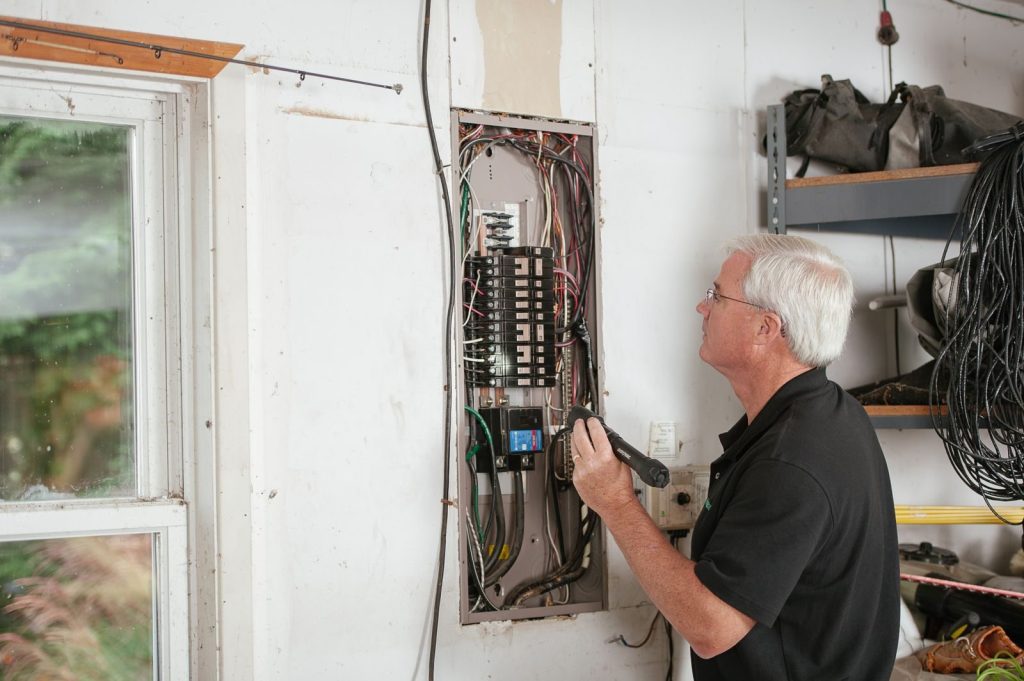
The phrase “nuisance trip” can make a shutdown sound meaningless, but a GFCI may be responding to real leakage from aging insulation, moisture, a damaged cord, or a failing appliance. The protective device itself can also wear out or be installed incorrectly. Repeated tripping should therefore be treated as evidence that something needs testing. Moving the appliance to an ordinary outlet may hide the warning while leaving the electrical fault in place, increasing the chance of shock or equipment damage.
National Electrical Code Inspection Manual
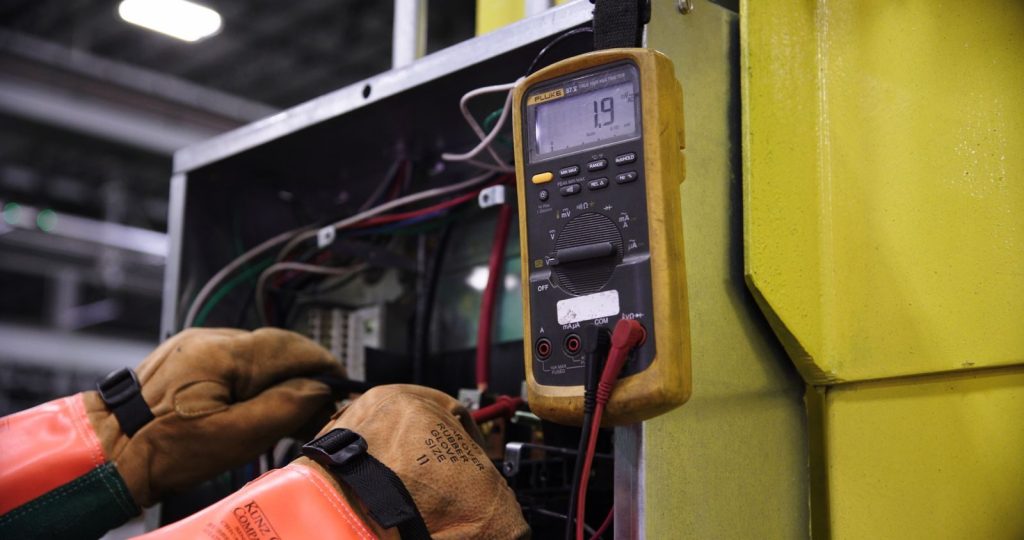
The National Electrical Code is a model standard, but states, cities, and other jurisdictions adopt different editions and may add local amendments. Requirements can therefore vary by building age, room, outlet location, voltage, and appliance type. A rule quoted from an older article may no longer apply to a new kitchen or renovation. Homeowners should not alter GFCI protection based on a universal list. A licensed local electrician can identify what the current code requires for the exact circuit and appliance.
Home Electrical Panel Breaker Safety
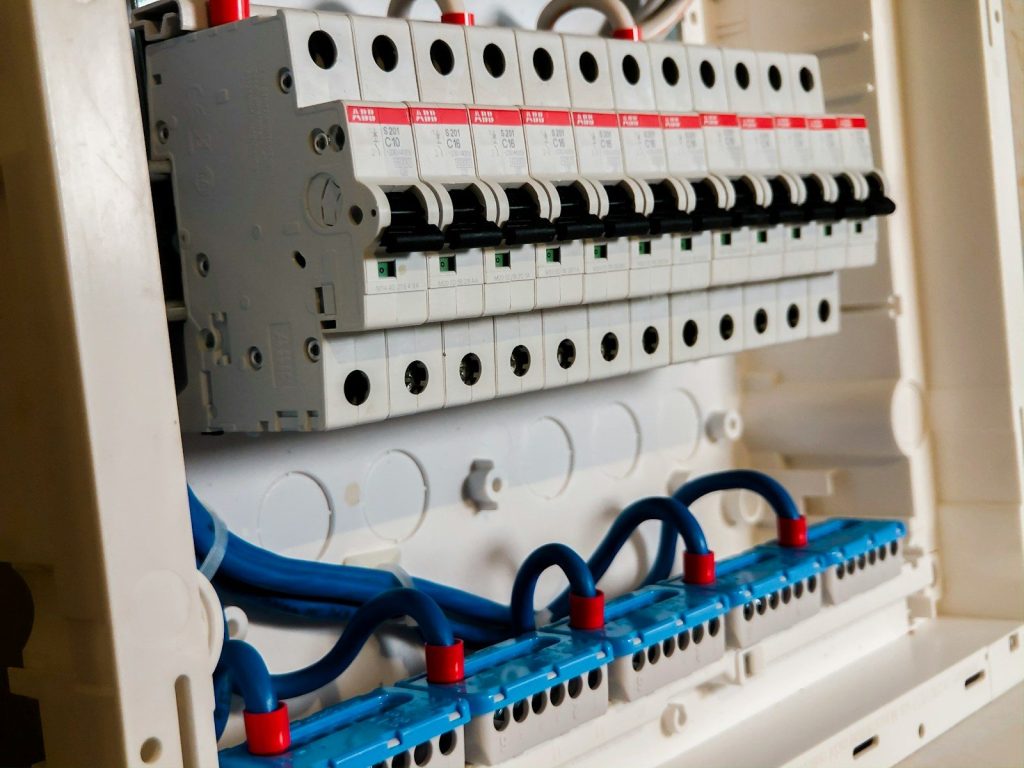
Microwaves, refrigerators, freezers, and medical devices are not automatically forbidden on GFCI-protected circuits. The correct setup depends on local code, the appliance listing, circuit design, and the consequences of losing power. Use dedicated circuits where required, test GFCIs regularly, investigate repeated trips, and add alarms or backup power when interruption creates serious risk. The safest response is never to defeat protection casually; it is to design a system that provides both shock protection and dependable operation. This article is for informational purposes only.
Leave a Reply