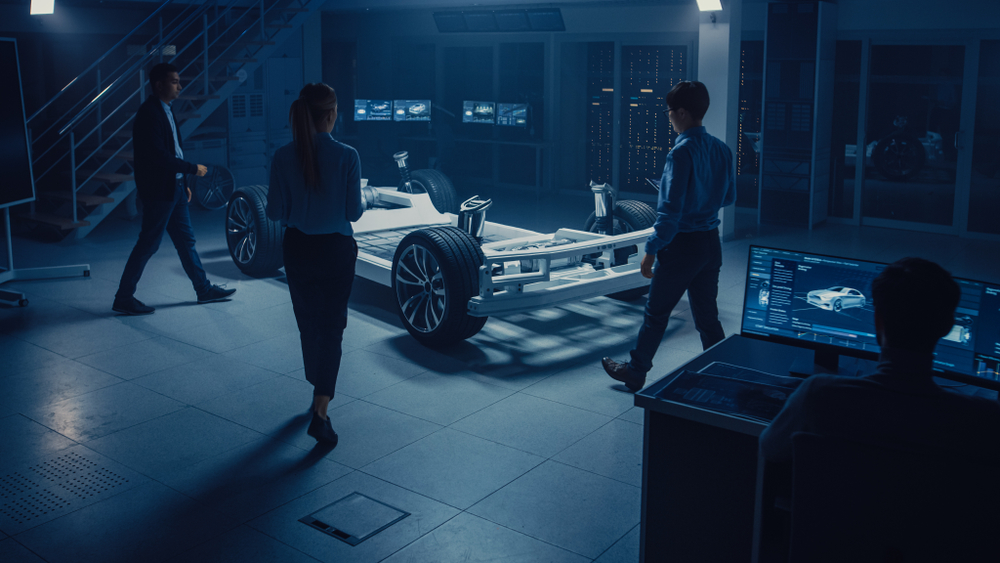
Most consumers assume the transition to electric vehicles and commercial spaceflight would move smoothly. We expected rapid technological upgrades to solve engineering hurdles without major delays.
But real-world manufacturing and regulatory hurdles are proving far more complex than anticipated. Leading technology companies are confronting difficult physical limits as industry competition grows.
Electric Vehicle Showroom Competition
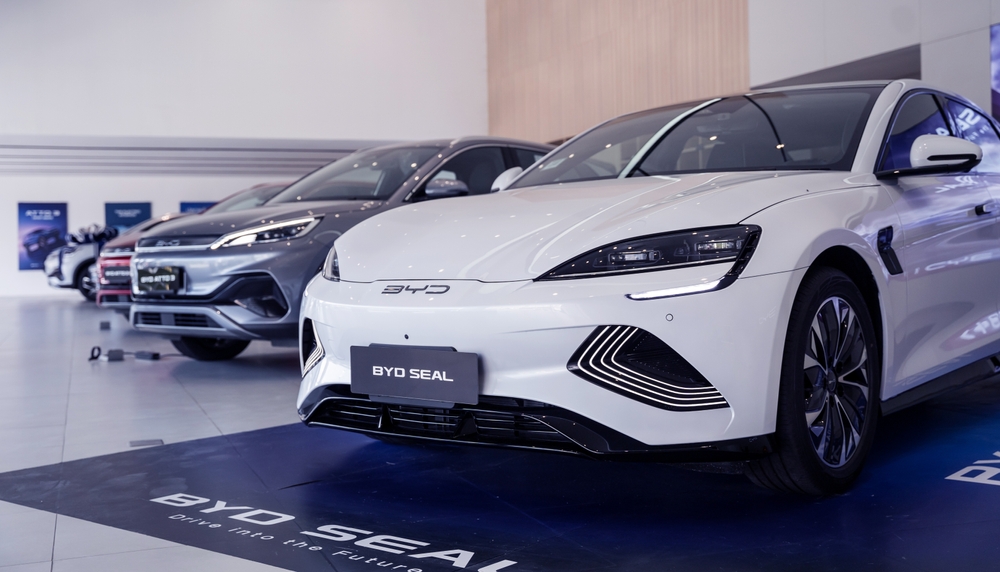
Electric vehicle pioneer Tesla faces increasing market pressure from international automakers across major markets. According to automotive industry reports from Bloomberg, global competitors are releasing lower-cost electric models. Competition is fierce. Market share is shifting as new players enter the market.
Autonomous Driving Code Testing

Developing fully autonomous driving software presents unprecedented computer vision and sensor challenges. According to engineering analysis from IEEE Spectrum, edge cases in complex traffic require massive computational power. Safety takes time. Achieving true full autonomy demands millions of testing miles.
SpaceX Starship Rocket Launch
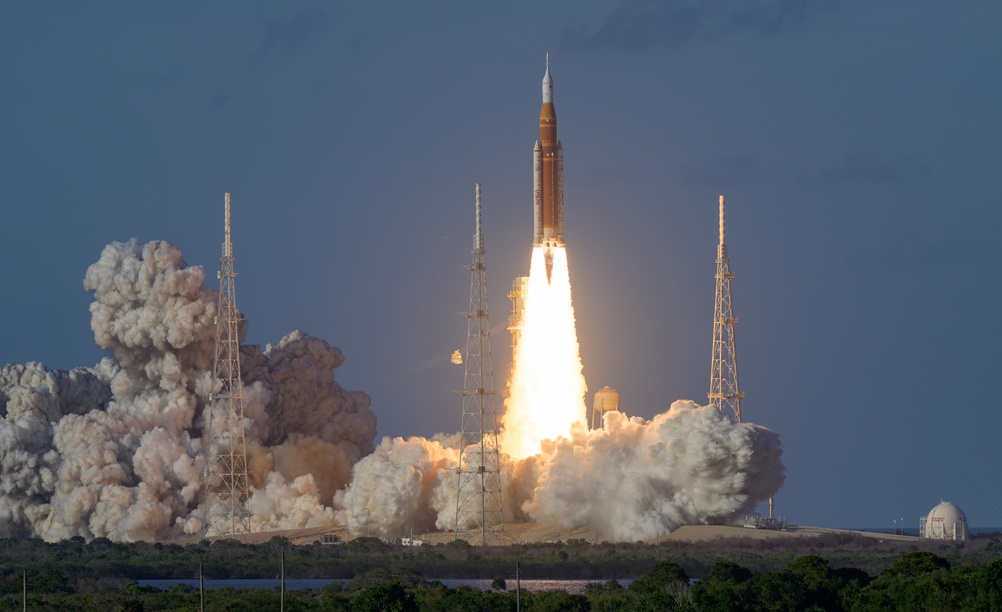
SpaceX Starship project aims to revolutionize space travel, but massive rockets face immense physical stress. According to NASA mission updates, atmospheric reentry heat and structural pressures require constant engineering adjustments. Testing is intense. Each launch test reveals vital data for future hardware iterations.
Government Safety Inspection Compliance

Both aerospace launches and autonomous vehicles operate under strict environmental and safety regulations. According to reports from the Federal Aviation Administration, regulatory reviews ensure public safety before flight approvals. Safety is first. Compliance requires extensive documentation and safety verification procedures.
Lithium EV Battery Manufacturing
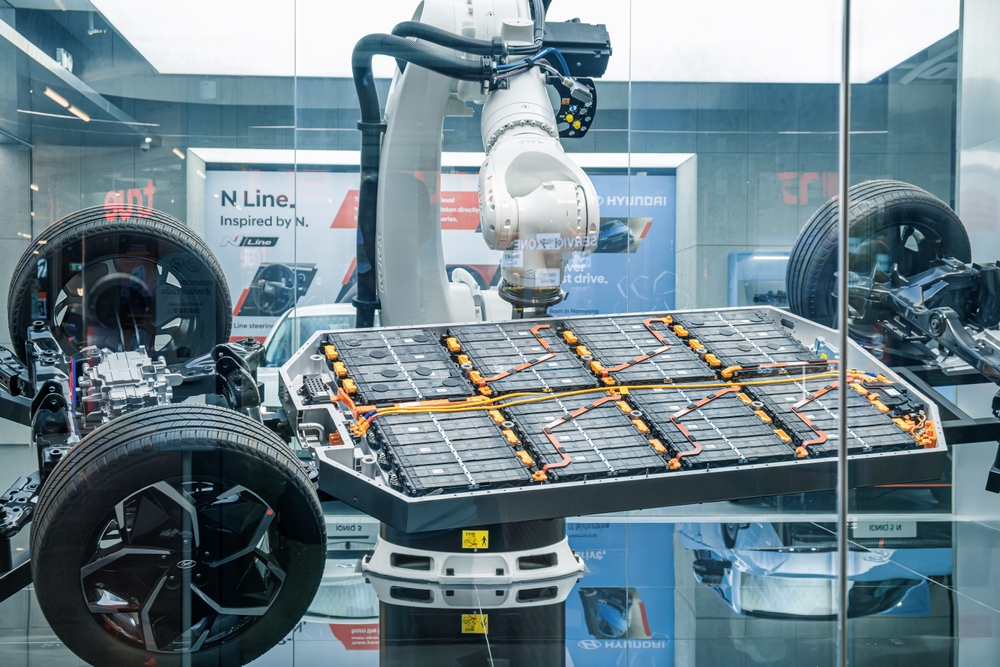
Scaling production requires steady access to raw materials like lithium, nickel, and synthetic graphite. According to materials science studies, battery chemistry innovations must balance energy density with manufacturing costs. Resources are finite. Securing raw materials remains a priority for global manufacturers.
Stock Market Financial Analytics

Stock valuations for innovative tech companies rely on ambitious multi-year growth projections. According to financial analysts from Wall Street, production delays often lead to market valuation adjustments. Markets adjust quickly. Balancing vision with quarterly execution presents an ongoing challenge.
Futuristic High Tech Engineering
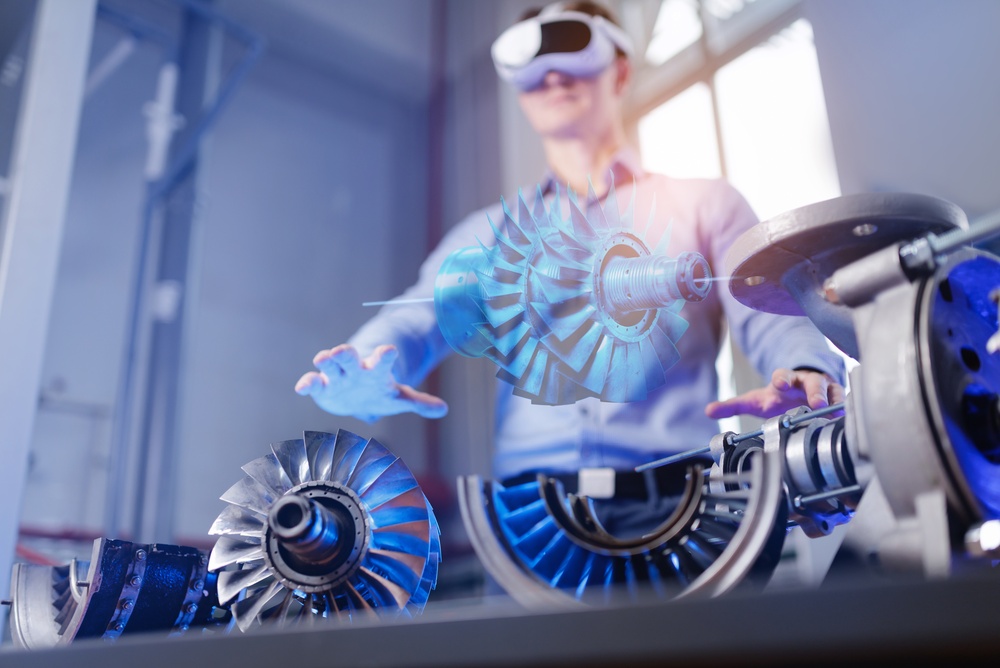
Overcoming extreme engineering challenges has always been necessary for technological progress throughout history. According to leading industry analysts, persistent iteration ultimately drives long-term technological breakthroughs across industries. Innovation takes time. The journey toward advanced transport and spaceflight continues every day. This article is for informational purposes only.
Featured Image: Shutterstock
Leave a Reply