
Homing pigeons can be transported away from familiar surroundings and still work their way toward home without electronic maps or satellite signals. Scientists have investigated this ability for generations, discovering that pigeons do not depend on one magical sense. Evidence shows that they can use smells, the Sun, familiar visual landmarks, memory and information associated with Earth’s magnetic field. Their navigation system is therefore better imagined as a flexible biological toolkit in which different cues become useful under different environmental conditions.
The mystery became even more interesting in May 2026. Researchers reported in Science that iron-rich immune cells called macrophages in pigeons’ livers appear important for detecting magnetic direction. When researchers experimentally removed these cells, pigeons became much worse at orienting homeward under overcast skies, when the Sun could not provide a strong alternative compass. The discovery does not mean the liver explains every part of pigeon navigation, but it adds a surprising new mechanism to a system scientists already knew was remarkably complex.
The Homing Pigeon Advantage

Homing pigeons have been selectively bred for a powerful tendency to return to their home loft after being released elsewhere. That reliable behavior makes them unusually useful for scientific research because individual journeys can be repeated under controlled conditions. Modern miniature GPS devices have transformed those experiments, allowing researchers to record a pigeon’s position every second and compare routes over repeated flights. The resulting tracks show that experienced pigeons often develop highly consistent paths, revealing that successful homing involves learning and memory rather than a simple instinct that always points directly toward home.
Smell Builds Mental Maps

One of the strangest pieces of pigeon navigation involves smell. More than four decades of experiments support the idea that pigeons learn the pattern of airborne odors around their home area. Winds arrive from different directions carrying different chemical mixtures, allowing birds to associate particular odor patterns with geography. When displaced to unfamiliar territory, those relationships can help a pigeon estimate where it is relative to home. Max Planck researchers reported that atmospheric odor distributions are consistent with this “olfactory map” idea, showing that a pigeon’s geographical information may literally be carried through the air.
The Sun Becomes Compass

Pigeons can also use the Sun to maintain direction. A sun compass requires more than simply looking toward the brightest object in the sky because the Sun moves across the sky throughout the day. Birds combine its position with an internal sense of time to estimate direction. Experiments have deliberately shifted pigeons’ biological clocks so researchers could observe how their routes change when sun-compass information conflicts with familiar landmarks. The results show that the Sun is important, particularly when other navigational information is limited, but experienced birds can increasingly rely on learned landscape features.
Landmarks Shape Familiar Routes
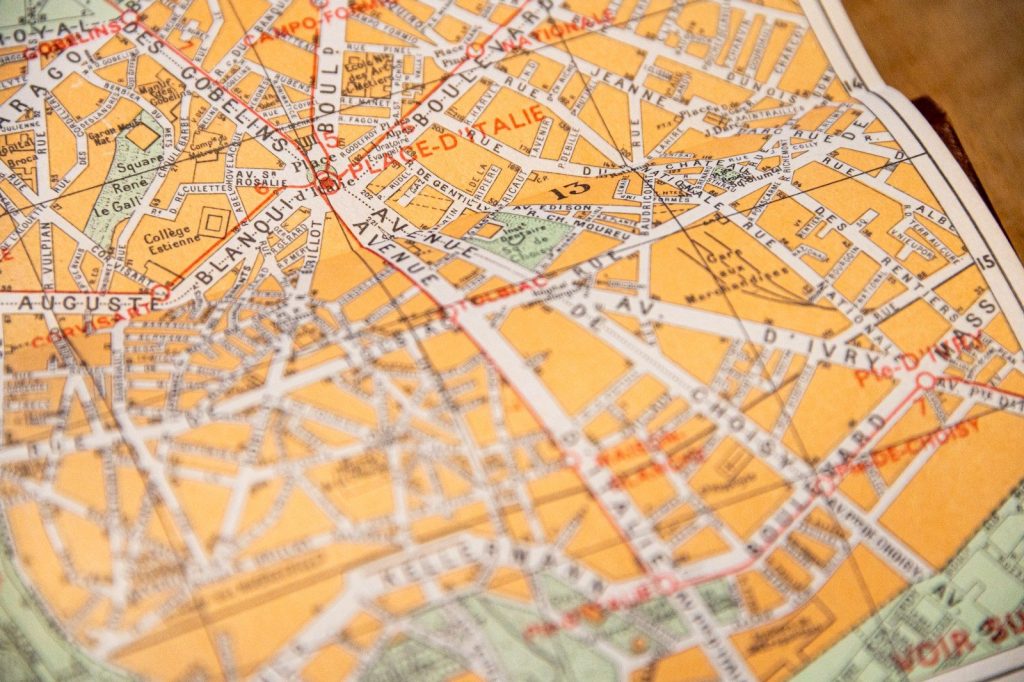
When pigeons repeatedly fly across familiar territory, their routes can become surprisingly consistent. GPS studies have found birds following recognizable sections of landscape rather than continually calculating a straight line toward their loft. Research describing “route loyalty” supports the idea that experienced pigeons use visual pilotage, remembering chains of landmarks that help guide them home. Roads, rivers, field boundaries, towns and other prominent features may therefore function like biological waypoints. In this part of their journey, pigeon navigation resembles the familiar human experience of recognizing specific turns and buildings along a route traveled many times before.
Earth’s Magnetic Field Helps
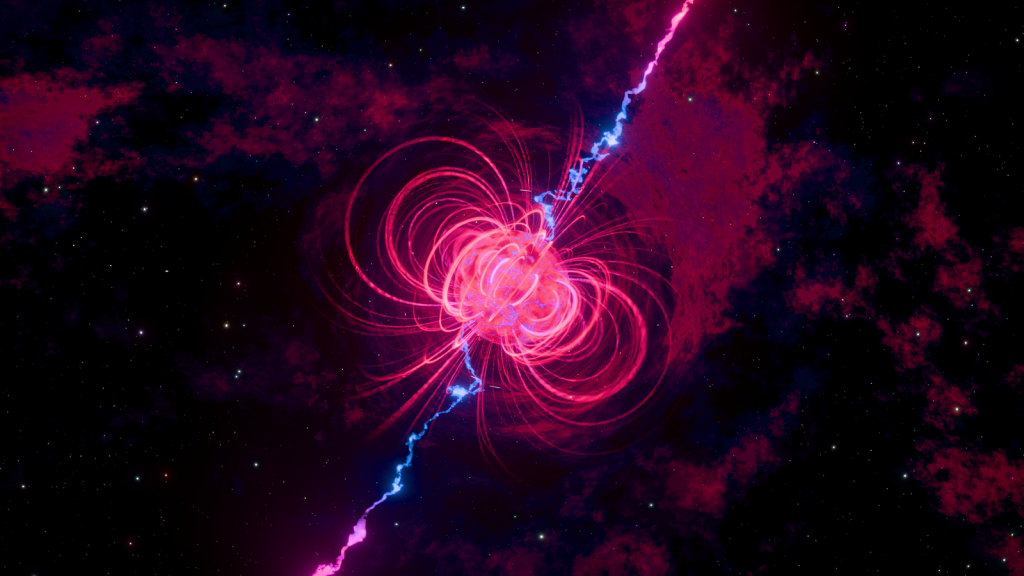
Scientists have long gathered behavioral evidence that birds can obtain directional information from Earth’s magnetic field, but determining exactly how their bodies detect such a weak natural signal has proved difficult. Different theories have proposed mechanisms involving light-sensitive molecules in the eyes, structures in the beak and other tissues. Magnetic information also appears to interact with other navigational systems rather than replacing them. Pigeons can use the Sun or remembered landmarks when those signals are available, suggesting that evolution has equipped them with overlapping tools instead of forcing every journey to depend on one vulnerable biological compass.
Iron Cells Inside Liver

The 2026 study pointed researchers toward an organ that had not traditionally been considered a navigation sensor: the liver. Scientists identified macrophages that accumulate iron while breaking down old red blood cells. According to the research team, these iron-rich cells have magnetic properties that could allow them to respond to Earth’s magnetic field. Laboratory measurements and flight experiments together suggested the cells are required for magnetic direction finding. Researchers also found evidence supporting communication between this sensory process and the nervous system, although exactly how the brain interprets the information remains an important question.
Cloudy Skies Reveal Compass

The most revealing part of the liver experiment came when weather removed another navigation option. Researchers temporarily depleted the iron-rich liver macrophages and released pigeons under different sky conditions. When the Sun remained visible, the birds could still orient using other information. Under overcast skies, however, their directional ability was disrupted. That contrast suggested the magnetic mechanism becomes especially important when solar guidance cannot be used. Rather than proving that one organ acts like a complete built-in GPS, the experiment showed how pigeons can shift between sensory systems depending on what information their environment provides.
GPS Tracks Their Learning
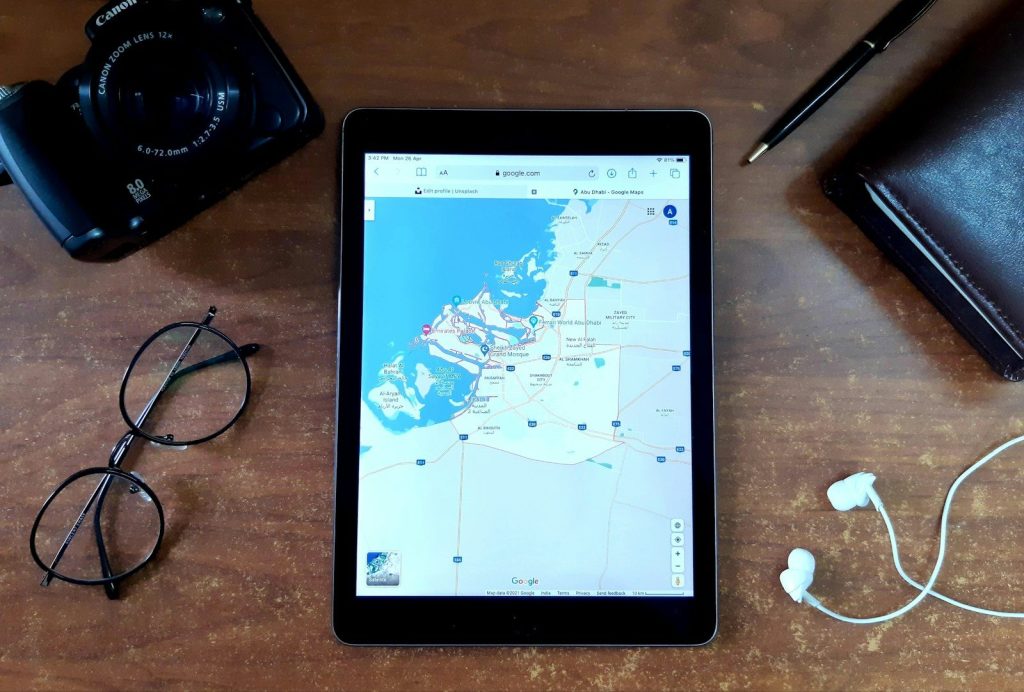
The claim that pigeons “outsmart satellites” is entertaining but scientifically misleading. GPS is an engineered positioning system capable of extremely precise location calculations, while pigeons use biological senses and learned information and can still become lost. Ironically, GPS technology has become one of the best tools scientists have for understanding the birds. Lightweight trackers reveal how pigeons memorize routes, respond to landmarks and change their behavior with experience. Their real achievement is not outperforming modern navigation technology, but solving a similar problem with smell, sunlight, magnetism, vision and memory instead of satellites and digital maps.
Featured Image: Photo by Syed Ahmad on Unsplash
Leave a Reply