Author: Dylan

  • Why A Seven Thousand Year Old Stone House Rewrites History

    Why A Seven Thousand Year Old Stone House Rewrites History

    Historians have always believed that early European farmers lived in flimsy wooden huts. We assumed that permanent stone engineering only began thousands of years later.

    But a stunning excavation in France has completely shattered this timeline. Archaeologists have uncovered a massive prehistoric fortress built with advanced masonry.

    The Unexpected Dig

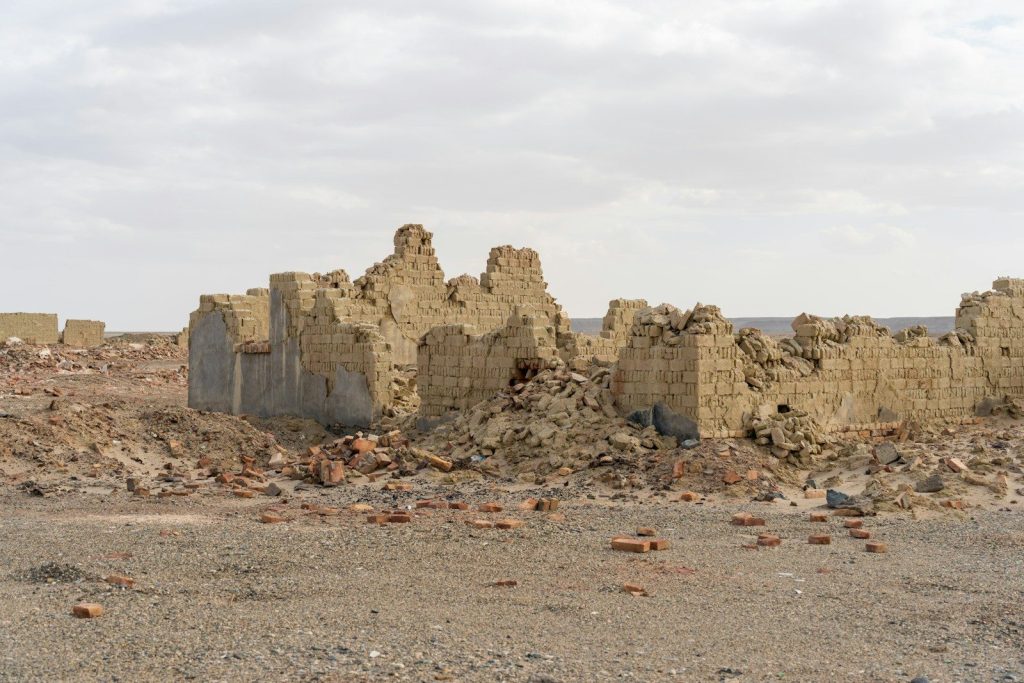
    Man repairing ancient brick structure outdoors
    Photo by AJOY DAS on Unsplash

    Excavators working in the French countryside expected to find typical clay ruins. Instead, they hit a massive underground structure. According to the French National Institute for Preventive Archaeological Research, this ancient dwelling dates back seven thousand years. It was incredibly sturdy. But the sheer scale of the masonry pointed to a highly advanced construction method.

    Master Stone Cutters

    a stone wall made of rocks and cement
    Photo by Éole Wind on Unsplash

    The builders did not just pile up random boulders to make walls. They carefully shaped giant limestone blocks to fit together perfectly. According to geological surveys, this complex technique was completely unknown in Europe during this era. They were true pioneers. Yet, the way they moved these heavy stones remains a massive puzzle.

    A High Tech Village
    brown rock formation under white clouds during daytime
    Photo by ダモ リ on Unsplash

    This single stone house was actually part of a much larger settlement. The site featured complex drainage channels and defensive ditches. According to archaeological reports, this early village showed signs of advanced urban planning. It was highly organized. But the artifacts found inside the stone walls would reveal an even greater secret.

    Prehistoric Trade Networks
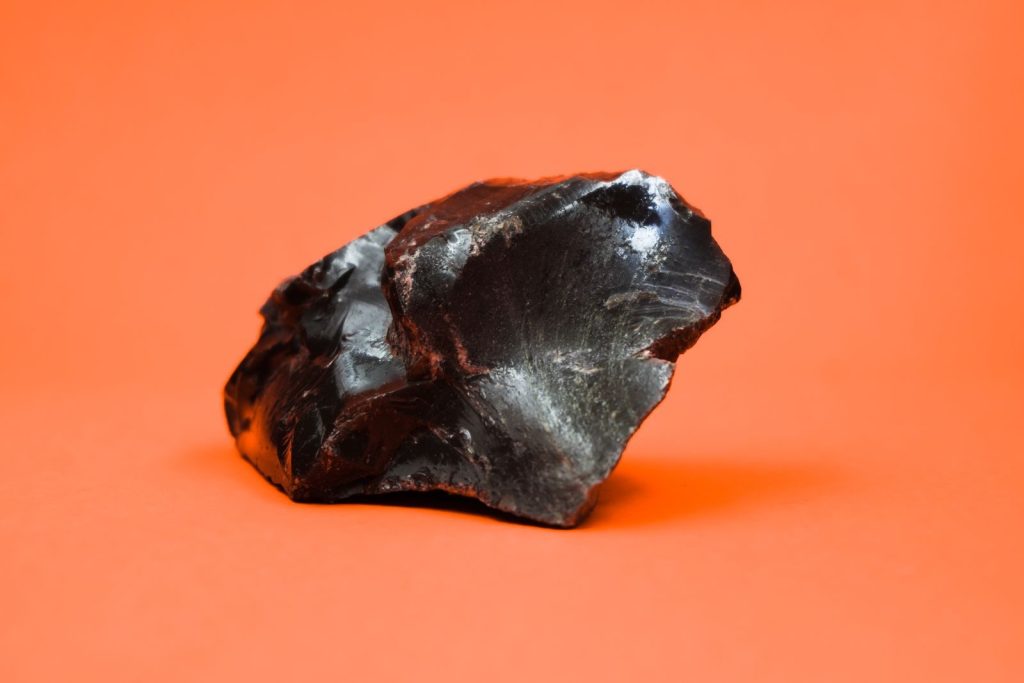
    Close-up shot of a glossy obsidian stone with a sharp texture against a vibrant orange background.
    Photo by Samiran Biswas on Pexels

    Researchers excavating the floor discovered rare obsidian blades and beautifully polished axe heads. These exotic materials did not originate anywhere near the French valley. According to laboratory analysis, these tools came from volcanic islands hundreds of miles away. They traded across seas. This active trade network suggests they had access to some incredible seafaring technology.

    Surviving The Elements

    a stone wall in the middle of a snowy forest
    Photo by TiAchen Aier on Unsplash

    The climate of Europe was shifting dramatically when this house was built. Rising temperatures forced these early farmers to adapt their architecture. According to climate historians, stone walls provided vital insulation against both blistering summer heat and freezing winter winds. The design worked perfectly. Yet, this advanced settlement suddenly vanished from the historical record.

    The Eerie Disappearance

    abandoned concrete house
    Photo by Andrew Ridley on Unsplash

    Archaeologists found no signs of warfare or violent destruction at the site. The inhabitants simply packed up their belongings and walked away. According to local historical archives, other nearby communities also dissolved during this exact century. It was completely silent. Scientists are now looking at geological records to find what drove them out.

    Tracing The Cataclysm

    Aerial view of eroded desert landscape with dry riverbeds
    Photo by Roberto Shumski on Unsplash

    A sudden prolonged drought might have dried up the local river networks. Without water, these master builders could no longer support their agriculture. According to earth scientists, a massive shifting weather pattern disrupted farming across the region. Crops failed completely. This environmental crisis forced them to abandon their stone sanctuary for a highly uncertain future.

    The Neolithic Legacy

    Ancient ruins bathed in warm, soft sunset light.
    Photo by Rasmus Andersen on Unsplash

    This seven-thousand-year-old house proves that early European societies were far more advanced than we assumed. They were brilliant. According to the French Ministry of Culture, this unique site will rewrite the history of early architecture. This article is for informational purposes only.

    Featured Image: Photo by Lothar Boris Piltz on Unsplash
  • The Real Reason Tyrannosaurus Rex Had Tiny Arms

    The Real Reason Tyrannosaurus Rex Had Tiny Arms

    Most people assume that the tiny arms of Tyrannosaurus Rex were a useless evolutionary mistake. We believe these small limbs made the massive dinosaur clumsy and weak.

    But evolutionary biologists have finally uncovered the true purpose of these miniature arms. The bizarre design was actually a vital adaptation that kept them alive.

    The Ancient Arm Puzzle

    Close-up of a Tyrannosaurus Rex skull displayed in a dimly lit museum exhibit.
    Photo by Jaqor Q.I. on Pexels

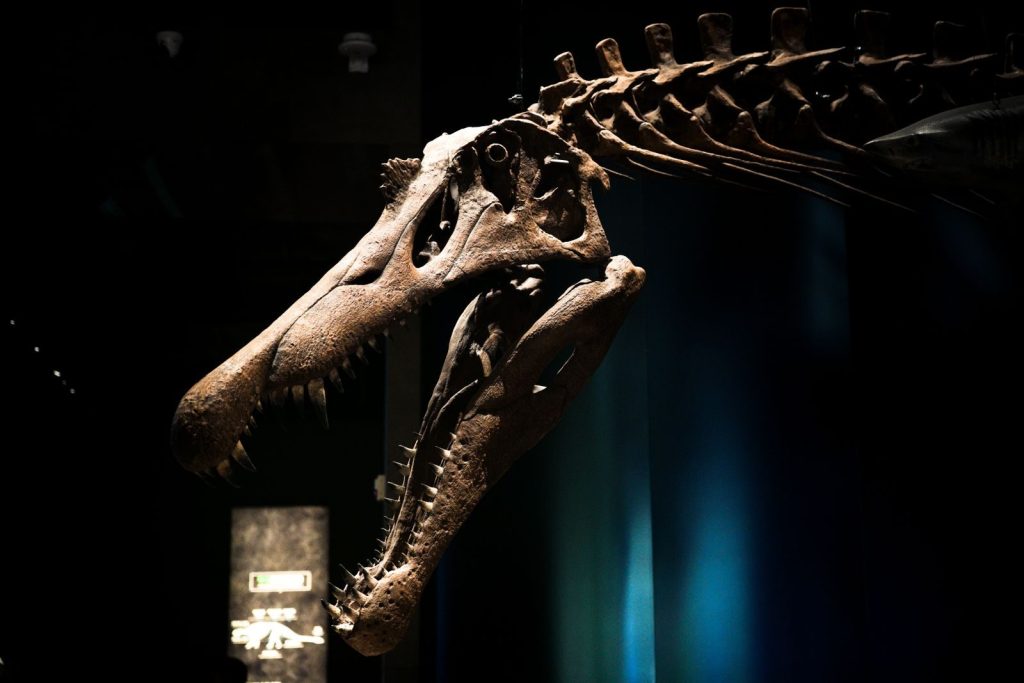
    For over a century, paleontologists struggled to explain why a forty-foot predator had arms shorter than a human. These limbs could not even reach the creature’s mouth. According to studies in Acta Palaeontologica Polonica, traditional theories dismissed them as useless evolutionary leftovers. They seemed highly comical. But a closer look at the bone density revealed a different story.

    Surprising Muscle Power

    A sculpture of a human hand hanging from a wall
    Photo by Imitat on Unsplash
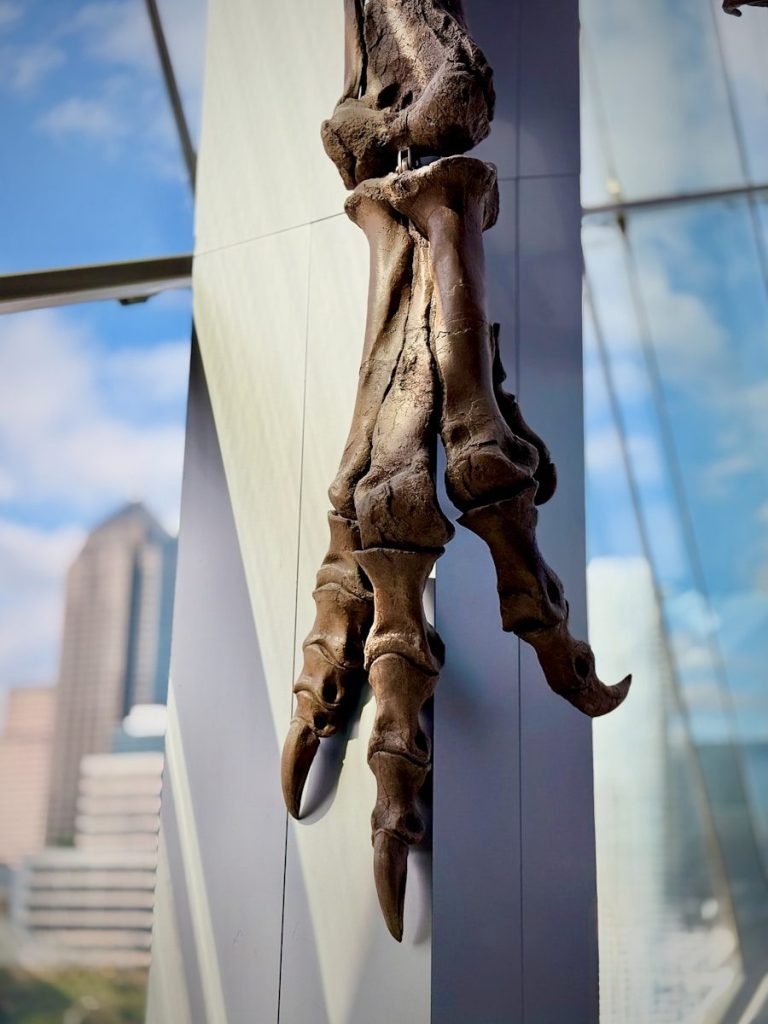
    Despite their comical size, the arm bones were incredibly thick and robust. They were built to anchor massive muscle groups. According to skeletal analysis by paleontologist Kevin Padian, these short limbs could easily lift hundreds of pounds. They were incredibly strong. Yet, this muscle power was not designed for catching prey.

    The Feeding Frenzy Danger

    two dinosaurs running through a field of grass
    Photo by Rafał Danhoffer on Unsplash

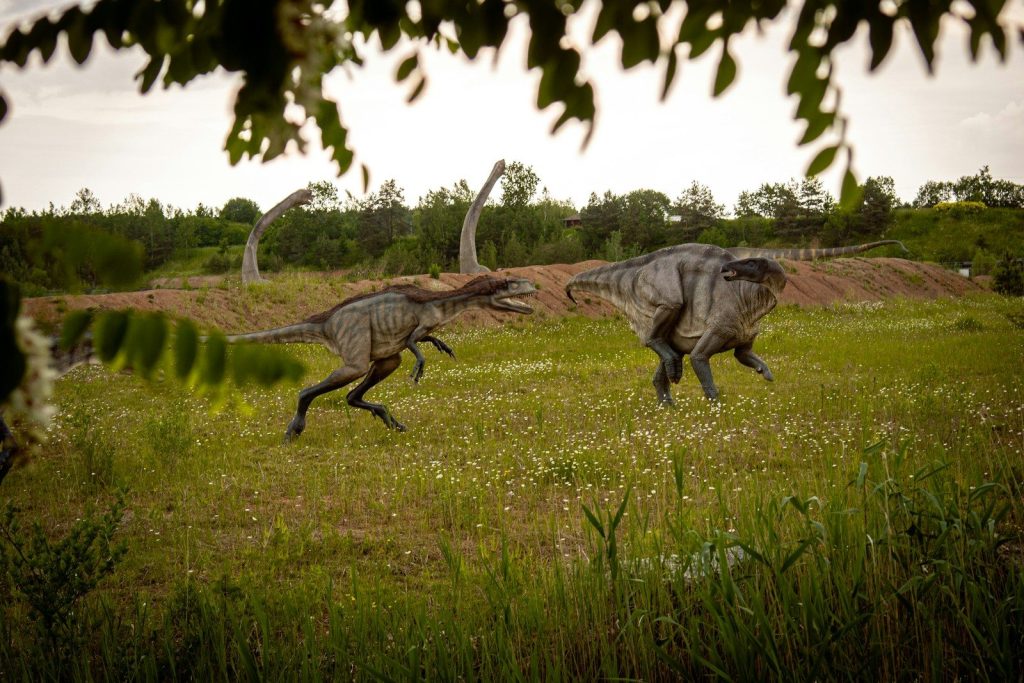
    These giant predators often gathered in groups to feast on a single carcass. During these chaotic feeding frenzies, massive jaws snapped in every direction. According to reports from the University of California Berkeley, long arms would have been accidentally bitten off by hungry rivals. It was pure chaos. This simple physical reduction protected the dinosaur from some highly devastating injuries during dinner.

    A Shield From Injury

    A skeleton of a bird on a rock
    Photo by David Clode on Unsplash
    A deep wound to a long limb could easily lead to a fatal infection in the prehistoric wild. Shorter arms minimized this risk completely. According to paleopathology records, fossilized arm bones rarely show signs of combat damage. They remained perfectly safe. But this protective shield also allowed the dinosaur to develop its most fearsome weapon.

    Shifting The Heavy Weight

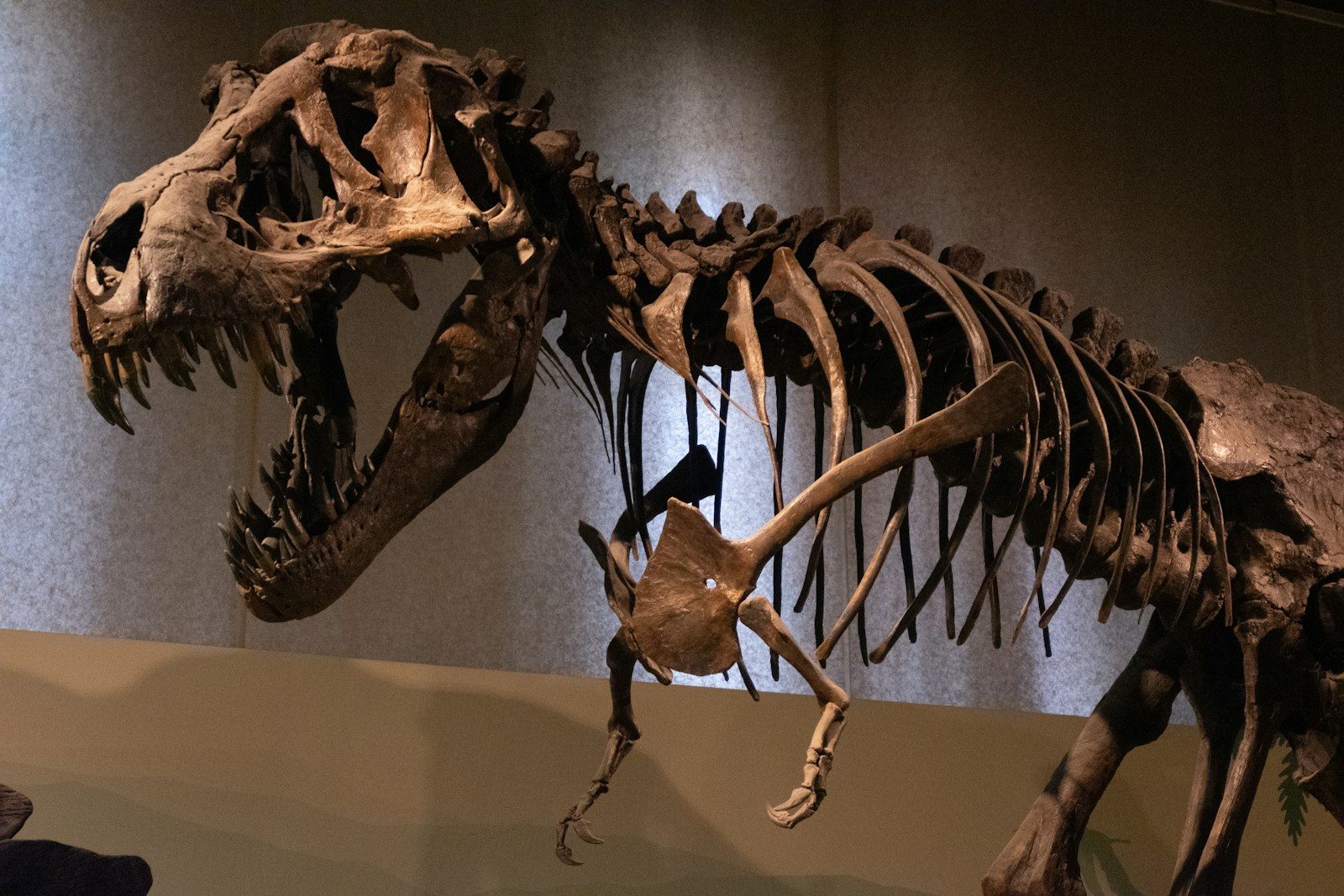
    Dinosaur skeleton displayed in a museum exhibit hall.
    Photo by Smithsonian on Unsplash
    To support a massive skull with bone-crushing jaws, the dinosaur had to balance its body weight. Giant arms would have made the front of the body too heavy to run. According to biomechanical simulations, shrinking the arms allowed the head to grow much larger. The balance was perfect. And this physical tradeoff paved the way for a highly lethal strategy that dominated the Cretaceous.

    The Ultimate Jaw Force

    a close up of a toy dinosaur with its mouth open
    Photo by Elly Enn on Unsplash

    With its arms tucked safely away, the predator relied entirely on its massive neck and head to crush bone. Its jaw pressure could easily snap a modern car in half. According to research from Oklahoma State University, this terrifying bite force reached up to twelve thousand pounds. They were unmatched. But scientists are still uncovering how these bizarre limbs functioned in daily life.

    The Dinosaur Legacy

    a picture of a rock formation with footprints on it
    Photo by David Clode on Unsplash
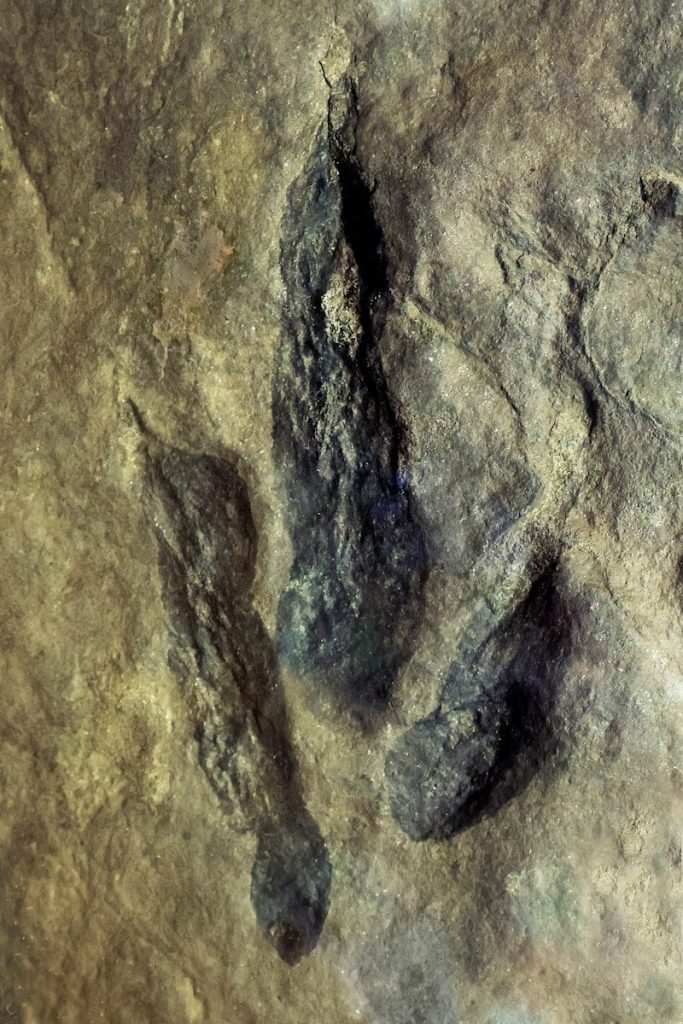
    The tiny arms of the king dinosaur were not a genetic mistake but a masterpiece of survival engineering. They were built to kill. According to evolutionary biologists, nature always prioritizes efficiency over appearance to ensure survival. This article is for informational purposes only.

    Featured Image: Photo by Tofan Teodor on Unsplash

  • The Strange Historical Origin Of The UFO Myth

    The Strange Historical Origin Of The UFO Myth

    Most people assume that the modern obsession with flying saucers began with real alien encounters. We believe that strange sky sightings triggered our collective interest in outer space.

    But the entire global phenomenon was actually sparked by a simple Cold War misunderstanding. A nervous military and a civilian pilot accidentally created a modern legend.

    The Famous Sky Sighting

    the wing of an airplane with a mountain in the background
    Photo by Daniel Norris on Unsplash

    In June of 1947, a civilian pilot named Kenneth Arnold was flying near Mount Rainier in Washington state. He suddenly spotted nine bright objects flying in a precise formation. According to historical aviation logs, he described their movement as skipping like saucers across water. The speed was incredible. But a single newspaper reporter was about to change his words forever.

    A Historic Translation Error

    a piece of paper with writing on it
    Photo by Chris Kofoed on Unsplash

    The reporter did not write that the objects moved like saucers. Instead, he reported that the pilot had seen actual flying saucers in the sky. According to media historians, this simple writing error captured the imagination of the entire country. The public went wild. And that was only the beginning of a massive psychological wave.

    Cold War Hysteria Spreads

    Group of people climbing a hill in an outdoor setting captured in black and white.
    Photo by Darya Sannikova on Pexels

    The sighting occurred during the intense opening years of the Cold War. Americans were constantly terrified of secret Soviet spy technology invading their airspace. According to military defense records, the government actively encouraged the public to look at the skies. Tension was high. But the air force had a highly classified reason for promoting these rumors.

    The Secret Balloon Project

    a group of men standing around a basket
    Photo by The Australian War Memorial on Unsplash

    The military was launching highly classified balloons to detect Soviet nuclear tests. When these giant balloons crashed, the government needed a quick cover story to protect their secrets. According to reports from the National Security Agency, allowing people to believe in aliens was a perfect distraction. The trick worked. But a sudden discovery in New Mexico would push this mystery to its absolute limit.
    The Roswell Sensation

    white newspaper
    Photo by Ilja Nedilko on Unsplash
    A rancher found strange metallic debris scattered across a field near a military base in Roswell. The local air force base briefly announced they had captured a flying disk. According to contemporary news archives, the military quickly retracted the statement and claimed it was a standard weather balloon. Confusion was absolute. Yet, the physical reality behind the debris was far more earthbound than anyone realized.

    Project Mogul Unveiled

    Close-up of hand holding top secret document folder in a box.
    Photo by cottonbro studio on Pexels

    Decades later, declassified files revealed that the Roswell debris came from a highly sensitive spy project called Mogul. The system used advanced acoustic sensors to listen for Soviet atomic explosions. According to historical military files, the balloon train carried strange metallic foils and tape. It was highly classified. This massive cultural shift was about to change how we view the universe forever.

    The Hollywood Explosion

    a group of people standing in front of a lighted archway
    Photo by Danie Franco on Unsplash

    Film studios quickly capitalized on the growing public obsession with outer space. They produced hundreds of movies featuring shiny silver discs and visiting extraterrestrials. According to media analysts, these stories shaped the collective imagery of alien visitations for generations. They were highly entertaining. And the latest research reveals that this obsession actually shapes our modern space exploration goals.

    A Modern Mythology

    silhouette photography of person
    Photo by Greg Rakozy on Unsplash

    The flying saucer myth proves how easily human fear and media errors can reshape our view of reality. It is a powerful story. According to space historians, the history of this myth shows our deep desire to find neighbors in the quiet universe. This article is for informational purposes only.

    Featured Image: Photo by Rodrigo Arrosquipa on Pexels

  • How A Giant Space Collision Created Our Moon

    How A Giant Space Collision Created Our Moon

    Most people assume that the moon has always been a quiet partner orbiting Earth. We believe our lunar neighbor slowly drifted into our gravitational pull from deep space.

    But planetary scientists have discovered evidence of an ancient cosmic cataclysm. A violent collision with a sister planet actually blasted our moon into existence.

    The Mars-Sized Intruder

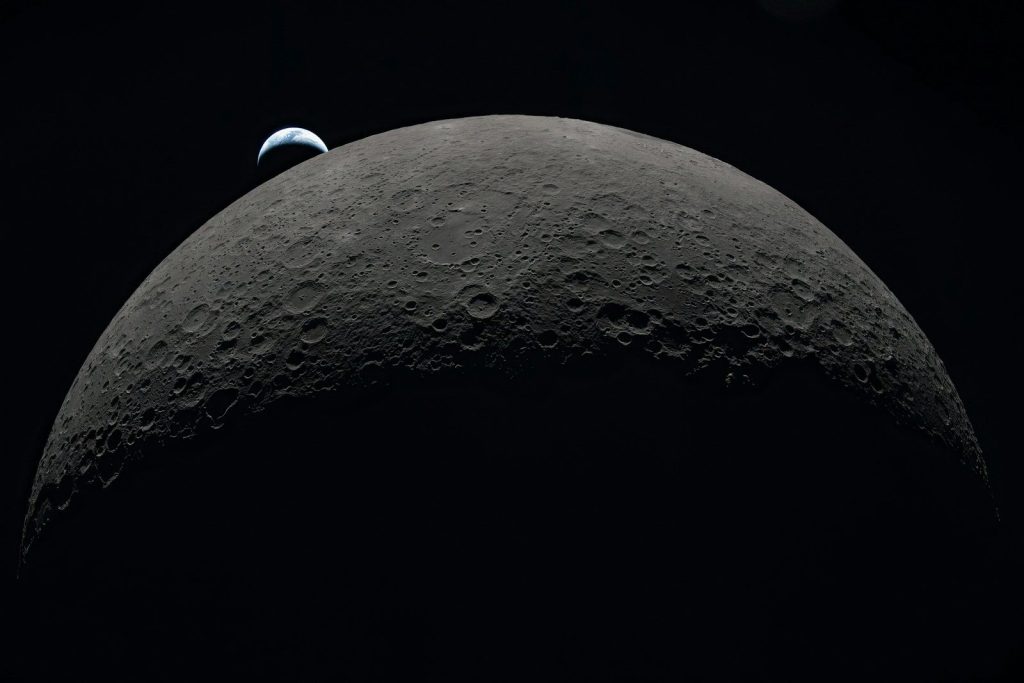
    Earth rising over the moon's horizon
    Photo by NASA on Unsplash

    Billions of years ago, a young Earth shared its orbit with a massive planet named Theia. This cosmic neighbor was roughly the size of modern Mars. According to computer models from the Southwest Research Institute, their gravitational paths eventually crossed in a highly unstable dance. It was inevitable. This orbital chaos set the stage for the most violent event in our history.

    The Great Impact

    a picture of the earth in a ring of fire
    Photo by Javier Miranda on Unsplash

    The sister planet smashed directly into the young Earth at a terrifying speed. The violent energy of the impact instantly melted the outer layers of both massive worlds. According to planetary geologists, this collision completely vaporized the intruder and blasted giant clouds of rock into space. The heat was extreme. But this swirling ring of molten debris was about to transform.

    Forming The Ring

    A futuristic spacecraft orbits a colorful ringed planet in deep space.
    Photo by Adis Resic on Pexels

    Over a remarkably short period, the blasted rock and iron settled into a dense ring orbiting our wounded planet. Gravity began pulling this hot material together in a process called accretion. According to astrophysical models, this massive clump of space debris solidified into our moon in just a few thousand years. The process was fast. Yet, proving this ancient theory required physical evidence from another world.

    Clues In The Dust

    Historic image of an astronaut on the moon during the Apollo mission, showcasing space exploration.
    Photo by Pixabay on Pexels

    Astronauts exploring the lunar surface collected hundreds of pounds of rock and dust to study on Earth. Scientists expected the lunar chemistry to look completely unique compared to our home planet. According to NASA laboratory analysis, the oxygen isotopes in moon rocks are virtually identical to those found in Earth’s mantle. They are chemical twins. But a deeper look at the lunar core revealed some highly unusual structural details.

    The Missing Iron Core

    a view of the earth from the moon's surface
    Photo by Zhang jie on Unsplash

    Unlike Earth, the moon has a remarkably tiny metallic core at its center. This structural difference puzzled scientists for decades. According to lunar science reports, the giant collision explains this mystery because the heavy iron from the intruder sank deep into Earth’s center. The core was absorbed. And this ancient impact did more than just build a companion in the night sky.

    Tilted For Life

    View of earth from space showing landmasses and city lights.
    Photo by Mara F on Unsplash

    The violent force of the impact knocked Earth onto its side, creating our stable twenty-three-degree axial tilt. This tilt is the direct reason why our planet has distinct seasons today. According to astrobiologists, this stable climate was crucial for the long-term evolution of complex life on Earth. We are highly fortunate. Yet, researchers are still uncovering new secrets hidden inside the deep lunar interior.

    A Violent Beginning

    Full moon glowing brightly in the dark night sky.
    Photo by Alex Stone on Unsplash

    Our peaceful moon is the direct result of a terrifying cosmic collision that nearly destroyed our young home. It is our permanent companion. According to space scientists, we owe our very existence to this ancient planetary neighbor. This article is for informational purposes only.

    Featured Image: Photo by Javier Miranda on Unsplash

  • The Secret Giant Aircraft Found By Spy Satellites

    The Secret Giant Aircraft Found By Spy Satellites

    Most people assume that modern military aviation is fully documented in public files. We believe that giant experimental aircraft cannot stay hidden in our connected world.

    But classified spy satellite imagery once captured a massive hundred-meter machine sitting on a remote inland sea. This mysterious behemoth baffled intelligence analysts for years.

    The Eerie Caspian Monster

    Aerial view of an abandoned Soviet ekranoplan on a beach in Dagestan, Russia.
    Photo by Ilya Sobolev on Pexels

    In the peak of the Cold War, a US spy satellite was photographing remote military bases in the Soviet Union. Analysts suddenly spotted a massive, blocky shape floating on the Caspian Sea. According to declassified intelligence reports, the giant object was larger than any aircraft in the Western world. It was truly immense. But the machine did not have normal wings to fly.

    Short Stump Wings

    white and gold-colored airplane close-up photography
    Photo by Lawrence Hookham on Unsplash

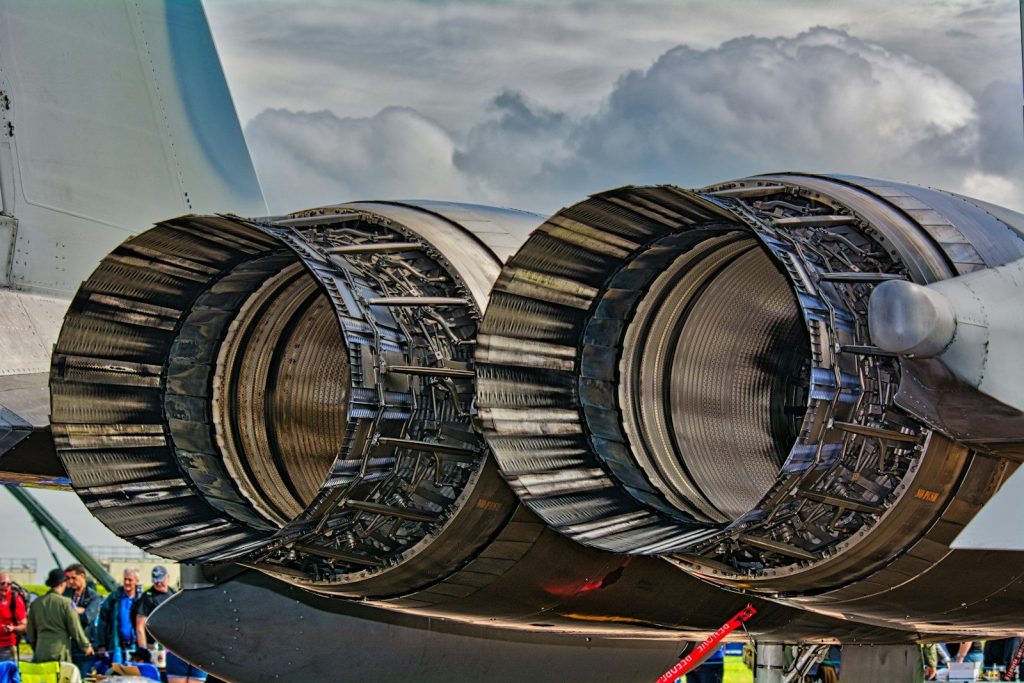
    The mysterious aircraft had eight massive jet engines mounted on its front nose and tiny stubby wings. It defied standard aerodynamic principles. According to aviation historians, Western analysts did not understand how such a heavy machine could ever lift off the ground. The design made no sense. Yet, the Soviet military was already testing the vehicle in absolute secrecy.

    Exploiting Ground Effect

    Close-up of a large seaplane with propellers
    Photo by Alexandr Popadin on Unsplash

    The giant machine was designed to fly just a few feet above the water’s surface. This physical phenomenon is known as the ground effect, which cushions vehicles in a pocket of compressed air. According to aerodynamics experts, flying inside this pocket dramatically increases fuel efficiency and lift. It was highly stable. But this secret transport had a highly specific military objective.

    The Invisible Invader

    a satellite dish mounted on top of a military vehicle
    Photo by Snap Wander on Unsplash

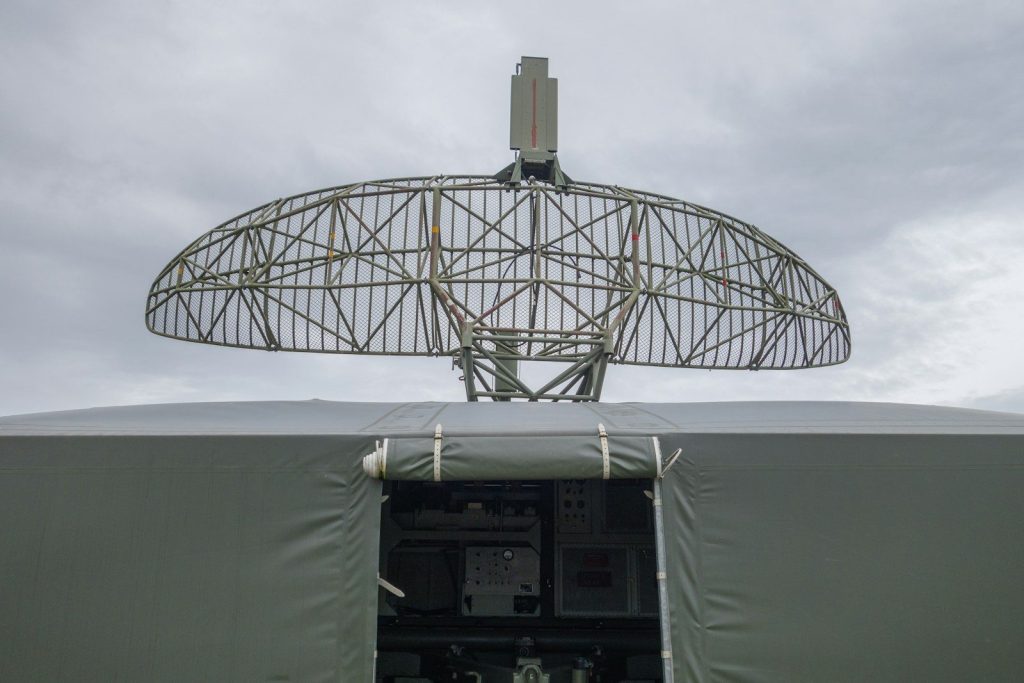
    Flying extremely close to the water allowed the behemoth to glide underneath early radar networks completely undetected. It could carry hundreds of tons of cargo at highway speeds. According to military defense analysts, this capability made the craft a terrifying weapon for surprise coastal invasions. They were virtually invisible. And the harsh conditions of the open sea would soon test the machine to its limits.

    Crashing Into Waves

    grayscale photo of man standing on rock formation near sea
    Photo by Ty Tomlinson on Unsplash

    While highly efficient, these vehicles struggled to handle rough seas and sudden windy storms. A single high wave could easily tear the stubby wings from the fuselage. According to flight accident records, an early prototype crashed during a high-speed test in heavy fog. The damage was absolute. Yet, the collapse of the Soviet Union would deal the final blow to these giant machines.

    A Quiet Abandonment

    Rusty military aircraft wreckage in a muddy field under dramatic overcast skies, evoking a sense of history and desolation.
    Photo by radu cuprian on Pexels

    With the end of the Cold War, funding for high-risk military experiments completely dried up. The remaining giant prototypes were left to rust at remote coastal docks. According to naval defense reports, the massive steel hulls slowly decayed under the salty sea air. They stood silently. Modern engineers are looking at these old designs to solve some of our biggest transport challenges today.

    The Modern Resurgence

    a boat that is sitting in the water
    Photo by P. L. on Unsplash

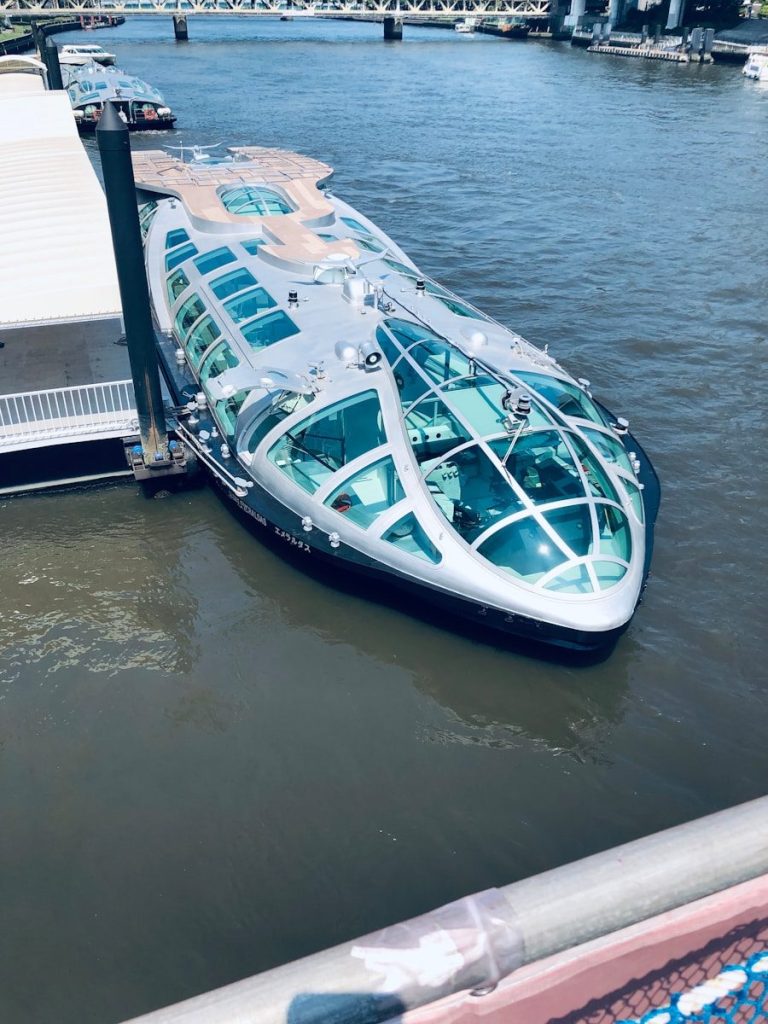
    Today, private tech startups are reviving ground effect designs to build fast, zero-emission cargo transports. These modern electric models aim to bridge the gap between slow ships and expensive aircraft. According to aerospace engineers, these digital crafts could revolutionize island shipping networks. The potential is massive. But the original Caspian Monster remains one of the most incredible engineering achievements in history.

    An Engineering Legend

    Small airplane parked in an open hangar with a van.
    Photo by Wolfgang Vrede on Unsplash

    The story of the secret Caspian Monster shows that our skies once hosted some truly radical design concepts. They made history. According to aviation historians, this unique aircraft remains a legendary testament to human creativity. This article is for informational purposes only.

    Featured Image: Photo by Guohua Song on Pexels

  • Why Electric Torque Failed At A Heavy Diesel Event

    Why Electric Torque Failed At A Heavy Diesel Event

    Most drivers assume that electric motors always beat traditional diesel engines in pure pulling power. We believe instant torque makes modern electric trucks unstoppable in heavy towing contests.

    But a dramatic public demonstration in Texas completely shattered this technological belief. A heavy diesel event proved that electric power still has a massive mechanical vulnerability.

    The Heavy Pull Challenge

    Powerful green tractor pulling sled, spewing black exhaust smoke.
    Photo by Chris Bischoff on Unsplash

    Traditional tractor pulls test the absolute limits of mechanical grip and raw engine power. Modified diesel trucks pull massive sleds that dynamically shift weight forward as they travel down a dirt track. According to automotive safety reports, this movement continuously increases the resistance against the vehicle. The strain is immense. Yet, modern engineers still wanted to test a silent electric motor against this classic mechanical monster.

    The Illusion Of Instant Torque

    black car on road
    Photo by Arseny Togulev on Unsplash

    Electric motors deliver their maximum rotational force the moment the driver steps on the pedal. This instant delivery gives electric trucks a massive advantage on clean asphalt roads. According to engineers at automotive testing facilities, this sudden surge of energy can actually backfire on loose dirt surfaces. Traction is vital. And this sudden burst of power was about to create a massive problem on the clay track.

    Sinking Into The Loose Clay

    a close-up of a rock
    Photo by Otacilio Maia on Unsplash

    Without mechanical gears to manage the power, the electric tires spun violently in the soft dirt. The high-speed spinning instantly dug deep ruts instead of launching the truck forward. According to vehicle dynamics researchers, the heavy chassis quickly settled into the trenches. They were stuck. But the real structural issue was happening deep inside the motor itself.

    Missing The Low Gear Advantage

    a close up of a machine with gears on it
    Photo by William Warby on Unsplash

    Diesel trucks rely on physical low-range gearboxes to multiply their wheel torque at slow speeds. This mechanical multiplication keeps the wheels turning slowly with massive, steady force. According to drivetrain experts, electric motors lack these multi-speed gears to sustain heavy continuous loads in deep soil. Gears change everything. This technical limitation soon caused the onboard computers to make a critical safety decision.

    Silent Thermal Safety Shutdowns

    black and white digital speedometer
    Photo by Kumpan Electric on Unsplash

    To protect the lithium battery and electric motors from melting, smart vehicles monitor internal temperatures. When pulling heavy loads under extreme stress, heat rises to dangerous levels within seconds. According to manufacturer guidelines, the computer automatically cuts power to prevent permanent component destruction. Safety overrides start. This sudden loss of power left the audience staring at a completely silent vehicle on the track.

    The Weight Distribution Nightmare

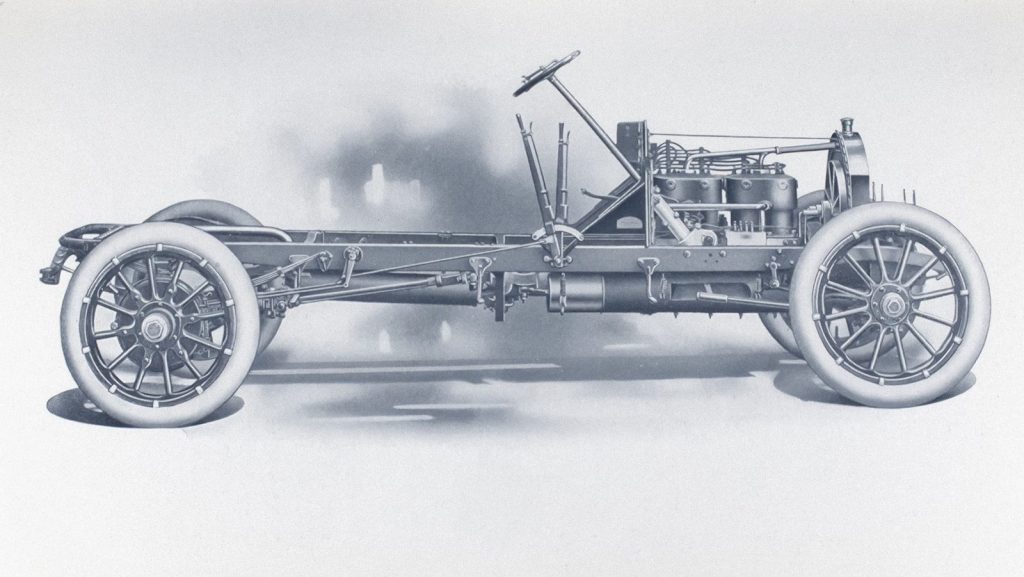
    Antique automobile chassis with engine and wheels.
    Photo by The New York Public Library on Unsplash

    Heavy electric batteries rest low in the center of the chassis to improve passenger safety. However, tractor pulls require massive weight shifted over the rear tires to maintain traction. According to dirt track operators, the uniform weight of electric trucks prevents them from anchoring their rear tires effectively. Balance is key. This mechanical mismatch has forced engineers to look at entirely new powertrain designs.

    The Future Of Heavy Hauling

    white and brown rv trailer
    Photo by Pascal Meier on Unsplash

    This muddy failure shows that electric motors still need physical gearboxes to handle heavy industrial hauling tasks. Modern startups are already developing multi-speed transmissions for future commercial electric vehicles. According to industry reports, these hybrid setups will bridge the gap between instant power and mechanical grip. This article is for informational purposes only.

    Featured Image: Photo by Thomas Hawkins on Pexels

  • Why A Burning Fusion Reactor Created Living Structures

    Why A Burning Fusion Reactor Created Living Structures

    We always assume that organic life requires gentle liquid environments to form on Earth. Most people believe that the intense heat of superheated gas destroys all complex physical order.

    But physicists running high-tech plasma reactors have discovered a mind-bending cosmic anomaly. Deep within burning fields of charged gas, they witnessed matter self-assembling into life-like structures.

    Inside The Superheated Chamber

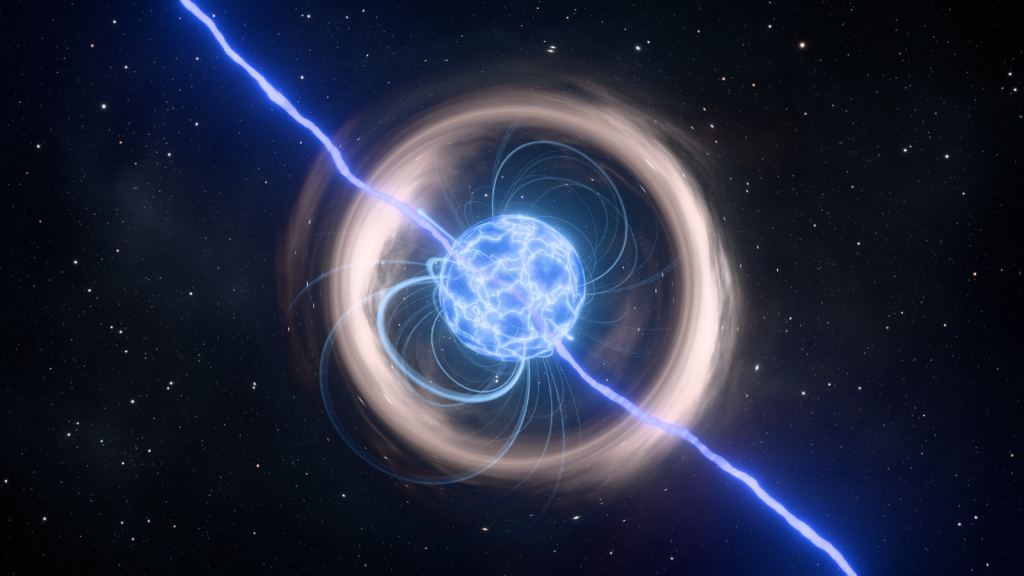
    Artistic depiction of a neutron star with intense magnetic field in space.
    Photo by Nicola Narracci on Pexels

    Scientists use advanced plasma reactors to study the intense environments of distant stars. These massive machines squeeze hydrogen gas using powerful magnetic fields to trigger fusion. According to physicists at the Max Planck Institute, the internal temperatures inside these reactors mimic the core of the Sun. Heat is extreme. Yet, this chaotic environment was about to organize itself in an impossible way.

    The Microscopic Self-Assembly

    a close up of water droplets
    Photo by Skyler Ewing on Unsplash

    When researchers introduced tiny dust particles into the superheated plasma field, they expected chaos. They assumed the intense electromagnetic forces would scatter the dust randomly. According to researchers at the Russian Academy of Sciences, the microscopic grains began attracting each other to form complex, twisting shapes. Order emerged quickly. And these spiraling structures possessed a shape that looked shockingly familiar to the scientific team.

    The Double Helix Phenomenon

    spiral artwork
    Photo by Sebastian DC on Unsplash

    The dust particles arranged themselves into perfect double-helix spirals that matched the structure of human DNA. This geometric arrangement occurred naturally without any organic materials present. According to physics journals, the charged plasma environment forces the dust to polarize and attract in a helical sequence. Molecules aligned perfectly. But the strangest behavior of these synthetic structures was still to come.

    Dividing Like Living Cells

    a man in a lab coat looking through a microscope
    Photo by CDC on Unsplash

    As the plasma current flowed, the inorganic dust spirals began duplicating their structures. They split down the center and formed two identical copies of their original shapes. According to evolutionary biologists, this behavior mirrors the exact replication process of organic cellular division. It was alive. But this mimicry of life extended even deeper into how these structures interacted.

    Devouring The Plasma Energy

    Transparent glass plasma ball with bright neon luminous against dark background in room
    Photo by Nothing Ahead on Pexels

    The dust helices did not just sit passively in the superheated gas. They actively absorbed local electrons to sustain their charge and maintain their physical stability. According to laboratory data, these structures grew larger by consuming surrounding ionized materials in the chamber. They hunted for energy. This metabolic behavior suggests that life might not require carbon to exist.

    The Silicon Life Alternative

    a white object with a black background
    Photo by Enis Can Ceyhan on Unsplash

    Most astrobiologists assume that alien organisms must rely on carbon chemistry like Earth plants and animals. However, this reactor experiment proves that inorganic silicon dust can replicate biological functions under extreme conditions. According to astrochemistry reports, these plasma structures could thrive in the hostile atmospheres of alien worlds. The potential is immense. But this discovery also changes how we view deep space.

    Floating In Cosmic Dust

    A very large star in the middle of the sky
    Photo by arnaud girault on Unsplash

    Plasma and dust make up over ninety-nine percent of the visible matter in the universe. Giant dust clouds floating between stars experience constant electromagnetic stimulation. According to astrophysicists, these cosmic clouds could host massive populations of self-replicating plasma structures right now. Space is whispering. This possibility forces researchers to expand their definition of what qualifies as an organism.

    Reclaiming The Spark Of Life

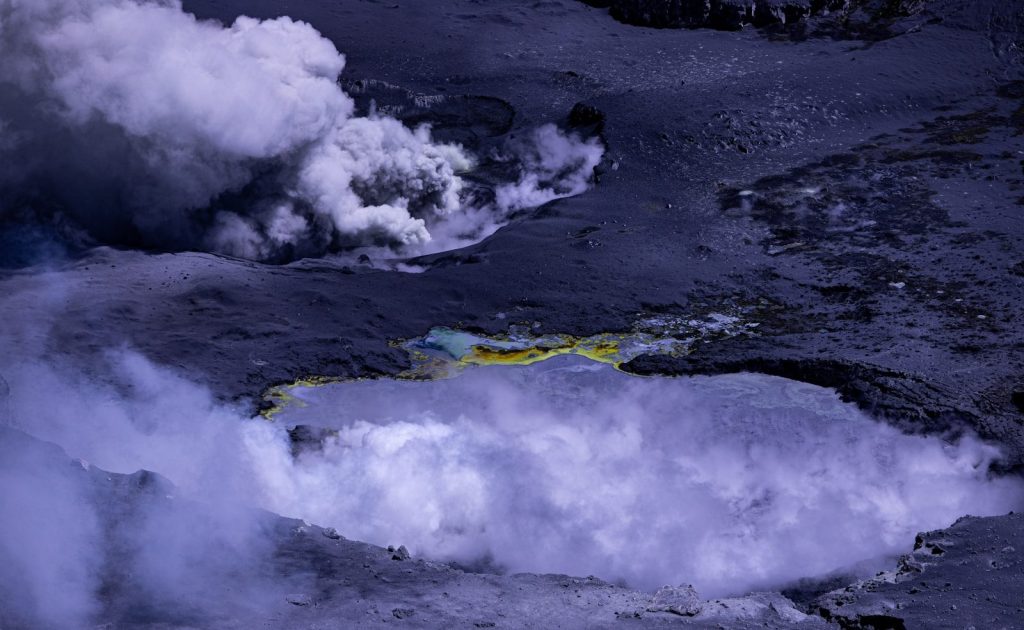
    a crater with steam coming out of it
    Photo by Bernd 📷 Dittrich on Unsplash

    This incredible reactor discovery proves that the laws of physics naturally organize matter toward complexity. Even in the heat of a burning star, order defeats chaos. According to scientific researchers, we must now prepare to find life in the most hostile environments imaginable. This article is for informational purposes only.

    Featured Image: Photo by Eury Escudero on Pexels

  • The Supercomputer Forecast of Our Final Extinction Event

    The Supercomputer Forecast of Our Final Extinction Event

    Most people assume that human civilization will continue expanding across our green planet indefinitely. We believe that Earth will remain stable enough to support mammalian life for billions of years.

    But a powerful supercomputer simulation has mapped a terrifying geographic future. The geological forces of our planet are slowly aligning to create an unlivable wasteland.

    The Continental Collision

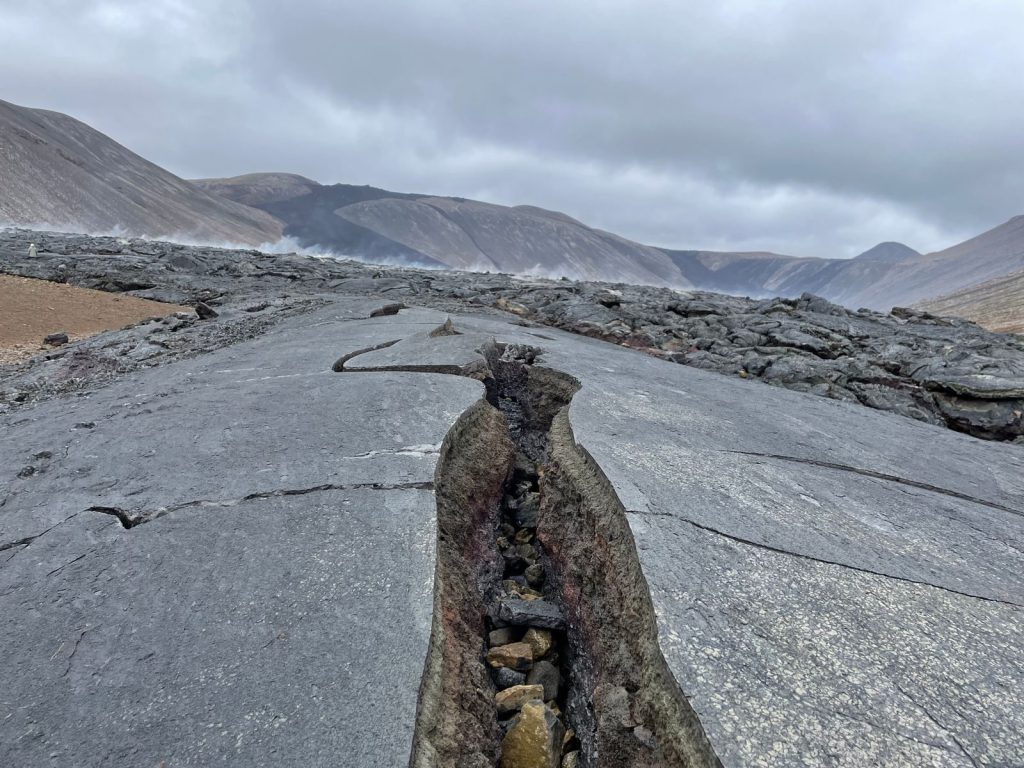
    A cracked volcanic landscape near Reykjavík, Iceland showcasing rugged terrain and dramatic geology.
    Photo by R Ewing on Pexels

    The giant tectonic plates beneath our feet are constantly moving at the speed of growing fingernails. Over millions of years, this slow movement will push all landmasses together. According to geologists at the University of Bristol, the continents will eventually crash to form a supercontinent called Pangea Ultima. Landmasses merge slowly. This new supercontinent will trigger a massive environmental shift.

    The Tripled Heat Threat

    Sun rides over rolling sand dunes of the Sahara Desert
    Photo by Nicolas Jehly on Unsplash

    The computer model predicts that three distinct environmental forces will peak at the exact same geological era. Solar radiation, extreme volcanic activity, and shifting wind patterns will combine to raise global temperatures. According to climate simulation data, the interior of the supercontinent will reach a blistering fifty degrees Celsius. Heat will suffocate. This extreme environment will quickly eliminate traditional food sources.

    Volcanic Carbon Blast

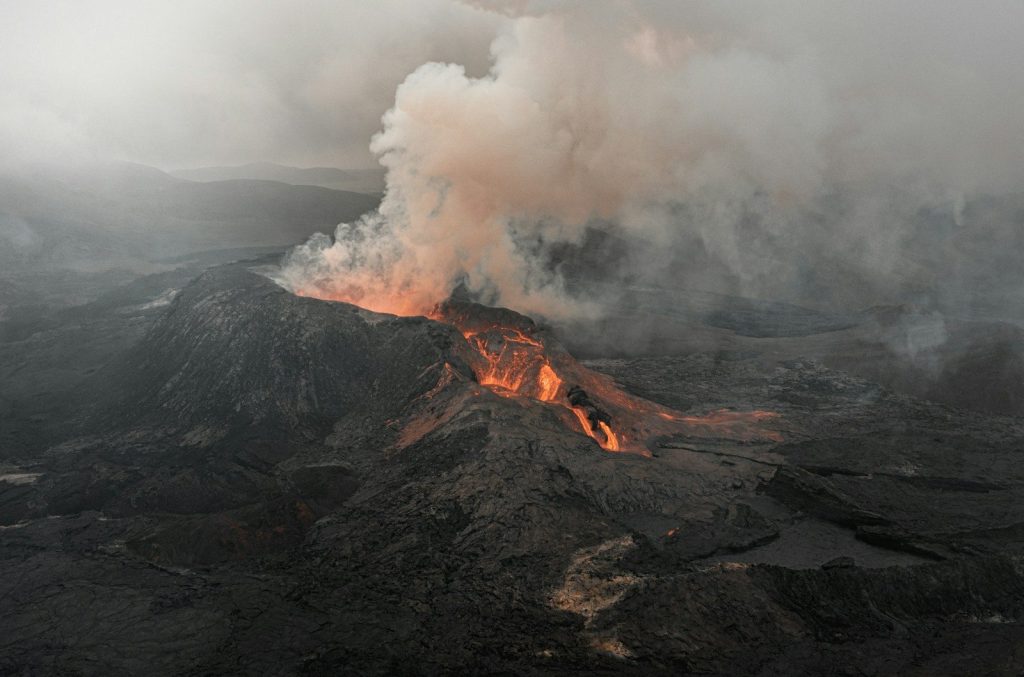
    a volcano erupting with lava
    Photo by Yaniv Cohen on Unsplash

    The massive collision of tectonic plates will tear open giant fissures in the Earth’s crust. These cracks will release continuous torrents of carbon dioxide into the atmosphere. According to earth scientists, this volcanic activity will trap extreme amounts of greenhouse heat across the globe. Air becomes toxic. This rising temperature will push mammalian biology to its absolute limit.

    The Mammalian Limit

    Close-up of a man with sweat on his forehead, touching it with his hand, conveying stress or illness.
    Photo by cottonbro studio on Pexels

    Mammals survive by using specialized sweat glands to cool their bodies under heat stress. However, when high temperatures combine with extreme humidity, this cooling system fails completely. According to biophysics researchers, humans cannot survive when the wet-bulb temperature exceeds thirty-five degrees Celsius. Bodies break down. This biological wall means almost all land will become uninhabitable.

    The Blistering Interior

    Sandy desert landscape with sparse vegetation under a blue sky
    Photo by Francesca Fabian on Unsplash

    The sheer size of the supercontinent will prevent moisture from reaching the deep interior plains. This will create a massive desert that covers over ninety percent of the landmass. According to meteorological studies, only a tiny sliver of coastal land will support vegetation. Soil will turn to dust. And this limited fertile ground will trigger a desperate struggle for survival.

    Fleeing To The Poles

    Two reindeer standing in a grassy field with hills.
    Photo by Bernhard on Unsplash

    To escape the burning heat, surviving species must migrate to the extreme northern and southern coasts. These polar regions represent the final biological refuge on the planet. According to evolutionary models, only highly specialized species will survive this forced migration. Competition will be fierce. But even these cold havens might face a sudden threat.

    The Sun Grows Brighter

    sunset in ocean
    Photo by Zoltan Tasi on Unsplash

    As stars age, their cores burn hotter and release increasing amounts of energy over time. The aging Sun will shine ten percent brighter during this tectonic era. According to solar physicists, this increased radiation will slowly vaporize the remaining shallow ocean networks. Water will vanish. This ultimate planetary drying represents the final nail in the coffin.

    The Infinite Cycle

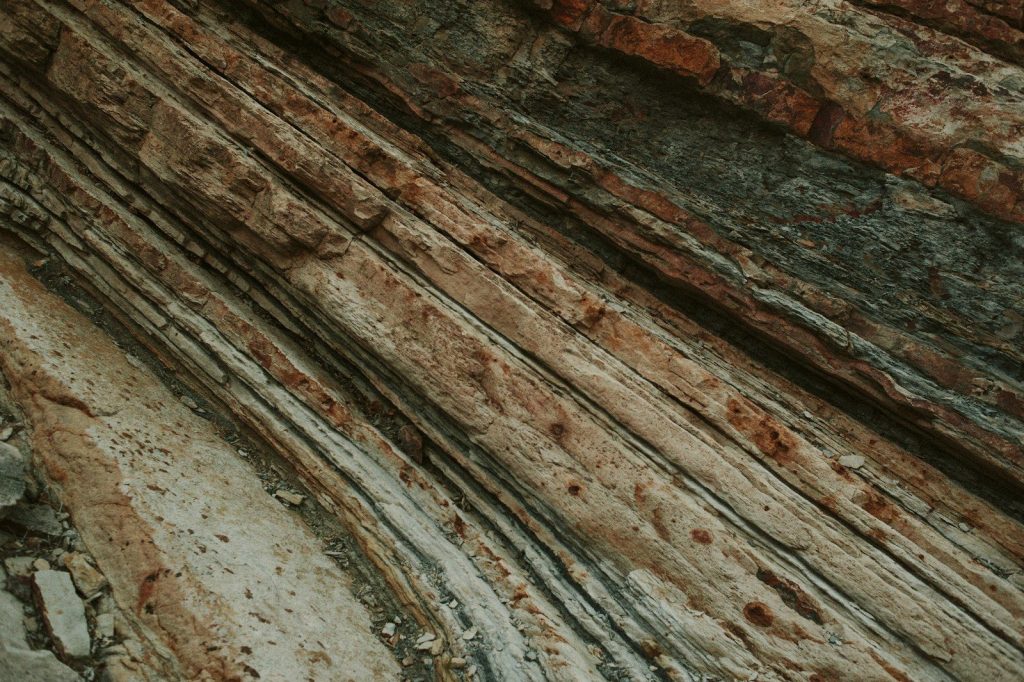
    a close up of a rock formation with many layers of rock
    Photo by Melody Zimmerman on Unsplash

    This grim supercomputer forecast reminds us that our planet operates on massive geological cycles that ignore human wishes. Earth will survive, but our biology must eventually adapt to survive. According to evolutionary scientists, mapping these deep-time challenges helps us prepare for the ultimate preservation of our species. This article is for informational purposes only.

    Featured Image: Photo by Kelvin Ang on Unsplash

  • Why Climate Models Missed A Sudden Ocean Warming Shift

    Why Climate Models Missed A Sudden Ocean Warming Shift

    Scientists assume that modern satellite arrays track planetary warming with absolute precision. We trust global climate models to give us decades of warning before major tipping points.

    But a massive correction to historical ocean data has stunned researchers worldwide. The deep oceans are warming at a rate that defies our most advanced digital predictions.

    The Deep Sea Blind Spot

    orange and white boat on sea during daytime
    Photo by NOAA on Unsplash

    Satellites excel at measuring the surface temperatures of the ocean from orbit. However, they cannot pierce the deep, dark water where massive amounts of heat hide. According to marine researchers at the National Oceanic and Atmospheric Administration, old physical sensors on floating buoys had major calibration errors. Measurements were wrong. This data gap masked a massive energy buildup for decades.

    The Missing Heat Sinks

    Two divers swim near a large school of fish.
    Photo by Nathanaël Desmeules on Unsplash

    The oceans absorb over ninety percent of the excess heat trapped by greenhouse gases. This massive watery shield has protected land dwellers from feeling the full force of rising temperatures. According to studies in Nature Climate Change, the deep sea absorbed twice as much heat as previously calculated. The abyss is boiling. This hidden absorption explains why surface air temperatures temporarily slowed down.

    Ocean Currents In Trouble

    A detailed view of a world map with tiny model ships and flags indicating locations, highlighting global trade routes.
    Photo by Lara Jameson on Pexels

    This massive heat buildup is disrupting the delicate underwater rivers that circulate water across the globe. These currents move warm surface water north and carry cold, dense water back down. According to oceanographers, the massive influx of warm water is weakening this global conveyor belt. Currents are stalling. This slowing circulation will trigger severe weather anomalies across Europe.

    The Carbon Release Loop

    Captivating underwater scene with rising bubbles creating a serene and fluid atmosphere.
    Photo by Francesco Ungaro on Pexels

    Cold water naturally dissolves carbon dioxide and keeps it locked deep below the surface. As the oceans warm, their physical capacity to hold these gases drops dramatically. According to chemical oceanography reports, warming seas are starting to release stored carbon back into the atmosphere. The oceans are exhaling. This sudden release creates a terrifying feedback loop that accelerates global warming.

    Glaciers Melting From Below

    A stunning view of a massive iceberg amidst cold arctic waters, showcasing nature's grandeur.
    Photo by Gaspar Zaldo on Pexels

    We traditionally focus on warm air melting the exposed tops of massive polar ice sheets. However, superheated deep-sea currents are actively eroding the submerged roots of these glaciers. According to glaciologists speaking to Science, this underwater melting causes giant ice shelves to fracture and collapse. The ice is crumbling. This hidden decay means sea levels will rise much faster than expected.

    Correcting The Global Clock

    Scientist points to microscopic view on computer screen.
    Photo by Faustina Okeke on Unsplash

    Scientists are rushing to update their predictive models with these newly discovered deep-sea metrics. These corrections pull our climate deadlines forward by several decades. According to the Intergovernmental Panel on Climate Change, we have far less time to transition to clean energy. Time is running out. This urgent shift is forcing governments to consider radical new engineering projects.

    The Next Immediate Steps

    Two ships docked at sunset with colorful sky
    Photo by jason hu on Unsplash

    This massive data correction proves that we must constantly verify our environmental models with real physical measurements. Ocean warming is happening faster, but our capacity to adapt is also growing. According to climate scientists, deploying advanced deep-sea sensors will give us the precise data needed to protect coastal cities. This article is for informational purposes only.

    Featured Image: Photo by Torsten Dederichs on Unsplash

  • Why America’s New Moon Journey Is Facing Major Delays

    Why America’s New Moon Journey Is Facing Major Delays

    Most space enthusiasts assume that returning to the Moon is a simple engineering task. We believe that we already mastered this technology decades ago.

    But modern rockets face entirely new and unexpected hurdles today. These high-tech challenges are delaying our grand voyage back to the stars.

    The Missing Shield Tech

    the inside of a space station with a large screen
    Photo by Hermeus on Unsplash

    Modern spacecraft require advanced shielding to protect future crews from extreme solar radiation. Traditional insulation no longer meets modern deep-space safety standards. According to NASA, developers are struggling to manufacture lightweight materials that block cosmic rays effectively. The risk is high. This protection issue represents just one barrier holding back our launch schedules.

    Leaking Launch Valves

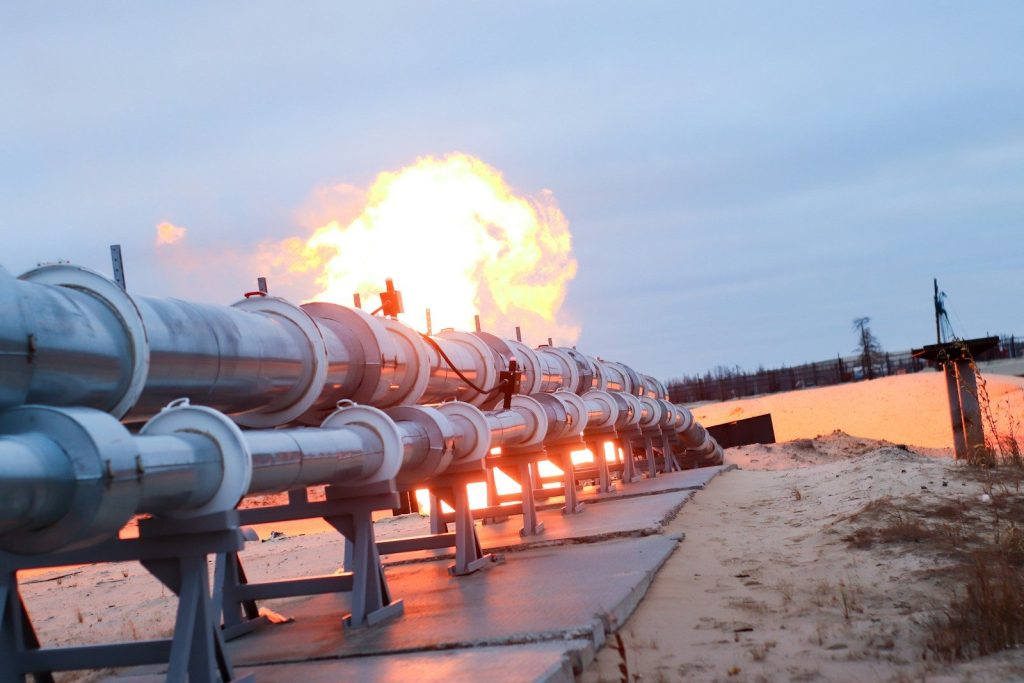
    a bunch of pipes that are sitting in the sand
    Photo by Bob Milliar on Unsplash

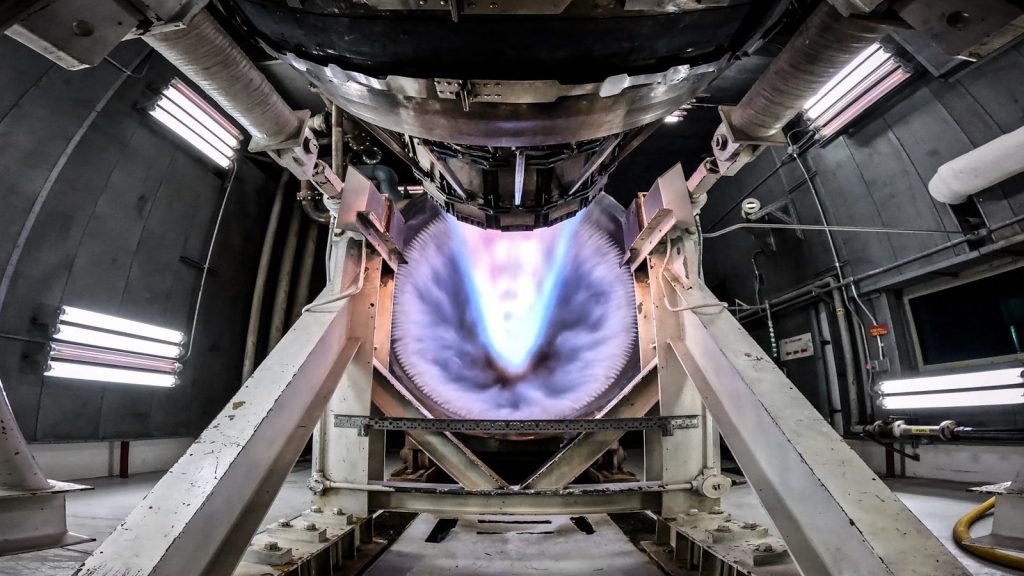
    Engineers noticed mysterious gas leaks during recent ground tests of the heavy booster. These specialized fuel valves manage volatile supercooled liquid oxygen under extreme pressure. According to space agency engineers, the current valve designs fail when temperatures drop too low. Engines need fuel. This valve defect has forced technicians to redesign key parts from scratch.

    The Space Suit Struggle

    astronaut photo
    Photo by NASA on Unsplash

    Astronauts cannot walk on the lunar surface without highly advanced mobile life support systems. The old planetary suits from previous decades are completely outdated. According to reports from the Government Accountability Office, creating flexible suits with reliable dust-repellent layers takes far longer than expected. They are complex. This textile delay means walking on the dusty surface remains years away.

    Lost Manufacturing Skills

    a welder working on a piece of metal
    Photo by Rizky Nuriman on Unsplash

    Building massive rockets requires highly specialized welding techniques and industrial knowledge. Many technicians who built the original Saturn vehicles retired decades ago. According to history journals, companies are struggling to train young workers in these precision methods. Experience is vital. This human labor shortage has slowed down the physical assembly of key rocket parts.

    Extreme Budget Pressures

    Stacks of $100 bills are neatly arranged.
    Photo by Logan Voss on Unsplash

    Constructing deep-space vehicles requires billions of dollars in continuous public funding. Unexpected development setbacks constantly push these astronomical costs higher. According to agency budget reports, rising material costs have drained the program of its reserve funds. Money is tight. This financial strain is forcing coordinators to scale back active test flights.

    Delicate Lunar Landers

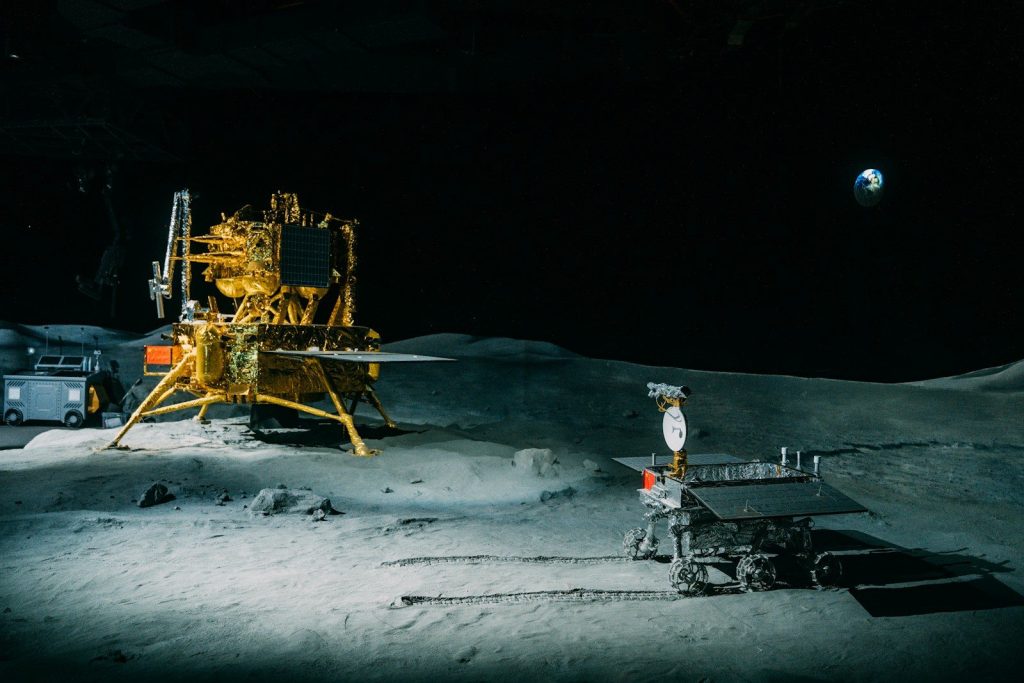
    an image of a space station on the moon
    Photo by Jack Dong on Unsplash

    The planned lunar vehicle requires unique thrusters to descend safely onto the jagged crater floors. These private landing vehicles have never completed a full trial in real space conditions. According to aerospace engineering firms, securing these complex propulsion systems requires several additional test years. Space is unforgiving. These propulsion tests are hiding a much bigger challenge on the pad.

    A Patient Journey

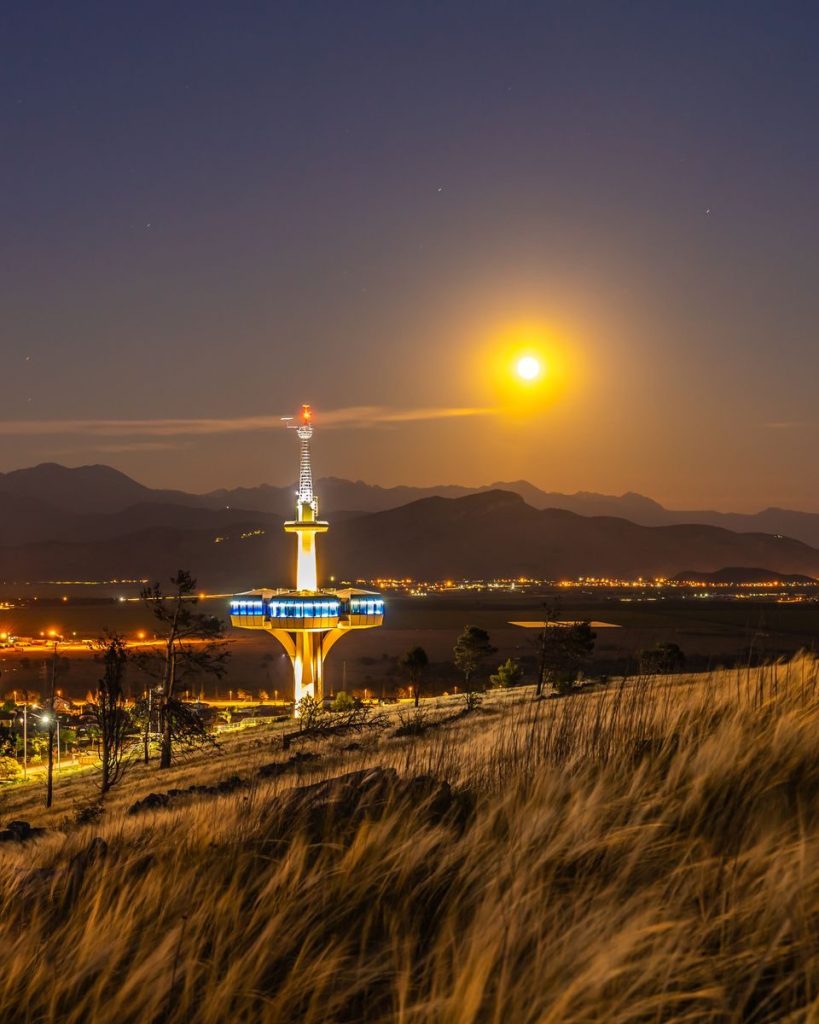
    Television tower with artificial lights behind ridge under sky with bright sun in twilight
    Photo by Alexander Nadrilyanski on Pexels

    Our modern return to the Moon requires absolute precision rather than a hasty rush. While delays are frustrating, they ensure that astronauts survive the hostile lunar landscape safely. According to space analysts, taking time to solve these engineering puzzles will build a permanent home in space. We must wait. This article is for informational purposes only.

    Featured Image: Photo by Pixabay on Pexels