Blog

  • The New Construction Material That Stores Electricity Like a Battery

    The New Construction Material That Stores Electricity Like a Battery

    What if your entire house were one giant battery? Scientists have just achieved a major breakthrough in material science: cement-based batteries. By mixing concrete with carbon fibers and a special chemical coating, they have turned the world’s most common building material into an energy storage device. This means every wall, floor, and driveway could soon store electricity from solar panels. It is a total rethink of how we use the space around us.
    Traditional batteries take up space and use rare metals like lithium. Cement batteries use materials that are cheap and available everywhere. While they can’t store as much energy as a Tesla Powerwall yet, the sheer volume of concrete in a building makes up for it. A single apartment building made with this material could power itself for days. But the real magic happens when you see how it can charge your car while you sleep.

    The Driveway That Charges Your Car Overnight
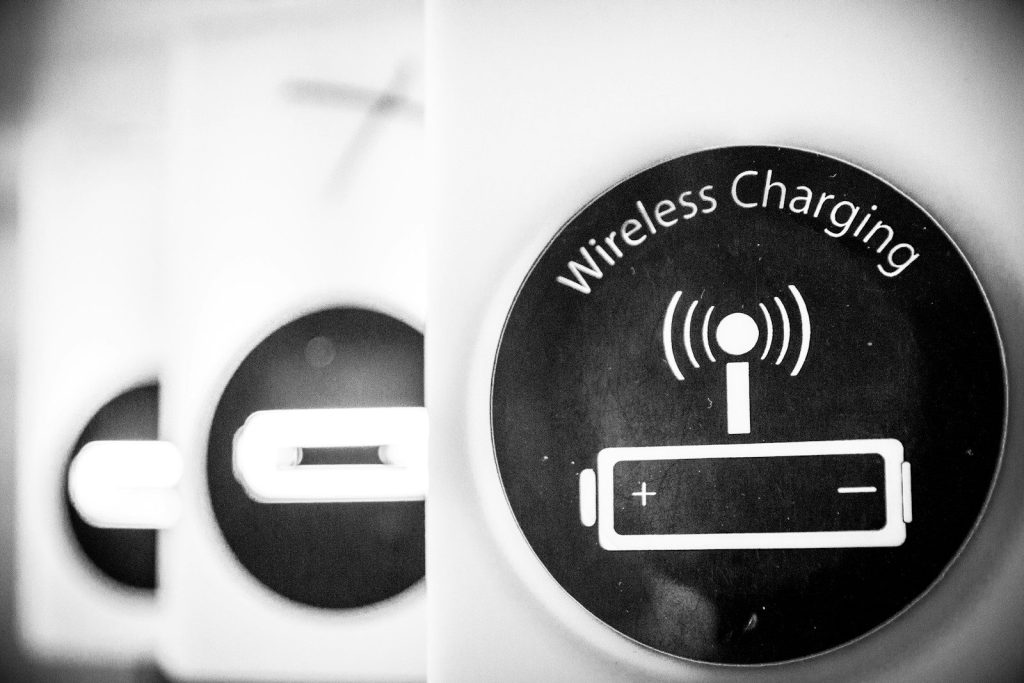
    wireless charger controller
    Photo by Limor Zellermayer on Unsplash

    Imagine never having to plug your car in again. With “battery concrete,” your driveway could use induction to charge your vehicle wirelessly. The energy stored in the concrete during the day is slowly transferred to your car’s battery at night. It turns the road itself into a fueling station. But how do they actually make concrete hold a charge without it being dangerous?

    Turning Cement into a Giant Capacitor
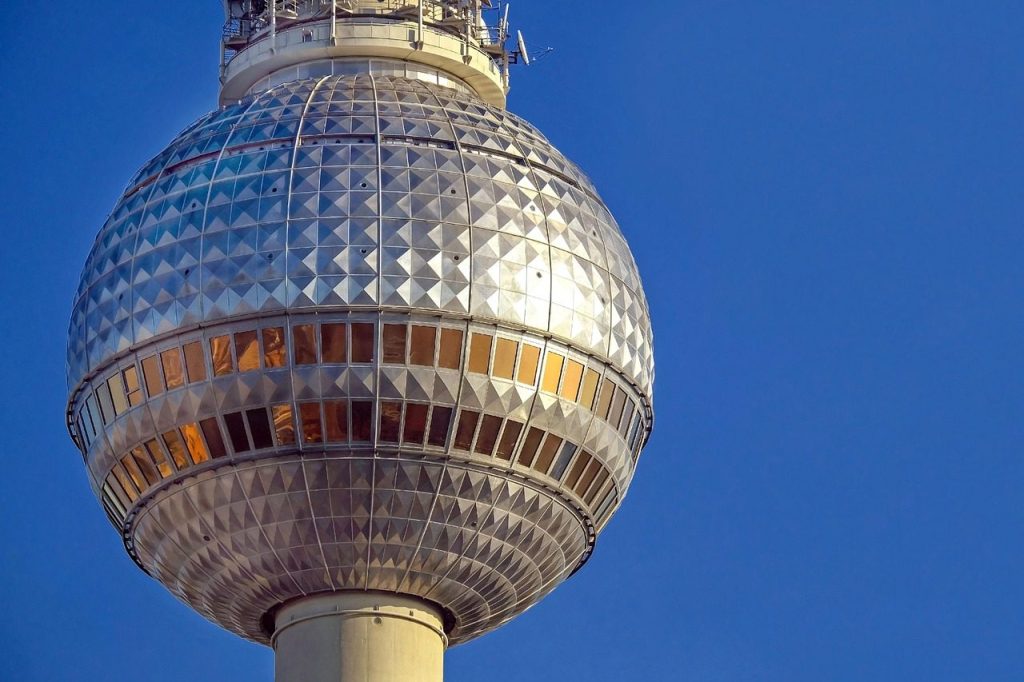
    television tower, berlin, alexanderplatz, sightseeing, landmark, bullet, glittering, building materials, stole, reinforced concrete, heaven, blue, berlin, berlin, berlin, berlin, berlin
    Photo by Couleur on Pixabay

    The secret is “nanocarbon.” Scientists add tiny, conductive carbon particles to the cement mix. These particles create a massive surface area inside the concrete, allowing it to act like a giant “supercapacitor.” It can soak up energy very quickly and release it whenever it’s needed. It is completely safe to touch and can last for decades. But wait until you see how this could save our aging power grids.

    Solving the Energy Crisis with Our Skyscrapers

    skyscrapers, buildings, harbor, skyline, night view, night, city, victoria harbour, hong kong, cityscape, travel, city, city, hong kong, hong kong, hong kong, hong kong, hong kong
    Photo by carloyuen on Pixabay

    Our current power grids are struggling to keep up with demand. If every skyscraper acted as a battery, we wouldn’t need to build massive, ugly battery farms in the countryside. The buildings would absorb energy during the day and feed it back to the city at night. It makes the entire city more resilient to blackouts. But wait, this material can do more than just store energy; it can also sense damage.

    The Wall That Tells You When It Is Breaking
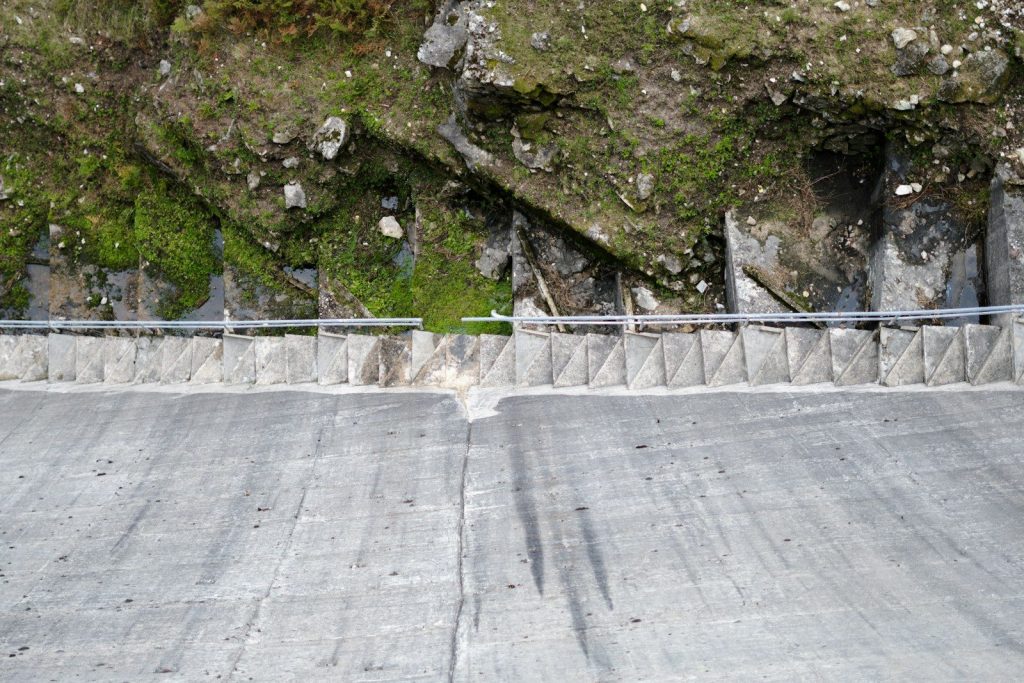
    Dam wall and mountain side.
    Photo by João Rodrigues on Unsplash

    Because the concrete is conductive, any crack or stress changes the electrical signal. This means the building can “feel” pain. If a bridge is about to fail or a wall is under too much pressure, the concrete will send a signal to a central computer. We could fix problems before they ever become dangerous. But the most exciting use for this tech is happening in our most remote areas.

    Bringing Power to Places Without a Grid
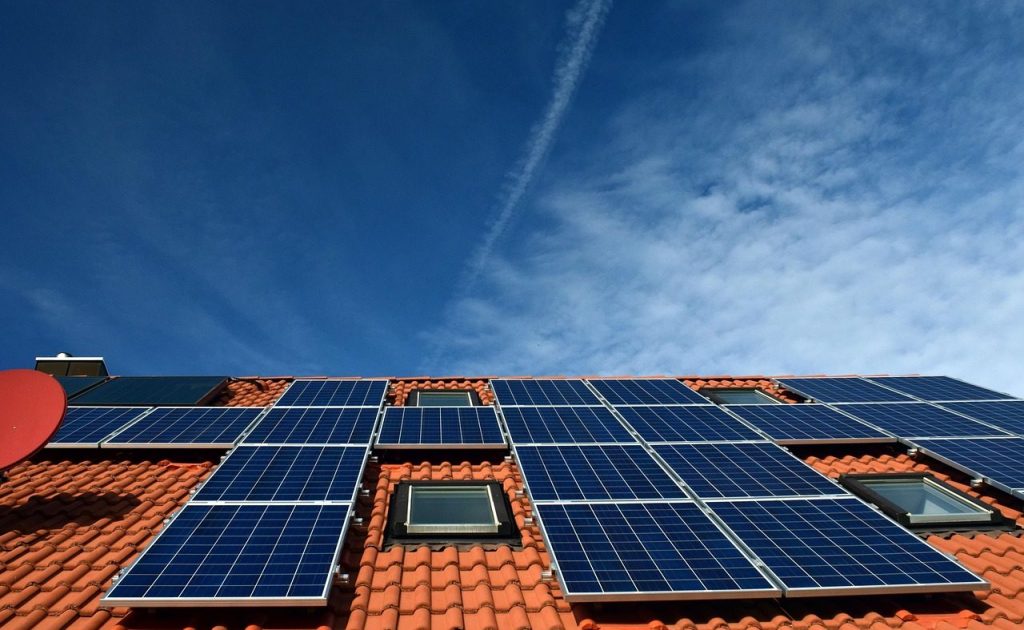
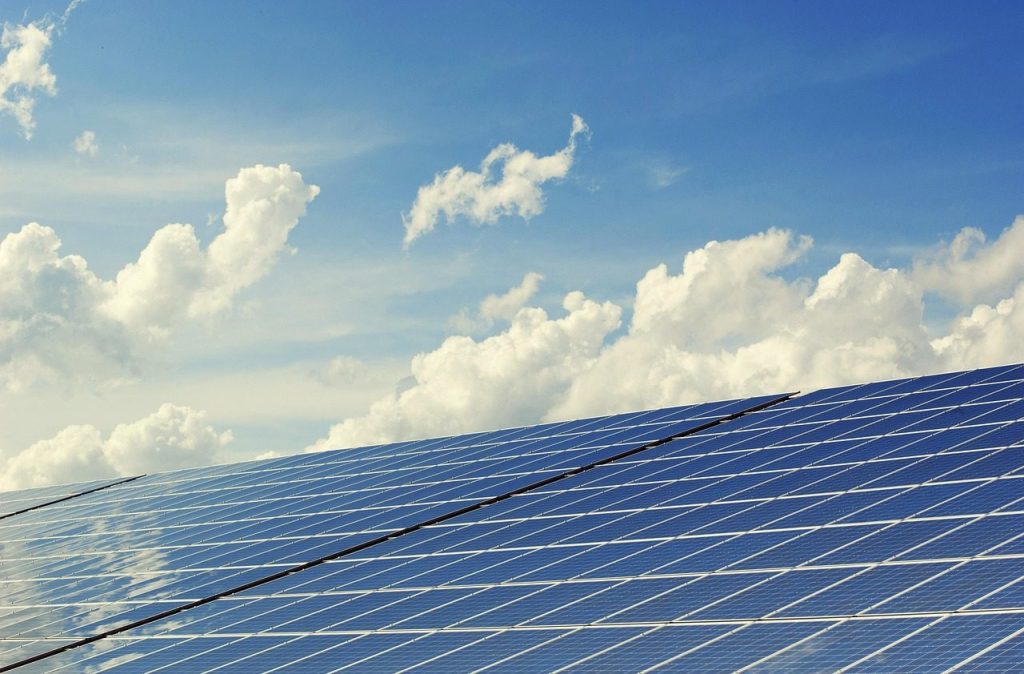
    solar system, roof, power generation, solar power, solar cells, energy, electricity, house, solar energy, solar panel, energy transition, blue, renewable, housetop, technology, environmentally friendly, electricity generation, heaven, nature, clouds, sun, roof tiles, roof panels
    Photo by ulleo on Pixabay

    In developing countries, building a power grid is incredibly expensive. But people still need houses. If those houses are built with battery concrete and a single solar panel, they have an instant, reliable power source. It could bring light and the internet to the most remote corners of the globe for the first time. But how long until this material is at your local hardware store?

    The Race to Commercialize Smart Cement
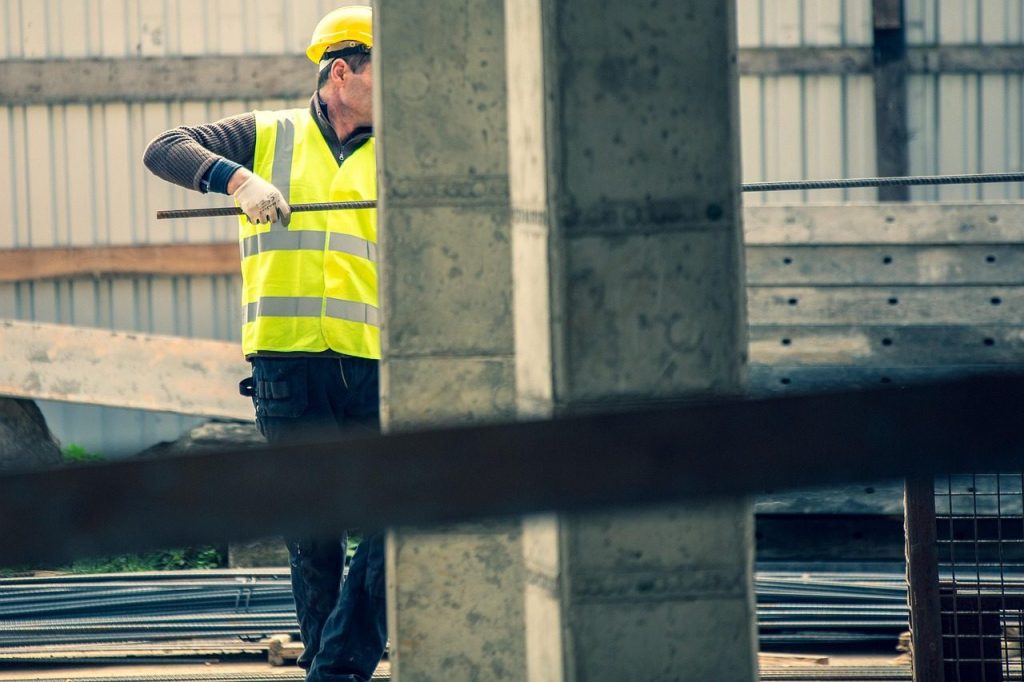
    construction, construction worker, construction site work, worker, building, construction worker, construction worker, construction worker, construction worker, construction worker
    Photo by phooto on Pixabay

    Major construction companies are already running tests on this material. They are working on making the mix easy for any builder to use. We are only a few years away from the first “battery buildings” being approved. Once it hits the market, the way we design homes will change forever. It is the ultimate merger of infrastructure and technology.

    The End of the Invisible Energy Problem
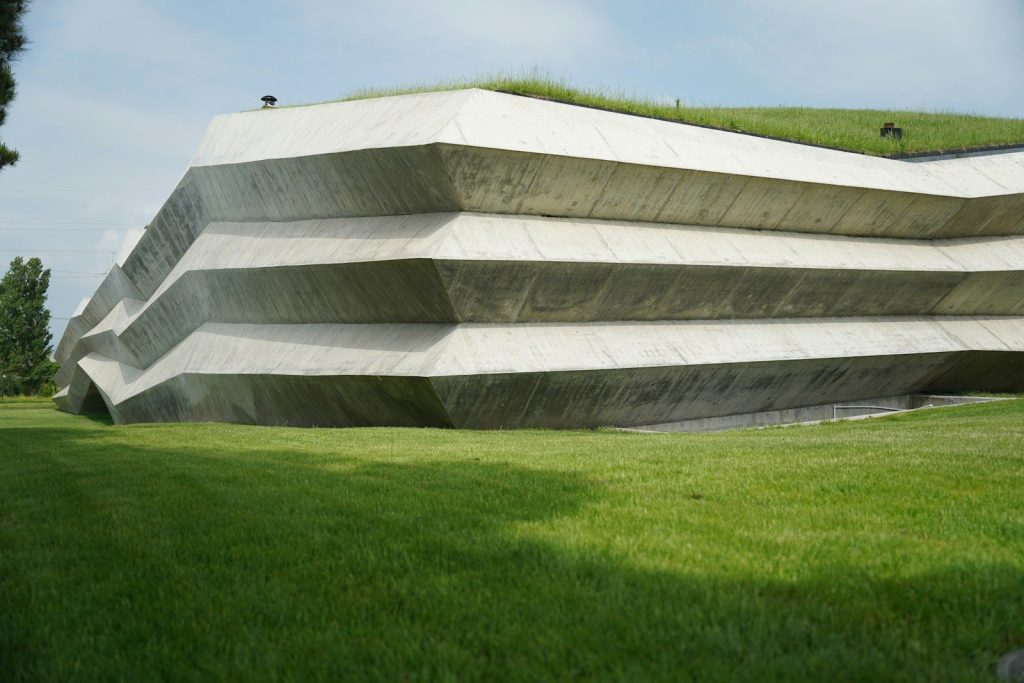
    a large stone building
    Photo by Alexandr Voronsky on Unsplash

    We are entering an era where our physical world is also our digital world. The walls that protect us will also power our lives. It is a sustainable, clever solution to our biggest problems. The “cement battery” is just the beginning of a materials revolution. From wooden skyscrapers to underwater tunnels, we are rebuilding the world from the ground up.

    Featured Image: Photo by Juan Pablo on Unsplash
  • How Bio-Synthetic Organs are Ending the Transplant Waitlist

    How Bio-Synthetic Organs are Ending the Transplant Waitlist

    Every day, seventeen people die while waiting for an organ transplant. This tragic reality has haunted the medical community for decades. However, a massive shift is happening right now in labs across the globe. Bio-synthetic organs are no longer a dream found in science fiction movies. Scientists are now using a patient’s own cells to grow functional body parts. This process removes the biggest hurdle in modern transplants, which is the risk of organ rejection. By using your own biological data, doctors can create a “perfect match” every single time.
    We are moving toward a future where “off-the-shelf” lungs and kidneys could save millions. No more long lists and no more waiting for a donor. This technology is moving faster than anyone expected. It is not just about growing skin or bone anymore. Wait until you see how they are literally printing complex human hearts from scratch.

    The Magic of 3D Bio-Printing Technology

    chemist, laboratory, analysis, chemistry, research, woman, female, girl, laboratory, laboratory, laboratory, laboratory, laboratory, chemistry, chemistry, research, research
    Photo by jarmoluk on Pixabay

    The secret behind this revolution is 3D bio-printing. Instead of plastic or metal, these printers use “bio-ink” made of living cells. These printers layer the cells with precision to build complex structures like blood vessels. It is a slow and delicate process, but the results are stunning. This technology allows doctors to replicate the exact shape of a patient’s original organ. But printing the shape is only the first step. The real challenge is making these printed parts actually breathe and beat like the real thing.

    Eliminating the Risk of Organ Rejection

    a chain link fence
    Photo by Warren Umoh on Unsplash

    When you receive an organ from a donor, your immune system usually treats it like an invader. You have to take heavy drugs for the rest of your life to stop your body from attacking itself. Bio-synthetic organs change this entirely. Since these organs are grown from your own genetic material, your body recognizes them as its own. This means fewer side effects and a much higher success rate for patients. But how long can these lab-grown organs actually last inside a human body?

    Lab-Grown Lungs are Already Taking Breath

    anatomy, human, heart, pulse frequency, heart rate, question mark, philosophy, psychology, existence, thorax, monitor, to learn, study, skeleton, system, body, health, medical, medicine, lung, brain, stomach, colon, anatomy, lung, lung, brain, stomach, stomach, stomach, stomach, stomach, colon
    Photo by geralt on Pixabay

    Lungs are incredibly complex because of their delicate air sacs. Yet, researchers have successfully grown bio-engineered lungs and transplanted them into animal models. These lungs supported gas exchange just like natural ones. This is a massive win for patients suffering from chronic respiratory diseases. We are inches away from human clinical trials that could change everything. However, the heart remains the ultimate prize for researchers, and the progress there is even more shocking.

    Printing the First Functional Human Heart

    cyberpunk, futuristic, robot, surreal, neon, city, technology, digital, fantasy, background, abstract, wallpaper, droid, drone, woman, design, binary, art, world, networks, psychedelic, heart, people, communication, cyberpunk, cyberpunk, cyberpunk, cyberpunk, cyberpunk
    Photo by PatoLenin on Pixabay

    The heart is more than just a muscle; it is a complex pump with its own electrical system. Scientists recently printed a miniature version of a human heart with its own cells and blood vessels. While it is still small, it proves that the architecture of the heart can be replicated. The next step is scaling this up to full size. Imagine a world where heart failure is a manageable condition rather than a death sentence. But what happens to the cost of healthcare when we can simply print new parts?

    Affordable Organs for the Entire World

    silver and black stethoscope on 100 indian rupee bill
    Photo by Marek Studzinski on Unsplash

    Traditional transplants are incredibly expensive due to surgery, transport, and long-term care. Bio-synthetic organs could eventually drive these costs down. Once the technology is standardized, local hospitals could have their own “organ farms.” This would eliminate the need for expensive organ transport networks. Access to life-saving surgery would no longer be a luxury for the rich. But wait, there is a hidden ethical question that scientists are starting to worry about.

    The Ethics of Living Forever

    a sculpture of a person sitting on a table
    Photo by Declan Sun on Unsplash

    If we can replace every organ as it fails, what does that mean for the human lifespan? Some experts suggest we could extend life by decades or even centuries. This brings up tough questions about population growth and social structure. Are we ready to become biological machines that never truly wear out? It sounds like science fiction, but the timeline for these changes is much closer than you think.

    When Will This Be in Your Hospital?

    a hospital room with a bed and a chair
    Photo by Max Tcvetkov on Unsplash

    We are looking at a timeline of the next ten to fifteen years for widespread use. Small-scale tissues like skin and cartilage are already being used today. More complex organs like the kidneys are currently in advanced testing phases. The transplant waitlist might become a thing of the past within our lifetime. It is a total reset for human biology. If you think this change is big, wait until you see how 6G is about to track your every move.

    Featured Image: Photo by Maxence Pira on Unsplash

  • Why Your Garden is Making Noises You Can’t Hear

    Why Your Garden is Making Noises You Can’t Hear

    You might think your backyard is a place of peace and quiet, but that is only because your ears aren’t sensitive enough. Scientists have discovered that gardens are actually buzzing with a “secret language” of ultrasonic sounds. Plants, insects, and even the soil itself are constantly emitting noises that are far too high-pitched for the human ear to detect.

    If we could hear at these frequencies, a garden would sound like a busy city. This isn’t just random noise; it is a complex system of communication and survival. Plants are “screaming” when they are thirsty, and bugs are “singing” to find their way home. But why would a flower need to make a sound in the first place?

    The “Screams” Of A Thirsty Tomato Plant

    tomatoes, vegetables, fresh, bush, garden, nature, healthy, harvest
    Photo by Kathas_Fotos on Pixabay

    Researchers at Tel Aviv University used specialized microphones to listen to tomato and tobacco plants. They found that when a plant is stressed—either from a lack of water or a cut to its stem—it emits a series of “clicks.” To a human, it would sound like bubble wrap popping, but at a very high frequency.

    A thirsty plant can make up to 40 of these clicks every hour. They aren’t just crying out into the void; they are communicating their state to the world around them. This discovery has completely changed how we think about “quiet” vegetation. But who is actually listening to these botanical cries?

    The Animals That Use Plants Like A Radio

    mountains, birds, silhouette, sunset, dusk, dawn, sunrise, mountain range, mountainous, flying, wildlife, nature, scenic, scenery, birds, sunset, sunset, sunset, sunset, sunset, sunrise, sunrise, nature, nature, nature, nature
    Photo by giani on Pixabay

    While humans can’t hear these plant sounds, many animals can. Moths and bats are highly sensitive to ultrasonic frequencies. Scientists believe that some insects might use the “stress clicks” of plants to decide where to lay their eggs.

    A moth might avoid a “screaming” plant because it knows the plant is unhealthy and won’t provide good food for its larvae. Conversely, bats might use the sounds to help them navigate through a thick forest. The garden is essentially a giant radio station, and the animals are the listeners. But what happens when the bugs start talking back?

    The Secret Songs Of Underground Insects

    Muddy hands stretched out in a garden symbolizing connection to nature.
    Photo by Kampus Production on Pexels

    The noise doesn’t stop at the surface. The soil is full of life that communicates through vibrations and sound. Grubs, ants, and beetles move through the earth, creating a constant “soil hum” that scientists are now recording.

    These vibrations help insects find mates and avoid predators. Some ants even “purr” to let their colony know where food is located. By placing high-tech sensors in the ground, we can now hear the heartbeat of the Earth. But these sounds are also a warning sign for our own food supply.

    Using “Sound Maps” To Create The Perfect Farm

    green grass field during daytime
    Photo by Nik on Unsplash

    Smart farmers are now using this “secret language” to save their crops. Instead of waiting for a plant to turn yellow, they use microphones to hear the very first signs of thirst or disease. By listening to the garden, they can give each plant exactly what it needs, exactly when it needs it.

    This “precision agriculture” reduces water waste and eliminates the need for heavy fertilizers. We are moving toward a future where farmers are more like “conductors” of a botanical orchestra. It is a much more efficient way to feed the planet. But can sound actually help a plant grow better?

    The Mystery Of How Sound Changes Plant Growth

    A bee pollinates a vibrant yellow flower.
    Photo by Ram Kishor on Unsplash

    There is evidence that some plants actually react to the sound of moving water or buzzing bees. In one study, flowers increased the sugar content in their nectar within minutes of “hearing” a bee’s wings. This is a deliberate reaction to attract pollinators.

    This means plants aren’t just passive objects; they are active listeners. They are tuned into the frequency of life around them. We are just now beginning to understand the “ears” of a plant. But there is a darker side to the sounds of the garden.

    Why Urban Noise Is Making Your Garden Sick

    traffic, city, traffic jam, cars, vehicles, highway, road, sunset, nature, twilight
    Photo by wal_172619 on Pixabay

    Our cities are loud, and all that human noise is starting to drown out the secret language of nature. Traffic, sirens, and construction create a “sound fog” that makes it hard for plants and animals to communicate.

    When the signals get crossed, the ecosystem starts to fail. Moths can’t find plants, and bees get lost on their way back to the hive. Protecting our gardens means more than just planting flowers; it means protecting the silence. But how can we help our gardens find their voice again?

    How To Listen To Your Own Backyard

    A serene garden with a pond and lush greenery
    Photo by Ali Kazal on Unsplash

    While you can’t buy “plant ears” at the store just yet, you can learn to see the signs of the secret language. Pay attention to how the birds and bugs move around your plants. Look for the tiny vibrations in the leaves.

    The more we understand about the sounds of the garden, the more we realize how connected we are to the world around us. Your backyard is a masterpiece of communication. Are you ready to stop and listen? This is just the beginning of what nature is trying to tell us.

    Featured Image: Photo by Dominik Scythe on Unsplash

  • The Massive Ghost City Just Discovered Under the Amazon Canopy

    The Massive Ghost City Just Discovered Under the Amazon Canopy

    For centuries, people believed that the Amazon rainforest was a “virgin” wilderness, untouched by human hands. But a revolutionary new technology called LIDAR has just shattered this myth. Using lasers to “see” through the thick leaves, scientists have discovered a massive, ancient city hiding in plain sight. This isn’t just a few huts; it is an extensive urban network of roads, canals, and giant plazas that once housed thousands of people.

    The city is so large that it is being compared to the ancient civilizations of Egypt and Greece. It proves that the Amazon was once home to a highly advanced society that managed the forest like a giant garden. We are looking at a “Ghost City” that was lost to time and the jungle. But how did such a huge place stay hidden for over a thousand years?

    Lasers Cutting Through the Green Wall

    a close up of a metal object with a light on it
    Photo by Jonathan Castañeda on Unsplash

    The secret to this discovery is LIDAR, which stands for Light Detection and Ranging. Scientists fly a plane over the jungle and fire billions of laser pulses at the ground. These lasers bounce off the floor and return to the sensor, creating a 3D map of what is under the trees.

    It is like “erasing” the forest to see the land beneath. When the images came back, the researchers saw straight lines, perfect squares, and massive mounds that could only be made by humans. It was like looking at a blueprint of a lost world. But what kind of people could build something this big in the middle of a jungle?

    The Grid System of the Jungle

    a computer generated image of a forest scene
    Photo by Ashish R. Mishra on Unsplash

    Unlike modern cities that grow randomly, this “Ghost City” was perfectly planned. It features a massive central plaza with roads shooting out in every direction. These roads are so straight and wide that they look like modern highways.

    The city was designed to handle a massive population while keeping the forest healthy. There were areas for farming, areas for living, and areas for religious ceremonies. It is a level of urban planning that was far ahead of its time. But how did they move all that dirt without any heavy machinery?

    A Civilization Built on Raised Mounds

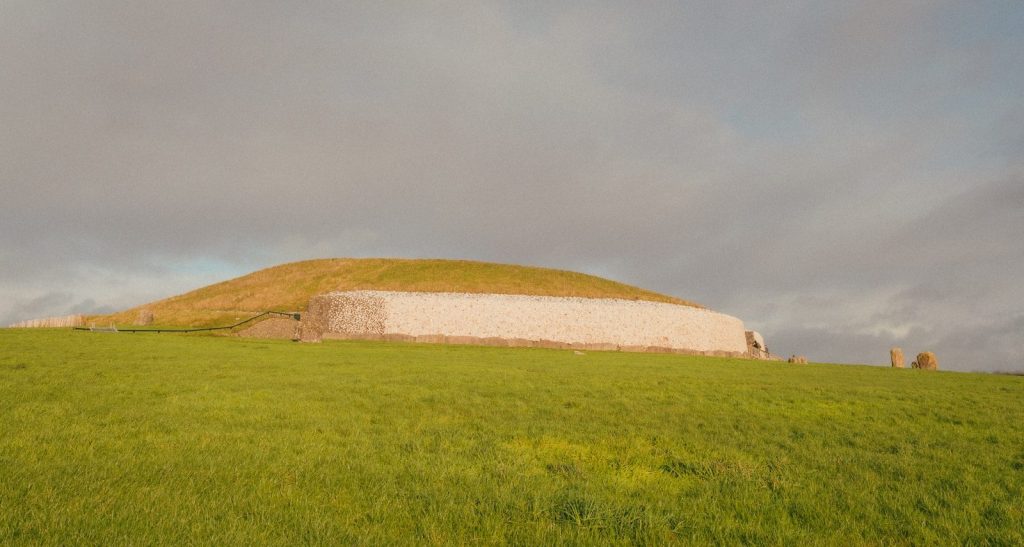
    Ancient burial mound on a grassy hill under cloudy sky
    Photo by Elliot Voilmy on Unsplash

    The Amazon floor is often wet and prone to flooding. To solve this, the ancient builders created giant earth mounds to sit their houses on. Some of these mounds are over 60 feet tall and hundreds of feet wide.

    They moved millions of tons of earth by hand to create these “islands” in the forest. This allowed the city to stay dry and safe during the rainy season. It is a masterpiece of engineering that has survived for over ten centuries. But what were they eating to support such a huge population?

    The Garden Cities of the Past

    tractor, rural, farm, countryside, field, farming, cultivation, agriculture, machine, tractor, tractor, tractor, tractor, tractor, farm, farming, farming, agriculture, agriculture, agriculture
    Photo by 12019 on Pixabay

    The people of this ghost city weren’t just hunters; they were master farmers. They created “Terra Preta,” or dark earth, by mixing charcoal and nutrients into the soil. This made the jungle ground incredibly fertile.

    They grew fruit trees, corn, and beans in giant orchards that looked like a natural forest. This “agro-forestry” allowed them to feed thousands of people without destroying the environment. We are learning that the Amazon wasn’t a wilderness—it was a managed garden. But if they were so successful, why did they disappear?

    The Silent Killer That Ended an Empire

    a black and white drawing of a large group of people
    Photo by Birmingham Museums Trust on Unsplash

    Scientists believe that the arrival of European diseases was the final blow to this civilization. Long before any explorers set foot in the deep jungle, diseases like smallpox traveled through trade routes. With no immunity, the population of these cities was likely wiped out in a few decades.

    The jungle, which they had managed so carefully, quickly moved back in to reclaim the ruins. Within a hundred years, the roads and plazas were buried under thick vines and trees. The “Ghost City” became a legend. But are there more cities still waiting to be found?

    Rewriting the History of the Americas

    green trees under cloudy sky during daytime
    Photo by Patrick Federi on Unsplash

    This discovery changes everything we know about human history. It proves that the Americas were just as densely populated and advanced as Europe or Asia. The idea that the Amazon couldn’t support a civilization has been proven completely wrong.

    We are realizing that we have been looking at the forest the wrong way for 500 years. There is a whole world of history buried under the leaves that we are just beginning to touch. But what does this mean for the future of the Amazon today?

    A Plan to Protect the Lost World

    map, world map, australia, countries, travel, pins, world map, australia, australia, australia, australia, australia
    Photo by beasternchen on Pixabay

    Now that we know these ruins exist, there is a race to protect them. Illegal logging and farming are destroying the land before scientists can map it. Each time a patch of forest is cleared, a piece of human history is lost forever.

    Governments and international agencies are working together to create a “digital heritage” map of the Amazon. We are using the lessons of the past to try to save the forest for the future. Are you ready to see what the AI found in the world’s most mysterious book?

    Featured Image: Photo by Leonhard_Niederwimmer on Pixabay

  • How AI Finally Translated the World’s Most Mysterious Book

    How AI Finally Translated the World’s Most Mysterious Book

    For over 600 years, the Voynich Manuscript has been the ultimate riddle. It is a handwritten book filled with strange plants, naked figures, and a language that no human has ever been able to read. Code-breakers from both World Wars tried to crack it and failed. But in 2026, an advanced artificial intelligence has done what humans couldn’t.

    By analyzing the “neural patterns” of the script, the AI has successfully translated the first few chapters. It turns out the book isn’t a hoax or an alien message. It is a highly specialized medical and botanical manual written in a lost dialect. We are finally looking at the secrets of a “Ghost Language.” But what exactly was the author trying to hide?

    A Neural Network for Ancient Secrets

    ai generated, neural, network, internet, technology, neuron, computer, tech, data, technology, technology, technology, technology, technology, neuron, neuron, tech, data, data, data, data
    Photo by BrianPenny on Pixabay

    The AI didn’t just look at the letters; it looked at the rhythm of the writing. Humans use patterns when they talk or write, even if they are using a code. The AI compared the Voynich script to thousands of known languages and found a 90 percent match with a rare form of “Proto-Romance.”

    This language was spoken around the Mediterranean but was never written down—except in this book. The AI was able to “fill in the gaps” of the grammar by simulating how the language would have evolved. It was like giving a voice to someone who has been silent for centuries. But what are the strange plants drawn on the pages?

    The Botany of a Lost World

    Pressed leaves and ferns displayed on paper.
    Photo by Nisa Çokokumuş on Unsplash

    The most famous part of the book is the illustrations of plants that don’t seem to exist. The AI translation has revealed that these aren’t “fake” plants. They are actually “compound drawings” showing different parts of various medicinal herbs mixed together.

    The text describes how to mix these plants to create cures for everything from skin infections to stomach pain. The drawings were meant to be a shorthand for doctors who already knew the basic plants. It is an ancient “cheat sheet” for medieval medicine. But can we actually use these recipes today?

    Secrets of the Medieval Spa

    woman, bath, beauty, face, model, milk bath, skincare, bathtub, face, face, skincare, skincare, skincare, skincare, skincare
    Photo by 5882641 on Pixabay

    A large section of the book features groups of women in green baths. People used to think this was a religious cult or something supernatural. The AI has translated these sections as instructions for “hydrotherapy.”

    It details how to use mineral springs and herbal baths to treat female health issues. It is essentially a manual for a high-end medieval health spa. The women in the drawings are simply patients undergoing treatment. It is a fascinating look at how people took care of themselves 600 years ago. But why was it all written in such a hard-to-crack code?

    Protection from the Inquisition

    monastery, church, architecture, abbey, cloister, gang, dark, middle ages, religion, stone, historically, old, gothic, history, church, church, gothic, gothic, gothic, gothic, gothic, history, history, history
    Photo by Tama66 on Pixabay

    The author of the Voynich Manuscript lived in a time when “new” science was often seen as heresy. If you were caught with a book detailing “secret” cures or strange chemicals, you could be in big trouble. The AI believes the code was a safety measure.

    The language was chosen because it was dying out, making it hard for outsiders to read. It allowed the author to share their knowledge with a small circle of students without attracting the attention of the church. It was the “Dark Web” of the 15th century. But who was the genius who wrote it?

    The Hunt for the Anonymous Author:

    a group of white signs on a metal rack
    Photo by Anna Auza on Unsplash

    While AI has solved the puzzle, the name of the author is still a mystery. However, the text has indications about a “scholar from the east” who traveled to Europe. The dialect used in the book suggests a connection with the island of Ischia in Italy.

    Researchers are now using the AI’s translation to search through Italian archives for anyone who matches the description. We are closer than ever to putting a face to the world’s most mysterious handwriting. But is it possible that some parts of the book are still hidden?

    The End of the Voynich Mystery

    home office, person, work, web design, business, workplace, monitor, computer, keyboard, screen, laptop, office work, independent, freelancer, success, graphic designer, designer, digital, nomad, home office, web design, web design, success, success, graphic designer, graphic designer, graphic designer, graphic designer, graphic designer, designer
    Photo by Cocoandwifi on Pixabay

    The success of the AI translation marks the end of one of the world’s greatest puzzles. It proves that technology can unlock the secrets of the past in ways we had never imagined. The Voynich Manuscript is no longer a scary enigma; it is a valuable piece of human history.

    It reminds us that even when things seem impossible to understand, there is always a pattern waiting to be found. The book is now being fully digitized so that anyone can read the “lost” recipes. But are you ready to find out why crabs have been walking sideways for 200 million years?

    Featured Image: Photo by Ruben Gregori on Unsplash

  • 200 Million Years of Side-Stepping – The Real Reason Crabs Started Walking Sideways

    200 Million Years of Side-Stepping – The Real Reason Crabs Started Walking Sideways

    If you’ve ever watched a crab on the beach, you’ve probably wondered why they move in such a weird way. While most animals walk forward, crabs have spent the last 200 million years perfecting the “sidestep.” This isn’t an accident or a mistake of nature; it is a highly advanced survival strategy.

    Scientists call this evolutionary obsession “Carcinization.” It turns out that nature wants to turn things into crabs because the design is so efficient. But the sideways walk is the most critical part of that design. It allowed crabs to conquer the ocean floor and survive multiple mass extinctions. But what exactly is the secret benefit of never looking where you are going?

    A Masterpiece of Joint Engineering

    crab, sea, pliers, nature, close-up, cancer, shellfish, sea creatures, animals, hermit crab, creature, eyes, crawling animal
    Photo by ulrikebohr570 on Pixabay

    The real reason crabs walk sideways is all in their “knees.” Because their bodies are wide and flat, their legs are attached to the sides of their torso. The joints in their legs only bend up and down, like a hinge on a door.

    If they tried to walk forward, their legs would trip over each other or snap under pressure. By walking sideways, their legs can move in a smooth and efficient arc. It is a work of art in mechanical engineering that allows them to move quickly without much energy. But can they really run faster than you?

    The Ultimate Defensive Maneuver

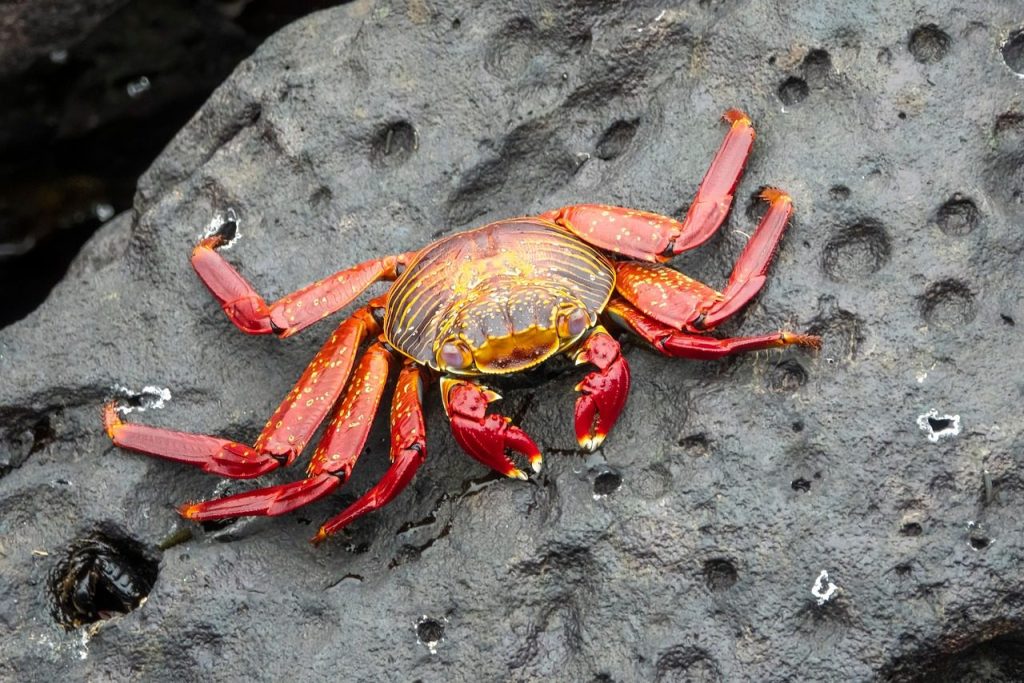
    crab, grapsus grapsus, nature, sally lightfoot crab, red rock crab, galapagos, wildlife, sea, red, rock
    Photo by Andrew_Rix on Pixabay

    Walking sideways gives crabs a 360-degree defensive advantage. Because their eyes are on stalks, they can see in every direction at once. By moving sideways, they can keep their powerful claws pointed directly at a predator while they escape into a hole.

    If they ran forward, they would have to turn their back on the enemy to run away. The sidestep allows them to be the ultimate “tank” of the sea floor—armored on all sides and always ready to fight. But how does this help them hide in the sand?

    Speed-Digging into the Deep

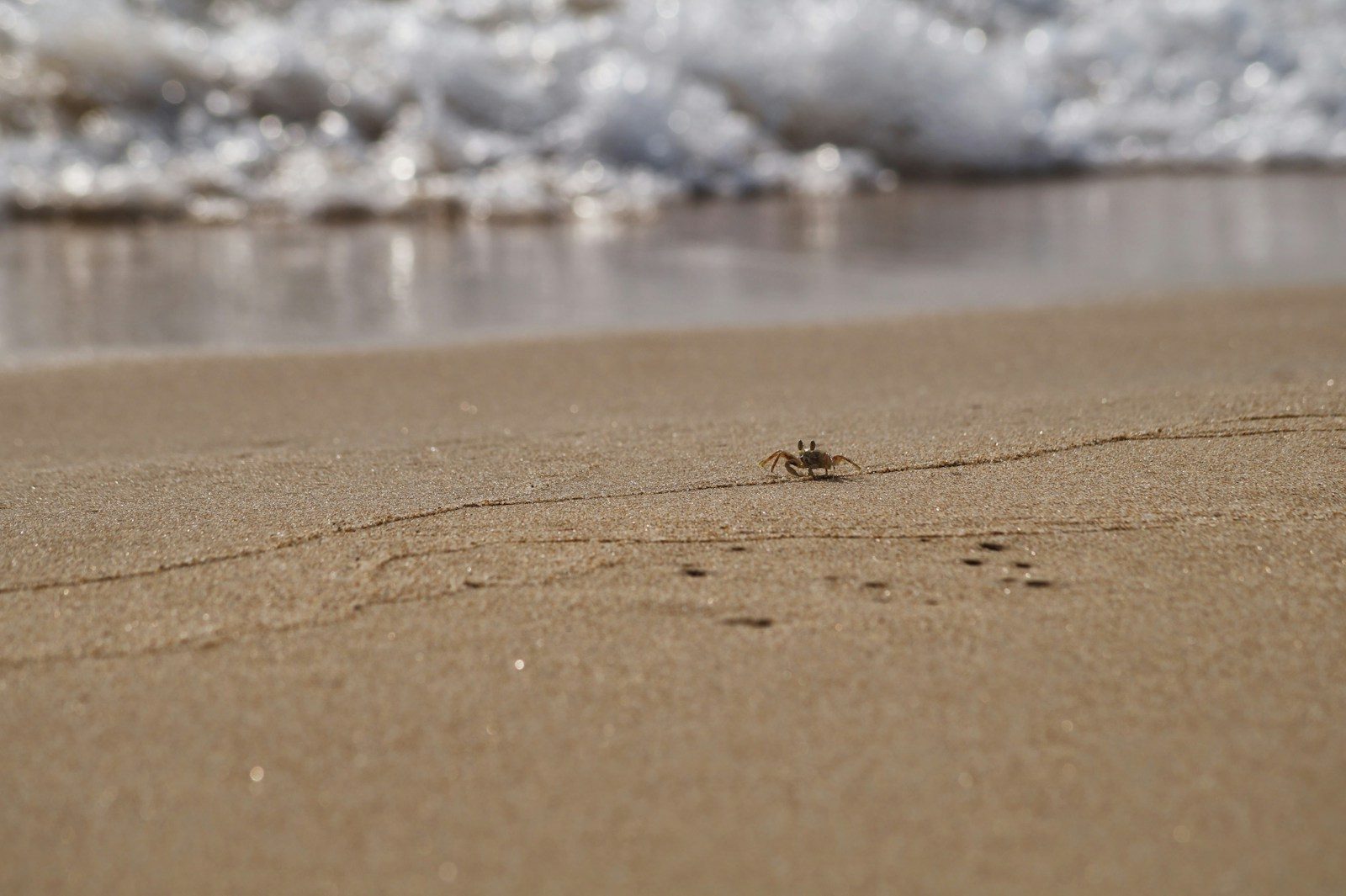
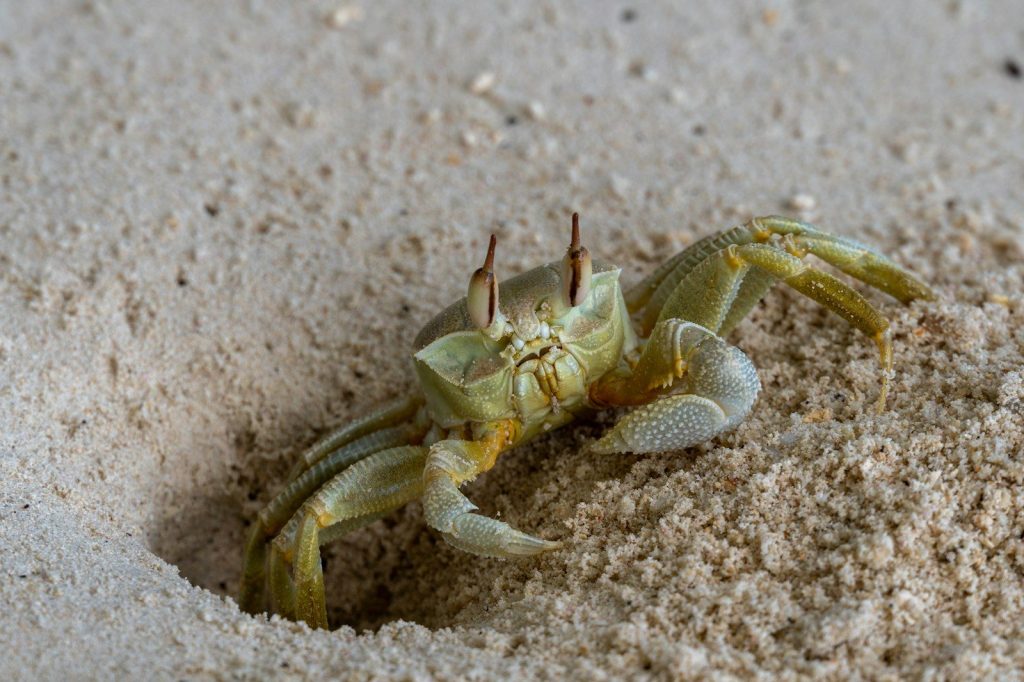
    a small crab is sitting in the sand
    Photo by Ben Michel on Unsplash

    The sideways movement is also the perfect “drill.” When a crab needs to hide from a bird or a shark, it uses its legs to shovel sand out from under its body in a sideways motion. They can disappear into the sea floor in less than three seconds.

    The flat, wide shape of their body acts like a spade, and the sidestep provides the power. It is a “vanish” trick that has kept them alive for millions of years. Forward-walking animals just can’t dig with the same speed. But is there a catch to being built like a pancake?

    The Narrow Gap Advantage

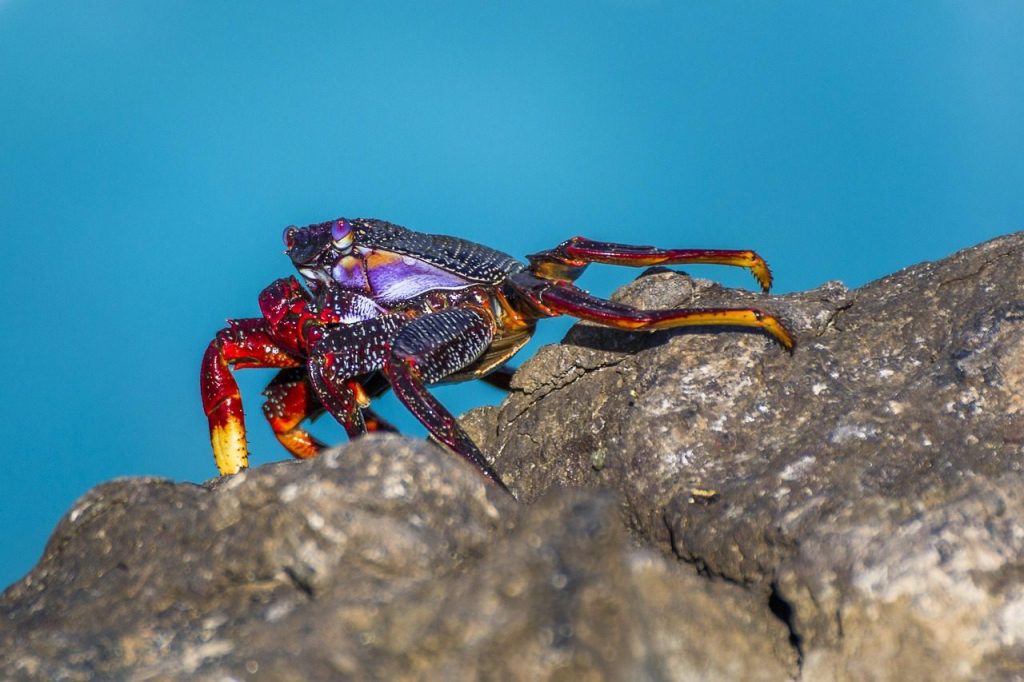
    crab, rock crab, atlantic, sea creatures, coast, sea animals, wildlife, water, sea, nature, colorful crab, by the sea, crab, crab, crab, crab, crab
    Photo by pixifant on Pixabay

    The ocean floor is full of tiny cracks and narrow crevices. Because crabs are thin and walk sideways, they can slide into gaps that are only an inch wide. This is their “safe zone” where larger fish and predators can’t reach them.

    Their sideways gait allows them to navigate these tight spaces with incredible agility. They are the only animals that can “parallel park” at high speeds. This ability to fit into tiny spaces is why they have successfully moved into every ocean on Earth. But why does nature keep trying to make more crabs?

    Evolution’s Favorite Shape

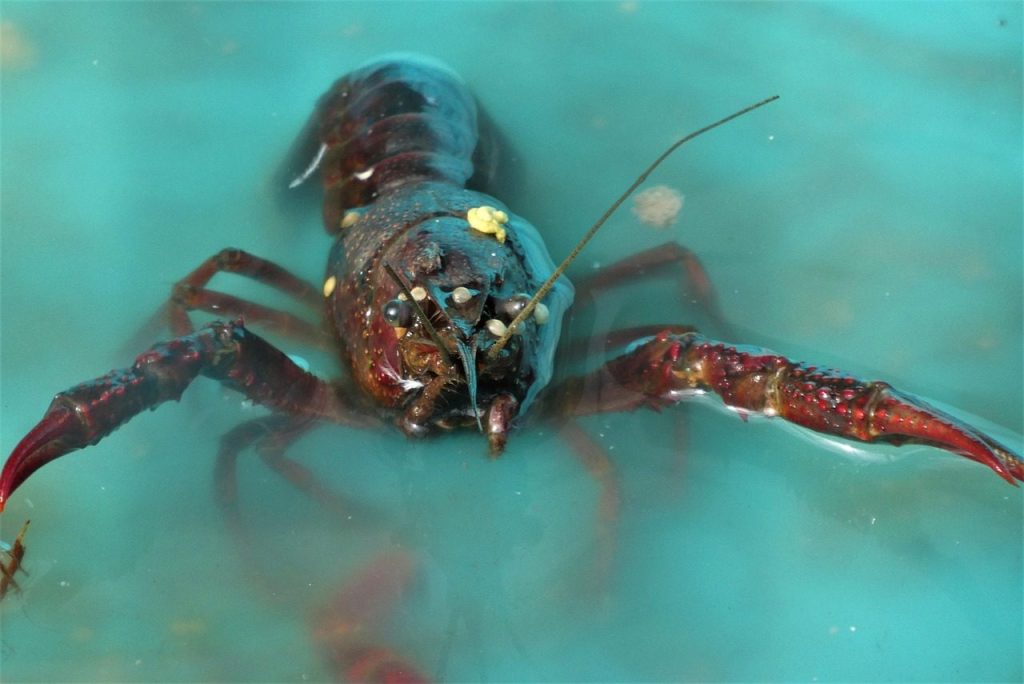
    lobster, crustacean, shellfish, seafood, lobster, lobster, lobster, lobster, lobster
    Photo by Elsemargriet on Pixabay

    “Carcinization” is one of the strangest patterns in biology. Scientists have found at least five different groups of crustaceans that evolved into a crab-like shape independently. It seems that if you want to survive on the ocean floor, being a wide, sideways-walking tank is the winning formula.

    Nature keeps “inventing” the crab over and over again because the design is nearly perfect. It is the peak of evolutionary efficiency. We are basically living on a planet that is slowly becoming “Crab World.” But do all crabs follow the sideways rule?

    The Rebels of the Crab World

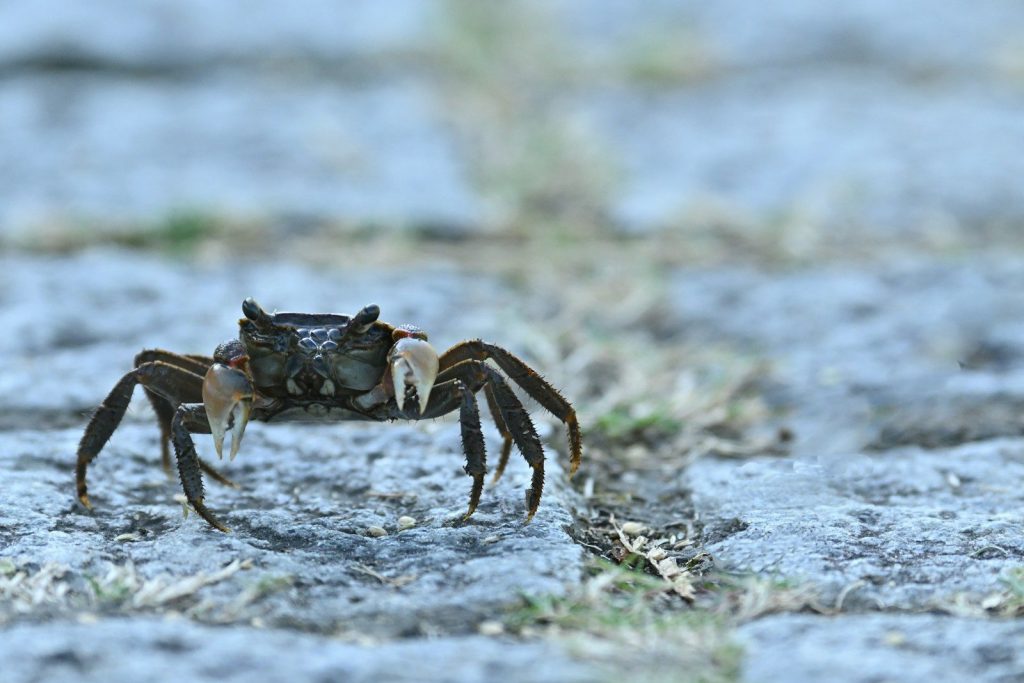
    a close up of a crab on the ground
    Photo by Nagara Oyodo on Unsplash
    While most crabs are sidesteppers, there are a few “rebel” species like the Soldier Crab that can walk forward. These crabs have longer, narrower bodies that allow their legs to move differently.

    However, they are much slower and more vulnerable than their sideways cousins. They have traded the “tank” defense for the ability to walk in a straight line. It proves that the sidestep is a choice, not a limitation. Most crabs choose the side because the side is where the safety is. But what does a crab have to do with an earthquake?

    A 200 Million Year Success Story

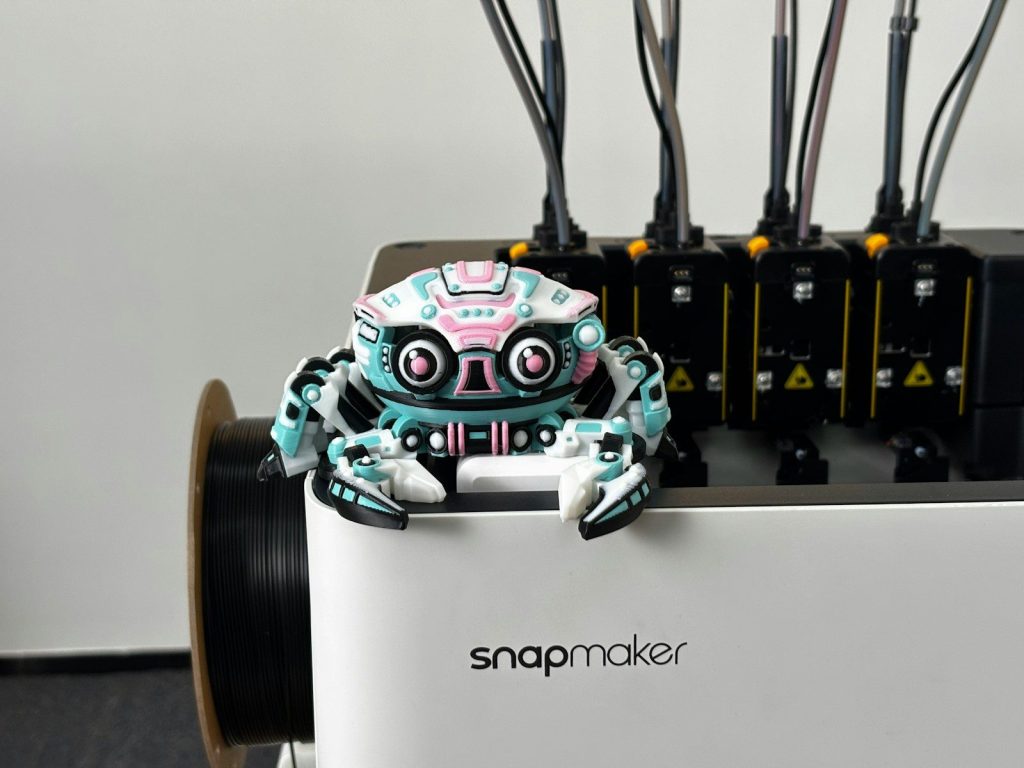
    A small, colorful robot sits on a white machine.
    Photo by Snapmaker 3D Printer on Unsplash

    Crabs have survived the extinction of the dinosaurs, the rise of the mammals, and the shifting of the continents. Their sideways walk is a testament to the power of a “good enough” idea. It isn’t pretty, and it looks a bit silly, but it works better than almost anything else in nature.

    As we look at the future of robotics, engineers are even copying the crab’s sideways gait to build better search-and-rescue droids. The sidestep is the future. But are you ready to hear why two of the world’s biggest fault lines have started talking?

    Featured Image: Photo by Pascal Müller on Unsplash

  • Why the San Andreas and Cascadia Just Started “Talking” to Each Other

    Why the San Andreas and Cascadia Just Started “Talking” to Each Other

    Seismologists have just discovered something that is sending shockwaves through the world of disaster planning. For decades, we thought the San Andreas Fault and the Cascadia Subduction Zone were two separate problems. But new underwater sensors have revealed that these two giants are actually “connected” deep underground.

    When one fault line feels pressure, it sends a signal—a series of micro-tremors—to the other. It is as if they are “talking” and coordinating their movements. This means that a massive earthquake on one fault could trigger a “double disaster” on the other. We are looking at a geological conversation that could change the face of the West Coast. But how do two pieces of rock talk across hundreds of miles?

    The Stress Transfer Highway

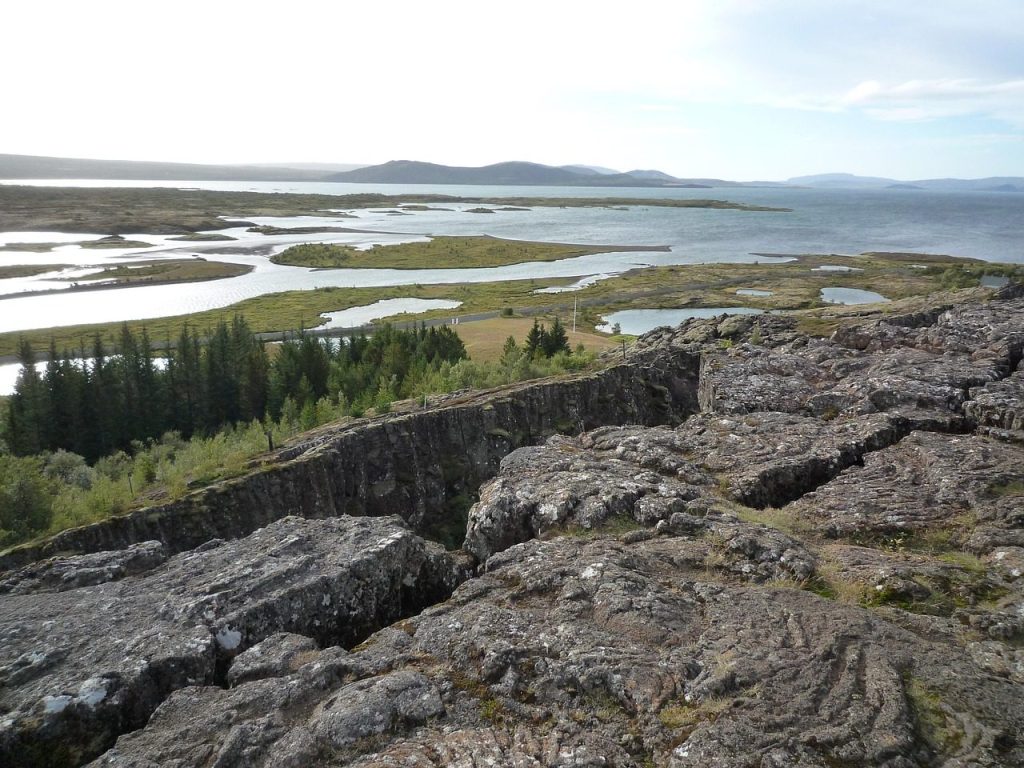
    iceland, nature, landscape, tectonic plate warp
    Photo by smaus on Pixabay

    The secret connection exists in a “stress transfer” zone deep in the crust of Earth. When the San Andreas fault gets “stuck,” it builds up massive amounts of energy. This energy doesn’t just sit there; it travels like a wave through the surrounding rock.

    This wave reaches the Cascadia fault and acts like a “nudge.” If Cascadia is already under pressure, this tiny nudge can be the final straw that breaks the fault. It is like a row of dominoes that stretches from California to Canada. But why haven’t we noticed this connection until now?

    Underwater Ears in the Abyss

    fiber, cable, wire, connection, network, cord, twine, internet, technology, tech, ethernet, string, strong, thread, communication, broadband, networking, twisted, network, network, internet, internet, technology, technology, tech, tech, tech, tech, tech, broadband
    Photo by Lucent_Designs_dinoson20 on Pixabay

    Until recently, our earthquake sensors were mostly on land. This meant we were “blind” to what was happening under the ocean. A new network of fiber-optic cables on the sea floor has changed everything. These “underwater ears” can hear the tiniest vibrations deep inside the Earth.

    They recorded a pattern of tremors that started in Northern California and moved steadily toward the Cascadia zone. It was a clear, rhythmic “ping” that showed the two faults were communicating. It was a wake-up call for scientists. But is this “conversation” a warning of something big?

    The Great Synchronization of 1700

    Abstract colorful wavy lines on gray background
    Photo by Logan Voss on Unsplash
    When researchers looked back at historical data, they found a terrifying pattern. In the year 1700, a massive Magnitude 9.0 earthquake hit the Cascadia zone. New evidence suggests that this quake was preceded—or followed—by a major snap on the San Andreas.

    The two faults seem to “sync up” every few hundred years. We are currently in the window where both faults are “overdue” for a major event. If they are talking more than usual, it could mean they are both getting ready to snap at the same time. But what would a “Double Big One” actually look like?

    A Tsunami that Never Ends

    a beach with waves
    Photo by Mohammad Usaid Abbasi on Unsplash

    If both faults snap, the impact would be unprecedented. The San Andreas would cause massive damage to cities like San Francisco and Los Angeles. Meanwhile, the Cascadia snap would trigger a tsunami hundreds of feet high that would hit the entire coast from Oregon to Japan.

    The “Double Big One” would be a global economic and humanitarian crisis. The talking between the faults is like a countdown clock that we can’t stop. But can we use this “conversation” to give people more time to escape?

    The Search for the “Off” Switch

    oil rig, industry, old, field, oil industry, nature, oil pump, drilling, platform, machine, borehole, georgia, countryside, sunset, dusk
    Photo by jplenio on Pixabay

    Scientists are now exploring “Geo-Engineering” to try to quiet the conversation. One theory involves injecting specialized fluids into the fault zones to lubricate the rock. This would allow the faults to “slip” slowly and release energy in small amounts instead of one giant snap.

    It is a risky and expensive plan, but it might be our only hope of preventing the big synchronization. We are trying to find a way to make the faults “stop talking” before it’s too late. But could the talking actually be our best early warning system?

    Building a Predictive Fault Map

    globe, map, world map, globe, globe, globe, map, map, world map, world map, world map, world map, world map
    Photo by lucasgeorgewendt on Pixabay

    By listening to the fault lines “talk,” we are getting better at predicting when a quake will happen. We can now see the “path” of the stress as it moves through the ground. This could eventually lead to an early warning system that gives cities days, or even weeks, of notice.

    It would be the biggest breakthrough in the history of seismology. We are turning a terrifying mystery into a solvable problem. The more we listen to the Earth, the more we can do to protect ourselves from its power. But is the Earth hiding one last secret under our feet?

    The Future of the Living Earth

    A man in a hoodie with the earth in the background
    Photo by Johannes Andersson on Unsplash
    We used to think the Earth was a collection of dead rocks. Now we know it is a dynamic, interconnected system that is constantly moving and “communicating.” The “talking” faults of the West Coast are a reminder that we are just guests on a living planet.

    Our survival depends on our ability to listen to the messages the Earth is sending us. The conversation has started, and it’s time for us to pay attention. We are finally starting to understand the language of the ground itself. Are you ready to see what happens when the next “word” is spoken?

    Featured Image: Photo by Sreehari Devadas on Unsplash

  • The New Bacteria That Can Devour a Water Bottle in 4 Hours

    The New Bacteria That Can Devour a Water Bottle in 4 Hours

    The global plastic crisis has finally met its match in a microscopic monster. For decades, we have watched our oceans and landfills overflow with plastic waste that takes centuries to break down. But in a stunning 2026 breakthrough, scientists have engineered a new strain of bacteria that views a plastic water bottle as a five-star meal. This isn’t just a slow decay. We are talking about a total biological breakdown that happens in under four hours.

    The discovery happened in a lab that was studying deep-sea microbes. Researchers found a unique enzyme that can snap the chemical bonds of PET plastic like they are dry twigs. Once the bacteria are applied to the plastic, they begin to dissolve the material almost instantly. It looks like something out of a horror movie, but for the environment, it is a miracle. We are looking at a future where the word “permanent” no longer applies to our trash. But how did the researchers make these tiny eaters move so fast?

    The Enzyme That Snaps Chemical Bonds

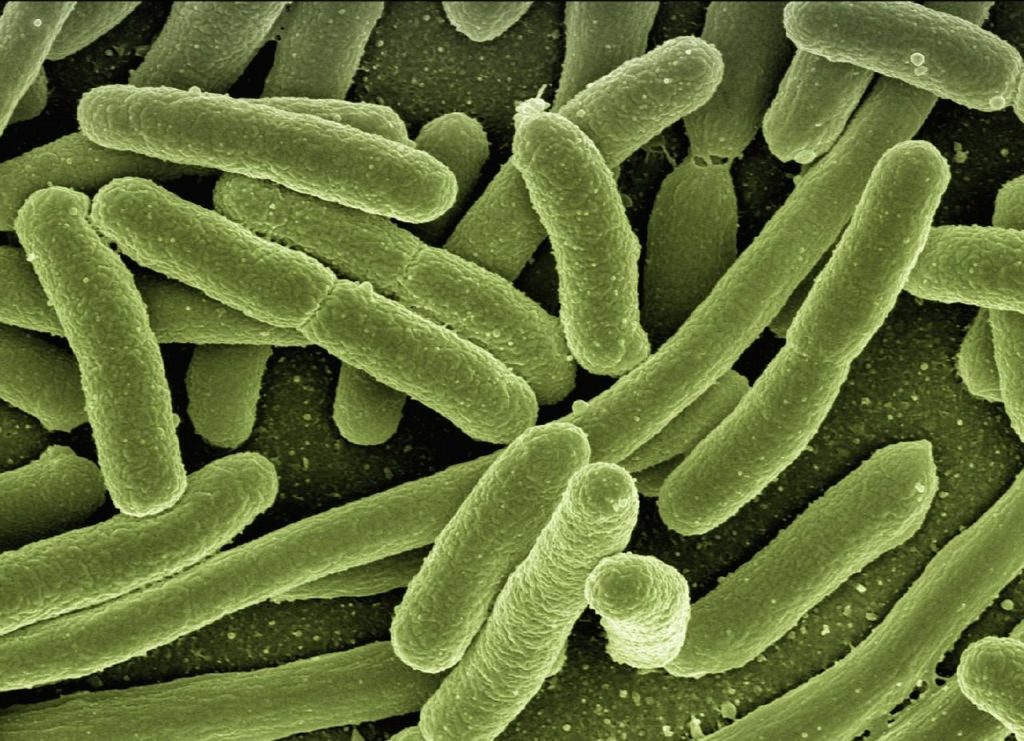
    koli bacteria, escherichia coli, bacteria, disease, pathogens, microscopy, electron microscopy, electron microscope, vaccination, immune system, diseases, vaccine, escherichia, infect, infection, risk of infection, pathogen, viruses, bacteria, bacteria, bacteria, bacteria, bacteria
    Photo by geralt on Pixabay

    The secret to this four-hour feast is a super-charged enzyme called “PETase-X.” Scientists used AI to rewrite the genetic code of a common bacterium, giving it the ability to produce this enzyme in massive quantities. When the bacteria touch plastic, the enzyme immediately goes to work on the polymer chains.

    It breaks them down into their original building blocks, which the bacteria then use as energy. It is a perfect circle of recycling that leaves behind nothing but harmless organic matter. This process is thousands of times faster than anything found in nature. But can this bacterium handle the “dirty” plastic found in the ocean?

    Cleaning the Oceans at Record Speed

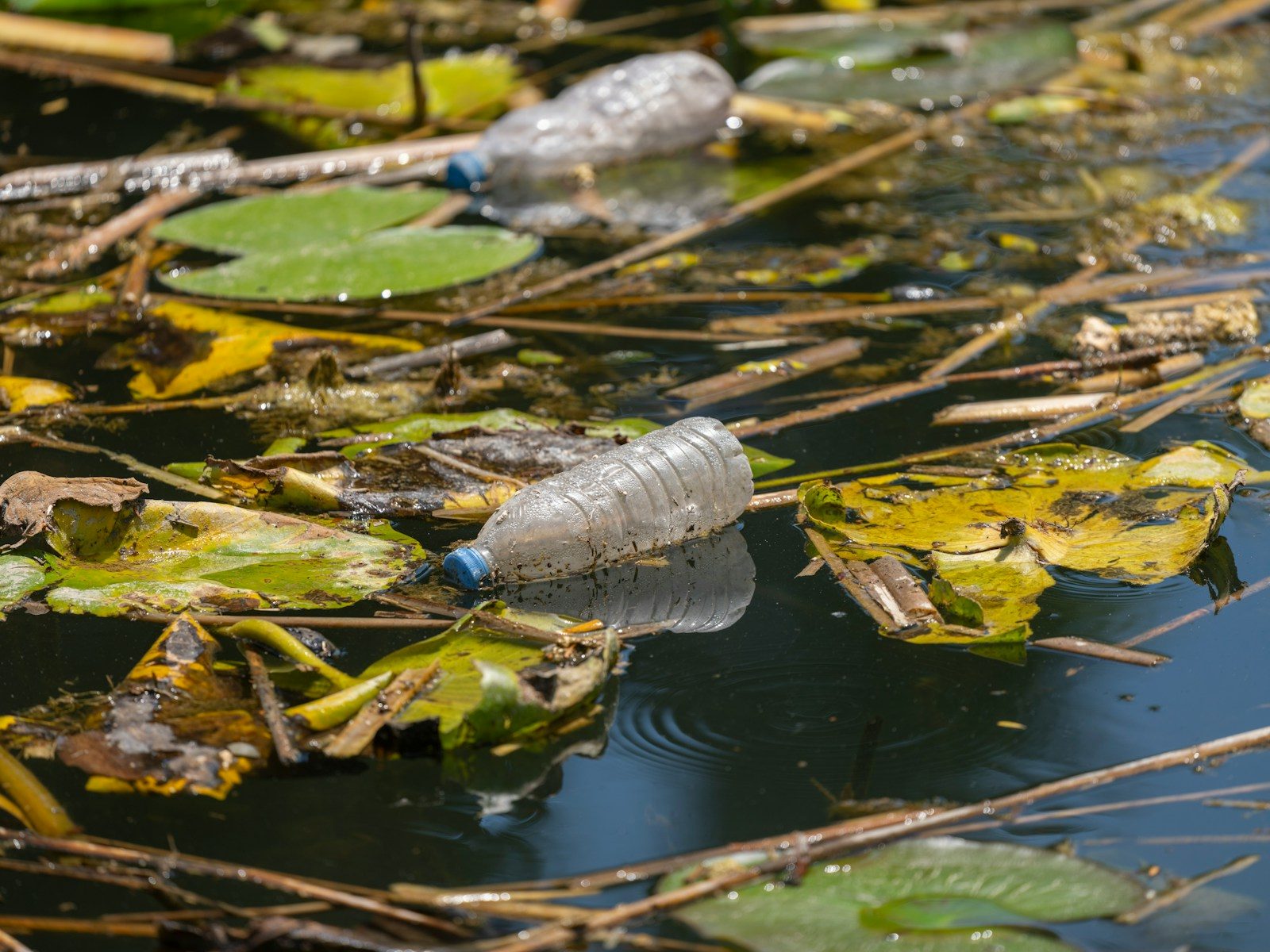
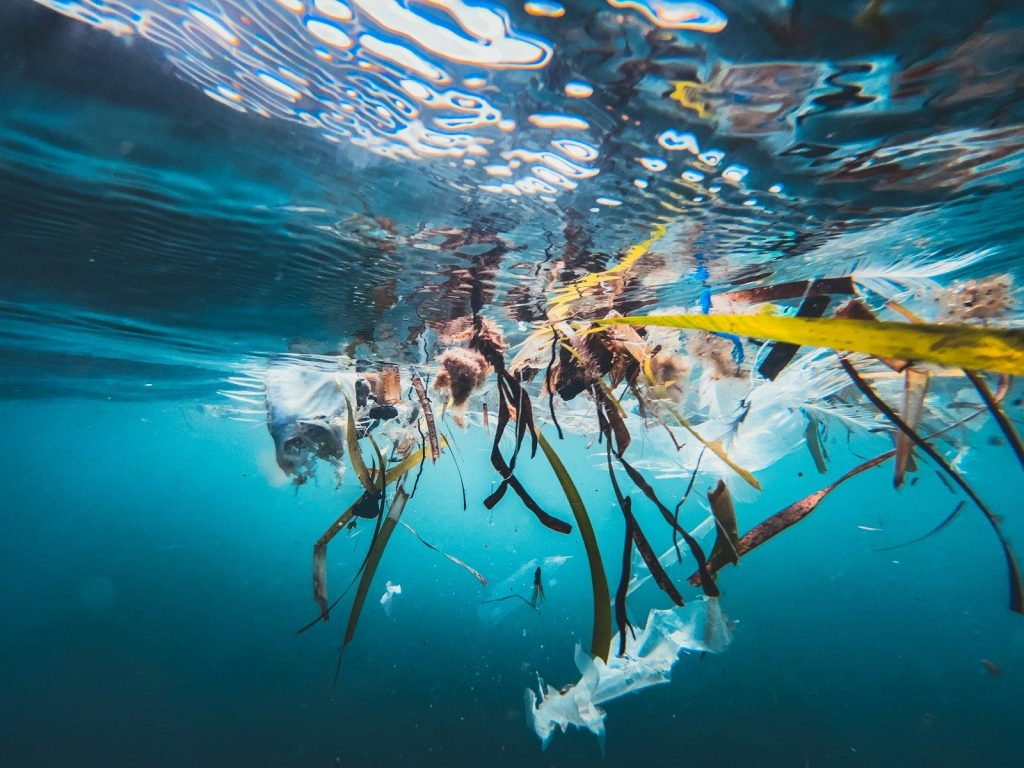
    Ocean pollution with plastic debris and seaweed
    Photo by Naja Bertolt Jensen on Unsplash
    Up until now, cleaning the Great Pacific Garbage Patch seemed impossible. There was just too much plastic and not enough time. However, this new bacterium can survive in salt water and handle varying temperatures.

    Scientists are now testing “bio-buoys” that release these bacteria into concentrated areas of ocean plastic. Instead of using nets that trap fish, we are using biology to erase the trash. Within hours, the plastic becomes a nutrient source for the local ecosystem. But what happens to the bacteria once the plastic is all gone?

    The Safety Switch for Biology

    ai generated, molecular, research, dna, sequencing, biology, genomic, test, tube, analysis, science, scientist, genetic, engineering, laboratory, scientific, biological, lab, safety, structures, breakthrough, chemical, experimentation, technology
    Photo by alanajordan on Pixabay

    One of the biggest fears is that these bacteria could escape and start eating things we actually need, like car parts or medical equipment. To prevent a “plastic apocalypse,” the researchers built a “kill switch” into the DNA.

    The bacteria can only survive if they are fed a specific, rare nutrient that doesn’t exist in the wild. If they leave the treatment area, they simply stop functioning and die off. It is a fail-safe system that ensures our technology stays safe while our trash disappears. But is this bacterium expensive to grow?

    A Cost-Effective Solution for Landfills

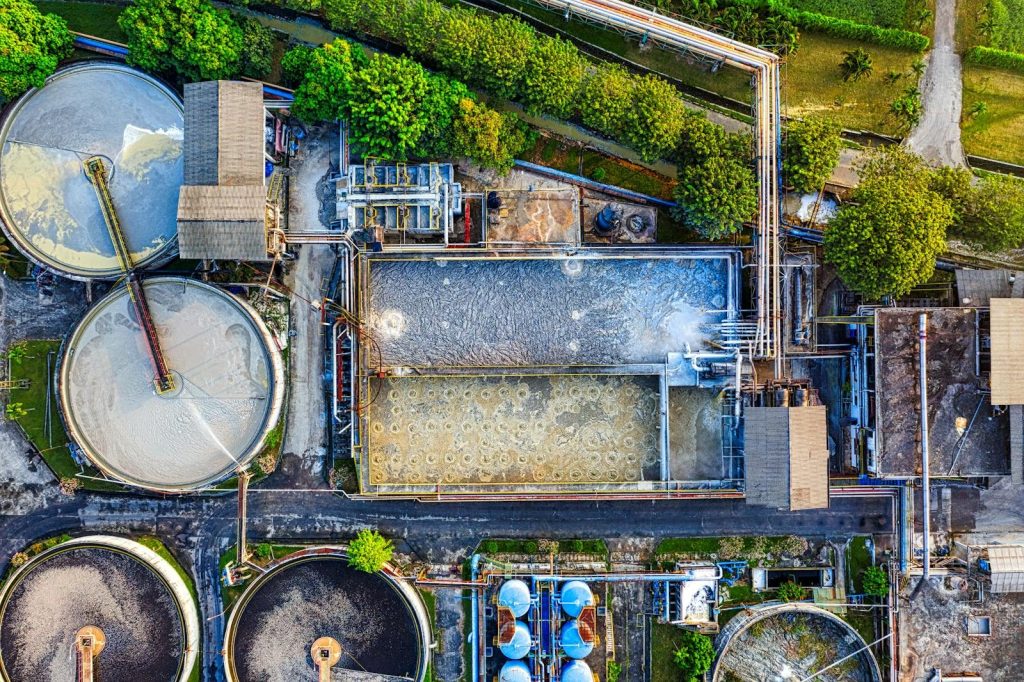
    Top-down view of an industrial waste management facility in Serang, Indonesia, highlighting various processing tanks.
    Photo by Tom Fisk on Pexels

    In the past, high-tech recycling was too expensive for small cities. But growing these bacteria is incredibly cheap. They multiply on their own and only require basic sugar and water to stay active between meals.

    This means even the smallest towns could soon have “bio-digesters” that turn their weekly plastic waste into clean compost. It is a decentralized solution that takes the pressure off global shipping. We are turning a billion-dollar waste problem into a low-cost biological process. But what does the plastic actually turn into?

    Turning Trash Into Clean Energy

    Trevor Nickel with the Himark Biogas plant” by Green Energy Futures is licensed under CC BY-NC-SA 2.0

    When the bacteria eat the plastic, they release a byproduct that is rich in methane. Smart engineers are already finding ways to capture this gas and turn it into electricity. This means your old water bottles could literally power the lights in your house.

    It is a double win for the planet: we remove the waste and generate green energy at the same time. The first “plastic-to-power” plants are already being designed in Europe. But could these bacteria ever be used on the clothes we wear?

    The End of Microplastics in Our Blood

    aerial view of green trees and brown buildings during daytime
    Photo by Patrick Federi on Unsplash
    Perhaps the most important use for this tech is cleaning up microplastics. These tiny particles are now found in our food, our water, and even our bodies. Traditional filters can’t catch them, but the bacteria can.

    New water treatment plants are using “bacterial filters” to ensure that not a single speck of plastic reaches our taps. It is a total reset for human health. We are finally scrubbing the planet clean at the molecular level. But how much further can this “generative biology” go?

    A Future Without Permanent Waste

    woman, nature, waterfront, cleaning, people, beach, shore, sand, wavrs, brown clean
    Photo by Bonsens-Tono on Pixabay

    As we move through 2026, the idea of “throwing something away” is changing. We are realizing that every material we create needs a biological “end of life” plan. This bacteria is just the first step in a new world of self-destructing trash.

    The researchers are now working on a version that can eat old tires and electronic waste. We are building a world that leaves no footprint behind. Are you ready to see how the sky is being watched by things even smaller than these bacteria?

    Featured Image: Photo by Engin Akyurt on Unsplash
  • The Micro-Sensors Currently Floating in the Stratosphere to Track Heat

    The Micro-Sensors Currently Floating in the Stratosphere to Track Heat

    Our atmosphere is changing faster than we can track it from the ground. Traditional weather balloons are too big and too expensive to provide a complete picture of the heat moving around our planet. But in 2026, a new fleet of “Micro-Sensors” has been released into the stratosphere. These devices are the size of a grain of sand and are designed to float on the wind for months at a time.

    They form a massive, invisible “smart net” around the Earth that tracks heat, humidity, and pressure in real-time. This isn’t just about knowing if it will rain tomorrow. This is about understanding the “internal engine” of our climate with perfect precision. These tiny sensors are giving us a front-row seat to the future of our weather. But how do you find a sensor that is smaller than a bug?

    Thousands of Eyes in the Wind

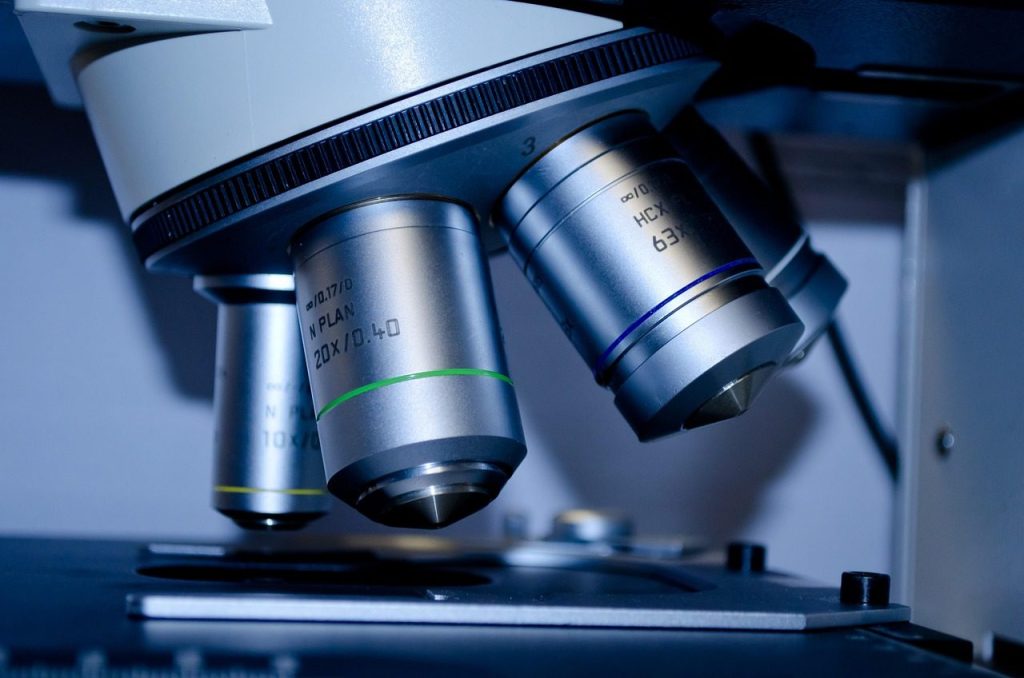
    microscope, slide, research, close-up, test, experiment, micro, microscopy, plate, scrutiny, medical, tool, red, sample, study, laboratory, biotechnology, light, discovery, analysis, technology, equipment, analytical, scientific, drop, lens, blue technology, blue medical, blue light, blue study, blue research, blue tools, blue studying, blue test, blue laboratory, blue closed, blue lights, microscope, microscope, microscope, research, research, research, research, research, medical, medical, medical, laboratory, laboratory, technology, technology, technology, technology
    Photo by PublicDomainPictures on Pixabay

    These sensors are so light that they don’t even fall. They stay aloft by riding the natural currents of the stratosphere. Because they are deployed by the millions, they can cover every square inch of the sky.

    Each sensor “talks” to its neighbors using low-power radio waves, creating a massive mesh network. If one area of the sky gets unusually hot, the entire network knows within seconds. This allows scientists to see heat waves forming before they ever reach the ground. But how does such a tiny thing stay powered?

    Powered by the Sun and the Air

    photovoltaic, photovoltaic system, solar system, solar, solar energy, solar cell, power generation, solar panel, energy transition, energy, electricity, solar power, nature, renewable, solar field, solar cells, sun, heaven, voltage, technology, environment, power supply, light, clouds, renewable energy
    Photo by andreas160578 on Pixabay

    The micro-sensors don’t have batteries. Instead, they are coated in a thin layer of “organic solar cells” that harvest energy from the sun. Even the friction of the wind moving over the sensor provides a tiny bit of power through static electricity.

    It is a masterpiece of energy efficiency that allows them to run indefinitely. They are essentially “living” technology that survives on the elements. This means we can keep them in the sky for years without ever needing to replace them. But are they safe for the airplanes flying through them?

    Invisible to Engines and Radar

    airplane, airport, aircraft, burgas, plane, sky, aviation, nature, clouds
    Photo by Anestiev on Pixabay

    Because the sensors are so small, they are completely harmless to jet engines. A plane could fly through a cloud of a million sensors and not even notice. They are also made of biodegradable materials that break down safely if they eventually fall to the ground.

    They are the ultimate “ghost” technology—always there, but never in the way. This allows scientists to monitor the most dangerous parts of the atmosphere, like the center of a developing hurricane. But can this data actually save lives on the ground?

    Predicting Superstorms Before They Happen

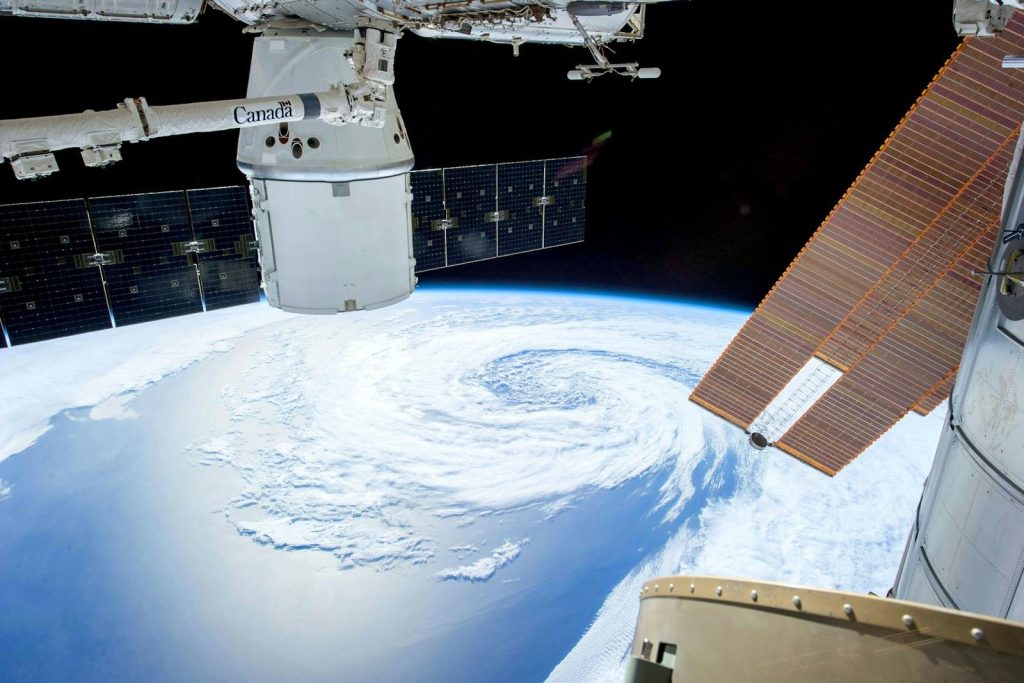
    A mesmerizing view of Earth as seen from a space station with solar panels and satellite modules.
    Photo by SpaceX on Pexels

    The “smart net” provides a level of detail that satellites simply can’t match. Satellites look down from space, but these sensors are inside the weather. They can detect the tiny temperature shifts that trigger a massive storm.

    With this data, we can give cities hours or even days of extra warning before a disaster hits. It is like having a microscope for the entire world’s weather. We are moving from “guessing” the weather to “calculating” it. But does this technology have a role in the ocean?

    Tracking the Ocean Heat Pulse

    a picture of a body of water with algae on it
    Photo by Alexey Demidov on Unsplash
    The stratosphere is directly connected to the temperature of the oceans. By monitoring the air just above the water, the sensors can track the “heat pulse” of the sea. This tells scientists exactly how much energy is being stored in our oceans.

    It is a vital piece of the puzzle for understanding climate change. We are learning that the sky and the sea are in a constant, high-speed conversation. The sensors are the translators that allow us to listen in. But who is paying for all these millions of sensors?

    A Global Collaboration for a Clear Sky

    handshake, business deal, globalization, shaking hands, collaboration, trade, transport, world trade, trade routes, market economy, business, network, technology, communication, contract, agreement, conclusion, handshake, handshake, handshake, handshake, handshake, collaboration, collaboration, collaboration, trade, transport, trade routes, trade routes, trade routes, contract, conclusion
    Photo by geralt on Pixabay

    This project is being funded by a coalition of over 100 countries. Because the weather doesn’t respect borders, the data is shared freely with every nation on Earth. It is a rare moment of global unity in the face of a common threat.

    Every country contributes to the “sensor pool,” and every country benefits from the early warnings. It is proof that we can solve the world’s biggest problems if we work together. But is there a catch to having the sky filled with tiny machines?

    The Future of “Active” Weather Control

    green grass field under blue sky during daytime
    Photo by Zizi zi on Unsplash
    In the future, these sensors could do more than just track the heat. Scientists are looking at using them to “seed” clouds or release cooling agents to stop a heat wave. We are moving toward a world where we don’t just watch the weather; we help manage it.
    The micro-sensors are the first step in a “Living Atmosphere” that works to keep the planet healthy. It is the ultimate insurance policy for our survival. But are you ready to see the massive creature that might be coming back to walk under this new sky?

    Featured Image: Photo by HarmonyCenter on Pixabay

  •  Why we Might Actually See a Woolly Mammoth by Next Summer

     Why we Might Actually See a Woolly Mammoth by Next Summer

    The dream of de-extinction is no longer a movie plot. In 2026, a team of geneticists and conservationists announced that they were closer than ever to birthing the first Woolly Mammoth in over 4,000 years. Using CRISPR technology, they have successfully merged mammoth DNA with that of an Asian elephant.

    The resulting embryo is currently being grown in an “artificial womb,” and the timeline points to a birth by next summer. This isn’t just about bringing back a cool animal. It is a high-tech strategy to save the planet’s frozen tundra. We are witnessing the rebirth of a legend that was once lost to time. But how do you build a mammoth from a few frozen bones?

    The Genetic Puzzle of the Ice Age

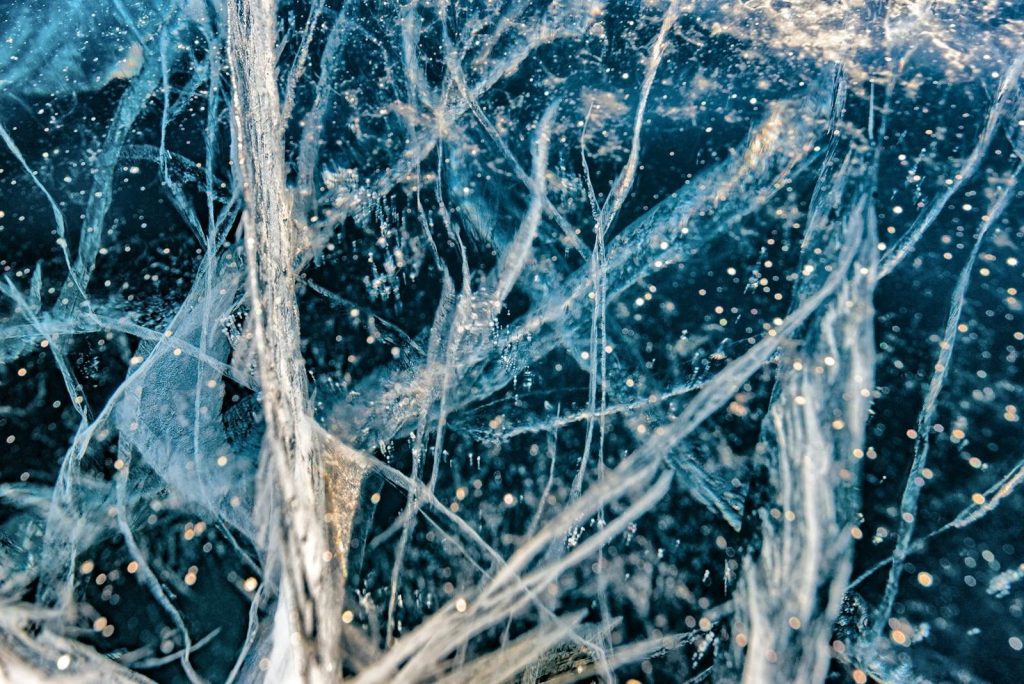
    Detailed close-up of intricate ice patterns on Lake Baikal, showcasing unique structures and winter beauty.
    Photo by Sergey Pesterev on Pexels

    The secret to this miracle is a well-preserved mammoth found in the Siberian permafrost. Scientists were able to extract high-quality DNA that was frozen in time for thousands of years. They compared this code to the Asian elephant and found a 99 percent match.

    The researchers then “edited” the elephant DNA to include mammoth traits: thick fur, large tusks, and specialized blood that survives in freezing temperatures. It is a biological “copy and paste” that took a decade to perfect. But is this really a mammoth, or just a hairy elephant?

    The “Arctic Elephant” Hybrid

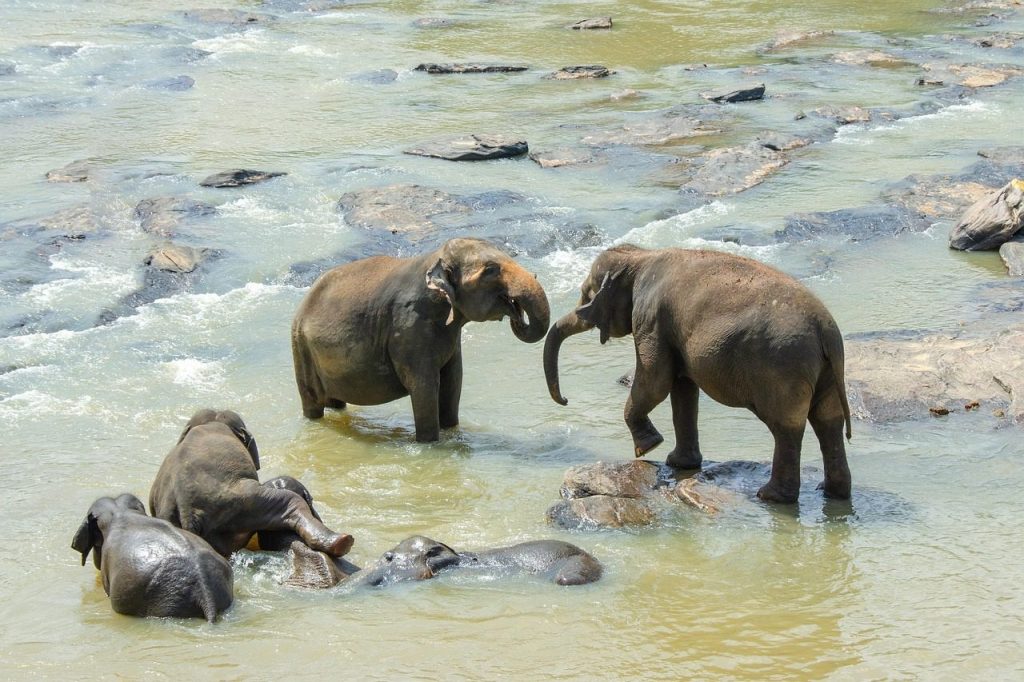
    sri lankan elephant, elephant, nature, asian, wildlife, endangered, animal, mammal, sri lanka, swimming, bathing, playing
    Photo by pen_ash on Pixabay

    Technically, the scientists call it a “Functional Mammoth.” It looks like the prehistoric beast and acts like one, but it has the heart of a modern elephant. It is designed to survive in the extreme cold of the Arctic, where elephants could never go.

    This hybrid is built for a specific job: stomping down the snow. By trampling over the frozen ground, mammoths keep the permafrost cold and prevent it from melting. They are essentially “climate engineers” with four legs. But where will these new giants actually live?

    Restoring the “Mammoth Steppe”

    the glacier, powerful, glacier bay, block, ice, iceland, dawn, iceberg, arctic, ice drift, shine, blue, cold, earth day, iceberg, iceberg, iceberg, iceberg, iceberg, arctic, earth day, earth day, earth day, earth day, earth day
    Photo by pasja1000 on Pixabay

    The mammoths are going home to a massive park in Northern Siberia. This area used to be a lush grassland called the “Mammoth Steppe” before the mammoths died out. Without them, the land turned into mossy bogs that release methane.

    By bringing the mammoths back, we can restore the grass and lock the carbon back into the ground. It is the most ambitious ecological restoration project in human history. We are using the past to save the future. But will the world be afraid of these giant prehistoric ghosts?

    The Ethics of Playing God

    dna, biology, medicine, gene, microbiology, science, genetics, genetic material, laboratory, dna, dna, dna, dna, dna, biology, medicine, gene, science, genetics, laboratory
    Photo by PublicDomainPictures on Pixabay

    Not everyone is happy about the return of the mammoth. Some philosophers worry that we are interfering too much with nature. They argue that we should focus on saving the animals that are still alive instead of bringing back the ones that are gone.

    However, the supporters of the project say that the mammoth is a “key” that we need to unlock the health of the planet. They believe it is our responsibility to fix the damage we have done to the ecosystem. It is a debate that will only get louder as the birth date gets closer. But how will the mammoth learn to be a mammoth?

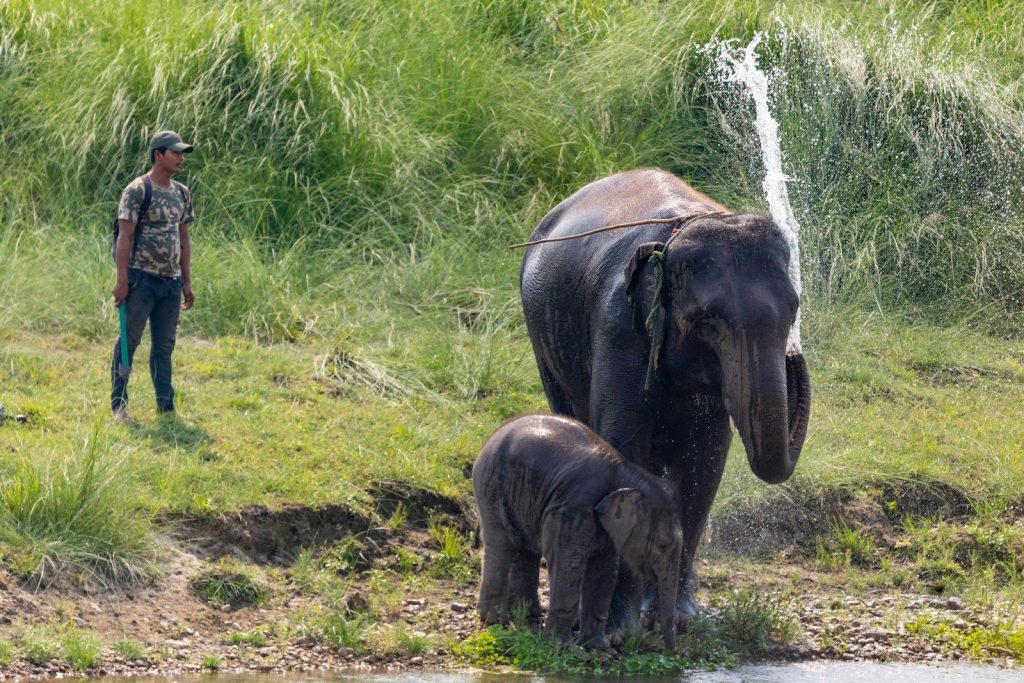
    A Mother’s Love from a Surrogate

    Man watches elephants by a riverbank
    Photo by Sushanta Rokka on Unsplash

    Because mammoths are social animals, the first calf will be raised by a family of Asian elephants in a specialized sanctuary. These “foster mothers” will teach the young mammoth how to interact and find food.

    The researchers believe that the mammoth’s instincts will quickly take over once it feels the cold air of the Arctic. It is a beautiful example of two species working together for survival. We are building a family for a creature that has been lonely for 4,000 years. But what happens if the mammoth gets sick?

    The Healthcare of a Prehistoric Beast

    man near elephant taking bath at river during daytime
    Photo by Anqi Lu on Unsplash

    Vets are already training for the birth of the first calf. They are using AI to predict what kind of diseases a mammoth might face in the modern world. They have already created a “prehistoric vaccine” to protect the young giant from modern viruses.

    Every moment of the mammoth’s life will be monitored by the micro-sensors we talked about in the last article. It will be the most famous and well-cared-for animal on the planet. But could this lead to the return of other lost species?

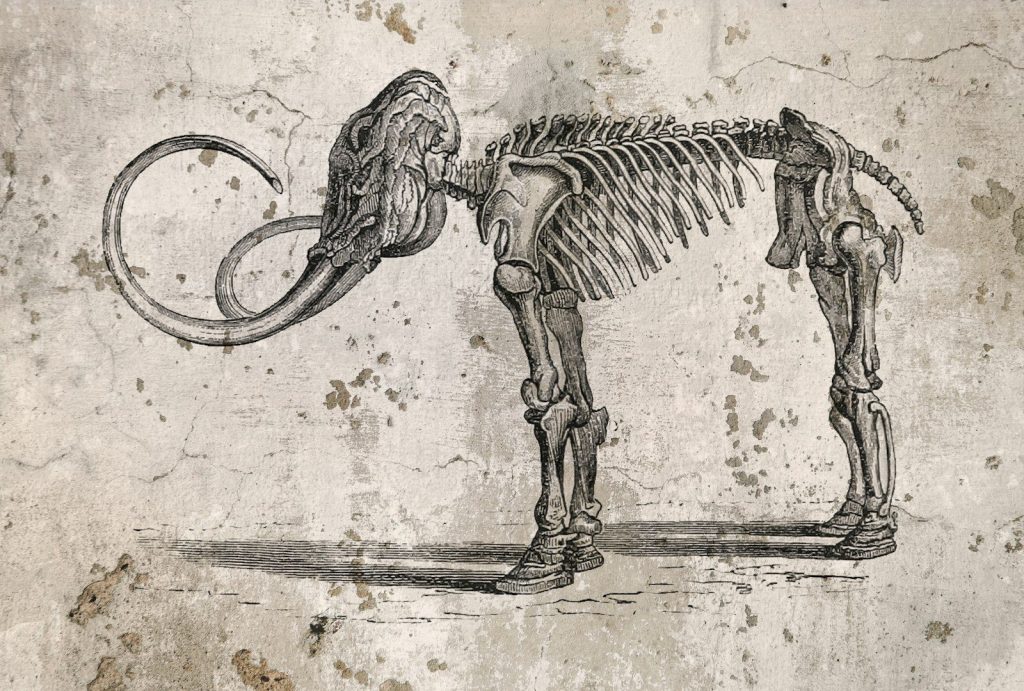
    The Dawn of a New Biological Era

    A drawing of a dog with a skeleton on it's back
    Photo by John Cardamone on Unsplash

    The mammoth is just the beginning. Scientists are already looking at the DNA of the Dodo bird and the Tasmanian Tiger. We are entering an era where extinction is no longer permanent. It is a total rewrite of the rules of life on Earth.

    We have the power to bring back the beauty we have lost. It is a hopeful and exciting time to be alive. But while we look at the giants of the past, are you ready to see the giant buildings that are feeding our future?

    Featured Image: Photo by CharcoalDrawing on Pixabay