
You might think your backyard is a place of peace and quiet, but that is only because your ears aren’t sensitive enough. Scientists have discovered that gardens are actually buzzing with a “secret language” of ultrasonic sounds. Plants, insects, and even the soil itself are constantly emitting noises that are far too high-pitched for the human ear to detect.
If we could hear at these frequencies, a garden would sound like a busy city. This isn’t just random noise; it is a complex system of communication and survival. Plants are “screaming” when they are thirsty, and bugs are “singing” to find their way home. But why would a flower need to make a sound in the first place?
The “Screams” Of A Thirsty Tomato Plant

Researchers at Tel Aviv University used specialized microphones to listen to tomato and tobacco plants. They found that when a plant is stressed—either from a lack of water or a cut to its stem—it emits a series of “clicks.” To a human, it would sound like bubble wrap popping, but at a very high frequency.
A thirsty plant can make up to 40 of these clicks every hour. They aren’t just crying out into the void; they are communicating their state to the world around them. This discovery has completely changed how we think about “quiet” vegetation. But who is actually listening to these botanical cries?
The Animals That Use Plants Like A Radio

While humans can’t hear these plant sounds, many animals can. Moths and bats are highly sensitive to ultrasonic frequencies. Scientists believe that some insects might use the “stress clicks” of plants to decide where to lay their eggs.
A moth might avoid a “screaming” plant because it knows the plant is unhealthy and won’t provide good food for its larvae. Conversely, bats might use the sounds to help them navigate through a thick forest. The garden is essentially a giant radio station, and the animals are the listeners. But what happens when the bugs start talking back?
The Secret Songs Of Underground Insects

The noise doesn’t stop at the surface. The soil is full of life that communicates through vibrations and sound. Grubs, ants, and beetles move through the earth, creating a constant “soil hum” that scientists are now recording.
These vibrations help insects find mates and avoid predators. Some ants even “purr” to let their colony know where food is located. By placing high-tech sensors in the ground, we can now hear the heartbeat of the Earth. But these sounds are also a warning sign for our own food supply.
Using “Sound Maps” To Create The Perfect Farm

Smart farmers are now using this “secret language” to save their crops. Instead of waiting for a plant to turn yellow, they use microphones to hear the very first signs of thirst or disease. By listening to the garden, they can give each plant exactly what it needs, exactly when it needs it.
This “precision agriculture” reduces water waste and eliminates the need for heavy fertilizers. We are moving toward a future where farmers are more like “conductors” of a botanical orchestra. It is a much more efficient way to feed the planet. But can sound actually help a plant grow better?
The Mystery Of How Sound Changes Plant Growth
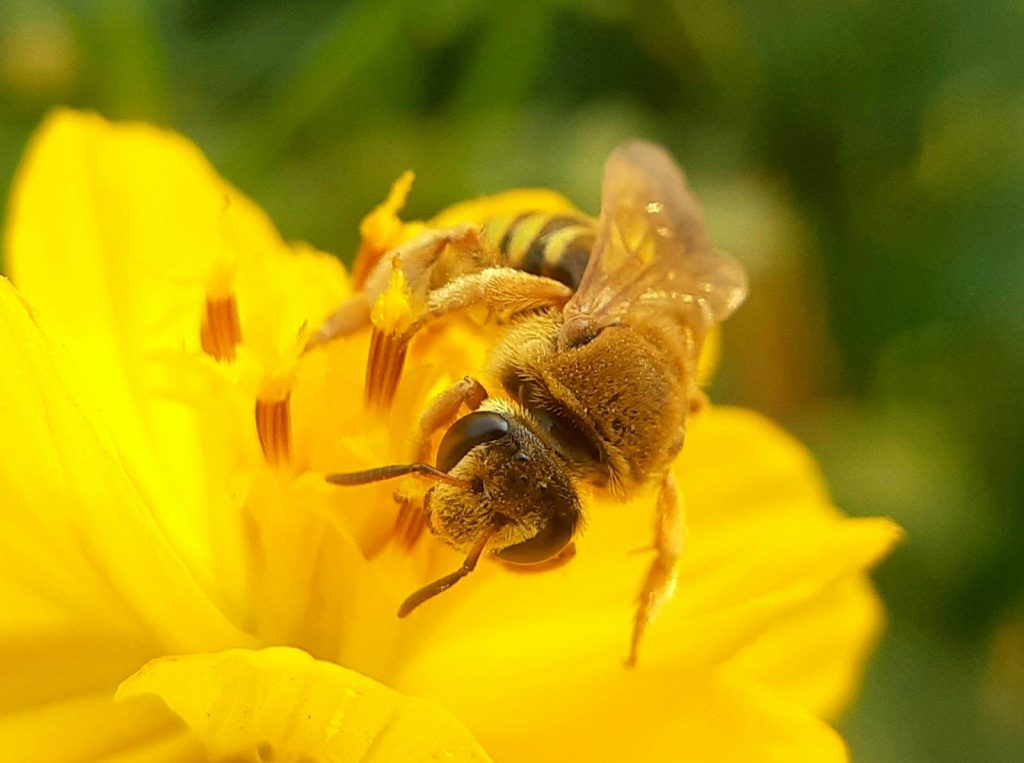
There is evidence that some plants actually react to the sound of moving water or buzzing bees. In one study, flowers increased the sugar content in their nectar within minutes of “hearing” a bee’s wings. This is a deliberate reaction to attract pollinators.
This means plants aren’t just passive objects; they are active listeners. They are tuned into the frequency of life around them. We are just now beginning to understand the “ears” of a plant. But there is a darker side to the sounds of the garden.
Why Urban Noise Is Making Your Garden Sick

Our cities are loud, and all that human noise is starting to drown out the secret language of nature. Traffic, sirens, and construction create a “sound fog” that makes it hard for plants and animals to communicate.
When the signals get crossed, the ecosystem starts to fail. Moths can’t find plants, and bees get lost on their way back to the hive. Protecting our gardens means more than just planting flowers; it means protecting the silence. But how can we help our gardens find their voice again?
How To Listen To Your Own Backyard

While you can’t buy “plant ears” at the store just yet, you can learn to see the signs of the secret language. Pay attention to how the birds and bugs move around your plants. Look for the tiny vibrations in the leaves.
The more we understand about the sounds of the garden, the more we realize how connected we are to the world around us. Your backyard is a masterpiece of communication. Are you ready to stop and listen? This is just the beginning of what nature is trying to tell us.
Featured Image: Photo by Dominik Scythe on Unsplash
Leave a Reply