Every day, seventeen people die while waiting for an organ transplant. This tragic reality has haunted the medical community for decades. However, a massive shift is happening right now in labs across the globe. Bio-synthetic organs are no longer a dream found in science fiction movies. Scientists are now using a patient’s own cells to grow functional body parts. This process removes the biggest hurdle in modern transplants, which is the risk of organ rejection. By using your own biological data, doctors can create a “perfect match” every single time.
We are moving toward a future where “off-the-shelf” lungs and kidneys could save millions. No more long lists and no more waiting for a donor. This technology is moving faster than anyone expected. It is not just about growing skin or bone anymore. Wait until you see how they are literally printing complex human hearts from scratch.
The Magic of 3D Bio-Printing Technology
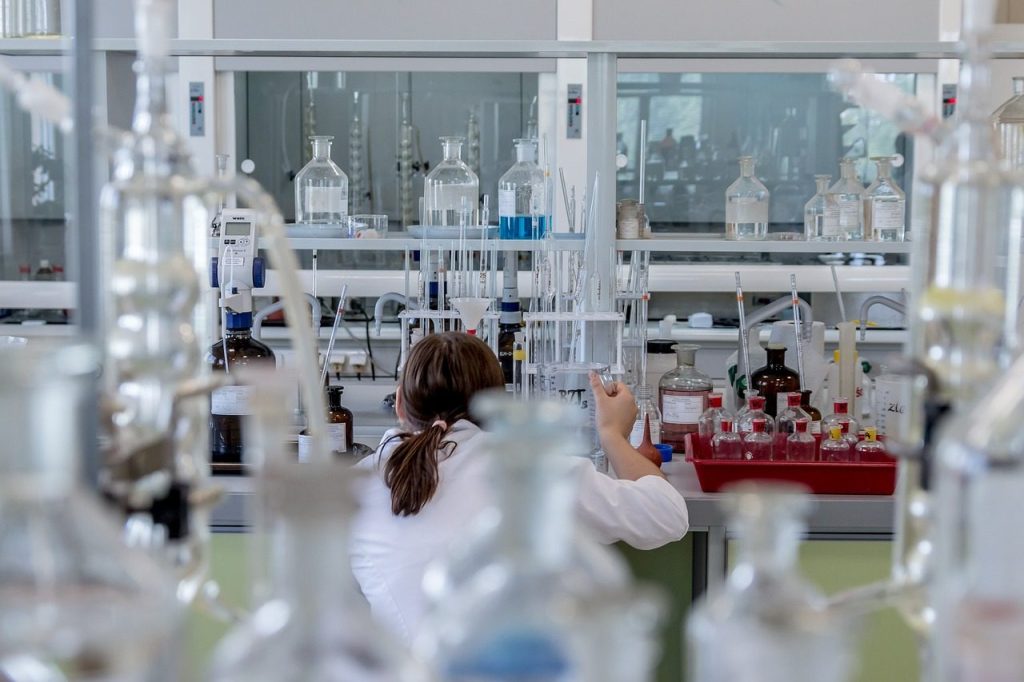
The secret behind this revolution is 3D bio-printing. Instead of plastic or metal, these printers use “bio-ink” made of living cells. These printers layer the cells with precision to build complex structures like blood vessels. It is a slow and delicate process, but the results are stunning. This technology allows doctors to replicate the exact shape of a patient’s original organ. But printing the shape is only the first step. The real challenge is making these printed parts actually breathe and beat like the real thing.
Eliminating the Risk of Organ Rejection
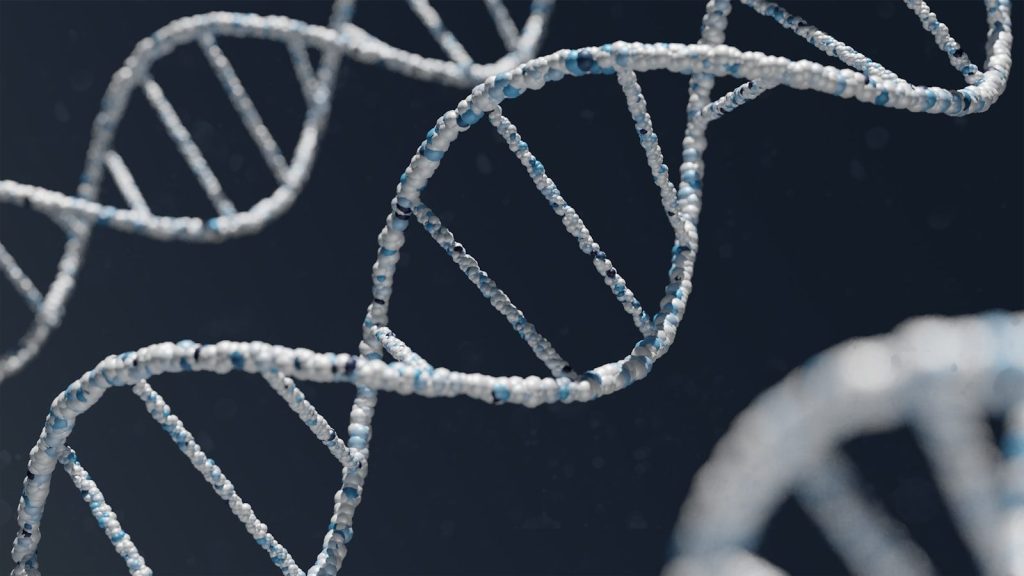
When you receive an organ from a donor, your immune system usually treats it like an invader. You have to take heavy drugs for the rest of your life to stop your body from attacking itself. Bio-synthetic organs change this entirely. Since these organs are grown from your own genetic material, your body recognizes them as its own. This means fewer side effects and a much higher success rate for patients. But how long can these lab-grown organs actually last inside a human body?
Lab-Grown Lungs are Already Taking Breath
Lungs are incredibly complex because of their delicate air sacs. Yet, researchers have successfully grown bio-engineered lungs and transplanted them into animal models. These lungs supported gas exchange just like natural ones. This is a massive win for patients suffering from chronic respiratory diseases. We are inches away from human clinical trials that could change everything. However, the heart remains the ultimate prize for researchers, and the progress there is even more shocking.
Printing the First Functional Human Heart

The heart is more than just a muscle; it is a complex pump with its own electrical system. Scientists recently printed a miniature version of a human heart with its own cells and blood vessels. While it is still small, it proves that the architecture of the heart can be replicated. The next step is scaling this up to full size. Imagine a world where heart failure is a manageable condition rather than a death sentence. But what happens to the cost of healthcare when we can simply print new parts?
Affordable Organs for the Entire World

Traditional transplants are incredibly expensive due to surgery, transport, and long-term care. Bio-synthetic organs could eventually drive these costs down. Once the technology is standardized, local hospitals could have their own “organ farms.” This would eliminate the need for expensive organ transport networks. Access to life-saving surgery would no longer be a luxury for the rich. But wait, there is a hidden ethical question that scientists are starting to worry about.
The Ethics of Living Forever

If we can replace every organ as it fails, what does that mean for the human lifespan? Some experts suggest we could extend life by decades or even centuries. This brings up tough questions about population growth and social structure. Are we ready to become biological machines that never truly wear out? It sounds like science fiction, but the timeline for these changes is much closer than you think.
When Will This Be in Your Hospital?
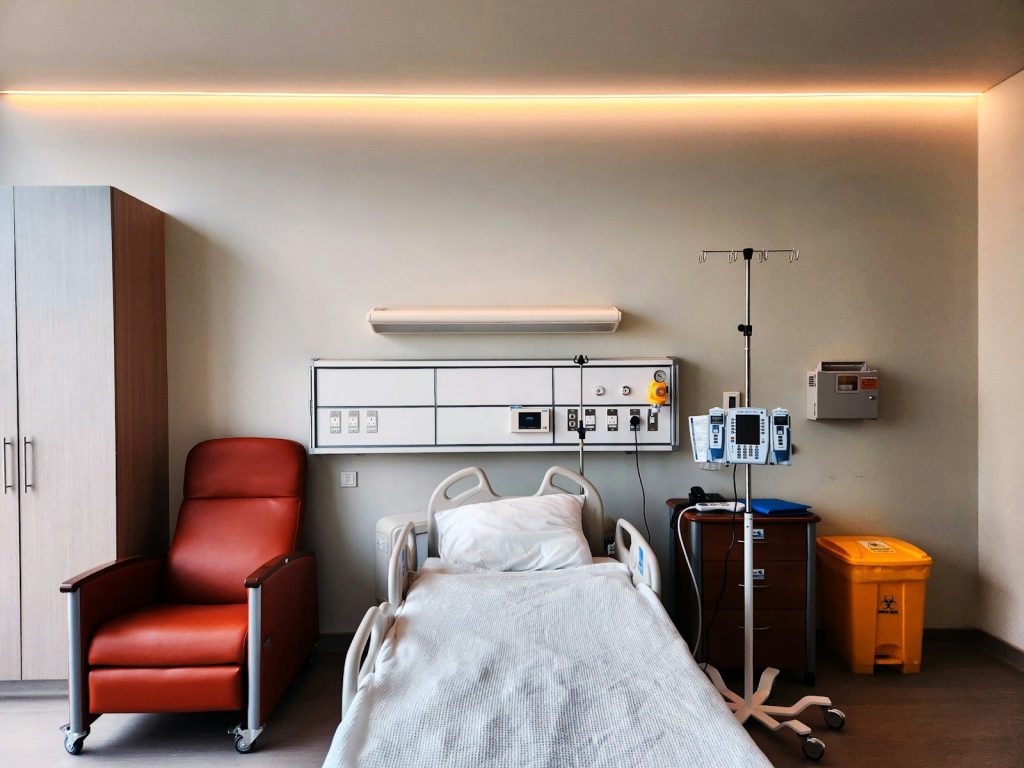
We are looking at a timeline of the next ten to fifteen years for widespread use. Small-scale tissues like skin and cartilage are already being used today. More complex organs like the kidneys are currently in advanced testing phases. The transplant waitlist might become a thing of the past within our lifetime. It is a total reset for human biology. If you think this change is big, wait until you see how 6G is about to track your every move.
Featured Image: Photo by Maxence Pira on Unsplash
Leave a Reply