Seismologists have just discovered something that is sending shockwaves through the world of disaster planning. For decades, we thought the San Andreas Fault and the Cascadia Subduction Zone were two separate problems. But new underwater sensors have revealed that these two giants are actually “connected” deep underground.
When one fault line feels pressure, it sends a signal—a series of micro-tremors—to the other. It is as if they are “talking” and coordinating their movements. This means that a massive earthquake on one fault could trigger a “double disaster” on the other. We are looking at a geological conversation that could change the face of the West Coast. But how do two pieces of rock talk across hundreds of miles?
The Stress Transfer Highway
The secret connection exists in a “stress transfer” zone deep in the crust of Earth. When the San Andreas fault gets “stuck,” it builds up massive amounts of energy. This energy doesn’t just sit there; it travels like a wave through the surrounding rock.
This wave reaches the Cascadia fault and acts like a “nudge.” If Cascadia is already under pressure, this tiny nudge can be the final straw that breaks the fault. It is like a row of dominoes that stretches from California to Canada. But why haven’t we noticed this connection until now?
Underwater Ears in the Abyss
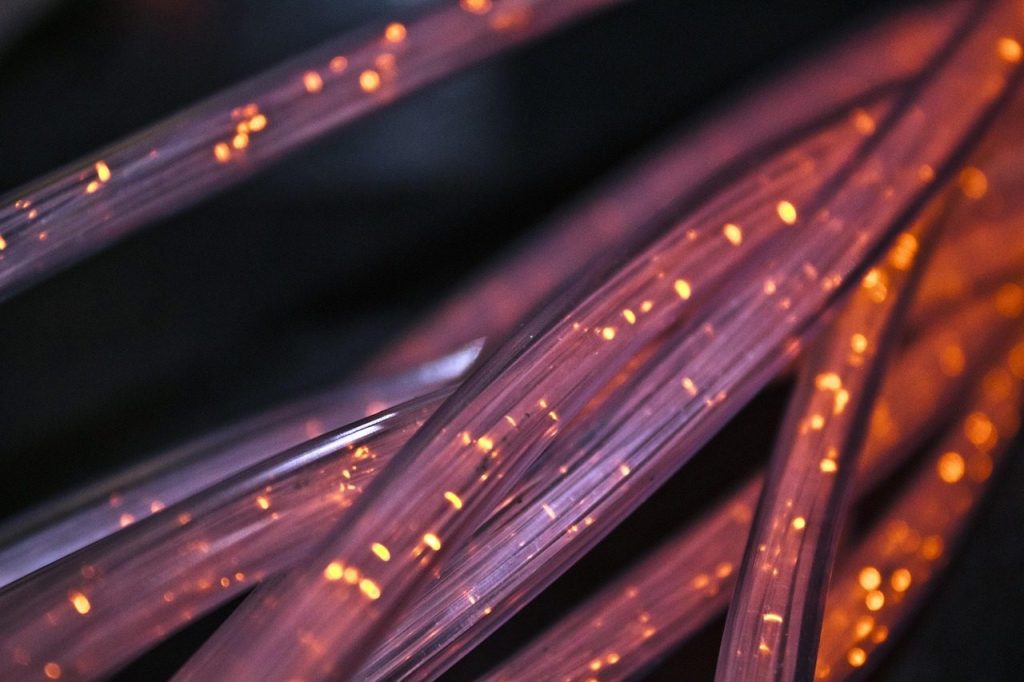
Until recently, our earthquake sensors were mostly on land. This meant we were “blind” to what was happening under the ocean. A new network of fiber-optic cables on the sea floor has changed everything. These “underwater ears” can hear the tiniest vibrations deep inside the Earth.
They recorded a pattern of tremors that started in Northern California and moved steadily toward the Cascadia zone. It was a clear, rhythmic “ping” that showed the two faults were communicating. It was a wake-up call for scientists. But is this “conversation” a warning of something big?
The Great Synchronization of 1700
When researchers looked back at historical data, they found a terrifying pattern. In the year 1700, a massive Magnitude 9.0 earthquake hit the Cascadia zone. New evidence suggests that this quake was preceded—or followed—by a major snap on the San Andreas.
The two faults seem to “sync up” every few hundred years. We are currently in the window where both faults are “overdue” for a major event. If they are talking more than usual, it could mean they are both getting ready to snap at the same time. But what would a “Double Big One” actually look like?
A Tsunami that Never Ends
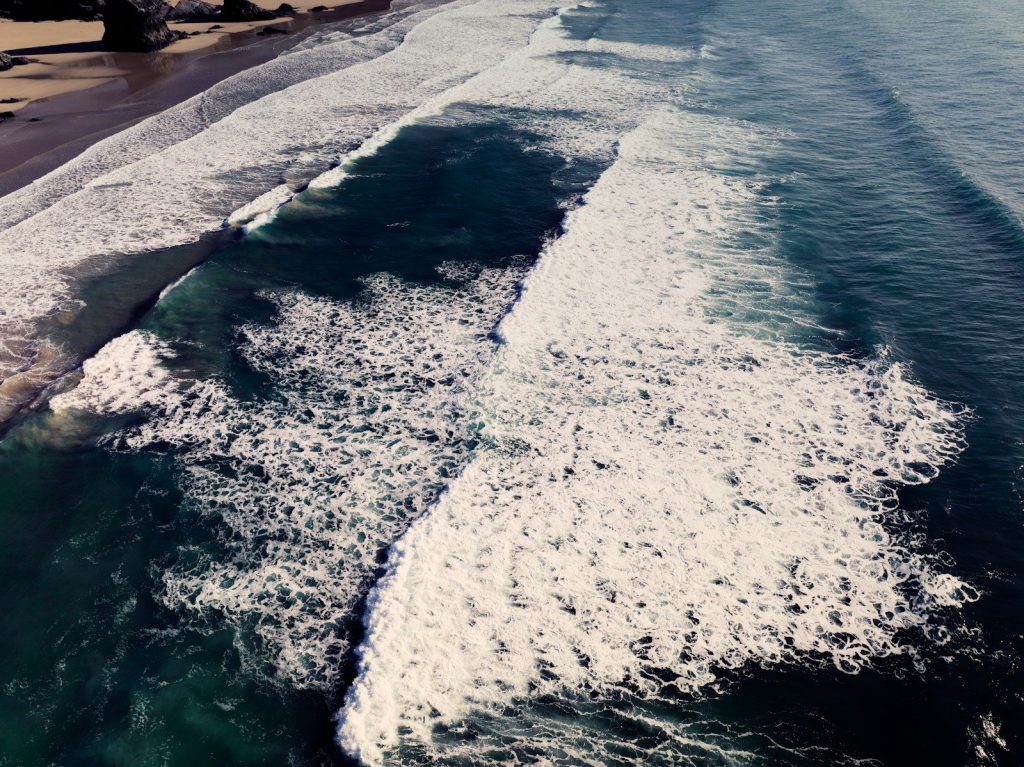
If both faults snap, the impact would be unprecedented. The San Andreas would cause massive damage to cities like San Francisco and Los Angeles. Meanwhile, the Cascadia snap would trigger a tsunami hundreds of feet high that would hit the entire coast from Oregon to Japan.
The “Double Big One” would be a global economic and humanitarian crisis. The talking between the faults is like a countdown clock that we can’t stop. But can we use this “conversation” to give people more time to escape?
The Search for the “Off” Switch
Scientists are now exploring “Geo-Engineering” to try to quiet the conversation. One theory involves injecting specialized fluids into the fault zones to lubricate the rock. This would allow the faults to “slip” slowly and release energy in small amounts instead of one giant snap.
It is a risky and expensive plan, but it might be our only hope of preventing the big synchronization. We are trying to find a way to make the faults “stop talking” before it’s too late. But could the talking actually be our best early warning system?
Building a Predictive Fault Map
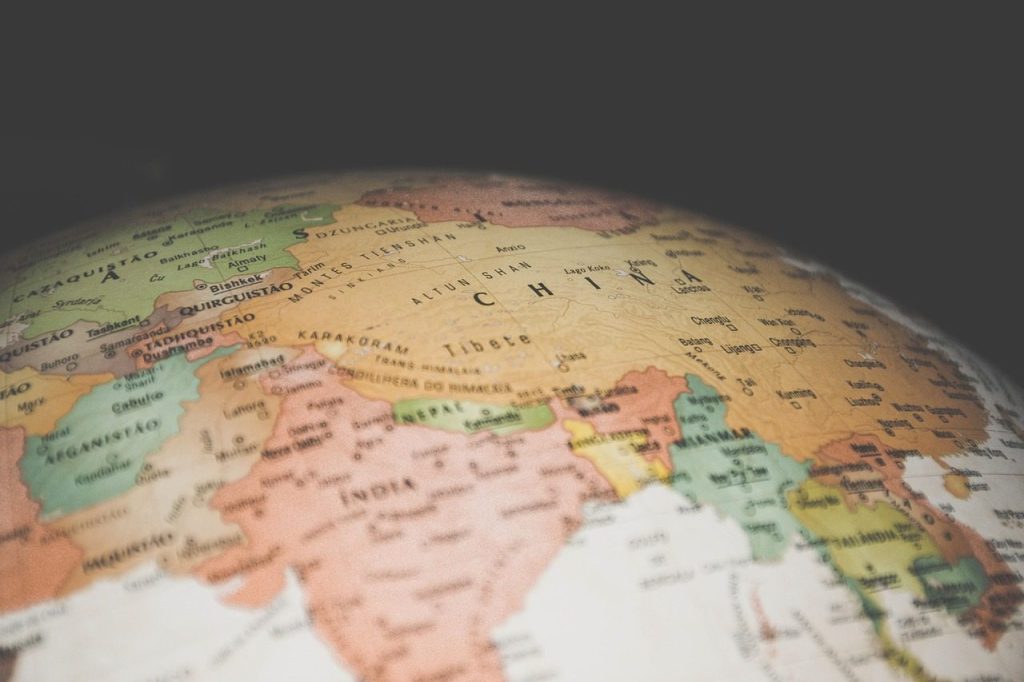
By listening to the fault lines “talk,” we are getting better at predicting when a quake will happen. We can now see the “path” of the stress as it moves through the ground. This could eventually lead to an early warning system that gives cities days, or even weeks, of notice.
It would be the biggest breakthrough in the history of seismology. We are turning a terrifying mystery into a solvable problem. The more we listen to the Earth, the more we can do to protect ourselves from its power. But is the Earth hiding one last secret under our feet?
The Future of the Living Earth
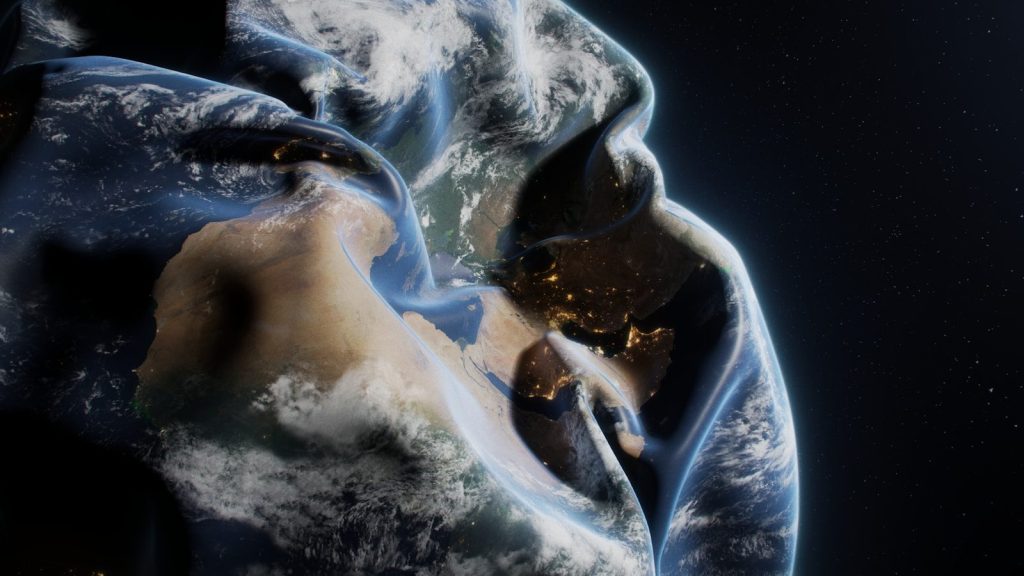
We used to think the Earth was a collection of dead rocks. Now we know it is a dynamic, interconnected system that is constantly moving and “communicating.” The “talking” faults of the West Coast are a reminder that we are just guests on a living planet.
Our survival depends on our ability to listen to the messages the Earth is sending us. The conversation has started, and it’s time for us to pay attention. We are finally starting to understand the language of the ground itself. Are you ready to see what happens when the next “word” is spoken?
Featured Image: Photo by Sreehari Devadas on Unsplash
Leave a Reply