
Our atmosphere is changing faster than we can track it from the ground. Traditional weather balloons are too big and too expensive to provide a complete picture of the heat moving around our planet. But in 2026, a new fleet of “Micro-Sensors” has been released into the stratosphere. These devices are the size of a grain of sand and are designed to float on the wind for months at a time.
They form a massive, invisible “smart net” around the Earth that tracks heat, humidity, and pressure in real-time. This isn’t just about knowing if it will rain tomorrow. This is about understanding the “internal engine” of our climate with perfect precision. These tiny sensors are giving us a front-row seat to the future of our weather. But how do you find a sensor that is smaller than a bug?
Thousands of Eyes in the Wind
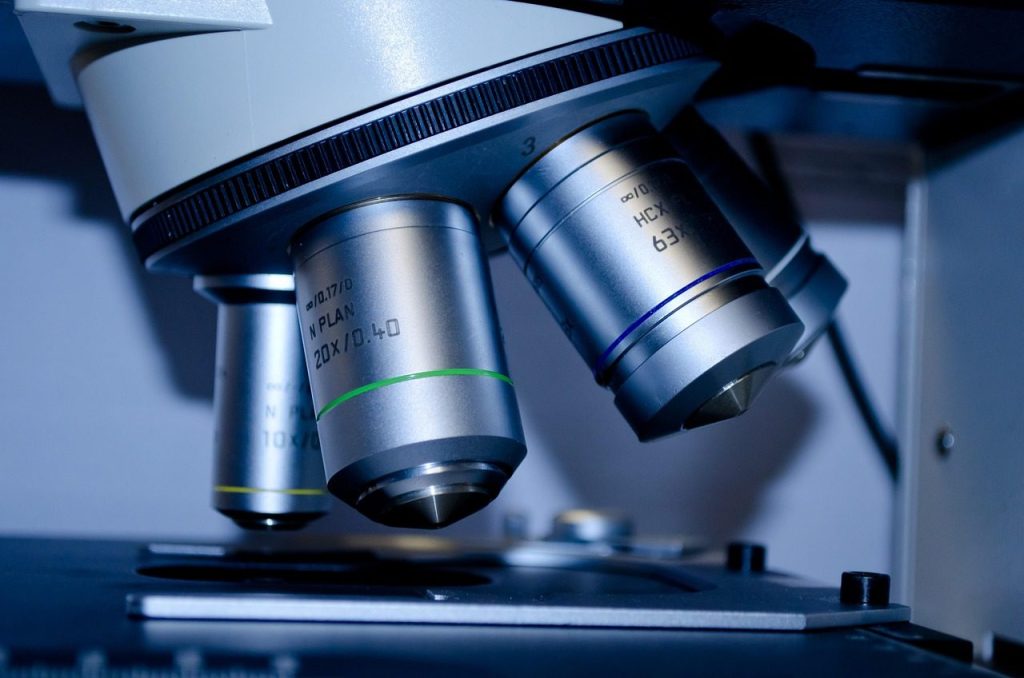
These sensors are so light that they don’t even fall. They stay aloft by riding the natural currents of the stratosphere. Because they are deployed by the millions, they can cover every square inch of the sky.
Each sensor “talks” to its neighbors using low-power radio waves, creating a massive mesh network. If one area of the sky gets unusually hot, the entire network knows within seconds. This allows scientists to see heat waves forming before they ever reach the ground. But how does such a tiny thing stay powered?
Powered by the Sun and the Air

The micro-sensors don’t have batteries. Instead, they are coated in a thin layer of “organic solar cells” that harvest energy from the sun. Even the friction of the wind moving over the sensor provides a tiny bit of power through static electricity.
It is a masterpiece of energy efficiency that allows them to run indefinitely. They are essentially “living” technology that survives on the elements. This means we can keep them in the sky for years without ever needing to replace them. But are they safe for the airplanes flying through them?
Invisible to Engines and Radar

Because the sensors are so small, they are completely harmless to jet engines. A plane could fly through a cloud of a million sensors and not even notice. They are also made of biodegradable materials that break down safely if they eventually fall to the ground.
They are the ultimate “ghost” technology—always there, but never in the way. This allows scientists to monitor the most dangerous parts of the atmosphere, like the center of a developing hurricane. But can this data actually save lives on the ground?
Predicting Superstorms Before They Happen
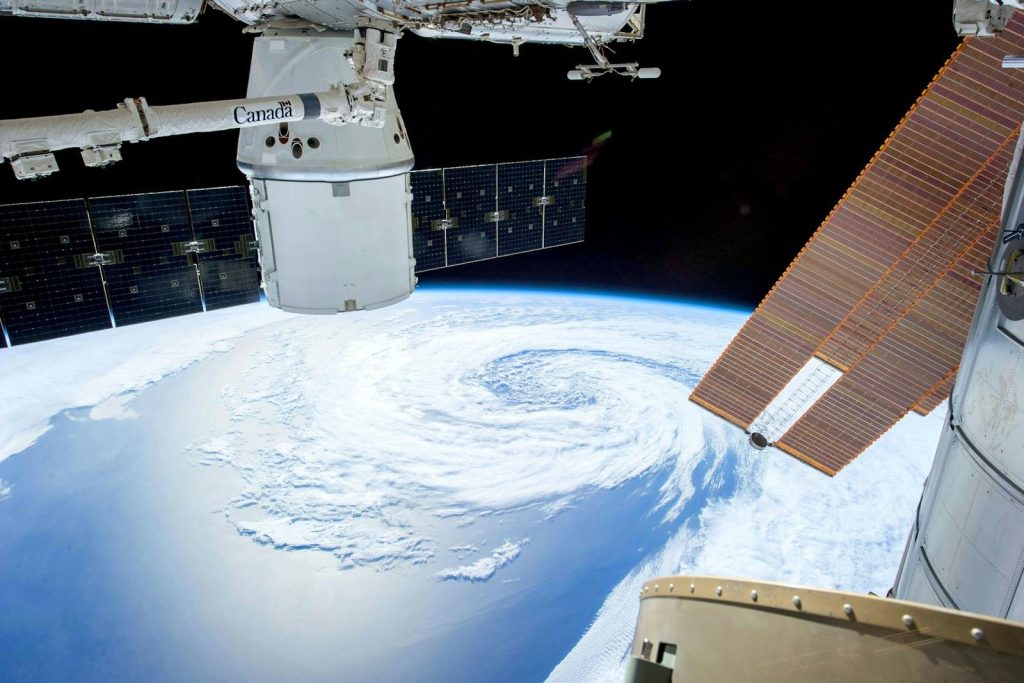
The “smart net” provides a level of detail that satellites simply can’t match. Satellites look down from space, but these sensors are inside the weather. They can detect the tiny temperature shifts that trigger a massive storm.
With this data, we can give cities hours or even days of extra warning before a disaster hits. It is like having a microscope for the entire world’s weather. We are moving from “guessing” the weather to “calculating” it. But does this technology have a role in the ocean?
Tracking the Ocean Heat Pulse

The stratosphere is directly connected to the temperature of the oceans. By monitoring the air just above the water, the sensors can track the “heat pulse” of the sea. This tells scientists exactly how much energy is being stored in our oceans.
It is a vital piece of the puzzle for understanding climate change. We are learning that the sky and the sea are in a constant, high-speed conversation. The sensors are the translators that allow us to listen in. But who is paying for all these millions of sensors?
A Global Collaboration for a Clear Sky

This project is being funded by a coalition of over 100 countries. Because the weather doesn’t respect borders, the data is shared freely with every nation on Earth. It is a rare moment of global unity in the face of a common threat.
Every country contributes to the “sensor pool,” and every country benefits from the early warnings. It is proof that we can solve the world’s biggest problems if we work together. But is there a catch to having the sky filled with tiny machines?
The Future of “Active” Weather Control

In the future, these sensors could do more than just track the heat. Scientists are looking at using them to “seed” clouds or release cooling agents to stop a heat wave. We are moving toward a world where we don’t just watch the weather; we help manage it.
The micro-sensors are the first step in a “Living Atmosphere” that works to keep the planet healthy. It is the ultimate insurance policy for our survival. But are you ready to see the massive creature that might be coming back to walk under this new sky?
Featured Image: Photo by HarmonyCenter on Pixabay
Leave a Reply