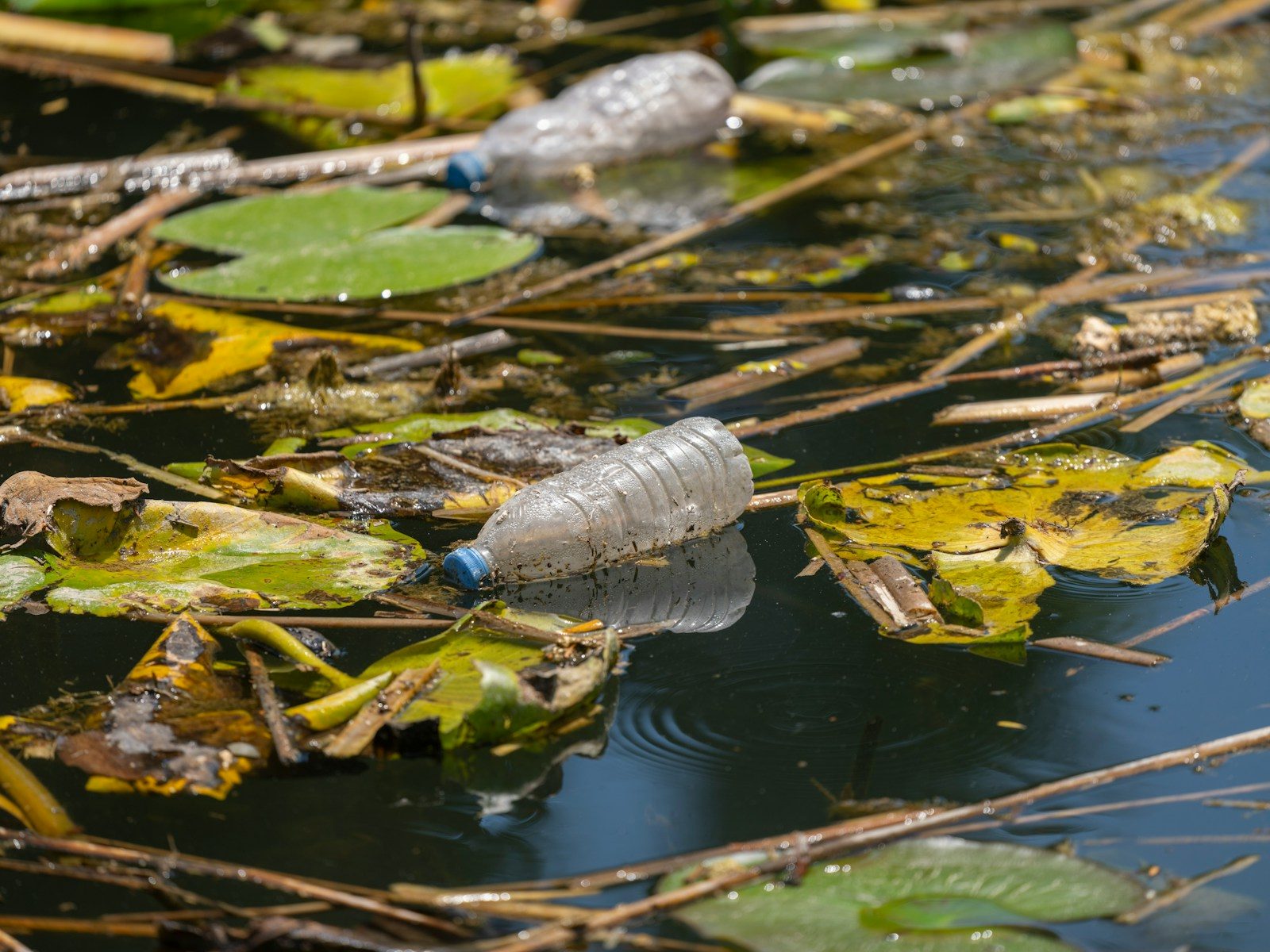
The global plastic crisis has finally met its match in a microscopic monster. For decades, we have watched our oceans and landfills overflow with plastic waste that takes centuries to break down. But in a stunning 2026 breakthrough, scientists have engineered a new strain of bacteria that views a plastic water bottle as a five-star meal. This isn’t just a slow decay. We are talking about a total biological breakdown that happens in under four hours.
The discovery happened in a lab that was studying deep-sea microbes. Researchers found a unique enzyme that can snap the chemical bonds of PET plastic like they are dry twigs. Once the bacteria are applied to the plastic, they begin to dissolve the material almost instantly. It looks like something out of a horror movie, but for the environment, it is a miracle. We are looking at a future where the word “permanent” no longer applies to our trash. But how did the researchers make these tiny eaters move so fast?
The Enzyme That Snaps Chemical Bonds
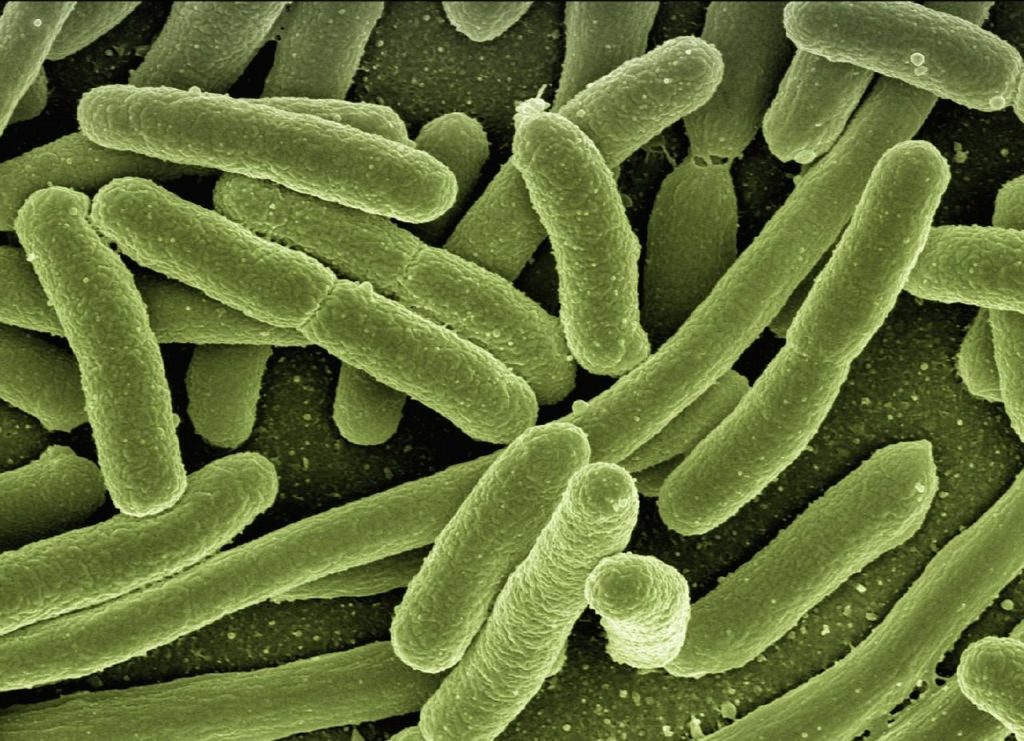
The secret to this four-hour feast is a super-charged enzyme called “PETase-X.” Scientists used AI to rewrite the genetic code of a common bacterium, giving it the ability to produce this enzyme in massive quantities. When the bacteria touch plastic, the enzyme immediately goes to work on the polymer chains.
It breaks them down into their original building blocks, which the bacteria then use as energy. It is a perfect circle of recycling that leaves behind nothing but harmless organic matter. This process is thousands of times faster than anything found in nature. But can this bacterium handle the “dirty” plastic found in the ocean?
Cleaning the Oceans at Record Speed
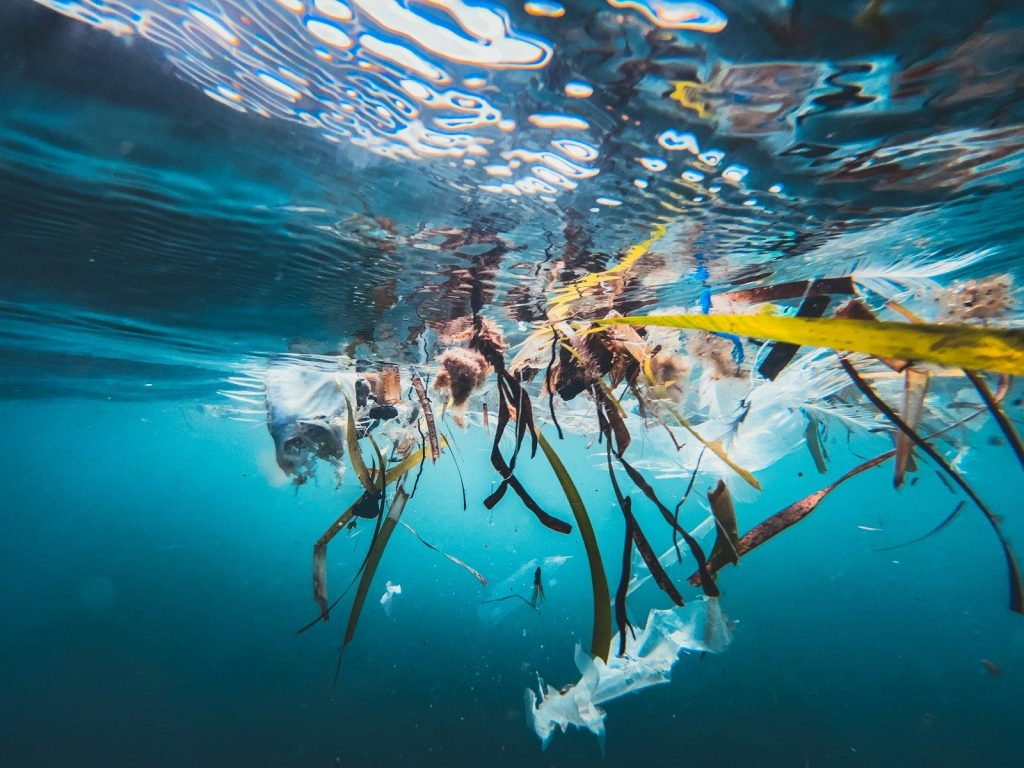
Up until now, cleaning the Great Pacific Garbage Patch seemed impossible. There was just too much plastic and not enough time. However, this new bacterium can survive in salt water and handle varying temperatures.
Scientists are now testing “bio-buoys” that release these bacteria into concentrated areas of ocean plastic. Instead of using nets that trap fish, we are using biology to erase the trash. Within hours, the plastic becomes a nutrient source for the local ecosystem. But what happens to the bacteria once the plastic is all gone?
The Safety Switch for Biology
One of the biggest fears is that these bacteria could escape and start eating things we actually need, like car parts or medical equipment. To prevent a “plastic apocalypse,” the researchers built a “kill switch” into the DNA.
The bacteria can only survive if they are fed a specific, rare nutrient that doesn’t exist in the wild. If they leave the treatment area, they simply stop functioning and die off. It is a fail-safe system that ensures our technology stays safe while our trash disappears. But is this bacterium expensive to grow?
A Cost-Effective Solution for Landfills
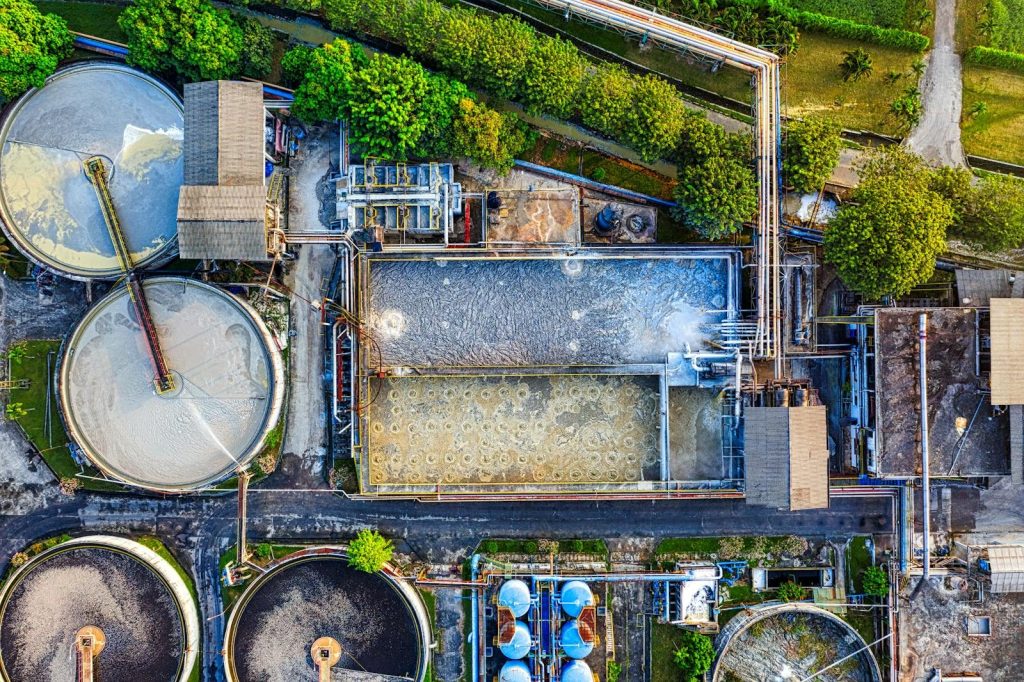
In the past, high-tech recycling was too expensive for small cities. But growing these bacteria is incredibly cheap. They multiply on their own and only require basic sugar and water to stay active between meals.
This means even the smallest towns could soon have “bio-digesters” that turn their weekly plastic waste into clean compost. It is a decentralized solution that takes the pressure off global shipping. We are turning a billion-dollar waste problem into a low-cost biological process. But what does the plastic actually turn into?
Turning Trash Into Clean Energy
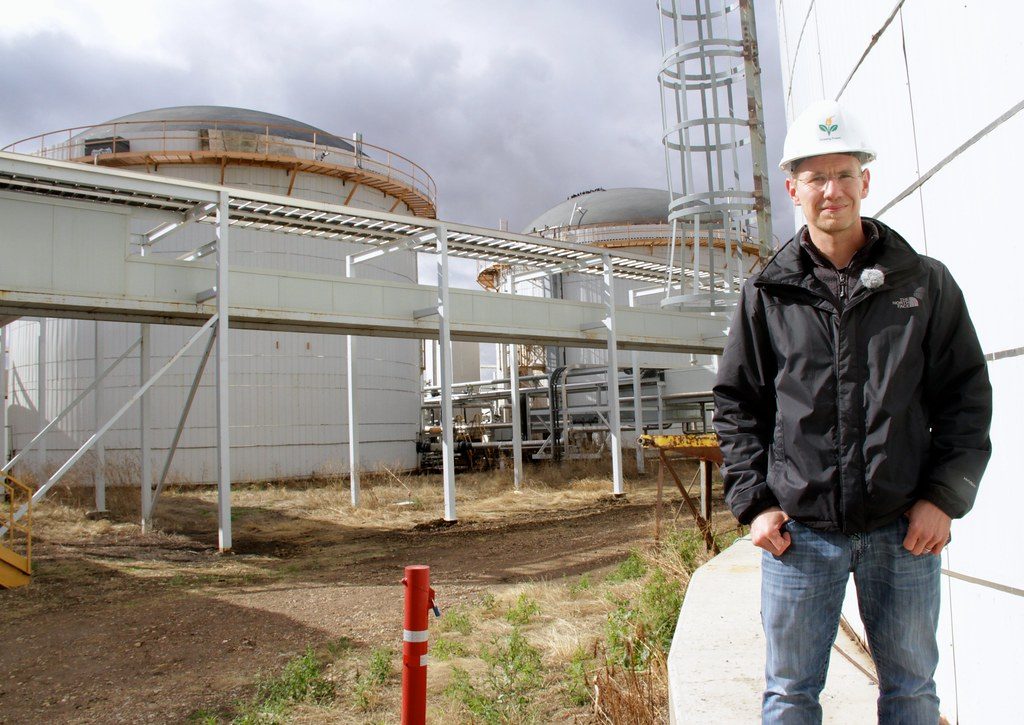
When the bacteria eat the plastic, they release a byproduct that is rich in methane. Smart engineers are already finding ways to capture this gas and turn it into electricity. This means your old water bottles could literally power the lights in your house.
It is a double win for the planet: we remove the waste and generate green energy at the same time. The first “plastic-to-power” plants are already being designed in Europe. But could these bacteria ever be used on the clothes we wear?
The End of Microplastics in Our Blood
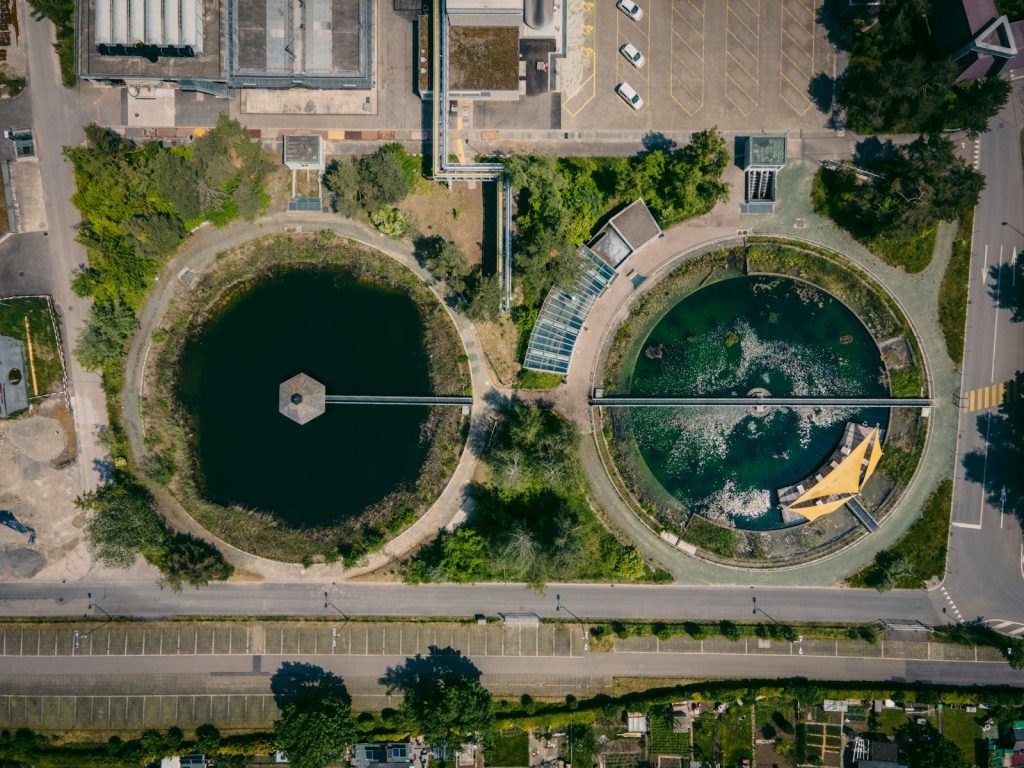
Perhaps the most important use for this tech is cleaning up microplastics. These tiny particles are now found in our food, our water, and even our bodies. Traditional filters can’t catch them, but the bacteria can.
New water treatment plants are using “bacterial filters” to ensure that not a single speck of plastic reaches our taps. It is a total reset for human health. We are finally scrubbing the planet clean at the molecular level. But how much further can this “generative biology” go?
A Future Without Permanent Waste

As we move through 2026, the idea of “throwing something away” is changing. We are realizing that every material we create needs a biological “end of life” plan. This bacteria is just the first step in a new world of self-destructing trash.
The researchers are now working on a version that can eat old tires and electronic waste. We are building a world that leaves no footprint behind. Are you ready to see how the sky is being watched by things even smaller than these bacteria?
Featured Image: Photo by Engin Akyurt on Unsplash
Leave a Reply