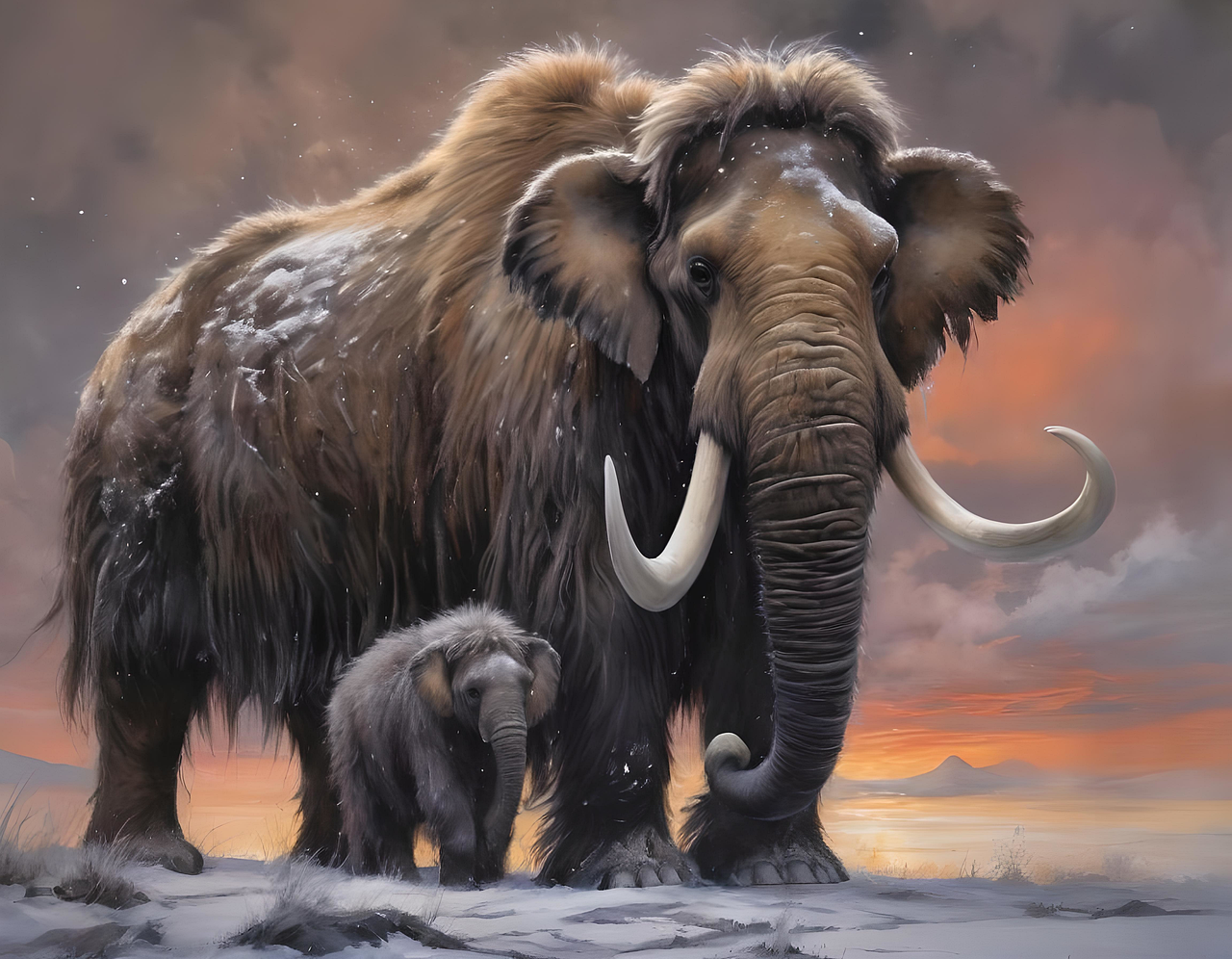
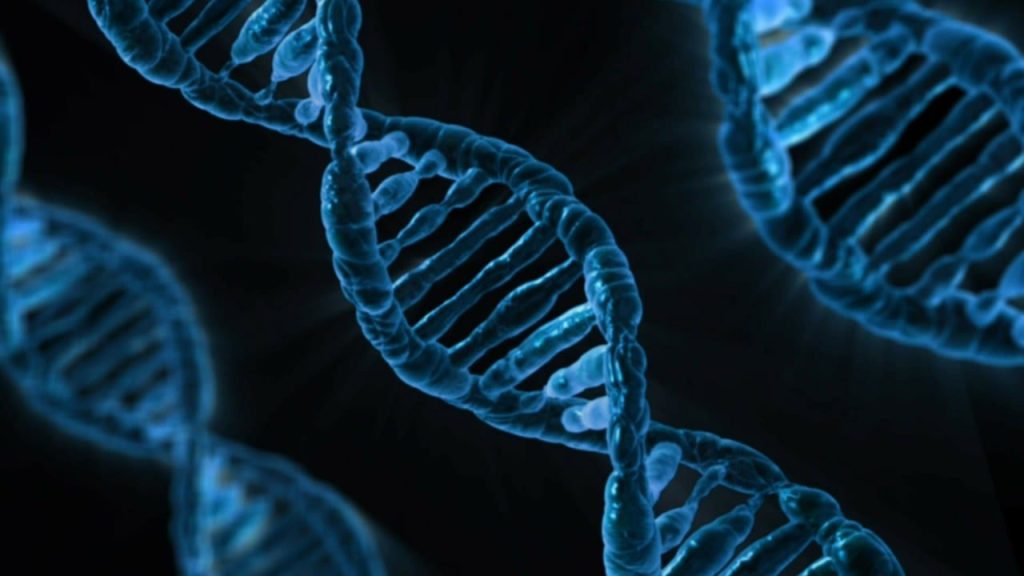
The dream of de-extinction is no longer a movie plot. In 2026, a team of geneticists and conservationists announced that they were closer than ever to birthing the first Woolly Mammoth in over 4,000 years. Using CRISPR technology, they have successfully merged mammoth DNA with that of an Asian elephant.
The resulting embryo is currently being grown in an “artificial womb,” and the timeline points to a birth by next summer. This isn’t just about bringing back a cool animal. It is a high-tech strategy to save the planet’s frozen tundra. We are witnessing the rebirth of a legend that was once lost to time. But how do you build a mammoth from a few frozen bones?
The Genetic Puzzle of the Ice Age
The secret to this miracle is a well-preserved mammoth found in the Siberian permafrost. Scientists were able to extract high-quality DNA that was frozen in time for thousands of years. They compared this code to the Asian elephant and found a 99 percent match.
The researchers then “edited” the elephant DNA to include mammoth traits: thick fur, large tusks, and specialized blood that survives in freezing temperatures. It is a biological “copy and paste” that took a decade to perfect. But is this really a mammoth, or just a hairy elephant?
The “Arctic Elephant” Hybrid
Technically, the scientists call it a “Functional Mammoth.” It looks like the prehistoric beast and acts like one, but it has the heart of a modern elephant. It is designed to survive in the extreme cold of the Arctic, where elephants could never go.
This hybrid is built for a specific job: stomping down the snow. By trampling over the frozen ground, mammoths keep the permafrost cold and prevent it from melting. They are essentially “climate engineers” with four legs. But where will these new giants actually live?
Restoring the “Mammoth Steppe”
The mammoths are going home to a massive park in Northern Siberia. This area used to be a lush grassland called the “Mammoth Steppe” before the mammoths died out. Without them, the land turned into mossy bogs that release methane.
By bringing the mammoths back, we can restore the grass and lock the carbon back into the ground. It is the most ambitious ecological restoration project in human history. We are using the past to save the future. But will the world be afraid of these giant prehistoric ghosts?
The Ethics of Playing God
Not everyone is happy about the return of the mammoth. Some philosophers worry that we are interfering too much with nature. They argue that we should focus on saving the animals that are still alive instead of bringing back the ones that are gone.
However, the supporters of the project say that the mammoth is a “key” that we need to unlock the health of the planet. They believe it is our responsibility to fix the damage we have done to the ecosystem. It is a debate that will only get louder as the birth date gets closer. But how will the mammoth learn to be a mammoth?
A Mother’s Love from a Surrogate
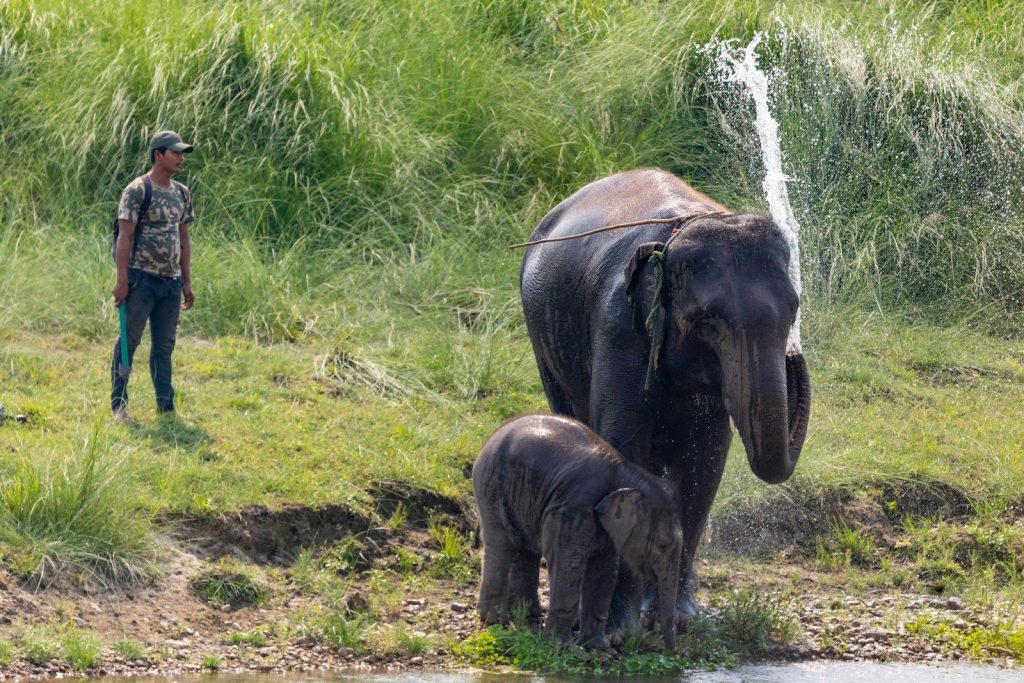
Because mammoths are social animals, the first calf will be raised by a family of Asian elephants in a specialized sanctuary. These “foster mothers” will teach the young mammoth how to interact and find food.
The researchers believe that the mammoth’s instincts will quickly take over once it feels the cold air of the Arctic. It is a beautiful example of two species working together for survival. We are building a family for a creature that has been lonely for 4,000 years. But what happens if the mammoth gets sick?
The Healthcare of a Prehistoric Beast
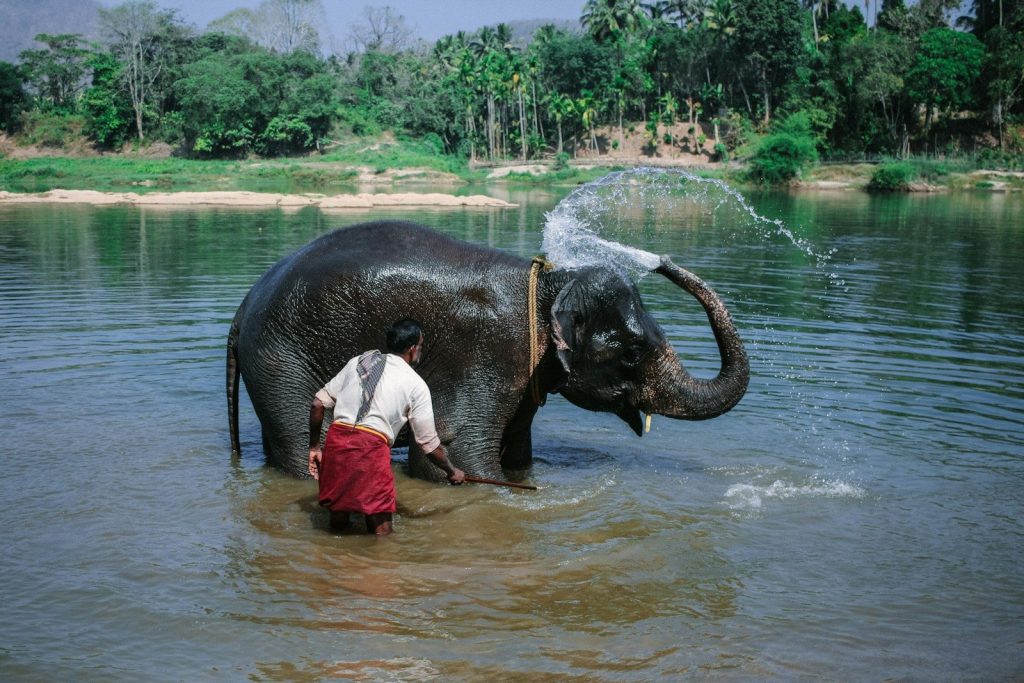
Vets are already training for the birth of the first calf. They are using AI to predict what kind of diseases a mammoth might face in the modern world. They have already created a “prehistoric vaccine” to protect the young giant from modern viruses.
Every moment of the mammoth’s life will be monitored by the micro-sensors we talked about in the last article. It will be the most famous and well-cared-for animal on the planet. But could this lead to the return of other lost species?
The Dawn of a New Biological Era
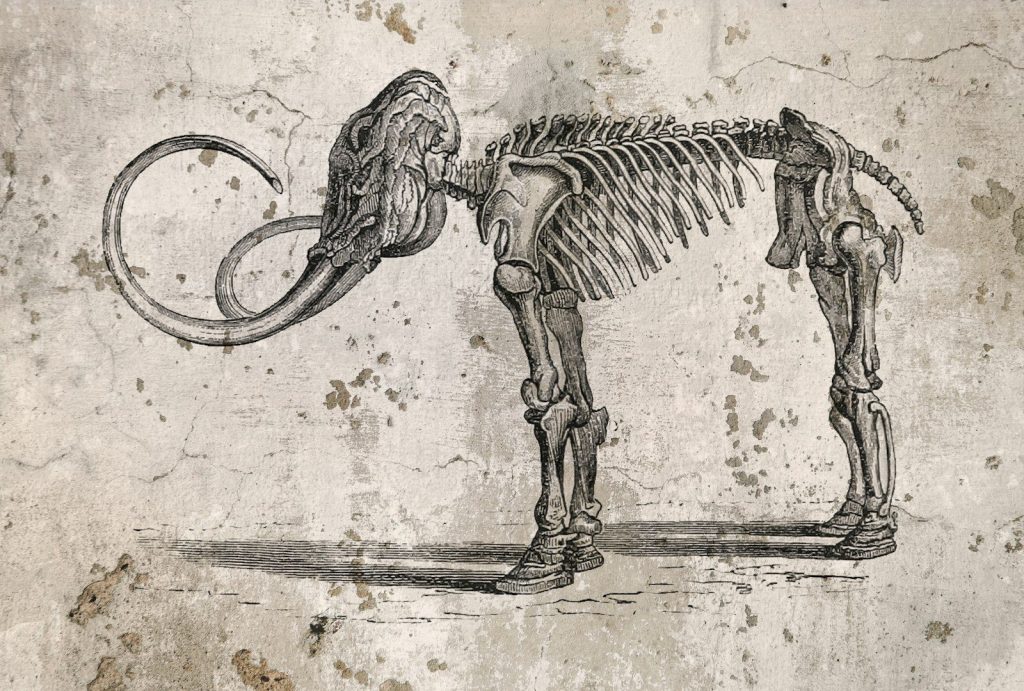
The mammoth is just the beginning. Scientists are already looking at the DNA of the Dodo bird and the Tasmanian Tiger. We are entering an era where extinction is no longer permanent. It is a total rewrite of the rules of life on Earth.
We have the power to bring back the beauty we have lost. It is a hopeful and exciting time to be alive. But while we look at the giants of the past, are you ready to see the giant buildings that are feeding our future?
Featured Image: Photo by CharcoalDrawing on Pixabay
Leave a Reply