Blog

  • The Ancient Tech That We Still Can’t Replicate Today

    The Ancient Tech That We Still Can’t Replicate Today

    We like to think that modern humans are the smartest people to have ever lived. We have smartphones, rockets, and AI. But when we look back at the ruins of ancient civilizations, we find things that leave our best engineers scratching their heads. Some of these ancient inventions were so advanced that we still cannot figure out how they were made. From “impossible” structures to chemical formulas that have been lost to time, the past is full of high-tech secrets.
    The more we study these artifacts, the more we realize that ancient people had a deep understanding of physics and chemistry. In some cases, their versions of certain tools were actually better than what we have today. We are in a race to rediscover these lost secrets before they are forgotten forever. But wait until you see the device found in a shipwreck that was basically a 2,000-year-old computer.

    The 2000-Year-Old Computer Found Underwater

    apocalypse, catastrophe, end time, armageddon, end of the world, explosion, destroyed, devastation, destruction, flame, force of nature, fire, destroy, natural disaster, big bang, atomic, atomic bomb, bomb, smoke, heat, world war, battle, explosion, fire, fire, fire, fire, fire, smoke
    Photo by ds-grafikdesign on Pixabay

    In 1901, divers found a strange lump of bronze in a shipwreck near Greece. It turned out to be the Antikythera Mechanism. This device features dozens of intricate gears and was used to predict eclipses and the positions of the planets with perfect accuracy. Nothing this complex was built again for another 1,500 years. Engineers today are still trying to understand how the Greeks made such tiny, precise parts without modern tools. It is a masterpiece of engineering that shouldn’t exist. But what about the secret fire that could burn on water?

    Greek Fire and the Secret Weapon of the Byzantines

    white and brown dome ceiling
    Photo by Dimitry B on Unsplash

    The Byzantine Empire had a weapon that terrified its enemies. It was called “Greek Fire.” This liquid could be sprayed through tubes and would ignite on contact with air or water. Pouring water on it only made the flames grow stronger. The formula was so top-secret that only a few people knew how to make it. When the empire fell, the recipe vanished. Even today, modern chemists cannot replicate a fire that behaves this way. But wait until you see the ancient concrete that actually gets stronger over time.

    Why Roman Concrete Puts Modern Buildings to Shame

    Greek building ruins during daytime
    Photo by Fred Nassar on Unsplash

    Modern concrete is designed to last about 50 to 100 years before it starts to crack. Meanwhile, Roman structures like the Pantheon have been standing for over 2,000 years. Scientists recently discovered the secret: seawater and volcanic ash. When seawater hits the concrete, it creates a chemical reaction that fills in any cracks. Instead of breaking down, the concrete grows stronger every year. We are now trying to use this “ancient” recipe to build more sustainable cities. But how did they move those massive stones in the first place?

    The Mystery of the Impossible Stones at Baalbek

    india, new delhi, delhi, attraction, culture, architecture, travel, tourism, temple, building, india, india, india, india, india, delhi, delhi, delhi, temple
    Photo by enjoytheworld on Pixabay

    In Lebanon, there is an ancient temple site called Baalbek. The base of the structure contains stones that weigh over 800 tons each. Even with our most powerful modern cranes, moving these stones would be nearly impossible. Yet, ancient builders moved them from a quarry miles away and stacked them with perfect precision. There are no records of the tools or techniques they used. Some believe they used sound or vibrations, but it remains a total mystery. But wait until you see the iron pillar that refuses to rust.

    The Delhi Iron Pillar That Defies Chemistry

    katana, samurai, sword, japanese, blade, raindrops, steel, craftsmanship, damascus, edge, weapon, close-up, detail, precision, art, nature, tradition, water, wet, metallic, handle, warrior, ancient, culture, design, rain, ai generated
    Photo by Vilkasss on Pixabay

    In the middle of a courtyard in Delhi stands a 23-foot iron pillar that was built 1,600 years ago. Despite being exposed to the wind and rain for centuries, it has almost zero rust. Modern iron would have crumbled long ago. Scientists found that the ancient blacksmiths used a specific type of phosphorus that created a protective layer on the surface. We are still trying to figure out how they mastered this chemical process so long ago. But what about the ancient glass that could bend without breaking?

    The Legend of Flexible Glass and the Sacred Emperor

    Stonehenge ancient monument on a grassy field
    Photo by Howard Walsh on Unsplash

    Roman historians write about a man who brought a bowl made of “flexible glass” to Emperor Tiberius. To prove its strength, he threw it on the floor. Instead of shattering, the bowl only dented. The man then used a hammer to beat it back into shape. Instead of rewarding him, the Emperor had him executed because he feared the new material would make gold and silver worthless. The secret of flexible glass died with him. Today, we are only just beginning to make “bendable” screens. As we look at these lost technologies, we realize that some people might just be luckier than others.

    The Damascus Steel Blades That Could Cut Through Silk

    Ancient ruins with stone pillars under a canopy.
    Photo by Efe Kekikciler on Unsplash

    The crusaders were terrified of “Damascus Steel.” These blades were famous for their incredible strength and their ability to cut through a falling silk scarf. They had a unique “watery” pattern on the surface that looked like flowing liquid. For centuries, no one could replicate the process. We now know the ancient smiths were accidentally creating “carbon nanotubes” in the steel. This is nanotechnology from over 1,000 years ago. While we study their luck in discovery, we wonder if luck is something we can control today.


  • Scientists Finally Discover What Lives Inside That Mysterious Deep Sea Egg

    Scientists Finally Discover What Lives Inside That Mysterious Deep Sea Egg

    Deep at the bottom of the Pacific Ocean, a remote-controlled sub came across something that appeared to belong in a horror film. It was a shiny golden orb about four inches wide, stuck to a rock two miles below the surface. The internet quickly dubbed it the “Golden Egg” and theories began to fly. Was it an alien artifact? A discarded piece of high-tech waste? Or something more biological? Scientists were confused because the object had a mysterious hole in the front, suggesting something had already crawled out of it.

    After months of careful study in a high-security lab, researchers have finally cracked the mystery. Using DNA sequencing and high-resolution scans, they have identified the origin of this strange treasure. The truth is actually more incredible than the wild theories people posted online. This object represents a part of the Earth that we have never seen before. But to understand what was inside, we first have to look at the terrifying environment where it was found.

    The Shiny Object Found Two Miles Below The Surface

    scuba diving, nature, swimming, sea, ocean, water, underwater, underwater diving, diver, diving, recreational activity
    Photo by 12019 on Pixabay

    The discovery took place during an expedition by the NOAA ship, Okeanos Explorer. Their robotic sub was filming a dormant volcano when the cameras caught a glint of gold. The team was shocked to find something so bright in a world of total darkness. At that depth, the pressure is enough to crush a car, and the temperature is near freezing.

    Anything living down there has to be incredibly tough. When the sub’s robotic arm touched the “egg,” it felt like soft skin or muscle tissue rather than a hard shell. This was the first hint that they were dealing with a living creature. But why would an animal want to look like a piece of jewelry?

    Why Scientists Could Not Identify The Mysterious Skin

    mushroom, oyster, mycology, nature, macro, texture, closeup, mushroom, mushroom, mushroom, mushroom, mushroom, texture
    Photo by a_m_o_u_t_o_n on Pixabay

    When the sample arrived at the surface, the lead scientists were speechless. They expected it to be a known type of sponge or coral, but the texture didn’t match anything in their database. The “golden” color was actually a unique type of biological coating that reflects the faint light from deep-sea vents.

    Under a microscope, the skin looked like it was made of metallic threads. It was surprisingly flexible, but nearly impossible to tear. This protective layer was designed to keep the occupant safe from the extreme pressure of the abyss. But the most chilling part was the clean circular hole found on the side.

    What The DNA Testing Finally Revealed

    dna, biology, medicine, gene, microbiology, science, genetics, genetic material, laboratory, dna, dna, dna, dna, dna, biology, medicine, gene, science, genetics, laboratory
    Photo by PublicDomainPictures on Pixabay

    After weeks of testing, the results came back with a shock. The DNA from the golden egg did not match any known species on record. About 90 percent of its genetic code was completely new to science. However, the remaining 10 percent showed a distant link to a family of deep-sea predators.

    It turns out the “egg” wasn’t an egg at all. It was a protective casing for a new type of invertebrate that undergoes a radical transformation. Think of it like an underwater cocoon. The creature that grew inside this golden shell is a master of camouflage that has been hiding from humans for millions of years.

    The Creature That Crawled Out Of The Gold

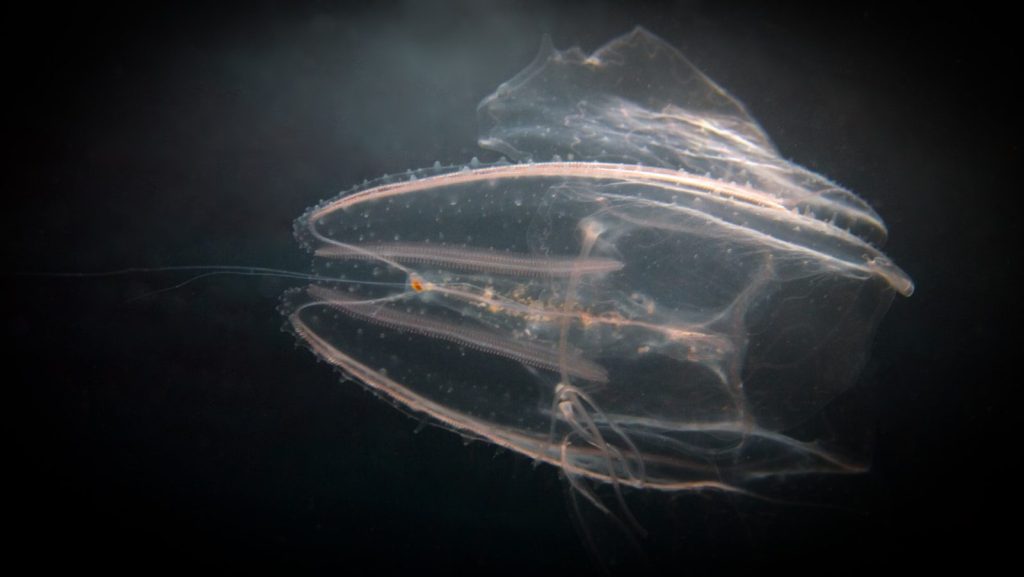
    a large jellyfish swimming in the water
    Photo by Heidi Bruce on Unsplash

    So, what exactly was the occupant? The DNA points to a highly advanced type of deep-sea snail or mollusk, but one with a terrifying twist. Unlike the slow snails we see in our gardens, this creature is a fast-moving hunter. It uses the metallic casing to shield itself while it develops its predatory organs.

    Once it reaches adulthood, it “hatches” and disappears into the darkness of the trenches. This explains why we have only ever found the empty shells. We are looking at the nursery of a ghost. But if these creatures are everywhere, why are we only finding them now?

    A New Kingdom Of Life In The Twilight Zone

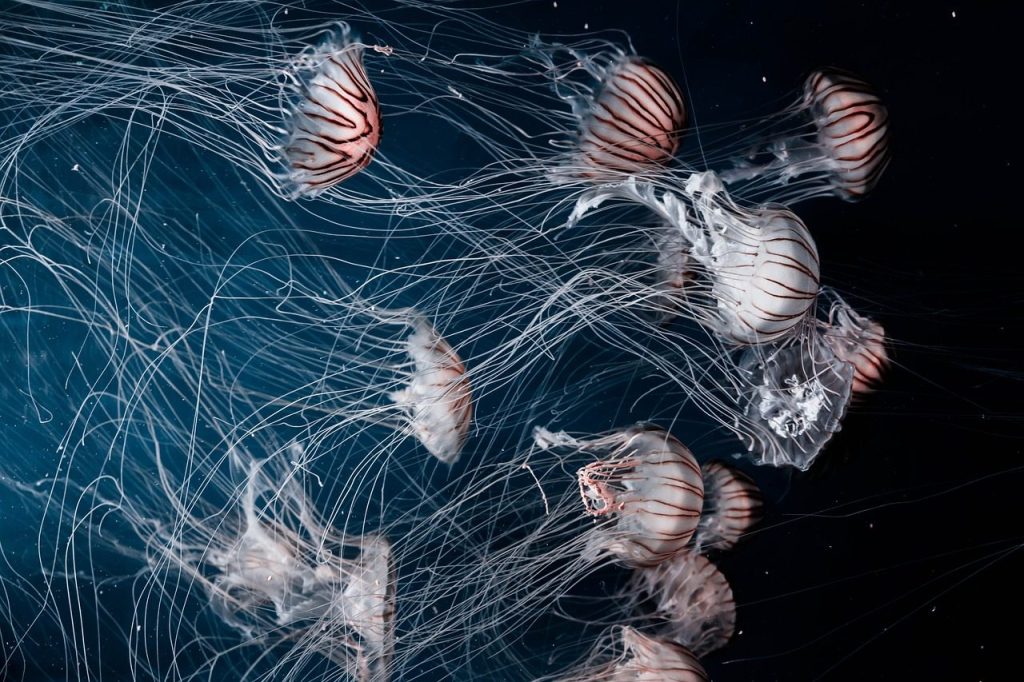
    jellyfish, aquatic, animal, ocean, underwater, nature, dark, blue animals, blue dark
    Photo by StockSnap on Pixabay

    This discovery has forced scientists to redraw the map of the ocean. It proves that there is an entire “hidden” ecosystem living beneath the seafloor. There are likely thousands of species down there that look nothing like the life we know. These “golden” species use chemical energy from the Earth’s core to survive instead of sunlight.

    We are essentially looking at an alien world right here on our own planet. The golden egg is just the tip of the iceberg. Some researchers believe there are massive structures made of this biological metal deep inside the ocean trenches. What else could be hiding in the 80 percent of the ocean that remains unexplored?

    Why This Discovery Matters For Human Medicine

    a bottle filled with liquid and a pipe sticking out of it
    Photo by Cosmin Ursea on Unsplash

    While the idea of a deep-sea “metal snail” is cool, the real value is in its chemistry. The metallic skin of the golden egg has incredible healing properties. It can withstand extreme heat and acidic environments without breaking down. Scientists are now looking at how to use these proteins to create better medical implants for humans.

    We could see a new generation of heart valves or bone replacements based on the “golden” recipe found in the abyss. This serves as a reminder that nature is often the best engineer. But as we move to collect more samples, environmentalists sound the alarm.

    The Battle To Protect The Deep Sea Nursery

    lionfish, underwater, marine life, reef fish, tropical fish, invasive species, ocean wildlife, coral reef, underwater photography, exotic fish, venomous spines, striped fish, sea life, aquatic animal, marine biodiversity, scuba diving, snorkeling, underwater close-up, nature, wildlife photography
    Photo by DJB_Images on Pixabay

    As soon as the “Golden Egg” went viral, mining companies began to take notice. The deep sea is full of valuable minerals, and now we know it’s full of biological secrets too. There is a growing fear that deep-sea mining could destroy these habitats before we even get to study them.

    If we wipe out these “nursery” areas, we might be killing off species that hold the cure for diseases. The golden egg has become a symbol for the fight to protect our oceans. Will we choose to explore the mystery, or will we mine it into extinction? The answer lies in what we find next.

    Featured Image:Photo by Franziska_Stier on Pixabay

  • Why Scientists are Terrified of Super-Candida and the Tech Fighting it

    Why Scientists are Terrified of Super-Candida and the Tech Fighting it

    There is a silent killer spreading through hospitals around the world, and it isn’t a virus or bacteria. It is a fungus called Candida auris, often nicknamed “Super-Candida.” Scientists are terrified because this fungus is resistant to almost all known antifungal drugs. It can live on surfaces for weeks and spreads like wildfire in clinical settings. Once it enters the bloodstream, the mortality rate is a staggering sixty percent.
    The scariest part? It seems to have emerged because of climate change, learning to survive in warmer temperatures, like the human body. Traditional medicine is failing to stop it. However, a new wave of high-tech weapons is being deployed to fight back. From AI to cold plasma, the war against the “last of us” fungus has begun.

    The Fungus That Survives Almost Everything

    laboratory, analysis, chemistry, research, chemist, lab, phd, diagnostics, hospital, test tubes, medical, doctor, medic, tests, treatment, diagnostician, health, experiments, examination, examine, researcher, blue health, blue hospital, blue medical, blue doctors, blue research, blue lab, blue test, blue laboratory, blue chemistry, laboratory, laboratory, laboratory, laboratory, chemistry, research, research, research, research, research, lab, lab, lab, hospital, hospital, medical, medical, doctor, doctor, doctor, health, health
    Photo by jarmoluk on Pixabay

    Unlike common yeast, Candida auris is a master of survival. It can withstand heavy-duty disinfectants that kill almost anything else. Hospitals have had to rip out floor tiles and ceilings just to get rid of it. It creates a “biofilm,” a protective shield that makes it nearly invincible to standard cleaners. This resilience is why it has become a global health threat in record time. But scientists have found a weakness in the fungus’s own DNA

    AI is Hunting for the Perfect Cure

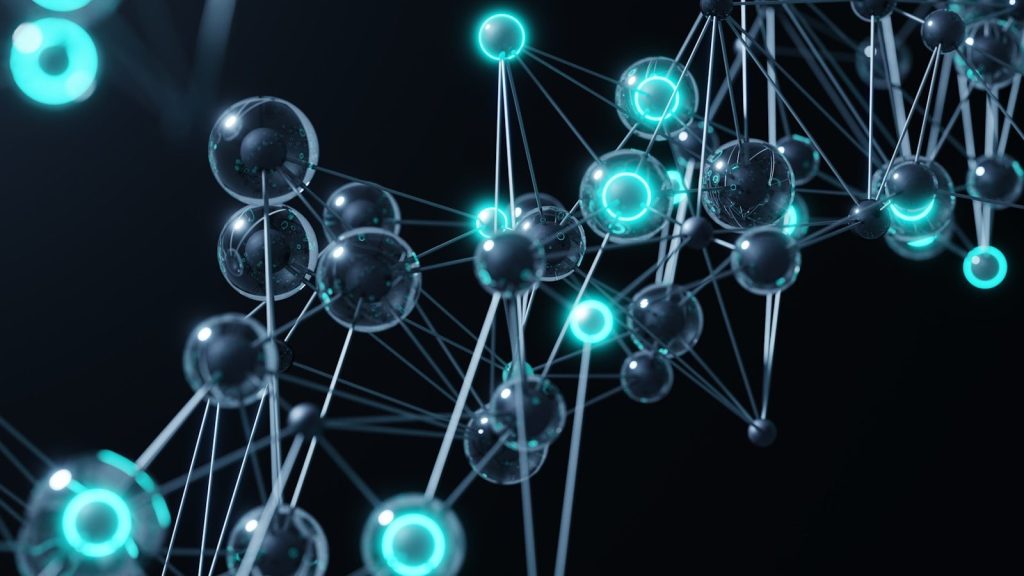
    A group of blue and green balls on a black background
    Photo by Ecliptic Graphic on Unsplash

    Developing a new antifungal drug normally takes over a decade. We don’t have that much time. Scientists are now using powerful AI to scan millions of chemical compounds in days. The AI can predict which molecules will shatter the fungus’s protective biofilm. Recently, AI discovered a brand-new class of drugs that are showing incredible promise in labs. It is a race between biological evolution and artificial intelligence. But drugs aren’t the only way to kill it.

    Killing Fungus with Cold Plasma Technology

    purple and blue light illustration
    Photo by Rowan Heuvel on Unsplash

    One of the most exciting new weapons is cold plasma. This isn’t the stuff inside a star; it is a room-temperature ionized gas. When sprayed on a surface or skin, it creates “reactive species” that rip the fungus apart. It is completely safe for humans but deadly for Super-Candida. This could be used to sanitize hospital rooms in minutes without using a single drop of toxic chemicals. But what if the fungus is already inside a patient’s body?

    Nanobots That Hunt the Fungus in Your Blood

    virus, bacteria, infection, medicine, microscope, microbiology, microscopic, pathogen, nano, nanobot, science fiction, robot, technology, future, robotics, microchip
    Photo by FotoRichter on Pixabay

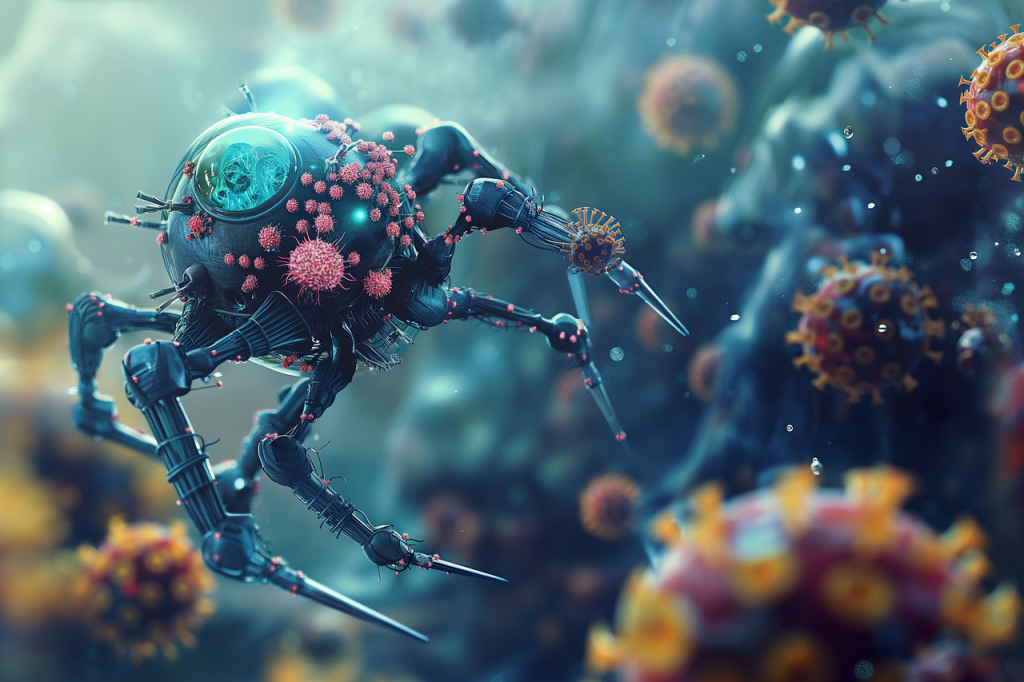
    The future of treatment might involve tiny “hunters” inside your veins. Engineers are developing nanobots that can specifically target fungal cells while ignoring healthy human cells. Once they find the fungus, they can deliver a concentrated dose of medicine or use heat to destroy it. This precision would eliminate the side effects of traditional medicine. It sounds like science fiction, but early tests are proving very successful. However, the fungus is also trying to adapt to these new threats.

    Climate Change and the Rise of Superbugs

    Cracked dry earth with small green plants growing.
    Photo by Jinson Nguyen on Unsplash

    Scientists believe Super-Candida is just the beginning. As the world gets warmer, many fungi are adapting to higher temperatures. This makes it easier for them to infect humans, whose high body temperature used to be a natural shield. We are seeing a fundamental shift in how diseases work. To stay ahead, we need to monitor the environment as much as we monitor patients. This is where “smart” hospital sensors

    Smart Sensors That Detect Infection Early

    blue and white cardboard box
    Photo by Angeles Pérez on Unsplash

    The best way to stop an outbreak is to find it before it starts. New IoT sensors can “smell” the chemicals produced by Super-Candida in the air. These sensors can be placed in hospital ventilation systems to provide real-time monitoring. If the fungus is detected, the system can automatically trigger a lockdown or extra cleaning. It is a digital immune system for our buildings. But there is one more technology that could change the game entirely.

    Using Light to Destroy the Threat

    white braille paper on blue surface
    Photo by Christine Sandu on Unsplash

    light, sanitization, medical tech Source: Unsplash
    Far-UVC light is a specific wavelength that kills germs but is safe for human eyes and skin. Hospitals are beginning to install these lights in high-traffic areas to constantly kill the fungus in the air. It’s a passive defense that works 24/7. Between AI, plasma, and light, we have a fighting chance. If you think the fight against fungus is complex, wait until you see how quantum computers will solve every other problem we have.

    Featured Image:Photo by Doncoombez on Unsplash

  • Why Your Weight Actually Changes at the Sea Floor

    Why Your Weight Actually Changes at the Sea Floor

    You might think that gravity is the same everywhere on Earth, but the scale tells a different story. If you were to stand on a scale at the bottom of the Mariana Trench, you would find that you weigh slightly more than you do on a mountaintop. This isn’t just about the crushing weight of the water above you. It is actually a fundamental quirk of physics and the shape of our planet. Because the Earth is not a perfect sphere, the distance between you and the center of the Earth changes depending on where you are.

    When you move toward the sea floor, you are getting closer to the core, which increases the pull of gravity. Additionally, the massive weight of the ocean water itself creates a slight downward pull. Scientists have been measuring these “gravity anomalies” for years to map the ocean floor. But there is a hidden force involving the Earth’s rotation that might be pushing back against you.

    Getting Closer to the Core

    Erosion on a dry, rocky landscape
    Photo by Iain on Unsplash

    The Earth is an “oblate spheroid,” meaning it is fatter at the equator and flatter at the poles. When you dive to the sea floor, you are physically descending into the Earth’s “dent.” This brings you closer to the concentrated mass of the iron core. Every mile you go down increases the gravitational acceleration acting on your body.

    It is a tiny change—usually less than one percent—, but it is enough to be measured by sensitive instruments. This extra pull is what gives you those “added ounces” at the bottom of the world. But is it just the core pulling on you, or is the rock beneath your feet changing too?

    The Mass of the Water Column

    body of water
    Photo by Clem Onojeghuo on Unsplash

    When you are deep underwater, there is a literal mountain of liquid on top of you. While this pressure does not change your mass, it creates a unique physical environment. In some cases, the vast amount of water around you can exert a gravitational pull of its own.

    This “extra” gravity from the water itself is something scientists have to account for when calibrating deep-sea sensors. It makes the bottom of the ocean one of the most “gravity-heavy” places on the planet. But did you know that the rock under the ocean is actually denser than the rock on land?

    Heavy Rock Means Heavy Gravity

    cascade du ray pic, basalt, basalt columns, basalt prisms, stone, rock, ardeche, france, volcanic, basalt formation, basalt rock
    Photo by Hans on Pixabay

    The crust under the oceans is made of basalt, which is much denser than the granite found on the continents. Because there is more mass packed into a smaller space under the sea floor, the local gravity is slightly stronger. This creates “gravity hills” in the middle of the ocean.

    If you sailed a ship over a dense patch of basalt, you would technically weigh more than you did at the pier. These mass concentrations, or “mascons,” are hidden maps of the Earth’s history. But how do scientists measure something so small in such a violent environment?

    The Centrifugal Effect is Weakest Down There

    submarine, underwater boat, torpedo tube, torpedeo, technology, submarine, submarine, submarine, submarine, submarine
    Photo by Bernswaelz on Pixabay

    At the surface, the Earth’s rotation tries to “fling” you out into space. This centrifugal force actually makes you weigh less at the equator. However, as you go deeper into the ocean, you are closer to the Earth’s axis of rotation. This means the flinging effect becomes weaker.

    Because you aren’t being pushed “out” as hard, gravity has an easier time pulling you “in.” This lack of centrifugal lift adds another tiny layer to your total weight. It is a perfect storm of physics that only happens in the deep. But could these gravity changes actually affect how a submarine moves?

    Subs Have to Navigate Gravity Pits

    dive, diver, underwater, mystical, dive, diver, diver, diver, diver, diver, underwater, underwater, underwater, underwater, underwater
    Photo by baechi on Pixabay

    Modern submarines are so sensitive that they can feel these changes in gravity. Navigators use “gravity maps” to help determine their location without using GPS, which doesn’t work underwater. If a sub passes over a dense mountain range on the sea floor, the extra gravity can pull it slightly off course.

    It is like driving a car over a series of invisible magnets. By measuring these pulls, the sub can “see” the terrain below it in total darkness. But what happens to the human body when gravity shifts like this for long periods?

    The Scale Doesn’t Tell the Whole Story

    A body of water surrounded by dead trees
    Photo by Melissa De Yoe on Unsplash

    While the gravity is stronger, the buoyancy of the water is also pushing you up. This is why you feel weightless in a pool, even though gravity is still pulling on you. At the sea floor, the buoyancy is immense because the water is so dense.

    So, while a scale would show you weigh more, you would actually feel lighter than ever. It is a strange contradiction of the deep sea. You are being pulled down harder than ever, but the water is holding you up. But what if the gravity on the sea floor suddenly changed?

    Mapping the Future of the Earth

    world, map, satellite image, continents, satellite map, earth, night, world map, dark
    Photo by 14398 on Pixabay

    Measuring weight at the sea floor helps scientists understand the melting of the ice caps. As water moves around the planet, the “weight” of the ocean changes, which shifts the Earth’s gravity. By tracking these tiny changes, we can predict how the sea level will rise in the future.

    The sea floor is like a giant scale that measures the health of the entire planet. We are learning that even the smallest change in weight can have a massive impact on our survival. But is there a mystery city hiding where the gravity is strongest?

    Featured Image: Photo by Francesco Ungaro on Unsplash

  • Why the 5-Minute EV Charge is Finally a Reality in 2026

    Why the 5-Minute EV Charge is Finally a Reality in 2026

    For years, the biggest complaint about electric cars was the wait. No one wanted to sit at a charging station for an hour while their battery slowly filled up. But that problem has officially been deleted from history. In 2026, a new generation of “Extreme Fast Charging” has turned the EV experience into something as fast as a gas station visit.

    You can now pull up to a charger, plug in, and get a full 300 miles of range in just five minutes. This breakthrough has destroyed the “range anxiety” that kept people from buying electric. The technology behind this is a mix of chemistry, physics, and high-tech cooling. But how do you push that much power into a battery without it melting?

    The Magic of Solid State Batteries

    battery, motorcycle battery, battery acid, scooter battery, battery pack, fill up, load, electricity, 12v, acid, battery, battery, battery, battery, battery, acid
    Photo by Ralphs_Fotos on Pixabay

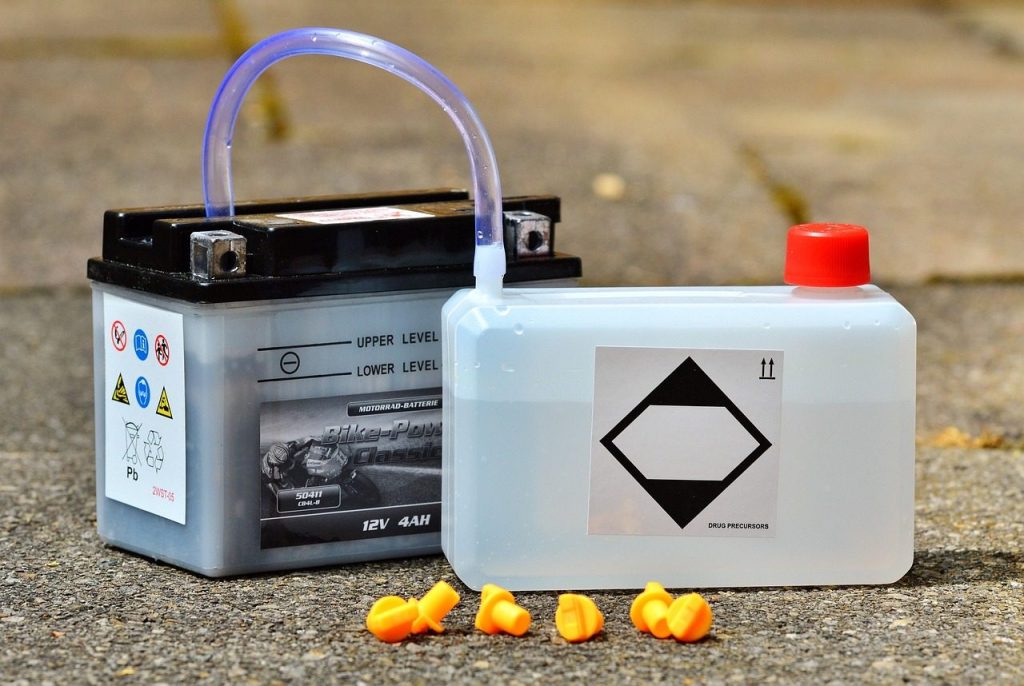
    The biggest secret to the 5-minute charge is the “Solid State” battery. Traditional batteries use a liquid electrolyte that gets hot and can be dangerous if charged too fast. The new batteries use a solid ceramic material that can handle massive amounts of heat and energy.

    This allows chargers to blast electricity into the car without any risk of fire or damage. These batteries are also lighter and hold more power than the old ones. It is the single biggest upgrade to the car industry in a hundred years. We are finally moving away from the “lithium-ion” era. But what about the older cars still on the road?

    Liquid Cooled Charging Cables are Here

    electric car, refuel, electricity, ecology, e car, automobile, fuel, power cable, ecologically, technology, energy, gas pump, gas station, environmental protection, eco, charging station, cable, yellow, electric car, electric car, electric car, electric car, electric car
    Photo by stux on Pixabay

    It isn’t just the battery that changed; it is the cable itself. To move that much power, the charging cable would normally get so hot that it would melt. The new 2026 chargers use cables filled with a specialized cooling liquid. This liquid keeps the temperature down even when thousands of volts are flowing through it.

    The cables are now thinner, lighter, and much safer to handle. It is like having a radiator inside your charging plug. This allows for a massive “power dump” into the car in record time. It is a masterpiece of engineering that you can hold in your hand. But where are all these super-chargers located?

    The Death of the Traditional Gas Station

    person holding black corded device
    Photo by Erik Mclean on Unsplash

    Across the country, old gas stations are being converted into “Charge Lounges.” Since the wait is only five minutes, these locations are designed for a quick coffee and a bathroom break. The infrastructure has caught up with the technology, making it easy to find a fast charger in every neighborhood.

    This shift is happening much faster than anyone predicted. Oil companies are pivoting to electricity to stay alive in the new economy. The “gas station smell” is being replaced by clean, modern spaces. It is a total transformation of the American roadside. But can the power grid handle all this new demand?

    Smart Grids and Giant Backup Batteries

    battery, battery food truck, battery, battery, battery, battery, battery
    Photo by braico on Pixabay

    To keep the grid from crashing, these new stations use “Buffer Batteries.” These are massive storage tanks of electricity that fill up slowly during the night. When a car pulls up, the station dumps the stored power into the vehicle instantly.

    This means the station doesn’t have to pull a huge amount of power from the city all at once. It is a “smart” way to manage the world’s energy needs. The grid is actually becoming more stable because of these giant batteries. We are building a “distributed power plant” across the entire country. But what does this mean for the price of travel?

    Travel is Now Cheaper Than Ever

    Car dashboard displaying autonomous driving interface
    Photo by Josh Sorenson on Unsplash

    With the 5-minute charge, the cost of driving has plummeted. Electricity is much cheaper than gasoline, and the new batteries require almost zero maintenance. You can drive across the country for a fraction of what it used to cost in a gas car.

    This is a huge win for families and workers who have to commute. The “cost of living” is being lowered by the “speed of charging.” It is an economic revolution disguised as a car update. The world is becoming smaller because it is easier to move through it. But how long will these new batteries actually last?

    Batteries That Last for a Million Miles

    battery, motorcycle battery, battery acid, scooter battery, battery pack, fill up, load, electricity, 12v, acid, battery, battery, battery, battery, battery
    Photo by Ralphs_Fotos on Pixabay

    One of the best things about the new 2026 tech is durability. The solid-state batteries don’t degrade like the old ones. You can charge them to 100 percent every single day for twenty years without losing range. These cars are being built to last for a million miles or more.

    This means the “used car” market is about to become much more valuable. You could buy a 10-year-old EV, and it will still perform like new. It is the end of “planned obsolescence” in the automotive world. But are you ready for a different kind of evolution involving a naked mole rat?

    The Final Piece of the Green Puzzle

    pinwheels, nature, energy, electricity, renewable, wind energy, sunset, wind farm, dusk, trees, landscape
    Photo by distelAPPArath on Pixabay

    We are finally seeing the “end game” for fossil fuel transportation. The 5-minute charge was the last hurdle standing in the way of a total EV world. With this technology, there is no reason to ever buy a gas car again. It is a cleaner, faster, and cheaper way to live.

    The air in our cities is already starting to get clearer. We are leaving a better world for our kids, one 5-minute charge at a time. The revolution is here, and it is moving at the speed of light. Are you brave enough to look at what scientists just did to a mouse?

    Featured Image: Photo by Andreas160578 on Pixabay

  • The New Device That Lets You “Tune In” to One Voice in a Crowded Room

    The New Device That Lets You “Tune In” to One Voice in a Crowded Room

    Have you ever been at a loud party and struggled to hear the person right in front of you? It is called the “Cocktail Party Problem,” and it has baffled scientists for a century. But in 2026, a new wearable device has finally solved it. Using a combination of AI and brain-wave sensors, this gadget allows you to “lock onto” a single speaker.

    The device instantly mutes every other sound in the room, leaving only the voice you want to hear. It feels like having a remote control for the world’s volume. This isn’t just for people with hearing loss; it is a “superpower” for everyone. You can finally have a private conversation in the middle of a noisy stadium. But how does a machine know who you are actually looking at?

    Using Your Eyes to Aim the Sound

    man in black shorts and black sunglasses standing on white floor
    Photo by Thomas Claeys on Unsplash

    The secret to this device is a tiny camera that tracks your eye movement. The AI assumes that the person you are looking at is the person you want to hear. As soon as your eyes focus on a face, the device creates a “sonic beam” that isolates their voice.

    It uses advanced noise-cancellation to delete the background chatter in real-time. If you look away, the audio shifts to the next person automatically. It is a seamless experience that feels like a natural part of your hearing. You are essentially “zooming in” with your ears. But what happens if you can’t see the person speaking?

    Reading Your Mind to Find the Right Person

    neural network, technology, artificial intelligence, digital, ai, brain, generated by ai, neural network, neural network, neural network, neural network, neural network
    Photo by patrypguerreiro on Pixabay

    For the most advanced models, the device doesn’t even need your eyes. It uses “Neural Tracking” to listen to your brain waves. When you pay attention to a specific sound, your brain creates a unique electrical pattern. The device’s sensors pick up this pattern and realize which voice your mind is following.

    It then boosts that specific frequency while dampening everything else. It is a true mind-to-machine interface that works at the speed of thought. You don’t have to press a button or say a word. You just listen, and the technology handles the rest. But is this “super hearing” safe for your ears?

    The End of Social Anxiety in Loud Places

    mobile, phone, samsung, music, technology, communication, telephone, digital, cell, business, smartphone, electronic, android, google, cell phone, headphones, gray business, gray technology, gray music, gray phone, gray mobile, gray community, gray google, gray digital, gray communication, gray company, gray smartphone, gray telephone, gray headphones, music, music, music, music, music, headphones
    Photo by Firmbee on Pixabay

    Many people avoid social gatherings because they are embarrassed by their inability to follow a conversation. This “social deafness” can lead to isolation and stress. This new device acts as a digital filter that brings the world back into focus.

    It allows users to feel confident and connected regardless of the environment. It is the ultimate tool for networking, dating, and family reunions. By removing the “noise,” the device allows the true human connection to shine through. It is turning “awkward” into “awesome” for millions of users. But can this technology be used for more than just talk?

    Selective Hearing for the Modern Workplace

    office, sitting room, executive, business, desk, workplace, furniture, corporate, table, office interiors, interior design, interior decoration, office furniture, office, office, office, office, office
    Photo by MagicDesk on Pixabay

    Open-plan offices are notorious for being loud and distracting. This device is becoming the “must-have” tool for professionals who need to focus in a busy environment. You can tune into your boss’s voice while completely muting the sound of clicking keyboards and coffee machines.

    It is like having a “Do Not Disturb” sign that actually works. It increases productivity and reduces the mental fatigue of constant background noise. Companies are already buying these in bulk for their employees. It is the death of the “noisy office” distraction. But what does this mean for the future of privacy?

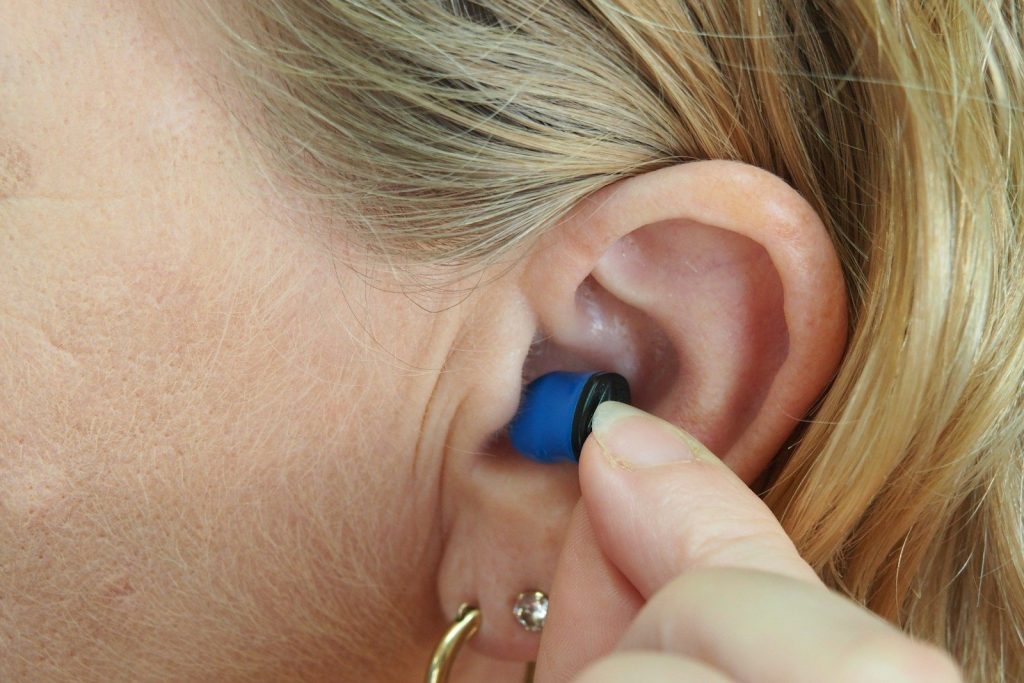
    The Invisible Hearing Aid Revolution

    woman wearing blue stud earring
    Photo by Mark Paton on Unsplash

    Traditional hearing aids are often bulky and obvious, making people feel self-conscious. The new “Tune In” device looks like a high-end pair of fashion earbuds. No one even knows you are using it to boost your hearing. This “invisible” design is breaking the stigma of hearing assistance.

    It is being marketed to young and old alike as a lifestyle enhancement. We are moving toward a world where “augmented hearing” is as common as wearing glasses. It is a win for both style and science. But how long can the battery last on such a powerful machine?

    Crystal Clear Audio in any Weather

    Young man talking on phone by the ocean at sunset
    Photo by Zoshua Colah on Unsplash

    The device is built to handle more than just indoor crowds. It features “Wind-Shield” technology that allows you to have a clear phone call or conversation on a windy beach or a fast-moving boat. The AI filters out the sound of wind and traffic while keeping the human voice perfectly intact.

    It is the most advanced audio processing ever put into a consumer device. It makes every location a perfect place for a conversation. You are no longer at the mercy of the elements. But is it possible that your car could charge just as fast as this device?

    The Future of the Human Experience

    Abstract colorful digital glitch art with black background
    Photo by Egor Komarov on Unsplash

    We are quickly reaching a point where we can customize our own reality. This device is the first step in “Selective Perception.” We can choose what we see, what we hear, and eventually, what we feel. It is a massive shift in how we interact with the world around us.

    While it offers incredible benefits, it also changes the fundamental nature of being human. We are no longer passive observers of the world; we are the editors. The “noise” is gone, and the “signal” is whatever you want it to be. Are you ready for a 5-minute charge into the future?

    Featured Image: Photo by Pexels on Pixabay

  • FDA-Approved Pill That Stops Pain Without Any Addiction Risk

    FDA-Approved Pill That Stops Pain Without Any Addiction Risk

    For decades, the medical world has struggled with a massive problem. Doctors needed a way to stop intense pain without using addictive opioids. We have finally reached a turning point that feels like a miracle. The FDA has officially cleared a new type of pill that changes everything. Unlike traditional painkillers, this drug does not target the brain’s reward centers. Instead, it works like a molecular shield that blocks pain signals before they ever reach your head.

    This is not just another version of aspirin or ibuprofen. It is a highly advanced chemical designed to treat everything from surgical recovery to chronic nerve pain. For millions of people living in fear of addiction, this pill offers a safe path back to health. It marks the first time in over a generation that a truly new class of pain medicine has been released to the public. But how does a pill know exactly where your pain is coming from?

    Stopping the Signal Before It Starts

    nerve cells, neurons, nervous system, brain, neural pathways, neurons, brain, brain, brain, brain, brain
    Photo by ColiN00B on Pixabay

    Traditional painkillers like morphine travel through your blood and hit your brain. This creates a “high” that leads to addiction. This new medicine is much smarter. It targets specific sodium channels located only in your peripheral nerves. Think of it like cutting a phone line before the call can go through.

    The signal for pain is physically blocked at the source. Because the medicine stays away from your brain, there is no risk of getting hooked. It allows patients to recover from major injuries with a clear head and a safe heart. But can a simple pill really handle the pain of a major surgery?

    The End of the Opioid Era

    pills, medication, tablets, bottle, drugstore, medicine, healthcare, headache, pharmaceutical, chemist, pharmacist, prescription, pharmacy
    Photo by stevepb on Pixabay

    We are currently living through one of the worst health crises in history. Opioid addiction has claimed millions of lives and torn families apart. This new FDA-approved drug is the weapon doctors have been waiting for. It provides a powerful alternative for surgeons who used to have no choice but to prescribe addictive pills.

    By removing the “high” from the healing process, we can finally break the cycle of dependency. This drug is expected to become the new standard for post-operative care across the country. It is a giant leap toward a future where “pain relief” does not mean “life-long struggle.” But is this medicine already available at your local pharmacy?

    No More Side Effects From Your Mind

    a man laying in a hospital bed being examined by a nurse
    Photo by Bagoes Ilhamy on Unsplash

    Most painkillers come with a long list of mental side effects. They make you feel drowsy, confused, or emotionally numb. This new breakthrough is different because it is “peripherally selective.” This means it ignores the central nervous system entirely.

    Patients who took the pill in clinical trials reported feeling completely normal while their pain simply vanished. This allows people to return to work and drive their cars much sooner after an injury. It is the ultimate “smart” drug for the modern world. But how long did it actually take for scientists to find this secret formula?

    Tested on Thousands With Shocking Success

    hospital, lab, experiment, science, doctor, medicine, health, chemistry, scientist, test, technology, tube, chemical, technician, ai generated, scientist, scientist, scientist, scientist, scientist
    Photo by BulentYILDIZ on Pixabay

    Before the FDA gave the green light, this medicine went through rigorous testing. Thousands of patients with various types of pain participated in the trials. The data showed that the drug was not only safe but incredibly effective at lowering pain scores.

    Many participants were surprised that they didn’t feel the “fog” usually associated with strong medicine. The success rate was high enough to convince the world’s strictest health regulators. It proved that we don’t need to choose between pain and addiction anymore. But what does this mean for people living with chronic, long-term pain?

    A New Life for Chronic Pain Patients

    Close-up of elderly hands resting on a blue fabric.
    Photo by Truong Tuyet Ly on Unsplash

    For people with nerve damage, every day is a battle. They often have to take medications that make them feel like zombies just to get out of bed. This new pill offers a chance to live a normal life again. It can be taken over long periods without the body building a dangerous tolerance.

    This means the dose doesn’t have to keep getting higher to work. It provides a steady, reliable shield against daily agony. This could potentially help millions of workers get back into the economy. But is there a catch to this new medical miracle?

    The Technology Behind the Discovery

    dna, analysis, research, genetic material, helix, biology, chemistry, medical, science, genetically, discovery, development, biological, dna, dna, dna, dna, dna, biology, medical, medical, science, science, science
    Photo by geralt on Pixabay

    This pill wasn’t found by accident. It was built using advanced computer modeling that mapped the human nervous system. Scientists spent years looking for the exact “lock” that pain signals use to enter the body. Once they found it, they designed a “key” that fits perfectly into the sodium channels.

    This level of precision is only possible with today’s supercomputers. It is a perfect example of how tech and biology are merging to save lives. We are entering the era of “designer medicine” where drugs are built for specific targets. But what other diseases could this technology treat next?

    Why This Changes Everything for 2026

    People inside a well-stocked pharmacy with glass doors.
    Photo by Bernd 📷 Dittrich on Unsplash

    As we move through 2026, the arrival of this pill marks a historical shift. We are finally moving away from the dangerous medicines of the past. The health care system is being rebuilt around safety and precision. This pill is just the first of many non-addictive treatments currently in the pipeline.

    The fear of the “medicine cabinet” is slowly starting to fade. It is a great time to be alive for anyone who has ever suffered in silence. The age of safe healing has officially begun. But can we really trust an AI to write the next great medical cure?

    Featured Image:Photo by Pawel Czerwinski on Unsplash

  • Why Some Cultures Can-t “See” Blue

    Why Some Cultures Can-t “See” Blue

    Imagine looking at a bright, clear sky and not having a word for “blue.” For most of human history, that was the reality. If you look at ancient texts like the Odyssey or the Bible, the word for blue never appears. Homer described the sea as “wine-dark,” not blue. Science has discovered that if a culture doesn’t have a name for a color, their brains actually struggle to see it as a distinct shade.
    This isn’t a problem with the eyes; it is a “software” issue in the brain. Blue is often the last color to appear in any language. We are discovering that our vocabulary acts like a filter for reality. If you don’t have the word, you might be missing part of the world. But wait until you see the modern tribe that can spot differences in green that would be impossible for you.

    The Homeric Mystery of the Wine-Dark Sea

    a sunset over a body of water
    Photo by Travis Leery on Unsplash

    Why did the Ancient Greeks call the sea “wine-dark” or “violet”? They had words for black, white, red, and yellow, but blue was missing. Researchers believe that for the Greeks, colors were more about “brightness” than “hue.” A dark blue sea and a dark red wine were the same “category” of color to them. This suggests that the way they perceived the world was fundamentally different from ours. But how does this work in a modern tribe today?

    The Himba Tribe and the Missing Blue Square

    himba, ovahimba, namibia, tribe, tribal, woman, culture, tradition, indigenous, human, native, traditional, ethnic, africa, himba, himba, himba, himba, himba, namibia, tribe, tribal
    Photo by 7523944 on Pixabay

    The Himba people of Namibia do not have a word for blue. When shown a circle of 11 green squares and one blue square, they often can’t point out the blue one. It takes them a long time to notice the difference. However, they have many different words for different types of green. They can instantly spot a tiny shade difference in a green circle that looks perfectly uniform to a Westerner. But why is blue always the last color to join the party?

    The Universal Order of Color Discovery

    rainbow, meteorological phenomenon, rain, cloud, sunset, osaka, japan, nature, spectrum, sky, pride month, world pride
    Photo by Kanenori on Pixabay

    Linguists found that almost every language follows the same order for naming colors. First come “light” and “dark.” Then comes “red” (the color of blood and fire). Next are “yellow” and “green.” Finally, once a culture learns how to make blue dye, the word “blue” appears. Because blue is rare in nature—aside from the sky and sea—most early humans didn’t need a specific word for it. But wait, what does this mean for the “physical” wiring of your brain?

    Language Actually Rewires Your Visual Cortex

    brain, numbers, network, digital, web, neurons, think, system, technology, digitization, brain, brain, brain, brain, brain, neurons, neurons
    Photo by geralt on Pixabay

    When you learn a new word for a color, your brain starts to process that color differently. Brain scans show that when we look at colors, our language centers light up. This means your brain is “pre-sorting” the light before you even realize you are seeing it. If your language combines blue and green into one word, your brain treats them as variations of the same thing. But could there be colors we are missing right now because we don’t have names for them?

    The Tetrachromats Who See Millions More Colors

    a close up of a person's eye with an iris
    Photo by Grégoire Hervé-Bazin on Unsplash

    Most humans have three types of color-sensing cells in their eyes. But a small number of women are “tetrachromats,” meaning they have four. They can see shades and patterns in a sunset or a flower that are completely invisible to the rest of us. To them, a plain white wall might look like a mosaic of different colors. They have the “hardware,” but they often lack the “software” (the words) to describe what they see. But wait, what happens if a color disappears from our language?

    Is The Color “Cyan” Vanishing From Our Minds?

    software developer, web developer, programmer, software engineer, technology, tech, web developer, programmer, programmer, software engineer, technology, technology, technology, tech, tech, tech, tech, tech
    Photo by Innovalabs on Pixabay

    As we move into a digital world, we are starting to simplify our color categories. Many younger people are losing the distinction between “cyan” and “light blue.” If we stop using the word, our children might literally lose the ability to see the difference quickly. We are constantly evolving how we perceive reality based on the tools we use to talk about it. But there is one color that might be the next to “appear.”

    The Future Of Human Vision and New Colors

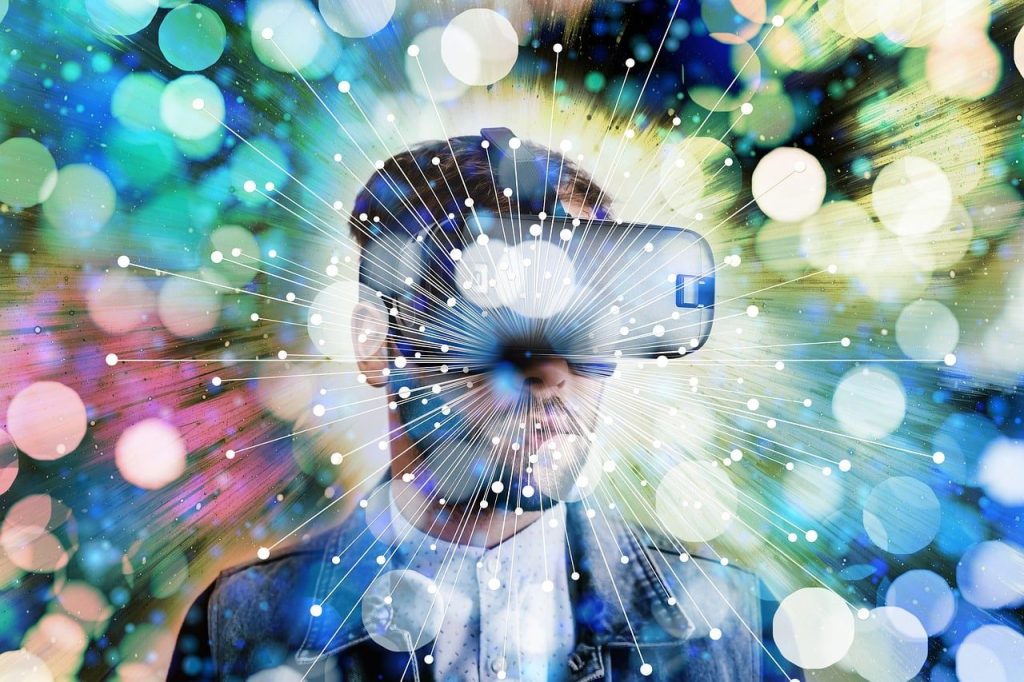
    cyber glasses, cyber, glasses, video glasses, augmented reality, virtual reality headset, hmd, future, reality, virtual, virtual reality, augmented reality, augmented reality, augmented reality, virtual reality, virtual reality, virtual reality, virtual reality, virtual reality
    Photo by geralt on Pixabay

    With the rise of Augmented Reality and bio-hacking, we might soon “add” new colors to our vocabulary. Imagine being able to see ultraviolet light or heat signatures and having specific words for them. Our brains would adapt, and the world would suddenly look much more complex. We are not finished seeing the world; we are just getting started. If you think the way we see the world is strange, wait until you see the technology that is going to let you “see” through time.

    Featured Image:Photo by solart on Pixabay

  • 10 Species That Are Far More Intelligent Than Humans Realized

    10 Species That Are Far More Intelligent Than Humans Realized

    We like to think we are the smartest things on Earth, but we are in for a shock. Recent science has discovered that intelligence comes in many different forms. Some animals can solve complex puzzles that would stump a human child. Others have social structures and communication systems that we are only just beginning to decode. From the depths of the ocean to your own backyard, “genius” species are all around us.
    We used to think tools and language were only for humans. Now, we are seeing birds that use physics and insects that can count. These animals don’t just have instincts; they have personalities, memories, and even the ability to plan for the future. You will never look at these 10 species the same way again. But wait until you see the bird that can solve a multi-step puzzle just for a snack.

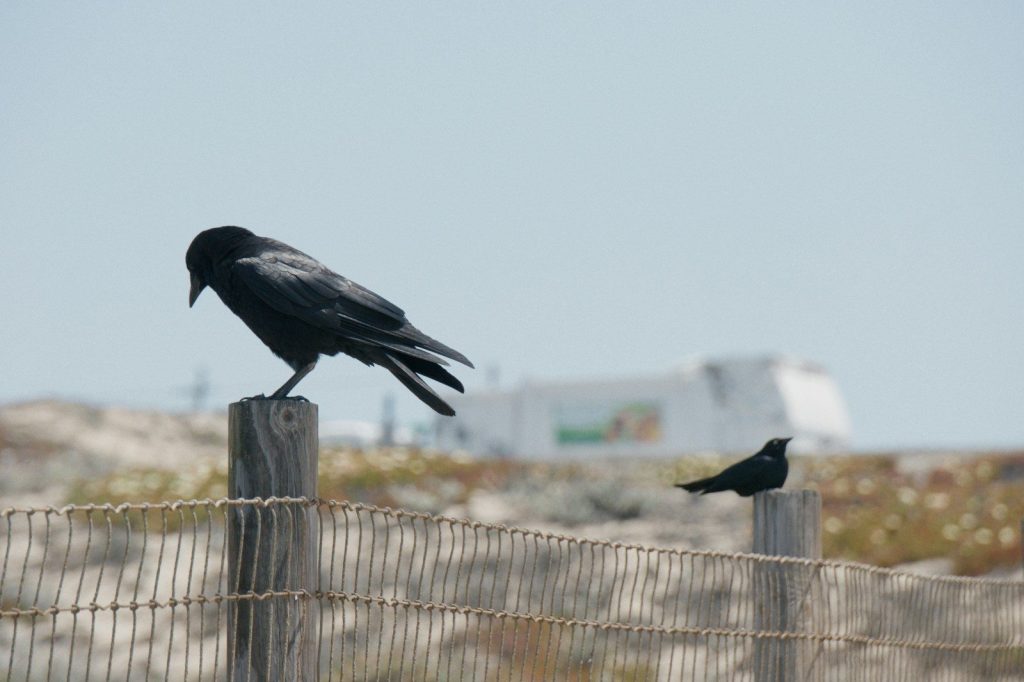
    Crows Are Basically Flying Chimpanzees

    Two black birds perched on a wooden fence.
    Photo by Johnson Martin on Unsplash

    Crows can recognize human faces and even hold grudges for years. If you are mean to a crow, it will tell its friends, and they will all dive-bomb you next time you walk by. They have been seen using traffic to crack nuts—dropping them in front of cars and waiting for the light to turn red to collect the prize. Their brain-to-body ratio is similar to that of a primate. But if you think birds are smart, wait until you meet the “alien” intelligence of the octopus.

    The Octopus Has Nine Brains and Three Hearts

    octopus, beach, sea, ocean, nature, underwater, water, submarine, ai generated
    Photo by GraziGovastki on Pixabay

    An octopus doesn’t just have one brain; it has a central brain and a “mini-brain” in each of its eight arms. This means its arms can think for themselves. They have been known to escape aquarium tanks, open jars, and even play pranks on researchers by squirting water at them. They are masters of disguise and problem-solving. But intelligence isn’t just about puzzles; it is about social bonds, like the ones found in the ocean-s most famous mammals.

    Dolphins Use Names For Each Other

    dolphin in body of water during daytime
    Photo by Freddy Jimenez on Unsplash

    Dolphins have a “signature whistle” that acts exactly like a human name. When a dolphin wants to call a specific friend, it mimics that friend’s whistle. They also show self-awareness by recognizing themselves in mirrors—something most animals can’t do. They have complex cultures where different groups use different tools to hunt. But on land, there is a giant that never forgets a face.

    Elephants Mourn Their Dead and Remember Friends

    elephant, safari, animal, defence, africa, savanna, zoo, nature, reserve, elephant, elephant, elephant, elephant, elephant
    Photo by laurentmarx on Pixabay

    Elephants have the largest brains of any land animal. Their emotional intelligence is staggering. They are known to visit the bones of dead relatives and touch them in a way that looks like mourning. They can also recognize a friend they haven’t seen in 20 years. They even use medicinal plants to induce labor or heal wounds. But what about the animals we usually think of as just “food”?

    Pigs Are Smarter Than Your Family Dog

    white pig with yellow knit cap
    Photo by Benjamin Wedemeyer on Unsplash

    Research shows that pigs are among the most intelligent animals on the planet. They can learn to play simple video games using their snouts. They have complex social lives and can even learn to trick other pigs to get more food. They are excellent at navigating mazes and have a long-term memory that rivals many primates. But wait, intelligence can also be found in tiny, buzzing packages.

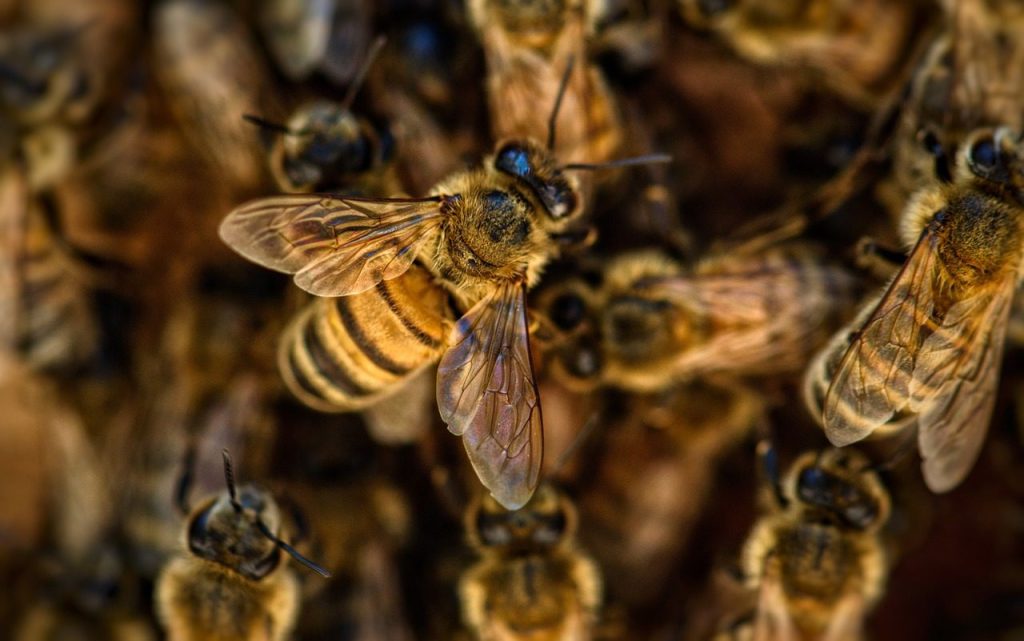
    Bees Can Solve Complex Math Problems

    bees, wings, insects, honey, nature, pollination, pollen, honeycomb, yellow, hive, beehive, buzz, sting, brown nature, brown natural, brown bee, bees, bees, bees, bees, bees
    Photo by TerriAnneAllen on Pixabay

    Bees have brains the size of a grass seed, yet they can count and understand the concept of “zero.” They solve the “traveling salesman problem,” which is a math puzzle that involves finding the shortest route between multiple points. They communicate through dance and can learn new skills by watching their peers. But while bees work together, the next animal on our list is a master of individual survival.

    Rats Are Capable of Empathy and Regret

    a group of mice sitting on top of a blanket
    Photo by Nikolett Emmert on Unsplash

    In lab tests, rats will often choose to help a fellow rat in distress rather than get a food reward. They also show signs of “metacognition,” which means they know what they know and what they don’t know. They can dream about their day and plan for tomorrow. These tiny survivors are much more like us than we want to admit. But if you think animals are smart, wait until you see how your own language can hide an entire color from your eyes.

    Featured Image:Photo by tanyarmm on Pixabay

  • Why Your Brain “Remembers” Things That Never Happened

    Why Your Brain “Remembers” Things That Never Happened

    You probably have a memory that you would swear is 100% true. Maybe it is a childhood birthday or the way a specific movie ended. But what if science told you that memory was a complete lie? It is a terrifying reality: our brains are not video cameras. They are more like storytellers who are constantly editing the script. Every time you recall a memory, you are actually “re-writing” it. This is why thousands of people can remember the exact same thing incorrectly.
    This phenomenon is shaking the world of law, science, and even our own identities. Researchers have found that they can “plant” entirely fake memories in people’s minds in just a few days. We are entering an era where we have to ask: if our memories are fake, who are we really? But wait until you see the famous “Mandela Effect” that has millions of people questioning reality itself.

    The Mandela Effect and the Power of Shared Delusion

    a man standing in front of a large window
    Photo by Zanyar Ibrahim on Unsplash

    Millions of people distinctly remember Nelson Mandela dying in prison in the 1980s. But he actually lived until 2013. This shared false memory is so powerful that some people believe we are living in a parallel universe. It isn’t just Mandela; people remember the Berenstain Bears being spelled with an “E” or the Monopoly Man wearing a monocle. He never did. But if it isn’t a glitch in the universe, why does it happen to so many people at once?

    How Your Brain Fills In The Blanks

    puzzle, jigsaw, jigsaw puzzle, puzzle piece, assembly, conceptual, assemble, together, puzzle, puzzle, puzzle, puzzle, puzzle, jigsaw
    Photo by reidy68 on Pixabay

    Our brains hate “empty space.” If you forget a small detail about a story, your brain will simply invent one that makes sense. It uses your expectations and past experiences to bridge the gap. Over time, that invented detail becomes just as “real” to you as the truth. Scientists call this “confabulation.” It is your brain’s way of keeping the story consistent. But wait, this process can actually be used to trick you in a courtroom.

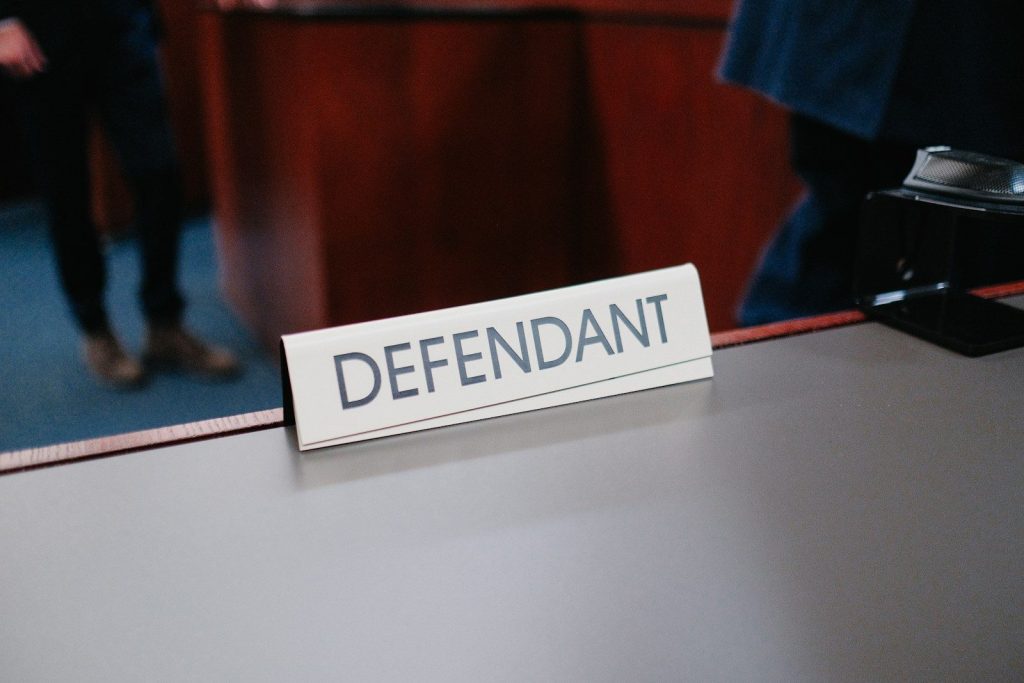
    The Danger of Eyewitness Testimony

    a desk with a sign on it that says defend
    Photo by Wesley Tingey on Unsplash

    In over 70% of cases where DNA evidence later proved someone innocent, the original conviction was based on eyewitnesses. Witnesses aren’t usually lying; they truly believe they saw the person. However, the stress of the event and the way police ask questions can actually change the witness’s memory of the face. Your brain can literally “photoshop” a suspect’s face onto a memory. But how easy is it to plant a memory from scratch?

    The Experiment That Invented A Childhood Trauma

    a woman looking at a statue in a store window
    Photo by Pavol Štugel on Unsplash

    In a famous study, researchers convinced participants that they had been lost in a mall as children. They told the participants stories that their parents had supposedly confirmed. Within a week, 25% of the people claimed to remember the event in vivid detail. They even added their own fake memories, like the color of the shirt the old man who found them was wearing. This proves that our past is much more fragile than we think. But can emotions make memories more or less accurate?

    Flashbulb Memories Are Often The Most Wrong

    a large group of people standing around a fire
    Photo by Tom Caillarec on Unsplash

    We all remember exactly where we were during major world events. We think these “flashbulb memories” are etched into our brains forever. But studies show that our memories of these events change significantly over the first year. We become more confident in our memory, but the details actually become less accurate. We are “certainly” wrong. This happens because the emotional impact makes us retell the story more often, which leads to more editing. But wait, there is a way to tell if a memory is fake.

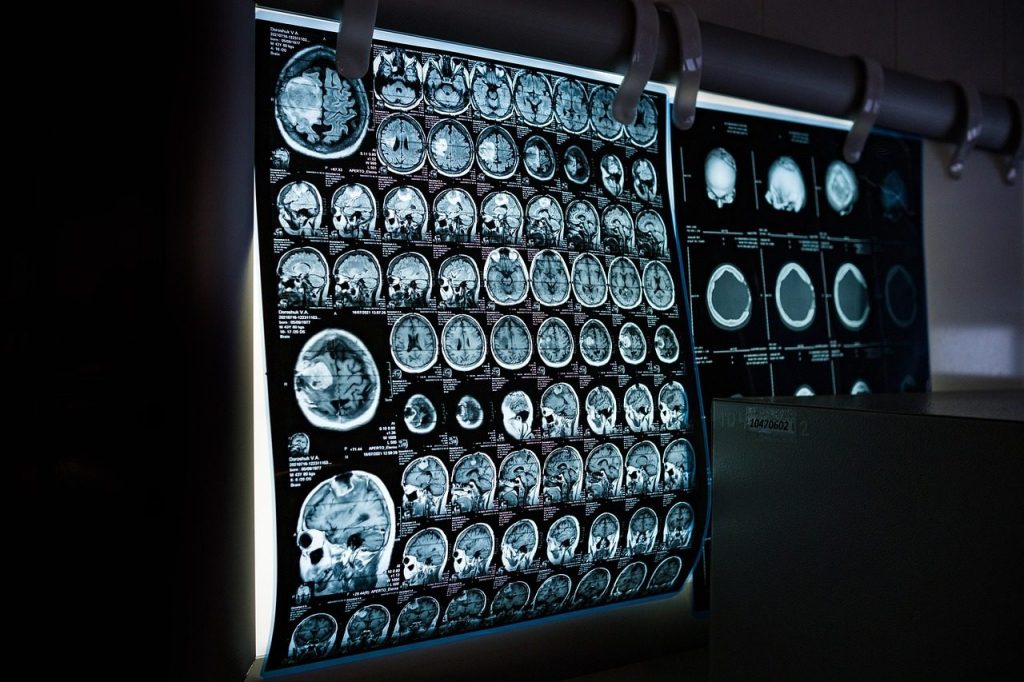
    The Brain Scan That Spots A Lie

    x-ray, mri, ct scan, computed tomography, magnetic resonance imaging, medicine, neurology, healthcare, x-ray, mri, mri, mri, mri, mri, ct scan, medicine, neurology, neurology, healthcare, healthcare
    Photo by Mitrey on Pixabay

    New research using fMRI scans has found that the brain processes true and false memories in different areas. When you recall a real event, the sensory parts of your brain (like sound and sight) light up. When you recall a fake memory, the logic and storytelling parts are more active. We might soon have a “memory test” that can prove if you are remembering or just imagining. But until then, you can’t even trust your own family photos.

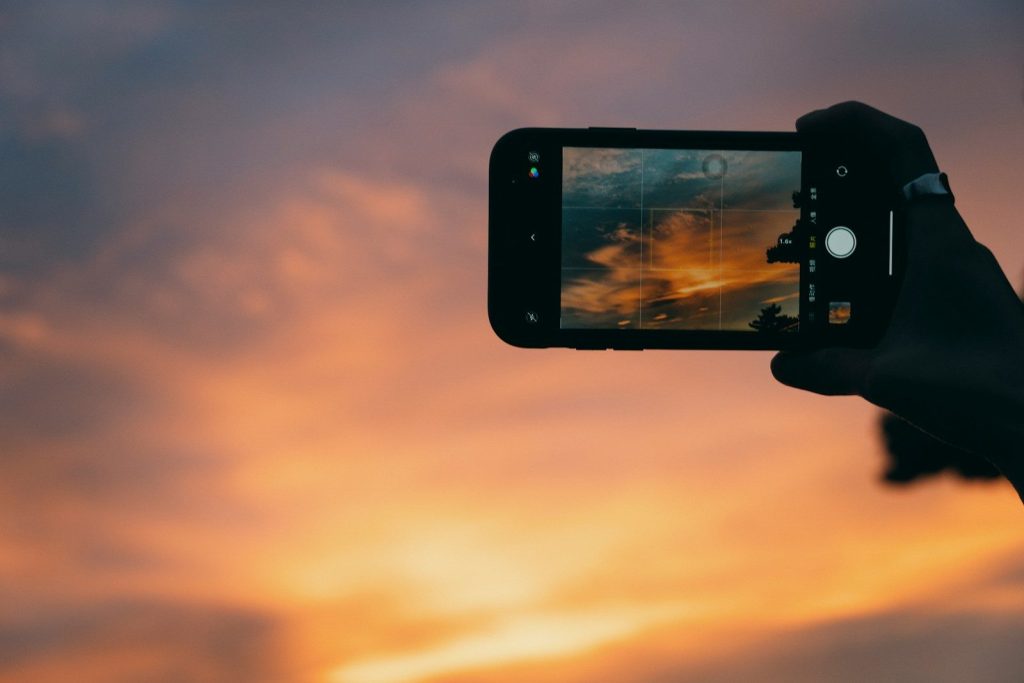
    Photos Can Actually Erase Your Real Memories

    a person taking a picture with a cell phone
    Photo by 计 天启 on Unsplash

    This is called “photo-taking impairment.” When you take a photo of something, your brain “outsources” the memory to the camera. You are actually less likely to remember the details of the event because your brain thinks it doesn’t need to. We are creating a world where our devices remember everything, and we remember nothing. If you find that scary, wait until you see the animals that are actually smarter than us in ways we never expected.

    Featured Image: Photo by johnhain on Pixabay