Blog

  • 8 Cities Hidden Right Beneath Our Modern Streets

    8 Cities Hidden Right Beneath Our Modern Streets

    You walk over them every single day without knowing it. Right beneath the asphalt and the noise of our modern cities lie massive, forgotten worlds. We aren’t talking about sewers or basements. We are talking about entire cities with houses, churches, and streets that were swallowed by time. Some were built as hiding spots during wars, while others were simply buried as new cities were built on top of the old ones. From the sprawling tunnels of Turkey to the secret vaults of Scotland, these places are time capsules frozen in history.
    Explorers are using ground-penetrating radar to map these “ghost cities” without digging a single hole. What they are finding is rewriting the history of how humans survived the most dangerous eras of our past. These hidden worlds are often larger and more complex than the cities we live in today. But wait until you see the underground kingdom that could hold 20,000 people in total silence.

    The Massive Underground Labyrinth Of Derinkuyu
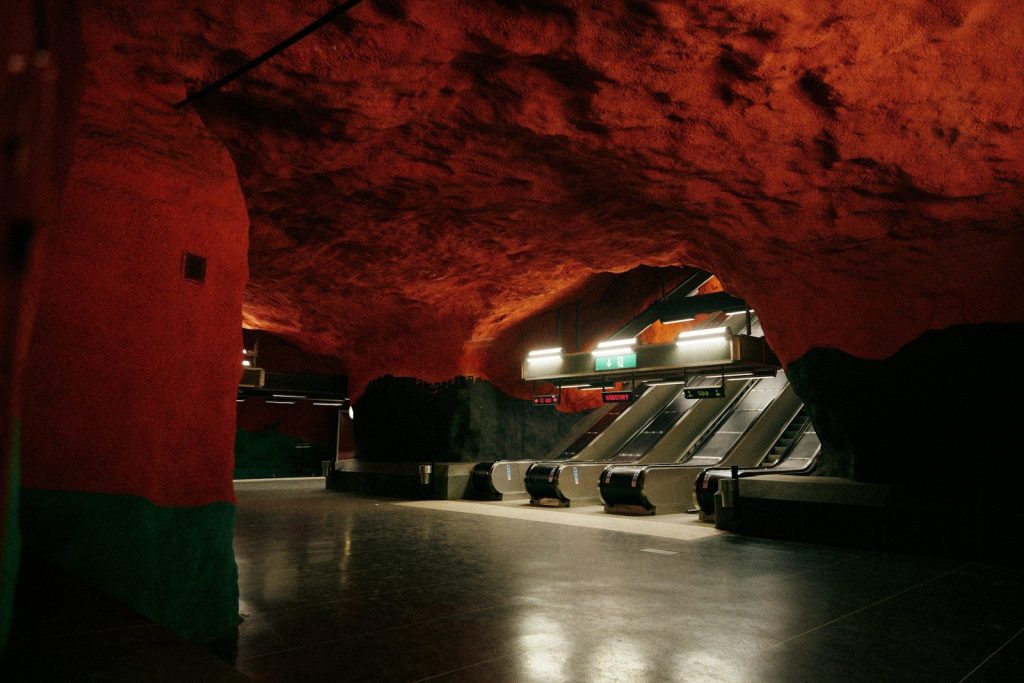
    an underground subway station with escalators and stairs
    Photo by Tamara Harhai on Unsplash

    In the 1960s, a man in Turkey knocked down a wall in his basement and found a tunnel. That tunnel led to Derinkuyu, a massive city carved deep into the earth. It goes 18 stories deep and has everything from schools to wine cellars. It was built thousands of years ago as a massive bunker to protect people from invaders. They even had giant stone doors that could only be opened from the inside. But how did 20,000 people breathe down there for months?

    The Secret Vaults Hidden Under Edinburgh

    basement, cellar, dark, pforphoto, grim, the atmosphere, mood, mystical, scary, underground, gruesome, darkness, night, horror, the shade, fear, cellar, cellar, cellar, cellar, cellar, horror
    Photo by Tama66 on Pixabay

    Beneath the busy streets of Edinburgh, Scotland, lies a series of dark chambers known as the South Bridge Vaults. Originally built for storage, they eventually became a home for the city’s poorest residents. It was a place of crime and mystery that was eventually sealed off and forgotten for a century. Today, they are said to be the most haunted places in the UK. But while Edinburgh is dark and damp, the hidden city in Seattle tells a much different story.

    Seattle’s Buried Sidewalks and Forgotten Shops

    brown brick building with window
    Photo by Haley Owens on Unsplash

    Seattle used to be one level lower than it is today. After a massive fire in 1889, the city decided to build new streets one story higher to avoid flooding. This left the original ground floor of the city completely buried. You can still tour these underground sidewalks and see the original storefronts that were simply left behind. It is like walking through a 19th-century time machine. But the hidden city beneath Naples is far older and much more spiritual.

    A Secret Roman Highway Under Naples

    graffiti, tunnel, underground, underpass, street art, graffiti walls, pedestrian underpass, budapest, hungary, graffiti, graffiti, graffiti, graffiti, graffiti, tunnel, tunnel, underground
    Photo by Bergadder on Pixabay

    Naples sits on a layer of volcanic stone that is very easy to carve. Over 2,000 years ago, the Romans dug massive aqueducts and tunnels that stretched for miles. During WWII, these same tunnels were used as air-raid shelters for thousands of people. Explorers are still finding ancient statues and mosaics hidden in these dark passages. It is a city that has lived two lives at once. But wait, what about the “City of the Dead” hidden under Paris?

    The Bone-Lined Streets Of The Paris Catacombs

    brown skull with black background
    Photo by Liam McGarry on Unsplash

    Deep below the city of lights lies a world of darkness. The Paris Catacombs hold the remains of over six million people. These tunnels stretch for nearly 200 miles, but only a tiny fraction is open to the public. There is an entire subculture of people called “cataphiles” who explore the illegal sections of the tunnels. They have found secret cinemas and restaurants hidden among the bones. But there is a hidden city in Egypt that might be even bigger than this.

    The Lost Labyrinth Of Ancient Egypt

    egypt, pyramid, step pyramid, egyptians, culture, dig, egypt, pyramid, pyramid, pyramid, pyramid, pyramid, step pyramid, step pyramid
    Photo by Simon on Pixabay

    Ancient historians wrote about a massive “Labyrinth” near the pyramids that contained 3,000 rooms. For centuries, people thought it was a myth. But recently, satellite images and radar have detected a massive structure buried deep in the sand. It is believed to be a giant temple complex that has never been excavated. This could be the greatest archaeological find of the century. But as we look for ancient cities, we are forgetting the one right in the heart of London.

    London’s Secret Post Office Railway
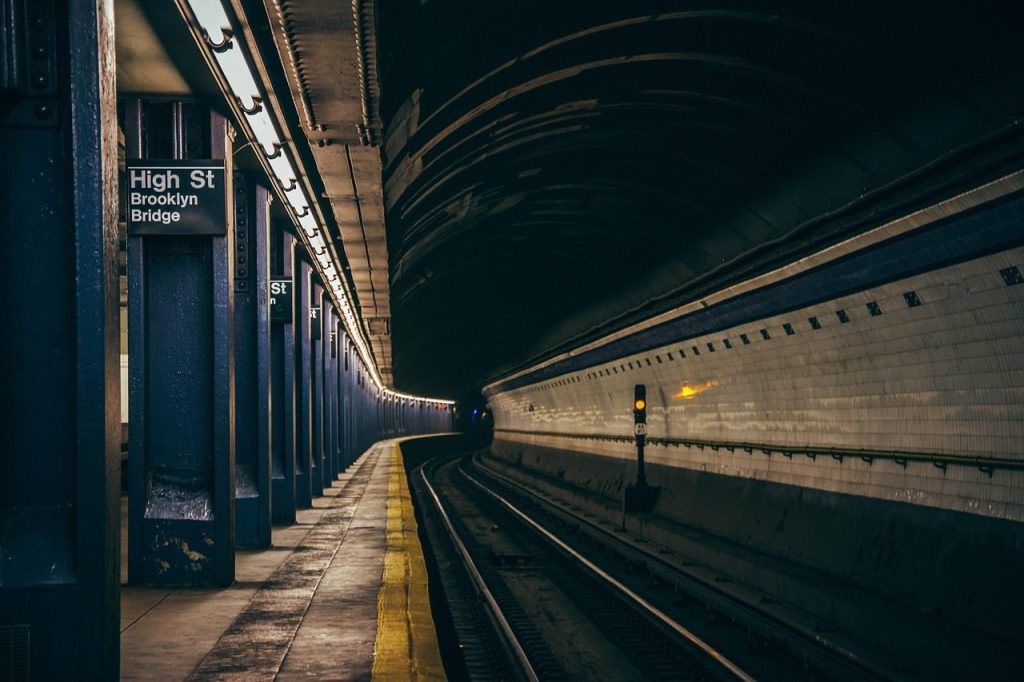
    subway, underground, city, manhattan, metro, commute, public transport, railway, railway tracks, station, terminal, train, transit, travel, urban, subway, subway, subway, subway, subway, metro, metro, train, train, train, train
    Photo by igorovsyannykov on Pixabay

    For 75 years, a secret railway ran underneath London to deliver mail. It was a driverless system that operated in total silence while millions of people walked above it. Most Londoners didn’t even know it existed until it was shut down in 2003. Now, you can actually ride a tiny train through these secret tunnels. It is a reminder that the world below us is just as busy as the world above. But if you think these cities are strange, wait until you hear why your own brain can create cities that never existed.


    Featured Image:Photo by kobitriki on Pixabay

  • New AI Analysis of the World’s Most Mysterious Manuscript

    New AI Analysis of the World’s Most Mysterious Manuscript

    For over 600 years, the Voynich Manuscript has mocked the world’s greatest codebreakers. No one knows who wrote it, what the language is, or why the illustrations feature plants that don’t exist on Earth. It has been called a hoax, an alien diary, and a lost medical text. But now, the game has changed. A team of scientists used advanced Artificial Intelligence to scan the pages with more precision than any human eye. This AI doesn’t just read the ink; it analyzes the patterns of the letters and the way the ink hits the page.
    The results are finally coming in, and they are shaking the foundations of history. Some researchers believe the AI has identified a specific linguistic root that was hidden for centuries. This isn’t just about a dusty book; it is about uncovering a lost civilization or a secret knowledge that was meant to stay hidden. The AI is starting to piece together the first coherent sentences. But what exactly did the machine find when it looked at the bizarre “nude bathers” illustrated in the margins?

    The Language That Never Existed

    typewriter, type, alphabet, keyboard, symbol, machine, typewriter, typewriter, typewriter, typewriter, typewriter, alphabet, keyboard
    Photo by Vincent Faouet on Pixabay

    Codebreakers during World War II tried to crack this book and failed miserably. The AI analysis suggests that the language might be a “synthetic” dialect. This means it wasn’t spoken by a group of people but was carefully constructed by a single mind. The patterns match the flow of natural languages like Hebrew or Latin, but the vocabulary is entirely unique. This discovery rules out the theory that the book is just gibberish meant to trick collectors. If it is a real language, it means someone took a massive secret to their grave. But wait, the AI found something even stranger about the ink itself.

    Inks From A Place We Cannot Find

    man in white long sleeve shirt holding black dslr camera
    Photo by National Cancer Institute on Unsplash

    When the AI analyzed the chemical signatures of the ink, it found something impossible. The minerals used to create the colors should have come from specific regions in Europe. However, the ratios are slightly off. It is as if the ingredients were sourced from places that didn’t exist in the 15th century. This suggests the author was either a master of alchemy or had access to trade routes we haven’t mapped yet. Every new data point makes the mystery deeper rather than clearer. But how does this connect to the bizarre drawings of plants that don’t exist?

    Botanical Horrors Or Lost Species?

    plant, hd wallpaper, floral background, desktop backgrounds, beautiful wallpaper, succulent, free background, green, background, windows wallpaper, nature, macro, laptop wallpaper, close up, 4k wallpaper 1920x1080, full hd wallpaper, mac wallpaper, botany, cool backgrounds, wallpaper 4k, free wallpaper, 4k wallpaper, wallpaper hd, haworthia fasciata, zebra haworthie
    Photo by MartinPhotography on Pixabay

    The manuscript is famous for its drawings of “fantasy” plants. For centuries, botanists assumed the artist was just making things up. But the AI has begun comparing these sketches to extinct species and rare fungi from around the globe. The match rate is surprisingly high for certain deep-forest plants that were only discovered by modern science recently. Was the author a time traveler or a world explorer who saw things no one else did? The machine is now looking for a geographic “home” for these species. But the most shocking find was hidden in the circular maps.

    Maps To The Stars Or To A Secret Location?

    two framed maps on a wall in a room
    Photo by Clark Gu on Unsplash

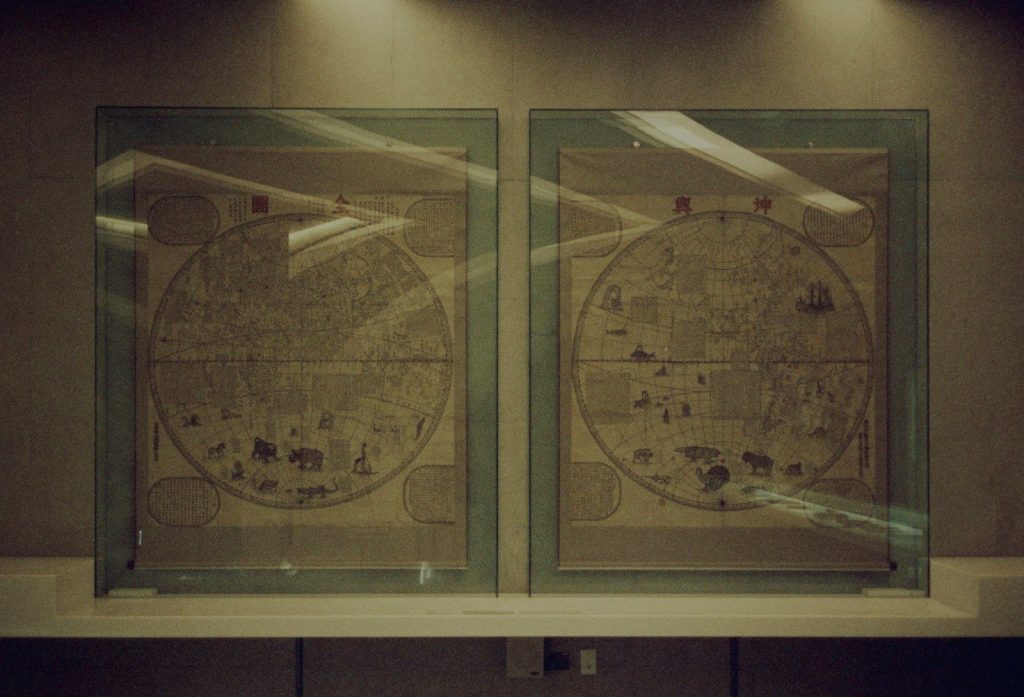
    One section of the book contains fold-out maps of what looks like the night sky. The AI has mapped these against the positions of the stars as they appeared in the year 1420. The alignment is nearly perfect for a specific location in Northern Italy. However, there are “extra” stars in the drawings that shouldn’t be there. Some scientists wonder if these are actually markers for something hidden on the ground. Could this be a treasure map written in a dead language? The AI is currently decoding the captions around these maps.

    The Author Is Finally Being Unmasked

    hooded man, mystery, scary, hood, horror, evil, crime, male, shadow, fear, danger, halloween, mysterious, killer, spooky, nightmare, strange, dangerous, hooded, thriller, criminal, psycho, haunted, silhouette, figure, blue fear, blue horror, blue evil, scary, horror, horror, horror, horror, evil, evil, evil, evil, evil, crime, crime, fear, fear, killer, killer, nightmare, strange, thriller, thriller, haunted, haunted
    Photo by TheDigitalArtist on Pixabay

    For a long time, people thought the famous alchemist Roger Bacon wrote it. Others blamed a con artist. But the AI-s “handwriting finger-printing” technology has found a potential match with a little-known physician from the 1400s. This man was known for his “heretical” views on medicine and nature. If he wrote it, the book might be a secret medical journal containing cures that were banned by the church. We are closer than ever to knowing the name of the man who baffled the world for six centuries. But what happens if we actually finish the translation?

    A Warning From The Past

    white and black printed paper on brown wooden table
    Photo by Pablo Stanic on Unsplash

    Preliminary AI translations suggest the tone of the book is urgent. It doesn’t read like a story; it reads like a manual. Some phrases that have been “unlocked” talk about a great “changing of the air” and “the death of the soil.” It sounds like the author was documenting a catastrophe that he expected to happen again. Is the Voynich Manuscript actually a survival guide for the future? As the machine processes the final chapters, the messages are getting darker.

    The Final Pages Are Being Decoded Right Now

    monitor, binary, binary system, computer, binary code, programming, data, web, network, computer science, internet, communication, www, digital, networking, web design, world wide web, online, office, computer, computer, computer, computer, computer, internet, internet, digital
    Photo by geralt on Pixabay

    The wait is almost over. The research team expects to release a full AI-driven translation within the year. Already, the world of history and science is bracing for the impact. This could change everything we know about the Middle Ages and the limits of human knowledge. Will it be a recipe for eternal life or a warning of a coming doom? While we wait for the final words of the manuscript, another mystery is waiting for us—right under our feet.

    Featured Image: Photo by Mark Rasmuson on Unsplash

  • The Wonder Material Finally Moving from the Lab to Your Car

    The Wonder Material Finally Moving from the Lab to Your Car

    For decades, scientists have been obsessed with a material called graphene. It is a single layer of carbon atoms arranged in a honeycomb pattern. It is 200 times stronger than steel, thinner than paper, and the best conductor of heat and electricity on Earth. For a long time, it was too expensive to make outside of a lab. But that has finally changed. The “wonder material” is officially hitting the factory floor, and your car is the first place you will see it.
    Major car manufacturers are starting to use graphene to build everything from batteries to body panels. It makes cars lighter, safer, and much more efficient. This isn’t just a small upgrade; it is a fundamental shift in how we build machines. A car made with graphene could potentially survive a crash that would crush a normal vehicle. But the real reason engineers are excited has nothing to do with strength.

    Batteries That Charge in Minutes Not Hours

    electric car, charging station, electric cable, charge, terminal, man, pay, automatic, electric car, electric car, electric car, electric car, electric car
    Photo by stux on Pixabay

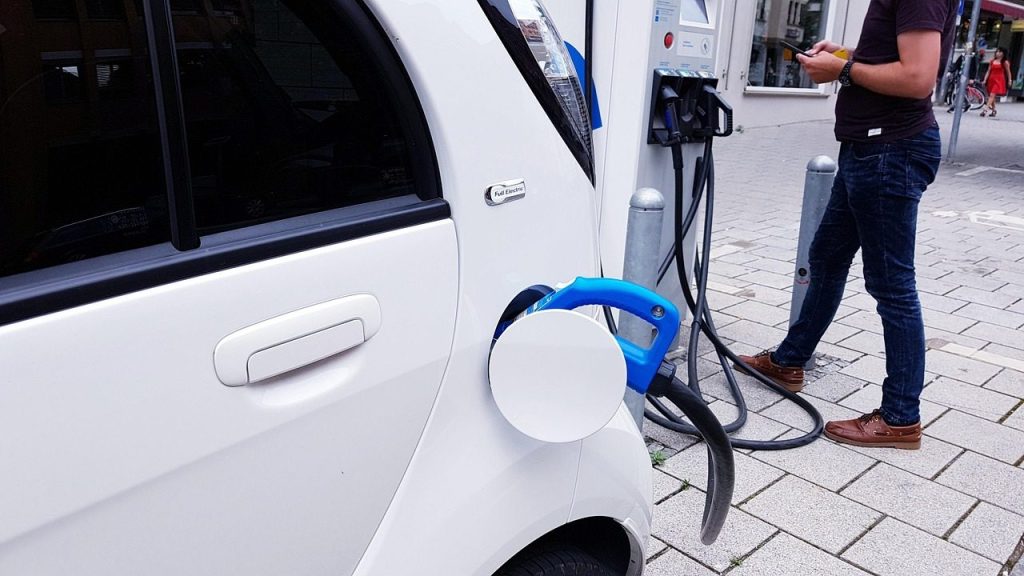
    The biggest problem with electric cars is the charging time. Graphene changes that entirely. Because it conducts electricity so well, graphene-enhanced batteries can charge up to 10 times faster than lithium-ion. You could fully charge your car in the time it takes to grab a cup of coffee. These batteries also last longer and don’t get as hot. This tech will finally make gas-powered cars look like dinosaurs. But how does it make the car safer to drive?

    The Indestructible Body Of The Future

    bentley, car, vehicle, automobile, automotive, luxury car, car body, blue car, shiny car, car wallpapers, car model, japan, asia
    Photo by djedj on Pixabay

    Because graphene is so strong, engineers can use less of it to achieve the same safety ratings. A thin layer of graphene-reinforced plastic is stronger than a thick sheet of steel. This means cars will be much lighter, which makes them easier to handle and faster to stop. In a crash, graphene can absorb and spread the energy of the impact, protecting the people inside much better than traditional metal. But what does a lighter car mean for your wallet?

    Massive Gains In Fuel And Energy Efficiency

    the dashboard of a car with a speedometer
    Photo by Umair Dingmar on Unsplash

    Weight is the enemy of efficiency. The lighter the car, the less energy it takes to move. By replacing heavy metal parts with graphene composites, cars can weigh 30% less. This means electric cars can go hundreds of extra miles on a single charge. For gas cars, it means much better mileage. It is the easiest way to save money and the environment at the same time. But the magic of graphene doesn’t stop at the body panels.

    Tires That Never Wear Out

    benz, mercedes, car, automobile, car wallpapers, ride, wheel, engine, auto
    Photo by NateShot on Pixabay

    Tires are one of the most replaced parts of a car. By adding a tiny bit of graphene to the rubber, engineers have created tires that are much more durable. These “super-tires” have better grip on wet roads and don’t wear down nearly as fast as regular ones. Some tests suggest they could last for 100,000 miles or more. This means less rubber waste in our oceans and more money in your pocket. But wait, graphene can even help your car “think” faster.

    Sensors That Can See Through Everything

    a car parked in the dark with its lights on
    Photo by Declan Sun on Unsplash

    Autonomous cars need to “see” the world perfectly. Graphene-based sensors are much more sensitive than traditional ones. They can detect objects through fog, rain, and even around corners by picking up tiny thermal signals. This makes self-driving cars much safer in bad weather. These sensors are also smaller and cheaper to produce, meaning even budget cars will soon have top-tier safety tech. But is this material safe for humans?

    The Clean Manufacturing Revolution

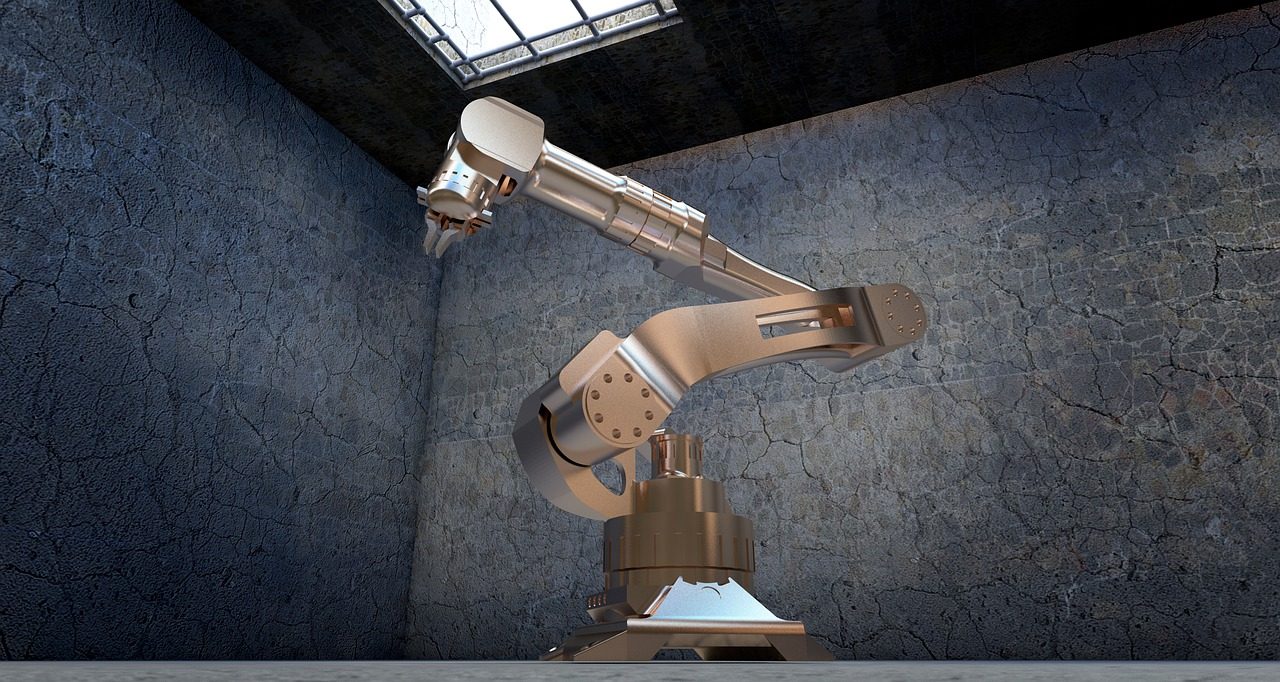
    robot, technology, industry, factory, engineering, steel, manufacturing, ai generated, factory, manufacturing, manufacturing, manufacturing, manufacturing, manufacturing
    Photo by TheDigitalArtist on Pixabay

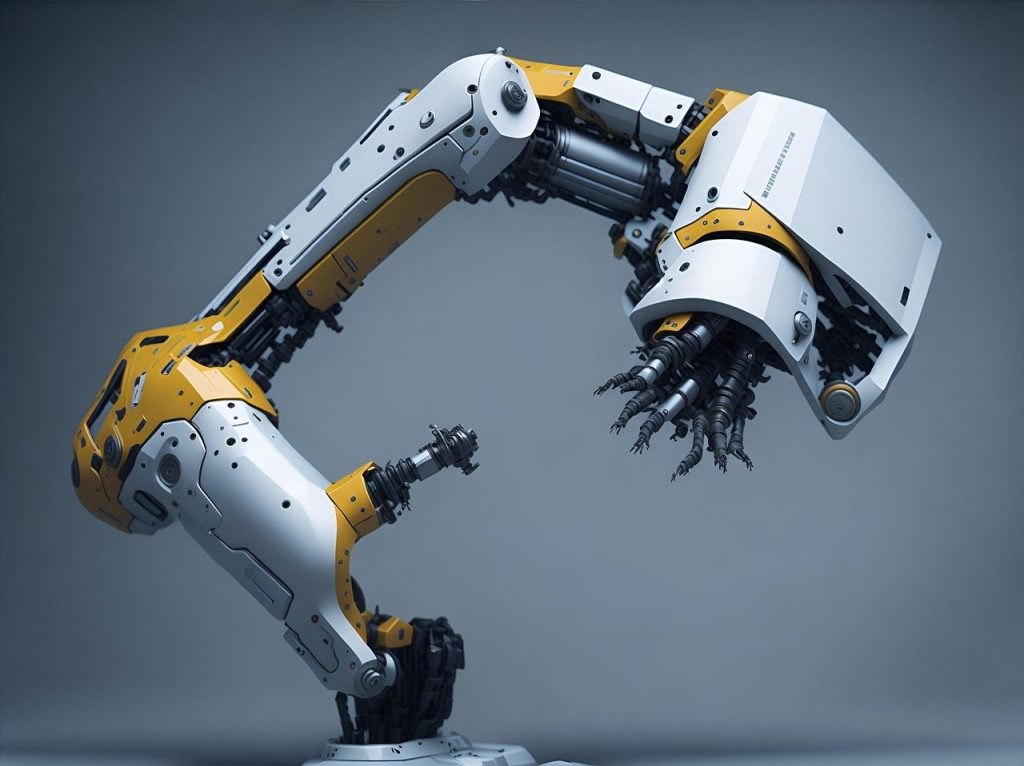
    One of the best things about graphene is that it can be made from waste. Scientists have found ways to turn trash and old plastic into high-quality graphene. This means we are cleaning up the planet to build the cars of the future. The manufacturing process uses less energy than smelting steel or aluminum. It is a win-win for everyone. But how soon will you actually be able to buy a graphene car?

    Coming To A Showroom Near You

    A group of people standing around a car showroom
    Photo by Ali Colak on Unsplash

    The first graphene-enhanced cars are already hitting the market in small numbers. In the next three to five years, the technology will be standard in most luxury and electric vehicles. It is the biggest change in automotive engineering since the invention of the engine itself. We are entering the age of the “super-material.” If you think your car is about to get an upgrade, wait until you see how the entire world is about to change by 2035.

    Featured Image: Photo by Praewthida K on Unsplash

  • How Autonomous Cargo Jets are Quietly Revolutionizing Logistics

    How Autonomous Cargo Jets are Quietly Revolutionizing Logistics

    While everyone is looking at self-driving cars, a much bigger revolution is happening in the sky. Autonomous cargo jets are officially here, and they are changing everything about how we get our goods. These massive planes fly themselves without a single pilot on board. They are quieter, safer, and much cheaper to run than traditional aircraft. This isn’t just about faster shipping; it is about a total rewrite of the global supply chain.
    Major companies are already testing pilotless planes to move thousands of pounds of freight across the country. Because there is no cockpit or life support needed for a crew, these planes can carry more weight and fly for longer. They can land at small, regional airports that big jets can’t reach. This means your packages could arrive in hours instead of days. But the technology behind these “ghost planes” is even more impressive than the planes themselves.

    The AI Pilot That Never Gets Tired

    a control room with many screens
    Photo by Johannes Blenke on Unsplash

    The “brains” of these jets are advanced AI systems that can react faster than any human. They use a combination of radar, LIDAR, and satellite data to navigate. Unlike human pilots, the AI never gets sleepy, distracted, or stressed. It can calculate the most fuel-efficient route in real-time, saving millions of dollars in gas. If there is a problem, the AI can find the nearest airport and land perfectly in seconds. But how do these planes stay safe in crowded skies?

    A Network That Talks To Every Other Plane

    globe, world, map, travel, send, shipping, connectivity, tourism, banner, world map, landmarks
    Photo by kreatikar on Pixabay

    Autonomous jets don’t just fly; they communicate. They belong to a massive digital network where every plane knows the location of every other plane. If one jet hits turbulence, it tells the others to change course instantly. This “swarming” behavior makes mid-air collisions almost impossible. It is a level of coordination that humans simply can’t achieve. This allows for much more crowded and efficient air travel. But wait, these jets aren’t just for long trips.

    The Mid-Mile Delivery Revolution

    drone, logistics drone, package drone, unmanned, aircraft, shopping, delivery, future, amazon, drone, drone, drone, drone, drone, delivery, delivery, amazon
    Photo by geralt on Pixabay

    The biggest impact is on “mid-mile” delivery. This is the trip between a huge warehouse and your local distribution center. Currently, this is done by thousands of trucks that clog up our highways. Autonomous cargo jets can fly these routes in a fraction of the time. Small, electric cargo planes can hop between cities all day long. This reduces traffic, lowers emissions, and speeds up the entire world. But what does this mean for the cost of your favorite products?

    Why Shipping Costs Are About To Plunge

    phone, iphone, mobile, green, smartphone
    Photo by rmartinr on Pixabay

    Labor and fuel are the two highest costs in aviation. Autonomous jets solve both. Without pilots, companies save on salaries and training. Because the planes are designed for cargo only, they are much lighter and use less fuel. These savings will eventually be passed down to you. We are heading toward a future where “free shipping” is the standard for almost everything, no matter how heavy. But there is a hidden environmental benefit that is just as important.

    Electric Engines And Zero Emissions

    A small white airplane flying in a clear blue sky.
    Photo by Niklas Jonasson on Unsplash

    Because autonomous jets don’t need a heavy cockpit, many are being designed with electric engines. This means they can fly without burning a single drop of jet fuel. Electric cargo planes are also incredibly quiet, which means they can land at airports in the middle of the night without waking up neighbors. This allows for 24/7 shipping without the environmental guilt. It is the green future of transport. But wait, what about the jobs of the pilots?

    The Shift From Pilot To Remote Manager

    drone, man, drone pilot, copter, quadrocopter, remotely controlled, flying camera, flying object, young man, hobby, photographer, aerial photographs, mountains, nature, aerial photography, drone, drone, drone, drone, drone
    Photo by lukasbieri on Pixabay

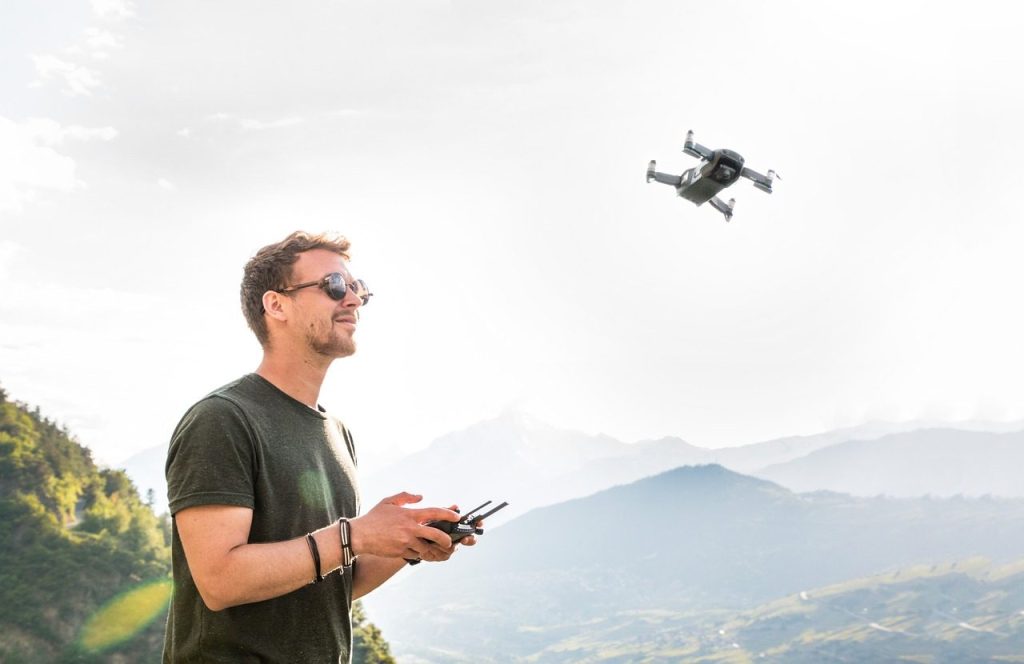
    Pilots aren’t going away; their jobs are just changing. Instead of sitting in a cockpit for ten hours, one “remote manager” can oversee a fleet of ten autonomous jets from the ground. They only step in if the AI has a question or if there is an emergency. This makes the job safer and allows pilots to go home to their families every night. It is a better way to work in the sky. But how soon will this be the new normal?

    Widespread Use Within The Next Five Years

    a view of the wing of a plane through a window
    Photo by Bảo Trọng Nguyễn Huỳnh on Unsplash

    The FAA and other agencies are already clearing the way for these flights. We will likely see more cargo flown by robots than by humans by 2030. It is a quiet revolution because you won’t see it happening, but you will feel it when your packages arrive faster than ever. The world is getting smaller every day. If you think pilotless jets are high-tech, wait until you see the “wonder material” that is about to make your car indestructible.

    Featured Image: Photo by Engel9 on Pixabay

  • Why Traditional Construction is About to Become Obsolete

    Why Traditional Construction is About to Become Obsolete

    For thousands of years, humans have built houses the same way: brick by brick and board by board. But that era is ending. Traditional construction is slow, expensive, and incredibly wasteful. Today, a new wave of technology is making the old ways look like ancient history. We are talking about giant 3D printers that can “print” a whole house in 24 hours. We are talking about robots that never get tired and AI that designs buildings better than humans.
    The construction industry is one of the last to be fully digitized, and the change is happening fast. Companies are already printing low-income housing in Mexico and luxury villas in Dubai. These buildings are stronger, cheaper, and better for the planet. If you think your next house will be made of wood and nails, you might want to think again. The secret to this revolution is a machine that looks more like a toy than a tool.

    Giant 3D Printers That Build Homes In A Day

    brown and white wooden surface
    Photo by Lefteris Stamatelopoulos on Unsplash

    The star of the show is the large-scale 3D printer. It follows a digital blueprint and squeezes out layers of concrete to build walls. It doesn’t need scaffolding, and it doesn’t create any trash. A small crew can oversee the printing of several houses at once. This technology can reduce building costs by up to 50%. It is a total game-changer for the housing crisis. But what happens to the quality when you build that fast?

    Stronger Than Brick And Built To Last

    rain, nature, roof, water, storm, wet, weather, house
    Photo by sandid on Pixabay

    Surprisingly, 3D-printed homes are actually stronger than traditional ones. The concrete layers create a solid, seamless structure that is highly resistant to earthquakes and fire. There are no joints or weak points for the wind to catch. These homes are designed to last for over 100 years with almost no maintenance. They are the ultimate “set it and forget it” buildings. But if you think they look like boring concrete blocks, you haven’t seen the designs yet.

    Architecture Without Any Limits

    a large white building with a curved roof
    Photo by Nag on Unsplash

    Traditional construction hates curves because they are hard and expensive to build. But for a 3D printer, a curve is just as easy as a straight line. This allows architects to design homes with beautiful, organic shapes that look like they grew out of the ground. You can have curved hallways, circular rooms, and intricate patterns built right into the walls. It is art you can live in. But wait, it isn’t just about printing; it is about how we put the pieces together.

    Modular Prefab Is The New LEGO For Adults

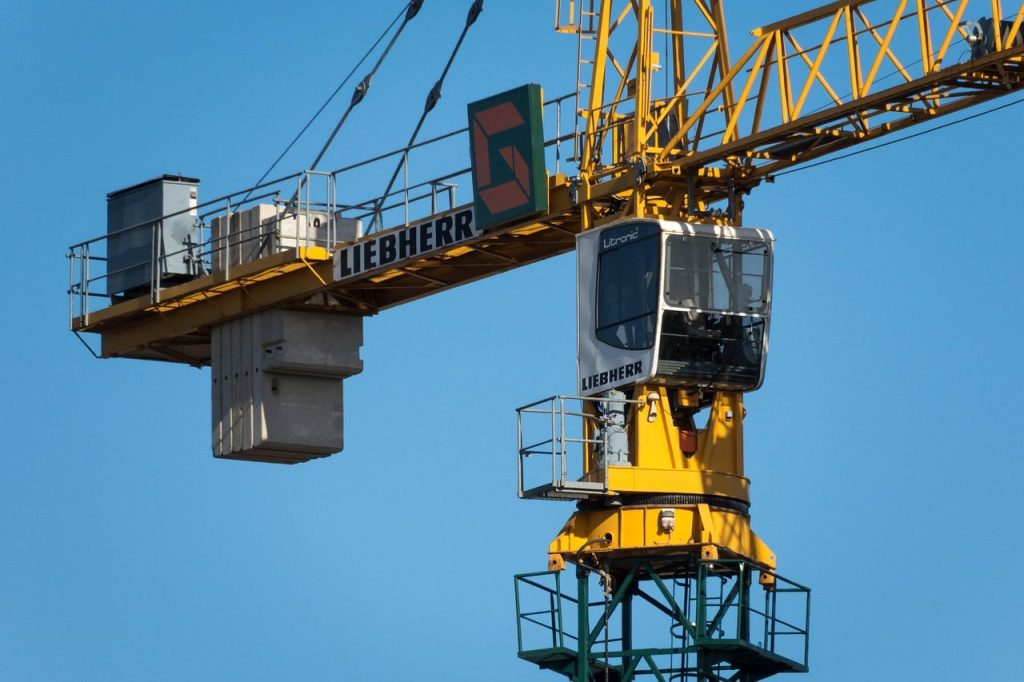
    crane, construction crane, crane driver's cab, to build, construction site, construction work, load crane, lifting crane, work, industry
    Photo by Didgeman on Pixabay

    Another reason traditional building is dying is “modular prefab.” This is where entire rooms are built in a factory and then trucked to the site. It is like playing with giant LEGO blocks. Because they are built indoors, there are no weather delays. A 10-story apartment building can be put together in just a few weeks. This precision prevents mistakes and saves a massive amount of energy. But the real magic happens when the robots start talking to each other.

    The Rise Of The Fully Robotic Construction Site

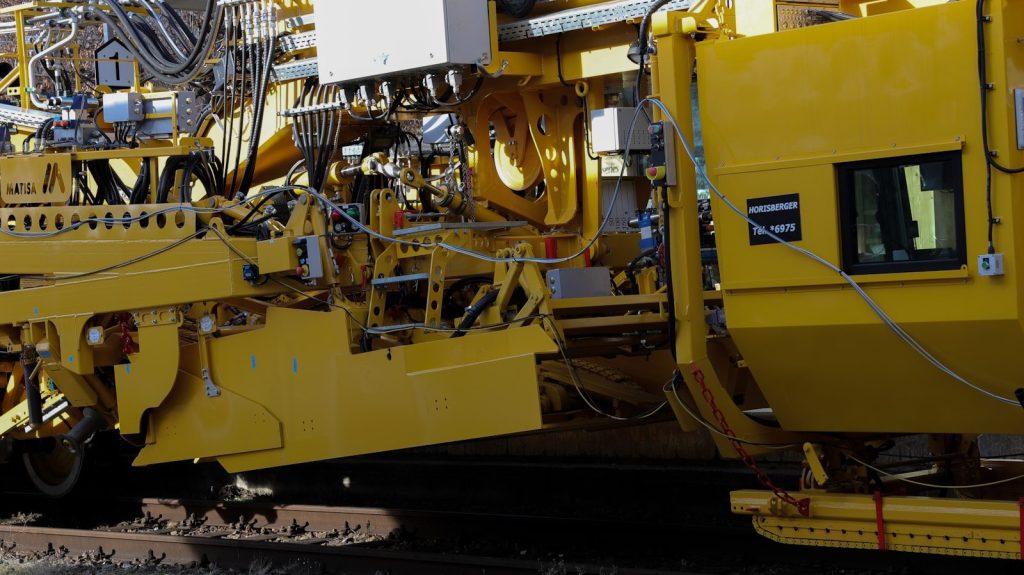
    Yellow construction machinery on train tracks.
    Photo by Valomukitse Arva-Zika on Unsplash

    We are moving toward a future where human workers are the “conductors” of a robotic orchestra. Drones scan the site to create 3D maps, while robotic dogs carry tools to the right location. Autonomous bulldozers move dirt with perfect accuracy. This makes construction sites much safer and faster. The humans stay in a control room, far away from the dangerous heavy lifting. It is a safer, smarter way to build. But there is one more thing that will make traditional building vanish.

    Buildings That Save The Planet

    green leaves, leaves, foliage, close up, plant, nature, leaves, leaves, plant, plant, plant, plant, plant
    Photo by ignartonosbg on Pixabay

    Traditional construction is one of the world’s biggest polluters. But the new methods use carbon-negative materials. Some printers use a mix of soil, straw, and hemp to create walls that actually absorb CO2. Others use recycled plastic from the ocean to make shingles and tiles. We are finally learning how to build without destroying the Earth. The “old way” simply can’t compete with these green alternatives. But how soon will you be living in one?

    A House For Everyone By 2035

    A person is holding a key to a door
    Photo by Jakub Żerdzicki on Unsplash

    By 2035, the “stick and brick” house will be a luxury or a relic of the past. Most new homes will be printed or snapped together in days. This will make homeownership possible for millions who are currently priced out. It is a total reset for the economy and our daily lives. The tools of the past are being put away for good. If you think this change is big, wait until you see how your Amazon packages are about to start flying through the air.

    Featured Image: Photo by PIRO4D on Pixabay

  • 8 Ways Quantum Computers Will Change Your Daily Life by 2030

    8 Ways Quantum Computers Will Change Your Daily Life by 2030

    Quantum computers aren’t just faster versions of your laptop. They are a completely different way of processing information. While a normal computer uses bits (0 or 1), a quantum computer uses qubits, which can be both at the same time. This allows them to solve problems that would take a traditional supercomputer thousands of years. We are talking about a total reset for technology.
    By 2030, you won’t necessarily have a quantum laptop, but the world around you will be “quantum-powered.” From the medicine you take to the way your city moves, everything is about to get an upgrade. Here are the eight ways your life is about to change forever. First up, your morning commute is about to become a lot smoother.

    Traffic Jams Will Become a Thing of the Past

    a city street at night with long exposure
    Photo by Minh Van on Unsplash

    Traffic is a “complex optimization problem.” Traditional computers struggle to manage every car, light, and pedestrian in real-time. Quantum computers can calculate millions of routes simultaneously. In a quantum-powered city, traffic lights will adapt instantly to keep cars moving. Delivery trucks will find the perfect path, reducing costs and emissions. Your 40-minute drive could drop to 15 minutes. But wait, quantum tech is also going to change what is inside your gas tank—or battery.

    Super Batteries That Last for Weeks

    a close up of a razor blade on a table
    Photo by Paul R Design on Unsplash

    Current batteries are limited by our understanding of chemistry at the molecular level. We use “best guesses” to build them. Quantum computers can simulate molecules perfectly. This allows scientists to discover new materials that can store ten times more energy than lithium-ion. Imagine a phone you only charge once a month or an electric car that goes 2,000 miles on one charge. This will finally end our reliance on fossil fuels. But that’s just the start of the “quantum green” revolution.

    Perfect Weather Forecasts Every Single Time

    green yellow and pink abstract painting
    Photo by Brian McGowan on Unsplash

    The weather is notoriously hard to predict because of the sheer number of variables. A small change in the ocean can cause a storm a thousand miles away. Quantum computers can process all of this data at once. We will be able to predict hurricanes weeks in advance with 100% accuracy. This will save thousands of lives and billions of dollars in damage. Farmers will know exactly when to plant and harvest. However, the biggest impact will be on the food you eat.

    Ending World Hunger with Better Fertilizers

    wheat, field, agriculture, farm, nature, farming, landscape, rural, countryside, summer, wheat, wheat, wheat, wheat, wheat
    Photo by JohnNaturePhotos on Pixabay

    Creating fertilizer is currently a massive energy drain, using about 2% of the world’s total energy. This is because we use a 100-year-old process that is very inefficient. Plants do this naturally using enzymes, but we never understood how. Quantum computers can simulate these enzymes for the first time. This will lead to cheap, eco-friendly fertilizer that can grow food anywhere. World hunger could become a solvable problem. But what about the health of the people eating that food?

    Customized Medicine Designed Just for You

    a close up of a pill shaped object on a table
    Photo by Julien Tromeur on Unsplash

    Most drugs today are designed for the “average” person. That is why side effects are so common. Quantum computers will allow doctors to simulate how a drug interacts with your specific DNA. We will enter the era of personalized medicine. You will get a custom-made treatment that is 100% effective with zero side effects. Diseases like cancer and Alzheimer’s could finally be cured using these quantum-designed molecules. But this new power comes with a major security risk.

    The End of Traditional Online Privacy

    black flat screen computer monitor
    Photo by Jake Walker on Unsplash

    Here is the scary part: quantum computers can crack almost every password on earth in seconds. The encryption we use for banking and private messages will be useless. This is why a “quantum race” is happening right now to build new security systems. We will have to update the entire internet to stay safe. If we don’t, your bank account and private data will be open to anyone with a quantum machine. But don’t worry, the financial world is already preparing.

    A Stock Market Without Crashes

    stock trading, investing, stock market, forex, finance, money, crypto, bitcoin, shiba, stock market, stock market, stock market, stock market, stock market, forex, forex, forex, forex, crypto, crypto
    Photo by sergeitokmakov on Pixabay

    The global economy is often driven by panic and bad data. Quantum computers can analyze the entire global market to identify risks before they cause a crash. They can find the perfect balance for investments to ensure stability. This could lead to a world with much less financial volatility. We are looking at a future that is more predictable, healthy, and efficient. Are you ready for the quantum age to begin?

    Featured Image: Photo by TheDigitalArtist on Pixabay

  • The Engineering Behind the World’s First Climate-Resistant Colonies

    The Engineering Behind the World’s First Climate-Resistant Colonies

    As sea levels rise and temperatures soar, humanity is looking for a new place to call home. Engineers are no longer just building houses; they are building climate-resistant colonies. These are self-sustaining communities designed to survive the worst the planet can throw at them. From floating cities in the Pacific to underground bunkers in the desert, the tech is finally here. We are entering an era where our buildings will adapt to the environment instead of fighting it.
    The first of these colonies is already being tested in places like South Korea and the Maldives. They use modular designs that can be expanded as the population grows. These homes don’t just sit on the water; they are anchored to the sea floor with high-tech cables that allow them to rise and fall with the tide. This is the ultimate insurance policy for our coastal cities. But wait until you see how these colonies manage to grow their own food without any soil.

    Floating Cities That Rise With The Tides

    a row of houses on a hill by a body of water
    Photo by Zoe Ansari on Unsplash

    The most famous climate-resistant design is the floating city. These are made of massive hexagonal platforms that connect like LEGO pieces. If a storm is coming, the platforms can be moved or reinforced. They are built to withstand Category 5 hurricanes and even tsunamis. Because they float, they are completely immune to rising sea levels. This isn’t a cruise ship; it is a permanent, stable community. But keeping people safe is only half the battle. How do they stay cool in a warming world?

    Underground Living To Escape Extreme Heat

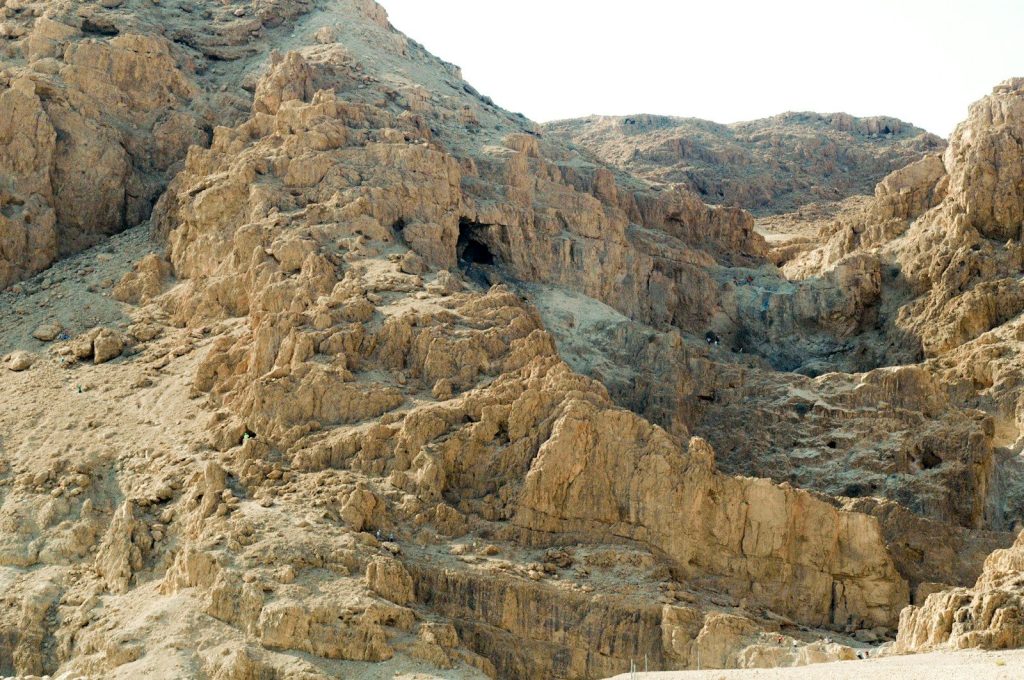
    Rocky desert canyon with caves and arid landscape
    Photo by Steve Marquez on Unsplash

    In areas where heat is the biggest threat, engineers are going underground. Earth-sheltered homes use the natural temperature of the soil to stay cool. Even if it is 120 degrees outside, it stays a comfortable 70 degrees inside without air conditioning. These “Earthships” are built using recycled materials and are designed to be completely off-grid. They collect their own water and generate their own power. But the real secret to their survival is hidden in the walls themselves.

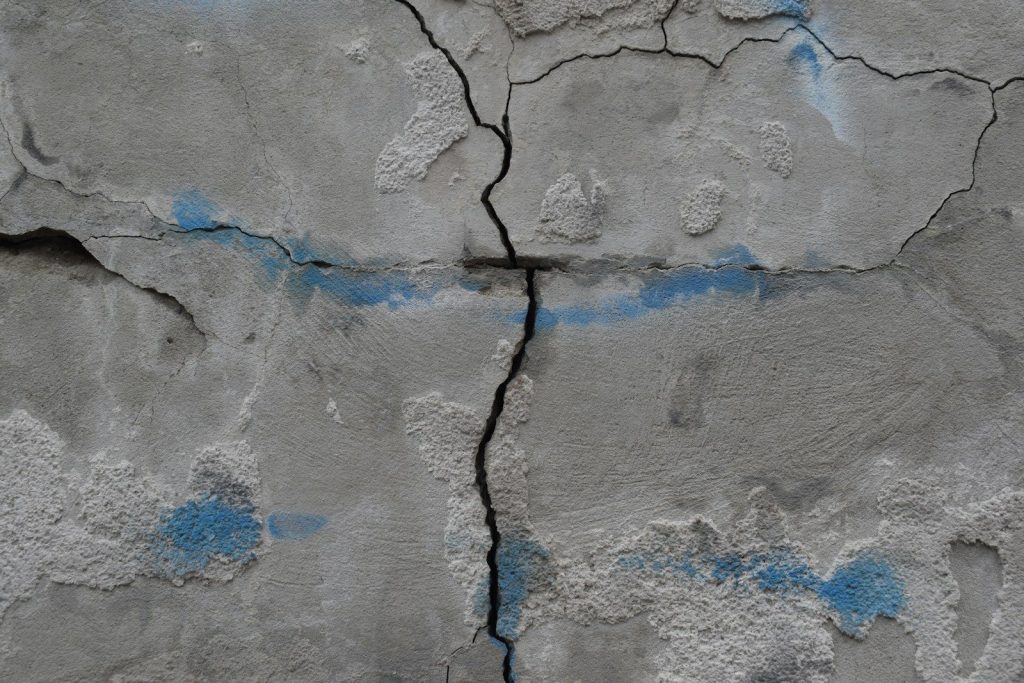
    Self-Healing Concrete That Fixes Its Own Cracks

    a cracked concrete wall with blue paint on it
    Photo by Marija Zaric on Unsplash

    In a climate colony, maintenance is a major problem. That is why engineers developed self-healing concrete. This material contains special bacteria that stay dormant until a crack appears. When water enters the crack, the bacteria wake up and produce limestone to fill the gap. This means buildings can last for hundreds of years without needing repairs. It is a living material for a living city. But even the best buildings need food, and these colonies have a plan.

    Vertical Farms Inside High-Tech Silos

    woman in pink dress standing beside man in white dress shirt
    Photo by Petr Magera on Unsplash

    Climate-resistant colonies can’t rely on traditional farming. Instead, they use vertical farms built right into the colony. These farms use 95% less water than traditional agriculture and don’t need pesticides. Everything is grown in nutrient-rich water under LED lights. This ensures a steady food supply regardless of droughts or floods outside. It is the perfect system for a self-contained world. But what powers all these lights and sensors?

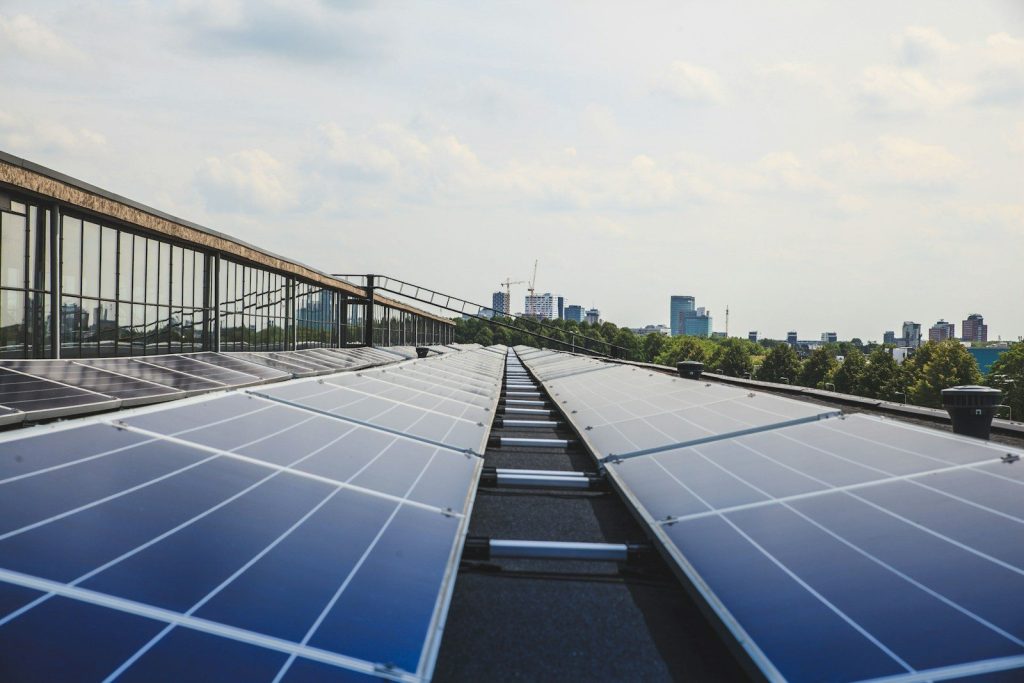
    Microgrids Powered By The Sun And Sea

    black and white solar panels
    Photo by Jeroen van de Water on Unsplash

    Every colony has its own “microgrid.” This is a small, local power system that isn’t connected to the main city. It uses solar panels, wind turbines, and even wave energy to stay running. If one part of the colony loses power, the rest keeps working perfectly. This makes the community incredibly resilient to cyberattacks or natural disasters. They are effectively energy islands. But wait, there is a way these colonies are actually cleaning the planet while they exist.

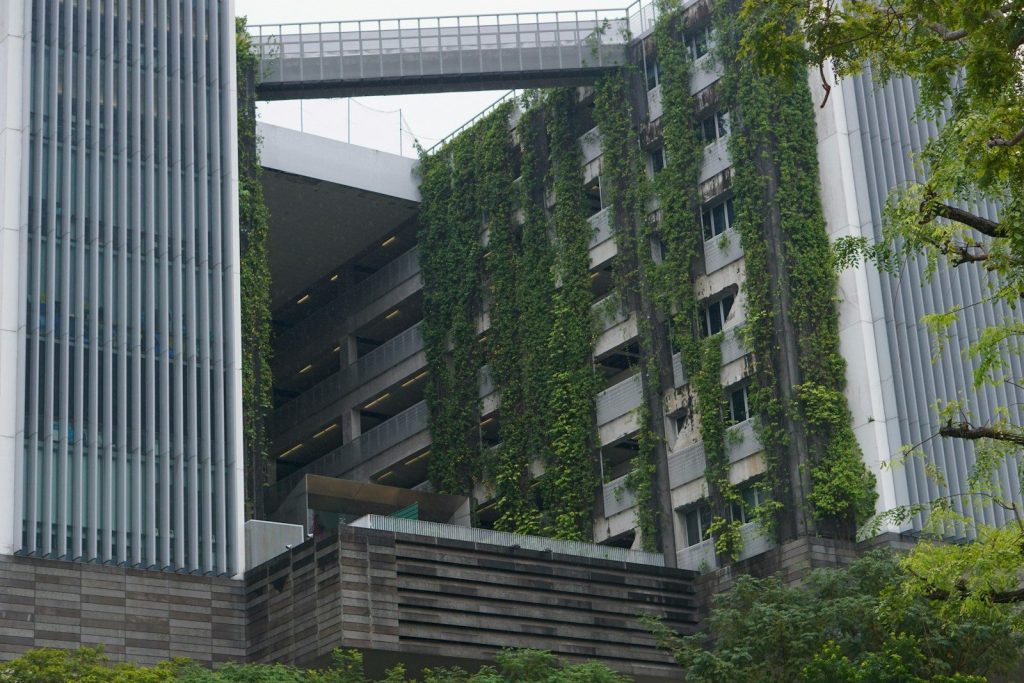
    Buildings That Breathe Like Trees

    Modern building with vertical green gardens and skybridge
    Photo by Alena Yzhanina on Unsplash

    Some climate colonies are being built with “smog-eating” tiles. These surfaces react with sunlight to pull carbon dioxide and pollutants out of the air. A single colony could have the cleaning power of a small forest. This means the more we build, the cleaner the air becomes. It is an engineering solution that turns the problem of pollution into a building material. But are these colonies only for the rich, or can everyone afford them?

    The Future Of Affordable Climate Housing

    Modern turquoise shipping container home with large windows.
    Photo by Alain ROUILLER on Unsplash

    The goal for engineers now is to make these colonies cheap. By using 3D printing and recycled materials, the cost of a climate-resistant home is dropping fast. We might soon see entire neighborhoods pop up in just a few days. These structures are the only way we can protect billions of people from the changing world. The age of traditional housing is coming to an end. In fact, the way we build everything is about to change forever.

    Featured Image: Photo by Sergei Gussev on Unsplash

  • Stunning New Images of Saudi Arabia’s Desert Megacity

    Stunning New Images of Saudi Arabia’s Desert Megacity

    Saudi Arabia is building something the world has never seen before. Deep in the heart of the desert, a massive project called “The Line” is taking shape. New images released from the construction site show the sheer scale of this 100-mile-long mirrored city. It is designed to house nine million people without a single car or road. This isn’t just a building; it is a complete rethink of how humans live on Earth. Workers are moving millions of tons of earth every week to lay the foundation for a vertical world.
    The mirrored facade is intended to reflect the desert sun and blend into the landscape. But inside that mirror is a high-tech paradise where everything you need is just a five-minute walk away. Critics called it impossible, yet the latest drone footage proves that the dream is becoming a reality. The engineering challenges are unlike anything seen in human history. Wait until you see how they plan to move millions of people across the city in minutes.

    The Zero-Gravity Urbanism Concept

    building, facade, blur, balconies, apartment, urban, city, blur, blur, blur, apartment, apartment, apartment, apartment, apartment, city
    Photo by jandobry1 on Pixabay

    Most cities spread out, but this megacity builds up. The designers call it “Zero-Gravity Urbanism.” This means schools, offices, and parks are layered on top of each other. You won’t take a bus to work; you might take a high-speed elevator or walk across a sky bridge. This layout saves space and protects the surrounding nature. However, building thousands of feet into the air creates massive wind and structural issues. But how do you keep a city this big from getting too hot?

    Beating the Extreme Desert Heat

    A tall building with a lot of windows next to trees
    Photo by Tadeusz Zachwieja on Unsplash

    The Saudi desert is one of the hottest places on the planet. To keep residents cool, the city uses a “natural ventilation” design. The height of the walls and the placement of gardens create a constant breeze. It acts like a giant, natural air conditioner that requires zero electricity. This engineering trick keeps the temperature perfect all year round. It sounds like magic, but it is actually advanced fluid dynamics. But what happens when you need to travel from one end of the 100-mile line to the other?

    Trains Faster Than a Speeding Bullet

    empty train track during daytimee
    Photo by Emile Guillemot on Unsplash

    There are no cars in this city, so the transport system has to be incredible. An ultra-high-speed rail is being built underneath the main structure. Engineers say this train will travel the entire 100 miles in just 20 minutes. That is faster than almost any commercial train in existence today. The technology uses magnets to float the train, reducing friction to nearly zero. This allows for smooth, silent travel at speeds that feel like flying. But moving people is easy compared to managing the city’s water.

    Water From Thin Air and Salt

    water treatment plant, waste water treatment plant, saudi water plant, saudi water treatment plant, saudi water purification plant, saudi desalination plant, saudi plant, water treatment plant, water treatment plant, water treatment plant, water treatment plant, water treatment plant, waste water treatment plant, waste water treatment plant
    Photo by u_nnjglrk13q on Pixabay

    How do you provide water for nine million people in a desert? The answer lies in the world’s most advanced desalination plants. These systems pull salt from the Red Sea and turn it into pure drinking water using 100% renewable energy. The brine left over is even recycled into industrial salt. It is a closed-loop system that produces zero waste. This water engineering is what makes life in the desert possible. But there is a hidden side to the construction that few people are talking about.

    The Hidden Industrial Port of Oxagon

    red and black ship on sea during daytime
    Photo by Bernd 📷 Dittrich on Unsplash

    Next to the living area is Oxagon, a giant floating industrial hub. It is shaped like an octagon and sits directly on the water. This is where the city’s manufacturing and shipping happen. It uses automated robots to move cargo, making it the most efficient port in the world. By floating on the sea, it avoids taking up valuable land and uses ocean currents for cooling. This hub is the economic heart of the megacity. But wait, what about the environmental impact of such a massive project?

    A City With Zero Carbon Footprint

    Saudi Arabia wants this city to be the greenest on Earth. It will run entirely on wind and solar power. There will be zero carbon emissions and zero pollution. Even the trash is converted back into energy. The engineering team is using AI to monitor energy use in every building to prevent any waste. It is a bold plan for a country known for its oil. But as construction ramps up, the world is asking when the first people will actually move in.

    When Will The First Residents Arrive?

    Harbor with cranes and tall building under construction building.
    Photo by Sorin Basangeac on Unsplash

    The timeline for this project is incredibly aggressive. The first modules are expected to be ready for residents by 2030. Thousands of engineers and workers are on-site right now, working 24 hours a day. While some say it is a pipe dream, the money and the machinery are already in place. This megacity could be the blueprint for all future human colonies. If you think building in the desert is hard, wait until you see how engineers are preparing for the next global climate disaster.

    Featured Image: Photo by Tyler Hardie on Unsplash

  • The Non-Invasive Brain Chips That Don’t Require Surgery

    The Non-Invasive Brain Chips That Don’t Require Surgery

    For years, the idea of a brain-computer interface meant scary skull surgery and wires. Elon Musk’s Neuralink is famous, but many people are terrified of the drill. Enter a new wave of “non-invasive” brain chips. These devices don’t require a single incision or a trip to the operating room. Instead, they sit on your skin or inside your ear like a high-tech accessory. They are capable of reading your neural signals through the bone and skin.
    This is a game-changer for accessibility and consumer tech. Imagine playing a video game or typing a text message just by thinking about it. The technology is moving out of the lab and into the real world faster than expected. But how do these devices actually read your mind without touching your brain?

    Using Infrared Light to Read Your Thoughts

    Glowing brain encased in a geometric structure.
    Photo by Mirella Callage on Unsplash

    One leading method uses functional Near-Infrared Spectroscopy (fNIRS). This sounds complicated, but it simply uses light to track blood flow in the brain. When you think, specific parts of your brain use more oxygen. The sensors detect these tiny changes and translate them into digital commands. It is like having a heart rate monitor for your thoughts. The accuracy is improving every day, making it possible to distinguish between complex intentions. But wait, there is another way that uses your ears instead.

    Earbuds That Know What You Are Thinking

    a close up of a person holding a small electronic device
    Photo by Alex Gallegos on Unsplash

    The ear canal is a perfect gateway to the brain’s electrical signals. New “hearable” tech uses electrodes inside the ear to pick up EEG signals. These look just like regular earbuds, so nobody knows you are wearing a brain interface. They can track your focus, stress levels, and even your sleep quality with incredible detail. It is the ultimate invisible upgrade for your body. But can these devices actually write data back into your brain?

    Sending Information Back to the Mind

    brains, artificial intelligence, communication, conversation, analog, digital, circuit board, circuit, thinking, computer science, psychology, creativity, technology, dark, artificial intelligence, artificial intelligence, artificial intelligence, artificial intelligence, artificial intelligence, conversation, psychology
    Photo by geralt on Pixabay

    Non-invasive tech isn’t just about reading; it’s about writing. Some devices use magnetic pulses or ultrasound to stimulate specific brain regions. This can help treat depression or even help people learn new skills faster. It’s called “neuro-priming.” By stimulating the motor cortex, you could potentially master a new sport or instrument in half the time. However, this raises some serious questions about who is actually in control of your actions.

    A New Era for People with Disabilities

    man in blue dress shirt sitting on black office rolling chair
    Photo by ThisisEngineering on Unsplash

    The biggest winners in this tech race are those with limited mobility. People with paralysis are already using non-invasive caps to control robotic arms. They can feed themselves or move their wheelchairs using only their thoughts. Unlike surgical chips, these can be taken off at night and don’t carry the risk of infection. It is restoring independence to thousands of people. But as the tech gets smaller, it might become a standard tool for everyone.

    The Death of the Keyboard and Mouse

    a keyboard on the ground
    Photo by Evan Yang on Unsplash

    In a few years, typing might feel as old-fashioned as using a quill and ink. If you can think your emails, you won’t need a desk or a physical interface. This will revolutionize the workplace and how we interact with the digital world. Virtual reality will become completely immersive because you can move your avatar by simply willing it to move. The physical world and the digital world are merging. But what happens if someone hacks your “headband”?

    Brainjacking and the Future of Cybersecurity

    Hacker in hoodie working on multiple computer screens
    Photo by Julio Lopez on Unsplash

    If a device can read your neural patterns, it can potentially see your passwords or private memories. “Brainjacking” is a new term that keeps security experts awake at night. Without strict regulations, our most private thoughts could become data points for sale. Companies are already working on “neural firewalls” to protect users. We need to decide where the line is before we all plug in.

    Are You Ready to Wear Your Mind?

    virtual, virtual reality, technology, reality, digital, 3d, headset, device, entertainment, modern, goggles, glasses, tech, simulation, game, gadget, person, metaverse, man, vision, futuristic, cyber, simulator, video
    Photo by JESHOOTS-com on Pixabay

    The jump from smartphones to brain-wearables is the biggest leap in human history. We are effectively becoming a connected species. The first consumer versions are already hitting the market for focus and sleep. Within the decade, they will be as common as smartwatches. It is a brave new world for our gray matter. If you think your brain is under threat, wait until you hear about the “Super-Candida” fungus that tech is fighting.

    Featured Image: Photo by Prashant Gupta on Unsplash

  • 6G Real-World Tests and What They Mean for Your Privacy

    6G Real-World Tests and What They Mean for Your Privacy

    While most of us are still getting used to 5G, the next revolution is already here. Real-world tests for 6G have officially begun, and the speeds are mind-blowing. We are talking about speeds up to 100 times faster than 5G. You could download dozens of high-definition movies in a single second. But this speed comes with a hidden cost that tech giants aren’t talking about much yet. 6G is not just about faster internet; it is about “sensing” the physical world around us.
    The technology uses extremely high-frequency waves that can detect movement with incredible precision. This means the network itself becomes a giant radar system. It can “see” where you are and what you are doing without a single camera. This is where the privacy concerns start to get very real.

    Sensing Humans Through Walls Without Cameras

    silhouette of man inside studio
    Photo by Valentin Ciccarone on Unsplash

    One of the most radical features of 6G is its ability to use radio waves to map environments. These waves can bounce off objects and people to create a digital image. Essentially, the network could track your posture and even your heart rate through walls. This has great potential for healthcare, like monitoring elderly people at home. However, it also means your movements could be tracked in total darkness without your knowledge. But wait, it gets even more invasive when you look at how 6G connects to your brain.

    The Instant Connection Between Devices and Minds

    ai generated, ai brain, neural networks, digital connections, futuristic concepts, artificial intelligence, advanced technology, digital art, technological innovation, ai visualizations, digital images, neural pathways, technological art, ai graphics, digital design, futuristic art, technological concepts, digital brains, neural art, technological visualizations
    Photo by Soul_Canvas on Pixabay

    6G aims to achieve “zero-latency” communication. This is fast enough to support direct brain-computer interfaces on a massive scale. You could potentially control your smart home just by thinking about it. While this sounds like a superpower, it opens a door for hackers to access more than just your emails. If the network is connected to your neural signals, how do you keep your thoughts private? The boundary between your mind and the internet is about to vanish.

    Ubiquitous Tracking in the 6G Era

    people at W36 street near brown buildings during daytime
    Photo by Enrique Alarcon on Unsplash

    With 6G, every single object in your environment will likely be connected to the grid. From your shoes to your coffee cup, everything will broadcast data. This creates a “digital twin” of our physical world that updates in real-time. Advertisers would know exactly when you pick up a product or even how long you look at a billboard. It is a level of tracking that makes current cookies look like child’s play. But there is a way this tech could actually make us safer, if we trust it.

    AI Will Manage the Entire Network

    Glowing ai chip on a circuit board.
    Photo by Immo Wegmann on Unsplash

    A network this fast and complex cannot be managed by humans. AI will be the “brain” behind 6G, making millions of decisions every microsecond. It will optimize signals and predict where you are going before you even move. This AI will know your habits better than you do. The question is, who owns that AI and the data it collects? The power dynamic between citizens and tech companies is shifting dramatically.

    Battery-Free Devices Powered by the Air

    Transparent device with wifi symbol on screen
    Photo by Amal S on Unsplash

    6G signals are so powerful that they can actually transmit energy. We might see a world where small sensors and devices never need to be charged. They will simply “harvest” power from the 6G waves around them. This is great for the environment, but it also means these trackers can stay active forever. You can’t just “unplug” a device that doesn’t have a plug. Does this mean we are entering an era where we can never truly be offline?


    New Security Protocols for a Faster World

    cyber security, internet, hacking, security, network, information, hacker, code, secure, privacy, safety, crack, padlock, cyber, technology, data, digital, cyber security, cyber security, cyber security, cyber security, cyber security, cyber, cyber
    Photo by TheDigitalArtist on Pixabay

    Standard encryption won’t work in a 6G world because quantum computers could break it easily. Engineers are currently racing to build “quantum-resistant” security for 6G. They want to ensure that even though the network sees everything, only you have the key. However, history shows that every new technology has its flaws. Are we building a secure future, or a playground for high-tech hackers?

    The Timeline for 6G Integration

    a person holding a cell phone in their hand
    Photo by MΛTΞ on Unsplash

    While 5G is still growing, the first 6G networks are expected to launch around 2030. Japan and South Korea are already leading the way with massive government backing. We will start seeing the first compatible devices in just a few years. It will change how we live, work, and perceive reality itself. But if you think 6G is high-tech, wait until you hear about the chips people are putting in their brains without surgery.

    Featured Image: Photo by Andrea De Santis on Unsplash