Blog

  • The Weird Tech Finally Giving Machines a Human Touch

    The Weird Tech Finally Giving Machines a Human Touch

    For a long time robots have been cold, hard and clumsy. They could pick a car engine, but they would crush a grape or a strawberry. They lacked the sense of touch humans use to cross the world. But in 2026, a strange new technology is changing the way machines interact with our environment. Scientists have developed a digital skin that can feel pressure, heat and even texture.

    This isn’t just about making robots better at chores. It is about creating machines that can safely work alongside humans in hospitals and homes. This breakthrough uses microscopic sensors embedded in a soft flexible polymer that mimics the way human skin sends signals to the brain. We are watching the birth of a machine that can feel a hug or handshake. It is a beautiful, yet somewhat terrifying leap in engineering. But how does a piece of plastic feel the difference between silk and sandpaper?

    The Secret of Electronic Skin
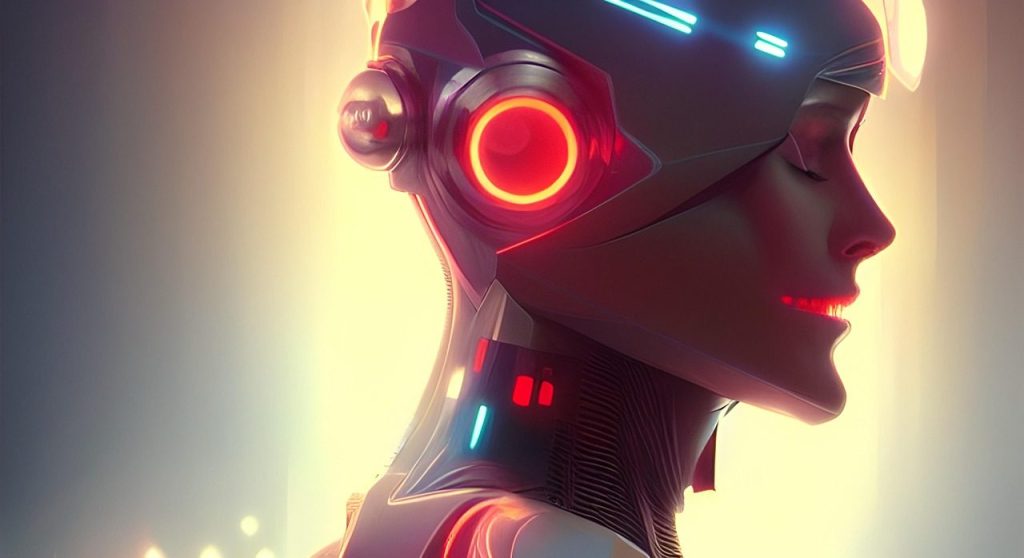
    cyborg, android, robot, future, technology, lady, robot girl, robogirl, robot lady, dystopic, neon, lights, organic skin, pretty, delicate face, electric, electronic, digital art, cyborg, cyborg, cyborg, cyborg, cyborg, android, android, robot, robot, robot, robot, neon, neon, neon, neon
    Photo by Noes_Cucho on Pixabay

    The new material is called E-Skin. It is packed with thousands of sensors per square inch. When the skin touches something, these sensors create a tiny electrical charge. The machine’s AI then analyzes that charge to identify the object. It can feel the microscopic ridges on a piece of fabric just like your fingertips do. This allows the robot to adjust its grip in real-time. But pressure is only part of the story. Can a robot feel the warmth of your hand?

    Sensing the Heat of the World:

    grayscale photo of man in black robe holding black umbrella
    Photo by Yevhen Ptashnyk on Unsplash

    Human skin is extremely good at detecting temperature. We know when something is too hot to touch before we even grab it. The 2026 Human Touch technology includes thermal sensors that allow robots to see heat. This is a revolution for robots working in factories or kitchens. They can sense if a person is nearby by their body heat, preventing accidents. It makes the machine feel alive because it reacts to its environment with a sense of self-preservation. How does this help a robot perform surgery?

    Precision Surgery with a Soft Grip
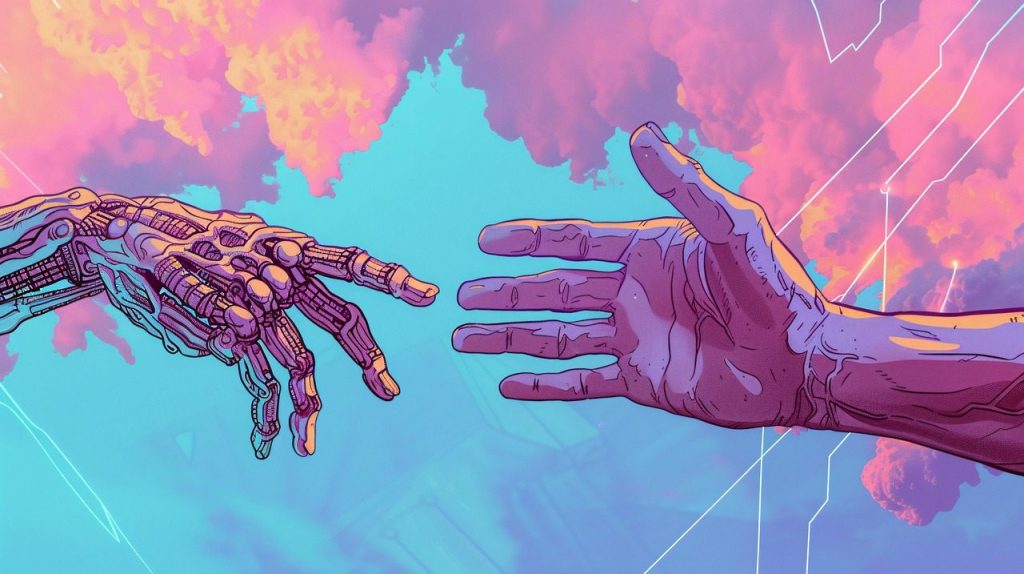
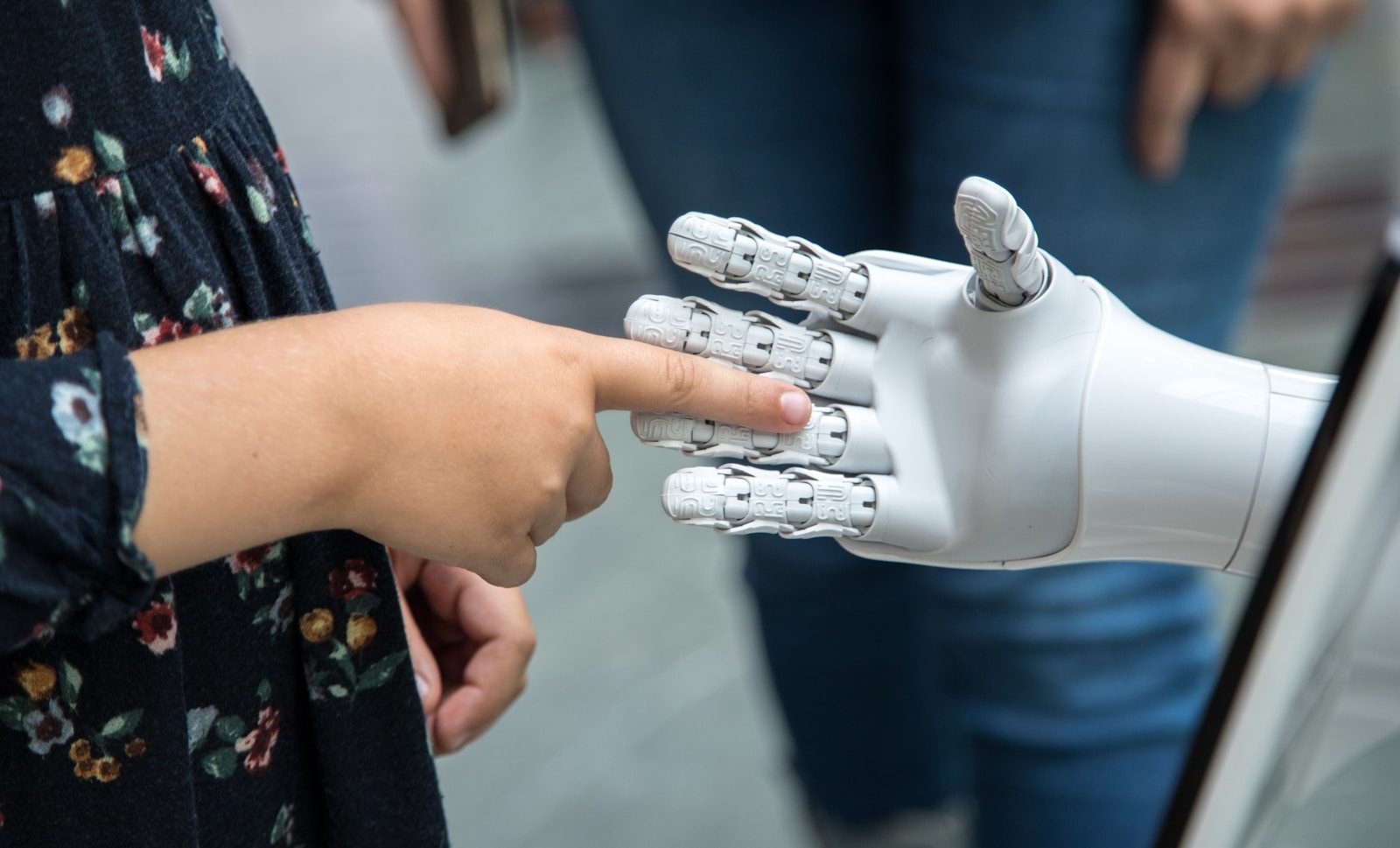
    synthetic, organic, handshake, future, human, robot, connection, cybernetic, flesh, duality, existence, embrace, technology, nature, humanity, futuristic, unity, man, machine, art, conceptual, pink, clouds, design, drawing, concept, ai generated
    Photo by TyliJura on Pixabay

    The biggest impact of this human touch is in the operating room. Surgeons can now use robotic tools that provide Haptic Feedback. This means the surgeon can actually feel the resistance of the tissue through the machine. It allows for much more delicate movements during brain or heart surgery. It reduces the risk of errors and helps patients heal faster. We are giving machines the gentle hands they need to save lives. But can this technology be used to help people who have lost their own limbs?

    Restoring Feeling to the Human Body
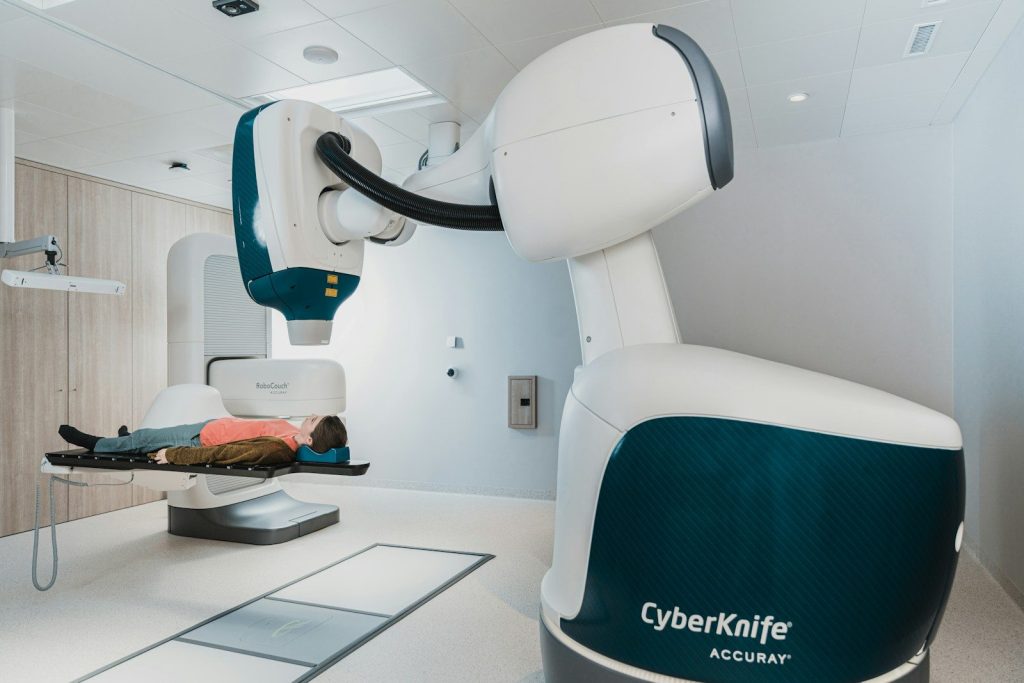
    a person lying in a hospital bed
    Photo by Accuray on Unsplash

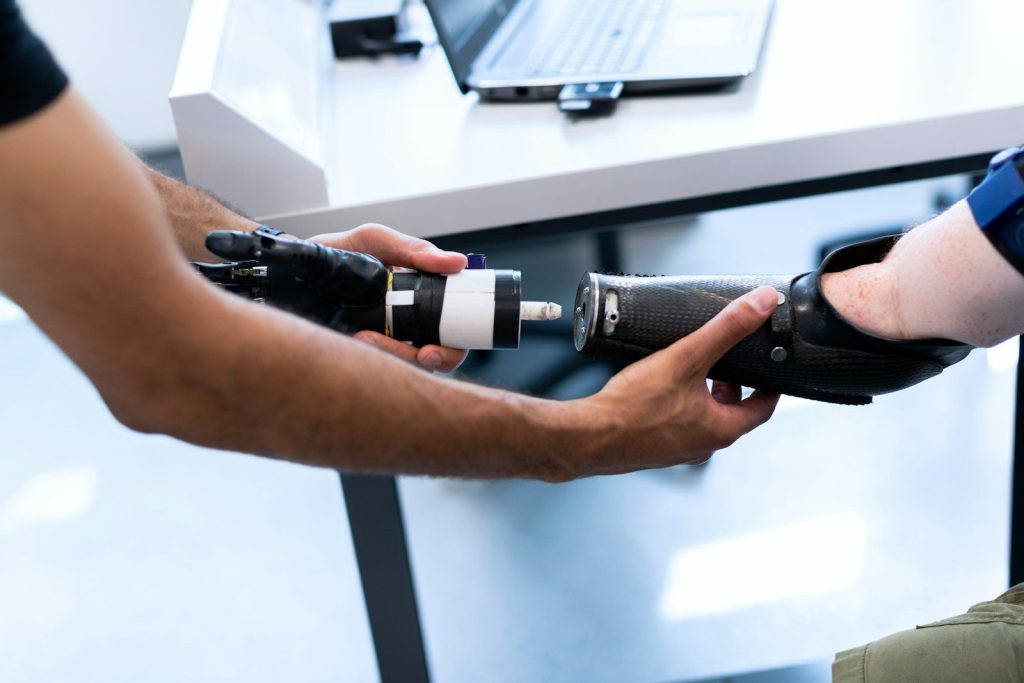
    The E-Skin technology is already being used to create Smart Prosthetics. For people who have lost an arm or a leg, these devices can send touch signals directly into their remaining nerves. This allows them to feel the ground beneath their feet or the hand of a loved one. It is a literal Human Touch that restores a sense of wholeness. The connection between mind and machine is becoming seamless. But as machines get more sensitive, will they start to feel pain too?

    The Debate Over Robotic Pain:
    person holding black and silver flashlight
    Photo by ThisisEngineering on Unsplash

    If a robot can feel pressure and heat, can it also feel “ouch”? Scientists are debating whether robots should be programmed to avoid painful stimuli to protect their own hardware. This raises big questions about the ethics of how we treat machines. If a robot can feel the world as we do, does it deserve the same respect as a living creature? We are in a gray area where biology and technology are melting together. But the future of this technology isn’t just in robots, it’s in your own home.

    The Touch Sensitive Future Home
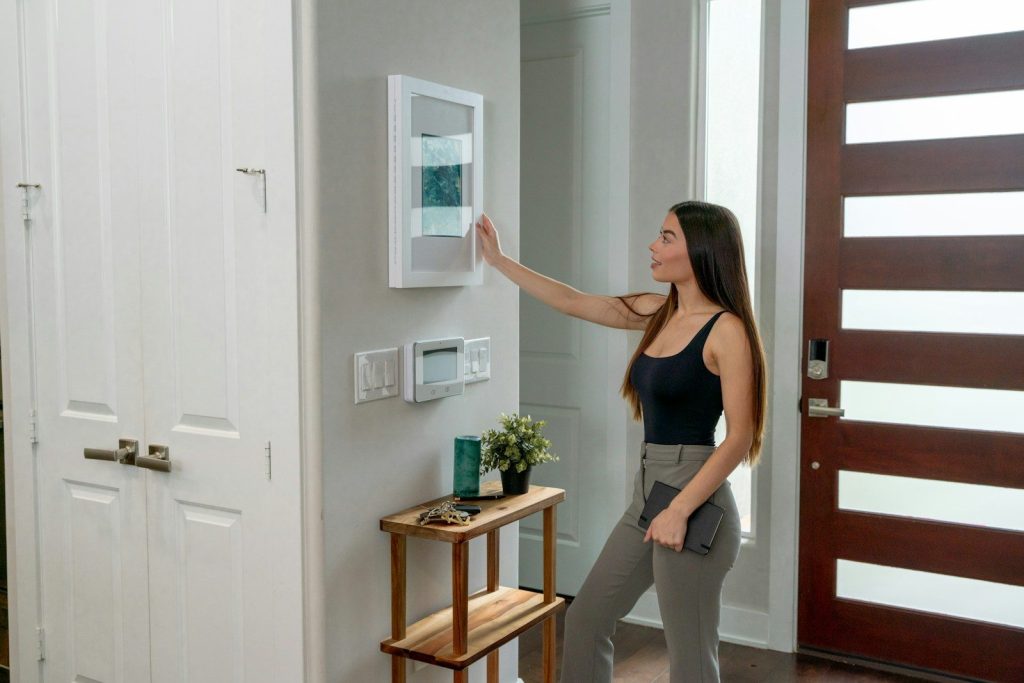
    a woman standing in front of a wall mounted light switch
    Photo by Sable Flow on Unsplash

    Soon, your walls and furniture might be covered in this sensitive E-Skin. Your house will know if you are sitting on the couch and adjust the temperature. It will sense if someone falls and call for help. Your environment will respond to your presence through the power of touch. It is a soft, invisible revolution that makes our world feel more connected and safe. We are building a world that feels us. But while our machines get a human touch, our planet is dealing with a microscopic discovery inside a cow.

    The Countdown to a Sensitive World:
    a bunch of doughnuts sitting on top of each other
    Photo by Google DeepMind on Unsplash

    The world is about to become a lot more sensitive. We are moving towards a future in which our machines and our homes will understand our physical needs before we even say a word. This technology connects the final gap between metal and flesh. Keep your hands ready, because the next thing you touch could be a machine that touches you back.


    Featured Image: Photo by Katja Ano on Unsplash

  • What is Your Dog Really Saying? The 2026 AI Pet Translator Reveal

    What is Your Dog Really Saying? The 2026 AI Pet Translator Reveal

    Have you ever looked into the eyes of your dog and wished they could just tell you what they want? For centuries, humans have tried to guess what a bark or tail wag means. We thought it was simply hunger or a need to go outside. But a massive 2026 reveal from a top AI research company suggests that we have been missing 90 percent of the conversation. Scientists have used deep learning models to analyze millions of canine vocalizations and facial movements.

    The results are choking. Your dog isn’t just asking for food, they are expressing complex emotions like nostalgia, specific fears, and even humor. This new pet translator is currently hitting the news as the largest bridge between species in human history. It uses a tiny collar-mounted device that syncs with your phone to offer real-time subtitles for the life of your dog. It feels as science fiction, but the data are very real. You are about to discover that your furry friend has a lot more on their mind than a tennis ball. But how does AI distinguish between a happy bark and a warning?

    The Secret Language of the Bark

    ai generated, dog, pitbull, aggressive, nature, barking, mammal, animal, canine, police, pet, cutout
    Photo by deeznutz1 on Pixabay

    The AI does not just listen to the volume of the bark. It looks for microfrequencies that the human ear cannot detect. These tiny shifts in pitch reveal if a dog is anxious about a faraway sound or excited about a specific person. The translator can tell the difference between a stranger barking at the door and a mailman barking here. It turns out that dogs have unique names or sounds for different people in the house. But the voice is only half the puzzle. What is the tail doing?

    Reading the Tail Wag Secret

    A brown dog stands outdoors on a path.
    Photo by Zoshua Colah on Unsplash

    We used to think that a waving tail always meant a happy dog. The AI translator proves that this is a dangerous myth. The speed, height and even direction of the wag send completely different messages. The slight wag to the right usually means positive feelings, while a tail wag to the left can signal a desire to withdraw. The AI-camera monitors these movements to provide a second layer of translation. It combines body language with sound to get the whole story. But can it tell if your dog actually dreams about you?

    Decoding the Dreams of Canines:

    a dog sleeping on the ground
    Photo by sErgio mOreira on Unsplash

    When your dog’s paws twitch in their sleep, they are more than just chasing squirrels. The AI Pet Translator has a Dream Mode that analyzes brain wave patterns via the collar. It was revealed that dogs often replay their favorite moments with their owners during the night. They experience social joy even when unconscious. This discovery is changing the way we treat pet anxiety and sleep disorders. Wait until you hear the specific words they use for their favorite toys.

    Unique Names for Favorite Objects

    A brown dog runs on grass with a blue ball
    Photo by Truong Tuyet Ly on Unsplash

    The AI has identified that most dogs develop their own internal labels for objects. Your dog might have a specific sound for their blue ball that is different from their squeaky bone. The Pet Translator allows you to save these sounds and assign them names in the app. This means when your dog barks, your phone might actually say, “Where is the blue ball?” It is a level of two-way communication that was impossible until now. But is the AI smart enough to handle the complex relationship between dogs and cats?

    The Great Cat Translation Conflict

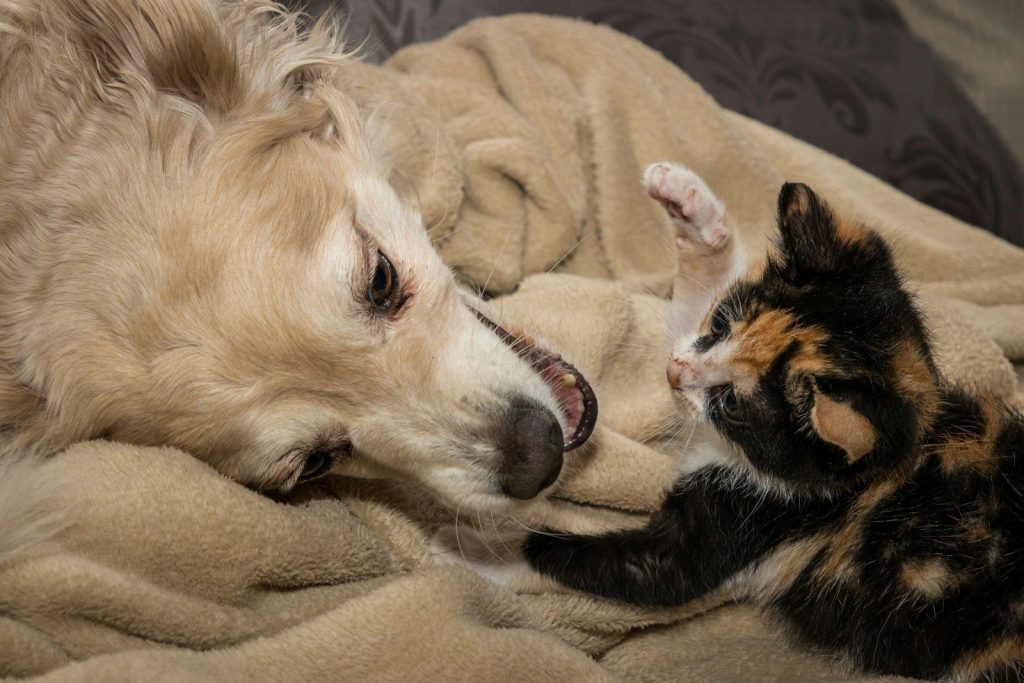
    white and black long coated dog lying on brown textile
    Photo by Grant Durr on Unsplash

    Translating cats is much harder because their communication is more subtle. While dogs are loud with their emotions, cats use scent and microscopic ear movements. The 2026 AI is currently being trained on feline logic, but the early results show that dogs and cats actually understand each other better than we understand either of them. They have a shared animal dialect that the AI is just beginning to crack. It is a messy, fascinating look at the secret life of our living rooms. But can this tech actually tell if your dog is in pain?

    A Medical Revolution for Vets

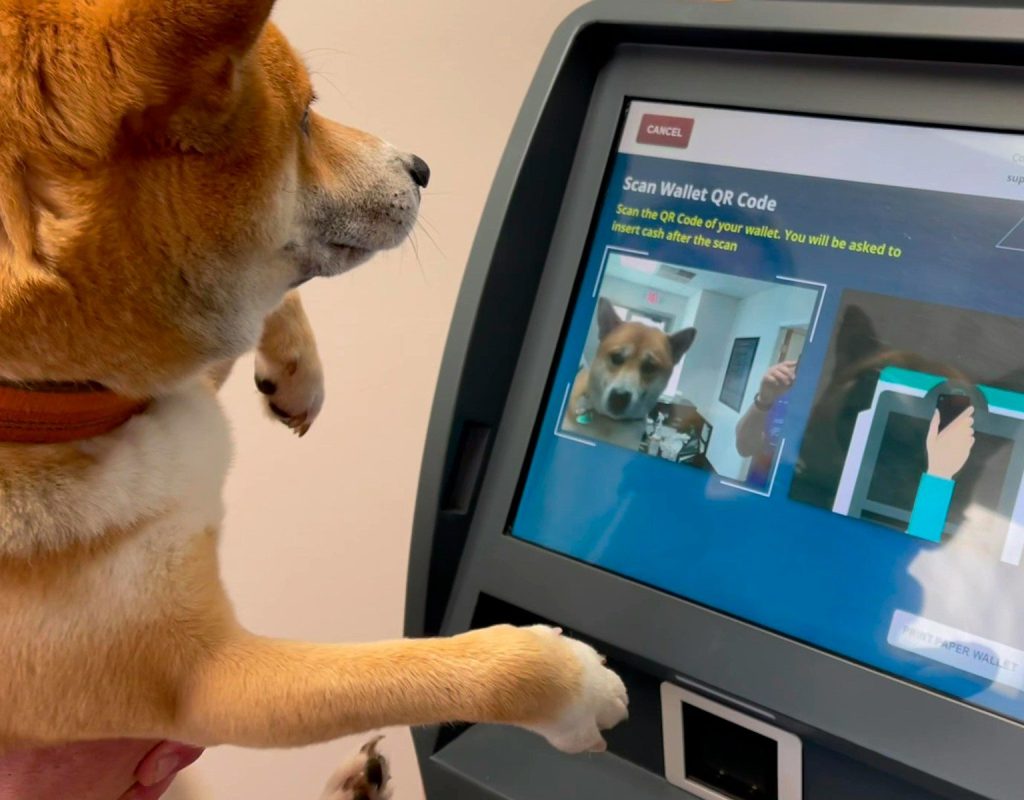
    a person holding a dog in front of a computer screen
    Photo by Chainbytes Bitcoin ATMs on Unsplash

    The biggest benefit of the translator isn’t just fun talk; it is life-saving data. Dogs are experts at hiding physical pain to avoid looking weak. The AI can detect the vocal stress of a hidden injury or illness weeks before a human would notice. This allows for early treatment of things like arthritis or heart issues. Vets are already using the 2026 data to create Pain Maps for their patients. It is making our pets live longer and healthier lives. But what happens to the human-dog bond when we can finally talk?

    Will Talking Pets Change Our Lives?

    woman sitting and playing with dog outdoors
    Photo by Richard Brutyo on Unsplash

    As the Pet Translator becomes common, our relationship with animals will change forever. We will no longer be owners, but true partners. The silence of the animal kingdom is officially broken. We have to be prepared for the fact that our dogs might have some complaints about their food or their walk schedule. It is a brave new world of shared understanding. But as we learn to talk to dogs, we are also learning how to make our machines feel more like us. Are you ready for the machine that has a human touch?

    The Future of the Talking Pet:

    white and brown short coat small dog
    Photo by Isabel Vittrup-Pallier on Unsplash

    This technology is moving fast. By the end of next year, we expect the first consumer-ready cat collars to hit the market. We are entering an age where the language barrier between humans and animals is becoming a thing of the past. Keep your ears open and your apps ready because your pet is about to speak their mind. It is time to listen to what they have to tell us about the world we share.

    Featured Image: Photo by Brixiv on Pexels

  • New Brain Scans Prove They Were Like Us

    New Brain Scans Prove They Were Like Us

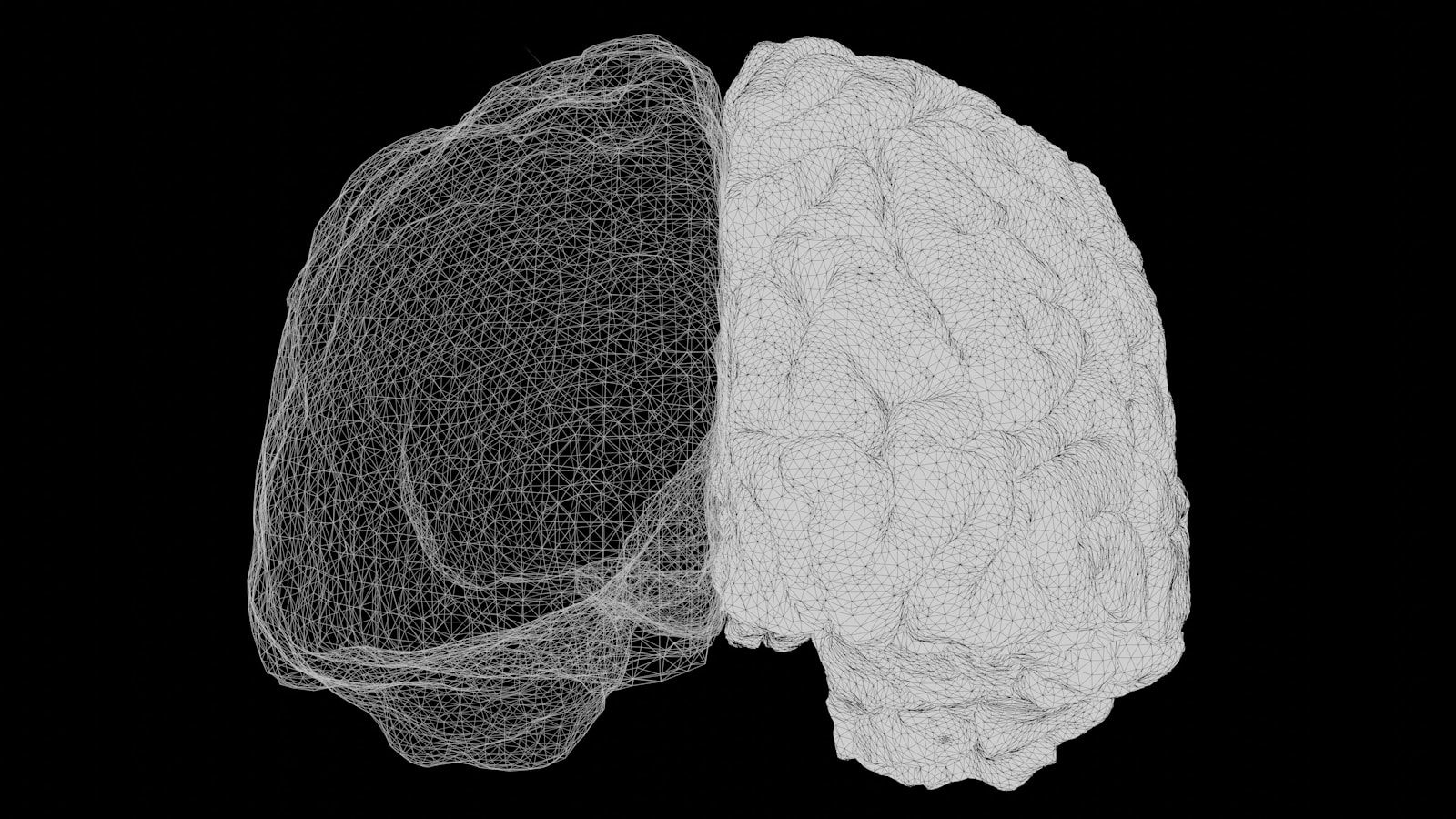
    We have always treated our ancient ancestors like they were simple, animal-like creatures. We thought they were focused only on survival and food. But a groundbreaking new study using “digital brain reconstruction” has just shattered that myth. Scientists have used high-resolution scans of ancient skulls to map the shape and size of the brains that used to live inside them.

    The results prove that these “primitive” people had the exact same emotional and creative centers that we have today. They didn’t just survive—they felt love, grief, and curiosity. They were capable of complex language and art long before they ever built a city. This discovery is turning human history on its head. We aren’t just related to them; we are them. But how can a piece of bone tell us how someone felt 50,000 years ago?

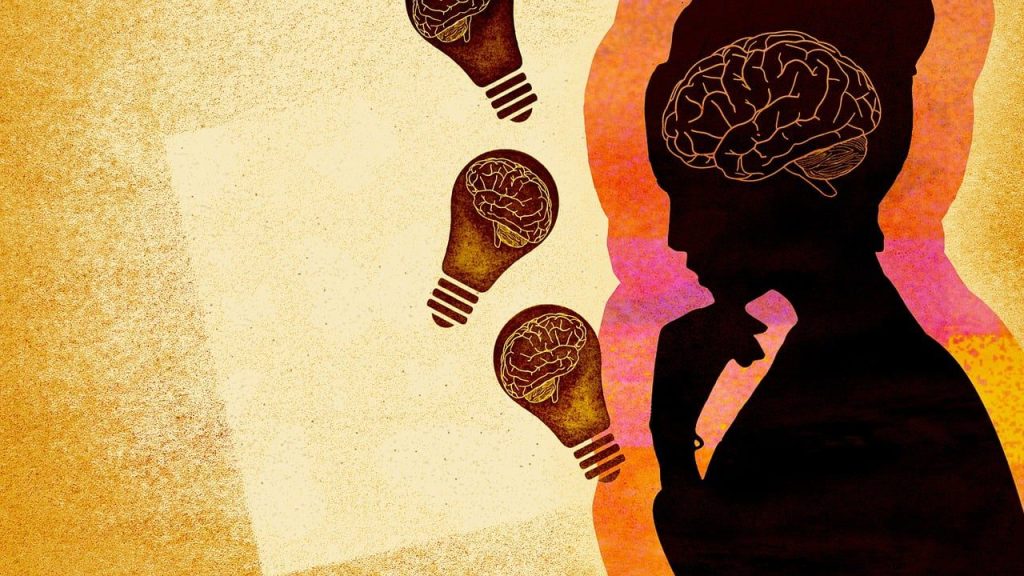
    Mapping the “Creativity Hub” of the Past

    brain, mind, ideas, science, mindset, research, curious, light bulb, old-fashioned, glowing, equality, generation, illuminated, symbol, concepts, creativity, creative, innovation, process, inspiration, create, solution, riddle, mistake, epiphany, brain, mindset, mindset, mindset, mindset, mindset, riddle, riddle, mistake
    Photo by chenspec on Pixabay

    The brain scans focused on a part of the brain called the frontal lobe. This is where humans do their planning and imagining. In our ancient cousins, this area was just as developed as ours.

    This means that when they were sitting around a fire, they weren’t just thinking about the next hunt. They were likely telling stories and imagining the future. The “scans” show that their brains were wired for creativity just like yours. But the most surprising discovery was in the part of the brain that handles “community.”

    The Brain Center for Empathy and Grief

    a stone wall with flowers growing out of it
    Photo by Hoyoun Lee on Unsplash

    Scientists found that the areas of the brain responsible for empathy were highly active in ancient humans. We have found graves where ancient people were buried with flowers and colorful stones.

    The new scans prove that this wasn’t just a random act. Their brains were biologically designed to feel deep loss and connection to their family. They cared for the sick and the elderly just as much as we do. It was a “human” world long before the first book was written. But did they have the ability to talk like we do?

    Decoding the “Speech Engine” in Ancient Skulls

    A skull, an hourglass, and a snake in stone.
    Photo by Jens Aber on Unsplash

    The scans also looked at Broca’s Area,” which is the part of the brain that controls speech. In ancient humans, this area was perfectly formed. This suggests that they had complex languages with grammar and subtle meanings.

    They weren’t just grunting; they were likely debating and sharing ideas. We are looking at a world of thousands of lost languages that we can no longer hear. It is a beautiful yet haunting realization. But how did they use this brainpower to survive the Ice Age?

    The High-Speed Strategy Center

    a man in a hat holding a gun
    Photo by Aaron James on Unsplash

    During the hunt, ancient humans had to make split-second decisions. The brain scans show that their “reaction” centers were incredibly sharp. They could coordinate with twenty other people in total silence using only a few signals.

    It was a level of focus that most modern people have lost. Their brains were like high-performance computers tuned for the wild. This “natural intelligence” is what allowed us to conquer the planet. But wait until you see how they used this intelligence to create the first “smart” tools.

    The Genetic Bridge to the Present

    boy in yellow tank top sitting on brown wooden bench
    Photo by Raissa Lara Lütolf (-Fasel) on Unsplash

    The final part of the study compared these ancient brain maps to modern DNA. We found that 99 percent of the brain’s “wiring” has stayed the same. This means that if you brought a baby from 30,000 years ago into the modern world, they would grow up to be a doctor, an engineer, or an artist.

    They had all the “hardware” ready to go. We haven’t “evolved” into something better; we have just built bigger tools. We are finally giving our ancestors the respect they deserve. But what happens to our understanding of history when we realize they were just as smart as we are?

    The End of the “Caveman” Myth

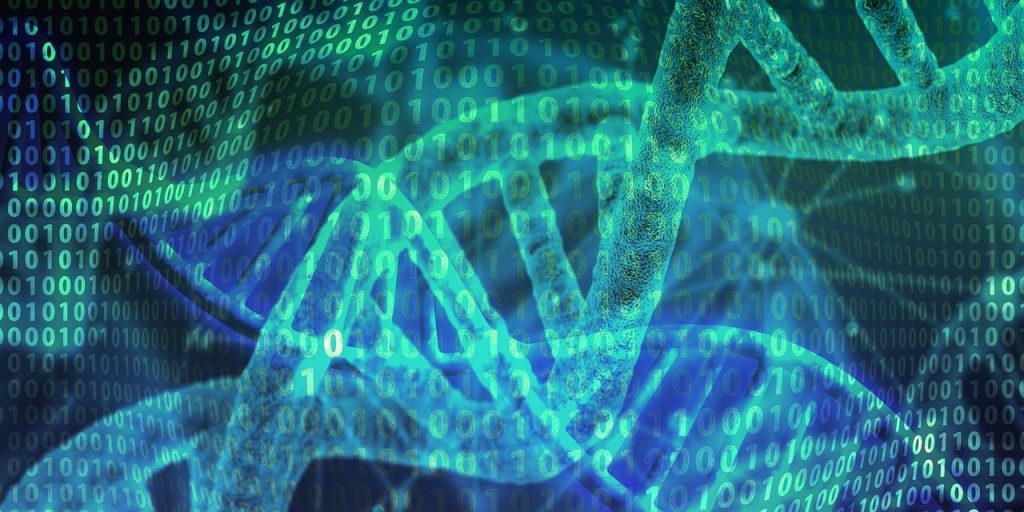
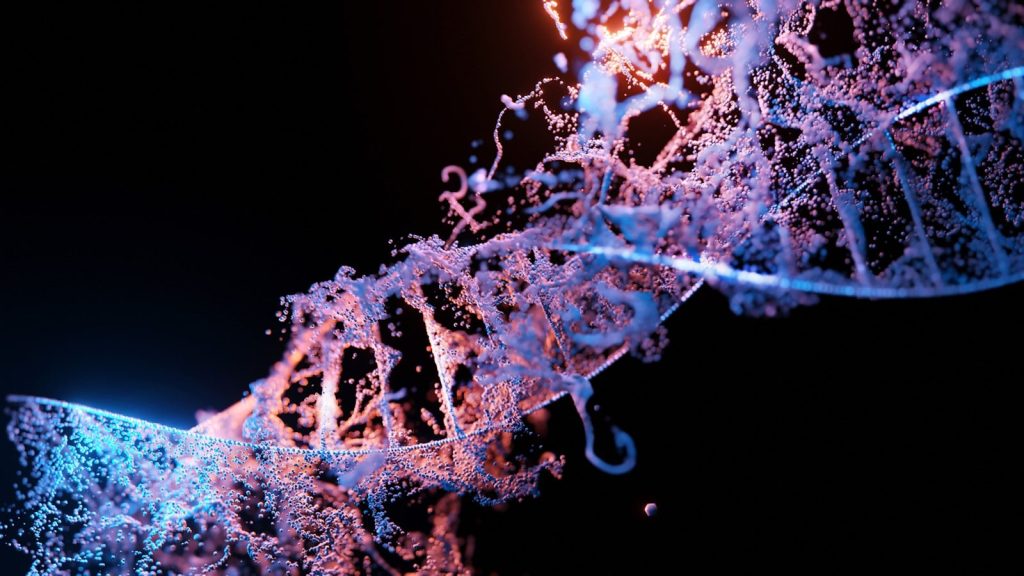
    dna, heritage, helix, proteins, biology, chemistry, medicine, binary, code, zero, one, research, medical, science, genetically, dna strand, dna helix, discovery, development, health, coding, dna, dna, dna, dna, dna
    Photo by geralt on Pixabay

    The “Caveman” who only grunts and hits things is officially dead. The science shows a person who is thoughtful, emotional, and highly social. We are seeing a past that is full of color and personality.

    It is a hopeful discovery that makes us feel more connected to our own roots. We are finally meeting our family for the first time. But while we discover our inner world, a farmer in a muddy field has just found a literal fortune of gold.

    Featured Image: Photo by Shawn Day on Unsplash

  • Why NASA’s “Chaotic Planet Nursery” is Terrifying Astronomers

    Why NASA’s “Chaotic Planet Nursery” is Terrifying Astronomers

    Space is supposed to follow rules, but a new discovery from NASA is throwing the rulebook out the window. Astronomers have just pointed our most powerful telescopes at a distant cloud of gas known as a “planet nursery.” What they found was not a peaceful birth of new worlds. Instead, it is a scene of total cosmic violence. Massive stars are tearing apart newborn planets before they even have a chance to cool down.

    This region is so chaotic that it is challenging everything we know about how our own Solar System was formed. The energy levels in this “nursery” are higher than anything ever recorded in this part of the galaxy. It is like a high-speed car crash happening on the scale of a solar system. Scientists are now worried that this kind of chaos might be much more common than we ever suspected. But what exactly is making these baby planets explode before they are even finished?

    The Star That Acts Like a Cosmic Shredder

    planet, asteroid, crash, destruction, space, outer space, galaxy, universe, wallpaper, background, asteroid, asteroid, asteroid, asteroid, asteroid, destruction
    Photo by Lixxe on Pixabay

    The main culprit in this chaotic nursery is a giant star that is millions of times brighter than our Sun. This star emits “stellar winds” that are so powerful they can strip the atmosphere off a planet in a few thousand years. Usually, planets have millions of years to grow. In this nursery, they are lucky to survive for a few centuries.

    Scientists watched in shock as the star’s radiation literally shredded the gas clouds that form planets. It is a race against time that most worlds are losing. But how can a planet even start to form in such a messy environment?

    Hidden Gravity Pockets Creating Chaos

    an image of a bunch of planets in the sky
    Photo by NASA Hubble Space Telescope on Unsplash

    It isn’t just the light that is the problem. The gravity in this nursery is a complete mess. Because there are so many massive objects close together, baby planets are being pulled in five different directions at once.

    Instead of a smooth orbit, these worlds are being tossed around like toys in a bathtub. This gravitational tug-of-war often ends with two planets smashing into each other at record speeds. We are seeing the “bricks” of a solar system being turned into dust before they can build anything. But wait until you see what happens to the water in these systems.

    The Water Vapor That Should Not Exist

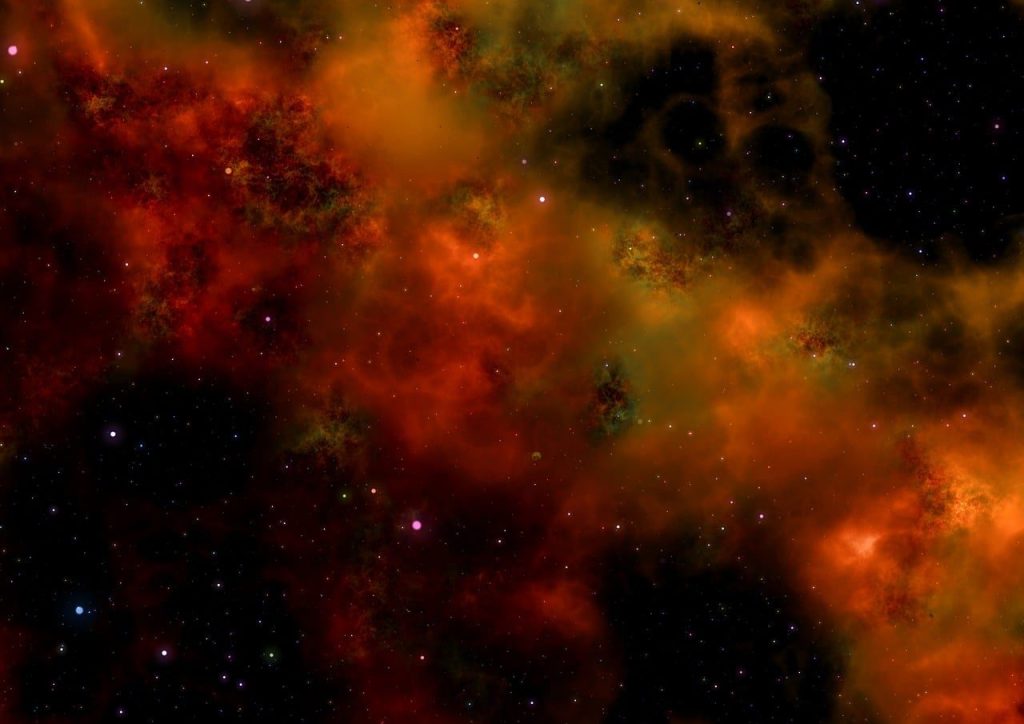
    space, science fiction, cosmos, fantasy, cluster, constellation, cosmic, astronomy, nature, sky, dark, star, universe, starry sky, star clusters, galaxy, night sky, light on, explosion, pattern, abstract, background, structure, color, space wallpaper, space background
    Photo by geralt on Pixabay

    In the middle of all this heat and violence, NASA found something impossible. They detected massive clouds of water vapor floating in the chaos. Usually, water would be evaporated instantly by the intense radiation of the nearby stars.

    Somehow, the chaos is creating “shadow zones” where water can survive. This suggests that the ingredients for life can exist even in the most terrifying places in the universe. But is this water enough to save a planet from being destroyed?

    Why This Discovery Rewrites Earth’s History

    an image of a space scene with a planet in the foreground
    Photo by Pawel Czerwinski on Unsplash

    For a long time, we thought our Solar System was born in a quiet, lonely part of the galaxy. But the “Chaotic Nursery” suggests that we might have survived a similar nightmare. If planets can form in these violent clouds, it means Earth might be a survivor of a cosmic war.

    We are looking at our own history in a mirror, and the mirror is terrifying. It makes our peaceful blue planet look like a one-in-a-billion miracle. But could there be a planet actually thriving in this mess?

    The Ghost Planets Hiding in the Dust

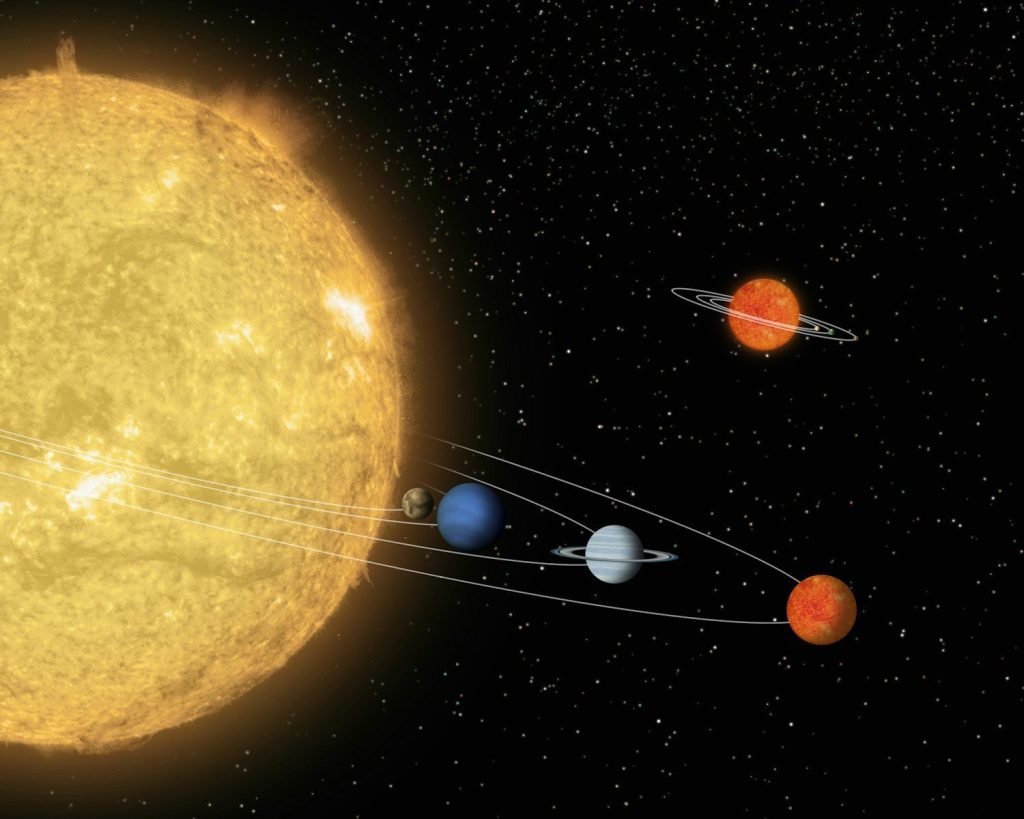
    an artist's rendering of the solar system
    Photo by NASA Hubble Space Telescope on Unsplash

    NASA’s new infrared sensors have revealed “ghost planets” that were hidden by the thick cosmic dust. These are worlds that were kicked out of their orbits and are now drifting through the nursery alone.

    They are cold, dark, and destined to be swallowed by the central star. These drifting worlds are a warning of what happens when gravity goes wrong. But scientists have noticed something strange about the way these ghosts are moving.

    Is This Nursery a Death Trap or a Cradle?

    star constellation
    Photo by Alexander Andrews on Unsplash

    Some astronomers believe that the chaos is actually necessary. The collisions might be the only way to get the right chemicals together to build a rocky planet like ours. It is a “trial by fire” that creates the strongest worlds.

    We are watching the universe “cook” new solar systems, even if the kitchen is a disaster. It is a hopeful yet scary look at how life begins. But what happens when the central star finally runs out of fuel?

    The Final Countdown for These Baby Worlds

    an artist's rendering of a planet with a star in the background
    Photo by NASA Hubble Space Telescope on Unsplash

    Within a few million years, the nursery will be gone. The giant stars will explode, and the baby planets will either be destroyed or sent flying into the deep void. It is a high-speed drama that we are lucky to catch in real-time.

    Every image NASA sends back is a piece of a puzzle we are still trying to solve. The “Chaotic Nursery” is a reminder that we live on a very fragile island in a very violent sea. But while we look at the stars, a mystery is waiting on Earth inside an ancient building with no way in.

    Featured Image: Photo by WikiImages on Pixabay

  • The Self-Healing Materials Turning Your Home into a Computer

    The Self-Healing Materials Turning Your Home into a Computer

    Imagine a world where your house is just as smart as your phone. In 2026, a new generation of “Self-Healing Materials” is making this a reality. We are talking about concrete that fixes its own cracks and paint that can sense a leak before it happens. These aren’t just building materials; they are living networks.

    Every brick and every board is embedded with microscopic sensors that “talk” to each other. Your home isn’t just a place to live; it’s a giant, self-maintaining computer that keeps you safe and warm. It is the ultimate merger of architecture and technology. But how can a piece of wood or stone actually “heal” itself like a human wound?

    The Concrete with a Pulse

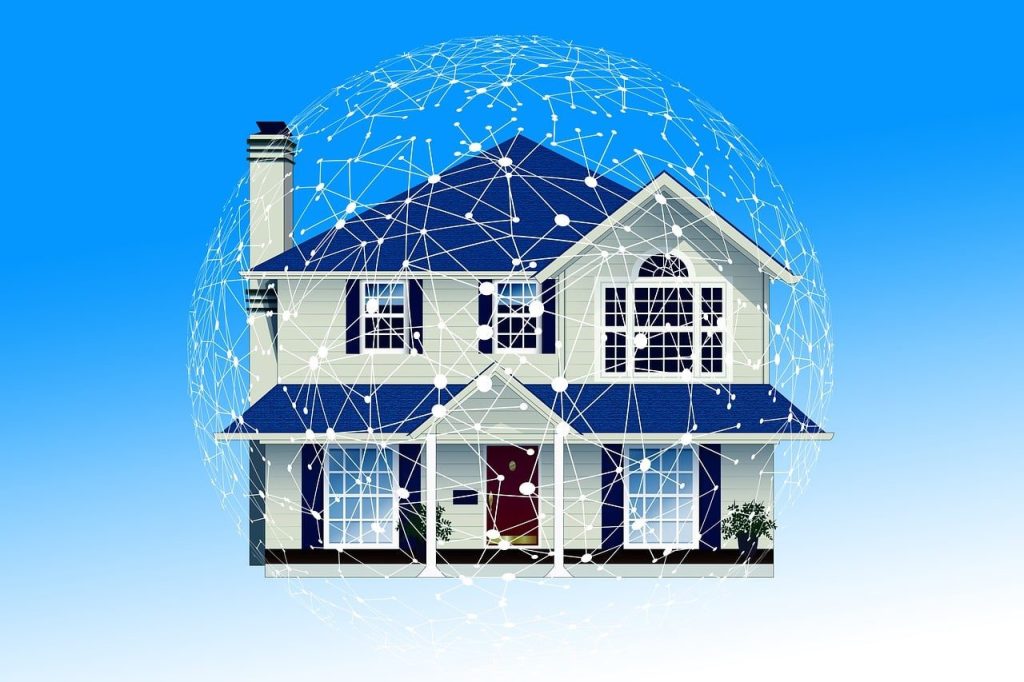
    smart home, network, web, technology, computer, digital, data, security, to back up, information, smart home, smart home, smart home, smart home, smart home
    Photo by geralt on Pixabay

    The secret to self-healing concrete is a specialized type of bacteria. These tiny microbes are kept in a “sleep” state inside the material. If a crack forms and water gets in, the bacteria wake up and begin to produce limestone.

    They literally fill the crack from the inside out, making the building stronger than it was before. It is a masterpiece of biological engineering. This means bridges and skyscrapers could last for hundreds of years without any repairs. But what about the air inside the house?

    Paint That Can See and Feel

    system, web, news, people, touch screen, touch, network, connection, connected, with each other, together, agreement, action, allies, work, team, teamwork, exchange, information, touch screen, network, network, network, connected, connected, connected, agreement, action, action, action, team, team, team, team, team, teamwork, teamwork
    Photo by geralt on Pixabay

    The walls of a 2026 smart home are coated in “Conductive Paint.” This paint contains tiny carbon fibers that turn the entire wall into a giant touch screen. You can dim the lights or change the music just by tapping the wall in your living room.

    But it does more than just control the atmosphere. The paint can sense changes in temperature or moisture. If there is a fire or a flood starting behind the wall, your house tells you before you can even smell or see it. But how does this system stay powered without a million wires?

    Image Link: https://pixabay.com/photos/color-paint-art-texture-1245658/ Visual Concept: A person’s hand touching a brightly colored wall with digital ripples appearing. Keywords: paint, texture, touch. Source: Pixabay

    Power from the Windows and the Wind

    facade, window, architecture, glass, building, office building, skyscraper, structure
    Photo by wal_172619 on Pixabay

    The windows of these homes are made of transparent solar glass. They look like normal glass, but they are constantly harvesting energy from the sun to power the house’s “brain.”

    Even the vibration of the wind against the walls provides a tiny bit of power through static electricity. It is a 100% self-sufficient system. Your house is a power plant and a computer all in one. But what happens to your privacy when your house is always “watching”?

    Privacy in a Living Network

    circuit board, conductor tracks, circuits, computer, access, computer viruses, computer virus, data control center, trace, cpu, pc, solder joint, processor, chip, data processing, connections, data, management, distributor, electronics, printed circuit board, lines, circuit board, circuit board, circuit board, computer virus, cpu, cpu, cpu, cpu, cpu, processor, processor, chip, chip, electronics
    Photo by geralt on Pixabay

    One of the biggest concerns is that a smart home could be hacked. To prevent this, these homes use “Local Processing.” Your data never leaves the house. The “brain” of the building is located in a secure, unhackable unit in the basement.

    It is a private digital island. You get all the benefits of technology without any of the risks of the cloud. It is a safe and secure way to live. But is this high-tech lifestyle only for the rich?

    Affordable Smart Cities for Everyone

    a row of houses sitting next to each other
    Photo by Y.A on Unsplash

    Governments are already using these self-healing materials to build social housing and public schools. Because these buildings don’t require expensive maintenance, they actually save money over time.

    We are seeing a new era of “Sustainable Urbanism” where every building helps the planet. We are turning our cities into healthy, living forests of technology. It is a win for the environment and the economy. But how does this change the way we work?

    The End of the Daily Commute

    a room with a table and some lights in it
    Photo by Ethan Currier on Unsplash

    With a home that is also a supercomputer, your office can be anywhere you want it to be. The walls of your house can project a 3D hologram of your coworkers, making you feel like you are in the same room.

    This is leading to a massive shift in how we live and work. We are spending more time with our families and less time in traffic. It is a total transformation of the human lifestyle. But wait until you see what happened to Silicon Valley. Why is the world’s tech capital moving into the sky?

    A World That Heals Itself

    technology, city, glowing, business, smartphone, urban, internet, communication, technology, technology, technology, technology, technology, business, internet, internet
    Photo by tungnguyen0905 on Pixabay

    The self-healing home is just the beginning. We are moving toward a future where our roads, our bridges, and our energy grids are all part of this living network. We are building a world that is smart, safe, and sustainable.

    It is a hopeful and exciting time to be an inhabitant of Earth. The future is here, and it is self-repairing. But as we rebuild our physical world, our digital world is going through a massive death and rebirth. Why is the Silicon Valley we knew gone forever?

    Featured Image: Photo by Denis Agati on Unsplash

  • Why the Silicon Valley We Knew is Dead (And “Cloud 3.0” is the Killer)

    Why the Silicon Valley We Knew is Dead (And “Cloud 3.0” is the Killer)

    For 50 years, Silicon Valley was the center of the universe. If you wanted to build the next big thing, you had to be in a small area in California. You had to pay massive rents and fight for the same pool of workers. But in 2026, the “Valley” is no longer a place—it’s a protocol. A new movement called “Cloud 3.0” has decentralized the tech world.

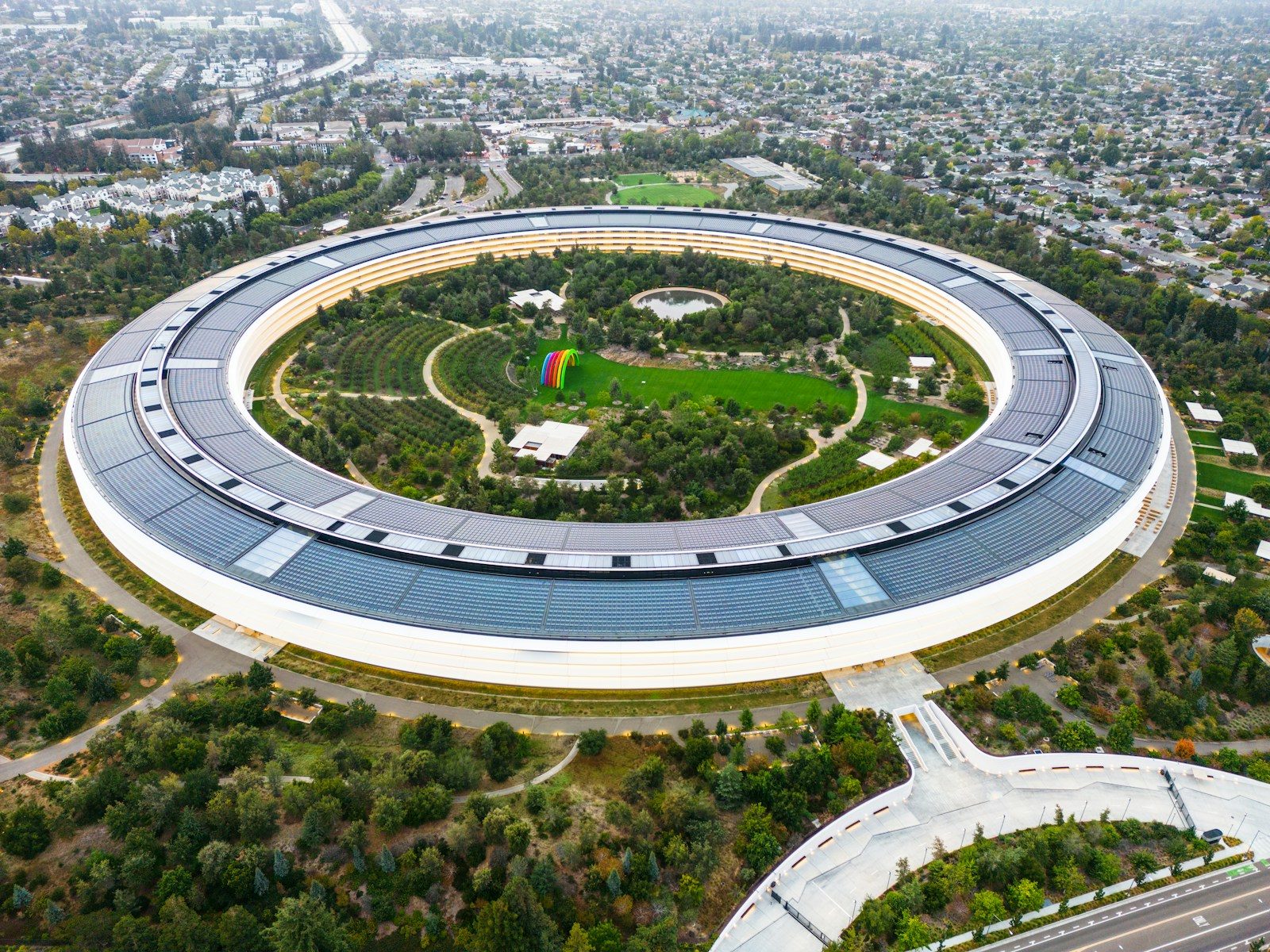
    The giant headquarters of Apple and Google are becoming quiet museums. Instead of a central hub, we have a global web of “micro-valleys” in every city on Earth. The monopoly of a few square miles is over. It is the biggest shift in power in the history of the world. But what exactly is Cloud 3.0, and how did it kill the giant?

    The Death of the Central Server

    an aerial view of a circular building in a city
    Photo by Yuxi Dong on Unsplash

    Cloud 1.0 was about storage. Cloud 2.0 was about platforms. Cloud 3.0 is about “The Edge.” In the old days, all your data traveled to a central server in California and back. It was slow and expensive.
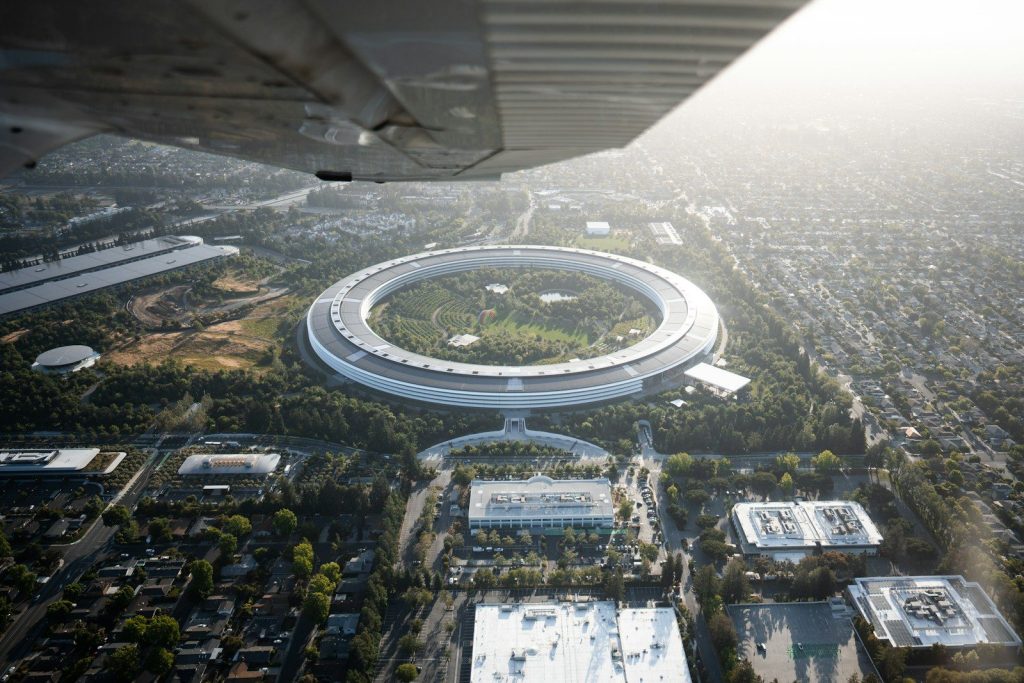
    Cloud 3.0 uses the billions of smart devices we already own—phones, cars, and even the self-healing homes we talked about—to process data locally. We don’t need giant data centers anymore. The internet is everywhere and nowhere at the same time. It is a faster, safer, and cheaper web. But how does this change who gets the money?

    The End of the Big Tech Monopoly

    a bitcoin and bitcoin logo on a black background
    Photo by Shubham Dhage on Unsplash

    In Silicon Valley, a few big companies controlled everything. They had all the data and all the money. Cloud 3.0 is built on “Open Protocols” that no one owns. This allows small startups to compete with the giants on a level playing field.

    We are seeing a massive explosion of new companies in places like Lagos, Berlin, and Tokyo. The power is being distributed to the people who actually create the value. It is the death of the “Gatekeeper.” But how does this affect your privacy?

    You Own Your Own Data

    startup, whiteboard, room, indoors, adult, office, business, technology, male, corporate, design, designer, brainstorm, startup, office, business, business, business, business, business, technology, design, designer
    Photo by StartupStockPhotos on Pixabay

    The biggest lie of Silicon Valley was that we had to give away our privacy to get free services. Cloud 3.0 uses “Self-Sovereign Identity.” Your data stays on your own devices, and you only share what you want, when you want.

    You are the CEO of your own digital life. This is leading to a massive drop in identity theft and online tracking. We are finally taking back our digital freedom. But what happens to the thousands of workers who used to live in California?

    The Rise of the Global Nomad

    ai generated, man, personal data, personal information, data trail, data collection, privacy, silhouette, futuristic, technology, data, information, inferences, hi-tech, information processing, identity, personal data, personal data, data, data, data, data, data, information, information, information, information, information
    Photo by franganillo on Pixabay

    Tech workers are no longer tied to a desk in an office. They are living in beautiful places all over the world, bringing their skills and money to new communities. This is leading to a “Digital Renaissance” in rural areas and small towns.

    We are seeing the birth of a new, global middle class that isn’t dependent on a single company or location. It is a much more stable and healthy way to live. But how does this change the way we learn?

    Education Without Borders

    Woman working on laptop on a scenic mountain overlook
    Photo by Erik Fabian on Unsplash

    With Cloud 3.0, the world’s best teachers are available to everyone, regardless of where they live. We are seeing a massive boom in peer-to-peer learning. A student in a small village can learn from a master in a big city in real-time.

    The barriers to knowledge have officially been smashed. We are building a world where everyone has the chance to be a genius. It is a total transformation of the human potential. But is there a catch to this decentralized world?

    The Challenge of a Borderless World

    man in gray crew neck t-shirt using macbook pro
    Photo by Tobi Oshinnaike on Unsplash

    Governments are struggling to keep up with the speed of Cloud 3.0. How do you tax a company that has no headquarters? How do you regulate an internet that no one owns? We are in a period of “Creative Chaos” as we figure out the new rules.

    But most experts agree that the benefits are worth the risk. We are building a world that is more resilient and more fair. It is a high-speed era of discovery. But wait until you see the next big breakthrough. How is a tiny bacteria saving the planet?

    The Era of the Individual

    black flat screen tv turned on displaying man in black and red jacket
    Photo by Erik Mclean on Unsplash

    The Silicon Valley we knew was about the “Giant.” Cloud 3.0 is about the “Individual.” We are moving from a world of passive consumption to a world of active creation. Everyone has the tools to build, share, and succeed.

    It is a hopeful and exciting time to be an inhabitant of Earth. The old world is dying, and a beautiful new one is being born. Are you ready for the next miracle in your backyard? The future is here, and it belongs to you.

    Featured Image: Photo by Zetong Li on Unsplash

  • The End of Manual Coding: How 2026’s “Intent-Driven” AI is Rewriting Itself

    The End of Manual Coding: How 2026’s “Intent-Driven” AI is Rewriting Itself

    For decades, if you wanted to build an app or a website, you had to learn a complex language like Python or Java. You had to type out thousands of lines of code, and one single typo could break everything. But in 2026, the era of the “coder” is being replaced by the era of the “thinker.” A new technology called “Intent-Driven AI” has arrived. Instead of typing code, you simply describe what you want in plain English.

    The AI doesn’t just suggest a few lines; it builds the entire system from scratch. But here is the real magic: if there is a problem, the AI identifies it and rewrites its own brain to fix it. We are moving from “writing” software to “talking” software into existence. It is a total revolution for the tech world. But how can a machine truly understand what a human is thinking?

    Beyond Simple Chatbots

    software developer, web developer, programmer, software engineer, technology, tech, web developer, programmer, programmer, software engineer, technology, technology, technology, tech, tech, tech, tech, tech
    Photo by Innovalabs on Pixabay

    You might be used to AI that can write a poem or an email. Intent-Driven AI is much more powerful. It understands the “why” behind your request. If you say, “Build me a store that sells shoes,” it knows you need a payment system, a database, and a security layer.

    It builds all of these things automatically and makes sure they talk to each other perfectly. It is like having a team of a thousand developers working for you in a single second. It never gets tired and it never makes a typo. But can this AI handle the most complex apps on your phone?

    The AI That Debugs Itself

    black flat screen computer monitor
    Photo by Ahmed Atef on Unsplash

    The most expensive part of software used to be “debugging”—finding and fixing mistakes. Intent-Driven AI does this in real-time. As it writes the software, it is constantly checking for errors and security holes.

    If it finds a way to make the app faster, it simply rewrites that section on its own. It is a “living” piece of software that gets better every day without any human help. It is the end of the “software update” as we know it. But does this mean we don’t need human developers anymore?

    The New Role of the Creative Mind

    man in gray sweater standing beside wall
    Photo by Álvaro Bernal on Unsplash

    We are seeing a shift from “how to build” to “what to build.” Human developers are becoming “Architects of Intent.” Instead of worrying about where a semicolon goes, they are focusing on user experience and big ideas.

    This means that anyone with a great idea can now build a billion-dollar company from their bedroom. It is the democratization of technology. The only limit is your imagination. But how does this AI keep our data safe while it rewrites itself?

    Security That Evolves with the Threat

    A piece of cardboard with a keyboard appearing through it
    Photo by Immo Wegmann on Unsplash

    Hackers are getting smarter, but Intent-Driven AI is faster. Because it can rewrite its own code, it can patch a security hole before a human even knows it exists. It is a self-healing digital fortress.

    If a new virus is discovered, the AI learns its “DNA” and adapts its defenses instantly. It is a level of safety that was impossible with static, human-written code. We are finally winning the war against cyber-crime. But is there a catch to letting machines write themselves?

    The Fear of the “Black Box”

    smartphone, computer, technology, business, modern, programming, app, lab, testing, informatics, android, exhibition, innovations, buy, store, studies, education, engineering, modernity, keyboard, monitor, screen, telephone, the industry, presentation, computer specialist, trends, electronics, testing, testing, testing, testing, android, android, android, android, android
    Photo by AS_Photography on Pixabay

    Some experts worry that if AI writes its own code, humans will eventually stop understanding how our own machines work. This is known as the “Black Box” problem. To prevent this, the 2026 AI is designed to be “transparent.”

    It creates a plain-language report explaining every change it makes. It is like an open-book exam for the machine. We are keeping the “human in the loop” to ensure everything stays on track. But how fast is this technology changing the economy?
    A Billion-Dollar Idea Every Minute

    a computer screen with a bunch of buttons on it
    Photo by Levart_Photographer on Unsplash

    The speed of innovation is moving from years to seconds. A company can now test a thousand different versions of its website in a single afternoon. This is leading to a massive boom in new startups and products.

    We are seeing solutions for climate change and health being built at record speed. It is a high-speed era of discovery. The barriers to entry have officially been smashed. But while our digital world moves fast, our physical world is starting to heal itself. Have you seen the house that fixes its own cracks?

    The Future is Whatever You Intend

    white and brown living room set
    Photo by Roberto Nickson on Unsplash

    Intent-Driven AI is the ultimate tool for the human spirit. It takes the “boring” work out of technology and leaves us with the “magic.” We are building a world that responds to our thoughts and needs in real-time.

    It is a hopeful and exciting time to be a creator. The future isn’t written in code; it’s written in intent. But wait until you see how the very walls of your home are becoming part of this smart network. Are you ready for the self-healing home?

    Featured Image: Photo by AMONWAT DUMKRUT on Unsplash

  • Why You Should Stop Fearing CAR-T Side Effects (The CRISPR Solution)

    Why You Should Stop Fearing CAR-T Side Effects (The CRISPR Solution)

    For years, a revolutionary cancer treatment called CAR-T therapy has been making headlines. It works by taking a patient’s own immune cells and “teaching” them to hunt down cancer like a heat-seeking missile. It has saved lives, but it has a scary reputation. Some patients suffer from intense side effects like high fevers or brain fog as their immune system goes into overdrive. But in 2026, a new breakthrough using CRISPR gene-editing technology has fixed this problem.

    Scientists are now using CRISPR to “fine-tune” these warrior cells before they are put back into the body. This isn’t just about killing cancer; it’s about doing it safely. We are entering an era where the treatment is as gentle as it is powerful. The fear of the “immune storm” is quickly becoming a thing of the past. But how do you tell a microscopic cell to calm down when the fight is over?

    The Genetic “Off Switch” for Medicine

    covid-19, health, coronavirus, corona, virus, quarantine, covid, mask, pandemic, nurse, disease, hygiene, medical, epidemic, infection, protection, shopping, doctor, sars-cov-2, transmission, outbreak, healthcare, flu, cleaning, bacteria, blue doctors, blue shop, blue healthcare, blue clean, health, virus, covid, nurse, medical, medical, doctor, doctor, doctor, doctor, doctor, healthcare
    Photo by Excellentcc on Pixabay

    The biggest danger of old CAR-T therapy was that the cells wouldn’t stop fighting. They would keep attacking even after the cancer was gone, causing damage to healthy tissue. With CRISPR, researchers have added a “safety switch” to the cells’ DNA.

    If the patient’s body starts to react too strongly, doctors can give a simple pill that tells the CAR-T cells to take a break. It is a level of control that was impossible just a few years ago. We are no longer just letting a medicine loose; we are driving it. But can this technology handle the most difficult cancers?

    Targeting Cancers with Perfect Precision

    water droplets on glass during daytime
    Photo by Braňo on Unsplash

    CRISPR allows scientists to remove the “blind spots” that cancer cells use to hide. Many tumors produce a protein that tricks the immune system into thinking they are healthy tissue.

    By editing the CAR-T cells, we can give them “super-vision” that sees right through the tumor’s disguise. This means the cells only attack the cancer and leave everything else alone. It reduces the “friendly fire” that caused so many side effects in the past. But is this high-tech treatment affordable for the average patient?

    Reducing the Time and the Cost

    a group of red and black cells on a blue background
    Photo by National Institute of Allergy and Infectious Diseases on Unsplash

    One of the biggest side effects for families was the cost and the wait. It used to take weeks to grow enough CAR-T cells for a single patient. CRISPR has sped up this process by making the cells more efficient at multiplying in the lab.

    We are moving toward “off-the-shelf” CAR-T therapy that can be given to a patient the same day they are diagnosed. This reduces the stress on the patient and the burden on the hospital. It is a total reset for cancer care. But what happens to the patient’s immune system in the long run?

    A Stronger Body After Treatment

    child sitting on bed
    Photo by National Cancer Institute on Unsplash

    In the past, patients were often left weak after their battle with cancer. The CRISPR-enhanced cells actually help protect the rest of the immune system during the fight. Because the treatment is so targeted, the patient doesn’t need heavy chemotherapy or radiation.

    They can stay strong and recover faster. We are seeing patients return to their normal lives in weeks instead of months. It is a miracle of modern engineering that happens at the molecular level. But can this technology be used for other diseases?

    The End of Autoimmune Struggles

    a group of blue and green cells on a black surface
    Photo by National Institute of Allergy and Infectious Diseases on Unsplash

    The lessons we are learning from CRISPR and CAR-T are already being used to treat diseases like Lupus and Multiple Sclerosis. Instead of telling the cells to attack, scientists are teaching them to “ignore” the healthy parts of the body.

    It is the same technology used in a completely different way. We are effectively “debugging” the human immune system. The future of medicine is no longer about drugs; it is about data and editing. But are there any risks to changing our DNA like this?

    The Ethics of the “New” Human

    laboratory, medical, medicine, hand, research, lab, test, doctor, equipment, scientist, woman, chemistry, science, hospital, experiment, person, technician, technology, healthcare, working, health, tube, work, research lab, blood samples, laboratory, lab, lab, scientist, scientist, scientist, scientist, scientist
    Photo by Belova59 on Pixabay

    Doctors and philosophers are working together to make sure this technology is used safely. Every CRISPR edit is tracked and monitored by international health agencies. We are making sure that these “super cells” only do what they are supposed to do.

    The focus is entirely on healing, not on changing who we are. It is a responsible approach to a powerful tool. The results so far have been nothing short of life-changing. But while we fix our bodies, what is happening to the way we build the world around us?

    A Hopeful Future for Everyone

    man in white button up shirt holding white tablet computer
    Photo by National Cancer Institute on Unsplash

    The CRISPR-CAR-T breakthrough is proof that we can solve the world’s biggest health problems if we work together. We have turned a terrifying treatment into a safe and accessible cure. The word “incurable” is disappearing from the medical dictionary.

    It is an exciting time to be alive. We are taking the fear out of cancer and replacing it with hope. But while we master biology, our machines are learning to think for themselves. Are you ready to see how AI is writing its own code?

    Featured Image: Photo by National Cancer Institute on Unsplash

  • Could the “W-State” Discovery Finally Make Your Data Unhackable?

    Could the “W-State” Discovery Finally Make Your Data Unhackable?

    The internet as we know it is built on a very fragile foundation. Every time you send an email or check your bank account, you are trusting that a hacker isn’t watching. For decades, we have used complex math to hide our secrets. But as computers get faster, those mathematical walls are starting to crumble. In 2026, scientists have announced a breakthrough involving something called the “W-State.” This is a specific way of linking quantum particles that creates a permanent, unbreakable bond.

    It is a level of security that feels like magic. If someone tries to peek at your data, the “W-State” particles instantly change. This alert tells the system to shut down the connection before a single bit of info is stolen. We are talking about a future where identity theft and massive data breaches simply cannot happen. It is the ultimate digital shield for a world that is moving faster than ever. But how does this tiny particle trick actually stop a professional hacker?

    The Power of Quantum Entanglement

    ai generated, programmer, hacker, cybersecurity, computers, international, global, security, fraud, scam, hacking, phishing, cyber, internet, technology, programmer, programmer, programmer, hacker, cybersecurity, cybersecurity, cybersecurity, cybersecurity, cybersecurity, scam, scam, hacking, hacking, hacking, phishing
    Photo by deeznutz1 on Pixabay

    To understand the W-State, you have to understand entanglement. This is when two particles become so connected that they act as one, no matter how far apart they are. If you tickle one, the other one laughs. Scientists have used this to create “quantum keys” for years.

    The problem was that these links were too easy to break. The new W-State discovery allows for three or more particles to stay linked in a much more stable way. This means we can build a massive, global network that is physically impossible to tap into. But can this technology work on the old cables we already have underground?

    Why the W-State is a Security Game Changer

    person in blue long sleeve shirt holding blue plastic toy
    Photo by National Cancer Institute on Unsplash

    In a normal hack, a criminal copies your data without you ever knowing. They stay in the shadows and collect your secrets for months. Quantum security changes the rules of the game. Because of the W-State, the act of “observing” the data actually changes the data itself.

    It is like a booby trap that goes off the moment it is touched. The hacker ends up with a handful of useless noise, and the system logs the exact moment they tried to break in. It is a self-defending internet that never sleeps. But is this technology too expensive for regular people to use?

    Building a Global Quantum Internet

    earth, internet, globalization, technology, network, globe, world, global, digital, information, data, communication, earth, earth, internet, internet, internet, internet, internet, technology, technology, technology, technology, network, world, world, digital, data
    Photo by TheDigitalArtist on Pixabay

    Governments are already racing to install W-State hardware in their most sensitive offices. We are seeing the birth of “Cloud 3.0,” where data doesn’t just sit in a box but exists in this protected quantum state.

    This means that even if a foreign government uses a supercomputer to guess your password, they still couldn’t get through the door. The physics of the universe is now your personal bodyguard. But what happens if the hardware itself gets damaged?

    The End of Password Stress

    a computer monitor with a lot of code on it
    Photo by Steve A Johnson on Unsplash

    Imagine a world where you never have to remember a long string of numbers and symbols again. With W-State technology, your identity is verified by the unique physical state of your device.

    If your phone or computer is linked to your personal quantum key, no one else on Earth can pretend to be you. It is the end of phishing emails and fake login pages. We are moving from “guessing” who you are to “knowing” who you are through science. But does this mean we are giving up our privacy?

    Privacy in the Age of Total Connection

    ai generated, systems analyst, consultant, advisor, it-specialist, server, space, server room, hardware, computer, data, to process, server cabinets, information, technology
    Photo by geralt on Pixabay

    Many people worry that a more secure internet means more government tracking. However, W-State technology actually provides better privacy. Because the connection is direct and unbreakable, no middleman can listen in—not even the people who built the network.

    It is the ultimate “private room” in a very loud digital world. You can share your most personal information with total confidence. It is a level of freedom we haven’t felt since the early days of the web. But how long will it take to reach your house?

    The Race for Quantum Supremacy

    technology, light, business, computer, smartphone, internet, communication, work, key, keys, security, protect, protection, security, security, security, security, security
    Photo by tungnguyen0905 on Pixabay

    The US, China, and Europe are all pouring billions into W-State research. The first country to master this will have an economy that is immune to digital warfare. It is the new space race, but instead of the moon, we are aiming for the atom.

    Companies like Google and IBM are already showing off the first working prototypes of these unhackable networks. The transition is happening faster than anyone predicted. But what happens if the hackers find a way to use quantum tech too?

    A Future Built on Trust

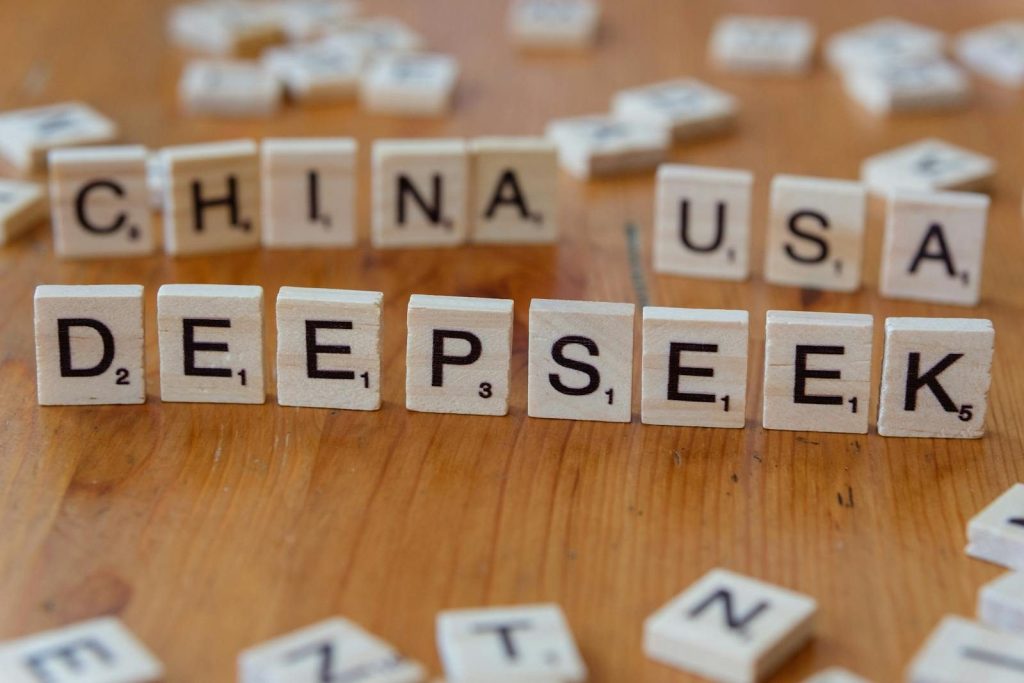
    Wooden letter tiles spelling "DEEPSEEK" with "CHINA" and "USA" on a wooden table.
    Photo by Markus Winkler on Pexels

    We are finally building an internet that works for us, not for the criminals. The W-State discovery is the final piece of the puzzle for a safe digital life. We can finally stop looking over our shoulders and start looking forward to what we can create.

    It is a hopeful time for anyone who lives their life online. The shadows are disappearing, and the light of science is taking over. But while our data is getting safer, our own bodies are getting a massive upgrade too. Are you ready to see how CRISPR is fixing the biggest problem in medicine?

    Featured Image: Photo by Dynamic Wang on Unsplash

  • Why Scientists Just Put “Mole Rat DNA” Into Mice (and it worked)

    Why Scientists Just Put “Mole Rat DNA” Into Mice (and it worked)

    Naked mole rats are some of the strangest creatures on Earth. They are ugly, hairless, and live underground. But they have a secret that humans have wanted for centuries: they almost never get cancer, and they live ten times longer than other rodents. Now, scientists have successfully transferred a “longevity gene” from a mole rat into a standard lab mouse.

    The results have stunned the world of biology. The mice with the mole rat DNA lived much longer, had fewer tumors, and stayed healthy well into their old age. This is the first time we have successfully improved the lifespan of one species using the genes of another. It is a “copy-paste” for eternal youth. But what exactly is this magic gene doing inside the mouse?

    The Power of Hyaluronic Acid

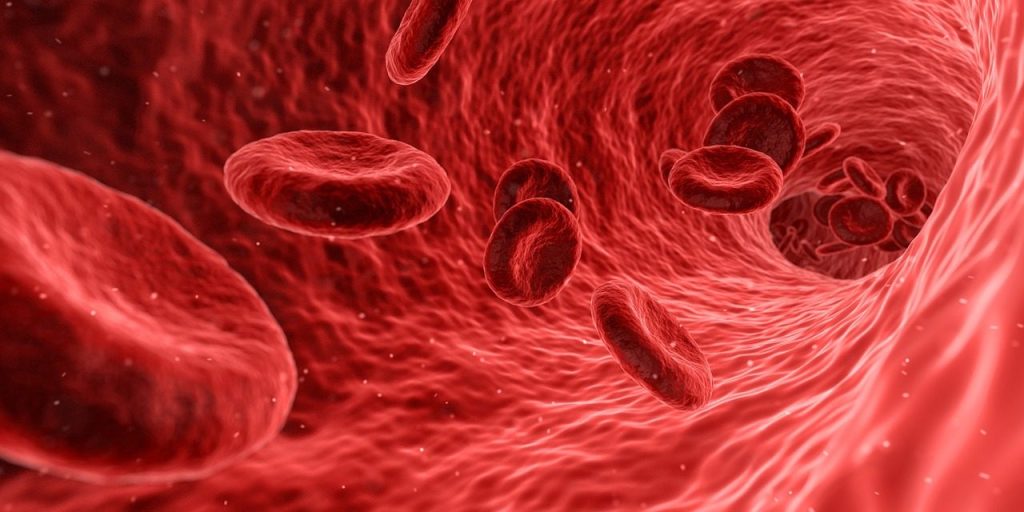
    cells, red, medical, medicine, anatomy, health, human, biology, blood cells, artery, healthcare, microscopic, vein, care, flow, macro, plasma, circulatory, microbiology, risk, pathology, danger, science, bacteriology, hazard, microorganism, pathological, research, analysis, biotechnology, examination, organism, scientific, immune system, 3d, red health, red medical, red science, red research, red medicine, red human, red blood, red care, red healthcare
    Photo by qimono on Pixabay

    The gene that scientists moved is called HAS2. In mole rats, this gene produces a very “heavy” version of a substance called hyaluronic acid. This stuff acts like a protective cushion around every cell in the body. It stops cells from clumping together, which is how cancer starts.

    When the mice started producing this “super acid,” their bodies became much more resistant to aging. Their skin stayed thick, their hearts stayed strong, and their brains remained sharp. It was like they were wearing an internal suit of armor against time. This substance is the secret to why mole rats don’t feel “old” even when they are 30 years old. But can this acid protect against more than just cancer?

    Ending the Fire of Inflammation

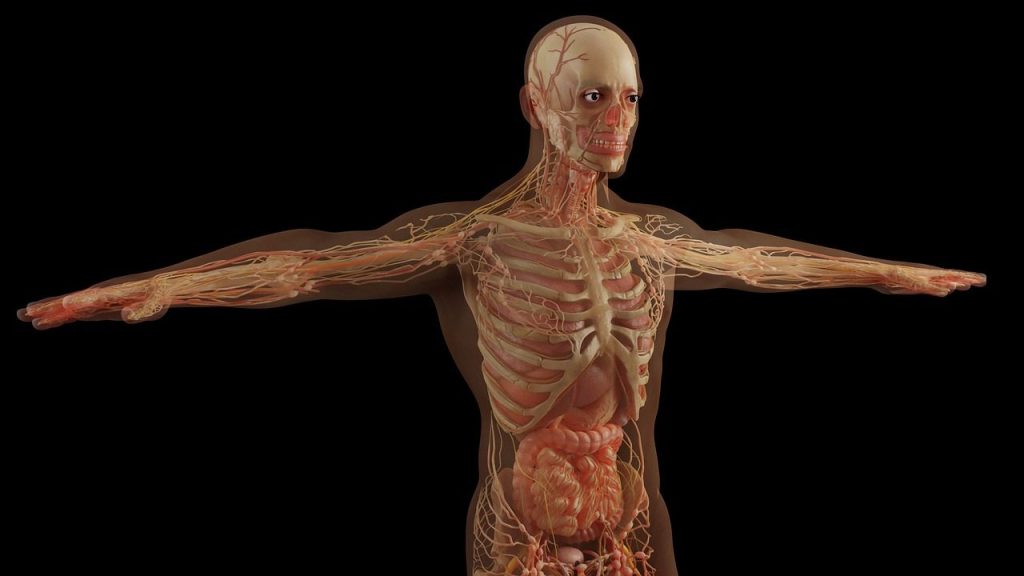
    anatomy, skull, skeleton, muscles, organs, human organs, science, health, human, bones, nerves, human body, body, man, medical, 3d, model, adult, 3d render, anatomy, human body, human body, human body, human body, human body
    Photo by Monoar_CGI_Artist on Pixabay

    As we get older, our bodies suffer from “inflammaging.” This is a constant, low-level inflammation that leads to heart disease and Alzheimer’s. The mole rat DNA proved to be a powerful anti-inflammatory. The mice with the new gene showed much lower levels of stress in their tissues.

    They didn’t suffer from the typical aches and pains of old age. This suggests that the mole rat gene is a “master controller” for a healthy body. It keeps the immune system calm and the cells clean. We are looking at a way to delete the worst parts of getting old. But is this technology coming to humans next?

    The Ethical Debate of the Century

    a close up of a blue and purple structure
    Photo by Sangharsh Lohakare on Unsplash

    If we can put mole rat DNA into mice, it is only a matter of time before someone suggests putting it into humans. This has sparked a massive debate among scientists and philosophers. Should we change our own genetic code to live longer? Some fear we are “playing God,” while others believe it is our duty to end suffering.

    The success with the mice has moved this debate from a fantasy to a reality. We have to decide what it means to be human in a world where we can “edit” our lifespan. It is a question that will define the next fifty years of our history. But what would a “human mole rat” even look like?

    No Hairless Skin Required

    consulting, information, conversation, silhouette, communication, brain, meeting, psychology, self, illusion, hidden, relationship, contour, man, people, interaction, shape, profile, debate, dialog, discussion, parley, negotiation, consulting, consulting, consulting, consulting, consulting, debate, debate, debate, debate, debate, negotiation, negotiation, negotiation
    Photo by geralt on Pixabay

    Don’t worry—scientists say that adding the longevity gene won’t make us hairless or wrinkled like a mole rat. The gene only affects the internal chemistry of the cells. You would still look like a human, you would just be a much more “durable” version.

    You could potentially live to be 150 years old while feeling like you are 40. This is the dream of “Radical Life Extension.” The mice didn’t change their appearance; they only changed their expiration date. It is a quiet revolution happening deep inside the genetic code. But how soon will we see the first human tests?

    The Future of the “Anti-Aging” Pill

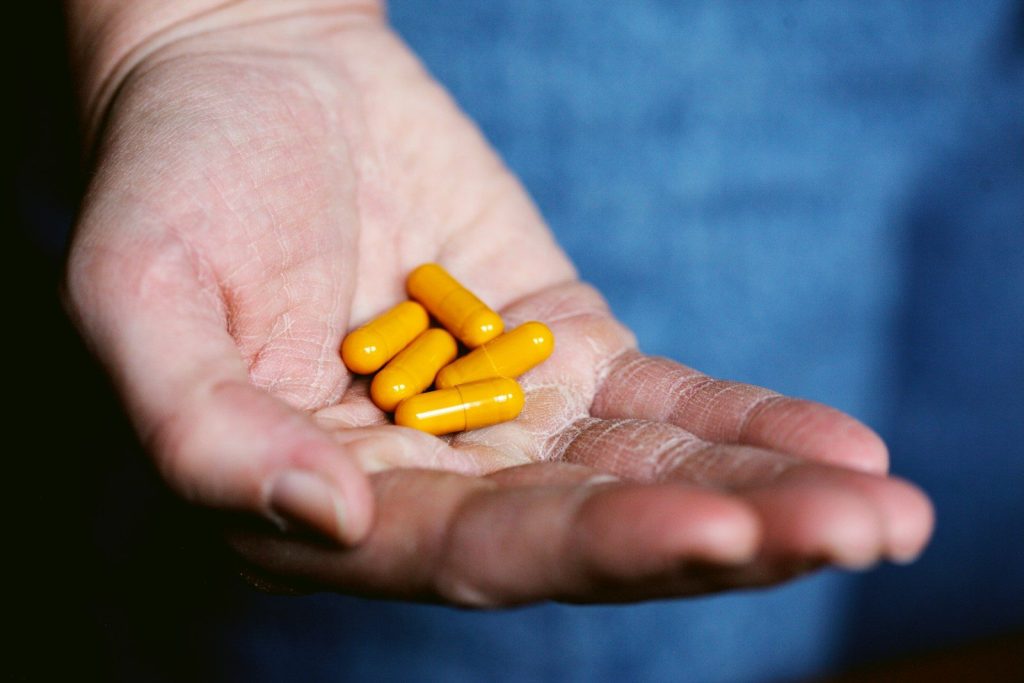
    yellow medication pill on persons hand
    Photo by Alexander Grey on Unsplash

    We might not even need to change our DNA permanently. Scientists are looking at using “Gene Therapy” or even a simple pill that triggers the HAS2 gene in our bodies. This would allow us to “turn on” the mole rat protection whenever we need it.

    Imagine taking a supplement that builds an anti-cancer shield around your cells for a month. This would be much safer and easier than full genetic editing. The research in mice has provided the “map” for how to build these new medicines. We are closer than ever to the fountain of youth. But what happens to the world if no one ever dies?

    Overpopulation and the Long Life Crisis

    downtown, dubai, uae, tourism, city, people, buildings, muslims, arabs, square, street, evening, crowd, dubai, dubai, dubai, dubai, dubai, uae
    Photo by Olgaozik on Pixabay

    A world of people living to 150 sounds great, but it comes with massive challenges. How will we feed everyone? Where will they live? These are the “problems of success” that we will have to solve next. The mole rat mice have shown us that we can win the war against aging.

    Now, we have to figure out how to manage the victory. Our society, our retirement plans, and our cities are all built for an 80-year life. We have to rewrite the rules of the world to fit our new lifespan. It is a high-quality problem to have. But is there one more secret hidden in the rodent’s burrow?

    The Dawn of the Trans-Human Era

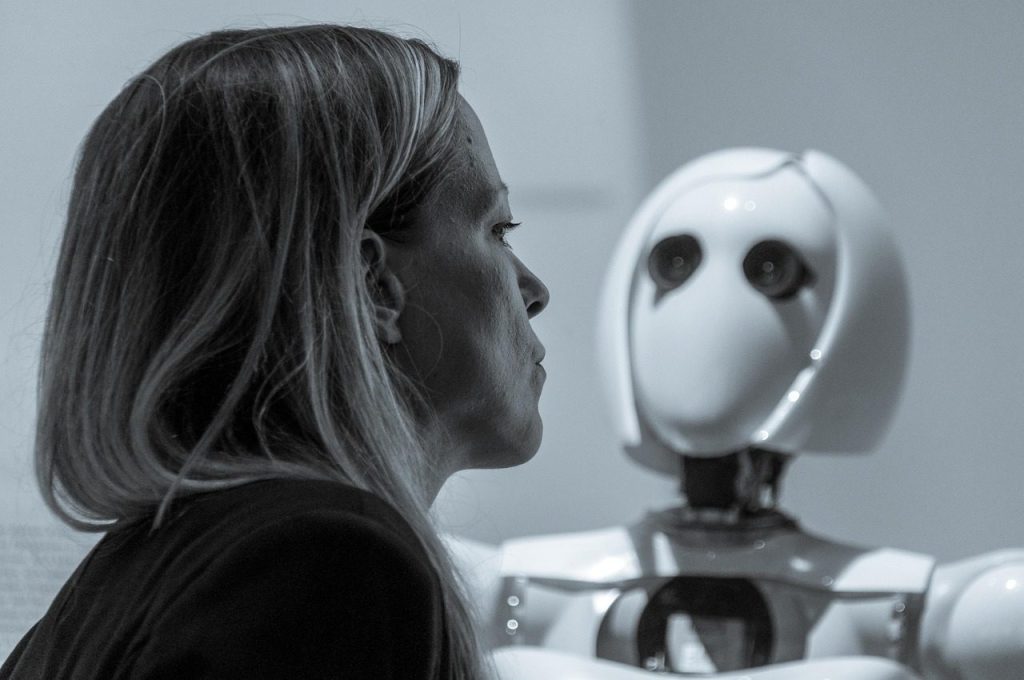
    woman, robot, technology, future, face, human, android, futuristic, robotics, head
    Photo by wal_172619 on Pixabay

    We are standing at the end of “natural” human history. From non-addictive pills to AI-written cures and mole rat DNA, we are taking control of our own evolution. We are becoming something more than just biological accidents.

    We are the architects of our own bodies and our own future. The mice were just the beginning. The lessons we learned from the naked mole rat will be written into the story of humanity forever. We are moving into the light of a long, healthy, and high-tech tomorrow. Are you ready for the next breakthrough?

    Featured Image:Photo by Harry Skillett on Unsplash