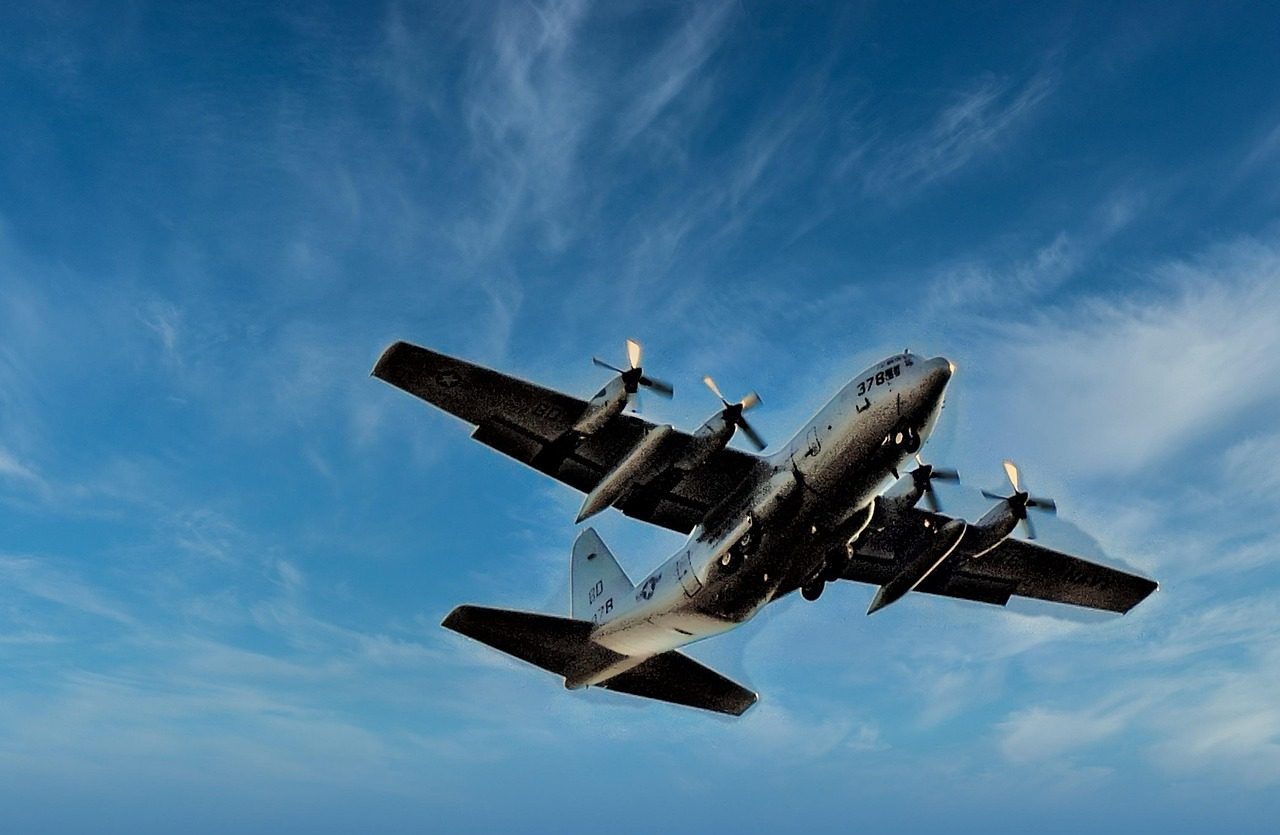
While everyone is looking at self-driving cars, a much bigger revolution is happening in the sky. Autonomous cargo jets are officially here, and they are changing everything about how we get our goods. These massive planes fly themselves without a single pilot on board. They are quieter, safer, and much cheaper to run than traditional aircraft. This isn’t just about faster shipping; it is about a total rewrite of the global supply chain.
Major companies are already testing pilotless planes to move thousands of pounds of freight across the country. Because there is no cockpit or life support needed for a crew, these planes can carry more weight and fly for longer. They can land at small, regional airports that big jets can’t reach. This means your packages could arrive in hours instead of days. But the technology behind these “ghost planes” is even more impressive than the planes themselves.
The AI Pilot That Never Gets Tired
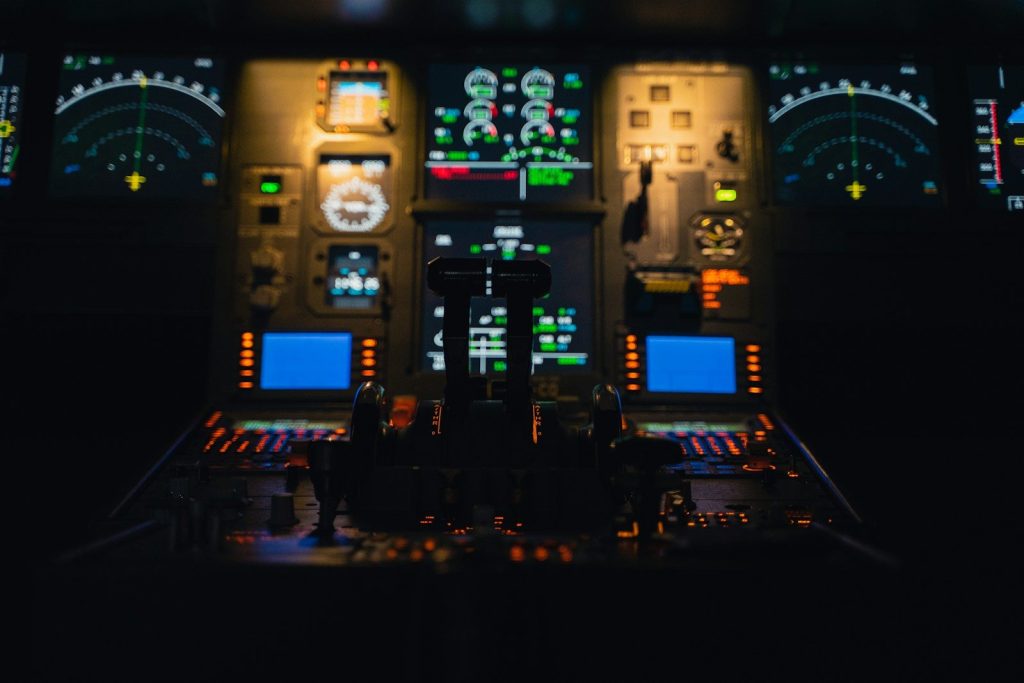
The “brains” of these jets are advanced AI systems that can react faster than any human. They use a combination of radar, LIDAR, and satellite data to navigate. Unlike human pilots, the AI never gets sleepy, distracted, or stressed. It can calculate the most fuel-efficient route in real-time, saving millions of dollars in gas. If there is a problem, the AI can find the nearest airport and land perfectly in seconds. But how do these planes stay safe in crowded skies?
A Network That Talks To Every Other Plane
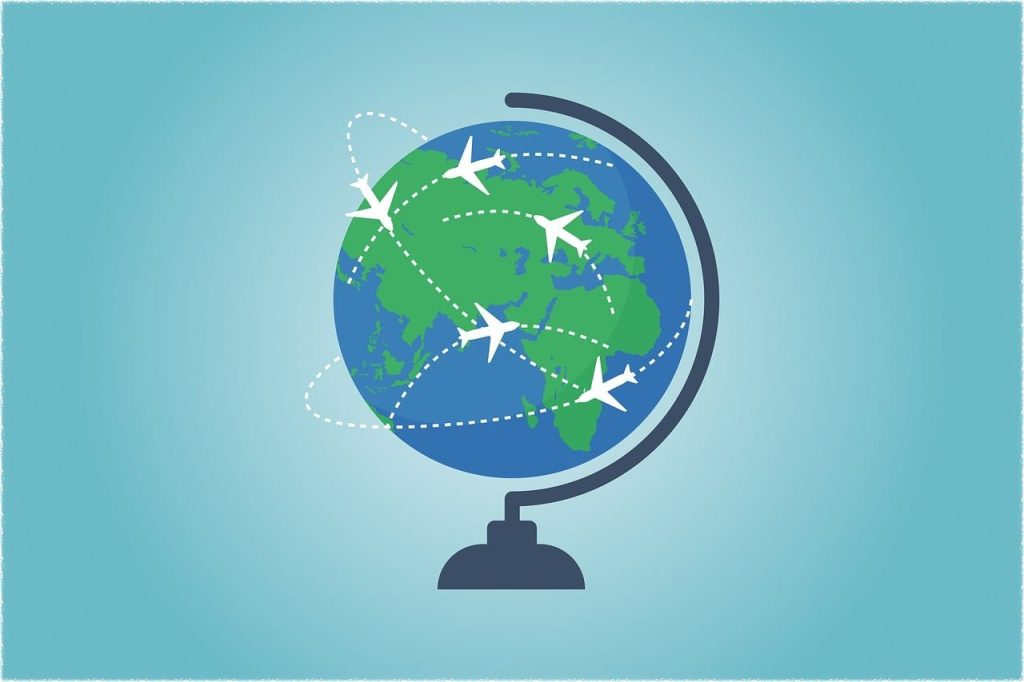
Autonomous jets don’t just fly; they communicate. They belong to a massive digital network where every plane knows the location of every other plane. If one jet hits turbulence, it tells the others to change course instantly. This “swarming” behavior makes mid-air collisions almost impossible. It is a level of coordination that humans simply can’t achieve. This allows for much more crowded and efficient air travel. But wait, these jets aren’t just for long trips.
The Mid-Mile Delivery Revolution
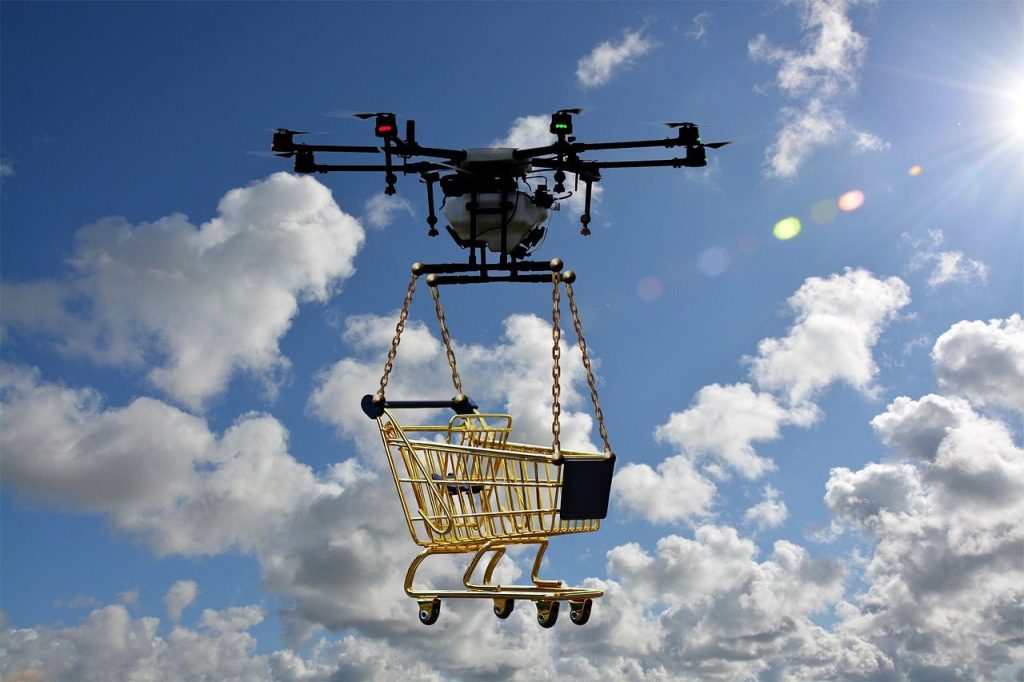
The biggest impact is on “mid-mile” delivery. This is the trip between a huge warehouse and your local distribution center. Currently, this is done by thousands of trucks that clog up our highways. Autonomous cargo jets can fly these routes in a fraction of the time. Small, electric cargo planes can hop between cities all day long. This reduces traffic, lowers emissions, and speeds up the entire world. But what does this mean for the cost of your favorite products?
Why Shipping Costs Are About To Plunge

Labor and fuel are the two highest costs in aviation. Autonomous jets solve both. Without pilots, companies save on salaries and training. Because the planes are designed for cargo only, they are much lighter and use less fuel. These savings will eventually be passed down to you. We are heading toward a future where “free shipping” is the standard for almost everything, no matter how heavy. But there is a hidden environmental benefit that is just as important.
Electric Engines And Zero Emissions
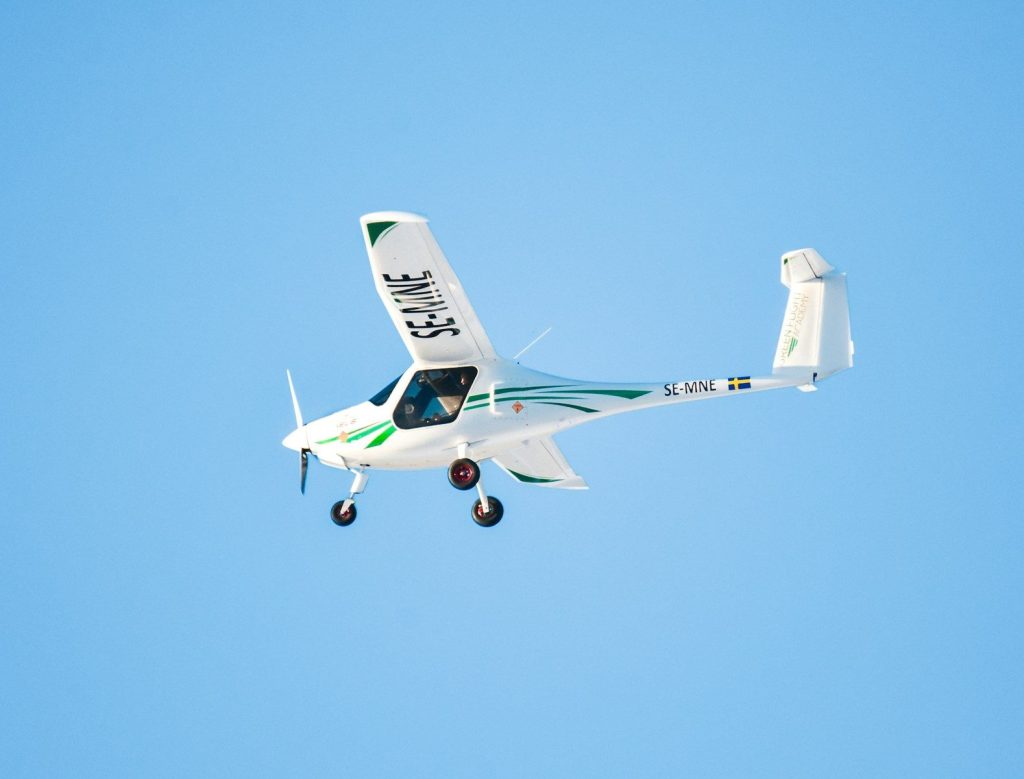
Because autonomous jets don’t need a heavy cockpit, many are being designed with electric engines. This means they can fly without burning a single drop of jet fuel. Electric cargo planes are also incredibly quiet, which means they can land at airports in the middle of the night without waking up neighbors. This allows for 24/7 shipping without the environmental guilt. It is the green future of transport. But wait, what about the jobs of the pilots?
The Shift From Pilot To Remote Manager
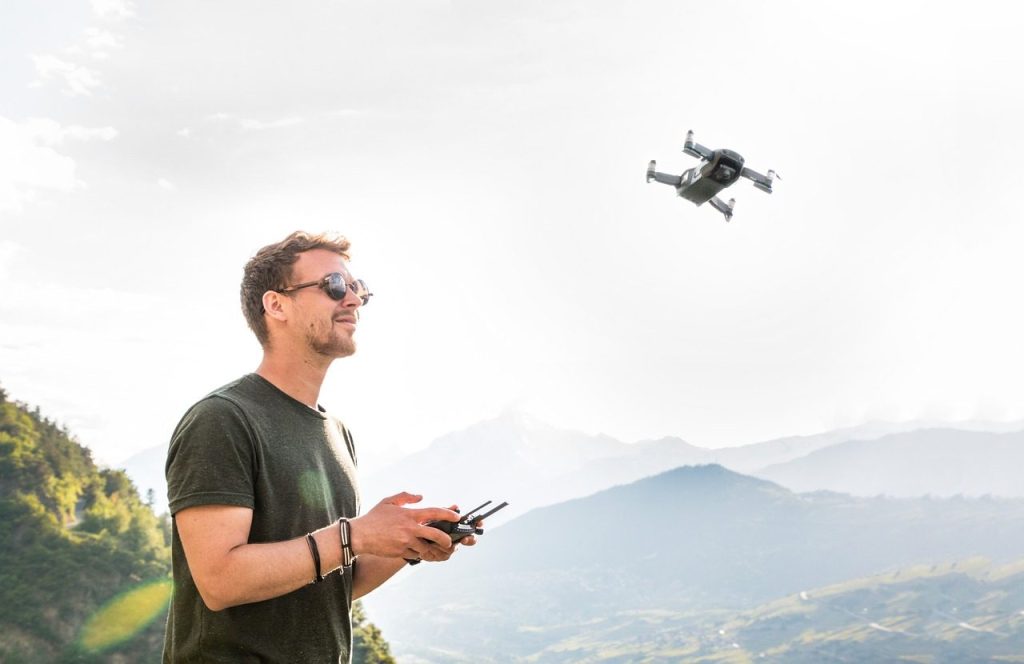
Pilots aren’t going away; their jobs are just changing. Instead of sitting in a cockpit for ten hours, one “remote manager” can oversee a fleet of ten autonomous jets from the ground. They only step in if the AI has a question or if there is an emergency. This makes the job safer and allows pilots to go home to their families every night. It is a better way to work in the sky. But how soon will this be the new normal?
Widespread Use Within The Next Five Years
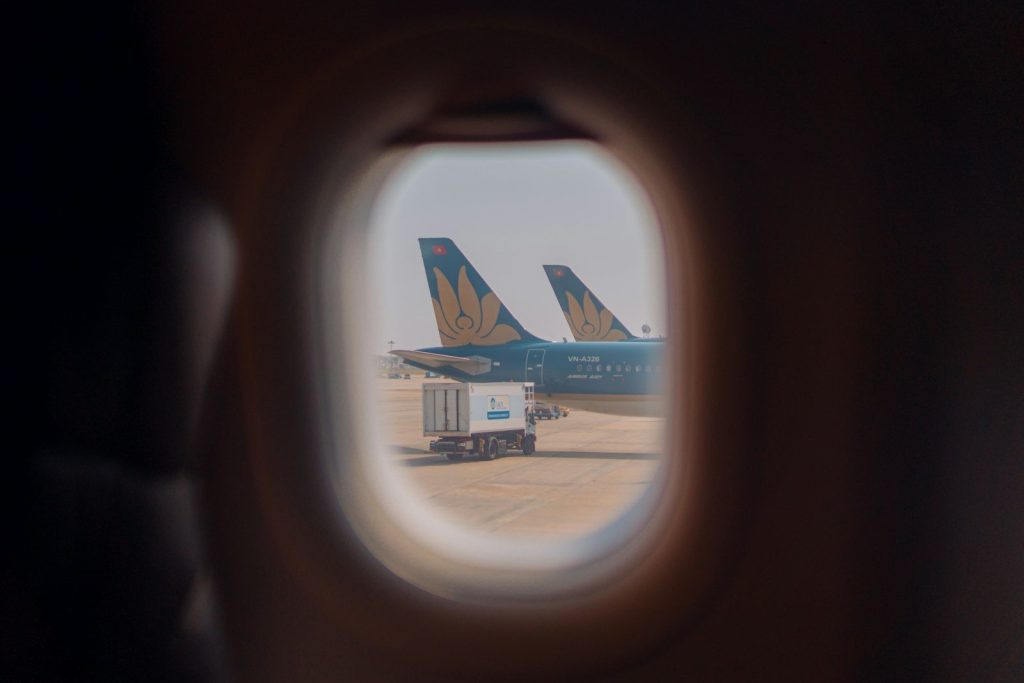
The FAA and other agencies are already clearing the way for these flights. We will likely see more cargo flown by robots than by humans by 2030. It is a quiet revolution because you won’t see it happening, but you will feel it when your packages arrive faster than ever. The world is getting smaller every day. If you think pilotless jets are high-tech, wait until you see the “wonder material” that is about to make your car indestructible.
Leave a Reply