
For decades, scientists have been obsessed with a material called graphene. It is a single layer of carbon atoms arranged in a honeycomb pattern. It is 200 times stronger than steel, thinner than paper, and the best conductor of heat and electricity on Earth. For a long time, it was too expensive to make outside of a lab. But that has finally changed. The “wonder material” is officially hitting the factory floor, and your car is the first place you will see it.
Major car manufacturers are starting to use graphene to build everything from batteries to body panels. It makes cars lighter, safer, and much more efficient. This isn’t just a small upgrade; it is a fundamental shift in how we build machines. A car made with graphene could potentially survive a crash that would crush a normal vehicle. But the real reason engineers are excited has nothing to do with strength.
Batteries That Charge in Minutes Not Hours
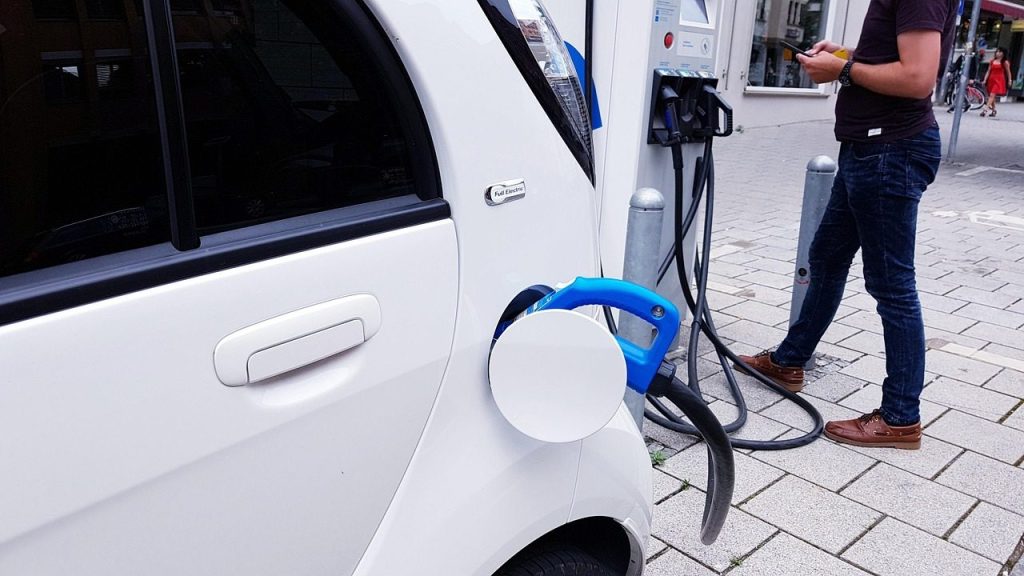
The biggest problem with electric cars is the charging time. Graphene changes that entirely. Because it conducts electricity so well, graphene-enhanced batteries can charge up to 10 times faster than lithium-ion. You could fully charge your car in the time it takes to grab a cup of coffee. These batteries also last longer and don’t get as hot. This tech will finally make gas-powered cars look like dinosaurs. But how does it make the car safer to drive?
The Indestructible Body Of The Future

Because graphene is so strong, engineers can use less of it to achieve the same safety ratings. A thin layer of graphene-reinforced plastic is stronger than a thick sheet of steel. This means cars will be much lighter, which makes them easier to handle and faster to stop. In a crash, graphene can absorb and spread the energy of the impact, protecting the people inside much better than traditional metal. But what does a lighter car mean for your wallet?
Massive Gains In Fuel And Energy Efficiency
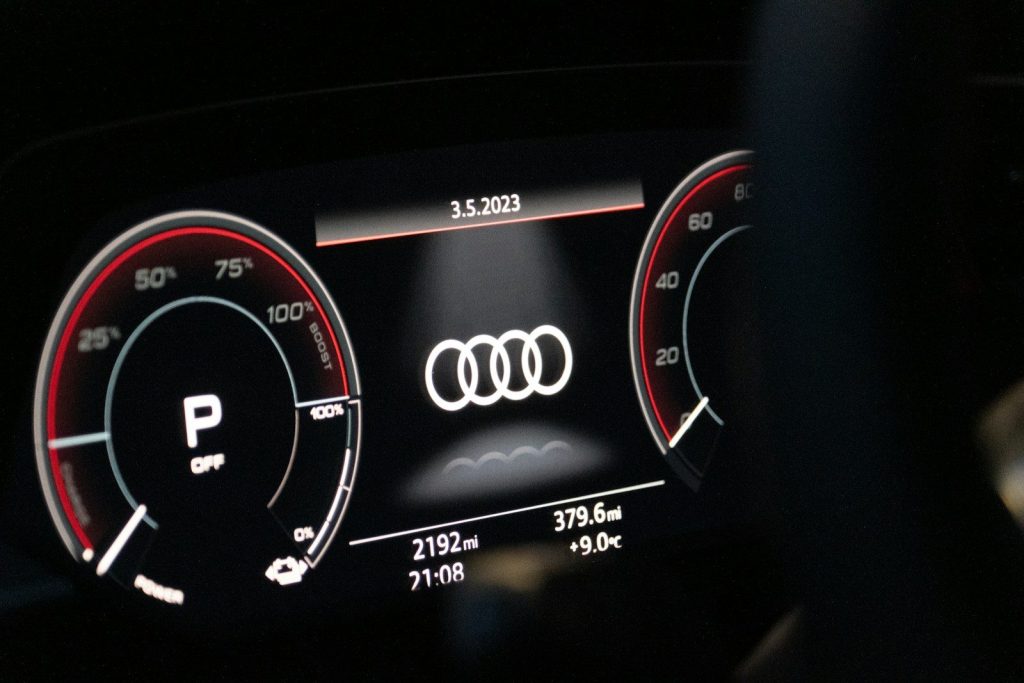
Weight is the enemy of efficiency. The lighter the car, the less energy it takes to move. By replacing heavy metal parts with graphene composites, cars can weigh 30% less. This means electric cars can go hundreds of extra miles on a single charge. For gas cars, it means much better mileage. It is the easiest way to save money and the environment at the same time. But the magic of graphene doesn’t stop at the body panels.
Tires That Never Wear Out
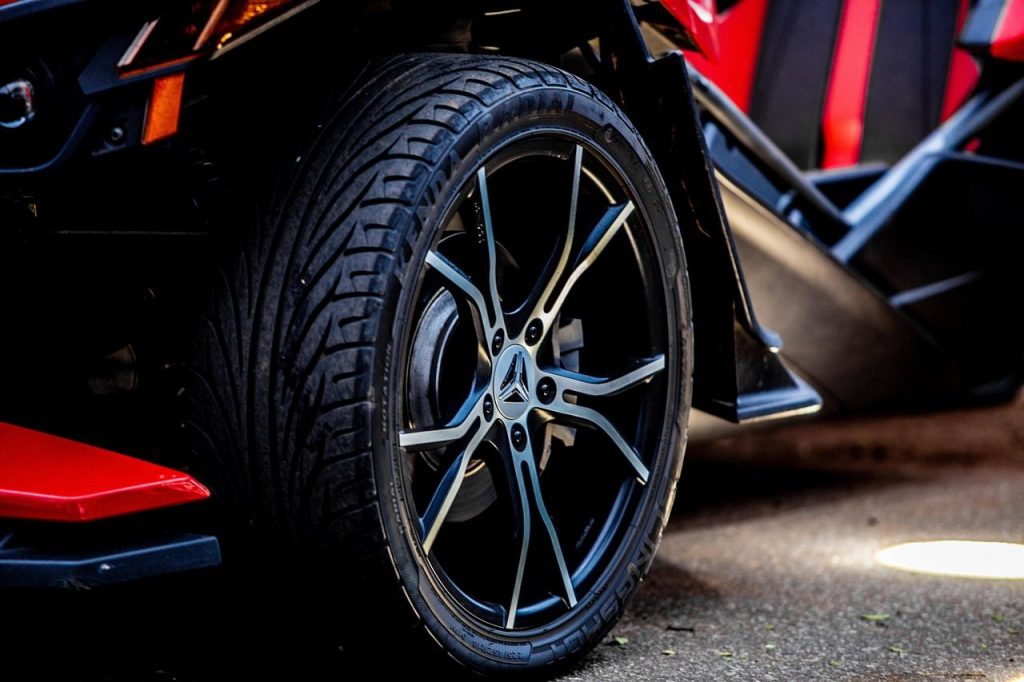
Tires are one of the most replaced parts of a car. By adding a tiny bit of graphene to the rubber, engineers have created tires that are much more durable. These “super-tires” have better grip on wet roads and don’t wear down nearly as fast as regular ones. Some tests suggest they could last for 100,000 miles or more. This means less rubber waste in our oceans and more money in your pocket. But wait, graphene can even help your car “think” faster.
Sensors That Can See Through Everything
Autonomous cars need to “see” the world perfectly. Graphene-based sensors are much more sensitive than traditional ones. They can detect objects through fog, rain, and even around corners by picking up tiny thermal signals. This makes self-driving cars much safer in bad weather. These sensors are also smaller and cheaper to produce, meaning even budget cars will soon have top-tier safety tech. But is this material safe for humans?
The Clean Manufacturing Revolution

One of the best things about graphene is that it can be made from waste. Scientists have found ways to turn trash and old plastic into high-quality graphene. This means we are cleaning up the planet to build the cars of the future. The manufacturing process uses less energy than smelting steel or aluminum. It is a win-win for everyone. But how soon will you actually be able to buy a graphene car?
Coming To A Showroom Near You

The first graphene-enhanced cars are already hitting the market in small numbers. In the next three to five years, the technology will be standard in most luxury and electric vehicles. It is the biggest change in automotive engineering since the invention of the engine itself. We are entering the age of the “super-material.” If you think your car is about to get an upgrade, wait until you see how the entire world is about to change by 2035.
Featured Image: Photo by Praewthida K on Unsplash
Leave a Reply