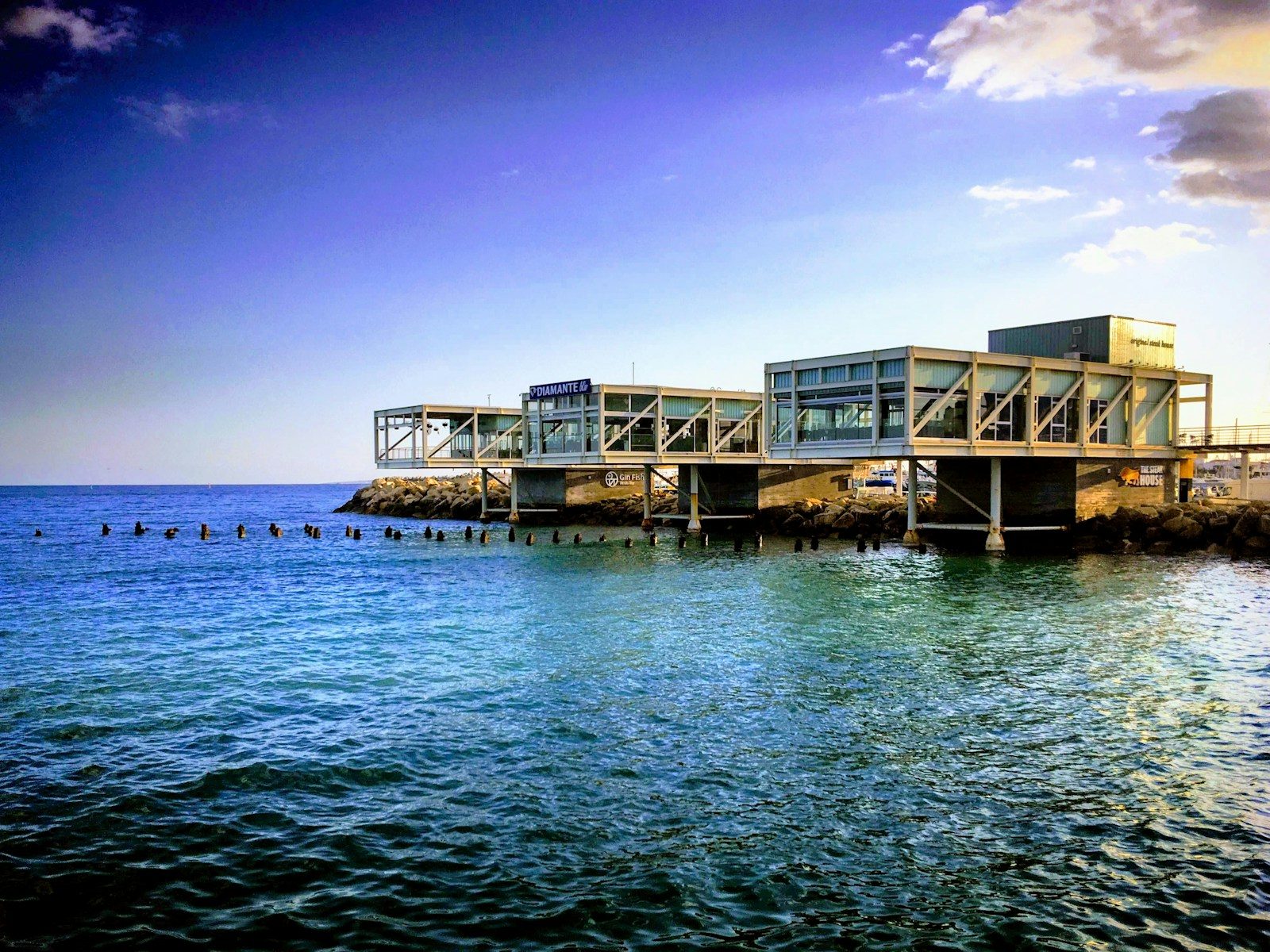
As sea levels rise and temperatures soar, humanity is looking for a new place to call home. Engineers are no longer just building houses; they are building climate-resistant colonies. These are self-sustaining communities designed to survive the worst the planet can throw at them. From floating cities in the Pacific to underground bunkers in the desert, the tech is finally here. We are entering an era where our buildings will adapt to the environment instead of fighting it.
The first of these colonies is already being tested in places like South Korea and the Maldives. They use modular designs that can be expanded as the population grows. These homes don’t just sit on the water; they are anchored to the sea floor with high-tech cables that allow them to rise and fall with the tide. This is the ultimate insurance policy for our coastal cities. But wait until you see how these colonies manage to grow their own food without any soil.
Floating Cities That Rise With The Tides
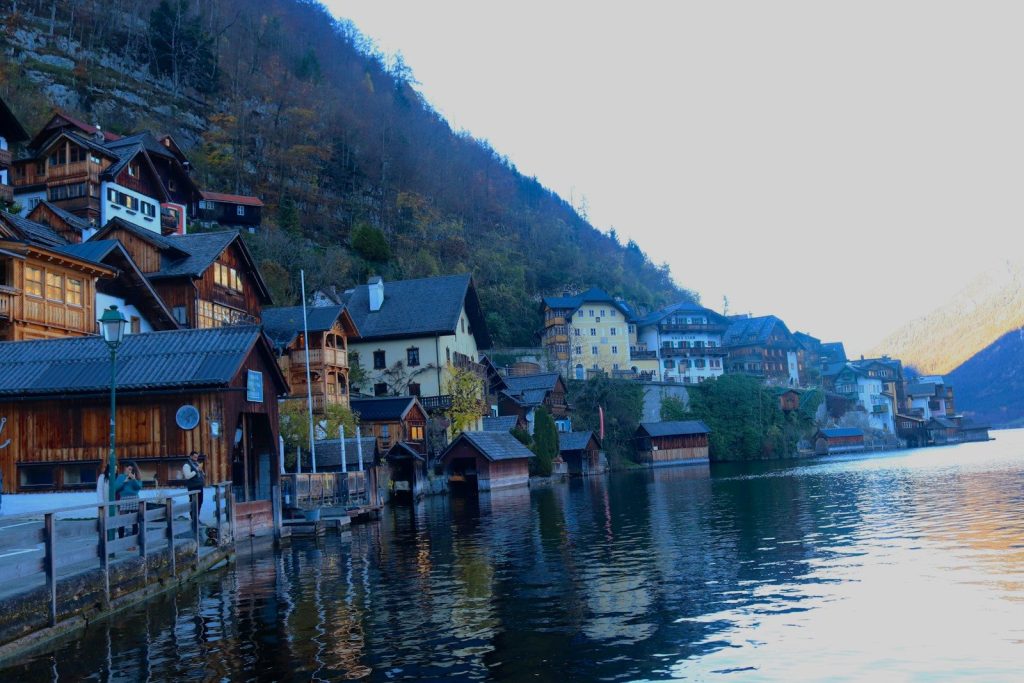
The most famous climate-resistant design is the floating city. These are made of massive hexagonal platforms that connect like LEGO pieces. If a storm is coming, the platforms can be moved or reinforced. They are built to withstand Category 5 hurricanes and even tsunamis. Because they float, they are completely immune to rising sea levels. This isn’t a cruise ship; it is a permanent, stable community. But keeping people safe is only half the battle. How do they stay cool in a warming world?
Underground Living To Escape Extreme Heat
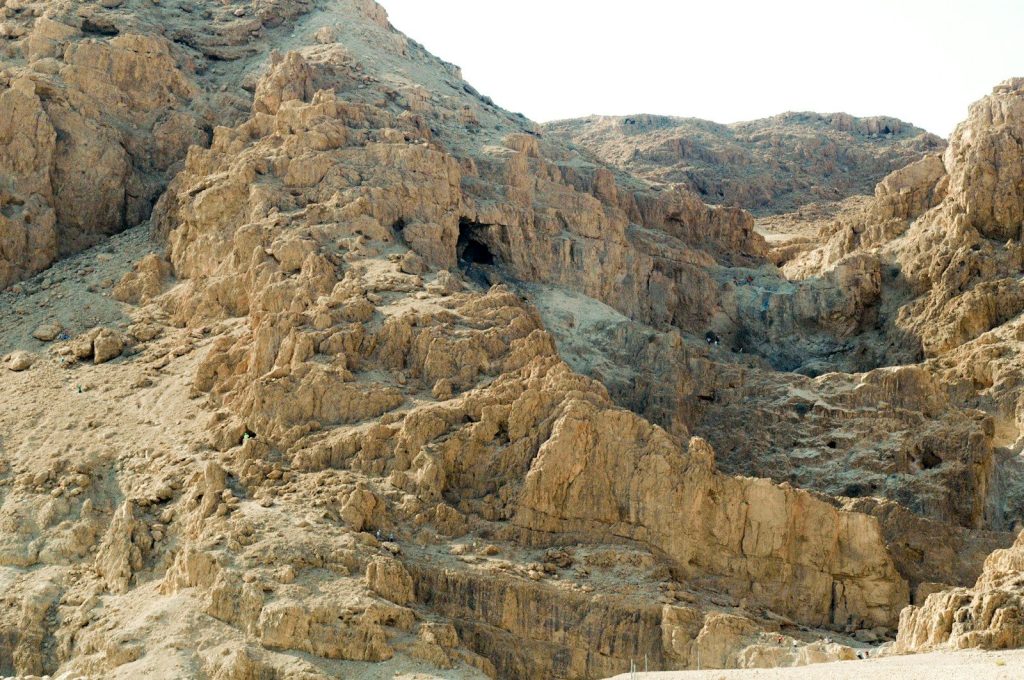
In areas where heat is the biggest threat, engineers are going underground. Earth-sheltered homes use the natural temperature of the soil to stay cool. Even if it is 120 degrees outside, it stays a comfortable 70 degrees inside without air conditioning. These “Earthships” are built using recycled materials and are designed to be completely off-grid. They collect their own water and generate their own power. But the real secret to their survival is hidden in the walls themselves.
Self-Healing Concrete That Fixes Its Own Cracks
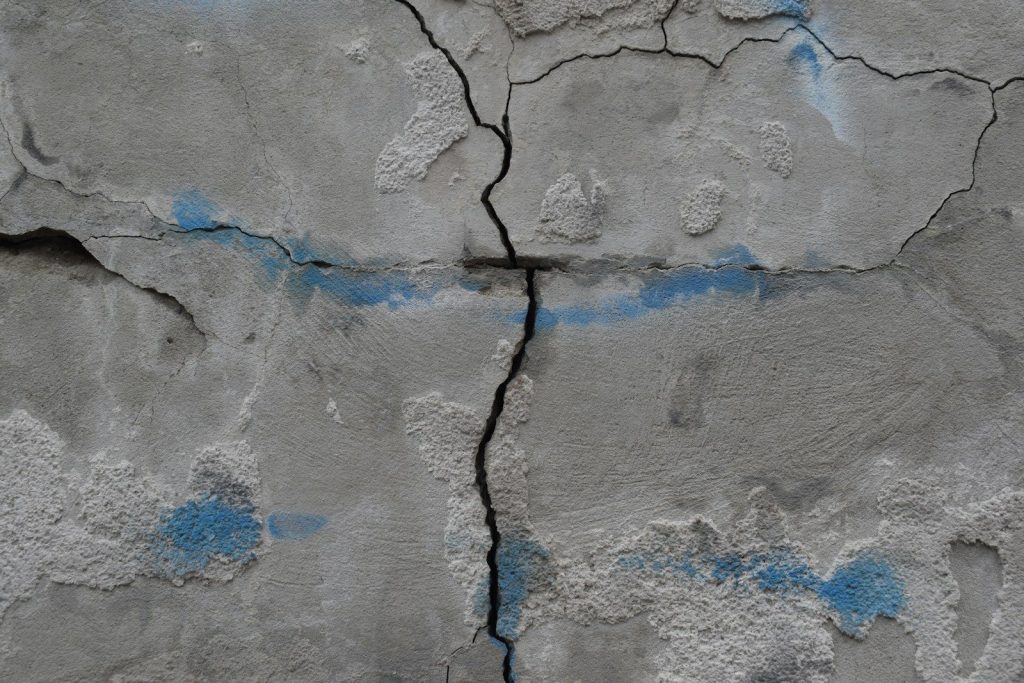
In a climate colony, maintenance is a major problem. That is why engineers developed self-healing concrete. This material contains special bacteria that stay dormant until a crack appears. When water enters the crack, the bacteria wake up and produce limestone to fill the gap. This means buildings can last for hundreds of years without needing repairs. It is a living material for a living city. But even the best buildings need food, and these colonies have a plan.
Vertical Farms Inside High-Tech Silos
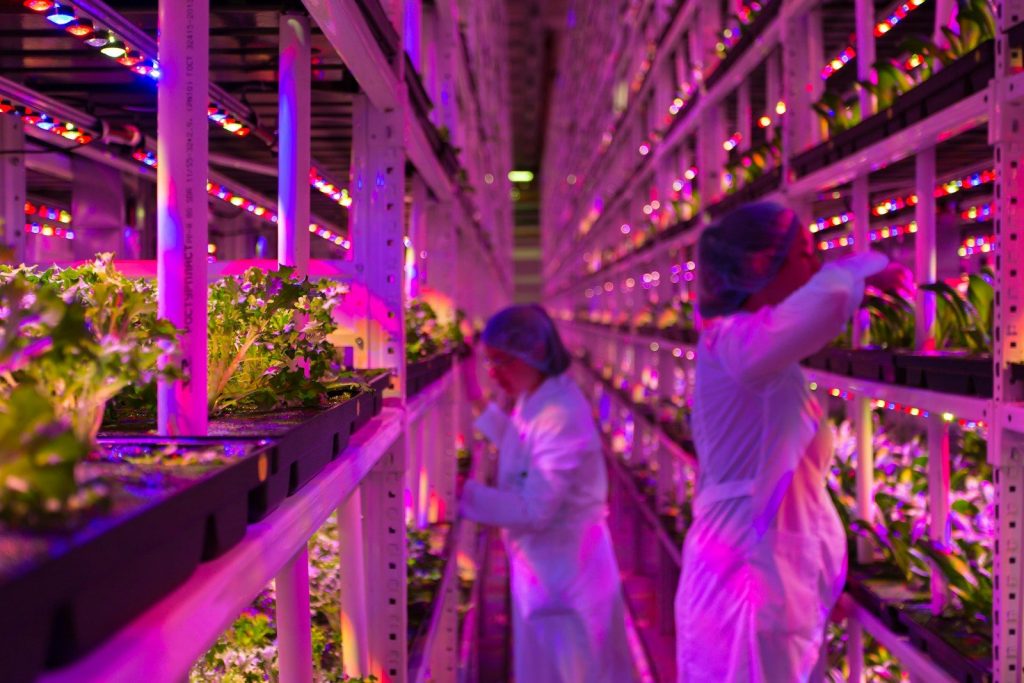
Climate-resistant colonies can’t rely on traditional farming. Instead, they use vertical farms built right into the colony. These farms use 95% less water than traditional agriculture and don’t need pesticides. Everything is grown in nutrient-rich water under LED lights. This ensures a steady food supply regardless of droughts or floods outside. It is the perfect system for a self-contained world. But what powers all these lights and sensors?
Microgrids Powered By The Sun And Sea
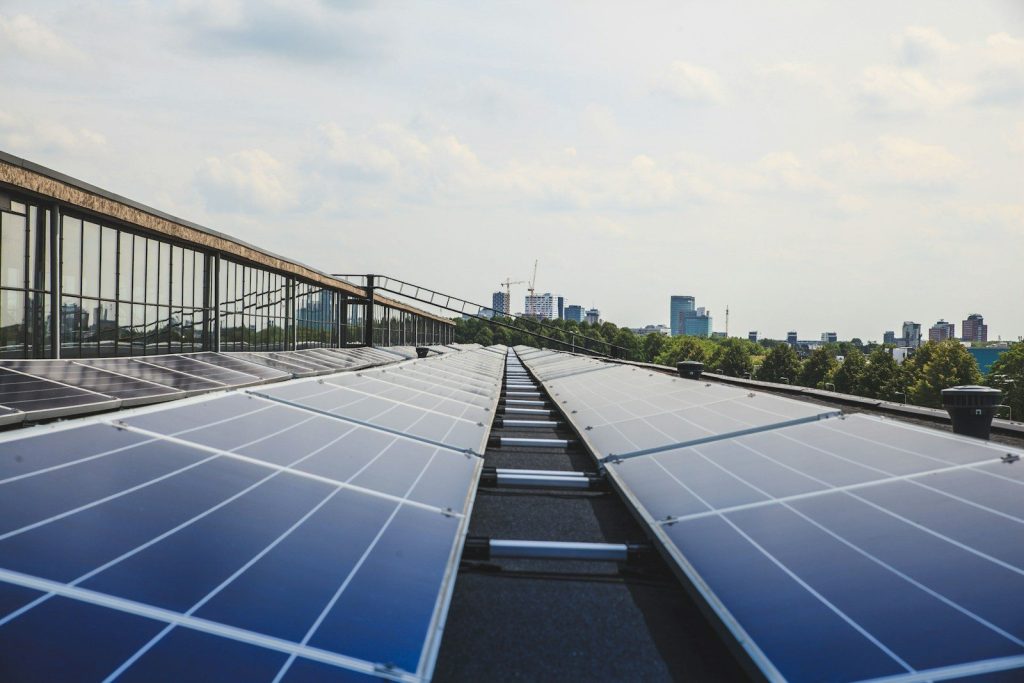
Every colony has its own “microgrid.” This is a small, local power system that isn’t connected to the main city. It uses solar panels, wind turbines, and even wave energy to stay running. If one part of the colony loses power, the rest keeps working perfectly. This makes the community incredibly resilient to cyberattacks or natural disasters. They are effectively energy islands. But wait, there is a way these colonies are actually cleaning the planet while they exist.
Buildings That Breathe Like Trees
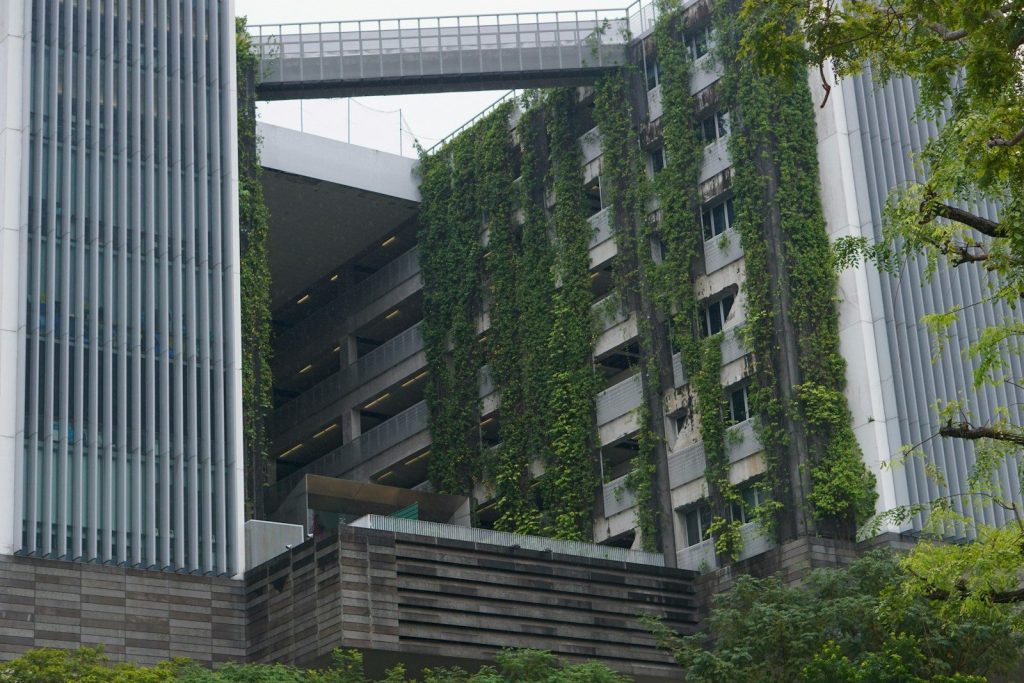
Some climate colonies are being built with “smog-eating” tiles. These surfaces react with sunlight to pull carbon dioxide and pollutants out of the air. A single colony could have the cleaning power of a small forest. This means the more we build, the cleaner the air becomes. It is an engineering solution that turns the problem of pollution into a building material. But are these colonies only for the rich, or can everyone afford them?
The Future Of Affordable Climate Housing
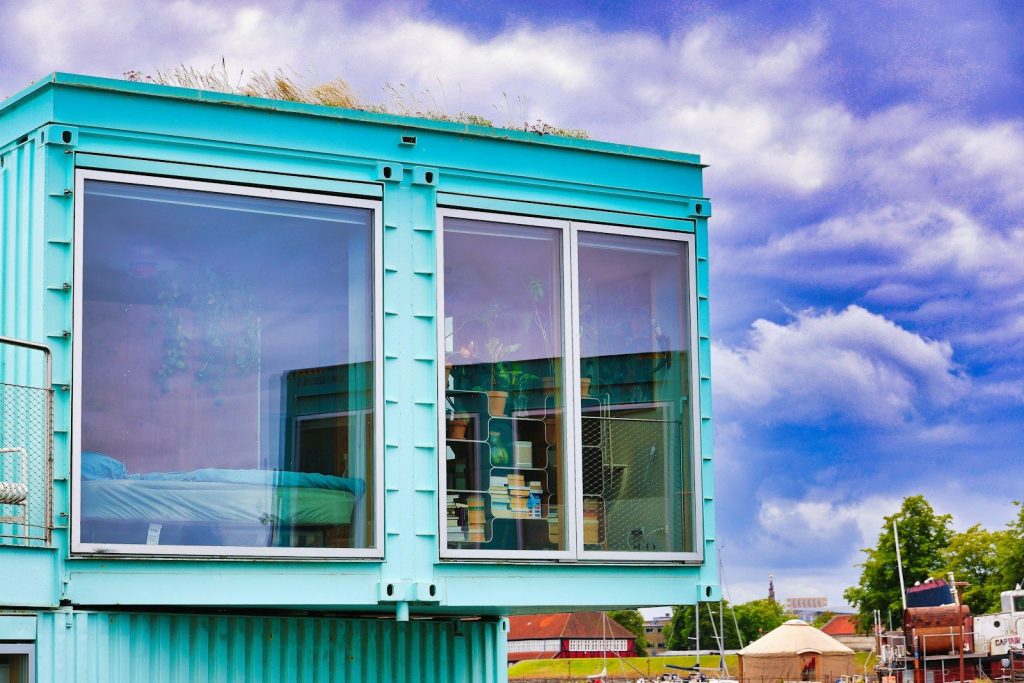
The goal for engineers now is to make these colonies cheap. By using 3D printing and recycled materials, the cost of a climate-resistant home is dropping fast. We might soon see entire neighborhoods pop up in just a few days. These structures are the only way we can protect billions of people from the changing world. The age of traditional housing is coming to an end. In fact, the way we build everything is about to change forever.
Featured Image: Photo by Sergei Gussev on Unsplash
Leave a Reply