
While most of us are still getting used to 5G, the next revolution is already here. Real-world tests for 6G have officially begun, and the speeds are mind-blowing. We are talking about speeds up to 100 times faster than 5G. You could download dozens of high-definition movies in a single second. But this speed comes with a hidden cost that tech giants aren’t talking about much yet. 6G is not just about faster internet; it is about “sensing” the physical world around us.
The technology uses extremely high-frequency waves that can detect movement with incredible precision. This means the network itself becomes a giant radar system. It can “see” where you are and what you are doing without a single camera. This is where the privacy concerns start to get very real.
Sensing Humans Through Walls Without Cameras
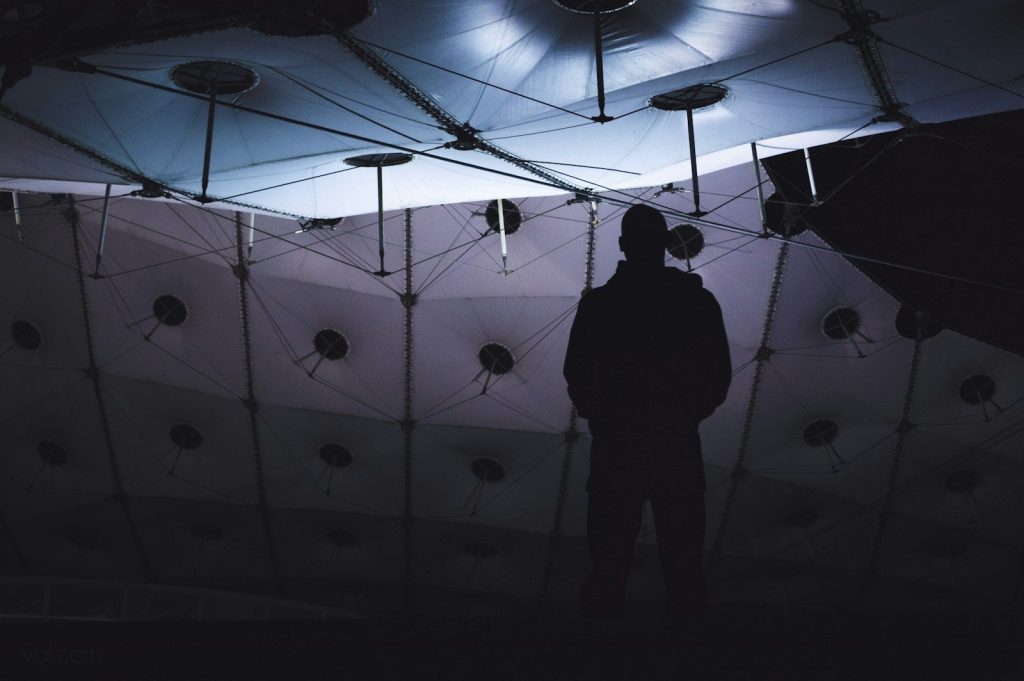
One of the most radical features of 6G is its ability to use radio waves to map environments. These waves can bounce off objects and people to create a digital image. Essentially, the network could track your posture and even your heart rate through walls. This has great potential for healthcare, like monitoring elderly people at home. However, it also means your movements could be tracked in total darkness without your knowledge. But wait, it gets even more invasive when you look at how 6G connects to your brain.
The Instant Connection Between Devices and Minds

6G aims to achieve “zero-latency” communication. This is fast enough to support direct brain-computer interfaces on a massive scale. You could potentially control your smart home just by thinking about it. While this sounds like a superpower, it opens a door for hackers to access more than just your emails. If the network is connected to your neural signals, how do you keep your thoughts private? The boundary between your mind and the internet is about to vanish.
Ubiquitous Tracking in the 6G Era

With 6G, every single object in your environment will likely be connected to the grid. From your shoes to your coffee cup, everything will broadcast data. This creates a “digital twin” of our physical world that updates in real-time. Advertisers would know exactly when you pick up a product or even how long you look at a billboard. It is a level of tracking that makes current cookies look like child’s play. But there is a way this tech could actually make us safer, if we trust it.
AI Will Manage the Entire Network
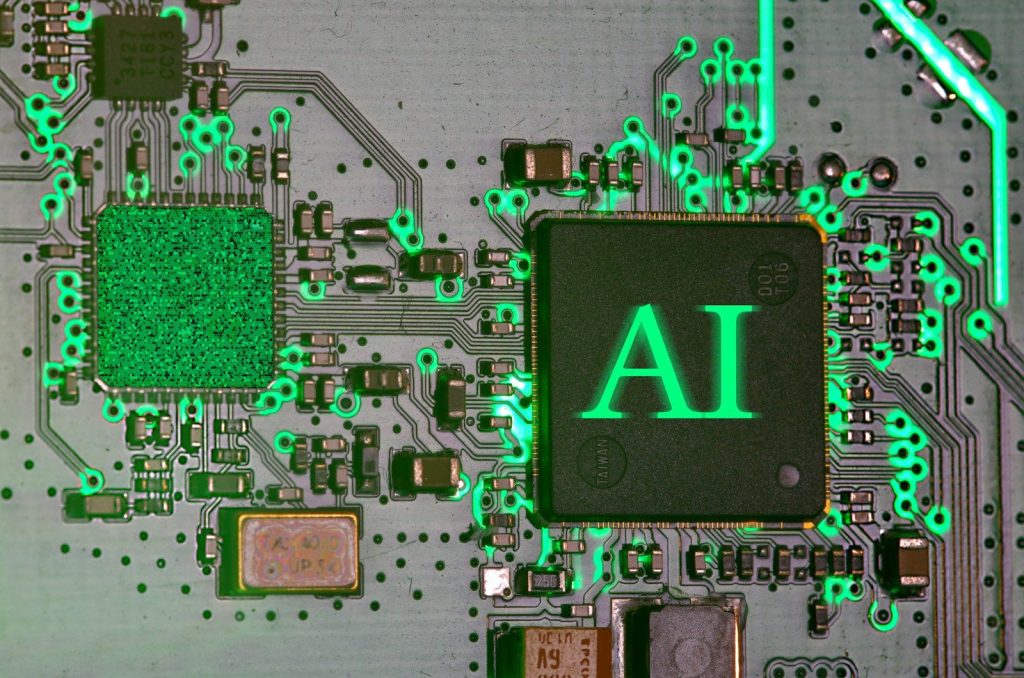
A network this fast and complex cannot be managed by humans. AI will be the “brain” behind 6G, making millions of decisions every microsecond. It will optimize signals and predict where you are going before you even move. This AI will know your habits better than you do. The question is, who owns that AI and the data it collects? The power dynamic between citizens and tech companies is shifting dramatically.
Battery-Free Devices Powered by the Air
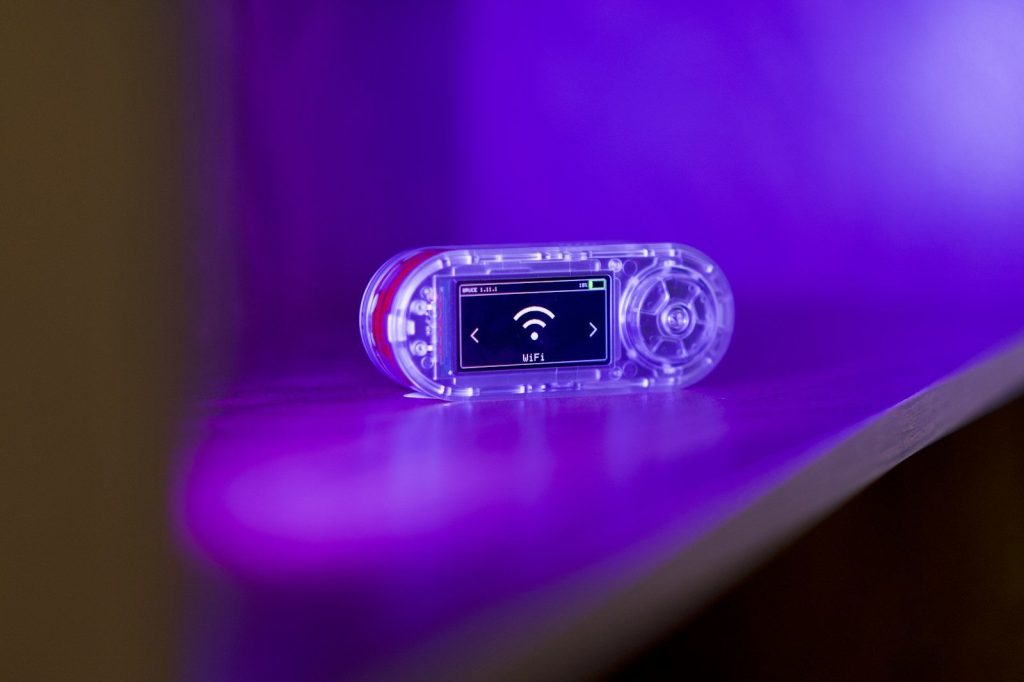
6G signals are so powerful that they can actually transmit energy. We might see a world where small sensors and devices never need to be charged. They will simply “harvest” power from the 6G waves around them. This is great for the environment, but it also means these trackers can stay active forever. You can’t just “unplug” a device that doesn’t have a plug. Does this mean we are entering an era where we can never truly be offline?
New Security Protocols for a Faster World

Standard encryption won’t work in a 6G world because quantum computers could break it easily. Engineers are currently racing to build “quantum-resistant” security for 6G. They want to ensure that even though the network sees everything, only you have the key. However, history shows that every new technology has its flaws. Are we building a secure future, or a playground for high-tech hackers?
The Timeline for 6G Integration
While 5G is still growing, the first 6G networks are expected to launch around 2030. Japan and South Korea are already leading the way with massive government backing. We will start seeing the first compatible devices in just a few years. It will change how we live, work, and perceive reality itself. But if you think 6G is high-tech, wait until you hear about the chips people are putting in their brains without surgery.
Featured Image: Photo by Andrea De Santis on Unsplash
Leave a Reply