
For years, the idea of a brain-computer interface meant scary skull surgery and wires. Elon Musk’s Neuralink is famous, but many people are terrified of the drill. Enter a new wave of “non-invasive” brain chips. These devices don’t require a single incision or a trip to the operating room. Instead, they sit on your skin or inside your ear like a high-tech accessory. They are capable of reading your neural signals through the bone and skin.
This is a game-changer for accessibility and consumer tech. Imagine playing a video game or typing a text message just by thinking about it. The technology is moving out of the lab and into the real world faster than expected. But how do these devices actually read your mind without touching your brain?
Using Infrared Light to Read Your Thoughts

One leading method uses functional Near-Infrared Spectroscopy (fNIRS). This sounds complicated, but it simply uses light to track blood flow in the brain. When you think, specific parts of your brain use more oxygen. The sensors detect these tiny changes and translate them into digital commands. It is like having a heart rate monitor for your thoughts. The accuracy is improving every day, making it possible to distinguish between complex intentions. But wait, there is another way that uses your ears instead.
Earbuds That Know What You Are Thinking
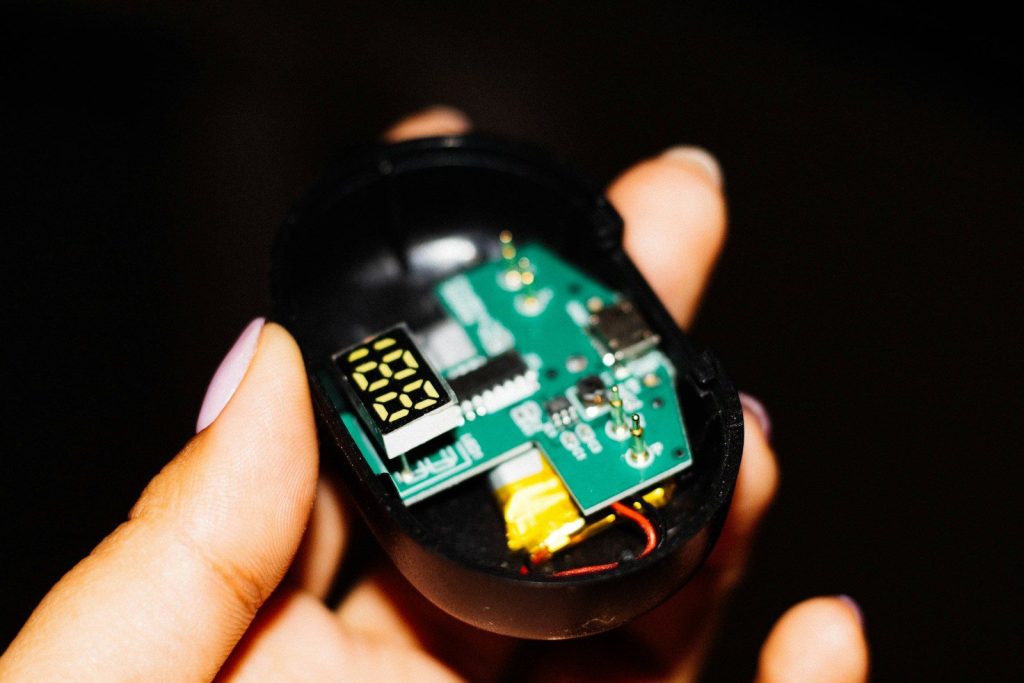
The ear canal is a perfect gateway to the brain’s electrical signals. New “hearable” tech uses electrodes inside the ear to pick up EEG signals. These look just like regular earbuds, so nobody knows you are wearing a brain interface. They can track your focus, stress levels, and even your sleep quality with incredible detail. It is the ultimate invisible upgrade for your body. But can these devices actually write data back into your brain?
Sending Information Back to the Mind

Non-invasive tech isn’t just about reading; it’s about writing. Some devices use magnetic pulses or ultrasound to stimulate specific brain regions. This can help treat depression or even help people learn new skills faster. It’s called “neuro-priming.” By stimulating the motor cortex, you could potentially master a new sport or instrument in half the time. However, this raises some serious questions about who is actually in control of your actions.
A New Era for People with Disabilities

The biggest winners in this tech race are those with limited mobility. People with paralysis are already using non-invasive caps to control robotic arms. They can feed themselves or move their wheelchairs using only their thoughts. Unlike surgical chips, these can be taken off at night and don’t carry the risk of infection. It is restoring independence to thousands of people. But as the tech gets smaller, it might become a standard tool for everyone.
The Death of the Keyboard and Mouse

In a few years, typing might feel as old-fashioned as using a quill and ink. If you can think your emails, you won’t need a desk or a physical interface. This will revolutionize the workplace and how we interact with the digital world. Virtual reality will become completely immersive because you can move your avatar by simply willing it to move. The physical world and the digital world are merging. But what happens if someone hacks your “headband”?
Brainjacking and the Future of Cybersecurity

If a device can read your neural patterns, it can potentially see your passwords or private memories. “Brainjacking” is a new term that keeps security experts awake at night. Without strict regulations, our most private thoughts could become data points for sale. Companies are already working on “neural firewalls” to protect users. We need to decide where the line is before we all plug in.
Are You Ready to Wear Your Mind?

The jump from smartphones to brain-wearables is the biggest leap in human history. We are effectively becoming a connected species. The first consumer versions are already hitting the market for focus and sleep. Within the decade, they will be as common as smartwatches. It is a brave new world for our gray matter. If you think your brain is under threat, wait until you hear about the “Super-Candida” fungus that tech is fighting.
Featured Image: Photo by Prashant Gupta on Unsplash
Leave a Reply