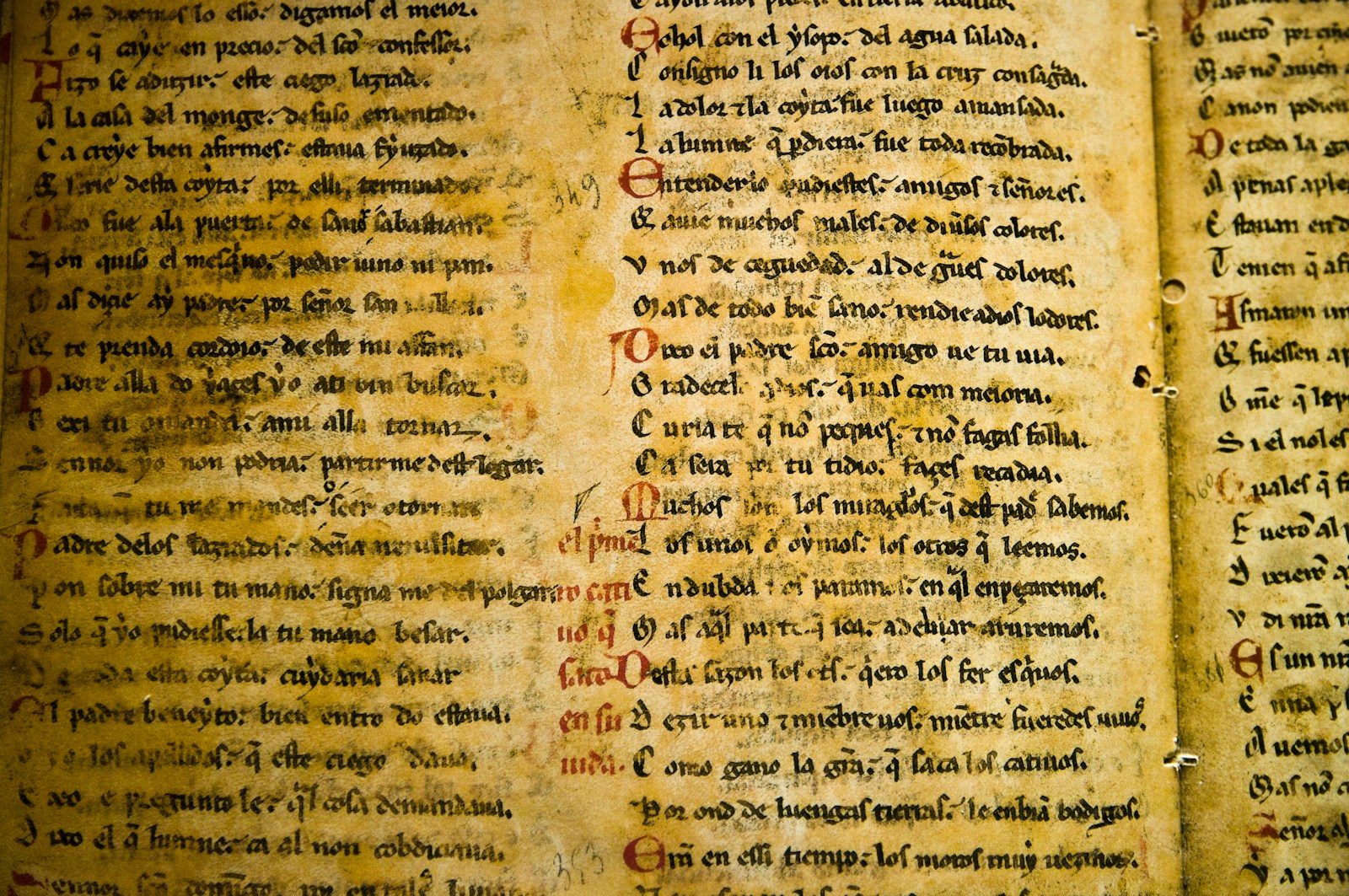
For over 600 years, the Voynich Manuscript has mocked the world’s greatest codebreakers. No one knows who wrote it, what the language is, or why the illustrations feature plants that don’t exist on Earth. It has been called a hoax, an alien diary, and a lost medical text. But now, the game has changed. A team of scientists used advanced Artificial Intelligence to scan the pages with more precision than any human eye. This AI doesn’t just read the ink; it analyzes the patterns of the letters and the way the ink hits the page.
The results are finally coming in, and they are shaking the foundations of history. Some researchers believe the AI has identified a specific linguistic root that was hidden for centuries. This isn’t just about a dusty book; it is about uncovering a lost civilization or a secret knowledge that was meant to stay hidden. The AI is starting to piece together the first coherent sentences. But what exactly did the machine find when it looked at the bizarre “nude bathers” illustrated in the margins?
The Language That Never Existed
Codebreakers during World War II tried to crack this book and failed miserably. The AI analysis suggests that the language might be a “synthetic” dialect. This means it wasn’t spoken by a group of people but was carefully constructed by a single mind. The patterns match the flow of natural languages like Hebrew or Latin, but the vocabulary is entirely unique. This discovery rules out the theory that the book is just gibberish meant to trick collectors. If it is a real language, it means someone took a massive secret to their grave. But wait, the AI found something even stranger about the ink itself.
Inks From A Place We Cannot Find
When the AI analyzed the chemical signatures of the ink, it found something impossible. The minerals used to create the colors should have come from specific regions in Europe. However, the ratios are slightly off. It is as if the ingredients were sourced from places that didn’t exist in the 15th century. This suggests the author was either a master of alchemy or had access to trade routes we haven’t mapped yet. Every new data point makes the mystery deeper rather than clearer. But how does this connect to the bizarre drawings of plants that don’t exist?
Botanical Horrors Or Lost Species?
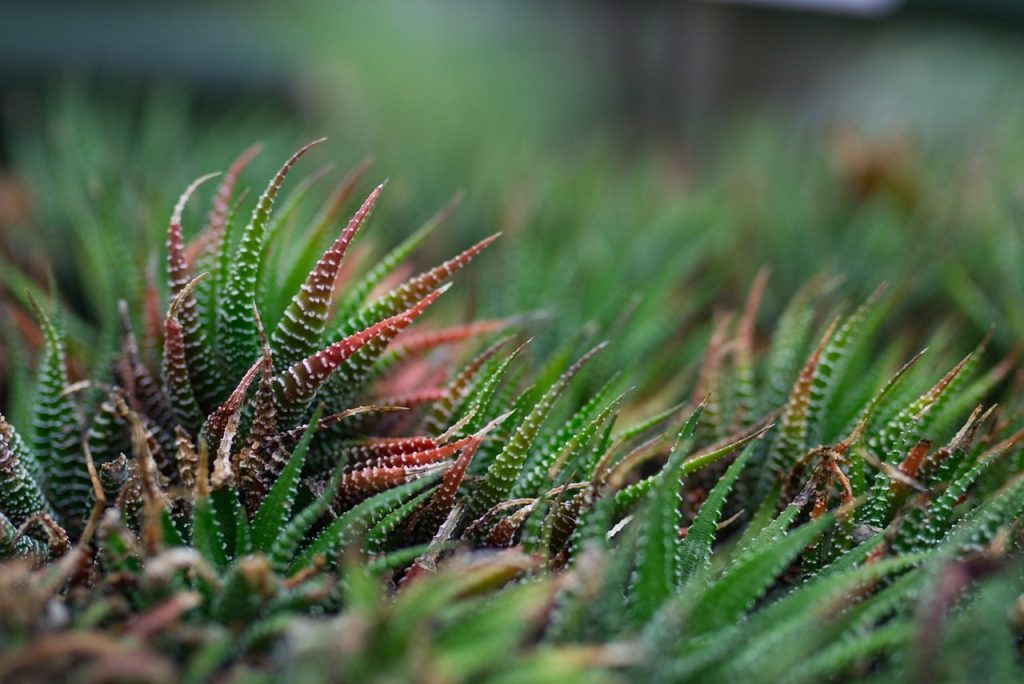
The manuscript is famous for its drawings of “fantasy” plants. For centuries, botanists assumed the artist was just making things up. But the AI has begun comparing these sketches to extinct species and rare fungi from around the globe. The match rate is surprisingly high for certain deep-forest plants that were only discovered by modern science recently. Was the author a time traveler or a world explorer who saw things no one else did? The machine is now looking for a geographic “home” for these species. But the most shocking find was hidden in the circular maps.
Maps To The Stars Or To A Secret Location?
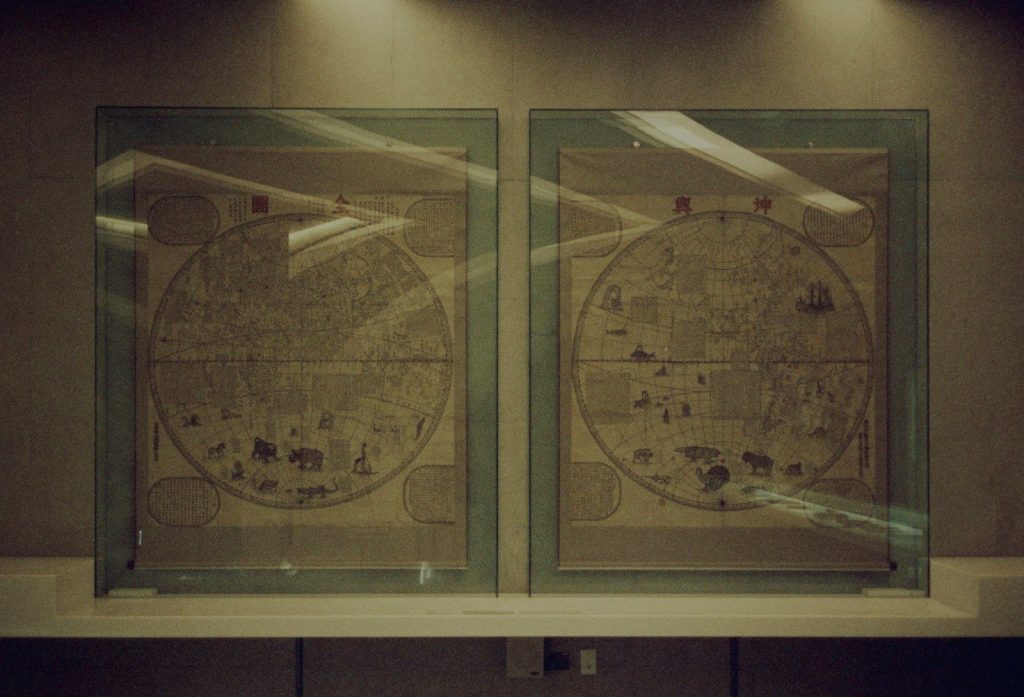
One section of the book contains fold-out maps of what looks like the night sky. The AI has mapped these against the positions of the stars as they appeared in the year 1420. The alignment is nearly perfect for a specific location in Northern Italy. However, there are “extra” stars in the drawings that shouldn’t be there. Some scientists wonder if these are actually markers for something hidden on the ground. Could this be a treasure map written in a dead language? The AI is currently decoding the captions around these maps.
The Author Is Finally Being Unmasked
For a long time, people thought the famous alchemist Roger Bacon wrote it. Others blamed a con artist. But the AI-s “handwriting finger-printing” technology has found a potential match with a little-known physician from the 1400s. This man was known for his “heretical” views on medicine and nature. If he wrote it, the book might be a secret medical journal containing cures that were banned by the church. We are closer than ever to knowing the name of the man who baffled the world for six centuries. But what happens if we actually finish the translation?
A Warning From The Past
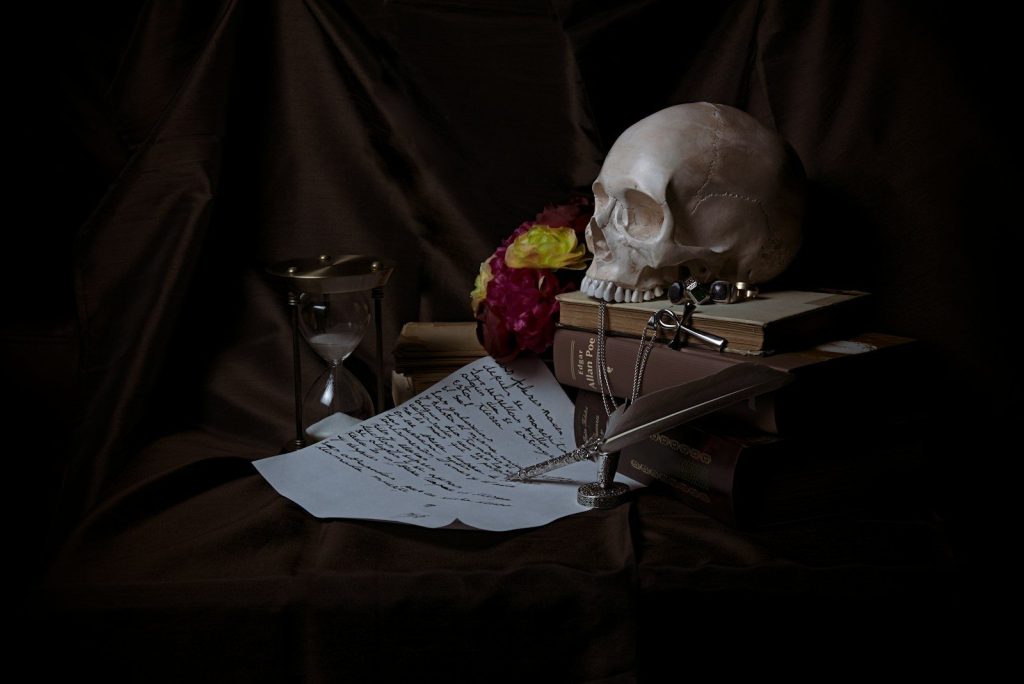
Preliminary AI translations suggest the tone of the book is urgent. It doesn’t read like a story; it reads like a manual. Some phrases that have been “unlocked” talk about a great “changing of the air” and “the death of the soil.” It sounds like the author was documenting a catastrophe that he expected to happen again. Is the Voynich Manuscript actually a survival guide for the future? As the machine processes the final chapters, the messages are getting darker.
The Final Pages Are Being Decoded Right Now

The wait is almost over. The research team expects to release a full AI-driven translation within the year. Already, the world of history and science is bracing for the impact. This could change everything we know about the Middle Ages and the limits of human knowledge. Will it be a recipe for eternal life or a warning of a coming doom? While we wait for the final words of the manuscript, another mystery is waiting for us—right under our feet.
Featured Image: Photo by Mark Rasmuson on Unsplash
Leave a Reply