Historians usually assume that human scholars have thoroughly analyzed every single letter written on the Dead Sea Scrolls. We believe our current translations of these ancient papers are completely flawless.
But advanced machine learning software is revealing hidden handwriting that eyes could never see. Computerized scans are shaking our entire understanding of how these sacred texts were produced.
Scribes Cooperated On Sacred Words
Scholars historically believed that single elite scribes wrote individual biblical scrolls in absolute isolation. But computer vision models analyzing ink curves reveal a much more collaborative process at play. Teams worked together. According to artificial intelligence studies from the University of Groningen, neural networks identified two distinct writing styles on a single parchment sheet. This technical analysis proves that multiple ancient writers shared writing duties on the same sacred scroll. Their collaborative efforts would stay hidden until a modern camera looked closer.
Hidden Text Revealed In Infrared
Many fragments of the ancient scrolls are severely blackened by centuries of decay and dirt. Scholars could not read the dark leather pieces using standard natural light. Technology saved history. According to imaging reports from the Israel Antiquities Authority, advanced multispectral scanning has revealed hidden Hebrew letters beneath layers of coal. These newly recovered words offer surprising insights into early religious beliefs. But reading individual letters was only the first step in solving the puzzle.
Handwriting Matches Reveal Scribe Identity
Machine learning algorithms can analyze microscopic tremors in ink lines to construct unique handwriting profiles for each scribe. Computers can then scan hundreds of scroll fragments to look for matching writers. The patterns are clear. According to paleography research from Tel Aviv University, AI has matched fragments found in different caves to the same nameless scribe. This indicates a highly organized network of ancient writers. The systematic way they archived these scrolls reveals a highly structured preservation plan.
Caves Guarded Secret Library Collection
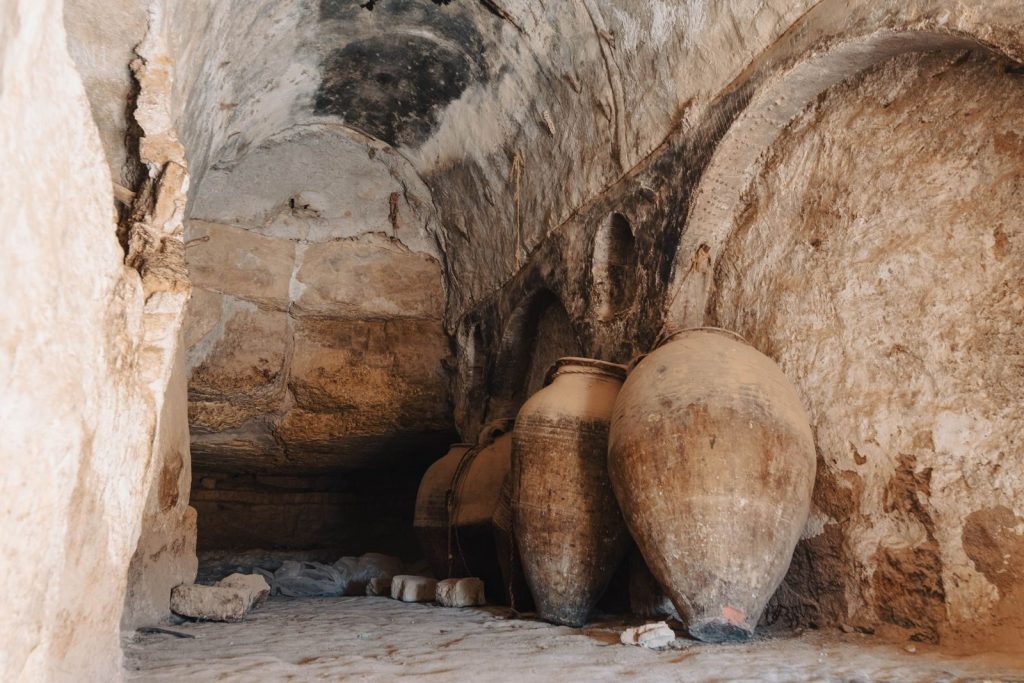
The physical distribution of the scrolls across eleven different desert caves suggests they were not hidden in a panic. Instead, the caves served as a highly structured library archive for a sectarian community. Order was crucial. According to archaeological surveys from the Hebrew University of Jerusalem, specialized clay jars kept the parchment scrolls safe from desert pests. This planned storage system allowed the delicate sheets to survive for millennia. Yet the actual content of these texts is what truly shocked modern historians.
Sectarian Texts Diverge From Canon
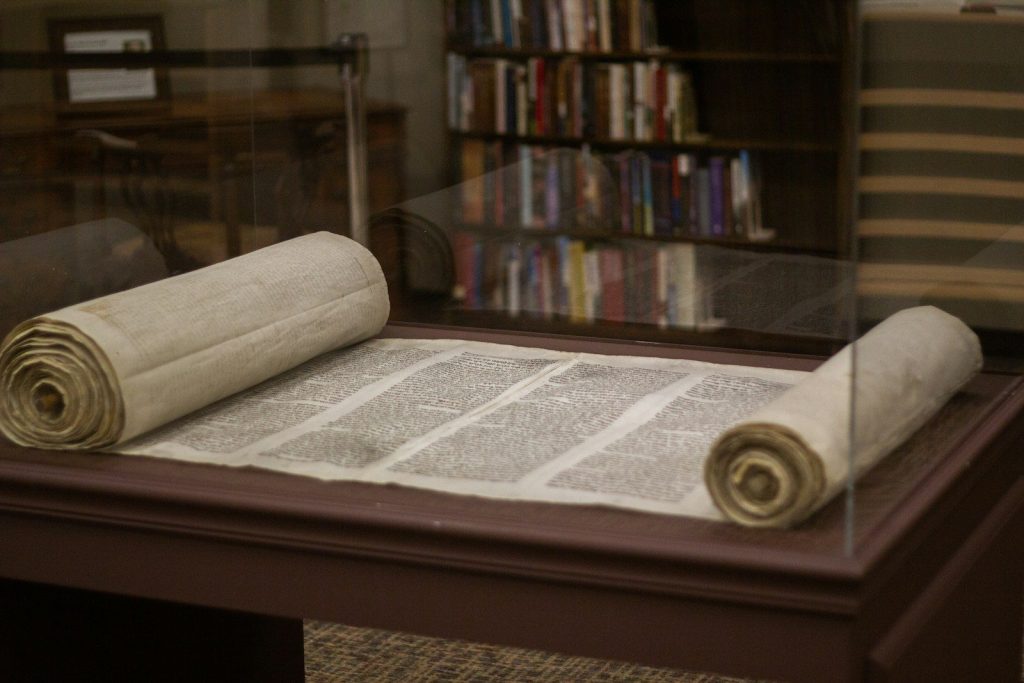
Several newly translated scroll fragments contain unique stories and alternative commandments that do not appear in modern bibles. Worshippers possessed a much more diverse set of writings than previously assumed. Beliefs were fluid. According to biblical studies from the University of Chicago, these sectarian papers reflect a highly complex theological transition period. This spiritual evolution was happening right before the rise of modern religions. Rebuilding the remaining shredded fragments would require an entirely new digital approach.
Digital Scanning Rebuilds Shredded Scrolls

Centuries of rot turned many scrolls into thousands of tiny brittle puzzle pieces. Scholars struggled to physically align the fragile leather shards without destroying them completely. Software solves puzzles. According to computational archives from the Dead Sea Scrolls Digital Project, AI algorithms can instantly match pieces based on shape and text flow. This automated reconstruction effort is slowly rebuilding entire lost chapters of history. The resulting historical breakthroughs will permanently change how we view ancient scribes.
Rewriting Ancient Historical Records
Combining machine learning with classical archaeology is completely transforming our relationship with the ancient past. Every digital scan brings us closer to understanding the human minds that carved these words into leather. Secrets are rising. According to heritage directors, AI will continue to unlock lost manuscripts buried inside global archives. This article is for informational purposes only and does not constitute professional historical advice.
Featured Image: Photo by tommao wang on Unsplash
Leave a Reply