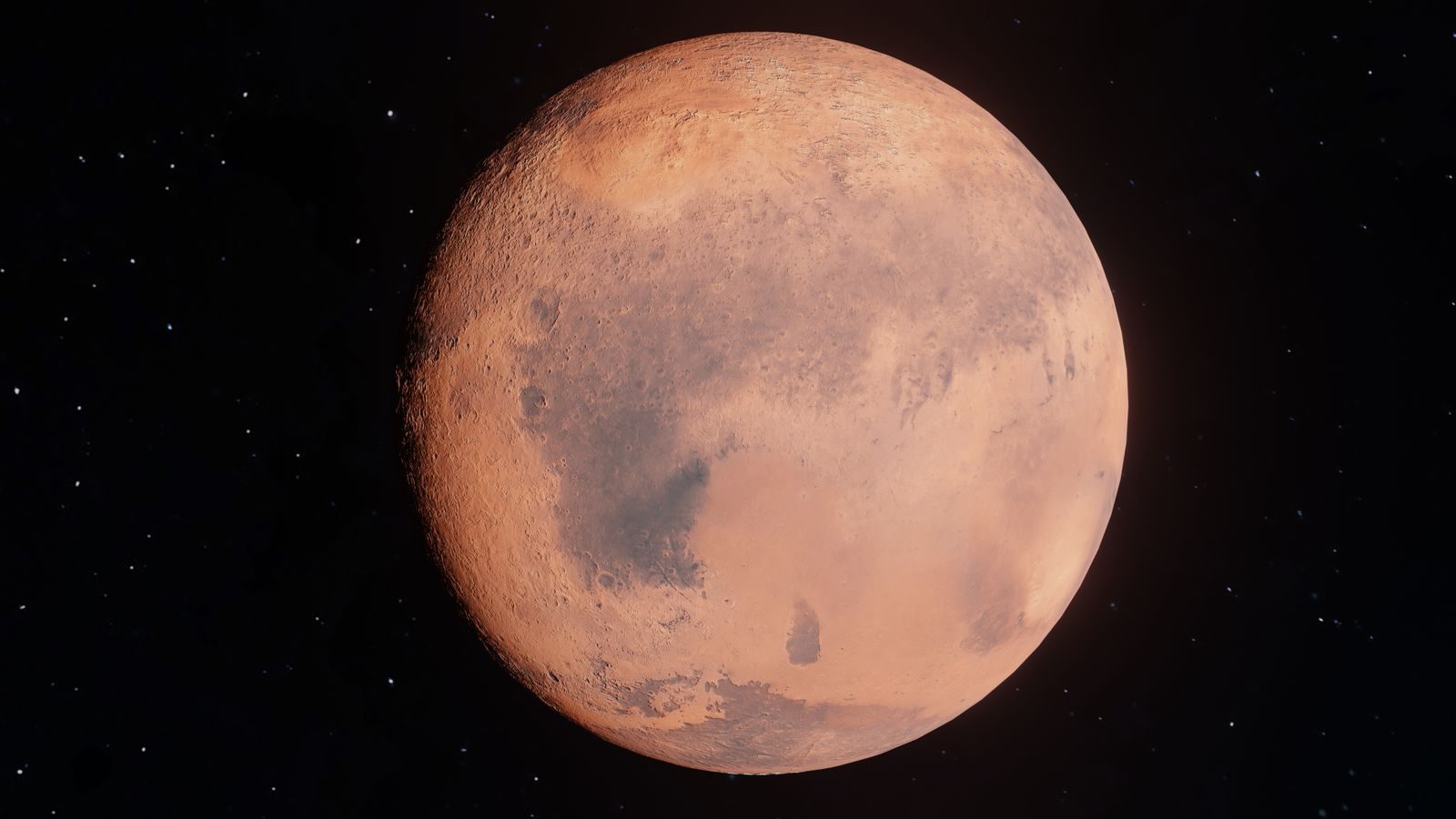
Space fans usually assume that reaching Mars is a distant dream reserved for the late twenty-first century. We expect government agencies to move slowly through decades of cautious testing.
But a rapid private aerospace effort is pushing orbital technology forward at a breakneck pace. Bold engineering trials are quietly setting the stage for a historic planetary voyage.
Stainless Steel Rockets Rise High
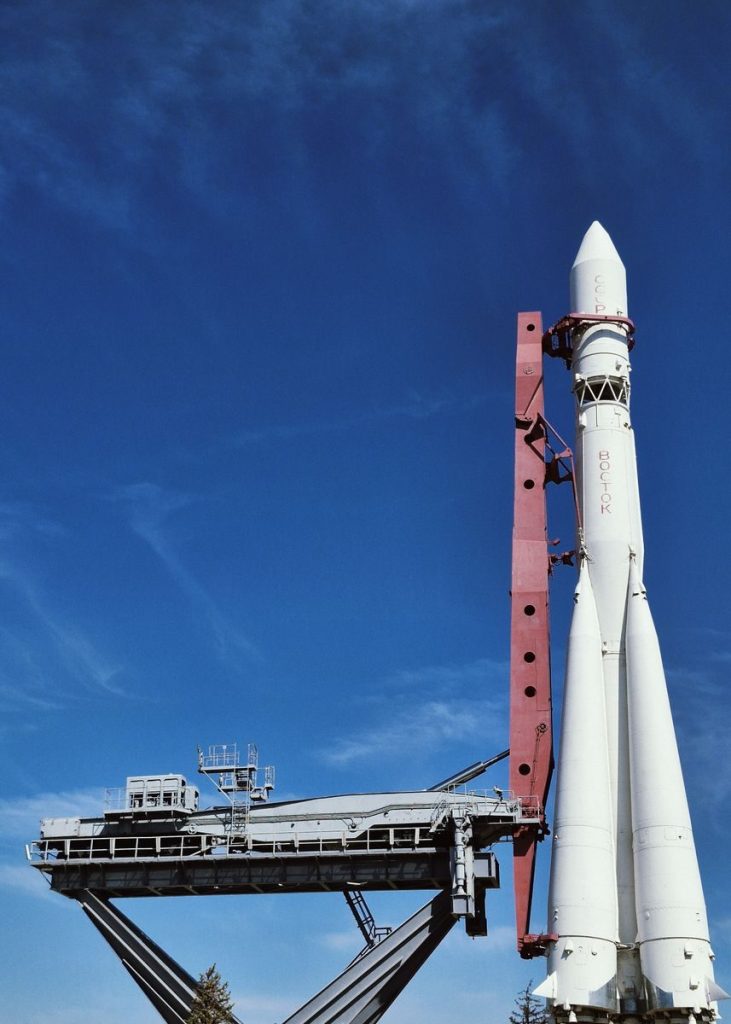
Standard aerospace companies built rockets using lightweight carbon fiber or expensive specialized titanium alloys for decades. But engineers in Texas chose to build the largest rocket ever made out of simple stainless steel. It is remarkably cheap. According to structural analyses from the American Institute of Aeronautics, steel performs exceptionally well under extreme temperature variations during atmospheric re-entry. This unorthodox design decision slashed manufacturing costs overnight. But keeping these massive rockets running required a completely new approach to launching.
Rapid Reusability Cuts Launch Costs
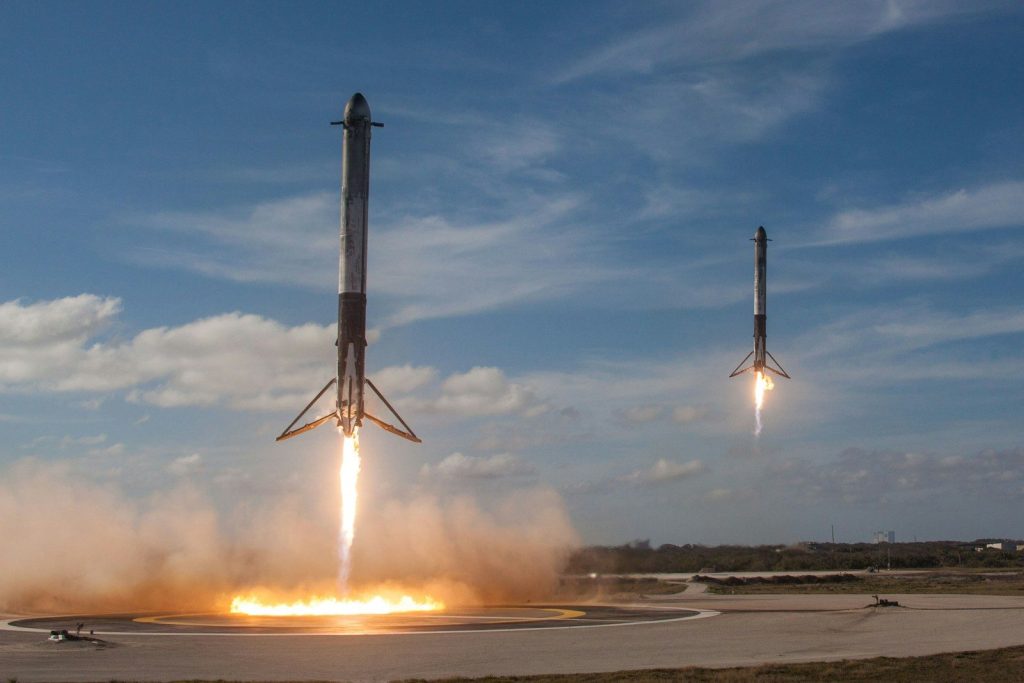
Discarding multi-million dollar booster rockets after a single flight made space travel far too expensive for colonization efforts. Capturing giant rocket boosters with mechanical launch tower arms solves this financial hurdle. Tech is advancing. According to launch cost database reports from SpaceX, full rocket reusability will reduce launch expenses by over ninety-five percent. This economic breakthrough makes massive orbital transport missions actually feasible for the first time. But getting these heavy ships to Mars requires a clever refueling trick in space.
Refueling Stations Circle Earth Orbit
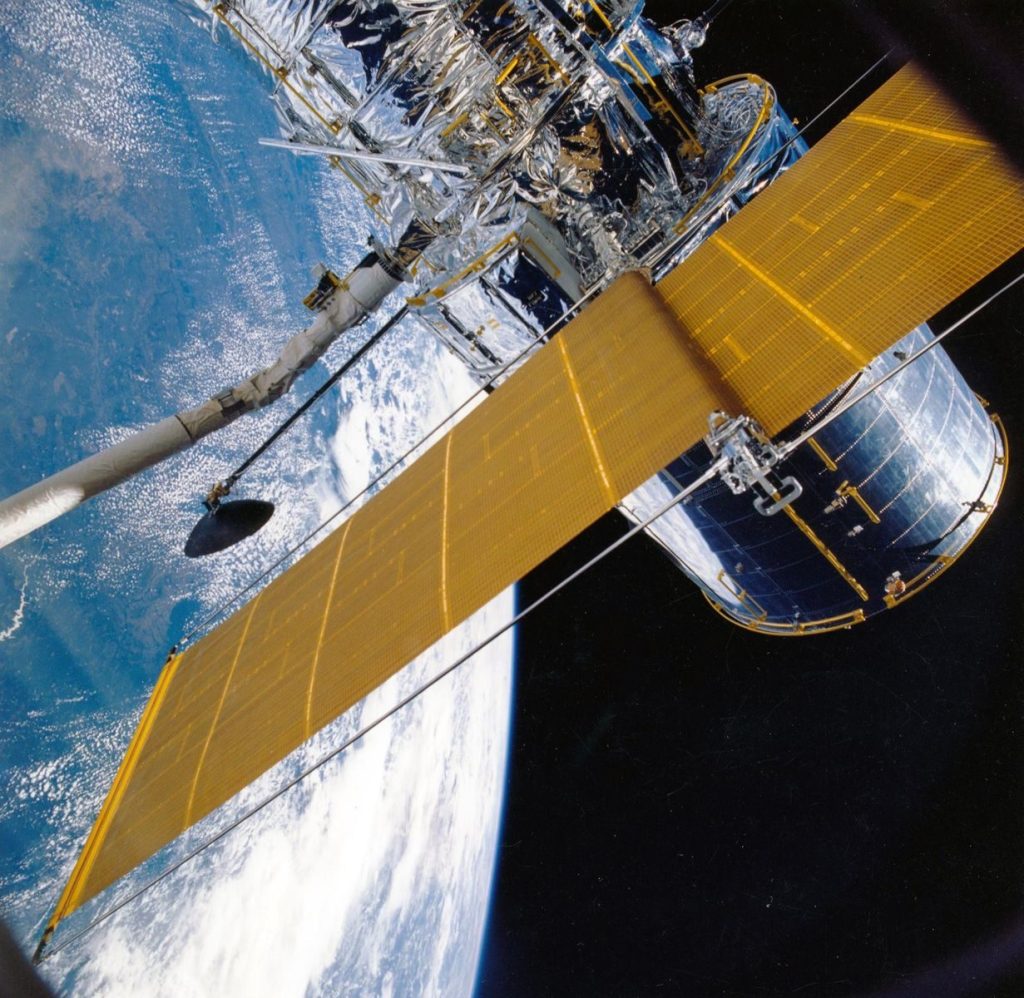
Reaching Mars requires carrying immense amounts of rocket fuel that cannot be launched on a single rocket alone. Starship tankers must launch in rapid succession to deposit methane directly into orbital storage depots. Space gas stations. According to orbital mechanics studies from NASA, refueling in low Earth orbit allows deep space ships to depart with full tanks. This strategic refueling method unlocks payload capacities that traditional rockets cannot match. Yet landing on the red planet is only the beginning of the survival challenge.
Methane Fuel Sourced on Mars
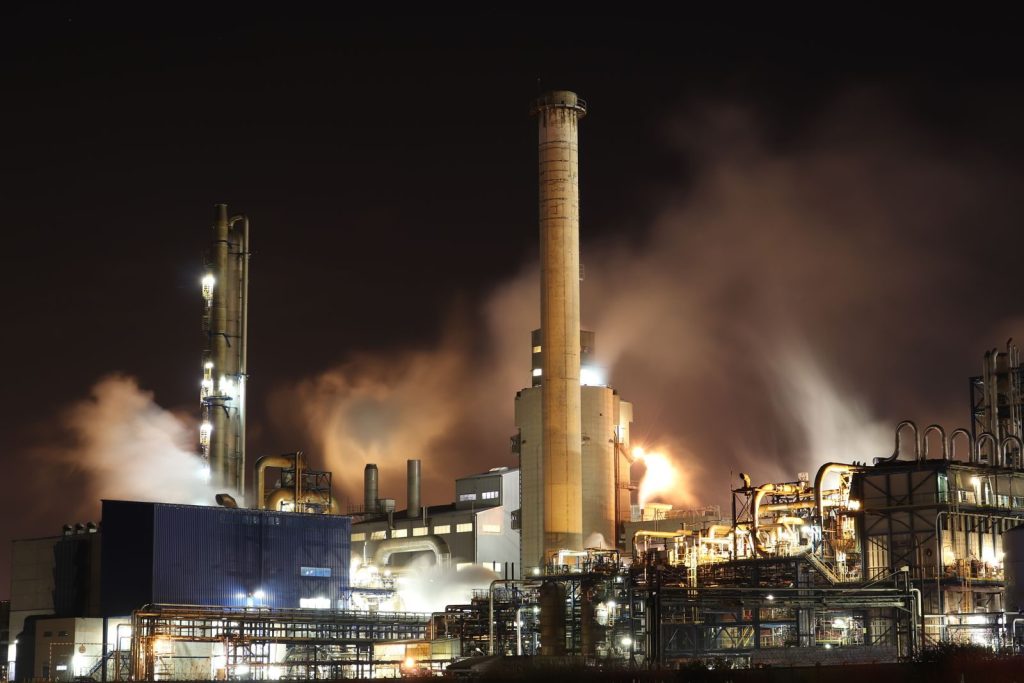
Astronauts must manufacture their own return rocket fuel directly on the Martian surface using local natural resources. The Sabatier reactor combines carbon dioxide from the thin atmosphere with hydrogen extracted from frozen underground ice. Chemistry saves lives. According to chemical engineering papers from the University of Colorado, this processing loop produces liquid methane and pure oxygen. This Martian fuel production system eliminates the need to haul heavy return propellants from Earth. But space travelers will face a much deadlier threat long before they land.
Severe Cosmic Radiation Threatens Crew

Deep space travel exposes astronauts to high-energy solar protons and galactic cosmic rays outside Earth’s protective magnetic field. Safe transit requires heavy shielding inside spaceship crew cabins. Space is dangerous. According to radiation medical studies from Johns Hopkins University, long-term exposure increases cancer risks and damages delicate brain cells. Designing effective water-walled storm shelters will be critical for keeping travelers healthy during the six-month journey. Once they arrive, they must also survive brutal weather patterns.
Martian Dust Storms Block Sunlight

Vast clouds of fine red dust regularly encircle the entire red planet for several consecutive months. This atmospheric dust blocks vital solar energy and damages delicate mechanical seals on robotic equipment. Safety is paramount. According to atmospheric simulations from the Jet Propulsion Laboratory, massive dust storms can completely disable solar power grids. Future colonists must rely on nuclear fission power plants to maintain life support during global storms. This energy source is crucial for keeping their indoor farms running.
Enclosed Biospheres Support Human Life
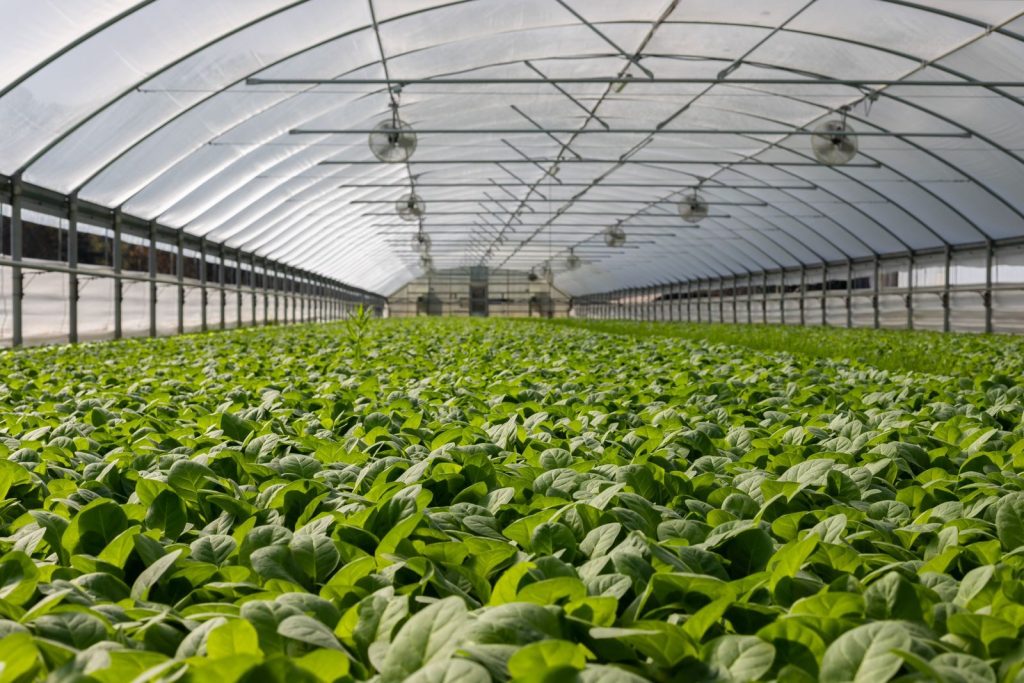
Surviving on a cold world with an unbreathable atmosphere requires constructing massive pressurized greenhouse domes. Agricultural loops must recycle every drop of water and scrap of human waste with absolute efficiency. Failure is not an option. According to biological life support reports from the University of Arizona, closed-loop systems can successfully grow enough food to sustain isolated communities. The first permanent outposts will face immense ecological challenges. Resolving these daily struggles is the only way humanity will become a true spacefaring species.
Uniting Humanity Across Stars

Becoming a multi-planetary species ensures the long-term survival of human consciousness against global extinction events. Every technical trial brings us closer to setting foot on a brand new world. The journey continues. According to space exploration advocates, establishing a Martian city will inspire generations to come. This article is for informational purposes only and
does not constitute professional aerospace advice.
Featured Image: Photo by Zelch Csaba on Pexels
Leave a Reply