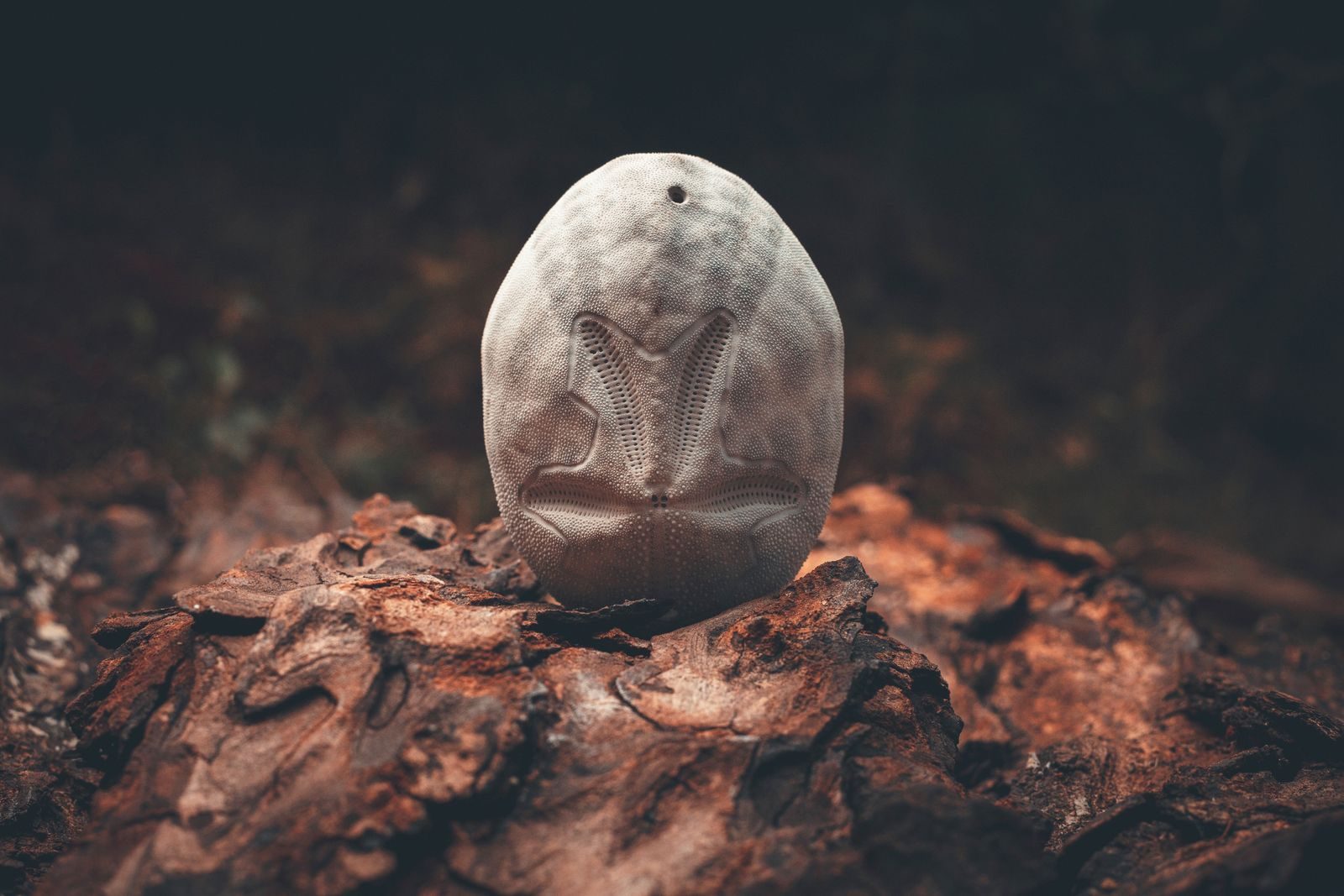
A wrinkled fossil recovered from Late Cretaceous rocks on Antarctica’s Seymour Island initially looked more like a deflated football than an egg. Scientific analysis eventually showed that it was a gigantic, thin-shelled egg dating to approximately 68 million years ago. It was given the fossil-egg name Antarcticoolithus bradyi, but the animal that produced it has never been identified with certainty.
Researchers Nicknamed It “The Thing”
Chilean researchers found the unusual specimen in 2011. Because no one could immediately determine what it was, the fossil was informally nicknamed “The Thing,” after the Antarctic science-fiction horror story. It remained unidentified for years before specialists noticed that its shape, folded surface and internal structure resembled a collapsed soft-shelled egg rather than an ordinary rock or body tissue.
Its Shell Was Almost Paper-Thin
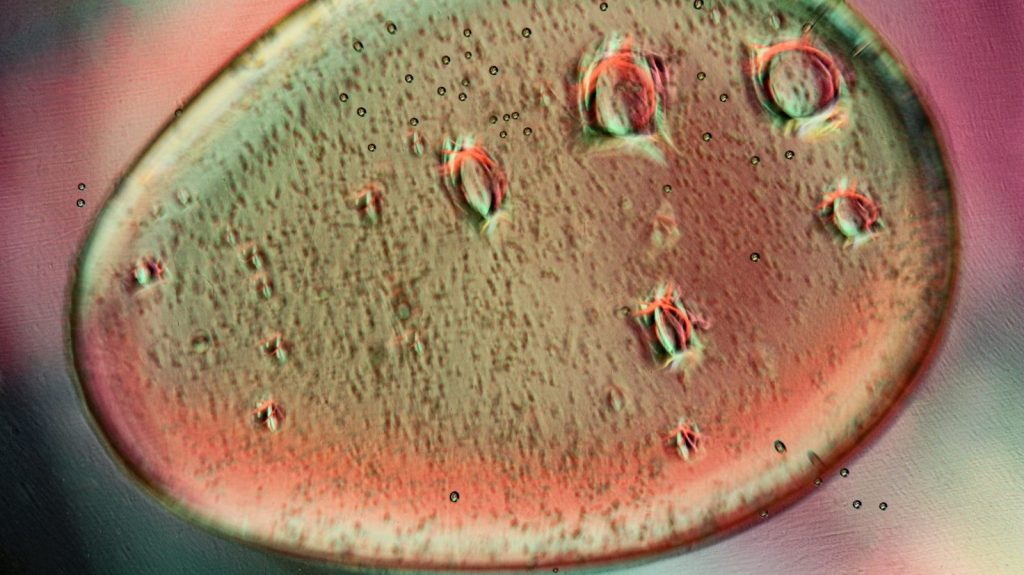
Microscopic examination revealed several membrane-like layers forming an exceptionally thin shell. Unlike hard dinosaur eggs, it lacked a thick prismatic layer and the complex pore system normally used to exchange gases through a rigid shell. Its structure more closely resembled the leathery eggs produced by modern snakes and lizards, although no living reptile lays one remotely this large.
Larger Than Every Known Dinosaur Egg
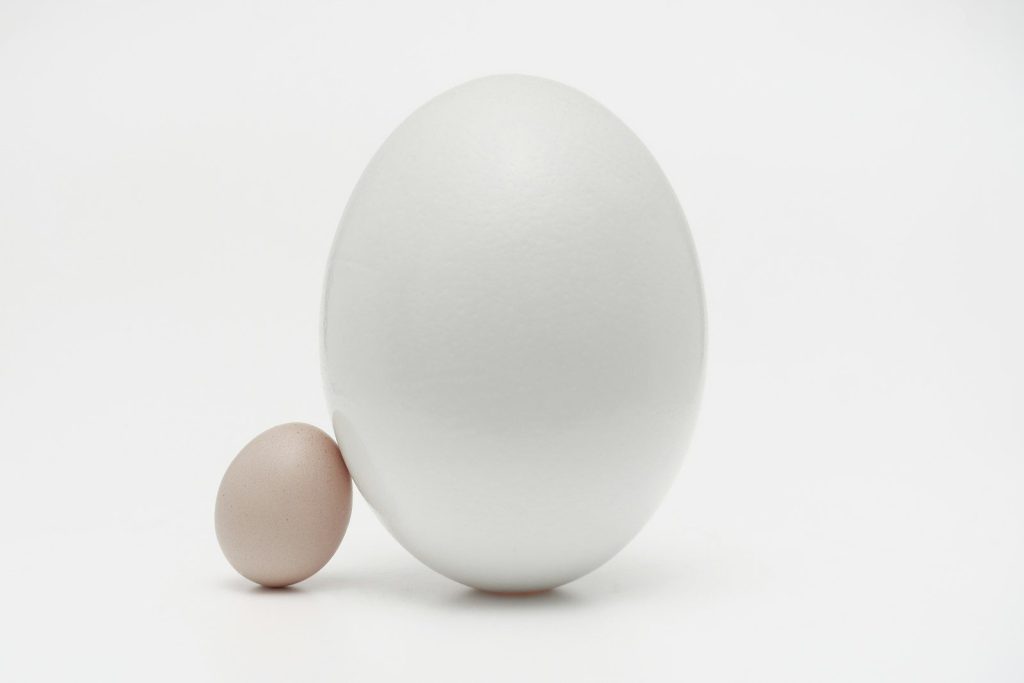
The fossil measures roughly 29 by 20 centimetres. By volume, it exceeds every known egg attributed to a nonavian dinosaur. Only the egg of Madagascar’s extinct elephant bird was slightly larger, and that bird’s shell was approximately five times thicker. The comparison made the Antarctic specimen not just unusual, but the largest known soft-shelled egg in the fossil record.
A Dinosaur Probably Did Not Lay It
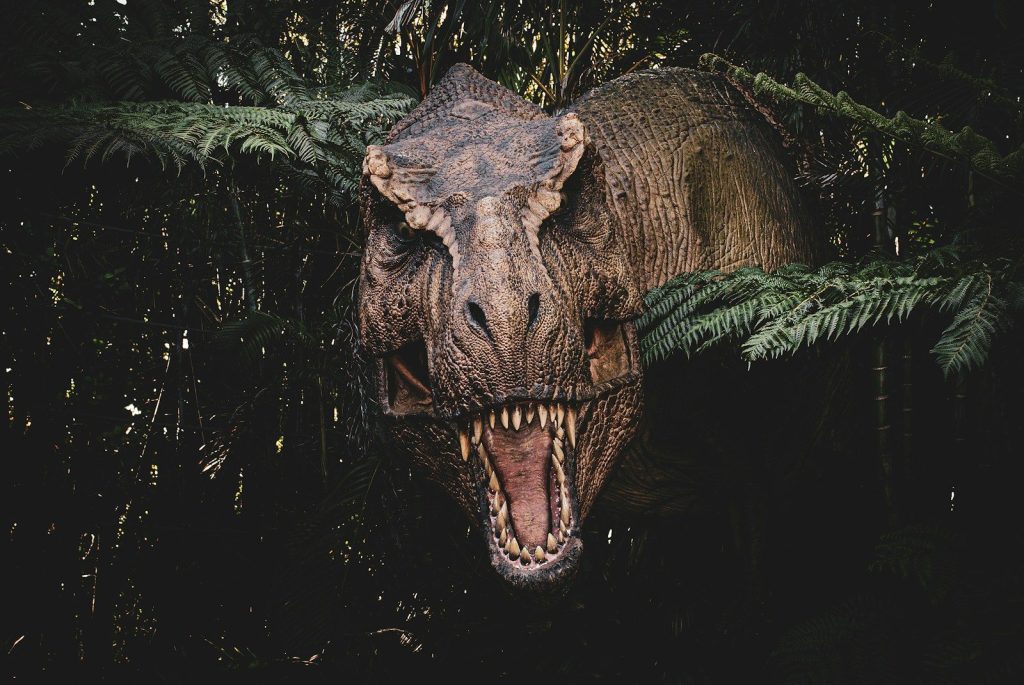
The shell structure does not match known dinosaur eggs of a comparable size. Instead, researchers noted that giant marine reptiles, including mosasaurs, were present in the same geological formation. Mosasaurs were enormous ocean-dwelling relatives of modern lizards and snakes, making them anatomically closer to animals that produce leathery eggs. The connection is compelling, but it remains circumstantial.
The Parent May Have Been Seven Metres Long
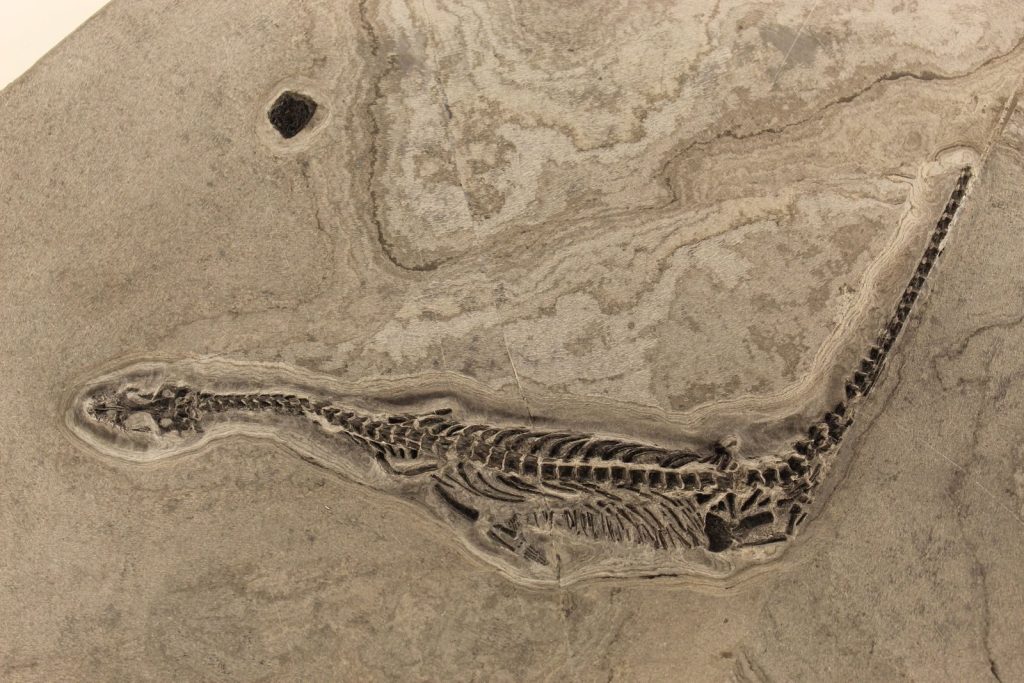
Researchers compared the relationship between egg size and adult body size across 259 living reptile species. Their calculations suggested that the animal responsible was at least seven metres long, excluding the tail. That estimate points toward a giant marine reptile rather than a small coastal species, although several prehistoric animals living around Antarctica could potentially fit the required proportions.
It Challenged Ideas About Marine Reptile Birth
Mosasaurs and other fully aquatic reptiles were generally thought to have given birth to live young because their bodies were poorly suited to crawling onto land. Researchers proposed that the Antarctic egg may have been a thin, almost vestigial structure that hatched immediately after being released—or perhaps even while still inside the mother. That possibility blurs the familiar distinction between egg-laying and live birth.
The Missing Embryo Keeps the Mystery Alive
No embryo or identifiable bones survived inside the egg. Scientists therefore cannot match it directly to a particular species. A mosasaur remains the leading candidate, but another large marine reptile cannot be completely excluded. Until a similar egg is found with an embryo preserved inside, Antarctica’s enormous fossil will remain an answer wrapped around one final, stubborn mystery.
Featured Image: Photo by Roberto Lee Cortes on Pexels
Leave a Reply