Category: History & Mystery

  • The “Silent Cities” are buried right beneath our modern streets.

    The “Silent Cities” are buried right beneath our modern streets.

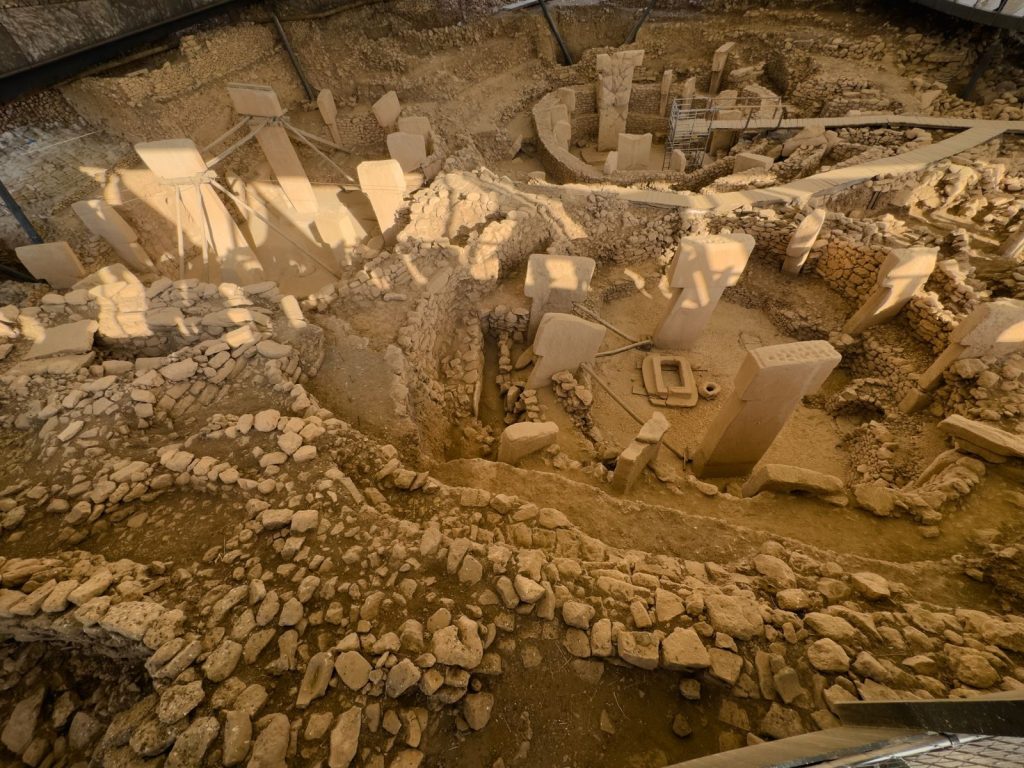
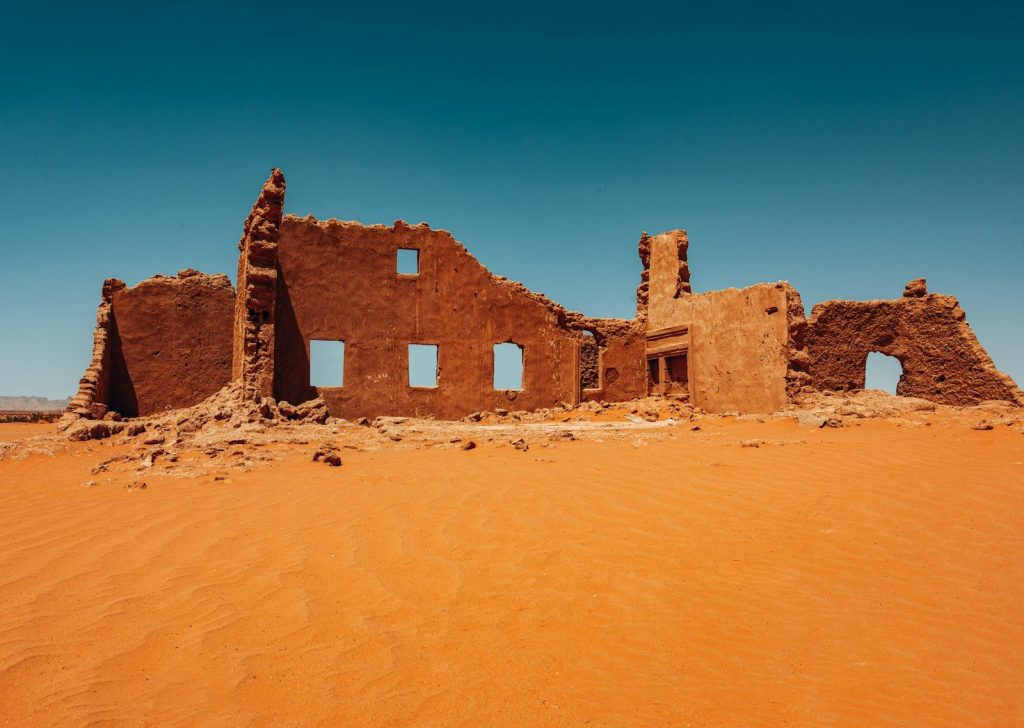
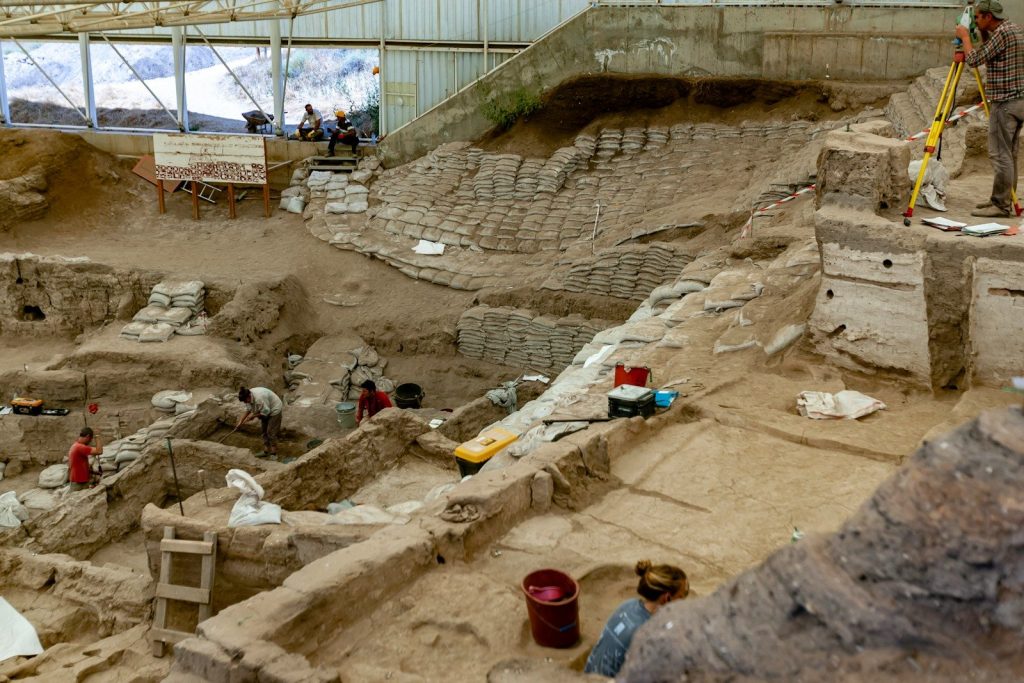
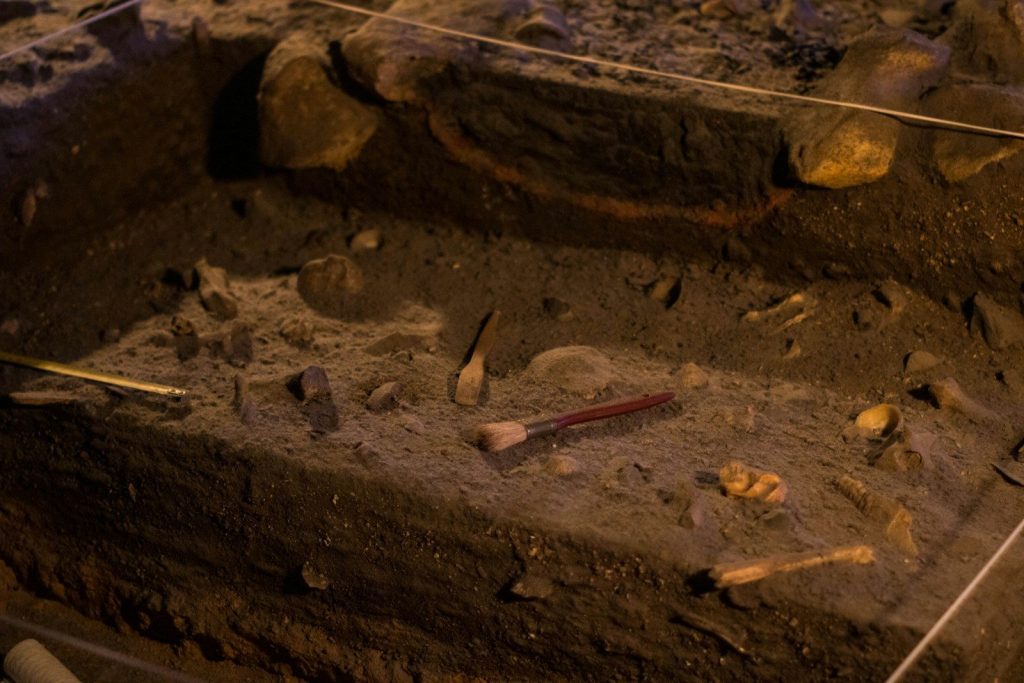
    Every time you walk down a busy street in London, Rome, or Mexico City, you are literally walking on top of the dead. For thousands of years, humans have built cities on top of older ones. In 2026, new “Ground-Penetrating Radar” technology is hitting the news as it reveals the “Silent Cities” that were forgotten by history. We aren’t just talking about a few old walls; we are talking about entire neighborhoods, temples, and palaces that are perfectly preserved just a few feet beneath the pavement.

    These buried worlds are providing a “lost map” of human history. Archaeologists are finding that the ancients had sophisticated plumbing, secret tunnels, and even high-speed transport systems that we are only just rediscovering. It is a total transformation of how we think about our ancestors. They weren’t just building for themselves; they were building the foundations we still use today. But wait until you see the “Underground City” that can house 20,000 people.

    The Multi-Layered Mystery of Rome

    A room with a bed and a table in it
    Photo by Artfox Photography on Unsplash

    Rome is the ultimate “lasagna city.” When you dig a hole for a new subway line, you almost always hit a Roman palace or a 2,000-year-old shop. In 2026, engineers found a perfectly preserved barracks for the Emperor’s guard buried deep under a shopping mall. These layers of history show us how the city grew and changed over two millennia. It is a living timeline made of stone and mortar. But Rome isn’t the only place with a secret basement.

    Seattle and the City That Was Raised

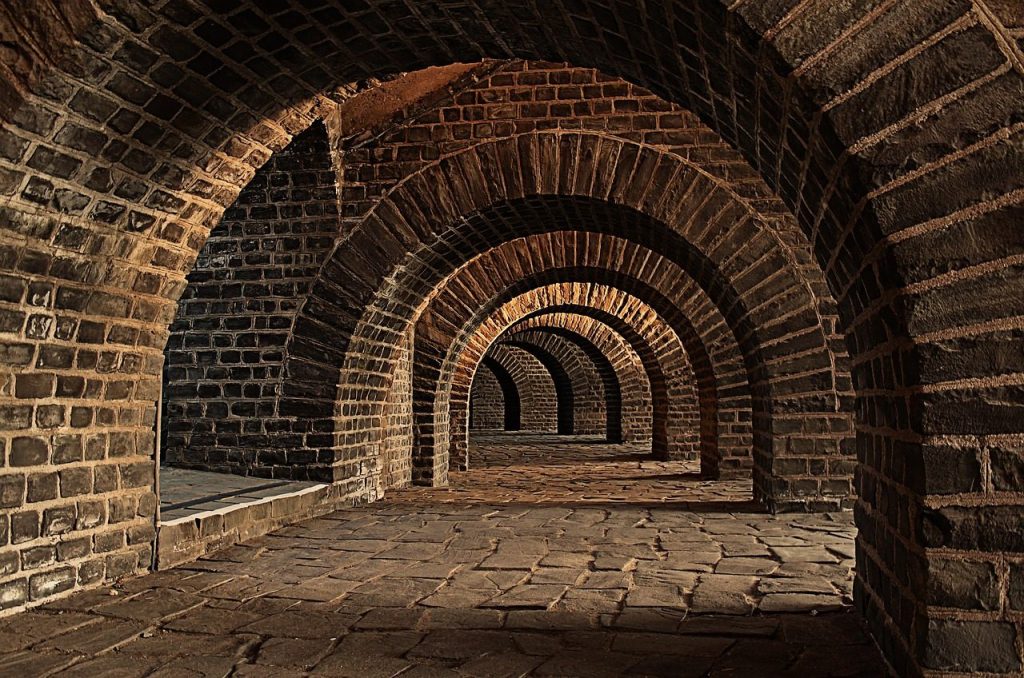
    vaulted cellar, tunnel, arches, keller, cellar speed, rhaeto romanic, culture, history, architecture, stone, places of interest, 4k wallpaper, brown wallpaper, brown history, hd wallpaper, brown culture, brown stone
    Photo by 132369 on Pixabay

    In the late 1800s, Seattle had a massive flooding problem. To fix it, the city decided to simply build a new street level one story higher. This left the original ground floor completely buried. Today, you can take tours of the “Seattle Underground,” walking through old saloons and hotel lobbies that haven’t seen the sun in over a hundred years. It is a ghost town trapped in the soil. But wait until you see the massive stone labyrinth found in Turkey.

    Derinkuyu – The 18-Story Underground Fortress

    Person exploring the historic Gumusler Monastery ruins in Niğde, Türkiye.
    Photo by Kadir Avşar on Pexels

    Found by a man renovating his basement in 1963, Derinkuyu is a massive underground city in Turkey that goes down 18 stories. It was built to protect thousands of people from invading armies. It had schools, churches, and even stables for animals. The level of engineering required to provide air and water at that depth is still baffling to modern scientists. It is a masterpiece of “survival architecture.” But why did the people eventually leave their mountain home?

    London’s Lost Rivers and Hidden Vaults

    cave, river, underground, puerto princesa, subterranean river, cavern, boat, nature
    Photo by Humpty22 on Pixabay

    The River Thames isn’t the only water in London. There are dozens of “lost rivers” like the Fleet and the Tyburn that were covered over centuries ago to make room for houses. These rivers now flow through giant brick sewers and tunnels right under the feet of millions of commuters. Along with the rivers, there are abandoned “ghost stations” on the Underground that were used as bomb shelters during the war. But the most shocking “silent city” is currently being mapped in the Amazon.

    The Laser Map of the Amazon Jungle

    Stunning aerial view of a river cutting through a dense, lush forest landscape.
    Photo by Pok Rie on Pexels

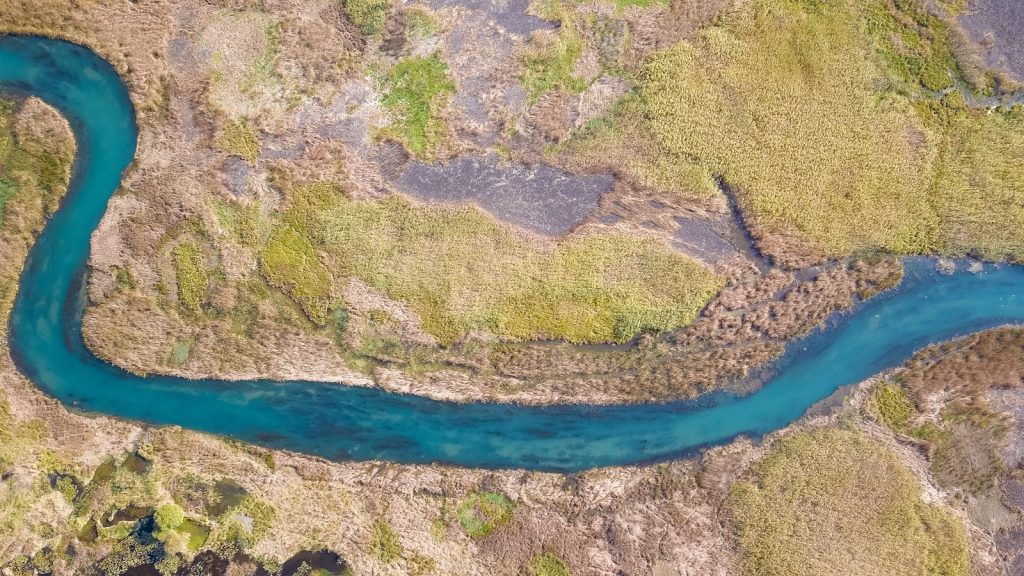
    For centuries, we thought the Amazon was a wild, untouched forest. But LiDAR (laser) scans have revealed a massive network of “garden cities” buried under the trees. These cities had straight roads, giant mounds, and complex irrigation systems that once supported millions of people. The jungle literally grew over their history in less than 500 years. We are realizing that the “Silent Cities” are everywhere, even in the most remote places on Earth. But how did these people move so much dirt?

    The Secret of the Ancient Concrete

    italy, rome, colosseum, nature, sunset, ancient architecture, travel, roman arena, tourists
    Photo by MARTINOPHUC on Pixabay

    One of the reasons these cities have stayed silent for so long is the strength of their materials. Roman concrete is actually more durable than the concrete we use today. Scientists have discovered that the ancients used “self-healing” volcanic ash that gets stronger in salt water. This is why their buried harbors and vaults are still intact while modern buildings crumble. We are literally studying the dirt of the past to build the future. But what happens when these cities start to “talk” back?

    Predicting Disasters Using Buried History

    Two young men working on stone blocks outdoors.
    Photo by Annie Spratt on Unsplash

    By studying how ancient cities fell, geologists can predict where future earthquakes or floods will hit. Many of the “Silent Cities” were destroyed by natural events that follow a regular cycle. The buried ruins act as a “black box” recording for the planet’s history. They tell us when the earth shook and when the water rose. This data is being used to save modern lives today. It is a collaboration between the dead and the living. But wait until you see the secret hiding in the feathers of a bluebird.

    Featured Image: Photo by Etienne Dayer on Unsplash
  • The 10 historical “Geniuses” who were actually terrible people

    The 10 historical “Geniuses” who were actually terrible people

    We love to put our heroes on pedestals. We are taught from a young age that the “Geniuses” of history—the scientists, philosophers, and inventors—were paragons of virtue who only cared about progress. But as we dig into the personal letters and private journals of these legends in 2026, a much darker reality is emerging. Many of the people who gave us the lightbulb, the laws of gravity, and even our modern democracy were actually “monsters” in their private lives.

    This isn’t about “canceling” history; it is about seeing the full, messy truth of the human condition. We are finding that high intelligence does not equal high morality. From extreme cruelty to their own families to supporting horrific political movements, these “Geniuses” had secrets that would make your skin crawl. We are looking at a total rewrite of our Cultural Hall of Fame. But wait until you see the “hero” who actually stole his greatest invention from a dead friend.

    Thomas Edison and the Great Theft

    ai generated, thomas edison, man, inventor, edison, thomas, thomas edison, thomas edison, thomas edison, thomas edison, thomas edison
    Photo by PakPixelPro1 on Pixabay

    Thomas Edison is called the “Wizard of Menlo Park,” but he was also a ruthless businessman who would do anything to win. He didn’t just “invent” the lightbulb; he improved on a dozen other people’s work and then sued them out of existence. Most famously, he ran a smear campaign against Nikola Tesla that involved publicly electrocuting animals to “prove” that Tesla’s electricity was dangerous. He was a master of marketing, but a failure as a human being. But he wasn’t the only one with a cruel streak.

    Aristotle and the Defense of Slavery

    Marble statue of a man reading a book.
    Photo by Junipero Verbeke on Unsplash
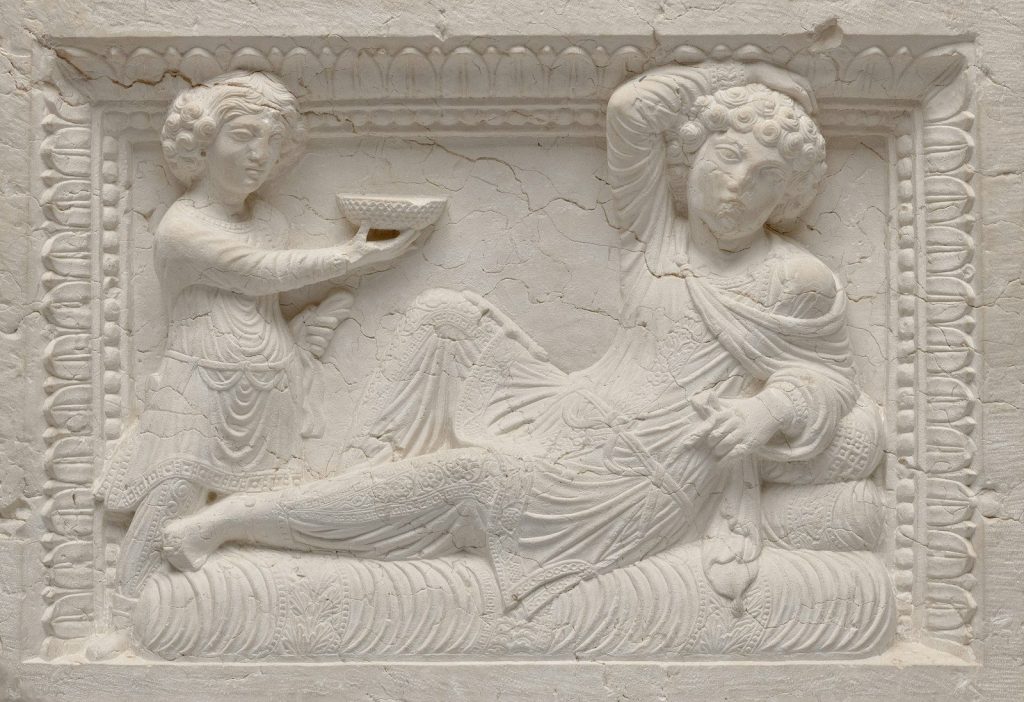
    Aristotle is considered the “Father of Western Philosophy.” Yet, in his writings, he explicitly argued that some people are “natural slaves” and that their only purpose is to serve their masters. He provided the intellectual framework that was used to justify slavery for over 2,000 years. While he was a genius in logic and biology, his views on human rights were horrifying even for his time. But wait until you hear about the “Man of Peace” who was a nightmare to his own children.

    Albert Einstein’s Secret Family Life

    ai generated, man, scientist, albert einstein, art, abstract, figure, fantasy, albert einstein, albert einstein, albert einstein, albert einstein, albert einstein
    Photo by 1tamara2 on Pixabay

    Albert Einstein changed our understanding of the universe, but he was a disaster as a husband and father. He treated his first wife, Mileva, like a servant, giving her a list of rules that included “don’t expect any affection from me.” He was often absent and emotionally cold to his sons, one of whom spent much of his life in a mental institution with little support from his famous father. We celebrate his brain, but his heart was a different story. But he looks like a saint compared to the next scientist.

    Isaac Newton and the Art of Revenge

    a statue of a man holding a globe
    Photo by Rafael Ishkhanyan on Unsplash

    Sir Isaac Newton was perhaps the smartest human to ever live, but he was also incredibly paranoid and petty. He used his power as the head of the Royal Society to destroy the reputation of any scientist who disagreed with him. He spent decades in a vicious legal war with Robert Hooke and Gottfried Leibniz over who invented calculus. He was known to be a lonely, bitter man who preferred the company of his equations to any human being. But why was the “founder” of modern medicine so obsessed with pain?

    The Dark Side of Steve Jobs

    silver iPhone 11
    Photo by AB on Unsplash

    Steve Jobs gave us the iPhone, but he also gave his employees nervous breakdowns. He was famous for his “reality distortion field” and his verbal abuse of anyone who couldn’t meet his impossible standards. Most shockingly, he initially denied paternity of his own daughter, Lisa, even while he was worth millions and she was on welfare. He was a visionary for products, but a nightmare for the people who actually built them. But can a “Genius” also be a literal criminal?

    Christopher Columbus and the Myth of Discovery

    a statue of a man with a bird in his hand
    Photo by Kevin Olson on Unsplash

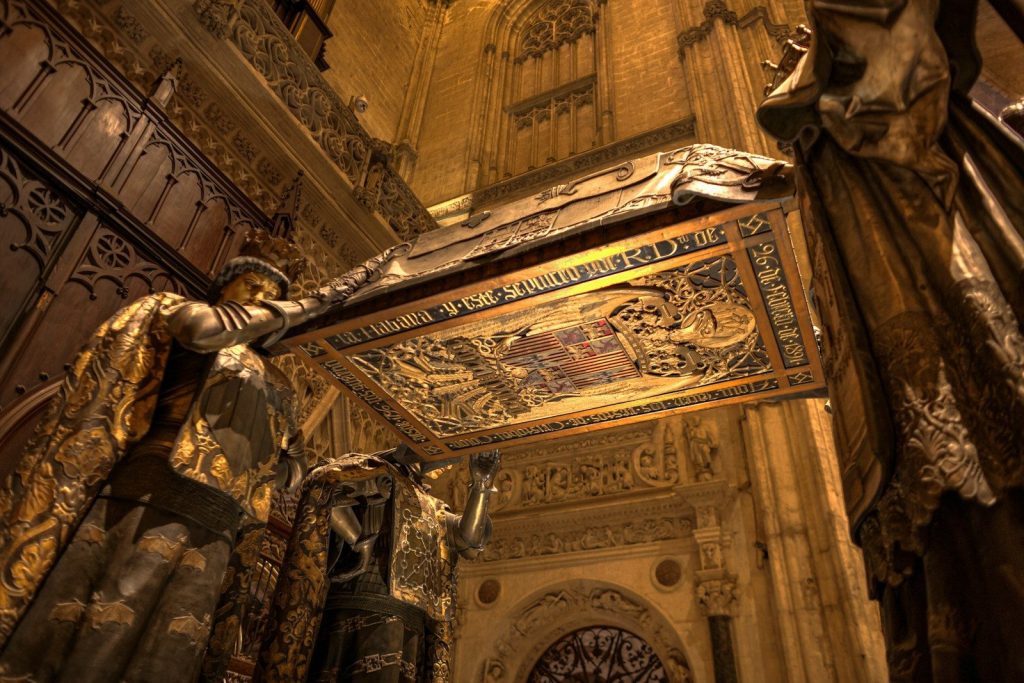
    We used to have a holiday for Christopher Columbus, but the 2026 history books tell a different story. Columbus was so cruel to the indigenous people of the Caribbean—and even his own colonists—that he was eventually arrested by the Spanish crown and sent back to Europe in chains. He didn’t just “discover” America; he brought a system of forced labor and torture that wiped out entire islands. He was a “Genius” at navigation, but a pioneer of genocide. But wait until you see the secret life of the “Great” Roman leaders.

    Julius Caesar and the Ego of an Empire

    man holding stick statue under blue sky during daytime
    Photo by Nemanja Peric on Unsplash

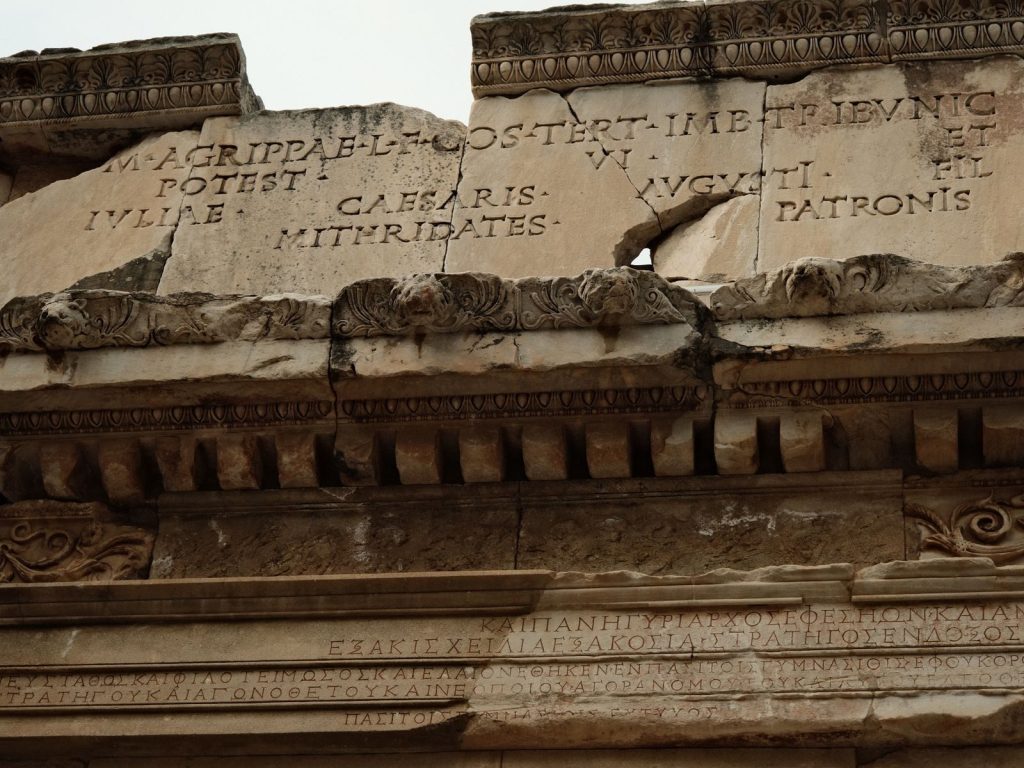
    Julius Caesar is the most famous Roman of all time. He was a brilliant general and writer. However, he also started an illegal civil war just to avoid being prosecuted for his political crimes. He killed nearly a million people in Gaul (modern France) just to increase his own personal wealth and power. He was a “Genius” at power, but he destroyed the very Republic he was sworn to protect. He was the ultimate narcissistic leader. But how do we judge these people today?

    Learning to Separate the Art from the Artist

    a black and white photo of a broken vase
    Photo by Dieter K on Unsplash
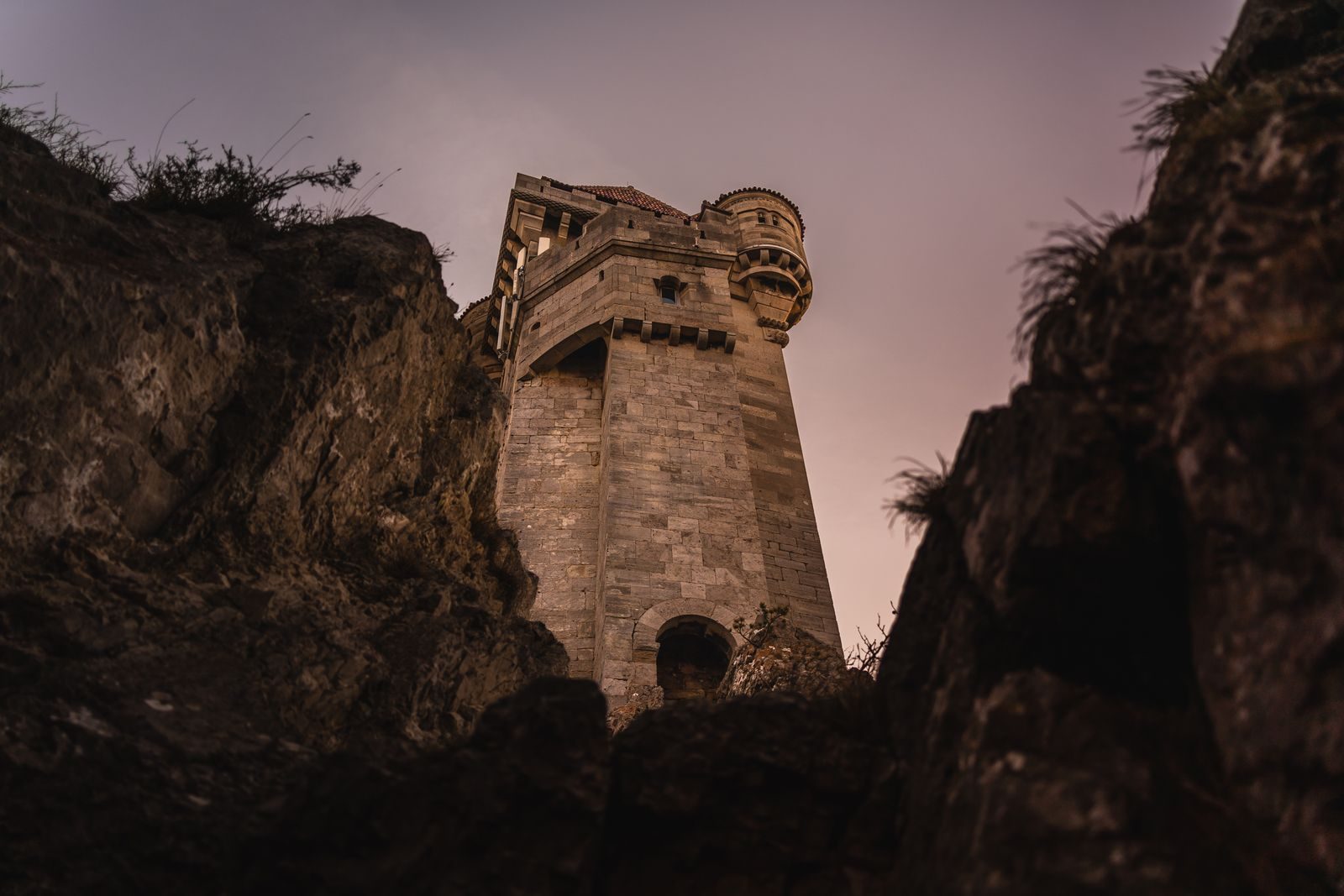
    The discovery that our “Geniuses” were terrible people is a hard pill to swallow. It forces us to ask: can we still use their inventions and enjoy their art? The 2026 cultural shift suggests that we should acknowledge their brilliance while never ignoring their crimes. We are moving toward a more honest version of history where no one is “perfect.” It is a lesson in humility for the entire human race. But while we fix our history, our own brains are going through a scary change.

    Featured Image: Photo by Philippe Tinembart on Unsplash
  • Why everything you were taught about the Pyramids is probably wrong

    Why everything you were taught about the Pyramids is probably wrong

    For years, we believed the Pyramids were just massive tombs built by thousands of slaves. That is the story in every textbook. But new evidence suggests that nearly everything we know might be a total myth. Archaeologists have found that the workers were, in fact, well-paid artisans. Even more shocking is that we have never found a single mummy inside the Great Pyramid itself. The accuracy of stone blocks is so perfect that a razor blade cannot fit between them. This level of mathematics was supposed to be impossible back then. Now we are looking at a mystery that points to lost technology or a much older timeline. Some experts even think that the structures were designed for energy, not burials. As we dig deeper, the ground starts to give up secrets that challenge logic. Wait until you see the truth about how they moved those massive rocks across the sand.

    The mystery of the missing mummies

    Effigy of a knight lying on a tomb.
    Photo by Andrew V on Unsplash
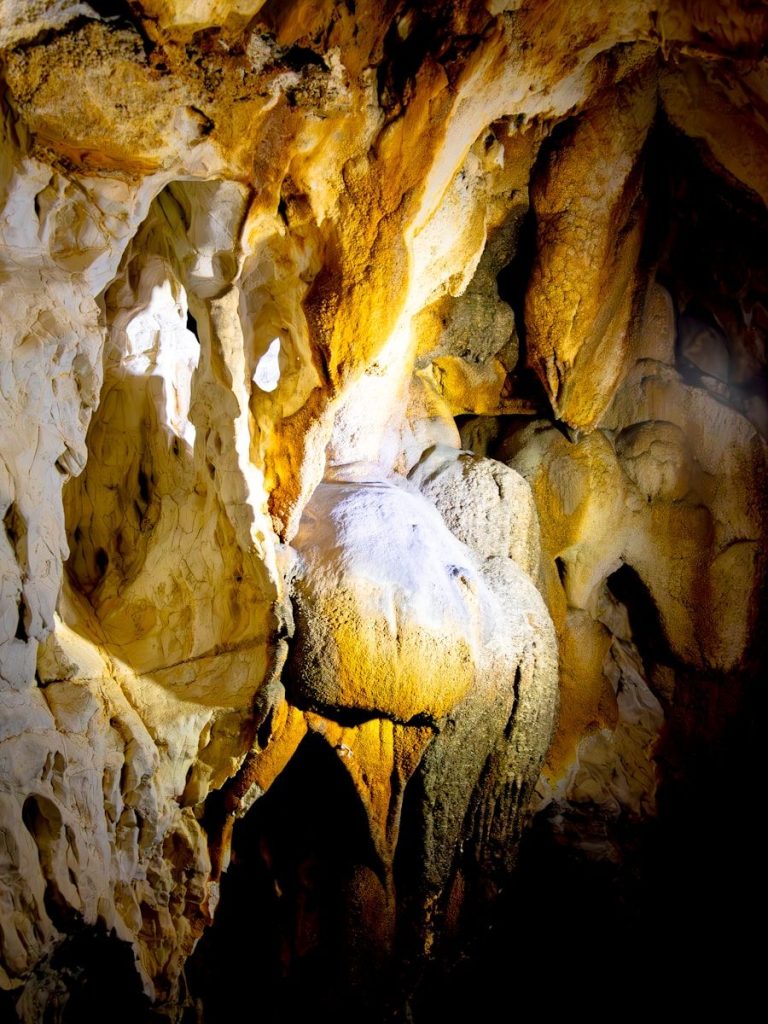
    If the pyramids were built as tombs, why is the Great Pyramid empty? No royal bodies were ever found inside the granite chest of the King’s Chamber. Historians often blame grave robbers, but there are no signs of forced entry in the original passages. It seems the pyramid was sealed empty from the very beginning. This has led many to believe that the “tomb” theory was just a cover-up for a much larger purpose. But the stones themselves tell an even weirder story about their alignment.
    Alignment with the stars is too perfect.

    chichen itza, mexico, pyramid, milky way, night, mayans, archaeology, archaeological site, stars, starry sky, starry night, landmark, famous, places of interest, chichen itza, mexico, mexico, mexico, mexico, mexico, pyramid
    Photo by Walkerssk on Pixabay

    The Great Pyramid is almost perfectly aligned to the true north with a tiny margin of error. It also corresponds to the positions of the stars in Orion’s Belt with dreadful accuracy. This suggests that the builders had a deep understanding of the heavens long before modern telescopes. It wasn’t merely a pile of rocks, it was a giant astronomical clock. However, the most baffling part is how they managed to cut granite without any steel tools.

    Precision cutting with lost technology

    a long hallway with paintings on the walls
    Photo by Dmitrii Zhodzishskii on Unsplash

    The King’s Chamber is built from massive red granite blocks that were shipped from 500 miles away. These blocks are so flat and square that they look machine-cut. At the time, humans only had copper saws and stone hammers. Copper is too soft to cut through granite. This suggests that the builders used a technology that has been lost to time. Some researchers are even finding circular drill marks on some of the stones. But the internal design of the pyramid is even more complex than the outside.

    Hidden chambers found with cosmic rays

    Shrine of Remembrance – Inside the pyramid” by electropod is licensed under CC BY-NC-ND 2.0

    Using advanced subatomic particles called muons, scientists have found a giant “void” inside the Great Pyramid that was never on any map. This massive hidden room is over 100 feet long. No one knows how to get inside yet, but it proves that we haven’t seen the whole picture. The pyramid is more like a giant machine than a building. Each new discovery makes the old “tomb” theory look like a fairytale. But what if the pyramid was actually a giant power plant?

    The energy generation theory

    ai generated, ancient, pyramid, temple, mystical, energy, fantasy
    Photo by ArtfulColorWorks on Pixabay

    Researchers have found that the Great Pyramid can concentrate electromagnetic energy inside its chambers. The materials used, such as limestone and dolomite, are both excellent conductors and insulators. This suggests that the structure might have been a giant wireless power station. It feels like science fiction, but the physics is beginning to check out. We might be looking at the world’s oldest battery. However, the dating of pyramids is the biggest fight in science right now.

    Rain erosion points to an older date.

    green leafed trees
    Photo by Christopher on Unsplash

    The Sphinx shows deep vertical grooves that can only be caused by thousands of years of heavy rainfall. The problem is that Egypt has been a desert for 5,000 years. This suggests the monuments were built much earlier, perhaps at the end of the last Ice Age. If this is true, our entire timeline of human history is wrong. We were advanced much earlier than we thought. But how did these early people know the exact dimensions of the Earth?

    The pyramid is a scale model of Earth.

    person walking near The Great Sphinx
    Photo by Spencer Davis on Unsplash

    If you take the height of the Great Pyramid and multiply it by 43,200, you get the polar radius of the Earth. If you multiply the base perimeter by 2, you get the Earth’s circumference. The number 43,200 is not random; it relates to the movement of the planet itself. The builders were encoding the dimensions of the world into stone. This level of knowledge is beyond the reach of “primitive” people. But the final secret is hidden in the very sand beneath our feet.

    Thousands of years of sand still hide secrets

    a lone plant in the middle of a desert
    Photo by JF Martin on Unsplash

    We have excavated only about 10 percent of the Giza plateau. Satellite scans show that dozens of other structures are still deep under the sand. We see only the tip of the iceberg. The real story of the pyramids is still to be uncovered. Every scoop of dirt could change everything we know about our past. Are you ready for the reality-bending truth about how your own brain tricks you?

    Featured Image: Photo by Walkerssk on Pixabay