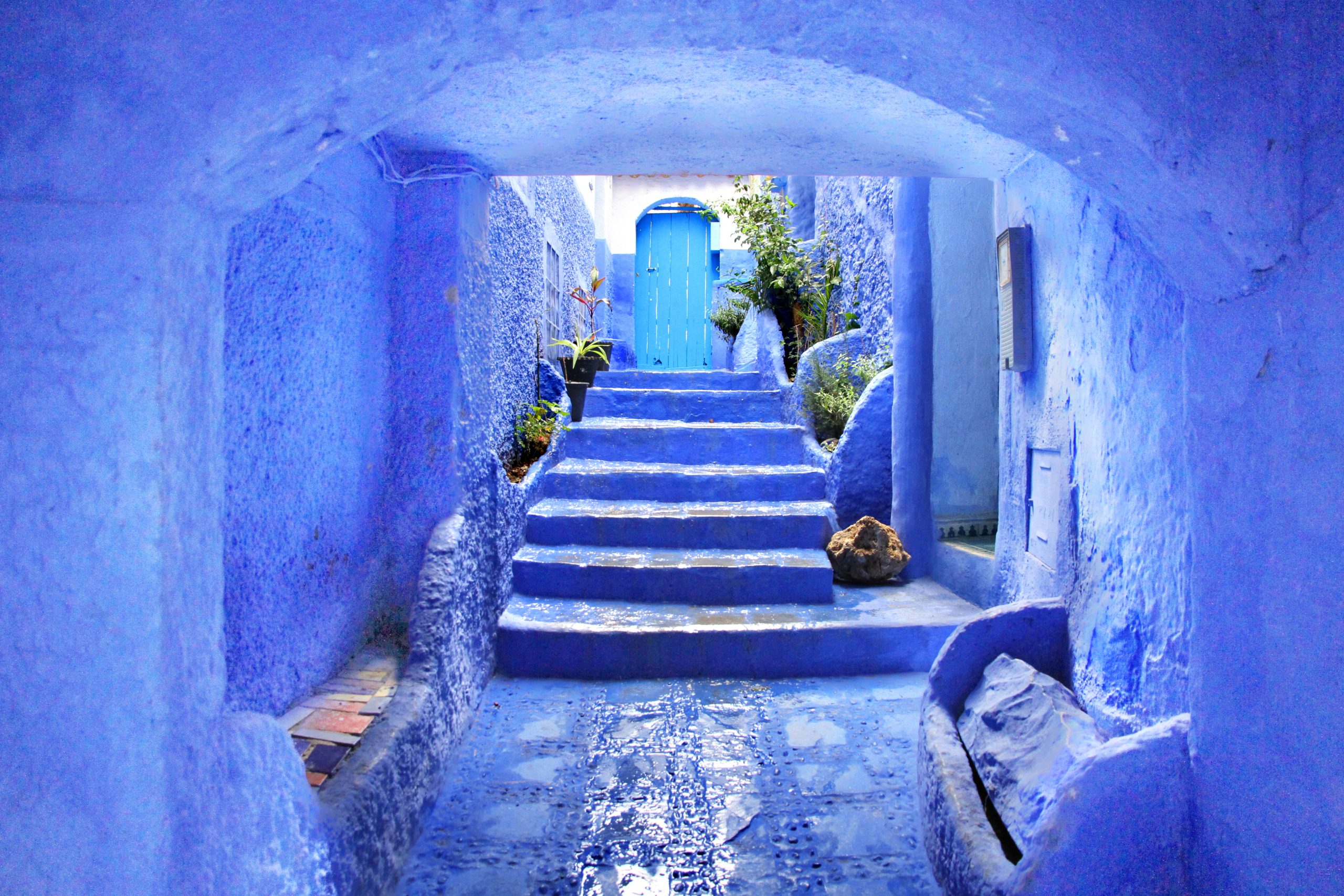
Deep below the Step Pyramid complex at Saqqara, corridors once shimmered with thousands of blue-green tiles. These were not recently discovered treasure chambers, but part of the funerary apartments created for King Djoser around 4,600 years ago. The tiled galleries extended beneath both the pyramid and the mysterious structure known as the Southern Tomb.
Djoser’s Architects Were Building for Eternity
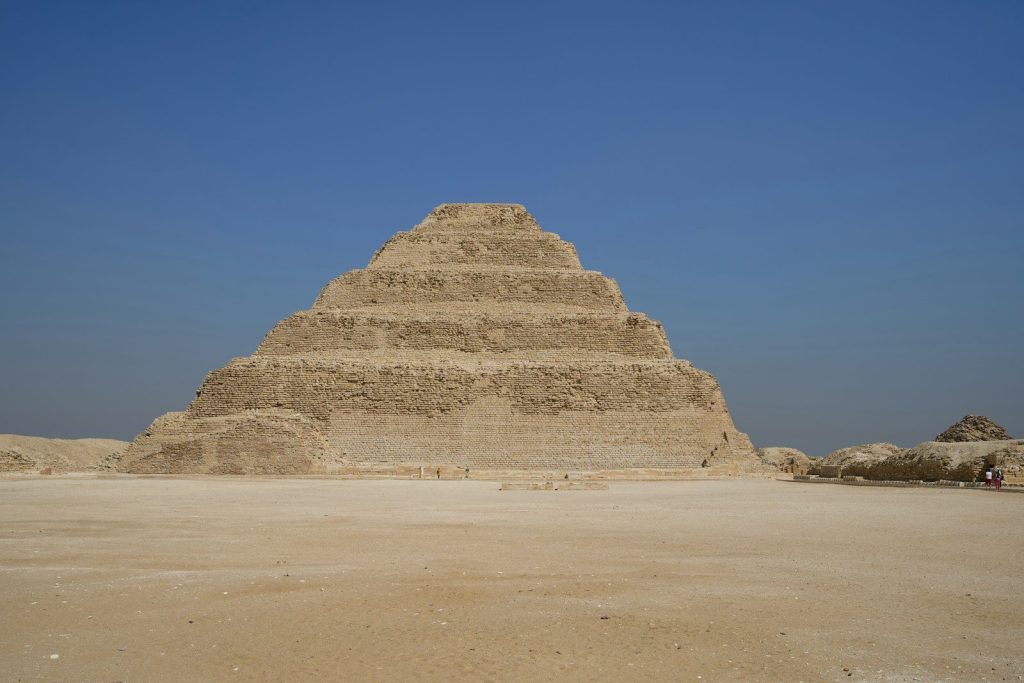
Djoser ruled near the beginning of Egypt’s Old Kingdom, around 2630–2611 B.C. His Step Pyramid and surrounding structures are among Egypt’s earliest surviving monumental stone buildings. Instead of merely creating a grave, the builders attempted to reproduce a complete royal residence in durable materials so that the king could continue exercising power in the afterlife.
The Tiles Recreated the Pharaoh’s Palace
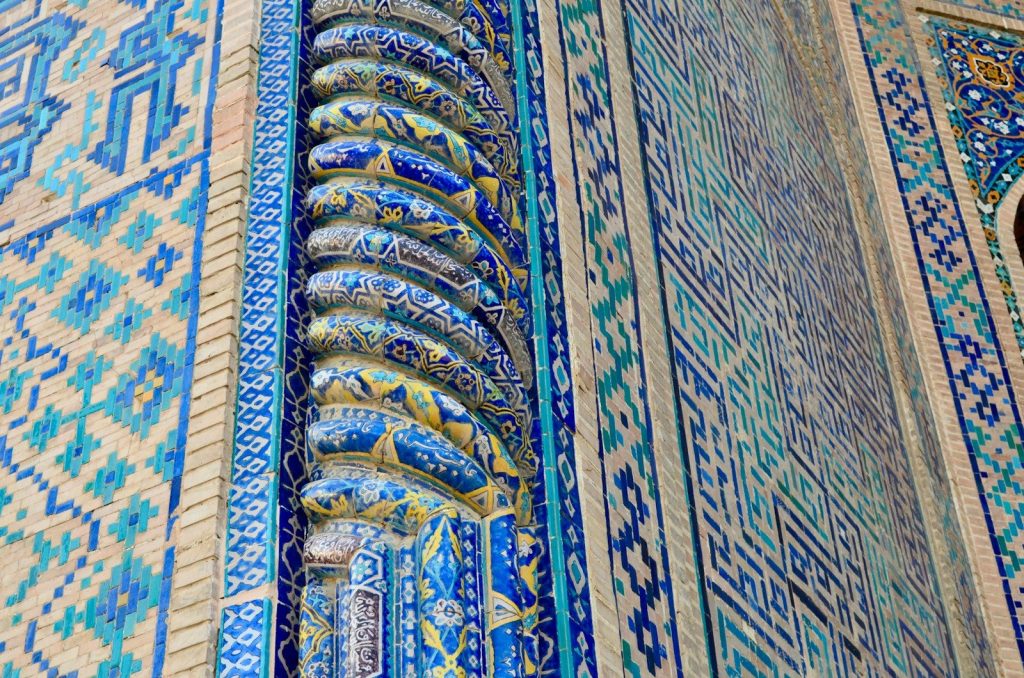
The blue tiles were mounted between carefully sculpted limestone ledges. Their arrangement imitated the woven reed mats that decorated the walls of royal palaces above ground. Underground, fragile plant material was replaced with stone and glazed faience, creating an idealised palace that would never rot. The chambers were therefore architectural illusions designed for a ruler expected to live forever.
The Tiles Were Not Ordinary Ceramics
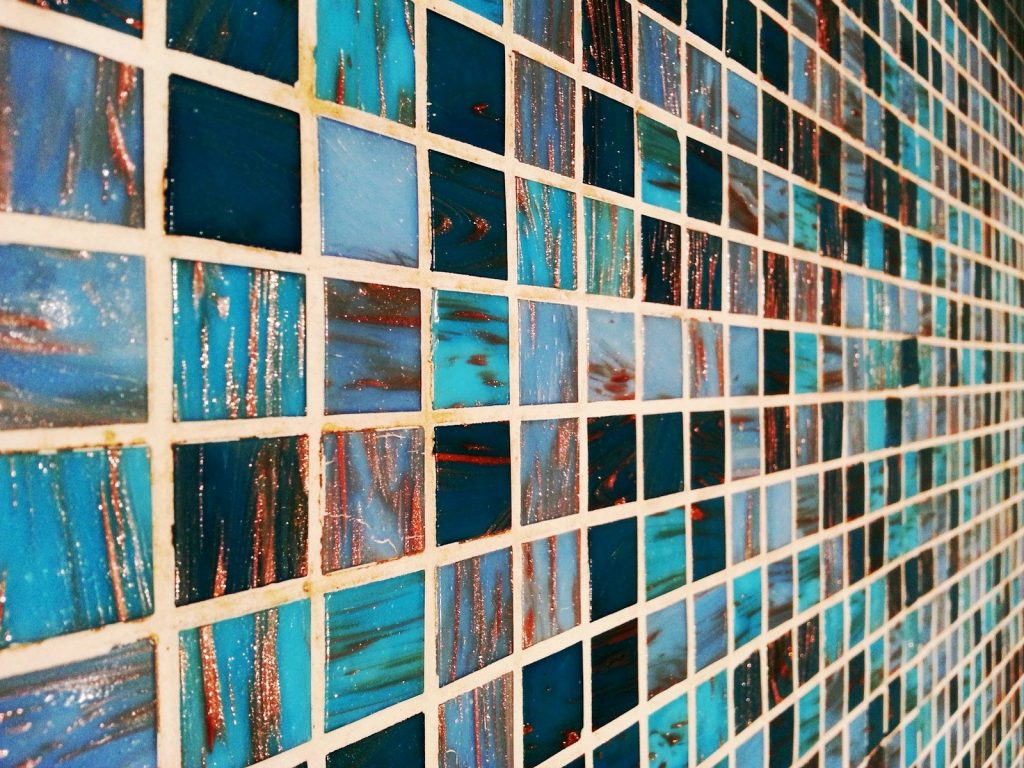
Egyptian faience was made primarily from ground quartz, alkaline salts, lime and mineral colourants rather than conventional clay. Copper produced its brilliant turquoise glaze. The colour was associated with fertility, sunlight, life and rebirth, making it especially meaningful in a funerary setting. When torchlight or lamplight struck the glazed surfaces, the buried chambers would have appeared almost luminous.
Reliefs Showed the King Renewing His Power
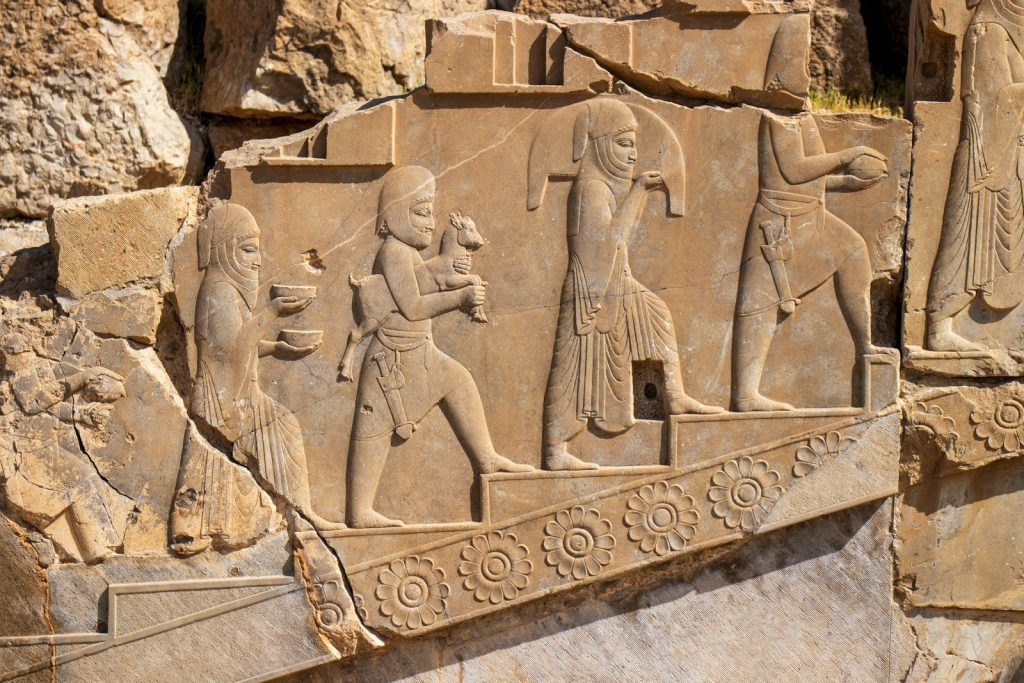
One Southern Tomb corridor contains three false doors topped by reliefs of Djoser participating in the Heb-Sed festival. This royal jubilee symbolically renewed a king’s strength and right to rule. By placing the ceremony underground, the builders transformed it into an eternal performance: Djoser could continue rejuvenating himself long after his physical death.
The Southern Tomb Remains Difficult to Interpret
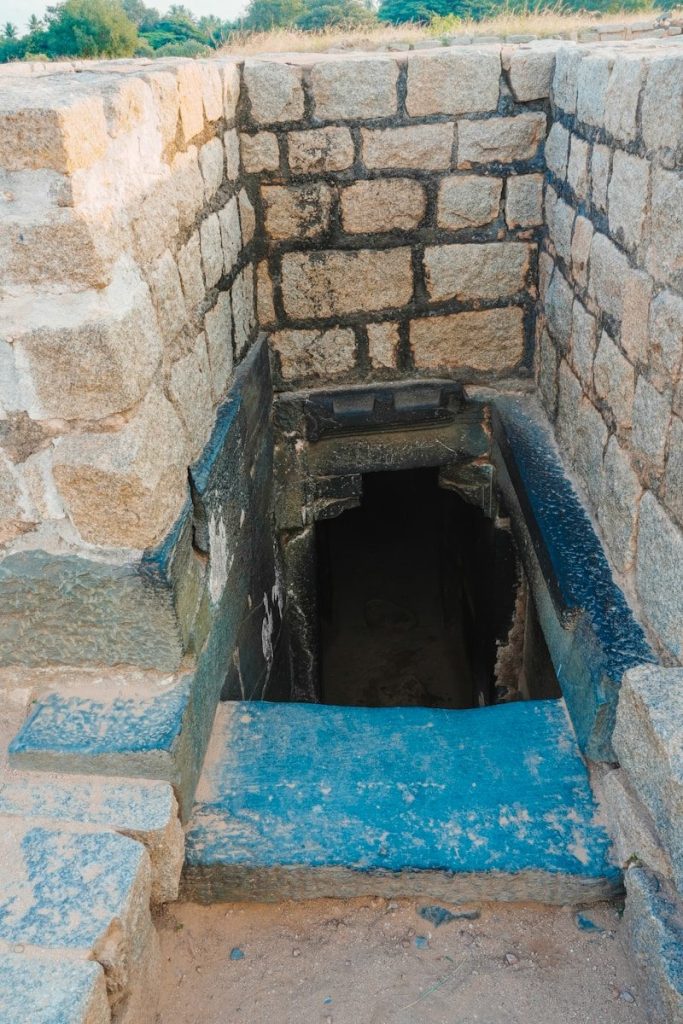
The Southern Tomb descends through a shaft approximately 31 metres deep and contains a granite structure resembling the burial arrangement beneath the Step Pyramid. Yet Djoser was not buried there. Suggested explanations include a symbolic tomb for the king’s soul, a resting place for royal organs or a monument connected with older royal burial traditions. None has been proved conclusively.
Restoring the Chambers Took 15 Years
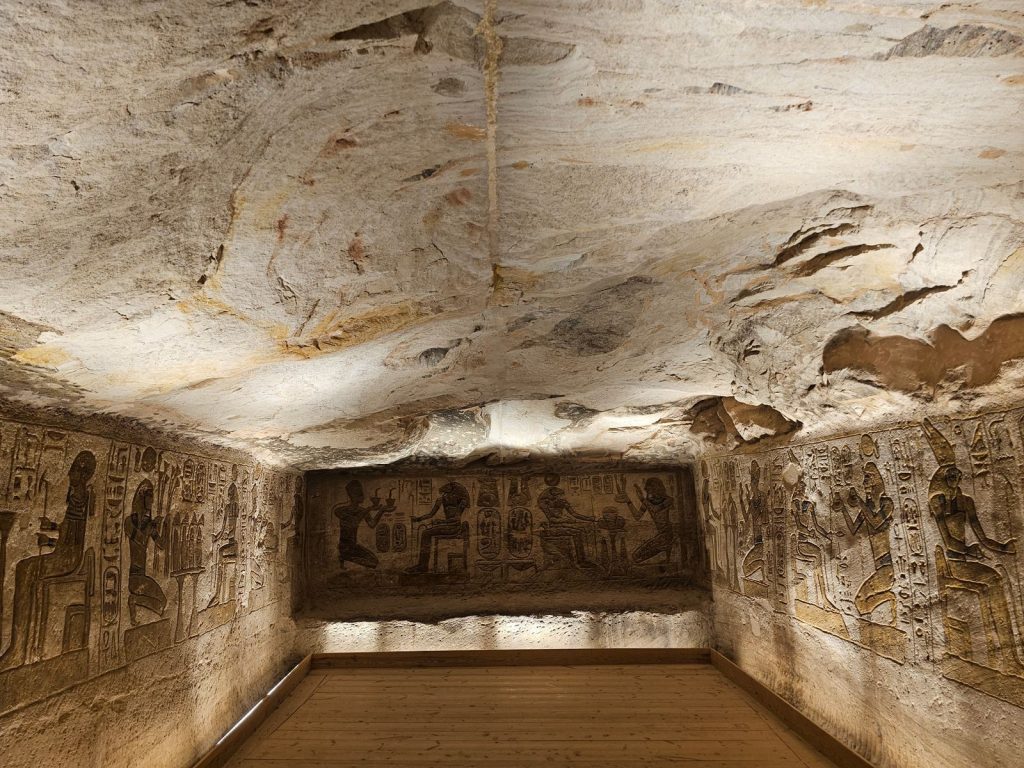
A major conservation programme began in 2006. Specialists strengthened unstable corridors and ceilings, restored reliefs, secured surviving faience tiles and reconstructed parts of the granite chamber. The Southern Tomb was opened to visitors in 2021 after approximately 15 years of work, offering rare access to a subterranean design once reserved for a dead king.
Scientists Found a Palace, Not a Hidden Treasure
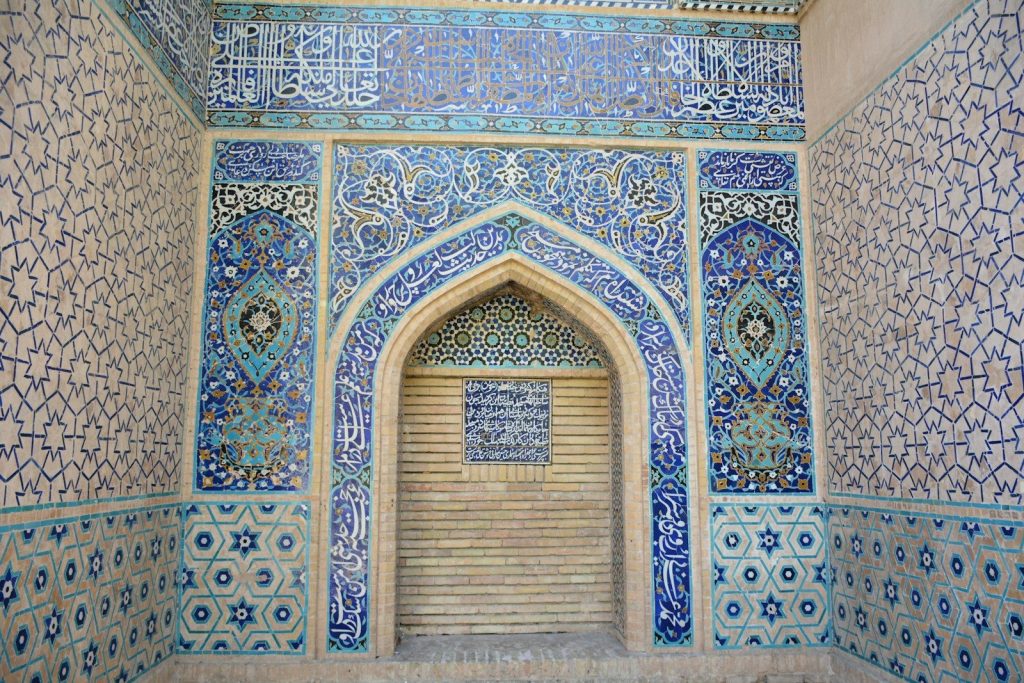
The tiled chambers did not contain mountains of gold or an unknown mummy. Their real discovery is more revealing: ancient Egyptian engineers had recreated the visual language of a living palace deep beneath stone. The blue walls, ritual reliefs and false doorways formed a permanent residence where architecture, chemistry and religious belief combined to defeat decay.
Featured Image: Shutterstock
Leave a Reply