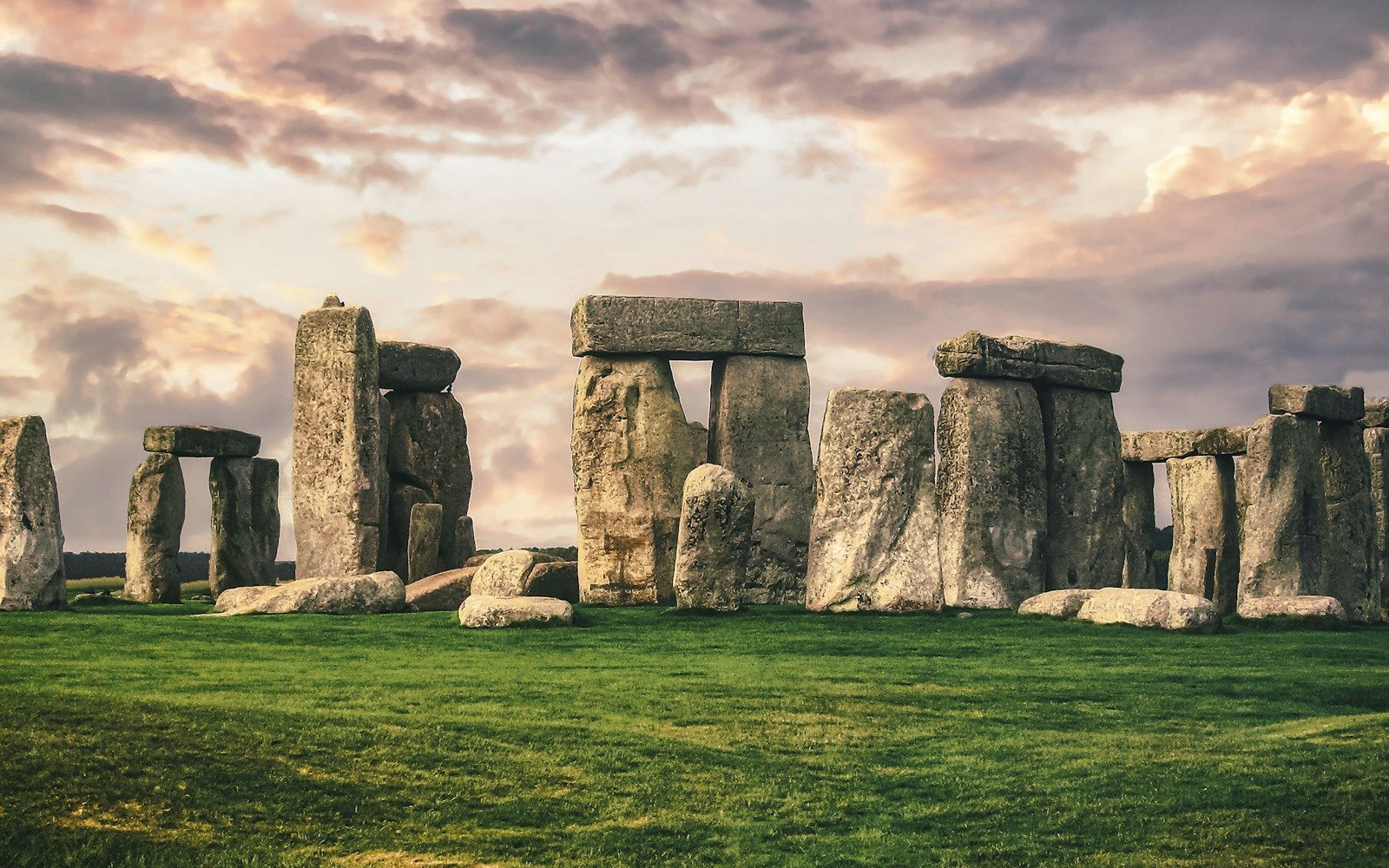
Most history buffs assume that prehistoric builders sourced all Stonehenge megaliths from local English quarries. We imagine ancient workers dragging these heavy stones across short distances within the British Isles.
But a groundbreaking mineral analysis has completely shattered this geographic theory. Researchers discovered that a crucial central pillar originated from a surprisingly distant northern kingdom.
Tracing The Altar Stone
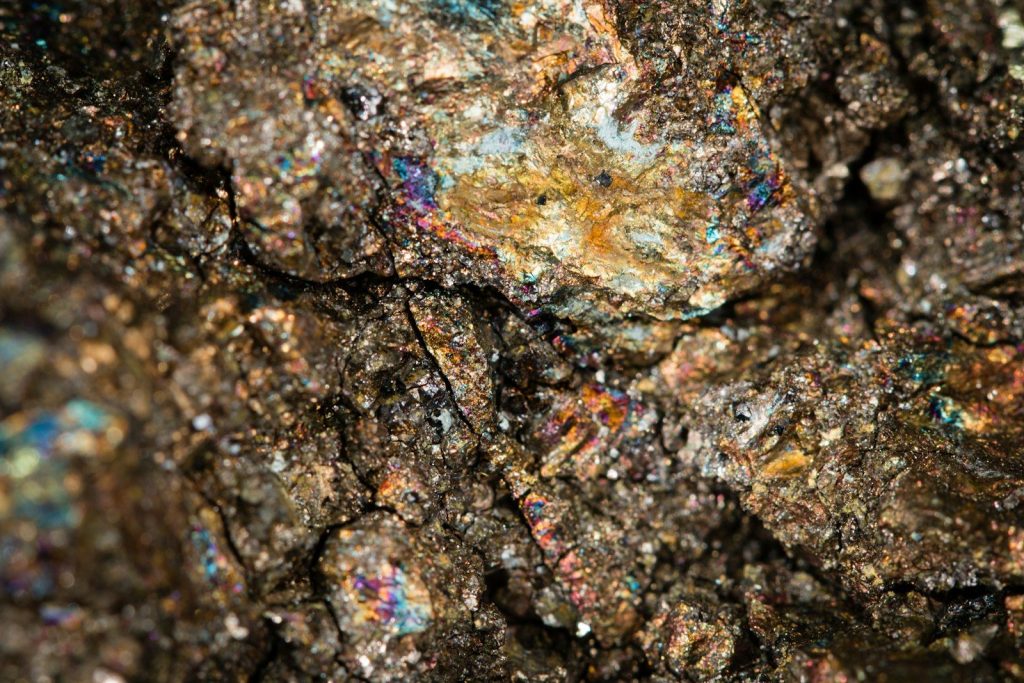
A major breakthrough occurred when geologists analyzed the chemical makeup of the central Altar Stone. This particular block differs significantly from the surrounding stones. Its mineral signature was unique. Chemical testing conducted by researchers at Aberystwyth University confirmed this rock did not come from Wales. This shocking geographical detail instantly forced experts to look much further north.
Scottish Highlands Hide Match
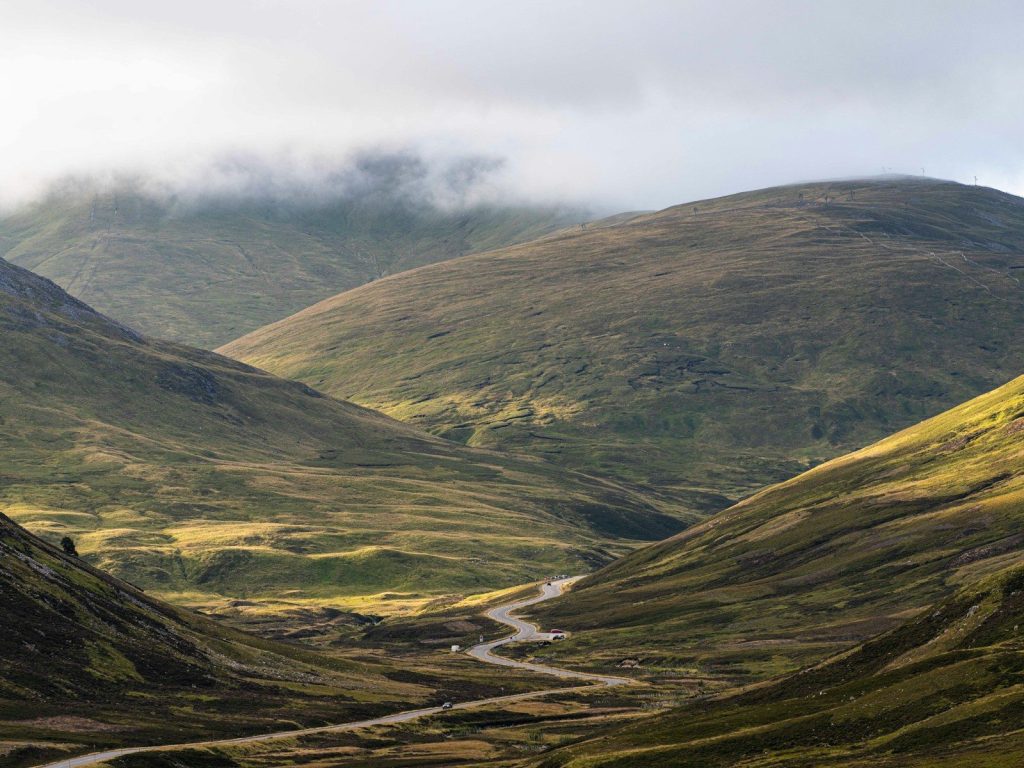
Scientific teams matched the stone’s precise mineral chemistry to sandstone beds in northeast Scotland. This puts its origin over four hundred miles away from the monument site. It is a massive distance. A team led by Dr Nick Pearce discovered this geochemical link during comprehensive rock testing. But tracing their travel routes across rough prehistoric territory would reveal a staggering feat.
Prehistoric Sea Trade Explored

Dragging a six-ton stone across rugged overland terrain would have presented impossible physical challenges for ancient tribes. Water transit was highly likely. Geologists from Curtin University suggest that builders transported the massive block by sea routes along the eastern coast. And this coastal passage hints at a highly surprising level of early cooperation.
Unifying Distant Island Cultures

Sourcing geological materials from Scotland suggests that disparate tribes shared deep cultural or religious connections. Monument construction was a collaborative effort. They were highly organized. Historical analysis from the University of London indicates that Neolithic groups cooperated on massive building projects across hundreds of miles. But another mystery hides within the monument’s precise alignment.
Astronomical Alignments Lock Stones
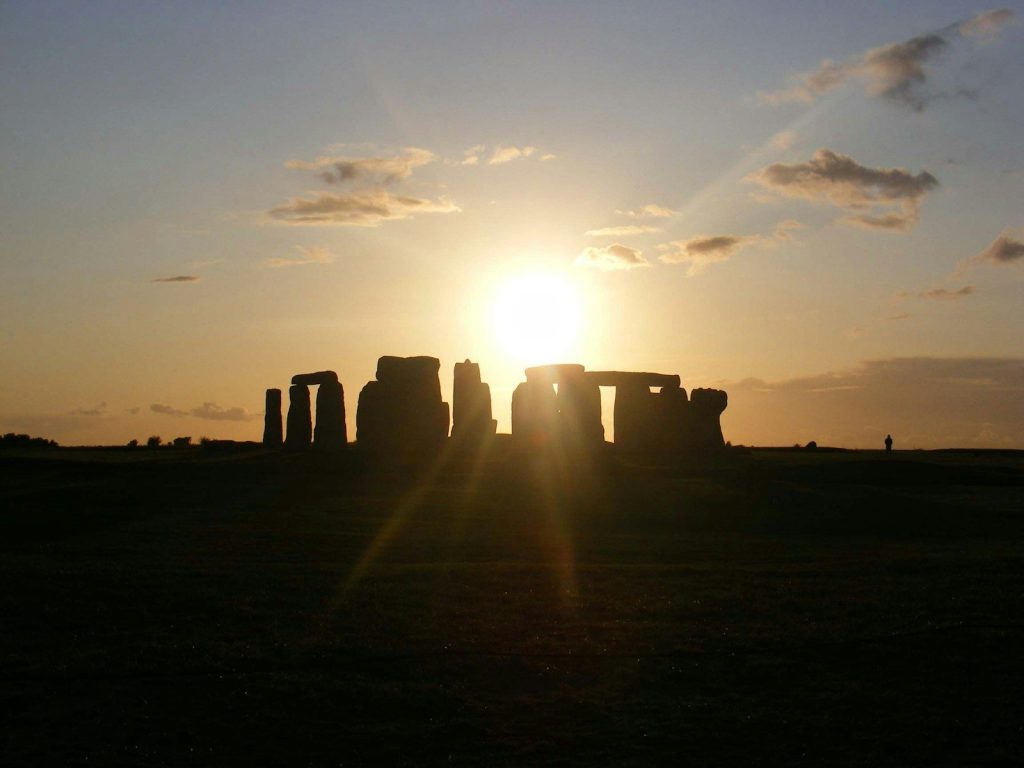
The Altar Stone sits perpendicular to the solstice alignment axis. This specific placement allowed the rising sun to cast a dramatic shadow across the sacred layout. Light played key roles. Archaeoastronomers from the Royal Observatory found that this layout matches celestial events with extreme precision. Yet modern technology is revealing even more hidden details.
Subterranean Structures Revealed Now
Sophisticated ground radar systems are showing that the visible stones represent only part of a larger complex. Unseen pits and ditches circle the outer borders. Underground secrets are emerging. Geophysics reports from the University of Birmingham reveal massive buried structures surrounding the stone circle. But these buried structures were only part of an even larger continental puzzle.
Rewriting Ancient European History

Uncovering the Scottish origin of the Altar Stone forces us to rethink Neolithic capabilities entirely. Prehistoric peoples were not isolated. They navigated seas and engineered massive monuments through shared regional efforts. Scientific transition reports published recently indicate that these findings prove early European societies were deeply connected. This article is for informational purposes only.
Featured Image: Photo by K. Mitch Hodge on Unsplash
Leave a Reply