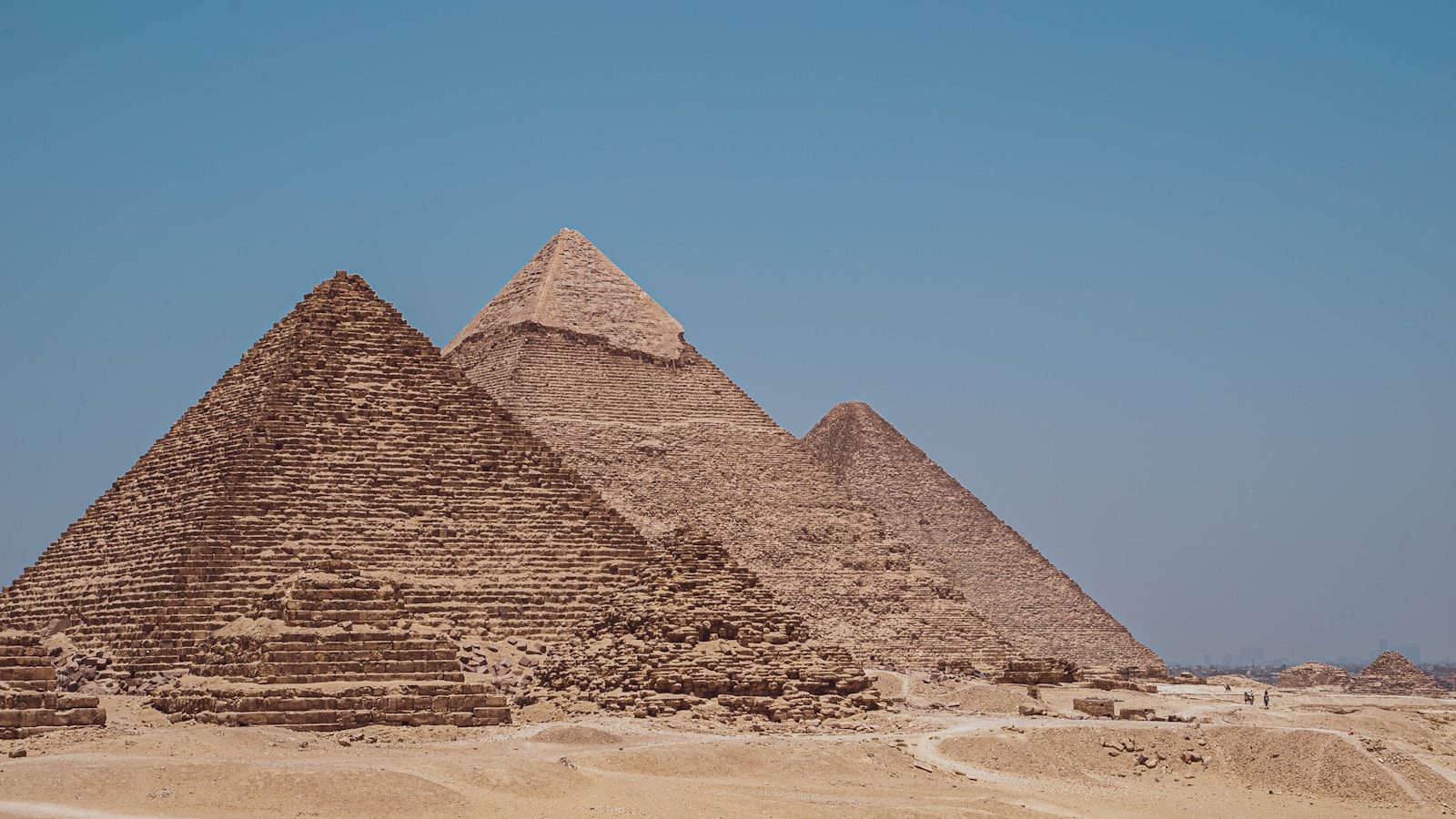
Researchers investigating the Pyramid of Menkaure, the smallest of Giza’s three main pyramids, have detected two previously unknown anomalies behind part of its eastern face.
The findings do not prove the existence of a secret chamber or underground city. However, the shapes appear consistent with small, air-filled spaces and may support a long-standing theory that the pyramid once had another entrance.
A Suspiciously Polished Section of Granite
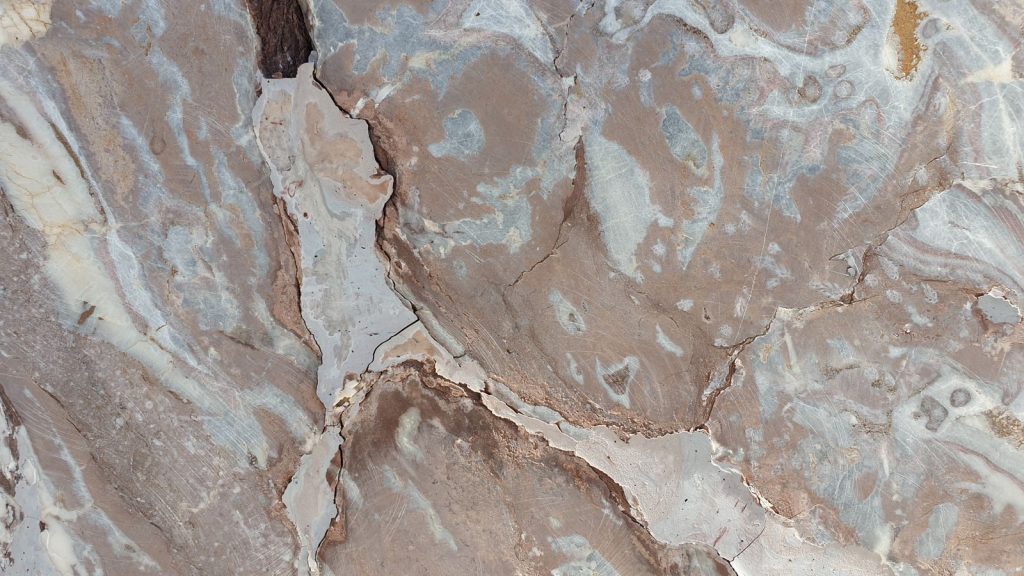
The investigation focused on a polished area measuring roughly four by six metres on the pyramid’s eastern side.
Most of Menkaure’s outer granite blocks were left comparatively rough. The unusual finish resembles the polished masonry surrounding the known entrance on the northern face, leading researchers to ask whether the eastern patch concealed another architectural feature.
Three Technologies Examined the Same Area
The team combined ground-penetrating radar, electrical resistivity tomography and ultrasonic testing.
Each method responds differently to changes in density, moisture and material boundaries. By comparing the results, researchers reduced the chance that the signal was merely caused by a crack, surface damage or irregular stone. Computer simulations were then used to test possible explanations.
The Voids Are Small and Close to the Surface
One anomaly was detected about 1.4 metres behind the pyramid’s surface and measured approximately one by 1.5 metres.
The second lay around 1.13 metres deep and measured roughly 0.9 by 0.7 metres. Their physical properties suggested that both could contain air, although scanning alone cannot reveal their purpose or confirm whether they connect to a larger passage.
A Second Entrance Is Plausible, Not Proven
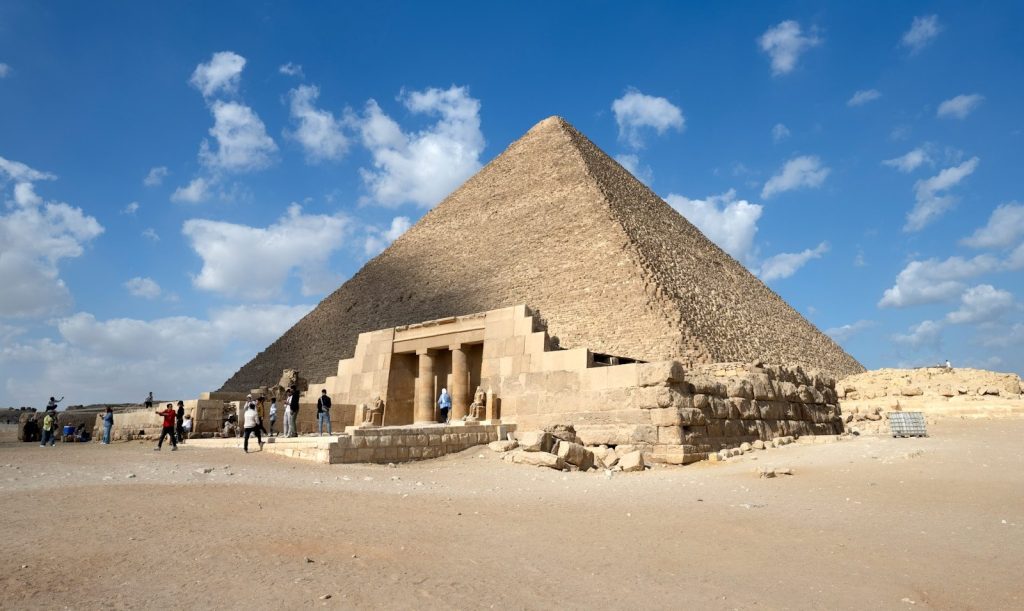
Researchers described the possibility of another entrance as increasingly plausible because the voids sit directly behind the polished masonry.
Nevertheless, they have not entered the spaces or observed them with a camera. They could be architectural cavities, pressure-relieving features, blocked construction spaces or something else. Direct evidence will be needed before archaeologists can identify them confidently.
Giza Has Produced Other Hidden Spaces
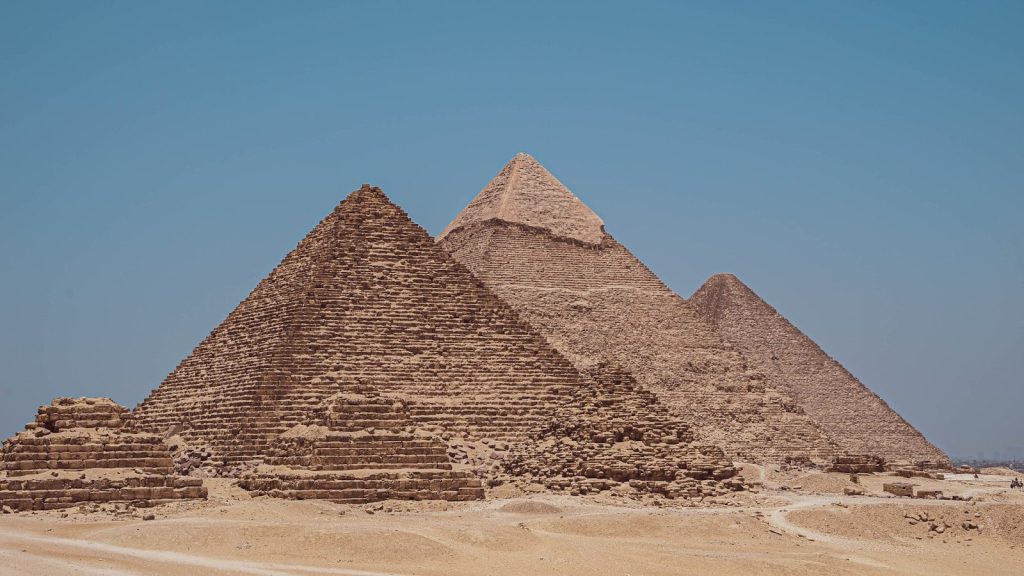
In 2017, muon detectors revealed a large unexplained void inside the Great Pyramid of Khufu. In 2023, researchers announced a separate corridor approximately nine metres long near the pyramid’s northern face.
These discoveries show how non-invasive imaging can locate spaces without drilling into ancient monuments. They also demonstrate why every anomaly must be studied independently rather than combined into one enormous mystery.
This Is Not Evidence of an Underground City
Viral posts have claimed that scans revealed vast pillars, chambers or a city extending deep below Giza. Archaeologists and radar specialists have challenged those interpretations, particularly claims involving detection at unrealistic depths.
The Menkaure study reports two limited anomalies immediately behind the pyramid’s exterior. It does not describe kilometres of tunnels or a massive hidden civilisation beneath the plateau.
The Next Step Must Be Carefully Controlled
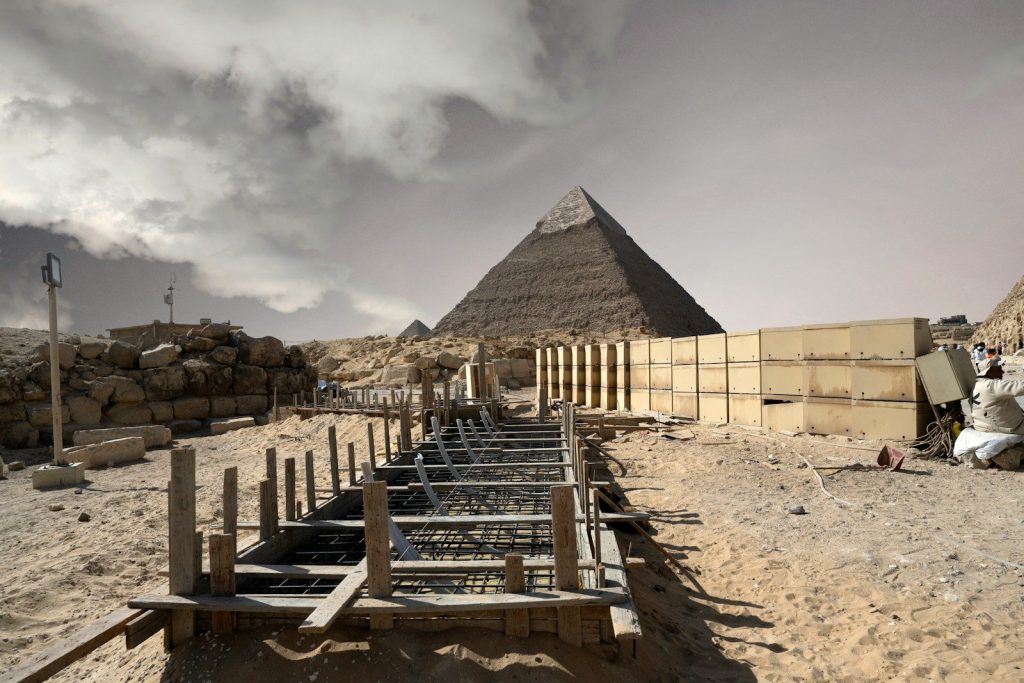
Future work may include more detailed scans, repeated measurements or a minimally invasive inspection approved by Egyptian authorities.
Because the pyramid is both fragile and archaeologically priceless, researchers cannot simply open every suspicious wall. The slow process can feel frustrating, but it protects the monument while allowing technology to narrow the possibilities before any physical investigation begins.
Leave a Reply