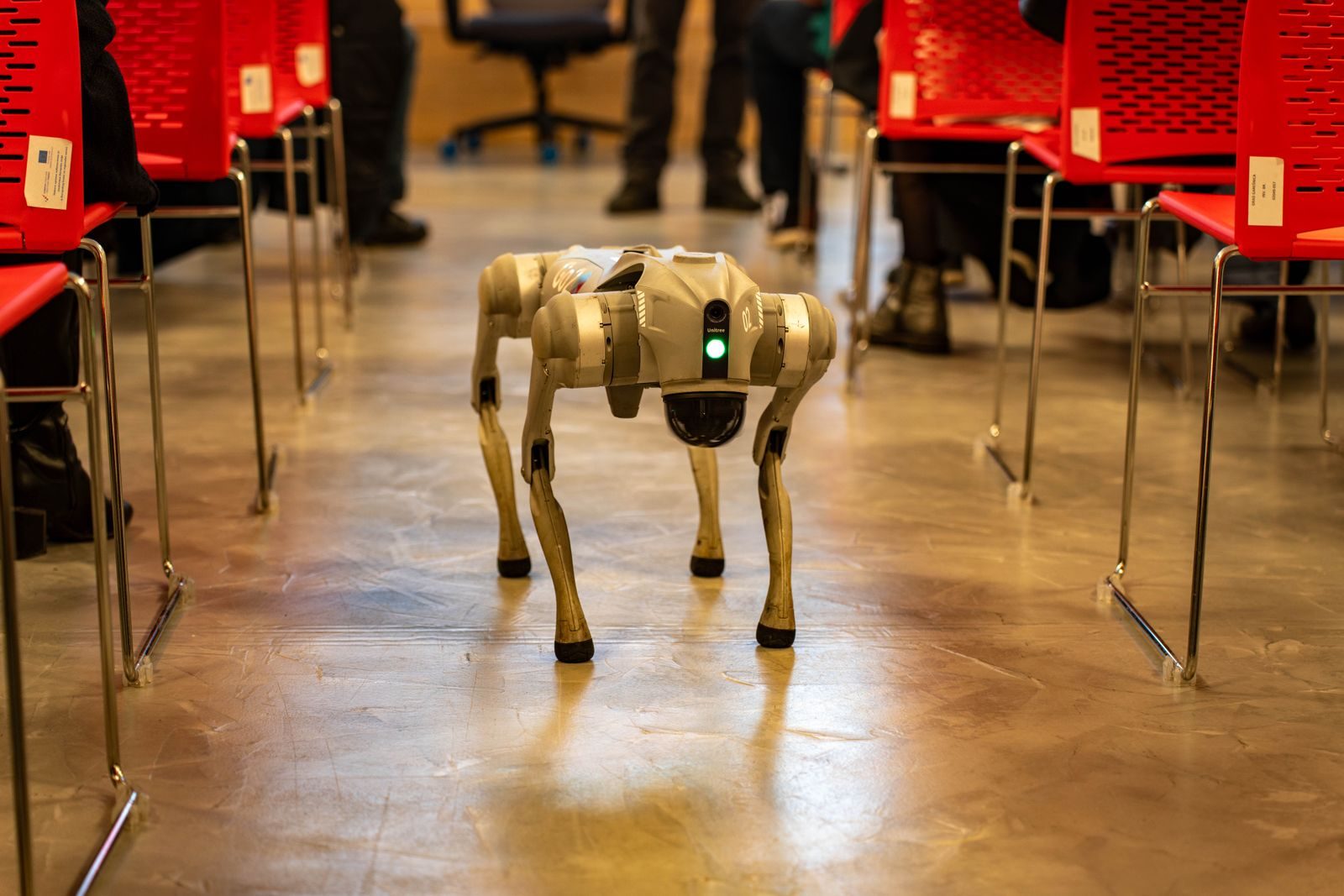
People usually think of military security as a task meant strictly for human guards. We picture highly trained soldiers patrolling perimeter fences during long night shifts.
But advanced robotic quadrupeds are rapidly taking over these dangerous security duties. These agile mechanical sentries operate in environments that would destroy living creatures.
Guarding Hazardous Remote Borders

Four-legged robots now navigate steep mountain passes and dry desert valleys where human troops struggle to walk. These machines do not get tired. They are fearless. Security logs from the US Department of Homeland Security show these quadrupeds operate in extreme heat without failing. But their advanced sensor suites carry even more surprising capabilities.
Spotting Threats In Darkness

Integrated thermal cameras and laser scanners allow mechanical dogs to detect movement through dense brush and absolute darkness. They transmit live video back to base. Vision is perfect. Technical sheets from Ghost Robotics reveal that onboard computers map entire patrol paths in real time. But these digital eyes are only part of a larger network.
Walking Through Toxic Hazards
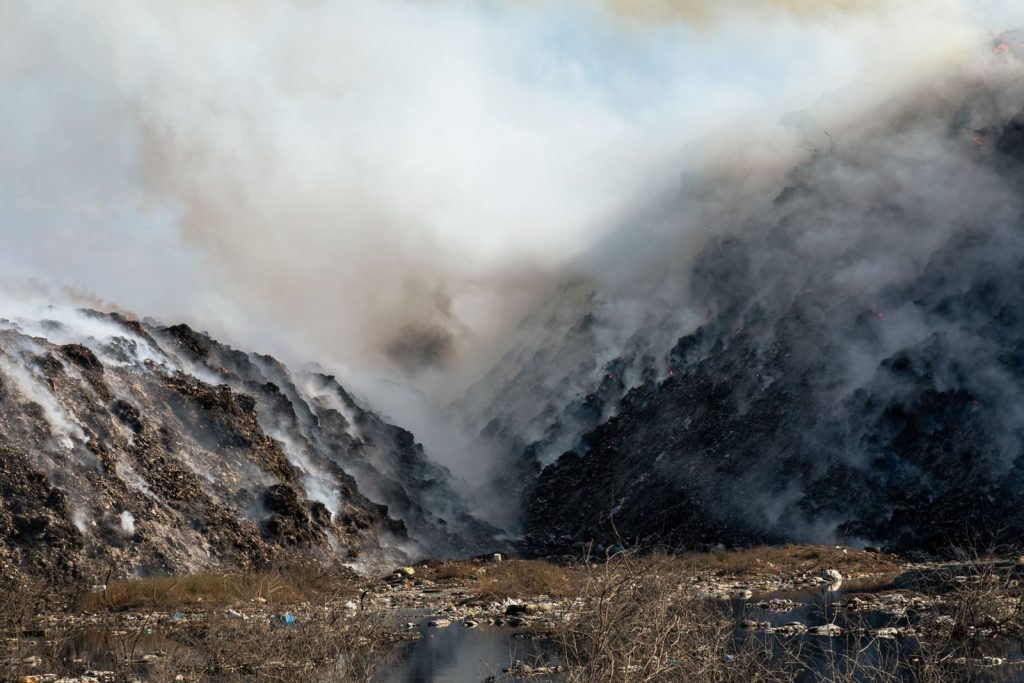
Steel limbs and sealed internal compartments protect these electronic sentries from chemical leaks and biological hazards. Humans cannot enter these zones. Safety comes first. Testing reports from the US Air Force show that robots can detect dangerous airborne chemicals while continuing their patrols. But carrying out these heavy missions requires incredible physical power.
Defying Extreme Weather Conditions

Rugged aluminum frames and specialized high-grip joints allow quadrupeds to scale wet rocks and slippery ice sheets. Heavy rain does not slow them down. Traction is key. Engineering reports from Boston Dynamics indicate that automated balancing algorithms adjust joint pressure hundreds of times every second. But navigating these rough paths still requires smart navigation.
Navigating Without GPS Signals

Autonomous software guides these sentries through deep concrete tunnels and dense forests where satellite navigation fails entirely. They use physical landmarks instead. Brains are digital. Systems reports from DARPA show that machine learning lets robots map unfamiliar underground labyrinths without human help. But teaching machines to make decisions on their own raises tough questions.
Working Alongside Human Teams
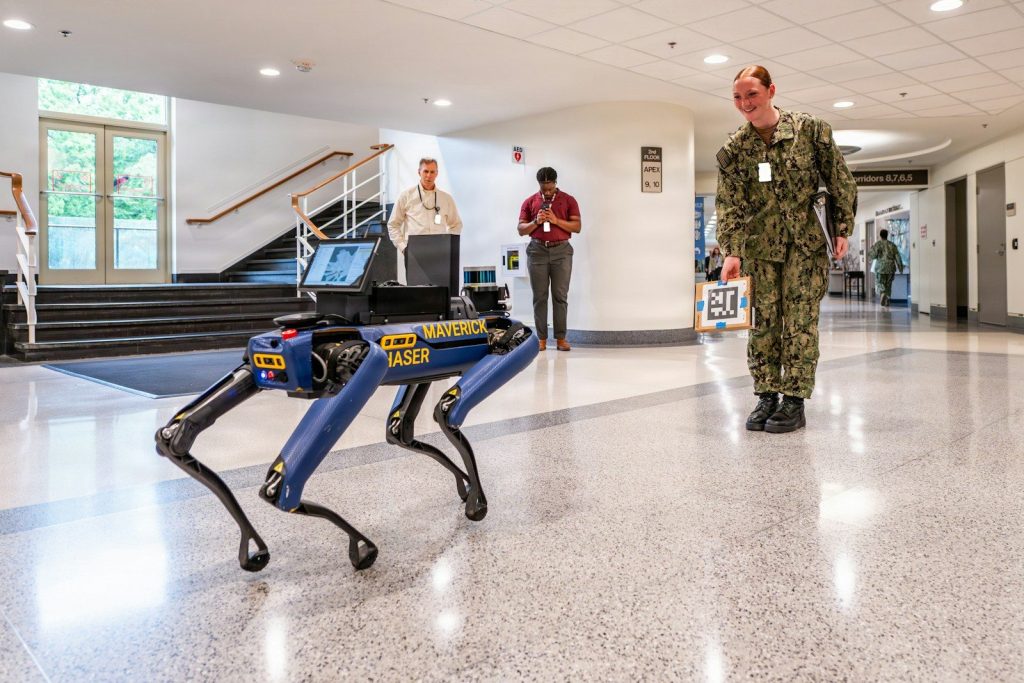
Soldiers use simple hand gestures and voice commands to direct these robotic companions during complex search operations. The machine acts as an advanced scout. Trust is growing. Field reports from the Army Research Laboratory show that incorporating robotic sentries reduces human casualty rates during high risk building sweeps. But these quiet sentinels are preparing for an independent future.
Lowering Maintenance Budgets Easily
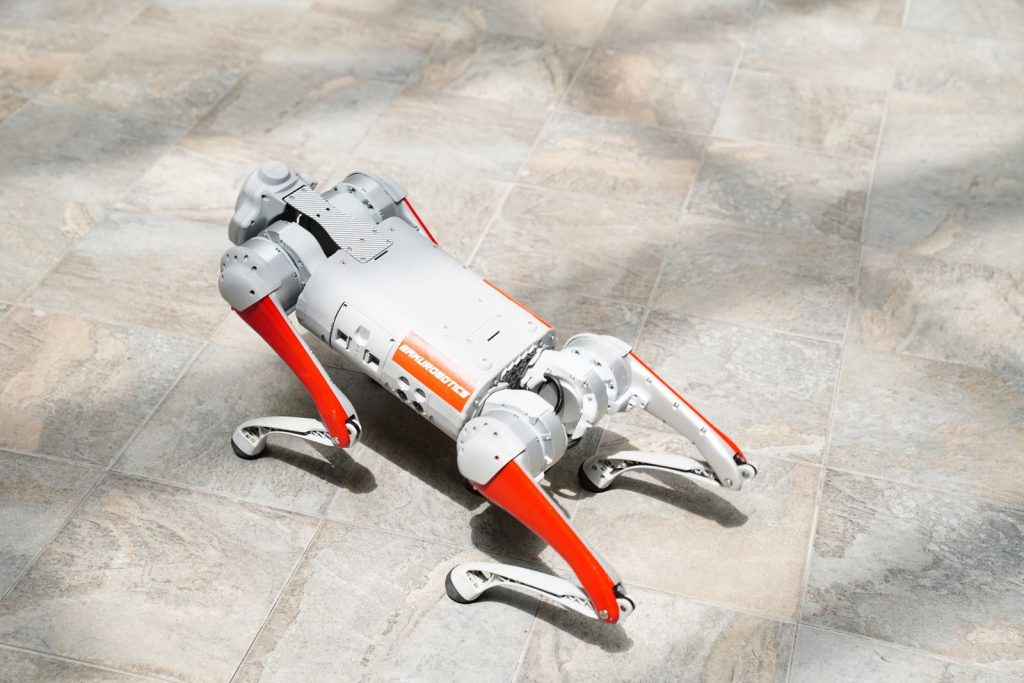
Electric drivetrains make robotic sentries significantly cheaper to operate than traditional armored vehicles or trained patrol animals. They require very little upkeep. Costs are low. Financial reviews from the Congressional Budget Office suggest that deploying automated fleets could save millions in security expenses over the next decade. But this budget shift will spark a massive change in defense strategies.
Welcoming The Automated Sentinels
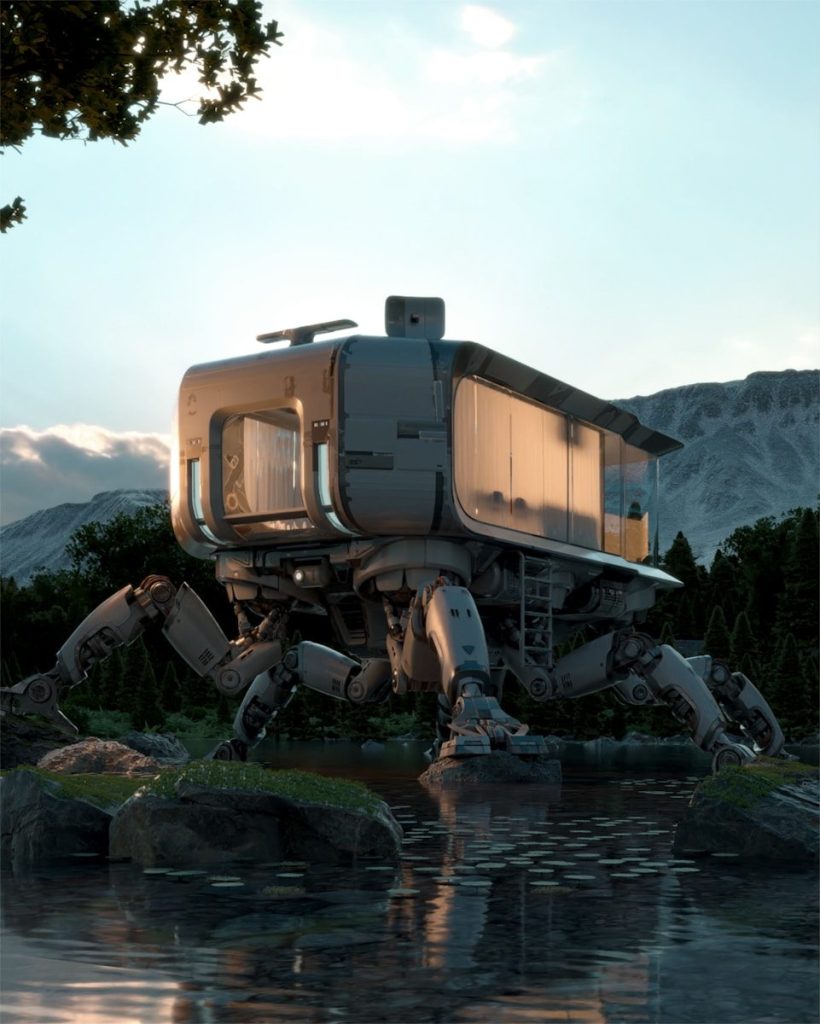
Integrating robotic dogs on active front lines represents a massive leap for national security. Tireless mechanical guardians keep human troops out of harm’s way during highly dangerous border patrols. This is progress. Defense analysts at military research panels suggest that automated sentries are here to stay. This article is for informational purposes only.
Featured Image: Photo by Vladimir Srajber on Pexels
Leave a Reply