
Most stargazers look at space travel as a friendly race between competing nations. We assume orbital missions focus entirely on scientific discovery and peaceful cooperation.
But intense lunar operations are quietly shifting the balance of global power. Bold construction plans are sparking deep anxiety among international space agencies.
Mining Outer Space Resources

Global competitors are targeting rare helium-three deposits trapped in the loose grey lunar soil. These cosmic materials could solve earthly energy issues forever. They are incredibly rare. Data from the European Space Agency suggests that securing these deposits drives the current celestial rush. But physical mining operations require massive permanent infrastructure on the surface.
Building Heavy Lunar Bases

Robotic scouts are searching deep underground volcanic tubes to find shelter from cosmic radiation. These giant caverns offer natural protection. Space is dangerous. Plans released by the China National Space Administration outline huge structures built inside these rocky hollows. But builders must locate another vital resource before construction can begin.
Hunting For Hidden Water

Massive ice sheets preserved inside permanently shadowed craters at the South Pole contain precious drinking water. This ice can also create rocket fuel. Water is gold. Reports from NASA confirm that controlling these freezing craters is the primary goal for future outposts. But launching massive equipment to the lunar south pole presents severe flight challenges.
Establishing Military Space Ports
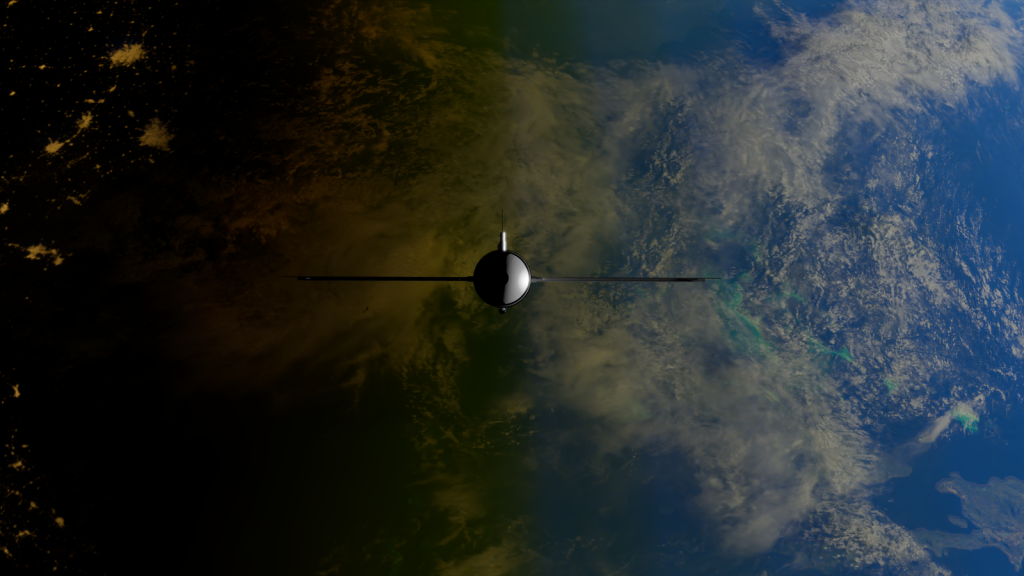
High orbits directly above the moon provide perfect positions for launching deep space reconnaissance missions. These paths allow ships to slip past Earth tracking systems. Control is everything. A military analysis from the Pentagon warns that dominant positions in lunar orbit could threaten communication satellites back home. But guarding these remote orbital paths requires highly advanced technology.
Navigating Dark Lunar Craters
Mobile rovers equipped with automated navigation lasers must map pitch-black terrain without human assistance. Direct radio signals often drop entirely near the polar zones. Signal loss happens. Engineering logs from the Harbin Institute of Technology reveal how autonomous AI guides vehicles over steep mountain ridges. But these smart machines are preparing for an even larger mission.
Launching Rockets From Moon
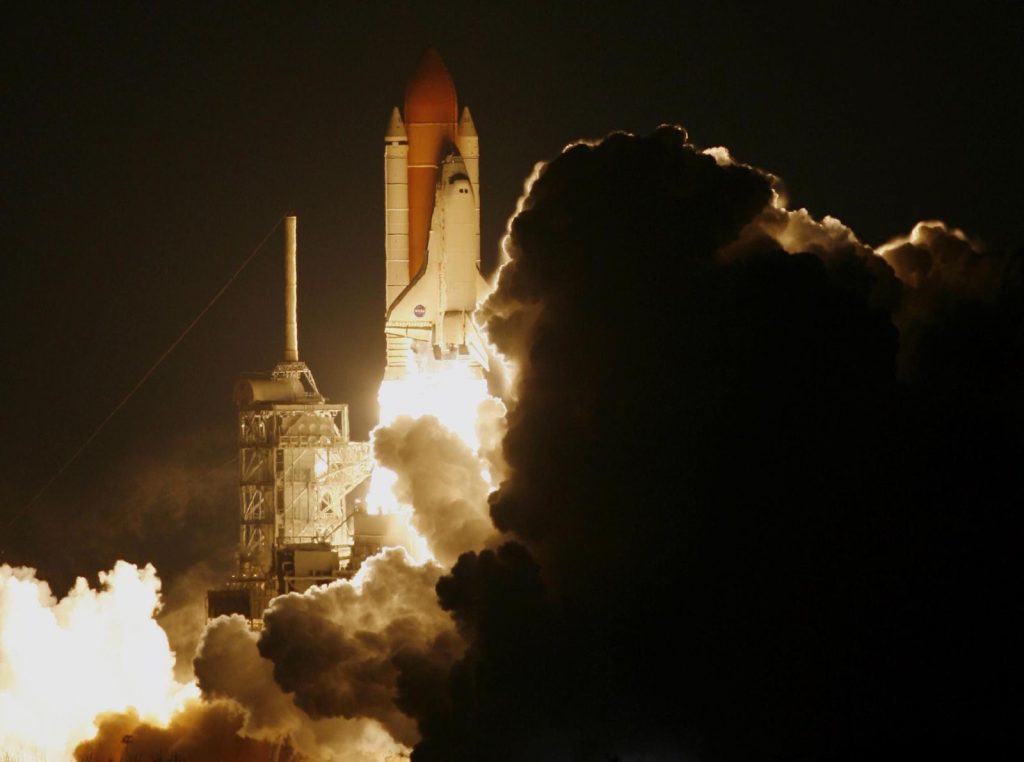
Low lunar gravity makes launching heavy spacecraft toward distant planets significantly easier and cheaper than leaving Earth. Fuel costs drop dramatically. Gravity is weak. Flight models from the Aerospace Corporation show that lunar launchpads could cut Mars travel costs by half. But this orbital highway is already triggering intense international friction.
Guarding The Celestial Frontier
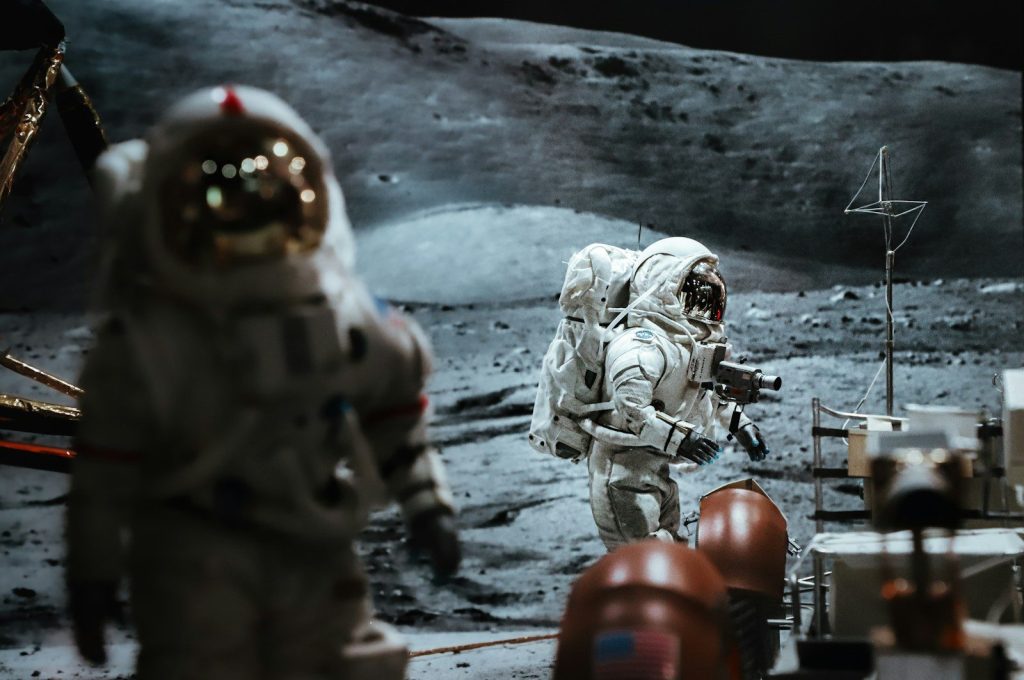
Expanding space programs will permanently alter our relationship with the night sky. Safe exploration requires global treaties to prevent conflict over lunar soil. This is critical. Space policy documents from the United Nations urge cooperation as nations build permanent structures on the moon. This article is for informational purposes only.
Leave a Reply